Thriller Filme & Serien
Thriller movies and TV shows stream free on Plex, with no subscription and plenty of twists you won't see coming. Just when you think you've figured it out, the rug gets pulled out from under you. The collection covers conspiracies, spy stories, psychological mind games, revenge plots and cat-and-mouse chases. Try a series or settle in for a nail-biter.




Frequently Asked Questions
A thriller is a film genre defined by tension, high stakes, and forward momentum, built to keep the audience gripped as a protagonist races against danger. Plot drives everything, with twists, chases, and mounting pressure pulling the viewer toward an uncertain outcome. The hero usually has something to lose and little time to lose it in, so every scene raises the temperature. Suspense is the engine, and the genre bends easily toward crime, espionage, and psychological drama. What holds constant is the pull forward, the sense that stopping is not an option.
Thrillers span several strong subgenres, led by the psychological thriller, the crime thriller, the political thriller, and the action thriller. Psychological entries locate the danger in the mind, trading gunfire for paranoia and unreliable memory. Crime thrillers follow heists, investigations, and criminals under pressure, while political ones raise the stakes to conspiracies and power. Action thrillers pair relentless pace with physical peril, keeping the body in motion. Espionage and legal thrillers round out the field, each applying the same tension to a different arena of high-stakes risk.
A thriller aims to keep you tense and anxious about danger, while horror aims to frighten and disturb you through dread, gore, or the supernatural. The thriller threatens with plausible, worldly peril such as a killer, a plot, or a chase you could picture escaping. Horror reaches for the primal, unsettling you with the monstrous and the uncanny. The two overlap often, and many films sit on the border between them. The dividing line is intent, with the thriller chasing suspense and horror chasing fear, though a single movie can deliver both.
A psychological thriller is a subgenre that generates tension through the mental and emotional states of its characters rather than physical action. Paranoia, unreliable narration, and unstable perception supply the danger, so the threat often lives inside a mind. These films favor mind games over chases, unsettling the viewer by making reality itself feel negotiable. Twists reframe everything that came before, rewarding a second viewing. The subgenre proves that dread needs no weapon when doubt about what is real does the work, and Plex holds a deep bench of the form free to stream.
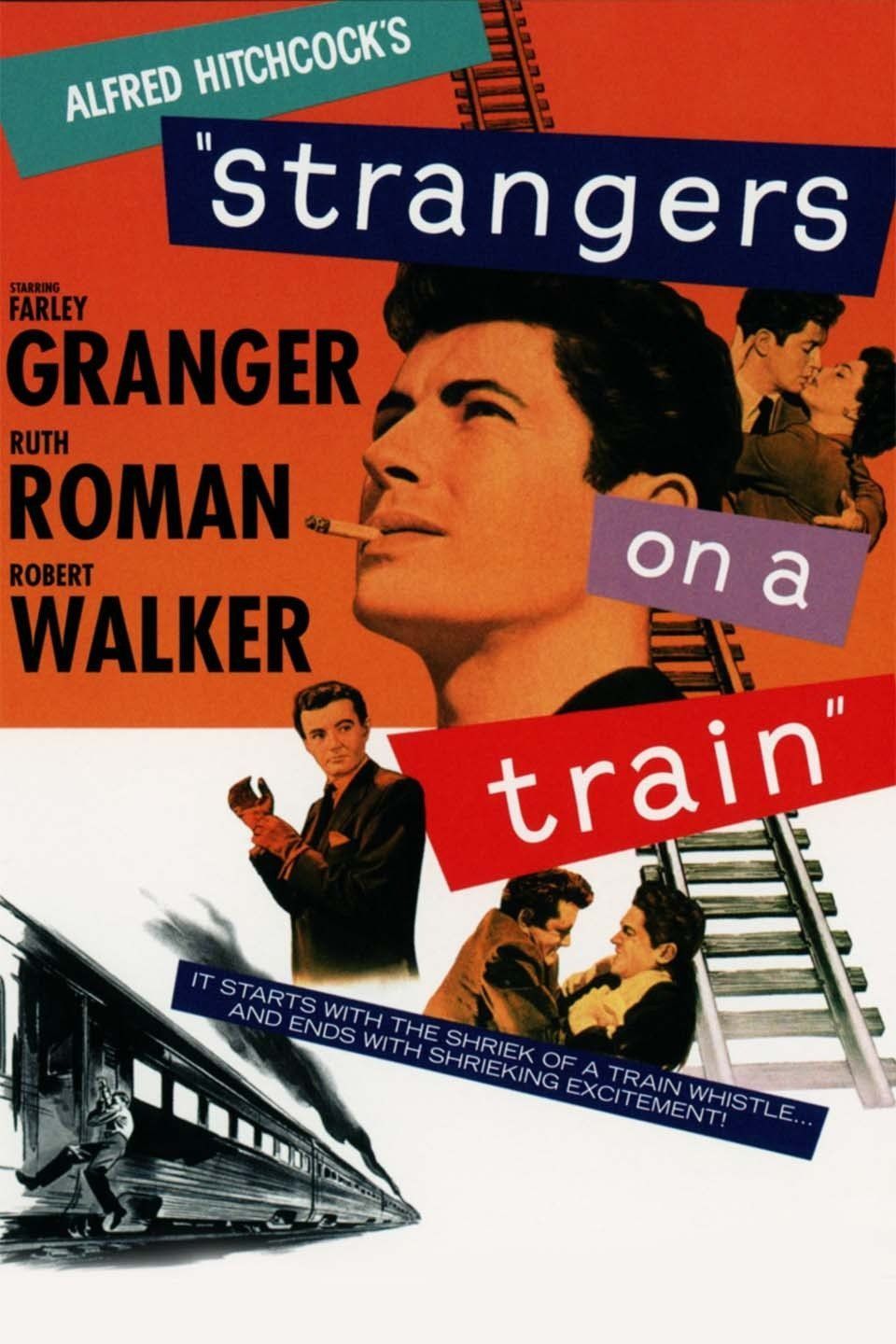
An early landmark of the thriller is The Lodger from 1927, an Alfred Hitchcock silent film that helped define the shape of screen suspense. Hitchcock built the picture around a wrongly suspected man, a device he would return to across his career. The film showed how camera placement and withheld information could tighten an audience without a word of dialogue. Its success pointed the way toward the sound-era thrillers that followed, establishing suspense as a genre in its own right rather than a mere mood inside other stories.
Yes, thrillers have won major Academy Awards, with The Silence of the Lambs sweeping the top categories including Best Picture as the genre's crowning example. That win proved a taut, frightening story could stand at the summit of film honors rather than languish as mere entertainment. The Academy has repeatedly rewarded thrillers for writing, direction, and acting, recognizing the craft required to sustain tension for two hours. When a thriller marries suspense to genuine character work, it earns a seat among the most respected films of any year.
People love thrillers because controlled danger is exhilarating, offering the pulse-quickening rush of high stakes from the safety of a seat. The tension demands full attention, and the payoff of a well-earned twist rewards it. There is pleasure in trying to stay a step ahead of the plot, in bracing for a reveal you can sense coming. The safe distance is essential, since real peril rarely thrills but staged peril does. A strong thriller lets you race alongside danger and cross the finish line unharmed, which is much of why the genre endures.
A good thriller sustains tension without letting it snap, pacing its reveals so the audience stays gripped from the first scene to the last. Stakes must feel real and personal, since tension needs a character worth fearing for and a threat worth dreading. The best twists reframe the story rather than merely startle, earning surprise through setup the viewer overlooked. Momentum is the discipline, keeping the plot moving so dead air never dilutes the dread. When logic holds and the payoff lands, a thriller delivers the grip it promised and lingers past the credits.
Common thriller tropes include the race against time, the unreliable protagonist, the shocking twist, and the ordinary person pulled into extraordinary danger. The ticking clock, the double-cross, and the reveal that recasts an ally as a threat recur because they reliably tighten the screws. Chase sequences, hidden identities, and last-minute escapes form the genre's familiar furniture. The strongest films honor these shapes while finding fresh tension inside them, turning an expected twist into a genuine gut-punch. Handled with care, a well-worn device still delivers the jolt it promises.
Thriller movies and shows stream free on ad-supported platforms, which have made the genre widely available without a subscription. Plex is a strong place to browse, gathering crime thrillers, psychological mind-benders, and espionage stories into one free library you can search by mood. The genre suits a spontaneous night, since a taut thriller rewards a viewer ready to be gripped for a couple of hours. You can pick a story on impulse and let the tension build at its own pace, with no fee between you and the twist.