
Karl Struss
30 listopada 1886 — 16 grudnia 1981 (95 years)
From Wikipedia, the free encyclopedia
Karl Struss, A.S.C. (November 30, 1886 – December 15, 1981) was an American photographer and a cinematographer of the 1900s through the 1950s. He was also one of the earliest pioneers of 3-D films. While he mostly worked on films, such as F. W. Murnau's Sunrise: A Song of Two Humans and Charlie Chaplin's The Great Dictator and Limelight, he was also one of the cinematographers for the television series Broken Arrow and photographed 19 episodes of My Friend Flicka.
In 1919, after his discharge from WWI, he moved to Los Angeles and signed on with Cecil B. DeMille as a cameraman, initially for the film For Better, For Worse starring Gloria Swanson, followed by another Swanson film Male and Female and leading to a two-year contract with the studio In early 1921, he married Ethel Wall, who helped to support him in his photographic work independent of the film studios, which included pictorial views set in California In the 1920s, Struss worked on such films as Ben-Hur and F. W. Murnau's Sunrise: A Song of Two Humans. In 1927, he contracted with United Artists, where he worked with D. W. Griffith on such films as Drums of Love and also filmed Mary Pickford's first talking film Coquette. He continued his experimental work with camera technology, developing the "Lupe Light" and a new bracket system for the Bell & Howell camera.
From 1931 through 1945, Struss worked as a cameraman for Paramount, where he worked on a variety of material including films featuring Mae West, Bing Crosby, and Dorothy Lamour Struss also aimed to shape the field through publishing; for example, in 1934 he authored "Photographic Modernism and the Cinematographer" for American Cinematographer. Struss was later admitted to the American Society of Cinematographers, and was a founding member of the Academy of Motion Picture Arts. In 1949, while working as a freelancer, he began his work in "stereo cinematography", becoming one of the first proponents of that art form. Unfortunately, he did most of his 3D film work in Italy and none of his films were subsequently released in 3D in the United States.
Struss's photographic archive of exhibition prints, film stills, negatives and papers (3 linear feet of materials) is available at the Amon Carter Museum of American Art located in Fort Worth, Texas.
Karl Struss, A.S.C. (November 30, 1886 – December 15, 1981) was an American photographer and a cinematographer of the 1900s through the 1950s. He was also one of the earliest pioneers of 3-D films. While he mostly worked on films, such as F. W. Murnau's Sunrise: A Song of Two Humans and Charlie Chaplin's The Great Dictator and Limelight, he was also one of the cinematographers for the television series Broken Arrow and photographed 19 episodes of My Friend Flicka.
In 1919, after his discharge from WWI, he moved to Los Angeles and signed on with Cecil B. DeMille as a cameraman, initially for the film For Better, For Worse starring Gloria Swanson, followed by another Swanson film Male and Female and leading to a two-year contract with the studio In early 1921, he married Ethel Wall, who helped to support him in his photographic work independent of the film studios, which included pictorial views set in California In the 1920s, Struss worked on such films as Ben-Hur and F. W. Murnau's Sunrise: A Song of Two Humans. In 1927, he contracted with United Artists, where he worked with D. W. Griffith on such films as Drums of Love and also filmed Mary Pickford's first talking film Coquette. He continued his experimental work with camera technology, developing the "Lupe Light" and a new bracket system for the Bell & Howell camera.
From 1931 through 1945, Struss worked as a cameraman for Paramount, where he worked on a variety of material including films featuring Mae West, Bing Crosby, and Dorothy Lamour Struss also aimed to shape the field through publishing; for example, in 1934 he authored "Photographic Modernism and the Cinematographer" for American Cinematographer. Struss was later admitted to the American Society of Cinematographers, and was a founding member of the Academy of Motion Picture Arts. In 1949, while working as a freelancer, he began his work in "stereo cinematography", becoming one of the first proponents of that art form. Unfortunately, he did most of his 3D film work in Italy and none of his films were subsequently released in 3D in the United States.
Struss's photographic archive of exhibition prints, film stills, negatives and papers (3 linear feet of materials) is available at the Amon Carter Museum of American Art located in Fort Worth, Texas.



Filmografia
| 1959 | Counterplot · as Director Of Photography |
| 1959 | The Alligator People · as Director Of Photography |
| 1959 | The Rebel Set · as Director Of Photography |
| 1959 | The Sad Horse · as Cinematographer |
| 1958 | Machete · as Director Of Photography |
| 1958 | The Hot Angel · as Director Of Photography |
| 1958 | The Fly · as Director Of Photography |
| 1957 | The Deerslayer · as Director Of Photography |
| 1957 | She Devil · as Director Of Photography |
| 1957 | Kronos · as Director Of Photography |
| 1956 | Broken Arrow · as Cinematographer |
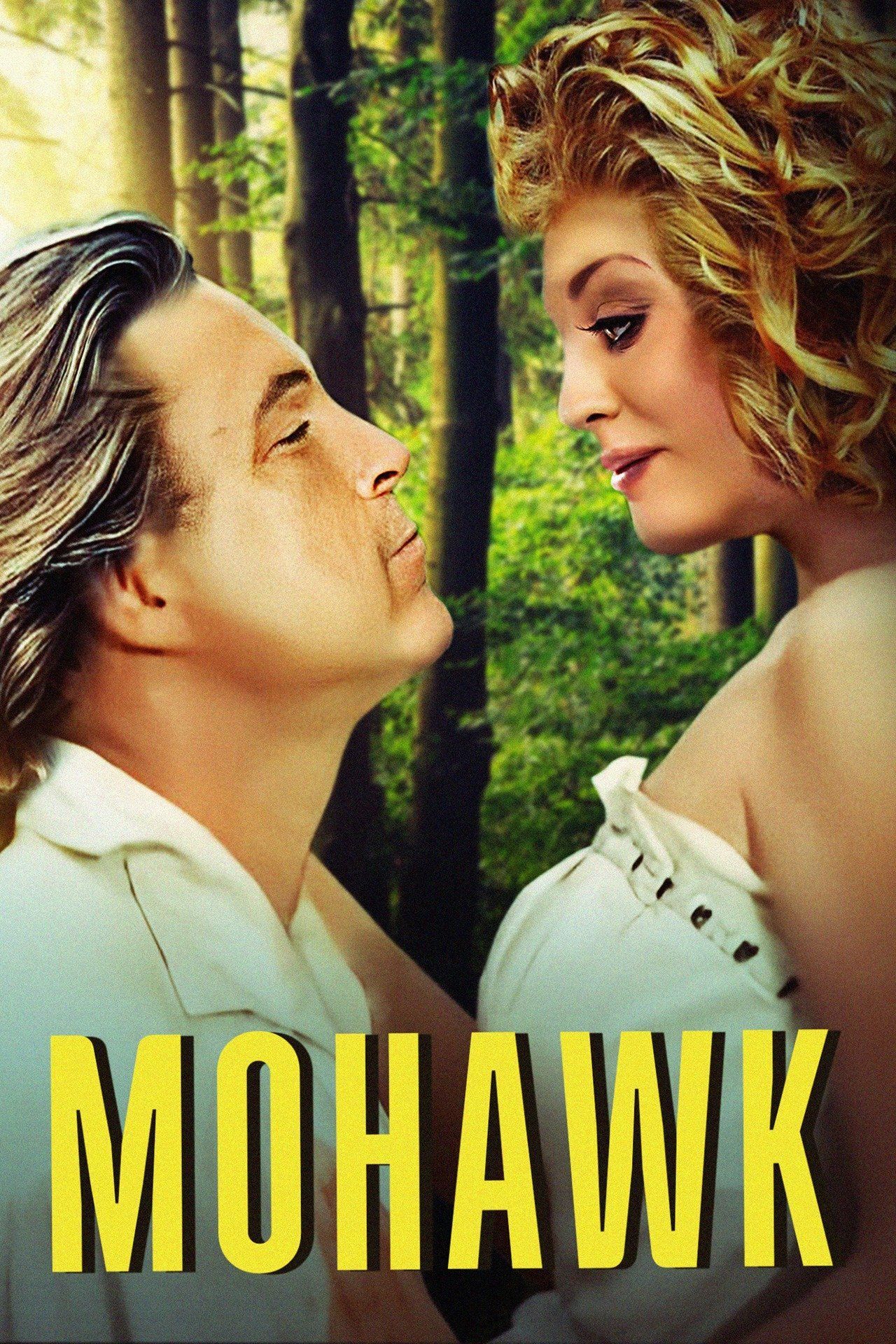
| 1956 | Mohawk · as Director Of PhotographyNa Plex |
| 1955 | The 20th Century-Fox Hour · as Cinematographer |
| 1955 | My Friend Flicka · as Cinematographer |
| 1954 | Miseria e nobiltà · as Director Of Photography |
| 1954 | Two Nights with Cleopatra · as Director Of Photography |
| 1953 | Fatal Desire · as CinematographerNa Plex |
| 1953 | Funniest Show on Earth · as Director Of Photography |
| 1953 | Neapolitan Turk · as Director Of Photography |
| 1953 | Tarzan and the She-Devil · as Cinematographer |
| 1953 | Mesa of Lost Women · as Director Of PhotographyNa Plex |
| 1952 | Rose of Cimarron · as Director Of Photography |
| 1952 | Face to Face · as Cinematographer |
| 1952 | Limelight · as Director Of Photography |
| 1952 | Cavalcade of America · as Cinematographer |
| 1952 | Tarzan's Savage Fury · as Director Of Photography |
| 1952 | Lady Possessed · as Director Of Photography |
| 1951 | Tarzan's Peril · as Director Of Photography |
| 1950 | The Texan Meets Calamity Jane · as Director Of Photography |
| 1950 | The Return of Jesse James · as Director Of Photography |
| 1950 | It's a Small World · as Director Of Photography |
| 1950 | Rocketship X-M · as Director Of Photography |
| 1949 | The Buster Keaton Show · as Cinematographer |
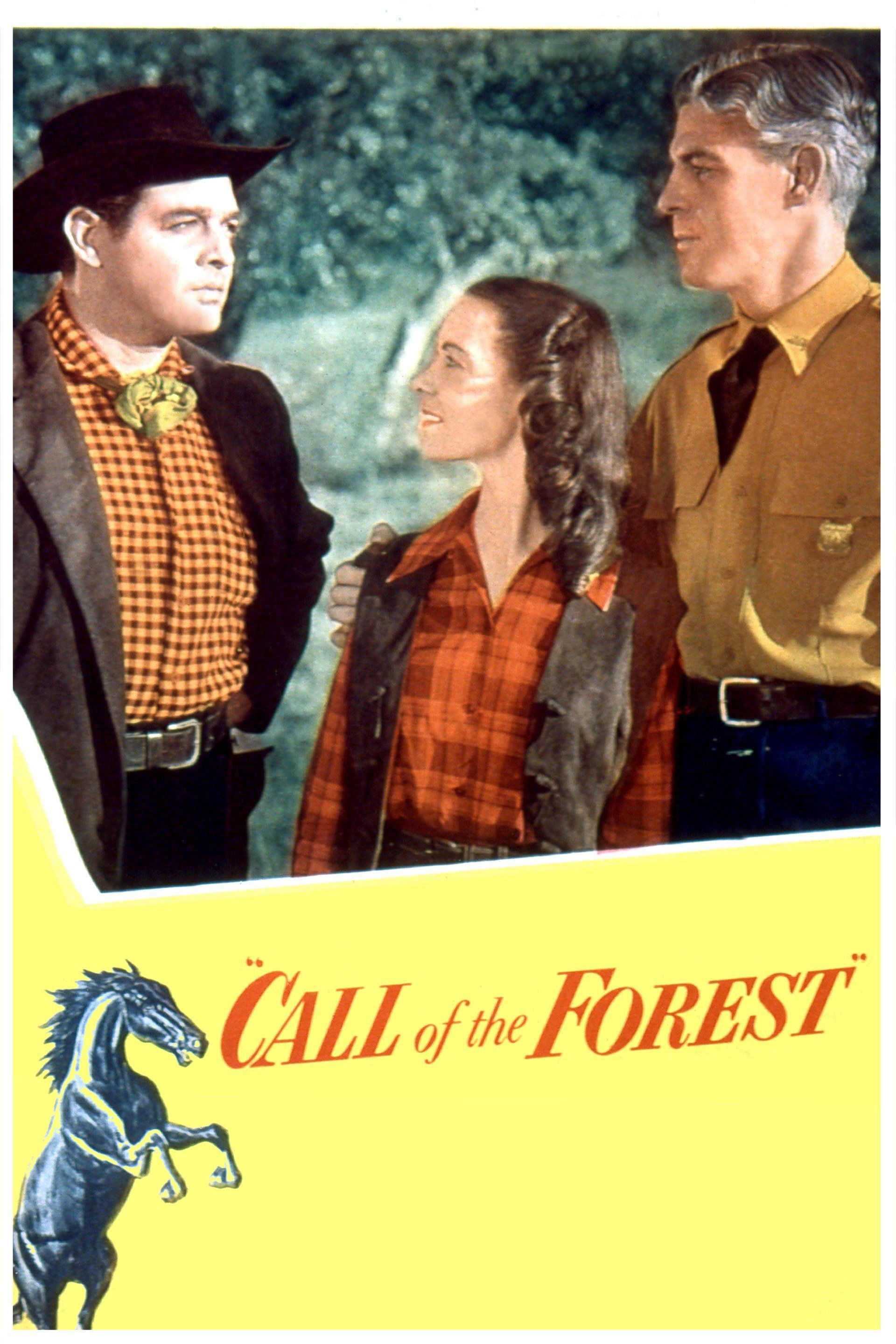
| 1949 | Call of the Forest · as Director Of PhotographyNa Plex |
| 1949 | Bad Boy · as Director Of Photography |
| 1949 | Tarzan's Magic Fountain · as Director Of Photography |
| 1948 | Siren of Atlantis · as Director Of Photography |
| 1948 | The Dude Goes West · as Director Of Photography |
| 1947 | Heaven Only Knows · as Director Of Photography |
| 1947 | The Macomber Affair · as Director Of Photography |
| 1946 | Mr. Ace · as Cinematographer |
| 1946 | Suspense · as Director Of Photography |
| 1946 | Tarzan and the Leopard Woman · as Director Of Photography |
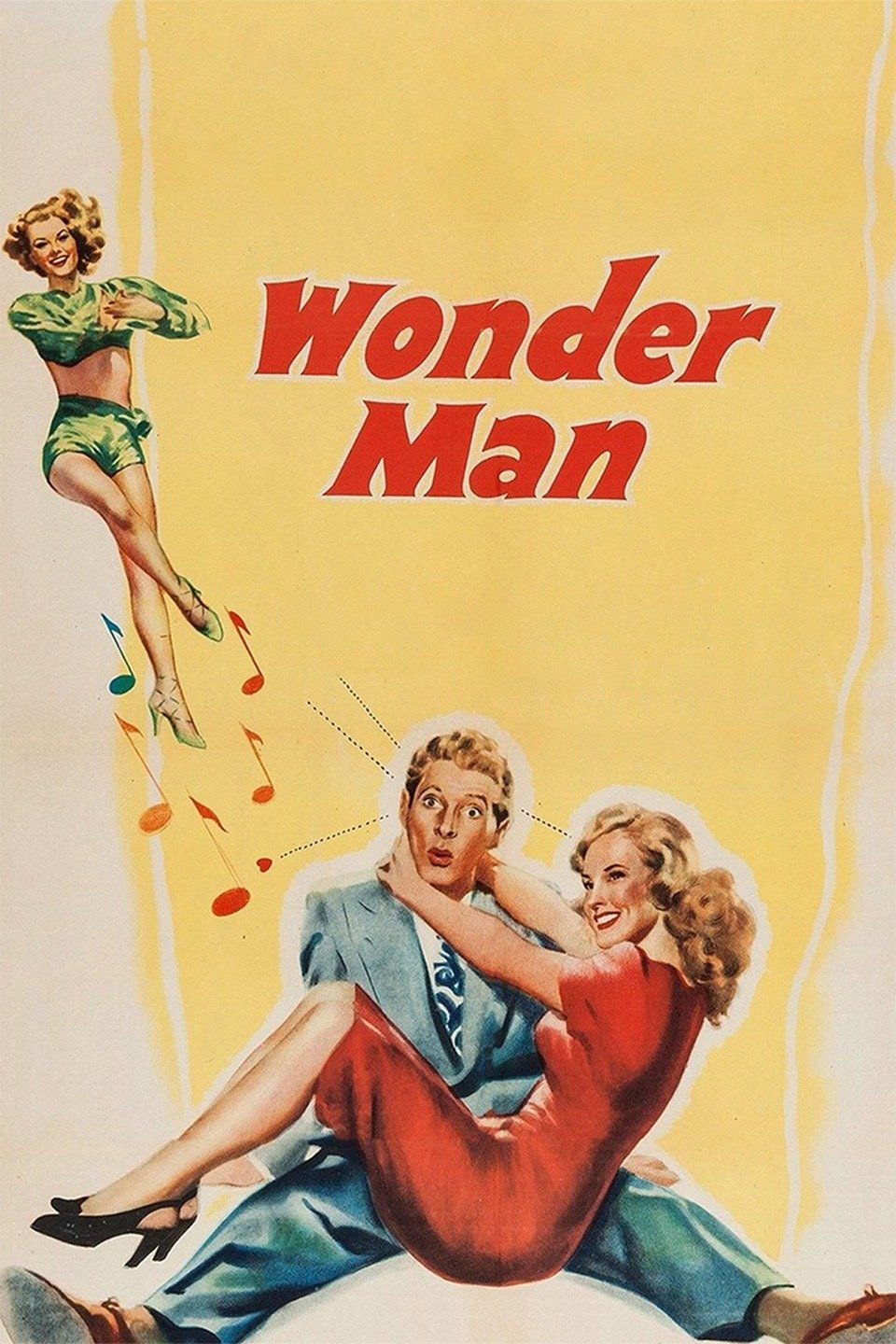
| 1945 | Wonder Man · as Director Of PhotographyNa Plex |
| 1945 | Bring on the Girls · as Director Of Photography |
| 1944 | Rainbow Island · as Director Of Photography |
| 1944 | And the Angels Sing · as Director Of Photography |
| 1943 | Riding High · as Director Of Photography |
| 1943 | Journey Into Fear · as Director Of Photography |
| 1943 | Happy Go Lucky · as Director Of Photography |
| 1941 | Aloma of the South Seas · as Director Of Photography |
| 1941 | Caught in the Draft · as Director Of Photography |
| 1940 | The Great Dictator · as Director Of Photography |
| 1939 | The Star Maker · as Director Of Photography |
| 1939 | Island of Lost Men · as Director Of Photography |
| 1939 | Some Like It Hot · as Cinematographer |
| 1939 | Zenobia · as Director Of Photography |
| 1938 | Paris Honeymoon · as Director Of Photography |
| 1938 | Thanks for the Memory · as Director Of Photography |
| 1938 | Sing, You Sinners · as Cinematographer |
| 1937 | Every Day's a Holiday · as Director Of Photography |
| 1937 | Thunder Trail · as Cinematographer |
| 1937 | Double or Nothing · as Cinematographer |
| 1937 | Waikiki Wedding · as Director Of Photography |
| 1936 | Let's Make a Million · as Director Of Photography |
| 1936 | Go West Young Man · as Director Of Photography |
| 1936 | Hollywood Boulevard · as Director Of Photography |
| 1936 | Rhythm on the Range · as Cinematographer |
| 1936 | Too Many Parents · as Cinematographer |
| 1936 | The Preview Murder Mystery · as Director Of Photography |
| 1936 | Anything Goes · as Director Of Photography |
| 1935 | Two for Tonight · as Director Of Photography |
| 1935 | Goin' to Town · as Director Of Photography |
| 1935 | Mississippi · as Director Of Photography |
| 1934 | Here Is My Heart · as Director Of Photography |
| 1934 | The Pursuit of Happiness · as Cinematographer |
| 1934 | Belle of the Nineties · as Cinematographer |
| 1934 | Four Frightened People · as Director Of Photography |
| 1933 | Torch Singer · as Director Of Photography |
| 1933 | One Sunday Afternoon · as Cinematographer |
| 1933 | Disgraced · as Director Of Photography |
| 1933 | The Girl in 419 · as Cinematographer |
| 1933 | The Story of Temple Drake · as Director Of Photography |
| 1933 | The Woman Accused · as Director Of Photography |
| 1933 | Tonight Is Ours · as Director Of Photography |
| 1932 | The Sign of the Cross · as Director Of Photography |
| 1932 | Island of Lost Souls · as Director Of Photography |
| 1932 | Guilty as Hell · as Cinematographer |
| 1932 | The Man from Yesterday · as Director Of Photography |
| 1932 | Forgotten Commandments · as Director Of Photography |
| 1932 | The World and the Flesh · as Director Of Photography |
| 1932 | Two Kinds of Women · as Director Of Photography |
| 1932 | Dancers in the Dark · as Director Of Photography |
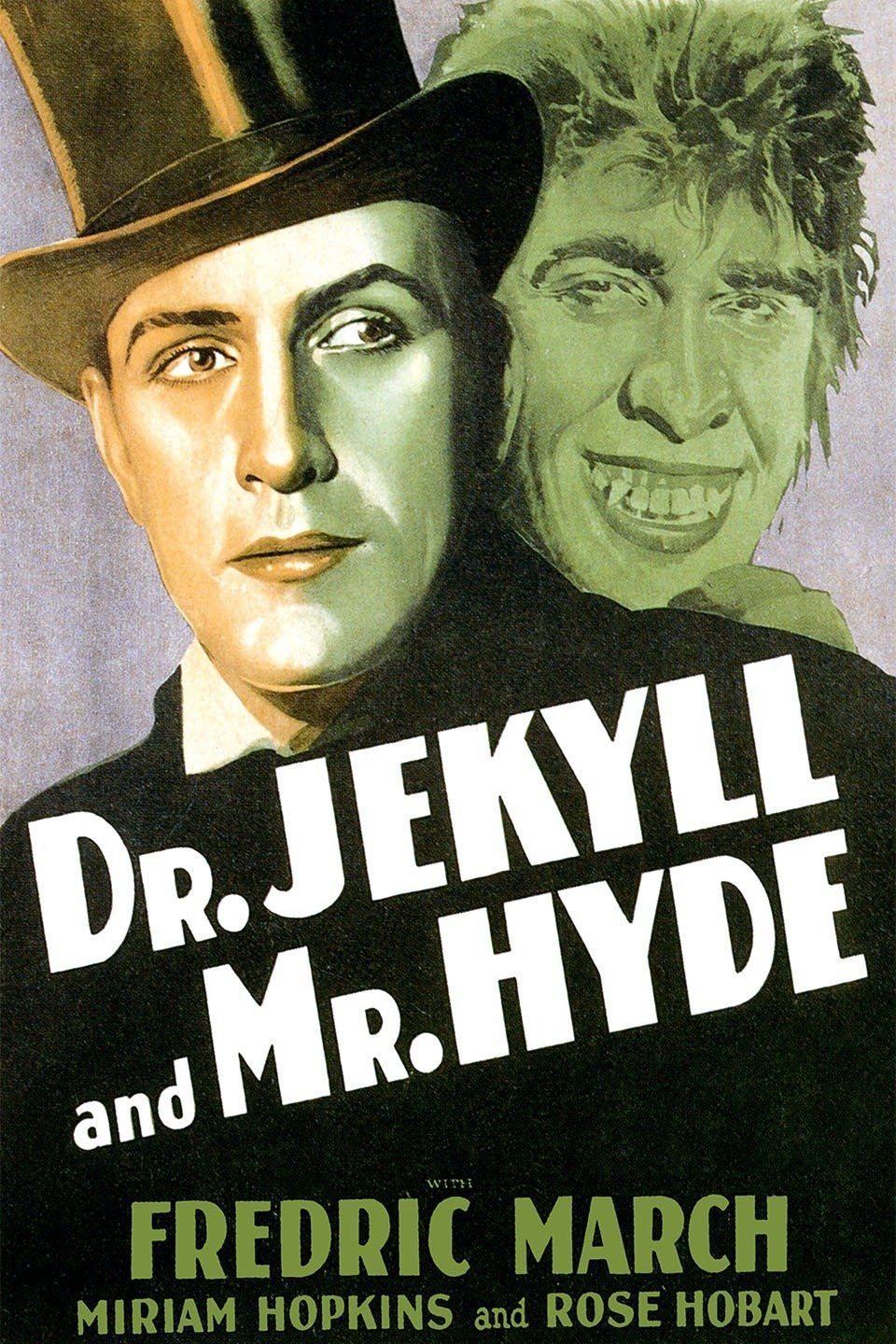
| 1931 | Dr. Jekyll and Mr. Hyde · as Director Of Photography |
| 1931 | The Road to Reno · as Director Of Photography |
| 1931 | Murder by the Clock · as Cinematographer |
| 1931 | Up Pops the Devil · as Director Of Photography |
| 1931 | Skippy · as Director Of Photography |
| 1931 | Kiki · as Cinematographer |
| 1930 | Abraham Lincoln · as Director Of Photography |
| 1930 | Danger Lights · as Director Of Photography |
| 1930 | One Romantic Night · as Director Of Photography |
| 1930 | The Bad One · as Director Of Photography |
| 1930 | Be Yourself! · as Director Of Photography |
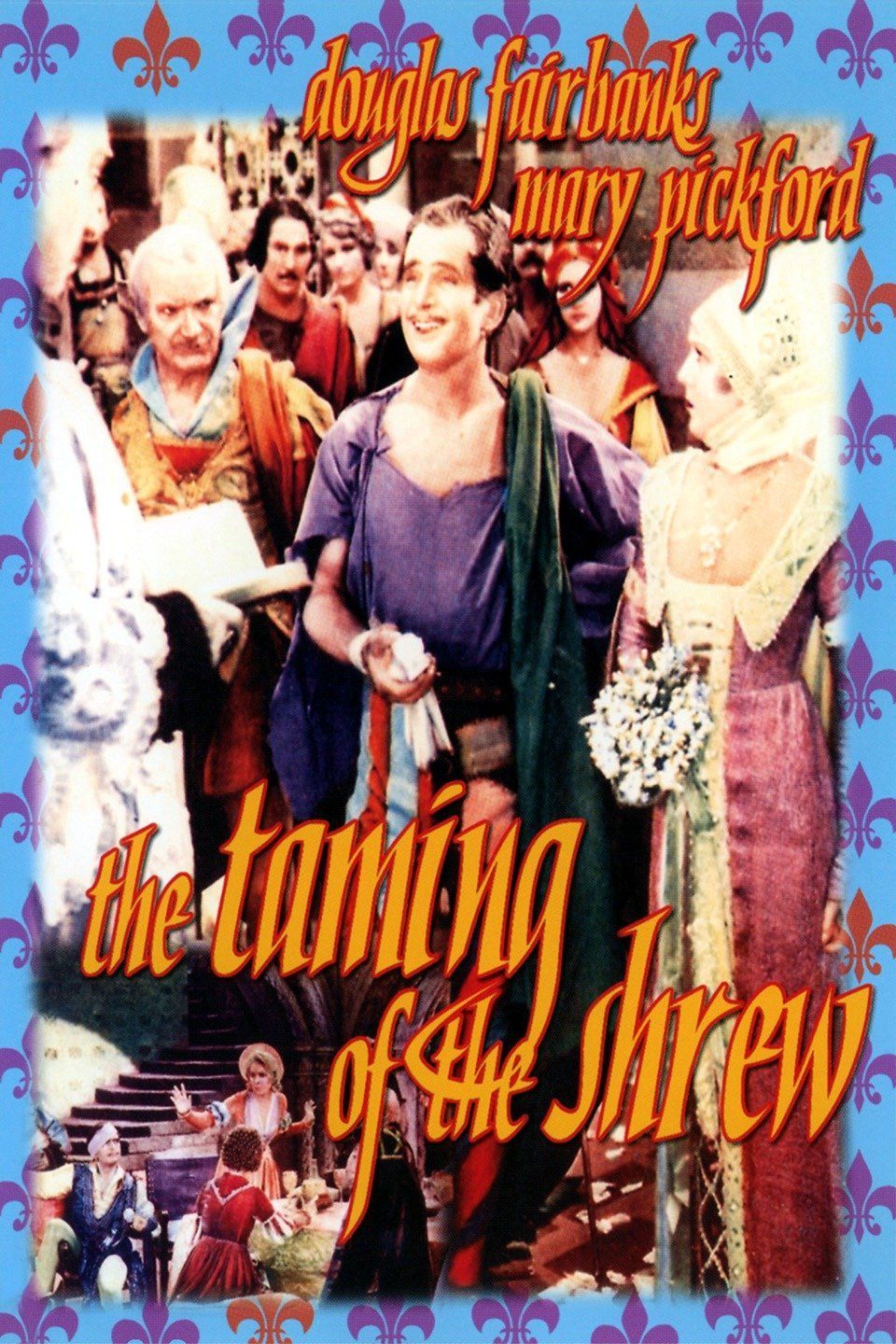
| 1929 | The Taming of the Shrew · as Director Of PhotographyNa Plex |
| 1929 | Coquette · as Director Of Photography |
| 1929 | Lady of the Pavements · as Cinematographer |
| 1928 | The Battle of the Sexes · as Director Of Photography |
| 1928 | Drums of Love · as Cinematographer |
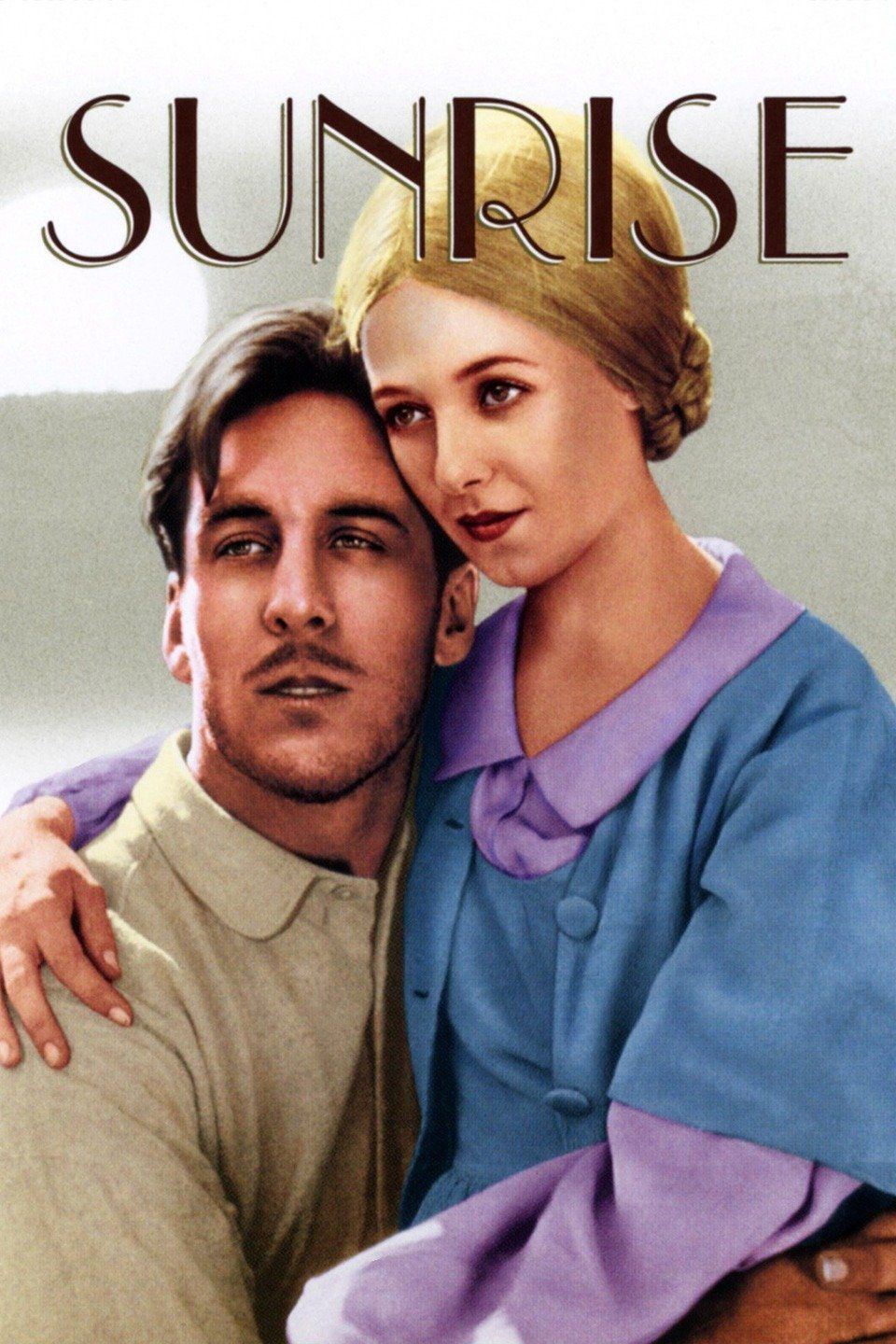
| 1927 | Sunrise · as Director Of PhotographyNa Plex |
| 1926 | Sparrows · as Director Of Photography |
| 1925 | Ben-Hur: A Tale of the Christ · as Director Of Photography |
| 1923 | Maytime · as Cinematographer |
| 1922 | Saturday Night · as Director Of Photography |
| 1921 | Fool's Paradise · as Director Of Photography |
| 1921 | The Affairs of Anatol · as Cinematographer |
| 1921 | Forbidden Fruit · as Cinematographer |
| 1920 | Something to Think About · as Director Of Photography |