The Vicar of Dibley
Where to Watch The Vicar of Dibley


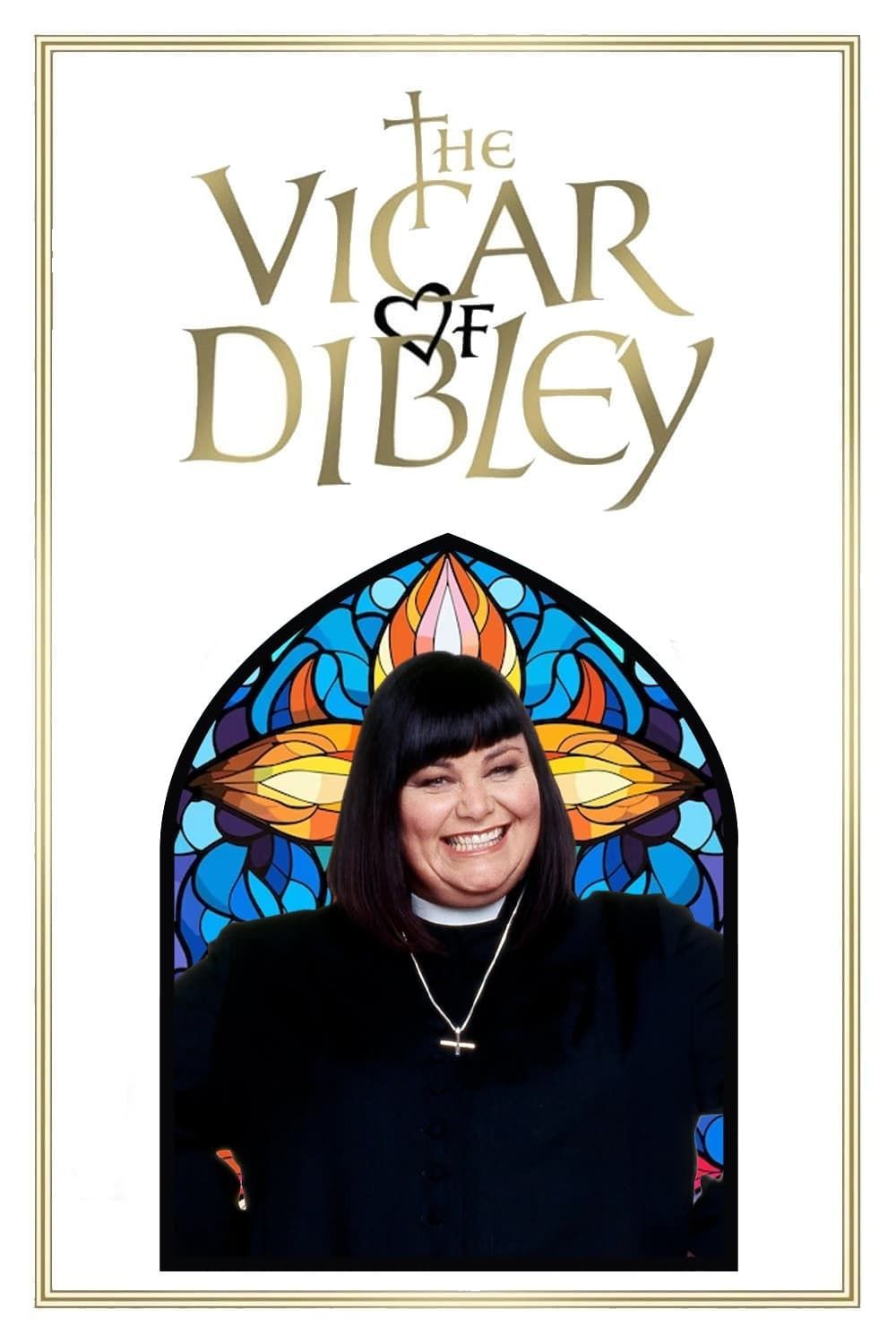









- ShaydeknightMarch 31, 2026The appeal of The Vicar of Dibley is obvious. It is light, affectionate, and structured around warmth rather than satire. The comedy leans on character eccentricity and gentle absurdity, but the series also makes space for emotional moments. When it works, it is disarmingly sincere. The premise itself is traditional. A fish out of water vicar arrives in an insular rural community and gradually wins acceptance. It's an old structure, but it suits the tone. The series produces several genuinely moving moments. The problem is that Geraldine's professional competence isn't really developed enough to justify the level of admiration she receives. She introduces a handful of initiatives, but nothing that explains the intense loyalty or romantic fascination that accumulates around her. Further, that inconsistency is sharpened by how insistently the show frames her as physically desirable. Multiple characters fall in love with her, comment on her derrière, or treat her as an object of attraction, yet the scripts do little to ground that response in chemistry, shared experience, or exceptional personal magnetism. Given that she's also morbidly obese and not what most would consider to be attractive, the emphasis on widespread physical admiration reads less as character driven affection and more as a narrative necessity. It's not that she can't conceivably be attractive but that the series repeatedly demands she is WILDLY attractive without doing the work to earn it. The sense that the show bends toward self-flattery is reinforced by its creative origins. The tone resembles certain early Woody Allen films in which he self-cast himself as someone surrounded by fawning admirers. The result is clearly authorial wish fulfilment, it's the masturbative auteur in play. Although Richard Curtis wrote the scripts, French’s involvement in development is evident in how insistently the narrative validates the central character, and that validation crowds out realism. The emotional moments work, the ensemble shines, and the tone remains pleasant, but the romantic arcs feel forced. The series ends up charming at moments yet structurally indulgent, with heart and humour undermined by a central conceit that's never really convincing. Perhaps it wouldn't have been as noticeable if the ensemble hadn't been so unusually strong. Emma Chambers brought genuine vulnerability and comic precision to Alice, she was absolutely amazing in the role, while Gary Waldhorn grounds the show with a quietly evolving performance as David Horton. The rest of the cast is no less extraordinary. Much of the humour and emotional credibility comes from these supporting players. Their reactions sell the village. Their rhythms create the comedy. Remove them, and the series would struggle to maintain either warmth or plausibility. In the end, The Vicar of Dibley remains an enjoyable, warm-hearted series carried by an exceptional ensemble and a tone that allows sincerity without too much embarrassment. Its humour is gentle, its sentiment often effective, and many individual moments land well, emotionally. Yet the central character is written with a degree of narrative indulgence that weakens the whole. The admiration she receives, particularly in the romantic plots, is asserted more than grounded, and the gap between what the show tells us and what it demonstrates undermines credibility. With stronger grounding for Geraldine's appeal and competence, the series might have moved from charming to genuinely outstanding. As it stands, it's good natured and frequently delightful, but never quite as convincing as it wants to be.
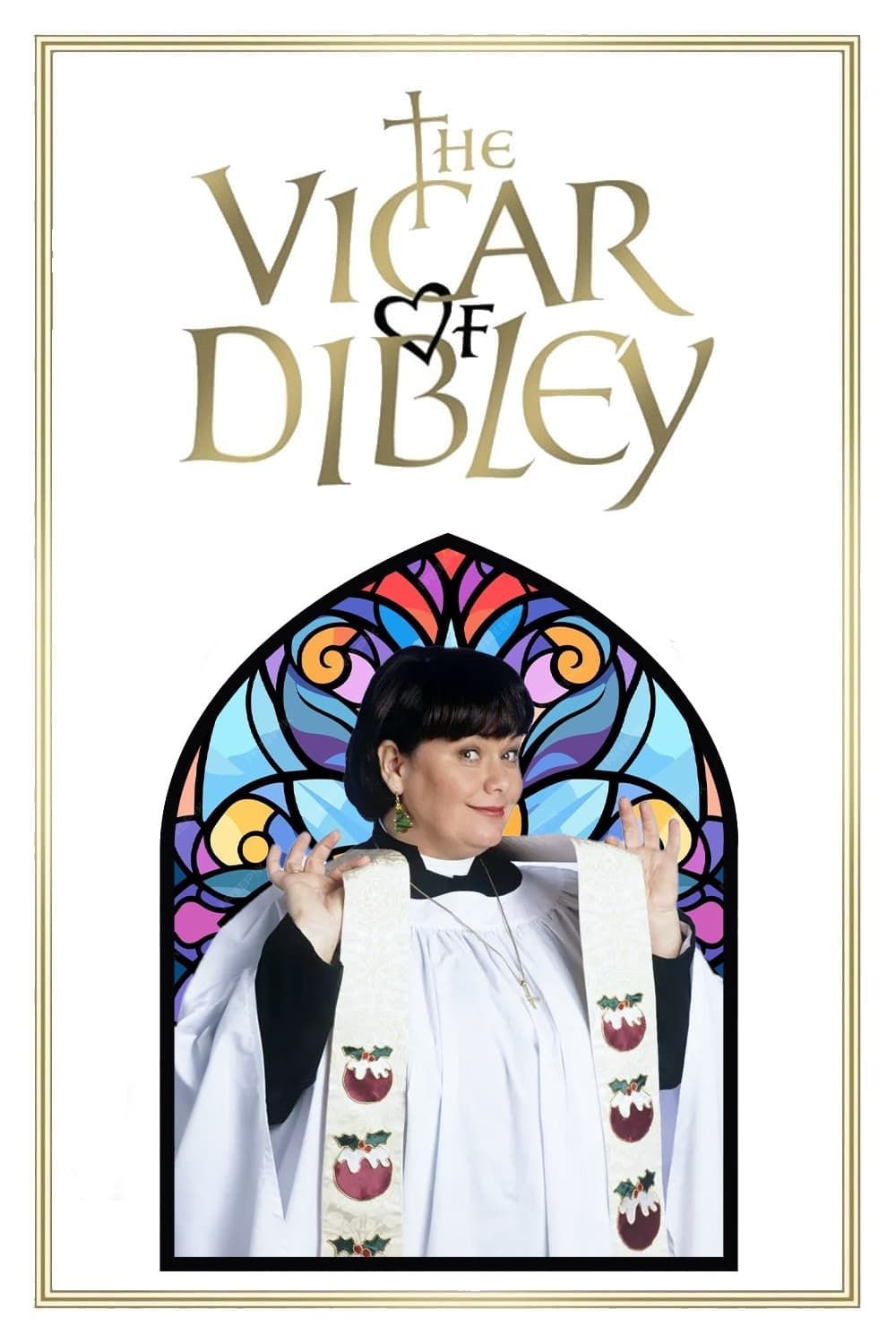
- ርልዪረJanuary 24, 2025The Vicar of Dibley is a household name and most of us are well aware of the happenings in the vicarge of Dibley. It is often hilarious, but never nasty and always with a BIG heart. It leaves you watching with a smile all the time and you leave in good humour. At the end of each episode, following the closing credits, Geraldine tells a joke to Alice -- most of the time, the joke is rather off-colour. Alice usually doesn't get the joke, but instead tries to interpret it literally and then explains to Geraldine why the premise is implausible. Hilarious! The Vicar of Dibley is set in a fictional small Oxfordshire village called Dibley, which is assigned a female vicar following the 1992 changes in the Church of England that permitted female vicars. Geraldine Granger - Dawn French - is the female vicar. She is a bonne vivante and a large, liberal woman who enjoys nothing more than a good laugh. Despite her fun-loving and sometimes outrageous behaviour, she is deeply caring and does her best to help those in her parish in any way she can. In short, pure entertainment and entertainment as it should be.


The Vicar of Dibley Trivia
The Vicar of Dibley has 3 seasons.
The Vicar of Dibley has 14 episodes.
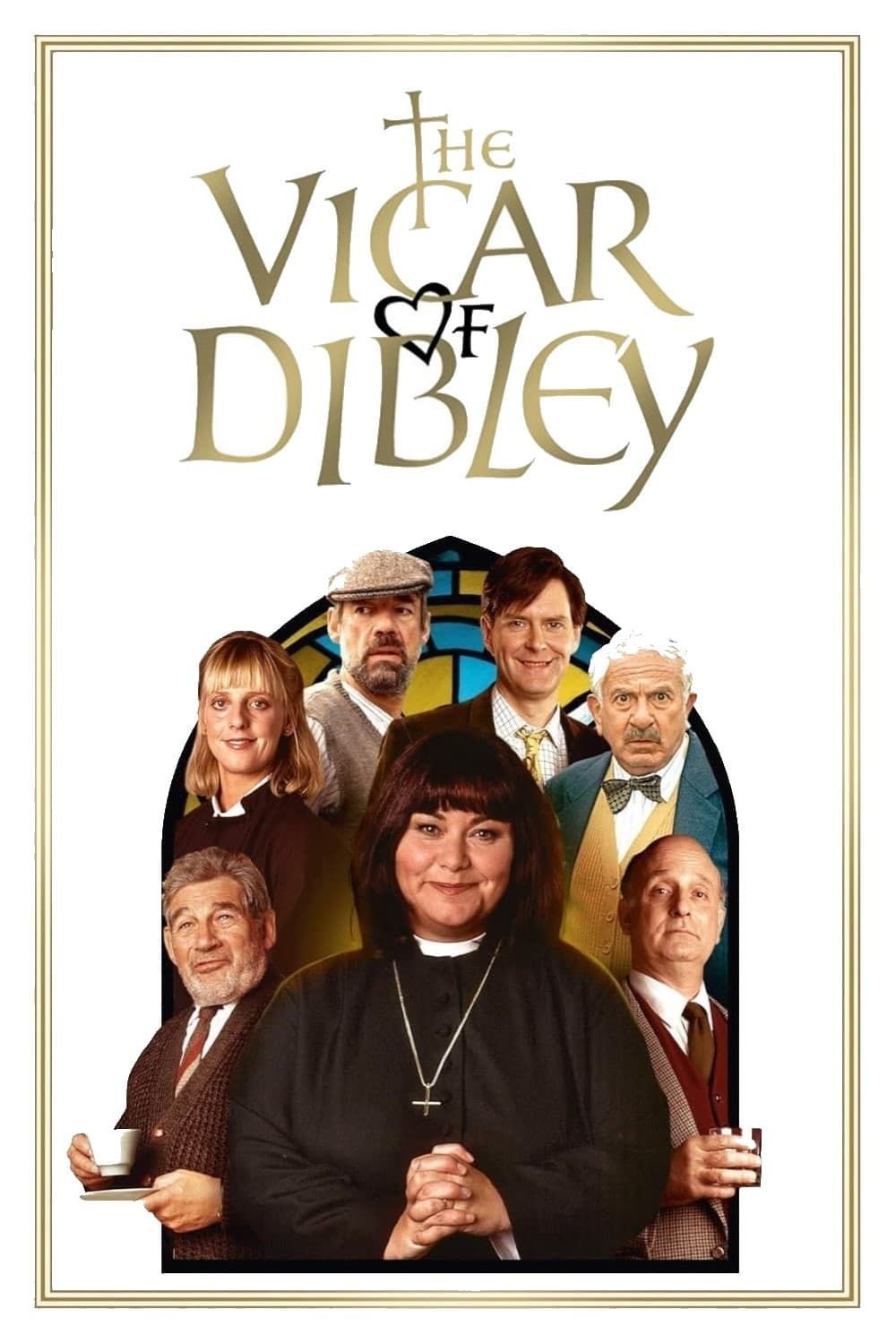
The key characters in The Vicar of Dibley are Revd Geraldine Granger (Dawn French), Alice Springs Horton (née Tinker) (Emma Chambers), Jim Trott (Trevor Peacock).
The Vicar of Dibley was directed by Dewi Humphreys, Gareth Carrivick, Barbara Wiltshire, Martin Dennis, Ed Bye, John Howard Davies, Andrew Gaynord.
The Vicar of Dibley was produced by Richard Curtis, Sue Vertue.
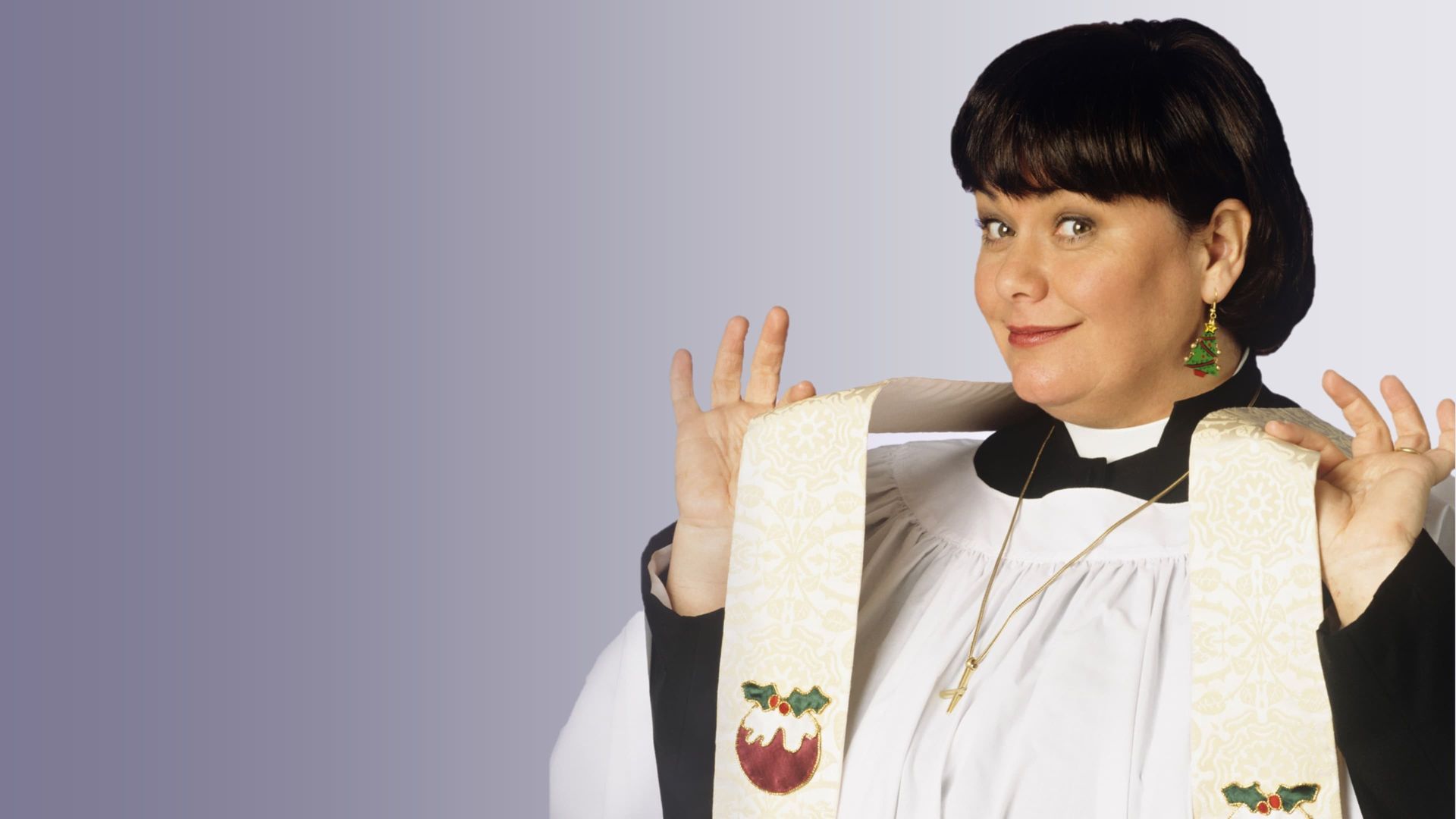
A boisterous female minister comes to serve in an eccentrically conservative village's church.
The Vicar of Dibley is rated TV-PG.
The Vicar of Dibley is a Comedy show.
The Vicar of Dibley has an audience rating of 8 out of 10.
The Vicar of Dibley episodes are 30m long.
No, this show was canceled after 3 seasons.