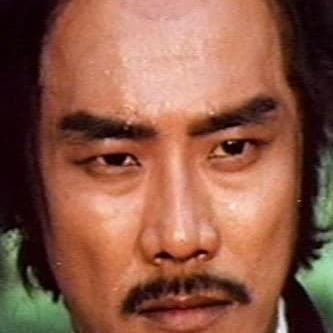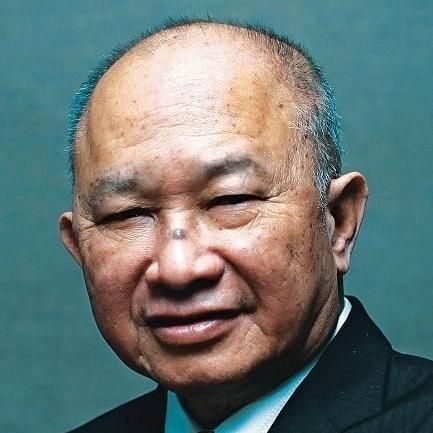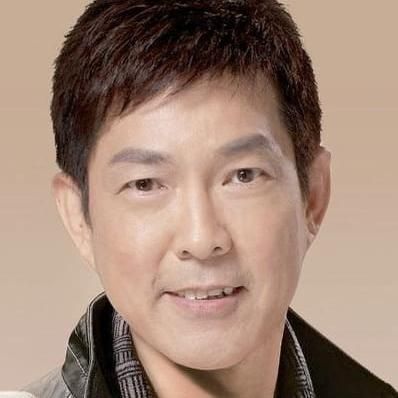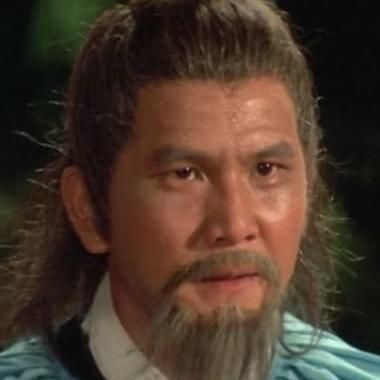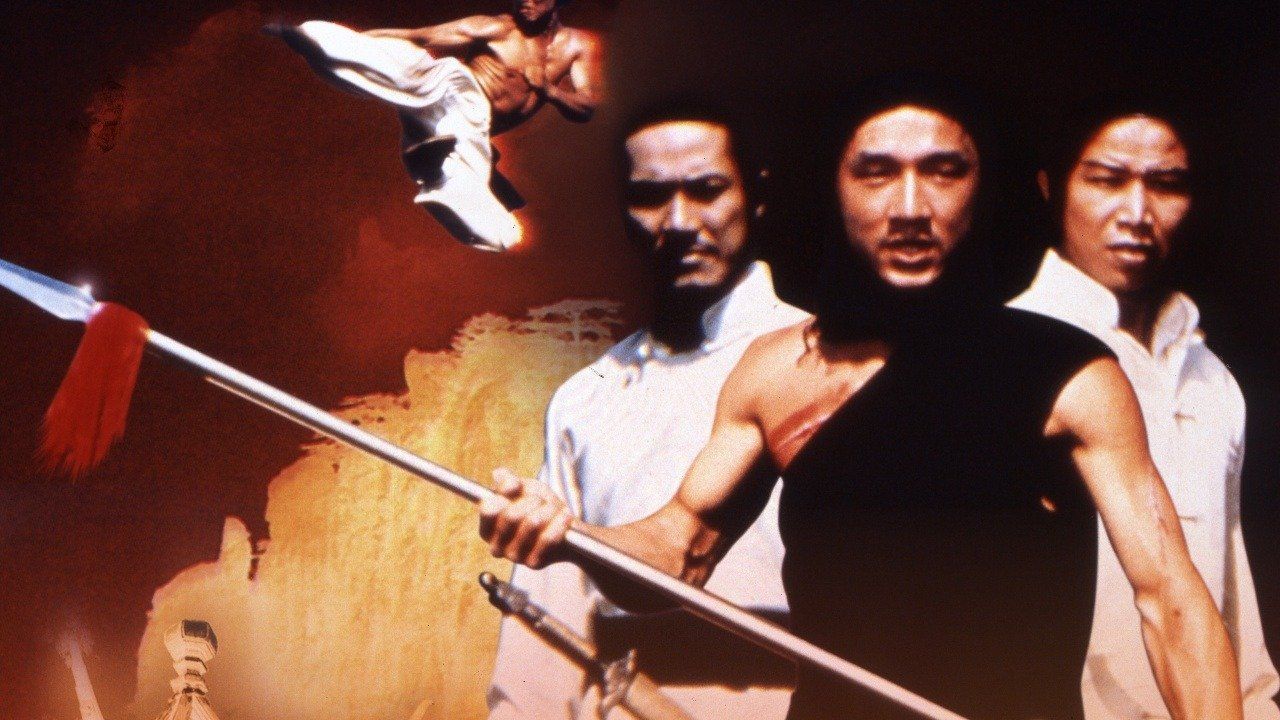
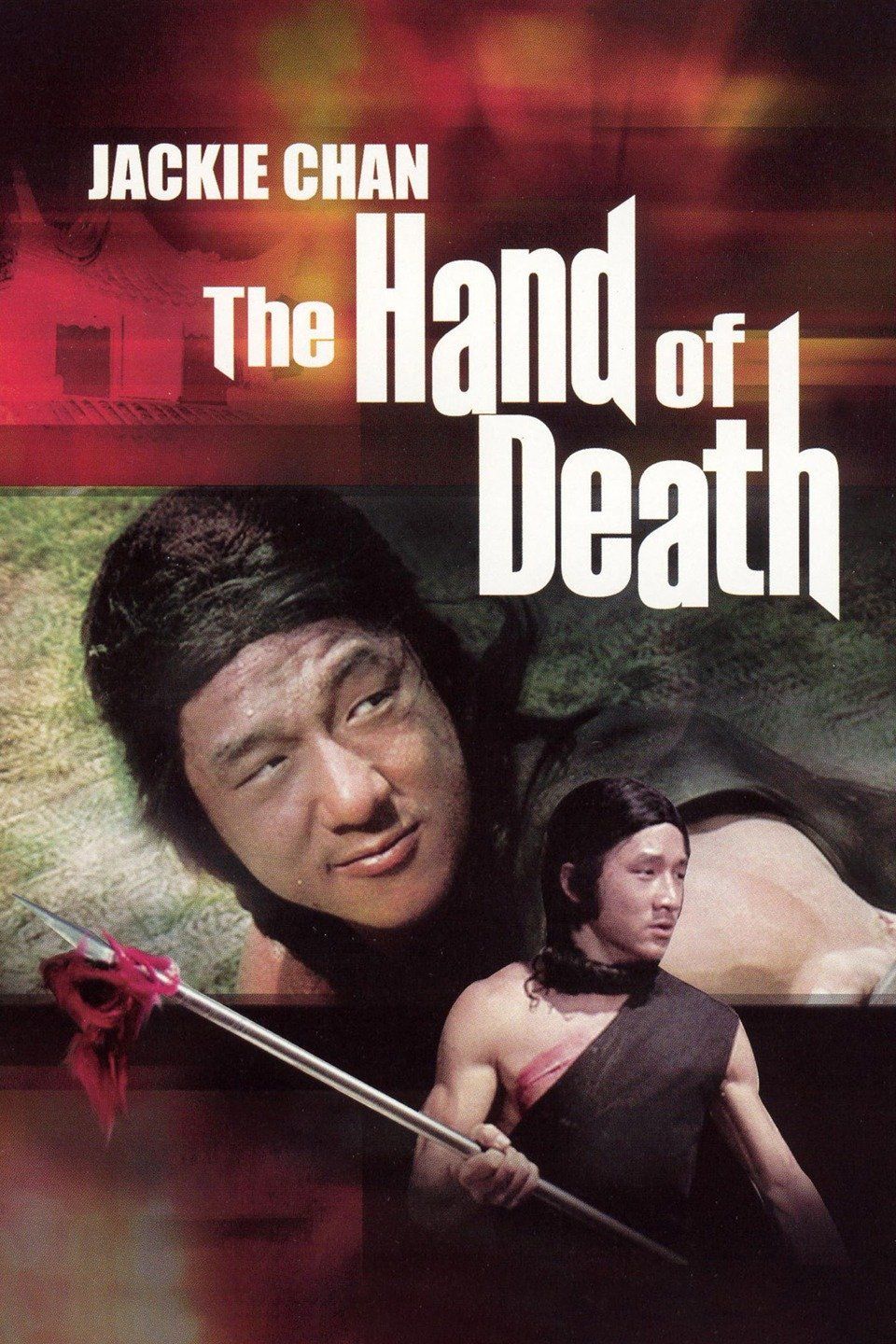

Superkicker Dorian Tan Tao-liang plays a Shaolin student who must find a Manchu traitor responsible for the murder of the abbot. Jackie Chan is a spear fighting expert who decides to help Tan because the traitor killed his brother. Part of their mission is to help a scholar make it safely across the river without getting killed from the Manchus.
Hand of Death Ratings & Reviews
- PyutarosApril 18, 2026Hand of Death is a massive history lesson disguised as a brawl. When you look at the background of the Manchu versus the Han, you’re seeing the biggest scar in Chinese history. China is this unique civilization-state where the idea of the country usually outlasts any individual family in charge, but the Manchu occupation was a centuries-long pressure cooker that turned every martial arts school into a secret rebel cell. That’s why the movie feels so heavy; it’s tapping into that specific feeling of being a survivor in an occupied land. The fight scenes highlight a massive shift in the industry's DNA. Tan Tao-liang (Yun Fei) represents the tail end of the Peking Opera influence—a style where the hero is a graceful, almost untouchable figure. While his kicks are technically beautiful, they feel like relics of a slower, more operatic era of storytelling. Because Jackie Chan (Tan Feng) was coordinating the stunts, he was able to design sequences that he could reliably execute with brutal, real-time precision. The stuntmen trusted Jackie more because they knew he could hit his marks perfectly every time, allowing for a much tighter style of fighting that pointed toward the future of the genre. It’s a huge contrast to the finale where James Tien (Shih Shao-feng) is clearly outclassing Tan Tao-liang, forcing John Woo to use camera tricks and that impossible, supernatural double-leg neck kick to finish the job. James Tien established himself as a dominant force throughout the film, despite the underwhelming nature of the initial massacre early on in the movie. In that first scene, his character was likely being portrayed as just an opportunistic student rather than the powerhouse he became later, but by the middle of the film, he is a total wrecking ball. Whether he was taking on the Swordsman or clearing out a courtyard, he had a striking style that felt incredibly heavy and modern. It’s also worth noting that Sammo Hung (Officer Tu) provided a lot of the movie's momentum; he’s a tank on the battlefield, moving with a speed that doesn't make sense for his size. Between Sammo and Jackie, the supporting cast provides the physical engine for the movie, compensating for the lead's more traditional, operatic style. The movie follows the theme of gathering a band of specialists, a clear nod to the massive influence of Akira Kurosawa and Seven Samurai. While it isn't a direct copy, John Woo—like many directors of that era—was clearly aiming for that same level of greatness by pulling in those familiar tropes of recruitment and sacrifice. To hit the larger adult audience factor, Woo throws in some specific exploitation beats, like a gratuitous sex scene in a brothel that’s woven into the Swordsman’s tragic backstory. However, the real grit comes from the betrayal on the boat, where the acolytes stab the Swordsman in the back. Between those treacherous turns and the brutal moves that actually break limbs, the movie shifts into a much darker gear where the mission feels genuinely dangerous. The craziest part is that after this movie, Jackie was basically done. He was broke, the movie didn't do well at the box office, and he headed to Australia to work construction. He’d just played this noble, tragic character who dies with his spear as a tombstone, and he probably thought that was the end of his own story, too. But the best part of that journey is the telegram he received while in Australia from producer Willie Chan, begging him to come back to Hong Kong for one more shot. That telegram is what pulled him off the construction site and led directly to the attempt to turn him into the next Bruce Lee—a role he never really fit into, but the final step before he eventually found his own voice. This provides the perfect segue for us to look at New Fist of Fury in our next review.
- christinav61February 16, 2026I like the movie I have seen a lot of Jackie Chan movies and they’re all good. Some of them have the real language of so it’s hard for me to understand it.
Hand of Death Trivia
Hand of Death was released on July 15, 1976.
Hand of Death was directed by John Woo.
Hand of Death has a runtime of 1h 33m.
Hand of Death was produced by Raymond Chow, Hwang Yeong-Shil.
Superkicker Dorian Tan Tao-liang plays a Shaolin student who must find a Manchu traitor responsible for the murder of the abbot. Jackie Chan is a spear fighting expert who decides to help Tan because the traitor killed his brother. Part of their mission is to help a scholar make it safely across the river without getting killed from the Manchus.
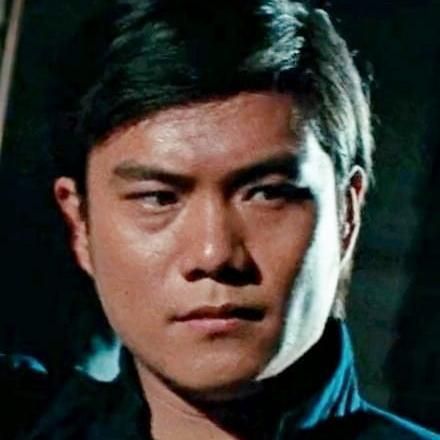
The key characters in Hand of Death are Yung Fei (Dorian Tan Tao-Liang), Commander Shih (James Tien Chun), Little Tan (Jackie Chan).
Hand of Death is rated R.
Hand of Death is an Action, Drama film.
Hand of Death has an audience rating of 4.6 out of 10.
Hand of Death has made $102K at the box office.