
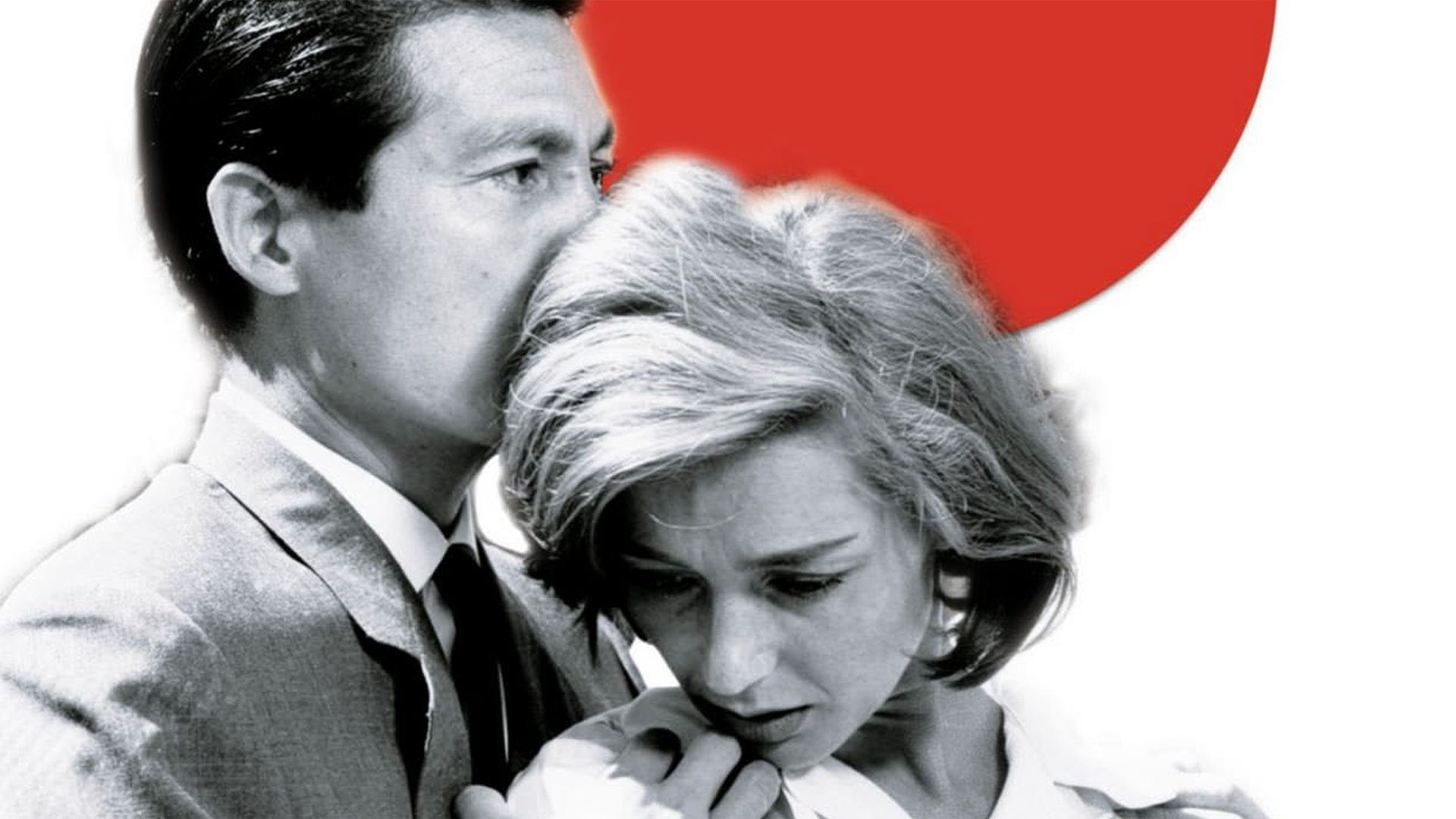

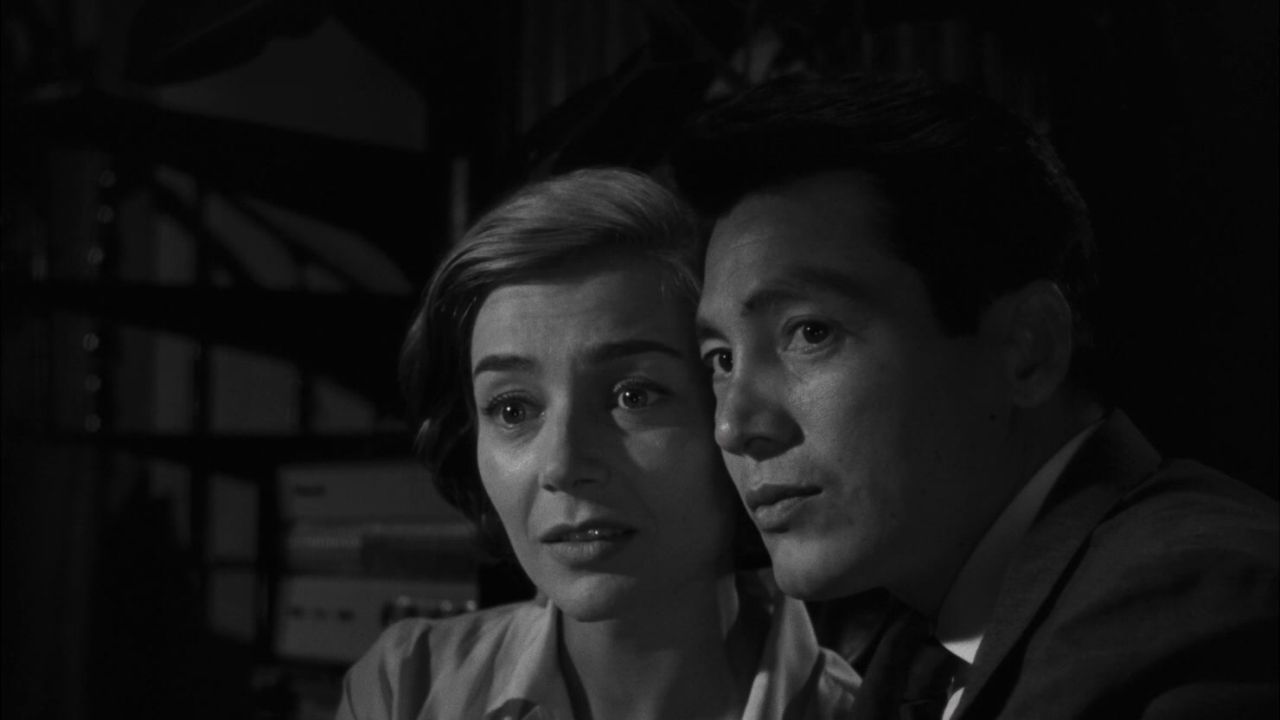
独軍の占領下にあったフランスの田舎で敵兵と密通して断罪された過去を持つ女優が、ロケのために広島を訪れ日本人の建築家と一日限りの情事に耽ける。そして知る、広島の悲劇。時あたかも8月6日。原水禁運動を背景に二人の孤独な会話が続く。焦土から奇跡の復興を遂げたその町は、死の影を決して忘れることはない…。







- CrossCutCritic2025年5月5日“You Saw Nothing in Hiroshima” A Soliloquy for the Soul That Remembers Too Much and Too Little --- There is a silence that follows catastrophe. Not peace. Not even grief. Just silence. The kind that seeps under your skin and stays. In Alain Resnais’s Hiroshima Mon Amour, a French actress and a Japanese architect spend a single day and night together, their bodies tangled in the shadow of two traumas: the atomic bomb and a doomed love from wartime France. What begins as an affair becomes a fugue of memory, confession, and forgetting. She says she remembers. He says she saw nothing. And the film quietly agrees. You can’t remember Hiroshima. You can only be haunted by it. --- This is not a film about war. It is about the aftermath. Not the bang, but the ache. Not the fire, but the ash it leaves in your soul. They lie in bed, wrapped in each other’s arms, but it is not intimacy—it is exile. They are not together so much as lost beside each other. Trying, in vain, to turn flesh into absolution. It doesn’t work. It never does. Because desire cannot resurrect the dead. And memory cannot heal what still bleeds. --- Hiroshima Mon Amour is cinema’s most delicate scream. A murmur of a movie that somehow levels you. Its narrative drifts like smoke, circular and hypnotic, just like trauma. It knows that remembering is not clean. It is jagged. Messy. Seductive. Shameful. And that forgetting is even worse. She tells her story, once buried, now erupting from her body like radiation. He listens, but cannot absolve her. She confesses her dead German lover. Her shaved head. Her confinement. Her madness. Her exile. And still—he cannot enter it. He has his own losses. His own wound. This is not a love story. It is a confession booth without a priest. --- And maybe that’s why it hurts. Because it feels so much like us. We try to love our way out of memory. Out of shame. Out of Hiroshima. Out of Nevers. But the wound is still there. And the more we touch it, the more it bleeds. --- There’s a theology hidden in this film—deep, cruciform, barely whispered. It’s not Christian in any overt way. But it is painfully human. And God is never far from the human wound. The cross is not in the symbols here. It is in the silence. It is in the loneliness that love cannot fix. When she whispers, “I’ll forget you,” And he says, “I’ll remember you always,” You feel the full weight of our condition. We are creatures who can’t hold on— Not to each other. Not to history. Not even to ourselves. --- But maybe grace is not in the holding. Maybe grace is in the ache. Maybe the cross means: > “You are not forgotten—even when you forget yourself.” That the silence is not empty. That even our shame does not exile us from being beloved. That God, unlike us, remembers perfectly— and still stays. --- Hiroshima Mon Amour is not a hopeful film. But it is holy. In its haunting. In its honesty. In its refusal to lie about love, memory, or loss. And in its final frames, when names are spoken not in triumph but in mourning— we understand what Baldwin always knew: That the heart breaks not just from pain. But from how deeply it longs to be known… and how often it isn’t. *** If this review moved you, you might find resonance in others like it. Each film below traces the ache of memory, the mystery of grace, and the wound that becomes the doorway: Winter Light – A pastor’s crisis of faith in a world gone silent. Ordet – Resurrection hidden in madness and prayer. Kapò – A Holocaust parable of shame, surrender, and being found. Mickey 17 – Sci-fi resurrection and the trauma of being used. Tree of Life – A cosmic hymn of grief, memory, and divine love. The Safety of Objects – Suburban pain, barely concealed. Through a Glass Darkly – Schizophrenia, divine silence, and the hunger for love.

お使いのデバイス向けのPlexを入手
20種類以上のプラットフォームで無料で使えます。お手持ちのデバイスをお選びください。二十四時間の情事に関するトリビア
二十四時間の情事は1959年6月10日に公開されました。
二十四時間の情事はAlain Resnaisが監督を務めました。
二十四時間の情事の上映時間は1h 32mです。
二十四時間の情事はSamy Halfon, Anatole Daumanがプロデューサーを務めました。
独軍の占領下にあったフランスの田舎で敵兵と密通して断罪された過去を持つ女優が、ロケのために広島を訪れ日本人の建築家と一日限りの情事に耽ける。そして知る、広島の悲劇。時あたかも8月6日。原水禁運動を背景に二人の孤独な会話が続く。焦土から奇跡の復興を遂げたその町は、死の影を決して忘れることはない…。
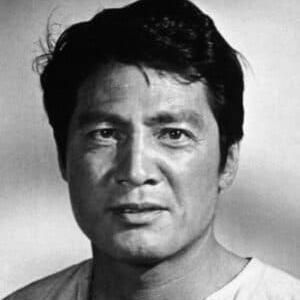
二十四時間の情事の主要人物はElle (Emmanuelle Riva), Lui (Eiji Okada), Mother (Stella Dassas)です。
二十四時間の情事はGと評価されています。
二十四時間の情事はドラマ, 履歴, ロマンス映画です。
二十四時間の情事は、視聴者によって10点満点中8.9点をつけられています。
二十四時間の情事の興行収入は$3,193です。