Vera Caspary
编剧
1899年11月13日 — 1987年6月13日 (87 years)
From Wikipedia, the free encyclopedia
Vera Louise Caspary (November 13, 1899 – June 13, 1987) was an American writer of novels, plays, screenplays, and short stories. Her best-known novel, Laura, was made into a highly successful movie. Though she claimed she was not a "real" mystery writer, her novels effectively merged women's quest for identity and love with murder plots. Independence is the key to her protagonists, with her novels revolving around women who are menaced, but who turn out to be neither victimized nor rescued damsels.
Following her father's death, the income from Caspary's writing was at times only just sufficient to support both herself and her mother, and during the Great Depression she became interested in Socialist causes. Caspary joined the Communist party under an alias, but not being totally committed and at odds with its code of secrecy, she claimed to have confined her activities to fund-raising and hosting meetings. Caspary visited Russia in an attempt to confirm her beliefs, but became disillusioned and wished to resign from the Party, although she continued to contribute money and support similar causes. She eventually married her lover and writing collaborator of six years, Isidor "Igee" Goldsmith; but despite this being a successful partnership, her Communist connections would later lead to her being "graylisted", temporarily yet significantly affecting their offers of work and income. The couple split their time between Hollywood and Europe until Igee's death in 1964, after which Caspary remained in New York where she would write a further eight books.
Vera Louise Caspary (November 13, 1899 – June 13, 1987) was an American writer of novels, plays, screenplays, and short stories. Her best-known novel, Laura, was made into a highly successful movie. Though she claimed she was not a "real" mystery writer, her novels effectively merged women's quest for identity and love with murder plots. Independence is the key to her protagonists, with her novels revolving around women who are menaced, but who turn out to be neither victimized nor rescued damsels.
Following her father's death, the income from Caspary's writing was at times only just sufficient to support both herself and her mother, and during the Great Depression she became interested in Socialist causes. Caspary joined the Communist party under an alias, but not being totally committed and at odds with its code of secrecy, she claimed to have confined her activities to fund-raising and hosting meetings. Caspary visited Russia in an attempt to confirm her beliefs, but became disillusioned and wished to resign from the Party, although she continued to contribute money and support similar causes. She eventually married her lover and writing collaborator of six years, Isidor "Igee" Goldsmith; but despite this being a successful partnership, her Communist connections would later lead to her being "graylisted", temporarily yet significantly affecting their offers of work and income. The couple split their time between Hollywood and Europe until Igee's death in 1964, after which Caspary remained in New York where she would write a further eight books.




影視作品
| 1968 | Laura · as Novel |
| 1962 | Laura · as Novel |
| 1947 | Out of the Blue · as Screenplay |
| 1946 | Bedelia · as Novel |
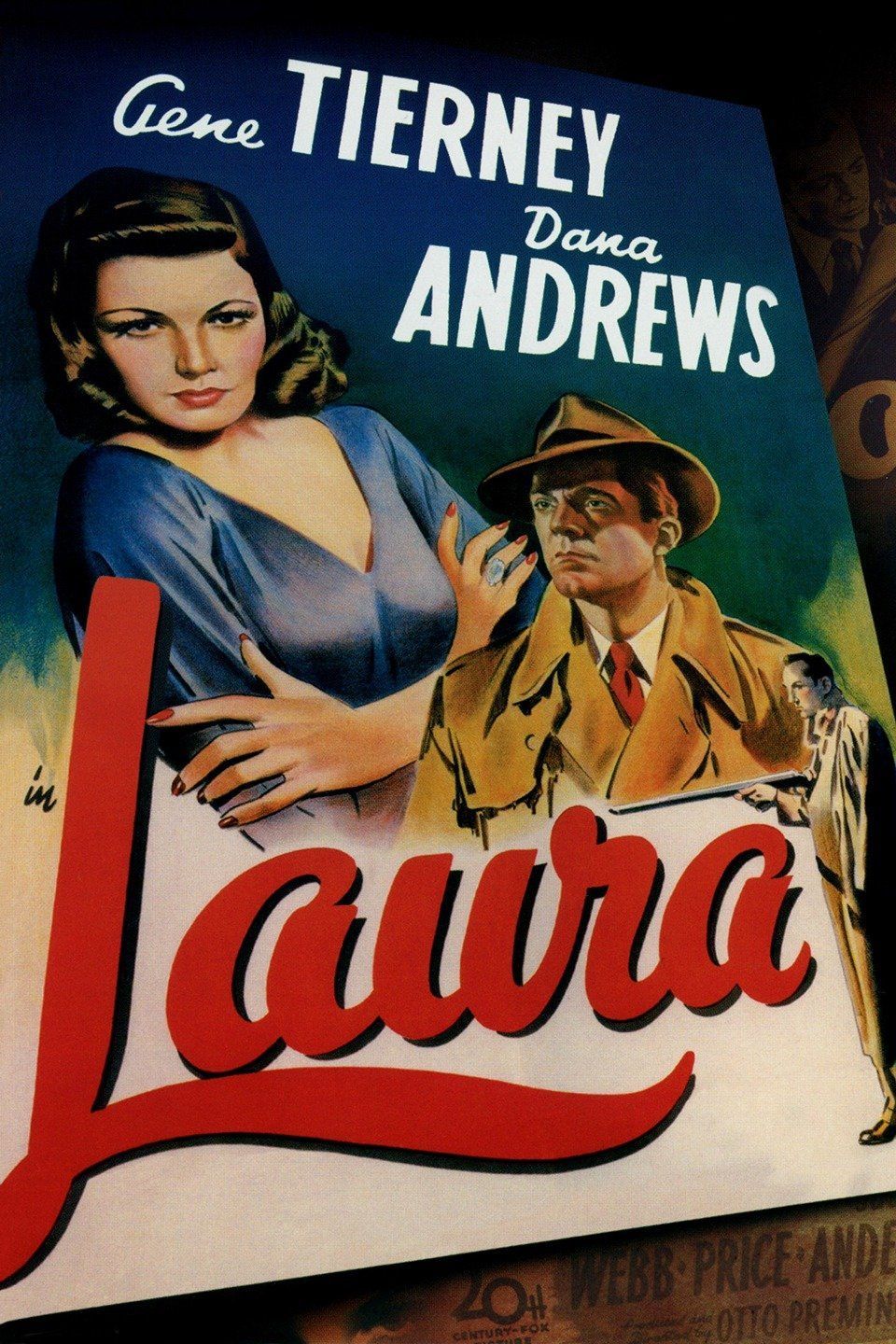
| 1944 | Laura · as Novel |
| 1941 | Lady from Louisiana · as Screenplay |
| 1938 |
| 1985 | A Letter to Three Wives · as Adaptation |
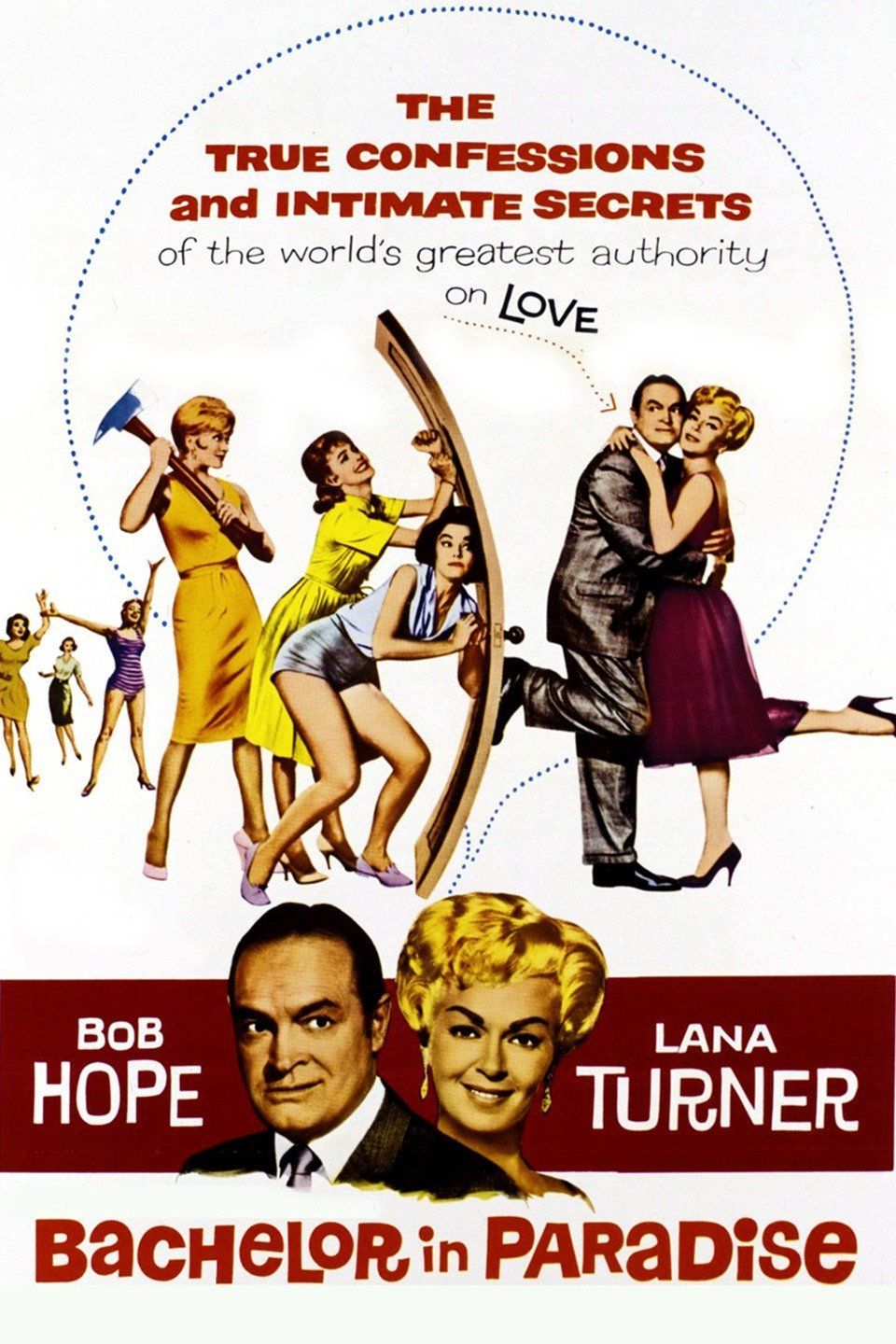
| 1961 | Bachelor in Paradise · as Story |
| 1957 | Les Girls · as Story |
| 1955 | The 20th Century-Fox Hour · as Novel "laura" |
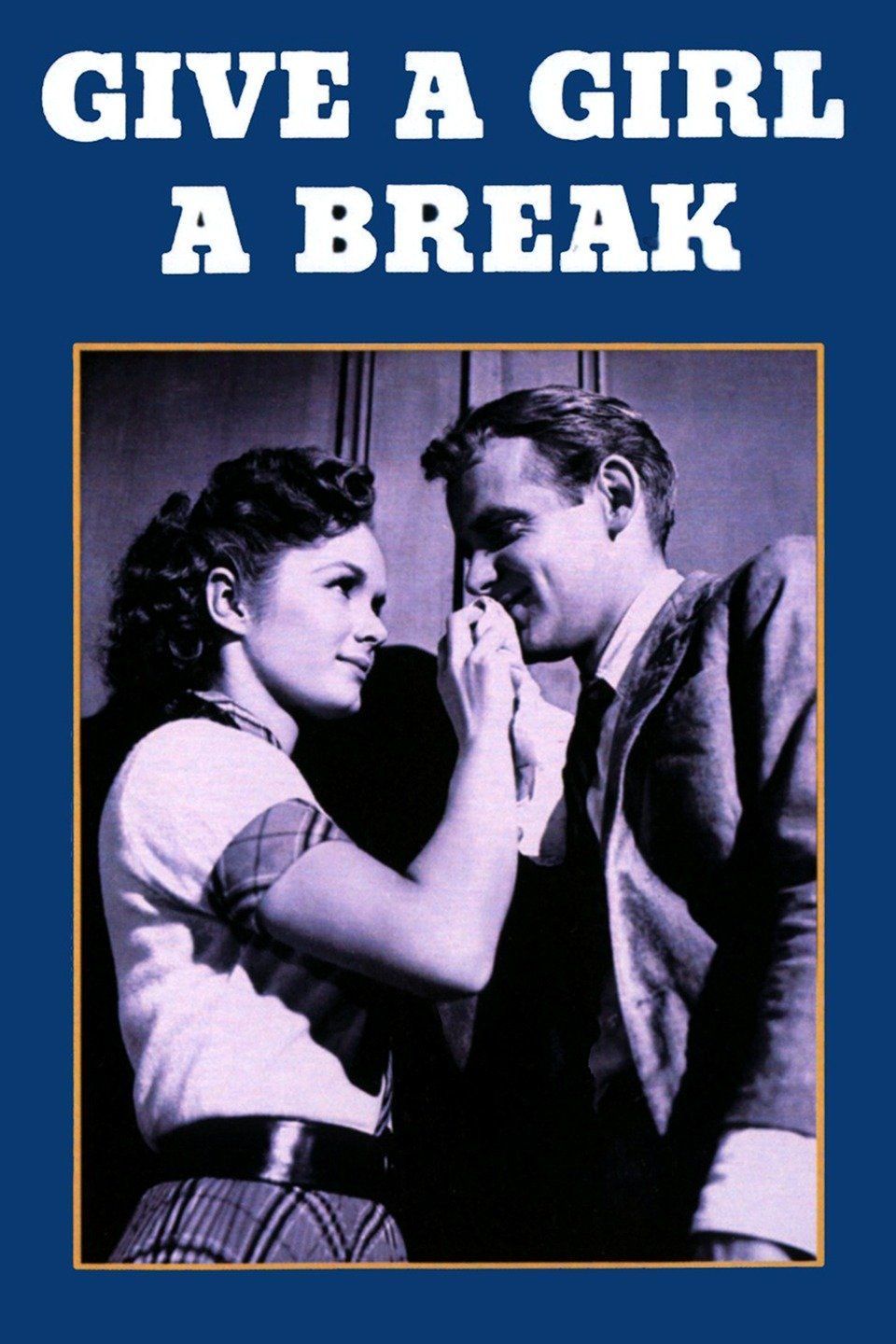
| 1953 | Give a Girl a Break · as Story |
| 1953 | The Blue Gardenia · as Story在 Plex |
| 1951 | I Can Get It for You Wholesale · as Adaptation |
| 1950 | Three Husbands · as Story |
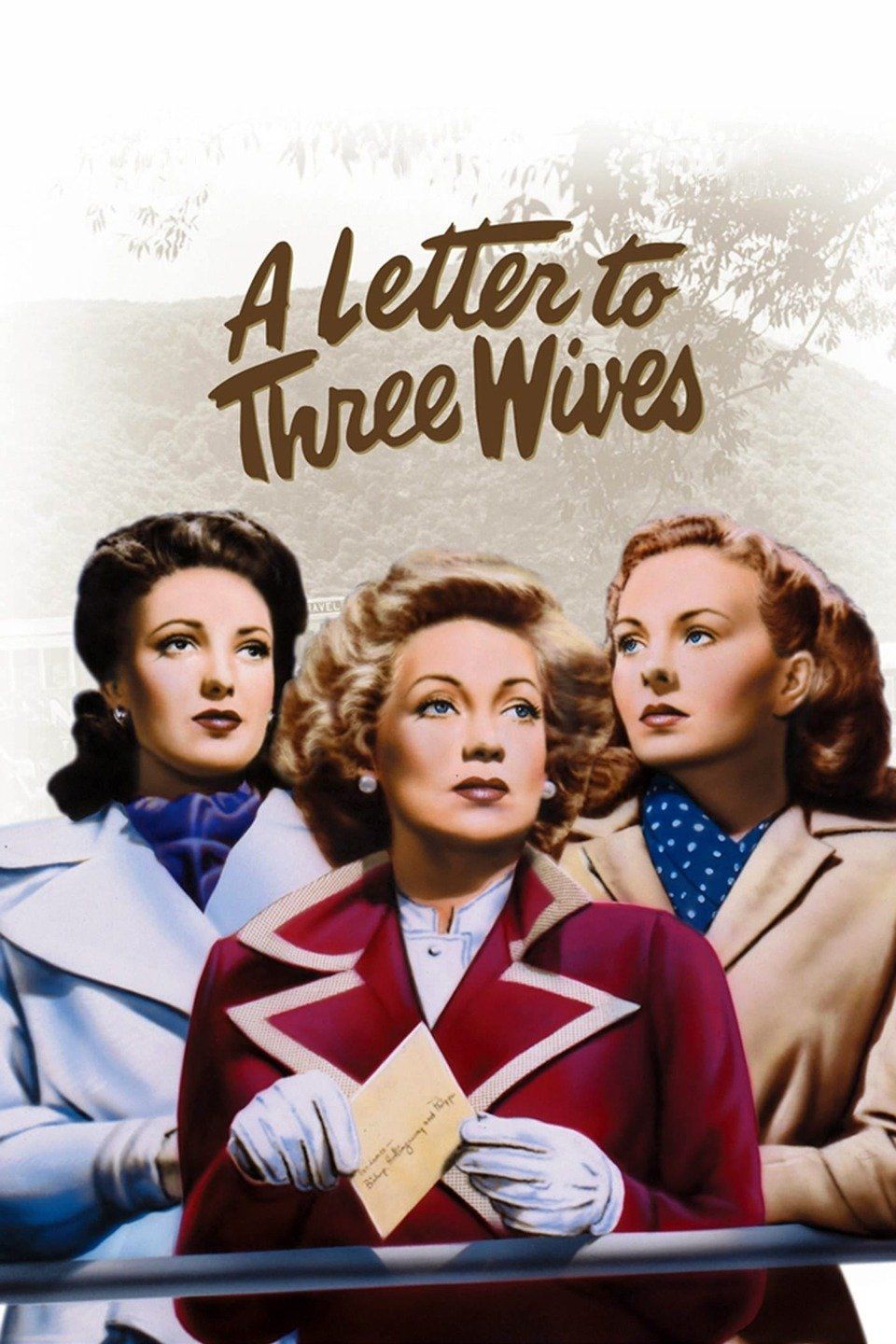
| 1949 | A Letter to Three Wives · as Adaptation |
| 1948 | The Philco Television Playhouse · as Story |
| 1947 | Kraft Television Theatre · as Story |
| 1946 | Claudia and David · as Adaptation |
| 1943 | Lady Bodyguard · as Story |
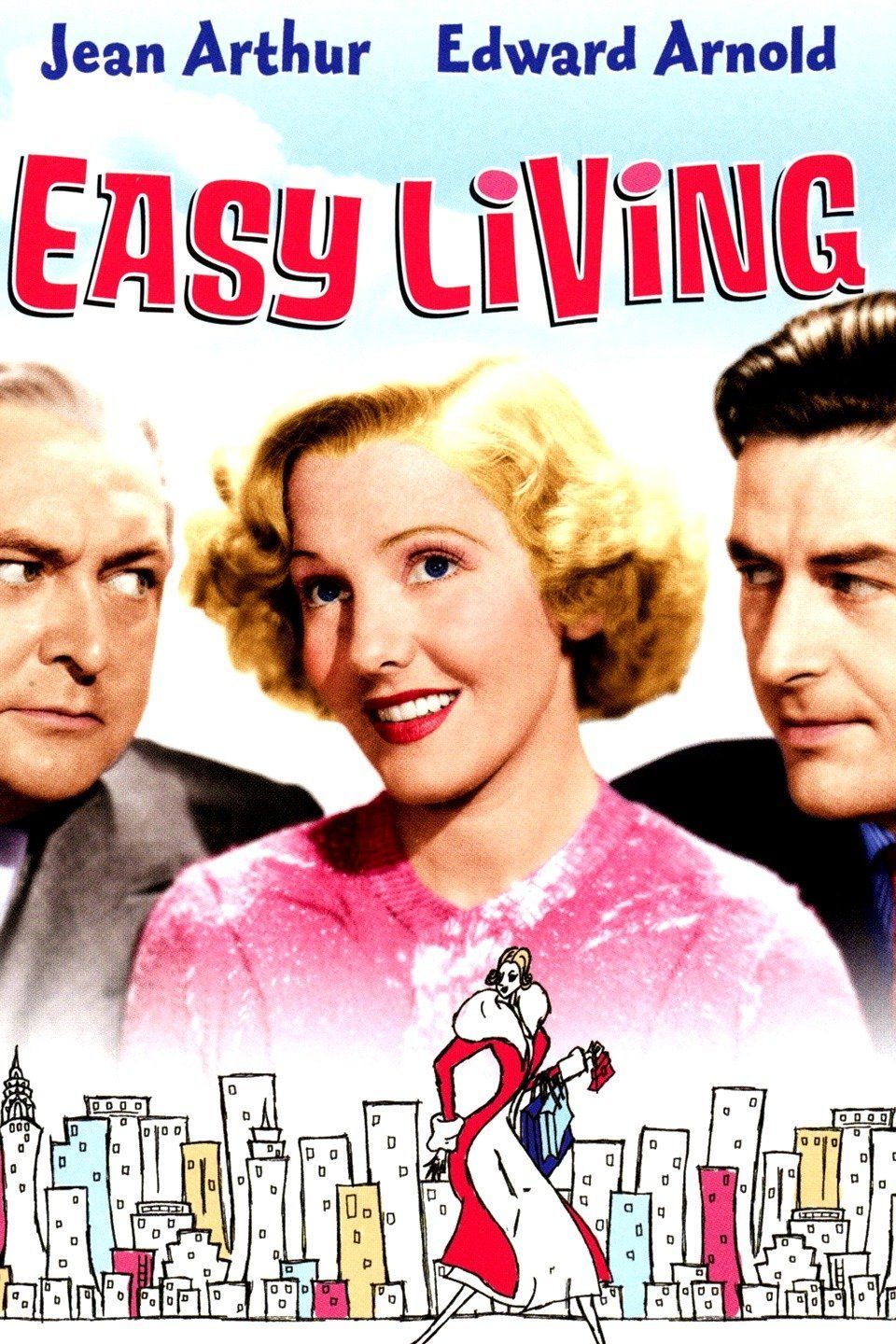
| 1937 | Easy Living · as Story |
| 1935 | Hooray for Love · as Contributor To Treatment |
| 1932 | The Night of June 13 · as Original Story |
| 1931 | Working Girls · as Theatre Play |