
decatur555






- Train Dreams
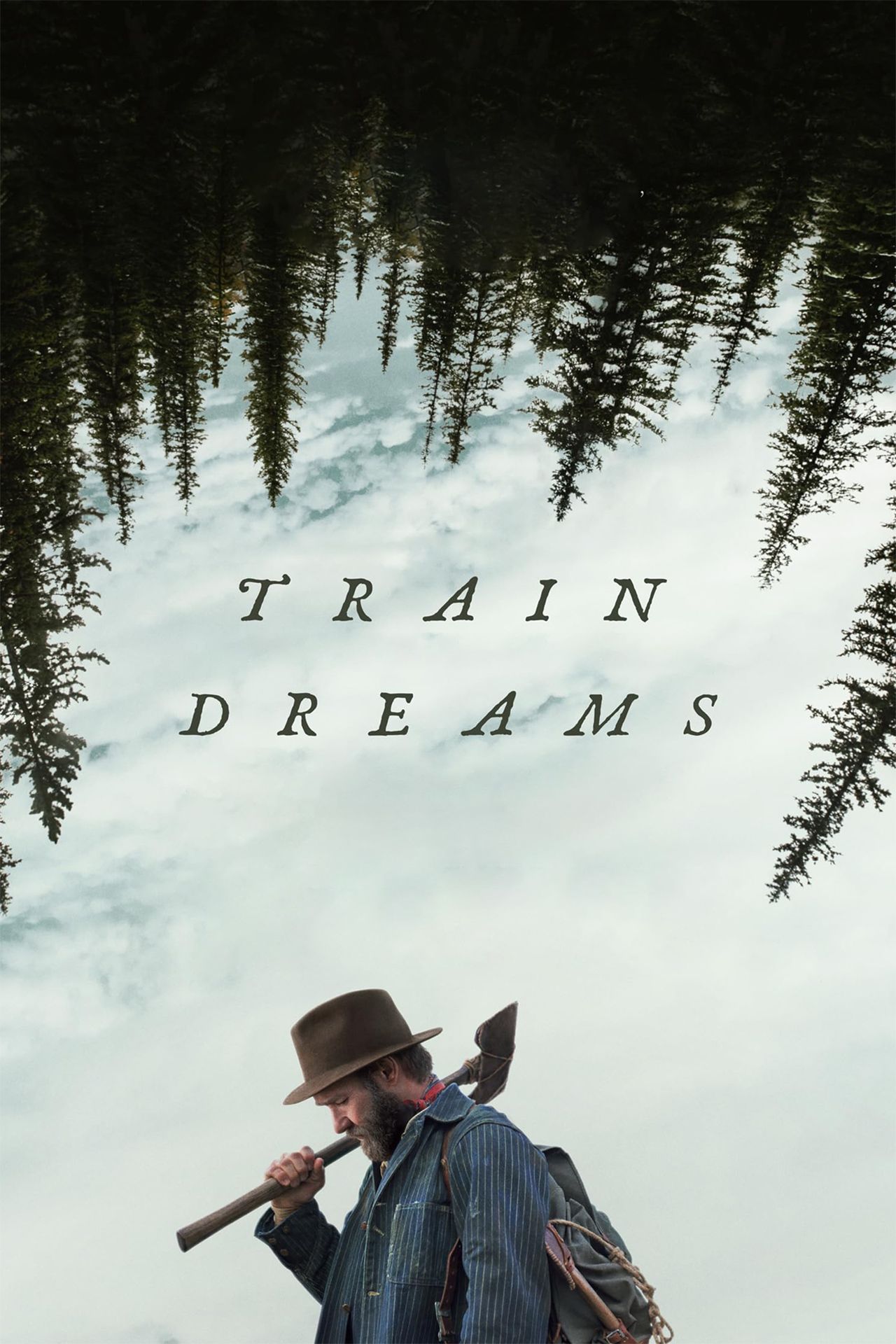 (CASTELLANO) Hay películas que no buscan impresionar, sino acompañar. Esta es una de ellas. Desde el primer minuto queda claro que la película no va de lucirse ni de dar golpes de efecto. Va del tiempo, de cómo pasa y de lo que va dejando en una persona normal y en todo lo que la rodea. Es la historia de una vida sencilla, marcada por el trabajo, la naturaleza, el amor y las pérdidas, contada con una calma que, sin darte cuenta, te cambia la mirada. La historia avanza sin prisas, saltando de un momento a otro como lo hace la memoria. No hay subrayados ni grandes discursos, solo escenas que se quedan contigo porque son profundamente humanas. Los mejores momentos y los peores conviven sin jerarquías, como ocurre en la vida real. Lo que se gana y lo que se pierde pesa lo mismo, y esa honestidad es una de las grandes virtudes de la película. Joel Edgerton está magnífico. Su interpretación es contenida, silenciosa, casi humilde, y precisamente por eso resulta tan devastadora. No necesita explicarse ni imponerse: basta una mirada o un gesto para entender todo lo que arrastra su personaje. A su alrededor, el mundo cambia, avanza, se moderniza, mientras él parece quedar siempre un poco a contracorriente, aferrado a una forma de vivir que se va extinguiendo. Visualmente es una maravilla. La fotografía convierte el paisaje en algo vivo, casi emocional, y cada plano transmite una mezcla constante de belleza y melancolía. La naturaleza no es un fondo decorativo, es parte esencial del relato, un espacio donde se refugian los recuerdos y donde también se acumula el dolor. Todo fluye con una serenidad que no es fría, sino profundamente emotiva. Y cuando parece que ya no queda nada más que decir, llega ese final acompañado por una canción de Nick Cave que remata la experiencia de forma perfecta. No busca el golpe fácil, pero es imposible no emocionarse. Es una de esas películas que te hacen llorar no por lo que ocurre, sino por todo lo que has sentido durante el camino. Una obra delicada, hermosa y profundamente triste en el mejor sentido. Cine que entiende que una vida entera puede caber en pequeños instantes y que, cuando se cuenta con verdad, basta para romperte por dentro. (ENGLISH) There are films that don’t try to impress, but to stay with you. This is one of them. From the very first minute, it’s clear that this isn’t about showing off or chasing big moments. It’s about time — how it passes, and what it leaves behind in an ordinary person and in everything around him. It tells the story of a simple life, shaped by work, nature, love, and loss, with a calmness that quietly changes the way you look at things. The story moves without haste, jumping from one moment to another the way memory does. There are no underlined messages or grand speeches, just scenes that linger because they feel deeply human. The best moments and the worst ones coexist without hierarchy, as they do in real life. What is gained and what is lost carry the same weight, and that honesty is one of the film’s greatest strengths. Joel Edgerton is outstanding. His performance is restrained, quiet, almost humble, and precisely for that reason it becomes devastating. He doesn’t need to explain himself or force emotion: a look or a small gesture is enough to understand everything his character carries inside. Around him, the world changes, moves forward, modernizes, while he seems to remain slightly out of step, clinging to a way of life that is slowly disappearing. Visually, the film is beautiful. The cinematography turns the landscape into something alive, almost emotional, and every frame carries a constant mix of beauty and melancholy. Nature is not just a backdrop; it’s an essential part of the story, a place where memories find refuge and where pain also gathers. Everything flows with a serenity that isn’t cold, but deeply moving. And just when it seems there is nothing left to say, the ending arrives, accompanied by a Nick Cave song that perfectly seals the experience. It doesn’t aim for an easy punch, but it’s impossible not to be moved. It’s one of those films that makes you cry not because of what happens, but because of everything you’ve felt along the way. A delicate, beautiful, and profoundly sad work in the best possible sense. Cinema that understands an entire life can fit into small moments — and that, when told with honesty, that’s more than enough to break your heart.Train Dreams
 - One for All
 (CASTELLANO) Hay películas que no necesitan grandes giros ni discursos subrayados para ser necesarias. Esta es una de ellas. Funciona desde un lugar sencillo, casi cotidiano, pero justo por eso resulta tan incómoda. Porque lo que cuenta pasa todos los días, en muchos colegios, y casi siempre lejos del foco. No busca el golpe bajo ni la lágrima fácil: se limita a observar, a escuchar, y a dejar que las cosas pesen por sí solas. David Verdaguer hace un trabajo muy sólido, contenido, creíble. No interpreta al típico profesor heroico ni al salvador de manual, sino a alguien desbordado, con dudas, con torpezas, que intenta hacerlo bien sin tener siempre claro cómo. Esa fragilidad es lo que hace que el personaje funcione y que no suene impostado. Se agradece mucho que la película no lo coloque en un pedestal. Pero si algo sostiene de verdad la película es el trabajo con los chavales. Hay una naturalidad poco habitual en cómo hablan, cómo se miran, cómo se protegen o se atacan. Todo fluye sin parecer ensayado, y eso da bastante verdad a lo que se cuenta. No hay caricaturas claras: ni los agresores son monstruos, ni los adultos quedan especialmente bien parados. Uno de los mayores aciertos es que no se centra solo en el bullying visible. También señala —sin necesidad de remarcarlo— a quienes miran hacia otro lado, a quienes dudan de la víctima, a quienes prefieren pensar que exagera o miente para no complicarse la vida. Y ahí la película aprieta más. Porque esos silencios, esas medias verdades, suelen ser incluso más dañinas que el acoso directo. Quizá se le pueda reprochar cierta contención excesiva, o que en algún momento uno espere un paso más adelante emocionalmente. Pero esa misma sobriedad es parte de su honestidad. No quiere dar lecciones, ni cerrar conflictos de forma rotunda. Prefiere dejar un poso, una incomodidad que acompaña después del final. Es una película que debería verse en colegios, sin duda. No como castigo ni como sermón, sino como espejo. Para quienes acosan, para quienes callan y también para quienes no saben cómo reaccionar. No es una obra redonda ni pretende serlo, pero sí es útil, honesta y necesaria, que no es poco. (ENGLISH) There are films that don’t need big twists or loud speeches to matter. This is one of them. It works from a quiet, everyday place, and that’s precisely why it feels so uncomfortable. What it shows happens constantly in schools, usually far from the spotlight. It doesn’t chase easy tears or dramatic shocks; it simply observes, listens, and lets the weight of events speak for themselves. David Verdaguer delivers a strong, restrained performance. He doesn’t play a heroic teacher or a savior figure, but someone overwhelmed, full of doubts, trying to do the right thing without always knowing how. That vulnerability keeps the character grounded and believable, and the film wisely avoids putting him on a pedestal. What truly holds the film together is the work with the kids. Their dialogue, gestures, and reactions feel unusually natural. Nothing seems over-rehearsed, which gives the story a strong sense of truth. There are no clear caricatures here: bullies aren’t monsters, and adults don’t come out spotless either. One of the film’s smartest choices is that it doesn’t focus only on visible bullying. It also points, quietly but firmly, at those who look away, who doubt the victim, or who choose not to get involved. Those silences, those half-truths, can be just as harmful — sometimes more so — than the abuse itself. You could argue the film is almost too restrained, that it never fully explodes emotionally. But that restraint is part of its honesty. It doesn’t want to lecture or provide neat solutions. It wants to leave a mark, an unease that lingers after the credits roll. This is a film that should be shown in schools. Not as a moral lesson, but as a mirror — for those who bully, those who stay silent, and those who don’t know how to react. It may not be perfect, but it is honest, necessary, and deeply relevant.One for All
 - The Beast in Me • Limited Series
 (CASTELLANO) Hay miniseries que juegan a ser “thriller correcto” y ya. Esta no. Esta va a morder, y lo hace desde el minuto uno con una energía rara, incómoda, como si te estuvieran mirando desde una ventana que no sabías que existía. Me la he tragado con gusto porque no se conforma con intrigar: te mete en una espiral de sospecha, obsesión y paranoia que cuesta soltar. El gran gancho es el duelo. Claire Danes está en ese punto en el que parece que se rompe, pero a la vez controla la escena con la mandíbula apretada. Y Matthew Rhys… madre mía. Aquí está desquiciado, sí, pero lo peor (lo mejor) es que no lo interpreta como un payaso. Lo hace peligroso de verdad: alguien que puede ser encantador dos segundos y, al tercero, darte mal cuerpo. Esa mezcla de carisma y amenaza es gasolina pura para una historia así. Lo que más me ha gustado es lo retorcida que es sin necesidad de ir todo el rato a lo fácil. Hay giros, claro, y algunos episodios te dejan con esa sensación de “vale, uno más y paro” (mentira). A ratos se nota que estira un poco ciertas vueltas, como si quisiera tensar el muelle más de la cuenta… pero en general me ha compensado, porque el ambiente está muy bien sostenido. También ayuda mucho la atmósfera: casas bonitas que parecen seguras pero no lo son, silencios que duran lo justo para que te dé tiempo a pensar lo peor, y una puesta en escena que te va encerrando con los personajes. Es una serie de miradas, de detalles, de gestos mínimos que te dicen “aquí pasa algo” incluso cuando nadie habla. No es una miniserie perfecta ni pretende serlo. Si buscas algo que reinvente el género, no. Pero si lo que quieres es un thriller psicológico muy adictivo, de los que te dejan un poco tenso y con la cabeza dándole vueltas, aquí hay material de sobra. Y sí: Rhys está muy, muy, muy zumbado… y eso es exactamente lo que la hace tan disfrutable. (ENGLISH) There are miniseries that play at being a “solid thriller” and that’s it. This isn’t one of them. This one bites, and it does so from minute one with a strange, uneasy energy—like someone’s watching you from a window you didn’t know was there. I devoured it gladly because it doesn’t settle for intrigue: it drags you into a spiral of suspicion, obsession, and paranoia that’s hard to shake. The big hook is the duel. Claire Danes is at that point where she looks like she might break, yet she still controls every scene with her jaw clenched. And Matthew Rhys… my God. Here he’s unhinged, yes, but the worst (best) part is that he never plays it like a clown. He makes it genuinely dangerous: someone who can be charming for two seconds and, on the third, give you the creeps. That mix of charisma and threat is pure fuel for a story like this. What I liked most is how twisted it gets without constantly going for the cheap shot. There are twists, of course, and a few episodes leave you with that “okay, one more and I’ll stop” feeling (lie). At times you can tell it stretches certain turns a bit, like it wants to tighten the spring a little too much… but overall it worked for me, because the mood stays rock-solid. The atmosphere does a lot of heavy lifting too: pretty houses that don’t feel safe, silences that last just long enough for you to imagine the worst, and staging that slowly locks you in with the characters. It’s a show of looks, details, tiny gestures that scream “something’s wrong here” even when nobody speaks. It’s not a perfect miniseries, and it’s not trying to be. If you want something that reinvents the genre, this isn’t it. But if you want a highly bingeable psychological thriller, the kind that leaves you a bit tense and thinking about it afterward, there’s plenty here. And yes: Rhys is very, very, very messed up… and that’s exactly why it’s so much fun to watch.The Beast in Me • Limited Series
 - The Beast in Me(CASTELLANO) Hay miniseries que juegan a ser “thriller correcto” y ya. Esta no. Esta va a morder, y lo hace desde el minuto uno con una energía rara, incómoda, como si te estuvieran mirando desde una ventana que no sabías que existía. Me la he tragado con gusto porque no se conforma con intrigar: te mete en una espiral de sospecha, obsesión y paranoia que cuesta soltar. El gran gancho es el duelo. Claire Danes está en ese punto en el que parece que se rompe, pero a la vez controla la escena con la mandíbula apretada. Y Matthew Rhys… madre mía. Aquí está desquiciado, sí, pero lo peor (lo mejor) es que no lo interpreta como un payaso. Lo hace peligroso de verdad: alguien que puede ser encantador dos segundos y, al tercero, darte mal cuerpo. Esa mezcla de carisma y amenaza es gasolina pura para una historia así. Lo que más me ha gustado es lo retorcida que es sin necesidad de ir todo el rato a lo fácil. Hay giros, claro, y algunos episodios te dejan con esa sensación de “vale, uno más y paro” (mentira). A ratos se nota que estira un poco ciertas vueltas, como si quisiera tensar el muelle más de la cuenta… pero en general me ha compensado, porque el ambiente está muy bien sostenido. También ayuda mucho la atmósfera: casas bonitas que parecen seguras pero no lo son, silencios que duran lo justo para que te dé tiempo a pensar lo peor, y una puesta en escena que te va encerrando con los personajes. Es una serie de miradas, de detalles, de gestos mínimos que te dicen “aquí pasa algo” incluso cuando nadie habla. No es una miniserie perfecta ni pretende serlo. Si buscas algo que reinvente el género, no. Pero si lo que quieres es un thriller psicológico muy adictivo, de los que te dejan un poco tenso y con la cabeza dándole vueltas, aquí hay material de sobra. Y sí: Rhys está muy, muy, muy zumbado… y eso es exactamente lo que la hace tan disfrutable. (ENGLISH) There are miniseries that play at being a “solid thriller” and that’s it. This isn’t one of them. This one bites, and it does so from minute one with a strange, uneasy energy—like someone’s watching you from a window you didn’t know was there. I devoured it gladly because it doesn’t settle for intrigue: it drags you into a spiral of suspicion, obsession, and paranoia that’s hard to shake. The big hook is the duel. Claire Danes is at that point where she looks like she might break, yet she still controls every scene with her jaw clenched. And Matthew Rhys… my God. Here he’s unhinged, yes, but the worst (best) part is that he never plays it like a clown. He makes it genuinely dangerous: someone who can be charming for two seconds and, on the third, give you the creeps. That mix of charisma and threat is pure fuel for a story like this. What I liked most is how twisted it gets without constantly going for the cheap shot. There are twists, of course, and a few episodes leave you with that “okay, one more and I’ll stop” feeling (lie). At times you can tell it stretches certain turns a bit, like it wants to tighten the spring a little too much… but overall it worked for me, because the mood stays rock-solid. The atmosphere does a lot of heavy lifting too: pretty houses that don’t feel safe, silences that last just long enough for you to imagine the worst, and staging that slowly locks you in with the characters. It’s a show of looks, details, tiny gestures that scream “something’s wrong here” even when nobody speaks. It’s not a perfect miniseries, and it’s not trying to be. If you want something that reinvents the genre, this isn’t it. But if you want a highly bingeable psychological thriller, the kind that leaves you a bit tense and thinking about it afterward, there’s plenty here. And yes: Rhys is very, very, very messed up… and that’s exactly why it’s so much fun to watch.The Beast in Me
- The Great Flood
 (CASTELLANO) El gran diluvio parte de una idea que el cine coreano maneja especialmente bien: usar un género reconocible para hablar, sin disimulo, de un problema muy real de su sociedad. Aquí el punto de partida es una catástrofe global, pero el fondo es otro mucho más incómodo: una humanidad que ya estaba rota antes de que empezara a subir el nivel del agua. Durante su primera mitad funciona como un relato de supervivencia bastante efectivo. Hay tensión, sensación de encierro, imágenes potentes y un uso inteligente del espacio que transmite bien la asfixia física y emocional. Todo parece ir en la dirección de una película de catástrofes clásica, pero con una sensibilidad más íntima, más centrada en la relación entre madre e hijo que en el espectáculo puro. A mitad de camino, la película decide girar y ahí es donde muchos espectadores se bajarán. El relato se desplaza hacia la ciencia ficción y el discurso se vuelve más abstracto, más simbólico, incluso incómodo. No todo encaja igual de bien y es cierto que el ritmo se resiente: hay repeticiones, ideas que se estiran más de la cuenta y una sensación de que el film quiere decir muchas cosas a la vez. Aun así, el corazón de la historia aguanta. La interpretación central sostiene la película incluso cuando el guion flaquea, y hay una honestidad clara en su intento de reflexionar sobre la maternidad, la extinción y el miedo a un futuro sin continuidad. Puede resultar discutible, incluso provocador, pero no es un discurso vacío ni cínico. Visualmente, El gran diluvio tiene momentos realmente logrados. La destrucción no se presenta como un espectáculo heroico, sino como algo triste, casi inevitable. Hay imágenes finales que se quedan en la cabeza y que refuerzan la idea de que el título es más una metáfora que una amenaza literal. No es una película redonda ni para todos los públicos. Su ambición le juega alguna mala pasada, pero prefiero mil veces este tipo de riesgo a una cinta de desastres sin alma. El cine coreano vuelve a demostrar que puede fallar, pero rara vez juega a lo seguro. (ENGLISH) This film starts from a premise Korean cinema handles especially well: using a familiar genre to talk, very directly, about a real social issue. What initially looks like a large-scale disaster movie slowly reveals something more uncomfortable underneath — a humanity already broken long before the water begins to rise. The first half works effectively as a survival story. There is tension, claustrophobia, and a strong sense of physical and emotional confinement. The focus stays close to a mother and her child, avoiding easy spectacle and grounding the catastrophe in something intimate and fragile. Halfway through, the film takes a sharp turn toward science fiction. This shift will divide viewers. The pacing becomes uneven, ideas start to repeat, and the narrative feels more abstract and symbolic. Not everything lands, and the film occasionally struggles to balance its ambition with clarity. Still, the emotional core holds. The central performance carries the film even when the script wavers, and there is an undeniable sincerity in its attempt to reflect on motherhood, extinction, and the fear of a future without continuity. It may feel provocative or debatable, but it never feels hollow. Visually, the film offers striking moments. Destruction is portrayed as something mournful rather than spectacular, and the final images linger, reinforcing the idea that the title works more as metaphor than threat. It’s not a flawless film, nor an easy one, but its willingness to take risks is far more interesting than another empty disaster movie.The Great Flood
 - Ozark
 (CASTELLANO) Ozark es una de esas series que te obliga a aceptar una regla desde el primer minuto: aquí nadie es inocente. No hay redención limpia ni decisiones pequeñas. Todo el mundo acaba manchándose, antes o después, y la serie no tiene ningún problema en mirarte a los ojos mientras lo hace. Eso, para mí, es una de sus mayores virtudes. Arranca como un thriller criminal bastante reconocible, incluso con ecos evidentes de Breaking Bad, pero poco a poco va encontrando su propio tono. Más frío, más seco, menos dado al espectáculo. Aquí no hay momentos “icónicos” diseñados para el aplauso inmediato, sino una sensación constante de amenaza, de estar siempre un paso al borde del abismo. A veces puede resultar opresiva, incluso agotadora, pero es parte del trato. El gran acierto está en los personajes. Todos son retorcidos, contradictorios, capaces de justificar cualquier cosa si eso les permite sobrevivir un día más. Marty y Wendy funcionan casi como dos formas distintas del mismo mal: uno calculado, silencioso; la otra ambiciosa, cada vez más desatada. No hay héroes ni antihéroes, solo gente tomando malas decisiones en cadena. Y luego está Ruth. El corazón roto de la serie. Cada vez que aparece, la historia gana peso, verdad y dolor. Es imposible no agarrarse a ella, incluso cuando sabes que también está cruzando líneas que no tienen vuelta atrás. Julia Garner está sencillamente enorme, y no es casualidad que, después de verla aquí, destaque tanto en otros trabajos recientes. Tiene una presencia que se queda contigo. Visualmente, la serie apuesta por una fotografía apagada, casi enfermiza, que refuerza esa sensación de mundo en descomposición. Todo parece contaminado: el paisaje, las casas, las relaciones. Puede que en algunos tramos se recree demasiado en su propia gravedad, pero cuando funciona —y lo hace muchas veces— el resultado es hipnótico. No es una serie cómoda ni amable, pero sí coherente hasta el final. Puede que no alcance la cima absoluta del género, pero construye algo muy sólido: un retrato incómodo de cómo el poder, el dinero y el miedo van erosionándolo todo. Aquí no gana el más listo ni el más fuerte. Gana el que aguanta más tiempo sin romperse del todo. (ENGLISH) Ozark is one of those series that forces you to accept a rule from the very first episode: no one here is innocent. There is no clean redemption, no small decisions. Everyone gets their hands dirty sooner or later, and the show never looks away while it happens. That, for me, is one of its greatest strengths. It starts as a fairly familiar crime thriller, with obvious echoes of Breaking Bad, but little by little it finds its own voice. Colder, drier, far less interested in spectacle. There are no flashy “iconic moments” designed for instant applause, just a constant sense of threat, of always standing one step away from disaster. At times it can feel oppressive, even exhausting, but that’s part of the deal. The real power lies in the characters. All of them are twisted, contradictory, capable of justifying anything as long as it buys them one more day. Marty and Wendy feel like two different versions of the same corruption: one quiet and calculating, the other ambitious and increasingly unhinged. There are no heroes or antiheroes here, only people making one bad choice after another. And then there’s Ruth. The show’s broken heart. Whenever she appears, the story gains weight, truth, and pain. It’s impossible not to hold onto her, even knowing she’s crossing lines that can’t be uncrossed. Julia Garner is simply outstanding, and it’s no surprise she stands out so strongly in her later work. Visually, the series leans into a drained, almost sickly look that reinforces the feeling of a world rotting from the inside. Everything feels contaminated: the landscape, the homes, the relationships. It can occasionally indulge too much in its own heaviness, but when it works — and it often does — it’s hypnotic. It’s not a comfortable or friendly series, but it is coherent to the very end. It may not reach the absolute peak of the genre, but it builds something solid and unsettling: a portrait of how power, money, and fear slowly corrode everything. Here, the smartest or the strongest don’t win. The one who lasts longest without completely breaking does.Ozark
 - Longlegs
 (CASTELLANO) Me acerqué a esta película con ganas de encontrarme algo intenso, quizá incómodo, incluso inquietante. La propuesta parecía perfecta para eso: asesinos, misterio, atmósferas apagadas y personajes rotos. La sorpresa para mí ha sido que, en vez de miedo, me he encontrado con una historia que se esfuerza tanto en parecer extraña que termina alejándome. A ratos, sentía que la película buscaba mi incomodidad más por lo visual que por lo narrativo, y esa apuesta no siempre funciona. En mi caso, el gran problema ha sido el ritmo. La historia se hace lenta y tarda demasiado en llegar a algo que realmente remueva. Hay momentos en los que notas que el director quiere atraparte con silencios, encuadres, sombras y detalles casi rituales… pero si no conectas con ese juego, la película empieza a pesar. Yo no busco sustos ni sobresaltos; me encanta el terror que inquieta desde dentro. Pero aquí todo queda más en la pose que en la emoción real. No sentí tensión, solo una espera constante. Nicolas Cage se mueve en un terreno que le fascina: un personaje exagerado, impredecible, lleno de gestos, miradas y rarezas. Hay papeles que parecen escritos para él, y este es uno de ellos. Da igual que te guste o no su estilo: verlo es siempre una experiencia, porque convierte cada escena en algo imprevisible. Pero también ocurre algo curioso: esa intensidad hace que el personaje parezca más una performance que una amenaza real. No me resultó terrorífico, más bien una figura retorcida que busca impacto por acumulación. La estética merece una mención aparte. Es elegante, obsesiva y deliberadamente opresiva. Cada plano parece pensado para meterte en un estado mental oscuro, casi ritual. Si hubiera encontrado una historia más clara detrás, probablemente esa imagen me habría afectado mucho más. Pero a mí me daba la sensación de que la película confiaba demasiado en su atmósfera para causar miedo, y cuando no funciona a nivel emocional, toda esa elaboración se vuelve fría. No niego que tiene personalidad, pero la frialdad me mantuvo lejos. Al final, me quedo con la impresión de que es una obra que quiere ser perturbadora antes que aterradora. A veces funciona y a veces no. Puede que los amantes del cine de terror más atmosférico conecten con ella desde el minuto uno, pero yo no he sentido esa chispa. Si buscas una experiencia lenta, estética y muy particular, seguramente la disfrutes más que yo. Si quieres una historia que realmente te agarre por dentro, puede que te deje a medio camino. Mi sensación es que tiene talento, pero no consigue rematar su propia promesa. (ENGLISH) I approached this film expecting something intense, even unsettling. The idea seemed ideal for that: a dark investigation, broken characters, and a slow descent into uncomfortable places. What surprised me is that instead of real fear, I found a story more interested in being strange than disturbing. At times, it feels like the movie tries to unsettle you through visual style alone, and while that can work, it didn’t always click for me. The pacing was my biggest issue. The story moves slowly and takes a long time to deliver anything truly emotional. Silence, shadows, and ritualistic details aim to build tension, but if you don’t connect with that language, the film starts to feel heavy. I don’t need jump scares or cheap tricks, I enjoy psychological dread, but here everything stays on the surface. I never felt true tension, only a constant waiting. Nicolas Cage finds one of those roles he enjoys the most: exaggerated, unpredictable, and overflowing with eccentricities. He is always interesting to watch; even when you’re not fully convinced by the story, his presence keeps your attention. Still, his performance feels more like a theatrical display than an actual threat, which reduces any emotional impact the movie could have had. The visual design deserves praise. It is elegant, obsessive, and strongly atmospheric, with every frame crafted to build a claustrophobic mood. If the film had a clearer emotional core, these images would probably have hit harder. Instead, I felt that the film relied too much on aesthetics to generate fear. Without deeper emotional tension, the visuals end up feeling cold and distant. In the end, it’s a film more interested in mood than storytelling. Some viewers will find it hypnotic, others will get tired of waiting for something stronger to emerge. I personally remained outside of its emotional circle. If you enjoy slow, stylistic horror with a strong visual personality, this may be for you. If you’re looking for a narrative that truly grabs you, it might leave you halfway.Longlegs
 - Better Call Saul
 (CASTELLANO) Lo primero que me ha pasado con Better Call Saul es lo inevitable: compararla todo el rato con Breaking Bad. Y claro, ahí siempre sale perdiendo un poco. No tiene esos estallidos de adrenalina, ni esa sensación constante de que todo va a explotar en cualquier momento. Es una serie más pausada, más contenida, que prefiere quedarse en los matices y en los silencios antes que en los grandes golpes de efecto. Aun así, me ha gustado mucho; simplemente juega en otra liga, más discreta, pero muy pensada. Lo que más engancha es ver cómo Jimmy McGill se va deslizando, casi sin darse cuenta, hacia Saul Goodman. No es un giro brusco, es una deriva lenta, llena de pequeñas decisiones dudosas que vas entendiendo, aunque no las compartas. Ese “yo soy yo y mi circunstancia” aquí se ve clarísimo: familia, rencores, necesidad de reconocimiento, dinero, ego… Todo se mezcla hasta que el personaje que conocíamos en Breaking Bad encaja del todo. Bob Odenkirk aguanta esta evolución con una interpretación llena de humanidad: te ríes con él, te cae bien, pero sabes que se está perdiendo. La serie tiene otra gran baza en sus secundarios. Kim no es solo “la novia de”, es un personaje con vida propia, con sus propias contradicciones, que poco a poco se va contagiando del mundo de Jimmy hasta cruzar líneas que en la primera temporada parecían impensables. Mike, por su parte, funciona como ese contrapunto seco y cansado, alguien que ya ha aceptado el tipo de vida que lleva y decide cargar con ello sin hacerse demasiadas preguntas, aunque por dentro aún queden restos de conciencia. Junto a ellos, la galería de jueces, delincuentes, jefes de despacho y miembros del cartel llena el universo de caras que siempre aportan algo. En lo visual, la serie mantiene el sello del universo Breaking Bad: encuadres raros pero muy pensados, esa luz de Albuquerque casi cegadora, los detalles que cuentan cosas sin necesidad de diálogo (un coche, un vaso, un cambio de color). A veces da la sensación de que va “lenta”, pero si te dejas llevar, ves que esa calma es deliberada: te está preparando para cuando todo se tuerza. No tiene los fuegos artificiales del final de Breaking Bad, pero sí momentos que se te quedan grabados por pura tristeza, por puro desgaste moral. Al final, me queda la sensación de que Better Call Saul vive siempre a la sombra de un monstruo sagrado y eso hace que, para mí, no llegue a estar a su altura. Pero también me queda claro que no necesita imitarla para justificar su existencia. Es otra cosa: más íntima, más gris, menos “espectacular”, pero muy sólida y muy coherente con lo que quiere contar. No es la serie que cambiará tu vida, pero sí una de esas a las que te cuesta despedirte porque has acabado sintiendo a sus personajes casi como gente que conoces. Y eso, hoy en día, no es poca cosa. (ENGLISH) Inevitably, the first thing that happened to me with Better Call Saul was comparing it all the time to Breaking Bad. And of course, it always comes out losing a bit there. It doesn’t have those bursts of adrenaline, or that constant feeling that everything is about to explode. It’s a more patient, more contained series, one that prefers to stay in the nuances and silences rather than in big shocks. Even so, I liked it a lot; it’s just playing in a different league, quieter, but very carefully thought out. What hooks you most is watching Jimmy McGill slowly slide, almost without realising it, into Saul Goodman. It’s not a sharp turn; it’s a slow drift, full of small dubious choices that you understand, even if you don’t agree with them. That “I am myself and my circumstances” is crystal clear here: family, resentment, the need for recognition, money, ego… everything mixes until the character we knew in Breaking Bad finally clicks. Bob Odenkirk carries this evolution with a performance full of humanity: you laugh with him, you like him, but you know he’s losing himself. The show’s other big asset is its supporting cast. Kim is not just “the girlfriend”; she’s a fully rounded character, with her own contradictions, who slowly becomes infected by Jimmy’s world until she crosses lines that in the first season seemed unthinkable. Mike, meanwhile, works as a dry, weary counterpoint, someone who has already accepted the life he leads and decides to carry it without asking too many questions, even if there are still traces of conscience buried inside. Around them, the gallery of judges, criminals, bosses and cartel members fills the universe with faces that always add something. Visually, the series keeps the Breaking Bad seal: odd but very deliberate framing, that blinding Albuquerque light, little details that tell you things without any dialogue (a car, a cup, a colour shift). Sometimes it feels “slow”, but if you let it take you, you see that calm is deliberate: it’s getting you ready for when everything goes wrong. It doesn’t have the fireworks of Breaking Bad’s finale, but it does have moments that stick with you for pure sadness, for sheer moral wear and tear. In the end I’m left with the feeling that Better Call Saul always lives in the shadow of a sacred monster, and that means that, for me, it never quite reaches its level. But it’s also clear that it doesn’t need to imitate it to justify existing. It’s something else: more intimate, greyer, less “spectacular”, but very solid and very consistent with what it wants to tell. It’s not the series that will change your life, but it is one of those shows that’s hard to say goodbye to, because you end up feeling its characters almost like people you actually know. And that, these days, is not nothing.Better Call Saul
 - Flag Day
 (CASTELLANO) Lo cierto es que he llegado hasta el final sin desconectar, pero reconozco que no volvería a verla. Hay algo en la forma de contar esta historia que no termina de agarrarte, como si el guion quisiera ser profundo sin encontrar realmente esa profundidad. El drama está ahí, la relación padre-hija también, y la historia real tiene suficiente peso para funcionar por sí sola, pero el tono solemne termina alejando más que acercando. Lo mejor, sin duda, es Dylan Penn. Tiene una naturalidad que sostiene la película sin necesidad de grandes gestos, y en cada escena se nota que está construyendo un personaje con verdad y vulnerabilidad. Es curioso ver cómo Sean Penn, estando también delante y detrás de la cámara, parece más pendiente de la imagen global que del detalle emocional. Su interpretación a veces se pasa de intensidad, como si quisiera subrayar demasiado el tormento del personaje. Y justo ahí la película pierde equilibrio. La trama familiar tiene momentos que funcionan, pero el guion cae con frecuencia en tópicos que hemos visto muchas veces en dramas similares: huidas, promesas, silencios, redenciones a medias… Nada sorprende realmente. El problema no es que sea predecible, sino que no consigue conectar emocionalmente con la fuerza que debería tener. Además, la solemnidad visual hace que algunas secuencias, que podrían ser sencillas y humanas, parezcan más impostadas de lo necesario. Hay algo que sí me ha gustado especialmente: la música. La presencia de Eddie Vedder le da a muchas escenas un tono melancólico que eleva el conjunto. A veces, la canción dice más que las imágenes, y eso ya te indica lo irregular que es el resultado final. La banda sonora es íntima, reconocible, y tiene un corazón que quizá al guion le falta. Sin ella, la película sería bastante menos llevadera. En conjunto, hay intención, hay emoción en algunos momentos, y Dylan Penn es una actriz a la que quiero seguir viendo, pero el conjunto no termina de cuajar. Es de esas películas que parecen sinceras, pero no encuentran la chispa que las haga memorables. La historia real merecía una mirada más clara y menos afectada. Aun así, se deja ver, y algunos instantes encuentran verdad, pero son los menos. (ENGLISH) I made it to the end without getting bored, but I don’t feel like watching it again. There’s something in the storytelling that never fully grabs you, as if the script wants to be profound but doesn’t really find that depth. The emotional core is there, and the father-daughter relationship has potential, but the solemn tone keeps you at a distance instead of pulling you in. The best part is Dylan Penn. She has a quiet honesty that carries the film without needing big dramatic gestures. Her performance feels lived-in and sincere. Sean Penn, meanwhile, seems more focused on the overall mood than on emotional nuance. His acting sometimes goes over the top, as if he wants to underline the character’s torment, and that imbalance affects the whole movie. The family drama occasionally works, but the script keeps falling into familiar beats: escapes, unresolved guilt, promises, and sudden reconciliations. It’s not just predictable; it’s emotionally uneven. Some scenes that should feel intimate or grounded end up looking too staged, weighed down by the film’s solemn visual style. One thing that truly stands out is the music. Eddie Vedder’s songs add a melancholy and sincerity that elevate many scenes. Sometimes the soundtrack expresses more emotion than the images, which already tells you something about the film’s weaknesses. Without the music, the film would feel noticeably flatter. Overall, there’s intention, sincerity, and emotional moments that briefly work, and Dylan Penn shows real promise. But the film never becomes memorable. The real story deserved a clearer tone and a less self-conscious approach. There are good fragments, but they’re not enough.Flag Day
 - The Wind that Shakes the Barley
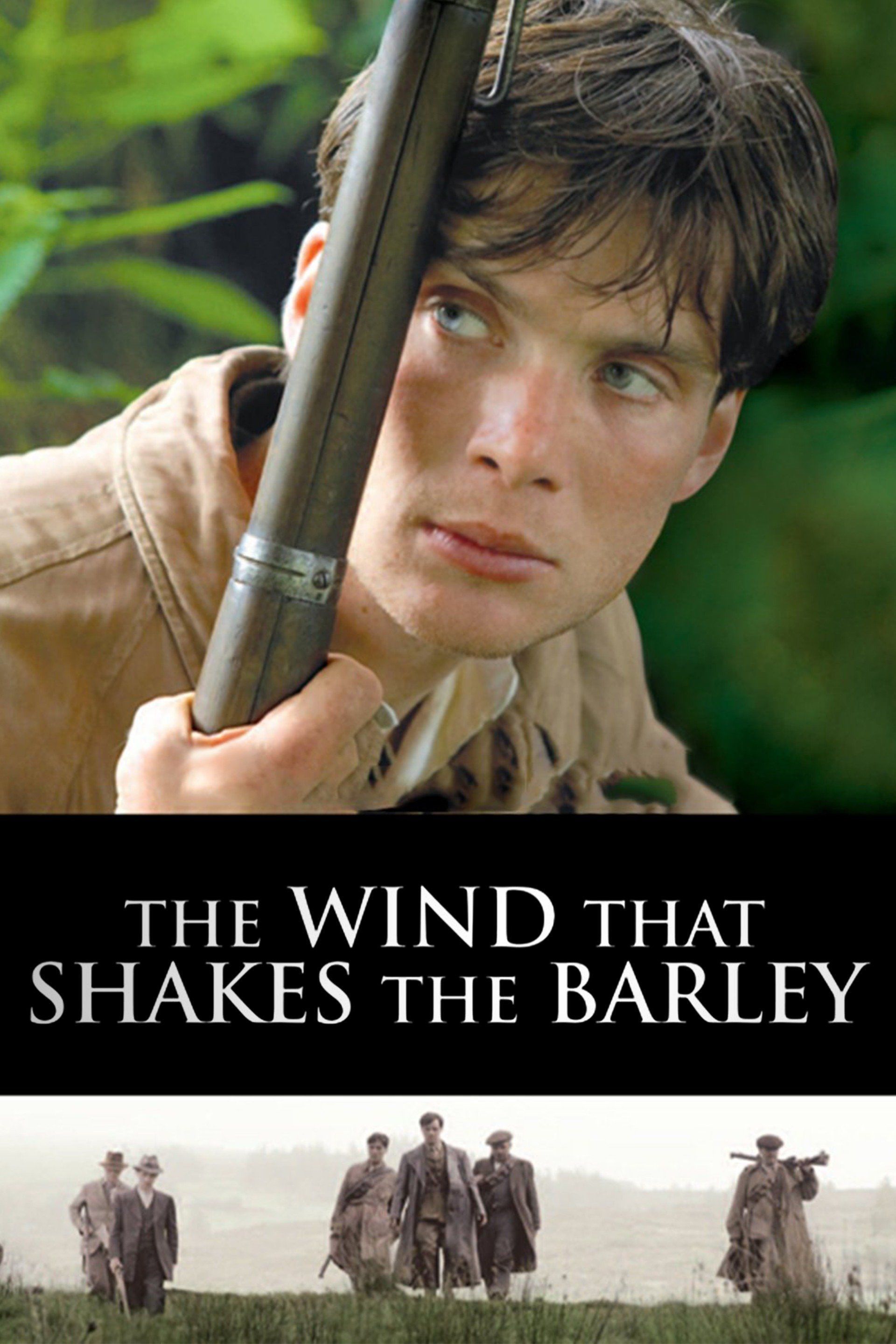 (CASTELLANO) Cada vez que vuelvo a Ken Loach confirmo que nadie filma la injusticia con tanta serenidad y tanta rabia a la vez. En El viento que agita la cebada he sentido esa mezcla tan suya: la emoción y la indignación brotan sin subrayados, como si la cámara solo estuviera registrando algo que ha pasado de verdad. El retrato de la Irlanda que lucha por independizarse de los ingleses no busca épica ni gestos heroicos: es duro, sin adornos, lleno de miedo, pobreza y rencor acumulado. Loach se acerca a los personajes desde lo cotidiano, como si hubiéramos aterrizado en un pueblo cualquiera en plena escalada de tensión. Esa cercanía emocional hace que la violencia duela más, porque sabemos que los conflictos históricos, al final, se viven en las cocinas, en las tabernas y en los silencios. La fotografía es preciosa, pero nunca se recrea en el paisaje: lo que importa es el ambiente opresivo y la sensación de que cualquier decisión, por pequeña que sea, puede cambiar o destruir vidas. El guion refleja muy bien la fractura interna dentro del propio movimiento independentista. La lucha no solo es contra los ingleses, sino también contra las diferencias ideológicas entre quienes comparten causa. Loach nunca deja claro quién tiene razón del todo, y eso lo hace más honesto: la libertad soñada no llega limpia; llega llena de renuncias y traiciones. Hay discusiones que parecen pequeñas al principio, pero terminan siendo más dolorosas que los enfrentamientos armados. Esa parte humana, donde la política se convierte en dilema moral, es quizá lo más devastador. Las interpretaciones son magníficas. Cillian Murphy está soberbio, con una mirada que transmite una mezcla tremenda de vulnerabilidad, rabia y responsabilidad. Sin necesidad de discursos grandilocuentes, expresa lo que supone arriesgarlo todo por una causa y, al mismo tiempo, sentir el peso insoportable de la culpa y del deber. Los secundarios se integran con naturalidad, como si fueran vecinos reales, y nunca parece que estén “actuando”: respiran verdad. Loach no busca sentimentalismo fácil. Al contrario: te coloca frente a la violencia y sus consecuencias sin filtros, con escenas secas, incómodas y silencios que pesan más que cualquier discurso. No justifica nada, pero tampoco simplifica. Esa es su gran virtud: recordar que la guerra es siempre una tragedia, incluso cuando se lucha por algo justo. Al final deja un poso de tristeza que no se borra, una pregunta amarga sobre cuánto puede costar conquistar la libertad y qué parte del alma se deja en el camino. Sin duda es una película que pide tiempo y atención. No es espectáculo, es historia vivida desde dentro, con una sensibilidad que conmueve y duele a la vez. Loach vuelve a demostrar que el cine político puede ser profundamente humano. (ENGLISH) There’s something raw and emotional in The Wind That Shakes the Barley that ends up settling inside you. Ken Loach recreates Ireland’s struggle for independence with a sense of realism that feels almost documentary-like, and the film avoids heroic poses or artificial romanticism. The story has the courage to show the price of rebellion, the doubts, and the bitterness that arise when ideology collides with daily life. What struck me the most is how Loach builds conflict from something intimate and painful. Brothers, neighbors, friends… all trapped between loyalty to their homeland and loyalty to one another. Cillian Murphy gives a performance that is calm on the surface but deeply intense underneath, and it works beautifully with Loach’s minimal, natural direction. Every scene feels lived-in rather than staged, and the land itself becomes part of the emotional atmosphere. The pacing is slow but intentional, which I appreciate. Instead of pushing dramatic peaks, the film settles into quiet conversations, fear, exhaustion, and the exhaustion of a war where no one truly wins. Loach does not ask the viewer for blind patriotism; he asks for empathy. He invites us into rooms where men debate ideology like ordinary people debating how to survive. It’s true that Loach sometimes leans toward moral clarity, and the political position is unmistakable, but I never felt manipulated. The tension between idealism and pragmatism is clearly expressed, and the film holds emotional power even when you think you know where it’s going. The final stretch is heartbreaking, and it lingers. Without needing visual excess or grandiose speeches, The Wind That Shakes the Barley is powerful because it trusts silence, pain, and memory. I finished it shaken, more for its humanity than its violence.The Wind that Shakes the Barley
 - The 7th Day
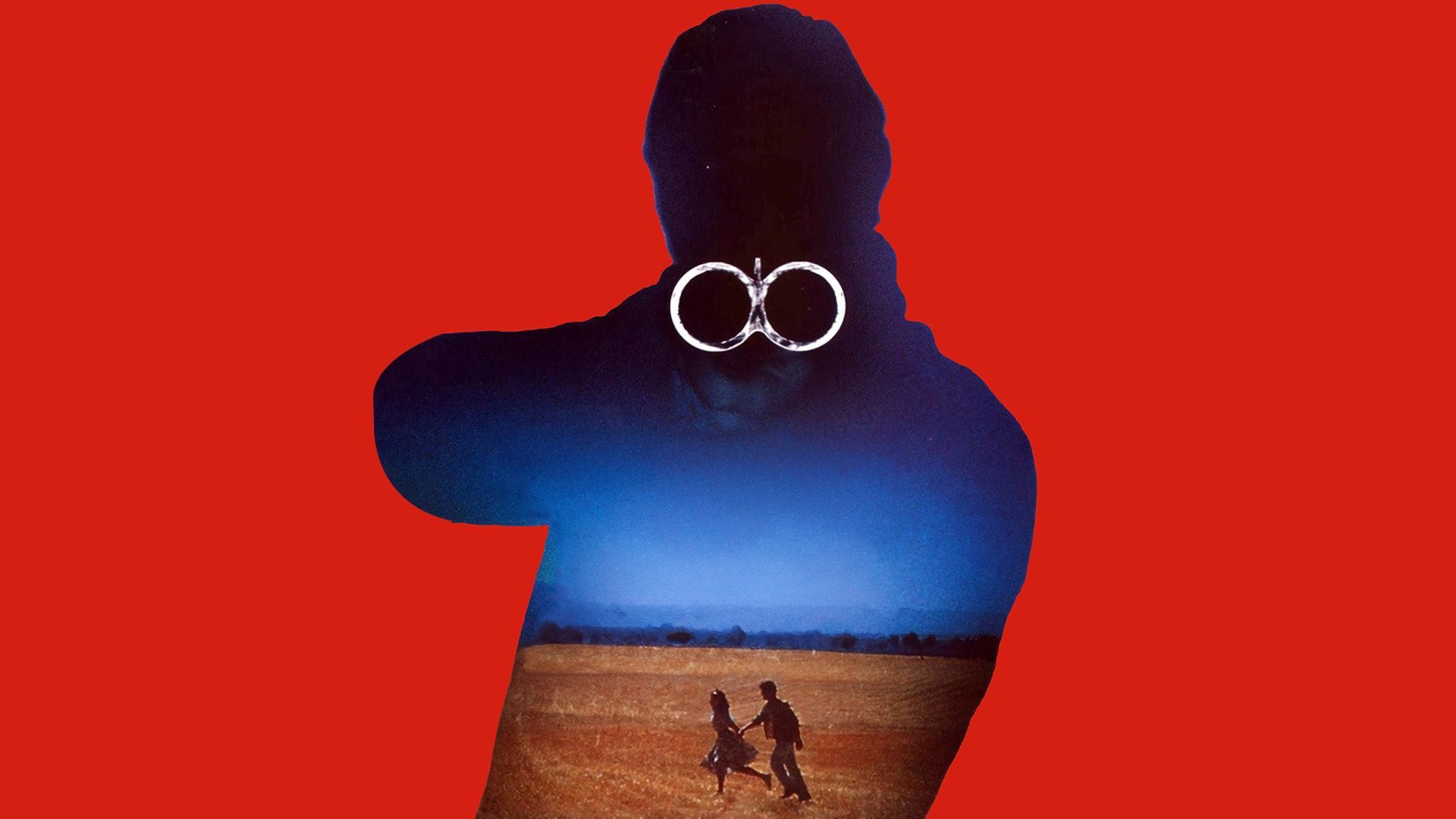
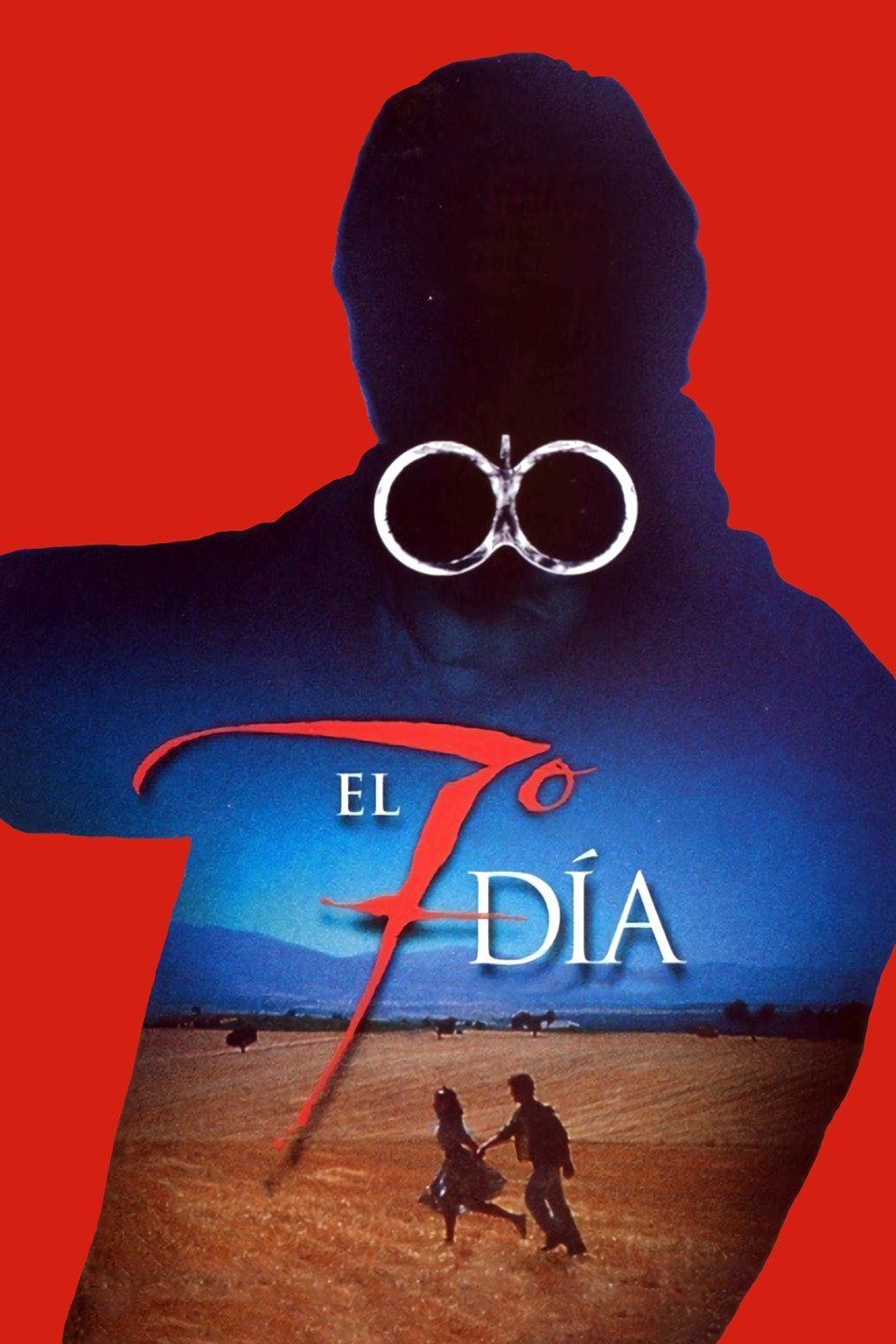 (CASTELLANO) Recordaba perfectamente el caso real de Puerto Hurraco. Yo tenía 15 años y, durante aquel verano, escuchar algo así era casi inimaginable: parecía lejano, irreal, como si perteneciera a un pasado oscuro que ya no existía. Por eso sorprende que El séptimo día lo haga todavía más difícil de entender. La película adapta la tragedia, pero introduce cambios dramáticos y decisiones narrativas que alteran el punto emocional. No contar las cosas exactamente como ocurrieron no es un problema en sí mismo, pero aquí provoca que la historia pierda parte de su crudeza y su dimensión real. Carlos Saura construye un drama sobrio, contenido, que retrata un ambiente rural lleno de rencor, orgullo y heridas antiguas. La puesta en escena funciona, y el clima del pueblo, seco y enrarecido, es probablemente lo que mejor refleja aquello: esa sensación de que el odio se hereda, que crece en silencio y se transmite como un veneno. Sin embargo, la decisión de convertir la historia en algo más “universal” —centrándose menos en los asesinos y más en una narradora adolescente— provoca distancia. La película parece alinearse claramente con las víctimas finales, cuando, en el caso real, el horror se entiende mejor si uno conoce el camino previo, la obsesión familiar, las afrentas y la locura progresiva. El guion de Ray Loriga tiene momentos fríos, con poca empatía y sin demasiada curiosidad por escarbar en la psicología de los personajes clave. Creo que ahí es donde la película pierde su mayor oportunidad: no ves cómo los cuatro hermanos se van hundiendo poco a poco en el odio, ni cómo la paranoia se apodera de toda la familia. Sin ese recorrido, la masacre parece surgir de la nada, como si no existiera una cadena interminable de agravios, miedo, supersticiones y resentimiento. Lo que sí funciona de verdad es el reparto. José Luis Gómez, Juan Diego y Victoria Abril están descomunales, llenando cada escena con miradas, silencios y gestos capaces de contar más que cualquier diálogo. Ellos sí transmiten la oscuridad, el dolor acumulado y la sensación de que no existe salida posible. También se agradece el trabajo de actores secundarios que hacen del pueblo un personaje vivo, lleno de tensiones latentes. Si la película hubiera puesto más el foco en ellos, habría tenido una fuerza todavía mayor. Desde lo técnico, Saura filma con elegancia: la fotografía, el ritmo, la música popular y la secuencia de la masacre final logran ser inolvidables. Ese tramo final es brutal, seco, sin espectáculo ni edulcorante. Te mete de lleno en una matanza que, aunque real, cuesta asimilar. Es tan repentina que resulta devastadora, probablemente el momento donde la película alcanza la contundencia emocional que buscaba. Como aproximación a una tragedia real, el filme es interesante y en ocasiones muy poderoso, pero la elección de distanciarse emocionalmente y de contar la historia desde un punto de vista periférico hace que uno termine más frío de lo que debería en una historia así. No es una mala película —ni mucho menos—, pero a veces parece contenerse demasiado, cuando la realidad fue infinitamente más perturbadora. (ENGLISH) I remembered the real Puerto Hurraco case clearly. I was 15 that summer, and hearing about something like that felt remote and unreal, as if it belonged to an old Spain that no longer existed. Watching The Seventh Day makes the tragedy feel harder to grasp, mostly because the film alters some events and emotional tones. Not telling the story exactly as it happened isn’t really a flaw, but here it creates some confusion and removes part of the raw force of the original horror. Carlos Saura delivers a restrained, sober drama about a rural world full of old grudges and inherited pride. The atmosphere of the village —dry, tense, resentful— is one of the film’s greatest strengths. It conveys the idea that hate doesn’t appear suddenly; it is transmitted, like poison, across generations. However, the narrative choice of focusing more on a teenage narrator rather than deeply exploring the psychology of the killers creates emotional distance. The film positions itself clearly on the side of the final victims, but the real tragedy is easier to understand when we witness the escalating paranoia, humiliation and endless resentment that preceded the massacre. Ray Loriga’s script feels cold at times and shows little curiosity about the inner world of the assassins, who should be the dramatic core. Without a deeper look at how madness grows, the massacre seems to come out of nowhere, when in reality it was the result of years of grievance, fear, superstition and frustration. That detachment is what prevents the film from reaching a truly disturbing emotional impact. The acting, however, is excellent. José Luis Gómez, Juan Diego and Victoria Abril fill the screen with silence, tension and restrained fury, telling more with their eyes than with words. They embody the deep wounds, the helplessness and the certainty that violence is inevitable. The supporting actors also help build the atmosphere of a suffocating and suspicious village, which becomes a character in itself. Technically, Saura films with elegance: photography, rhythm, music and the shocking massacre sequence are unforgettable. The final act is brutal, lean and unadorned, emotionally devastating because of its suddenness and realism. That is when the film reaches its strongest emotional point. As an approach to a real tragedy, the film is interesting and occasionally powerful, but the decision to narrate from the margins weakens its emotional intensity. The Seventh Day isn’t a bad film at all —but sometimes it holds itself back too much, when reality was infinitely more disturbing.The 7th Day
 - Black Hawk Down
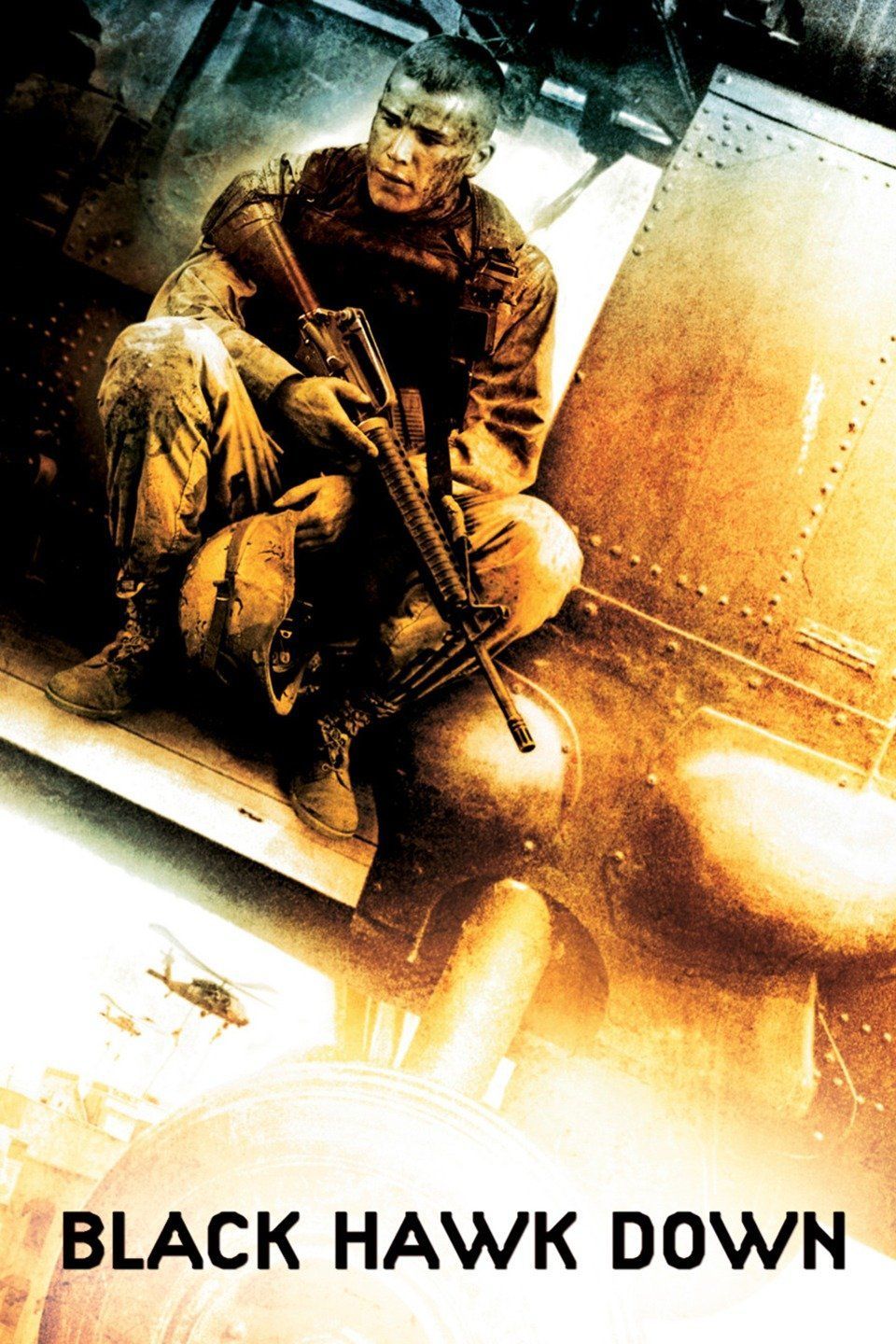 (CASTELLANO) Volver a Black Hawk Down después de tantos años es casi más impactante que el primer visionado. Quizá porque ya no sorprende tanto la violencia, pero sí la forma en la que está filmada: directa, constante, agotadora. La película no se toma ni un segundo para explicarse ni para coger aire. Entra en la batalla y se queda ahí, atrapada, como los propios soldados. Y eso, te guste o no, sigue funcionando igual de bien que en 2001. Ridley Scott aquí renuncia casi por completo a la estructura clásica del cine bélico. No hay un arco emocional claro, ni grandes discursos, ni tiempo para desarrollar dramas personales. Todo es confusión, ruido, polvo y decisiones improvisadas. Algunos dirán que eso le resta profundidad, pero lo cierto es que convierte la experiencia en algo casi físico. No estás viendo la guerra desde fuera, estás metido dentro, intentando orientarte mientras todo se desmorona. La película tampoco parece interesada en dar lecciones morales claras. No es una cinta antibelicista en el sentido tradicional, pero tampoco glorifica la guerra como espectáculo heroico. Simplemente muestra el desastre tal y como ocurre. Esa neutralidad incómoda es, en parte, lo que la hace tan discutible… y tan potente. Scott no te lleva de la mano: te lanza al caos y te deja ahí, a ver qué sacas tú de todo eso. El reparto coral funciona como un engranaje bien engrasado. rostros que en su momento eran secundarios y que hoy sorprende ver juntos, pero que aquí no buscan brillar individualmente. Eso suma a la sensación de anonimato y desgaste, de soldados intercambiables dentro de una maquinaria que no se detiene. Nadie destaca demasiado porque la película no quiere que lo haga. Técnicamente, sigue siendo arrolladora. El diseño de sonido, la fotografía, el montaje… todo trabaja para generar una tensión constante que apenas afloja durante más de dos horas. Es una experiencia intensa y por momentos abrumadora, pero también tremendamente eficaz. No se disfruta en el sentido clásico, se sobrevive. Quizá no sea una película para revisitar a menudo, precisamente por su dureza y su falta de descanso emocional. Pero vista hoy, mantiene intacta su fuerza y su personalidad. Puede que no explique por qué ocurre todo, pero deja muy claro cómo se siente estar ahí dentro. Y eso, más de veinte años después, sigue impactando. (ENGLISH) Rewatching Black Hawk Down after so many years is more striking than I expected. Not because the violence shocks more now, but because of how relentless it still feels. The film never slows down, never explains itself, and never gives you room to breathe. From the very first moment, it throws you into the middle of the chaos and refuses to let go until the end. Ridley Scott abandons the classic structure of war movies. There are no clean emotional arcs, no heroic speeches, and very little personal backstory. Instead, everything is confusion, noise, dust, and split-second decisions. Some might find it cold or distant, but that approach turns the viewing experience into something almost physical. You’re not observing the battle — you’re stuck inside it. It’s not an anti-war statement in the traditional sense, nor is it a straightforward glorification. It simply shows what happens. That uncomfortable neutrality is precisely what makes it so effective and so divisive. The film doesn’t guide your emotions; it leaves you alone in the chaos. The ensemble cast works as a single unit rather than individual stars, reinforcing the sense of anonymity and exhaustion. Faces blend together, priorities blur, and survival becomes the only narrative thread. Technically, the film remains overwhelming — from the sound design to the editing — creating constant tension that rarely eases. It’s not an easy rewatch, and it’s not meant to be. But even decades later, its intensity and commitment to immersion remain undeniable.Black Hawk Down
 - After the Hunt
 (CASTELLANO) Caza de brujas parte de un tema poderosísimo. Incómodo. Actual. De esos que obligan a posicionarse, o al menos a revisar certezas. El problema es que la película parece más interesada en demostrar lo lista que es que en contar una historia que te atrape emocionalmente. Y ahí, poco a poco, se va enfriando. Hay un tono pedante en muchos diálogos que acaba pasando factura. Es un tono reconocible, por desgracia: ese de ciertos discursos universitarios que suenan más a exhibición moral que a conversación real. Entiendo que hay una voluntad de retratar ese ambiente —y en ese sentido no es falso—, pero el resultado termina siendo agotador. Más que acercarte a los personajes, te empuja a mantenerlos a distancia. El mayor problema es que cuesta implicarse. El guion no te ofrece un punto de anclaje claro, ni emocional ni ético. Juega deliberadamente a no decir qué ocurrió exactamente, dejando huecos para que el espectador “debata”. Es una tendencia muy actual, sí, pero aquí se siente más como una coartada que como una decisión narrativa sólida. En lo personal, no tuve dudas sobre a quién creer —la víctima—, pero la película parece demasiado preocupada por no mojarse. Dicho eso, hay luces. Ayo Edebiri está magnífica. Su personaje, Maggie, tiene verdad, tiene fisuras, y es probablemente el rostro más humano de toda la historia. Cada vez que la película se acerca a ella, mejora. Se nota que hay una actriz con un talento enorme y una presencia que no necesita subrayados. Julia Roberts cumple con solvencia —muy bien, incluso—, pero ni su trabajo consigue tapar la sensación de artificio que sobrevuela todo el relato. Hay momentos logrados, atmósfera, buenas interpretaciones… pero el conjunto se siente más frío de lo que debería para un tema que exige precisamente lo contrario. Una película ambiciosa, provocadora en intención, pero que acaba alejando más de lo que acerca. Da que pensar, sí, pero deja poco poso emocional. (ENGLISH) After the Hunt starts from a powerful, deeply uncomfortable premise. One of those stories that almost forces you to take a side, or at least question your own certainties. The problem is that the film often seems more interested in proving how clever it is than in telling a story that truly pulls you in emotionally. And little by little, it grows cold. There is a pedantic tone in many of the dialogues that ends up working against it. Sadly, it’s a very recognizable tone — the kind you hear in certain university environments, where moral posturing replaces genuine conversation. I understand the intention to portray that world, and in that sense it isn’t inaccurate, but it becomes exhausting. Instead of drawing you closer to the characters, it pushes them away. The biggest issue is how hard it is to fully engage. The script refuses to offer a clear emotional or ethical anchor. It deliberately avoids telling us exactly what happened, leaving gaps so the audience can “debate.” That’s a fashionable approach right now, but here it feels more like a narrative shortcut than a meaningful choice. Personally, I had no doubt about who I believed — the victim — but the film seems overly concerned with staying neutral. That said, there are strong elements. Ayo Edebiri is excellent. Her character, Maggie, feels real, fragile, and human — arguably the film’s emotional core. Every time the story stays with her, it improves noticeably. Julia Roberts delivers a very solid performance as well, but not even she can fully overcome the sense of artificiality hovering over the entire film. There are effective moments, atmosphere, and strong acting, yet the whole experience feels strangely distant for a subject that demands emotional closeness. An ambitious and provocative film in intent, but one that ultimately keeps you at arm’s length. It encourages thought, yes, but leaves little emotional aftertaste.After the Hunt
 - She Rides Shotgun
 (CASTELLANO) La educación de Polly McClusky es una película que entra despacio pero termina golpeando fuerte. Tiene algo de western moderno, algo de road movie y mucho de drama emocional bien entendido. No va de giros locos ni de fuegos artificiales: va de personas, de heridas abiertas y de ese vínculo tan frágil y tan poderoso que se crea cuando un padre tiene que proteger a su hija incluso cuando no sabe muy bien cómo hacerlo. Taron Egerton está enorme. Hay momentos en los que parece un héroe de acción en gestación, sí, pero lo más interesante es cuando baja el volumen y deja ver el miedo, la torpeza y la culpa. Su personaje no es un tipo ejemplar, y justo por eso funciona. Es alguien que aprende sobre la marcha, que se equivoca, que huye… y que aun así intenta hacerlo bien. Egerton sostiene la película con el cuerpo y con la mirada. Pero la gran sorpresa es la niña. Ana Sophia Heger está impresionante. No sobreactúa, no busca el gesto fácil. Todo lo contrario: su forma de mirar y de callar dice más que muchos diálogos. Es una interpretación dificilísima para su edad, y aquí no solo sale airosa, sino que deja claro que tiene un futuro enorme si sabe elegir bien. La dirección es muy sólida. Nick Rowland sabe cuándo apretar y cuándo dejar respirar a las escenas. La violencia aparece cuando tiene que aparecer y dura lo justo; no se recrea. Y el drama nunca cruza la línea del sentimentalismo barato. Hay lágrimas, sí —yo he llorado bastante—, pero nacen de algo auténtico, no de la manipulación musical o de frases subrayadas en rojo. Es una película que permite a los actores mostrarse de verdad. Que confía en ellos. Y eso se agradece mucho. Puede que su estructura sea reconocible, incluso previsible en algunos tramos, pero la carga emocional es tan honesta que eso acaba importando poco. Una historia dura, tierna y muy humana. De las que te acompañan un rato después de que termine. (ENGLISH) The Education of Polly McClusky takes its time to settle in, but when it hits, it really hits. It feels like a modern western mixed with a road movie and a deeply human drama. There are no flashy twists or forced spectacle here. This is a film about people, old wounds, and the fragile, powerful bond that forms when a father has to protect his daughter even though he doesn’t fully know how. Taron Egerton is excellent. At times he hints at a future action hero, but what truly works are the quieter moments, when fear, clumsiness, and guilt show through. His character is far from perfect, and that’s exactly why it works. He learns on the run, makes mistakes, flees… and still tries to do the right thing. The real revelation, though, is Ana Sophia Heger. Her performance is remarkable. She never overplays a scene or reaches for easy emotion. A look, a pause, a silence — that’s where she shines. It’s an incredibly difficult role for someone so young, and she carries it with astonishing confidence. The direction is measured and confident. Violence appears only when necessary and never overstays its welcome. The emotional weight comes from restraint, not manipulation. Yes, it can make you cry — it certainly did for me — but those tears come from something real. It may follow a familiar structure, but the honesty of its emotions makes that feel irrelevant. A tough, tender, deeply human film that lingers well after it ends.She Rides Shotgun
 - 50/50
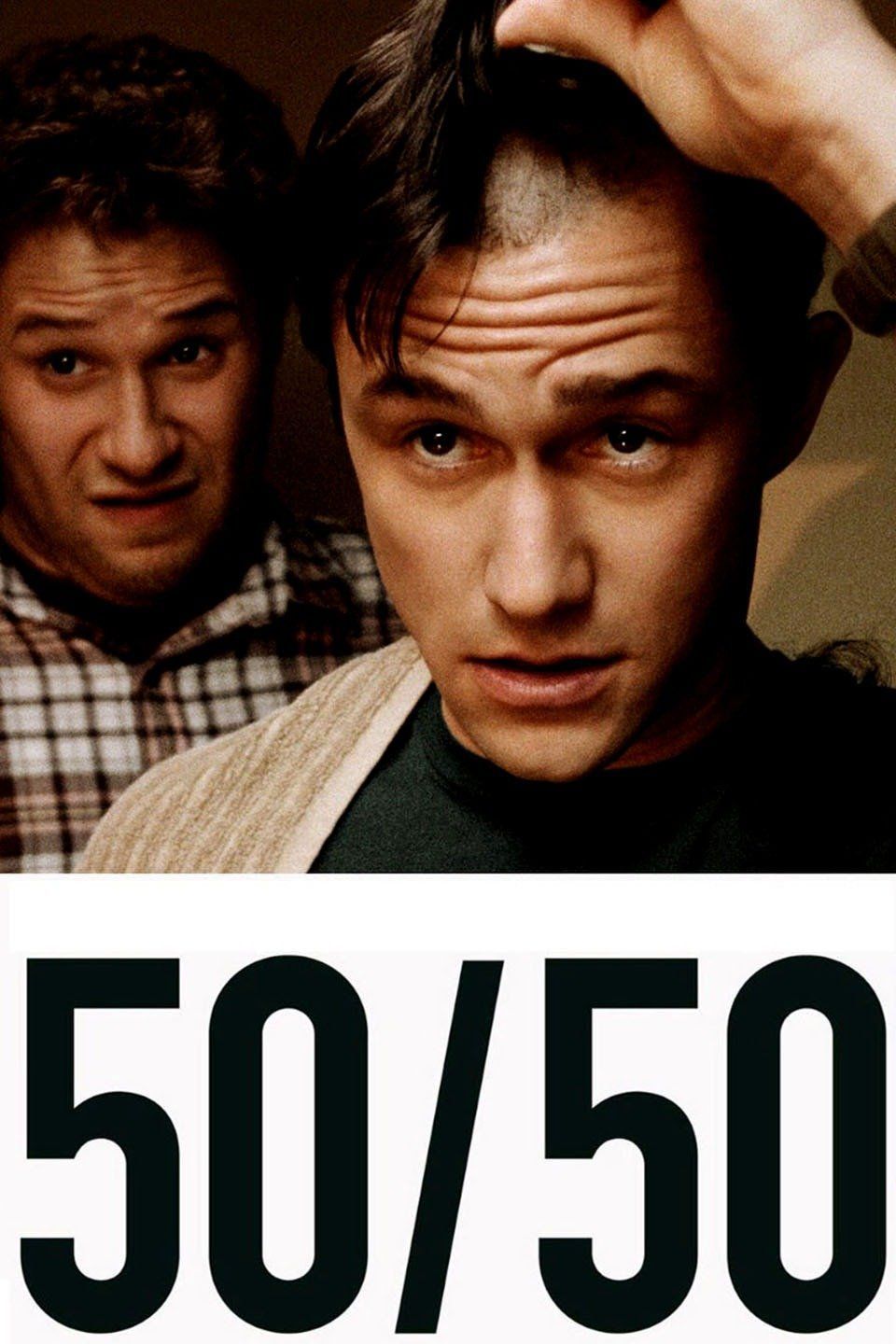 (CASTELLANO) Hay películas que llegan sin hacer ruido y, de repente, te atraviesan. 50/50 es una de esas. En apariencia es una comedia dramática más sobre la enfermedad, pero desde sus primeras escenas se nota que el enfoque va por otro lado: más honesto, más cercano y, sobre todo, menos manipulado. Aquí no te estiran del lagrimal; simplemente te dejan entrar. La interpretación de Joseph Gordon-Levitt es lo que sostiene todo. Tiene una forma muy limpia de mostrar la vulnerabilidad sin convertirla en un espectáculo triste. Hay momentos en los que sólo con mirarle entiendes lo que está perdiendo, lo que teme y lo que intenta fingir que no pasa. Y al lado está Seth Rogen, que podría parecer un pegote, pero acaba siendo la risa incómoda y necesaria que uno tiene cuando ya no sabe qué hacer con su propio miedo. El guion es una maravilla, y eso es lo que hace que todo funcione. No se recrea en el drama ni se refugia en el chiste fácil. Va encontrando un equilibrio extraño entre la rabia, el humor negro, la ternura y la impotencia. Y cuando llega el tramo final, ese remolino emocional te golpea de lleno. A mí me ha hecho llorar mucho, pero de esa forma que no duele, sino que alivia. Lo bonito es que no intenta ser un manual de vida ni te suelta frases de autoayuda. Es una historia pequeña, contada con una sinceridad que desarma. Y aunque habla del miedo a morir, al final lo que te deja es una sensación cálida de estar vivo y de valorar a quien se queda cuando todo se tambalea. Sencilla, humana y dolorosa en el mejor sentido. (ENGLISH) There are films that slip in quietly and suddenly hit you right in the chest. 50/50 is one of them. It looks like another illness-drama on paper, but from the first scenes you can feel a different approach: more honest, more grounded, and far less manipulative. It doesn’t pull your tears out; it simply lets you enter the story. Joseph Gordon-Levitt holds everything together. He shows vulnerability without turning it into a sad performance. There are moments when you understand everything he’s losing just by looking at him. And then there’s Seth Rogen, who seems like he doesn’t belong at first, but ends up being that clumsy, necessary laughter that appears when fear gets too big. The script is wonderful, and that’s why the film works. It avoids melodrama and also avoids the easy joke. It finds this strange balance between anger, dark humor, tenderness and helplessness. And when the final stretch arrives, the emotional wave hits hard. It made me cry a lot, but in a way that feels strangely comforting. What I love is that it never tries to preach or offer life lessons. It’s a small story told with disarming sincerity. And even though it talks about the fear of dying, it ends up reminding you of the warmth of being alive and the importance of the people who stay when everything shakes. Simple, human, and painful in the best possible way.50/50


