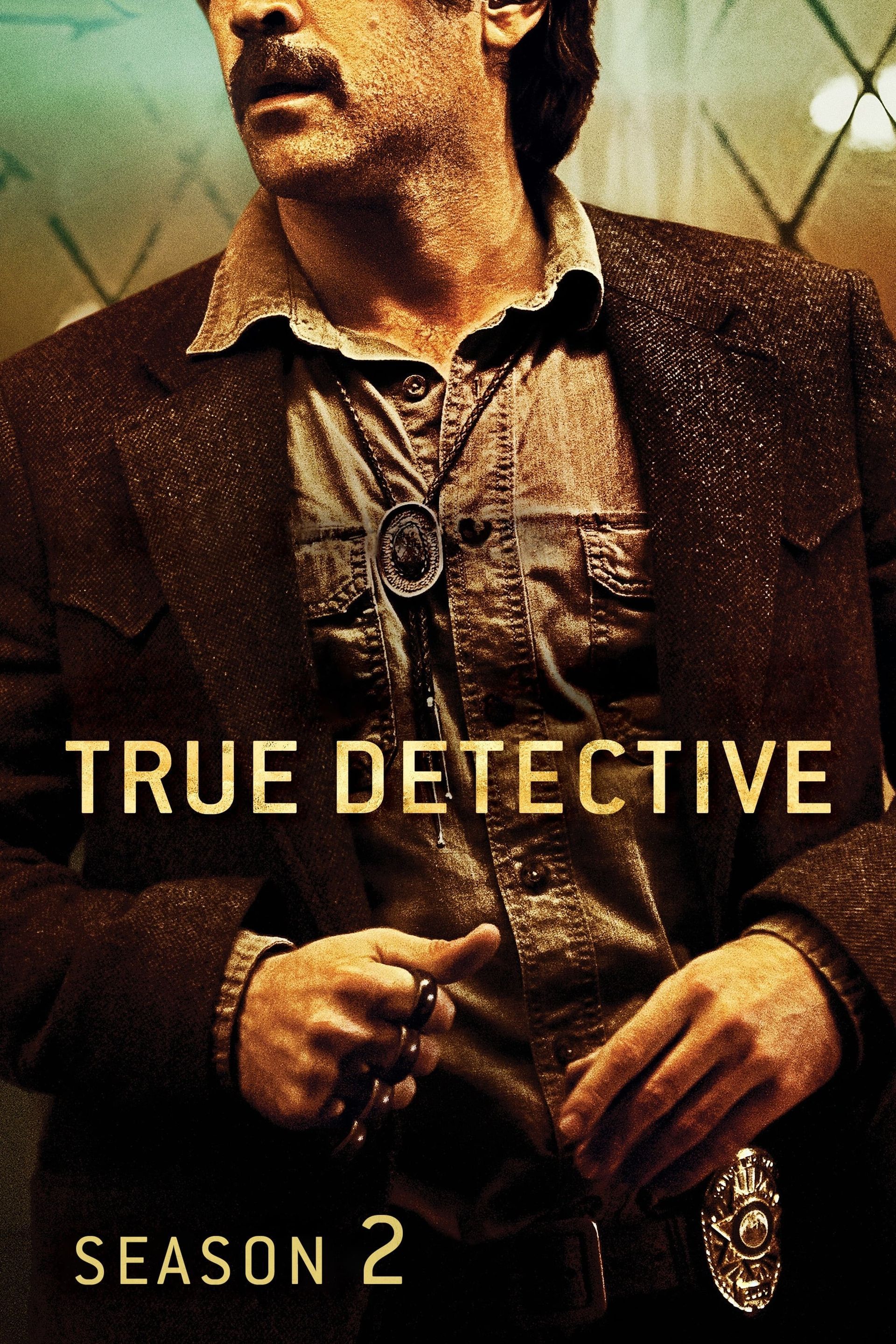
True DetectiveSeason 2
TV-MA
47%31%
A bizarre murder brings together three law-enforcement officers and a career criminal, each of whom must navigate a web of conspiracy and betrayal in the scorched landscapes of California.
Where to Watch True Detective • Season 2


8 Episodes
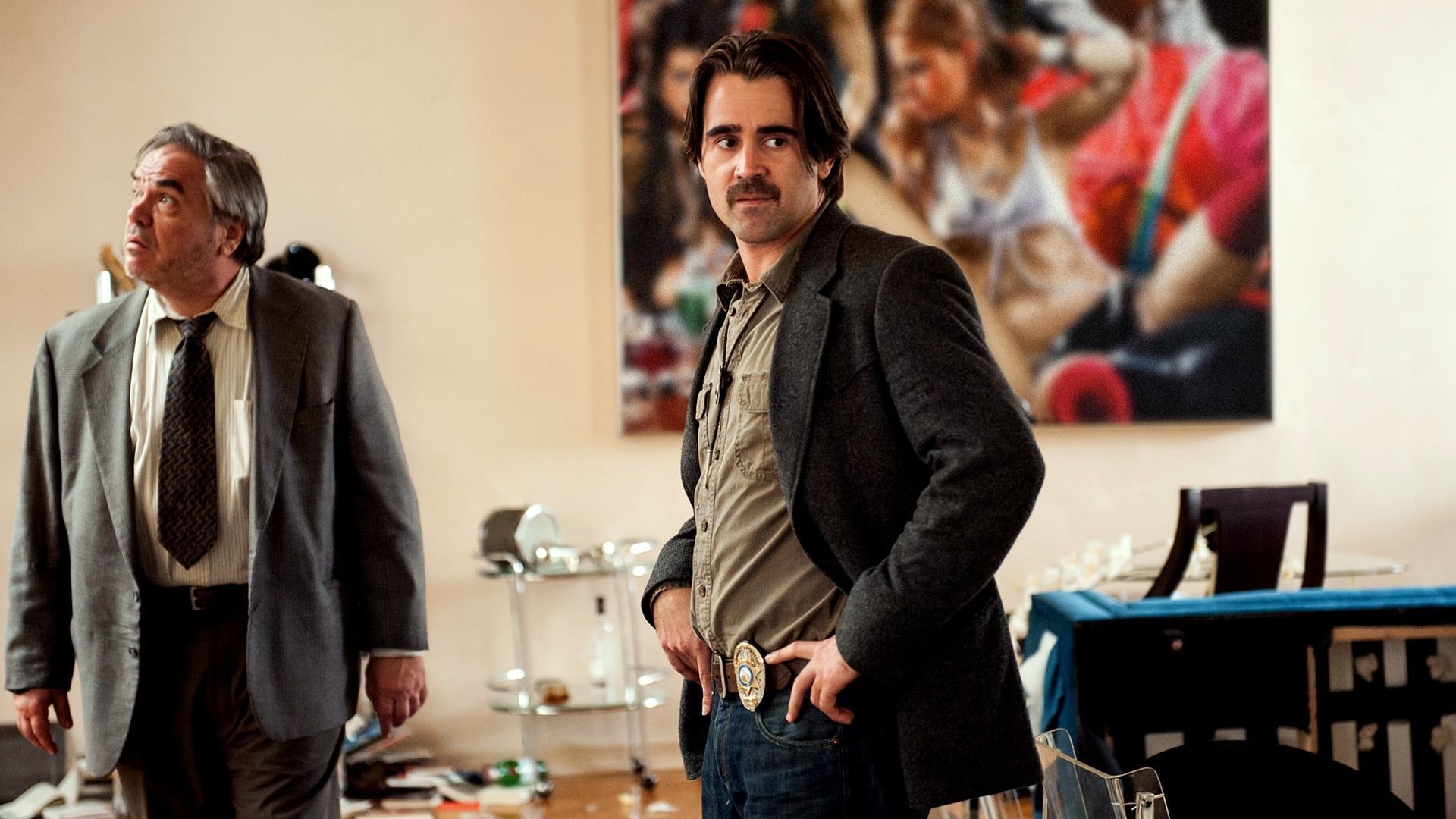
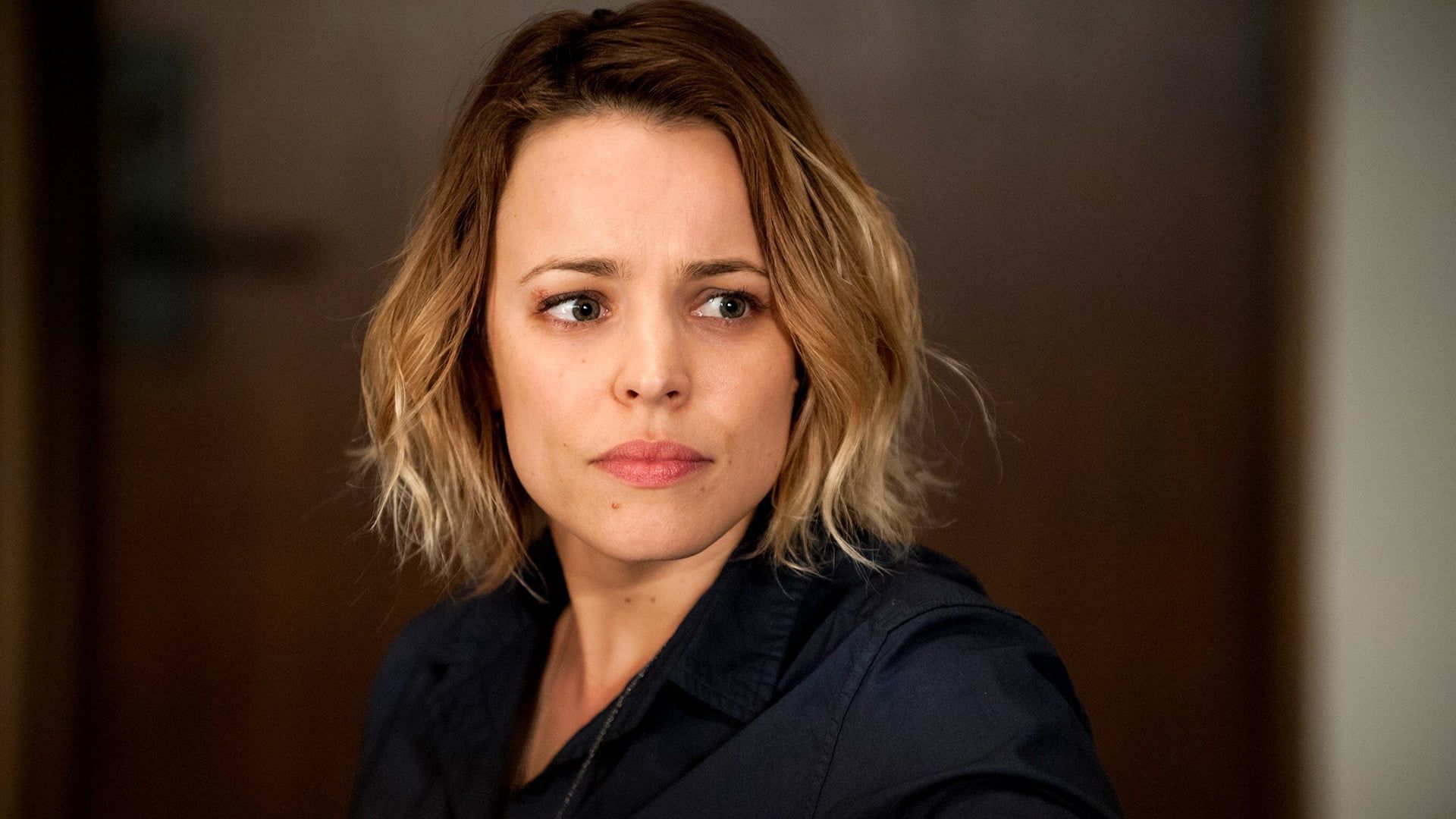

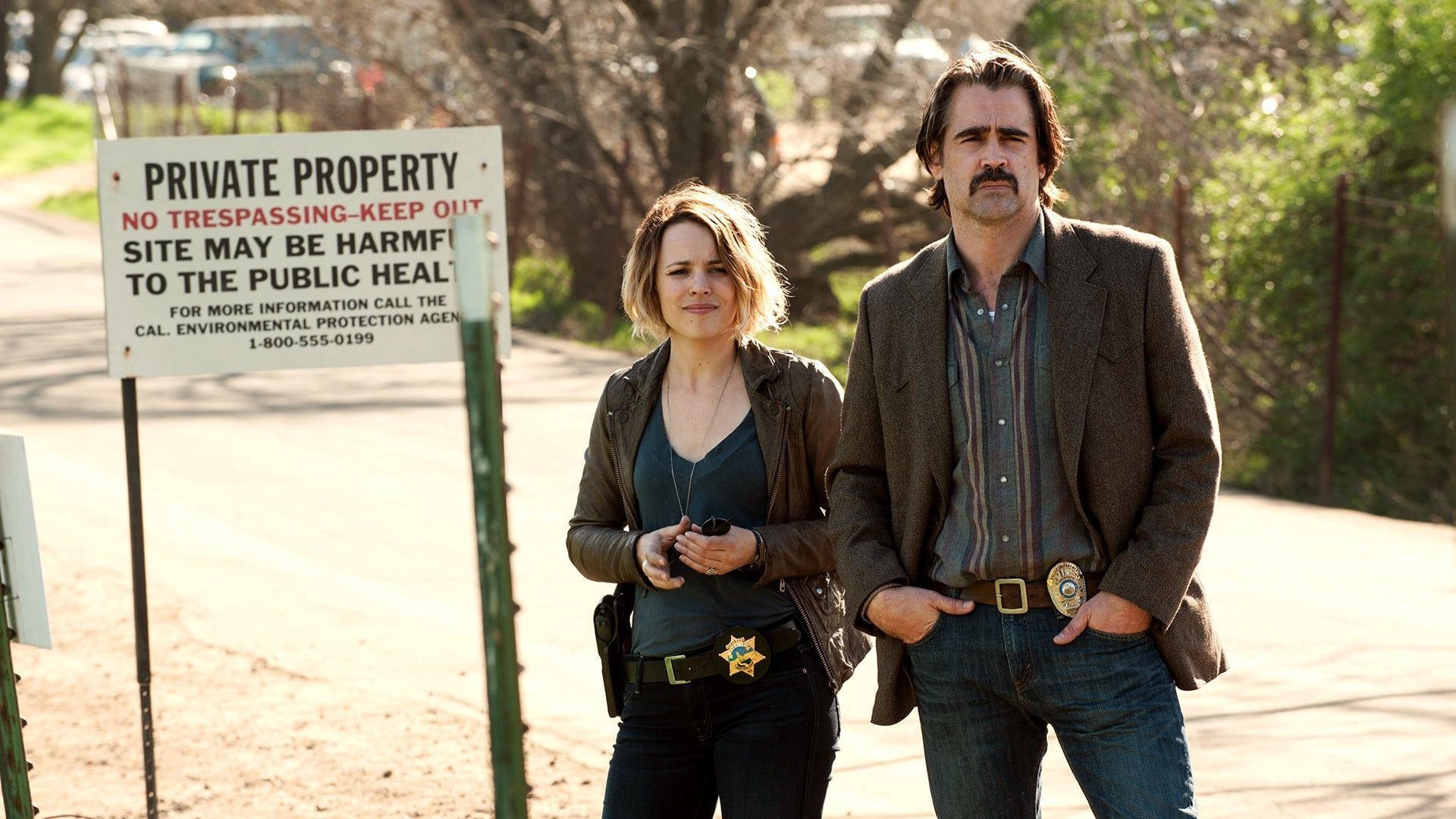
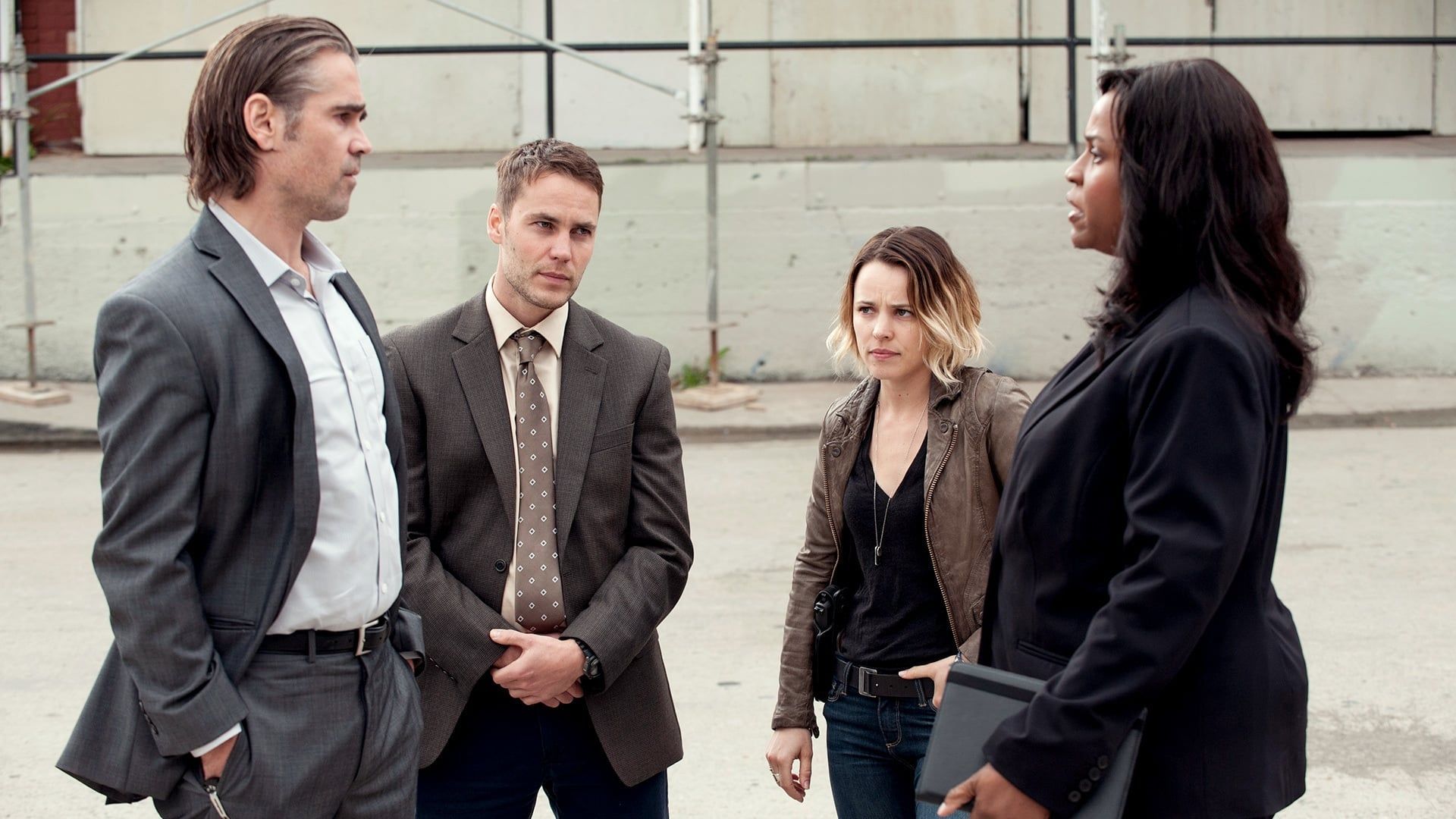
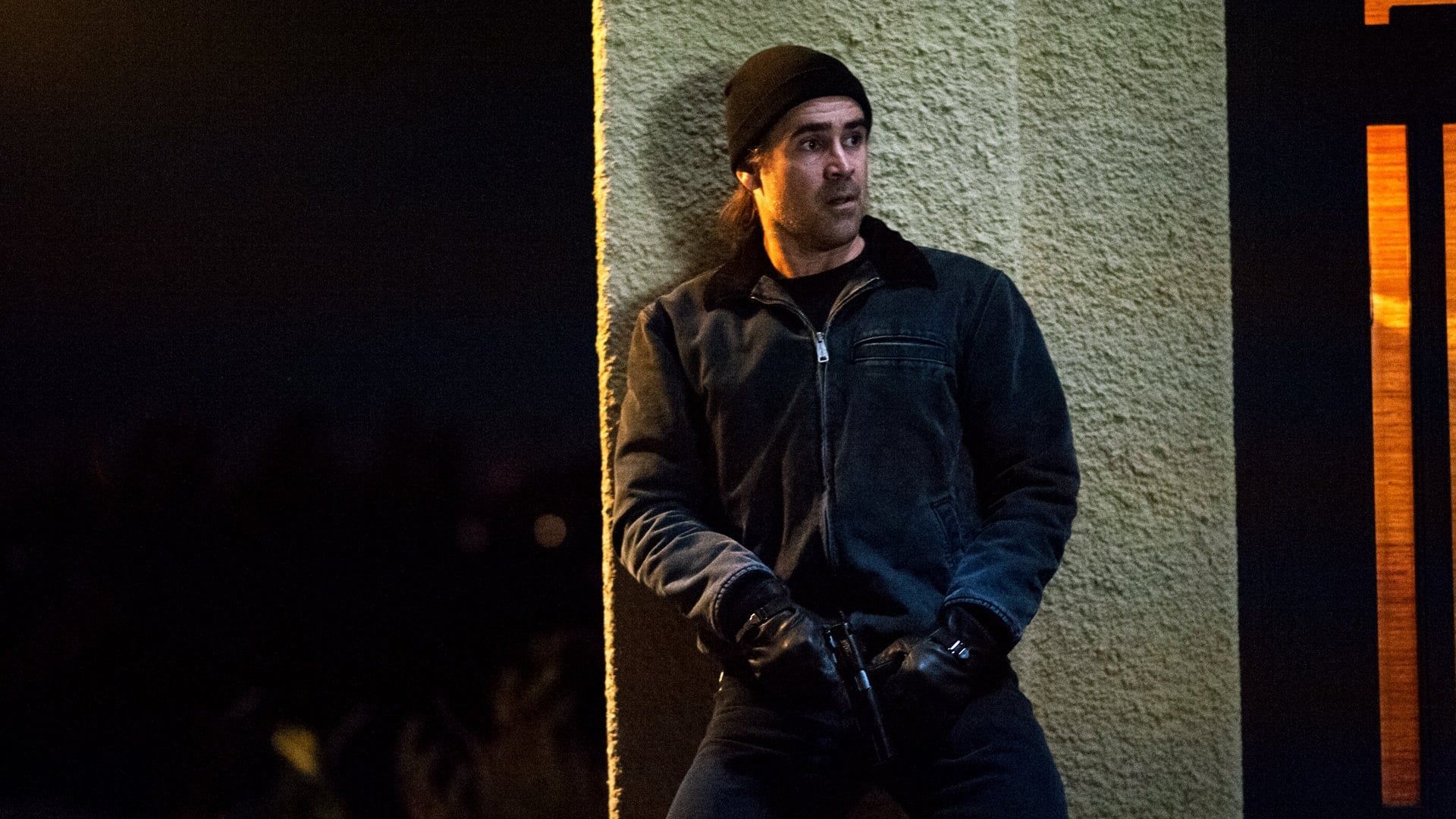
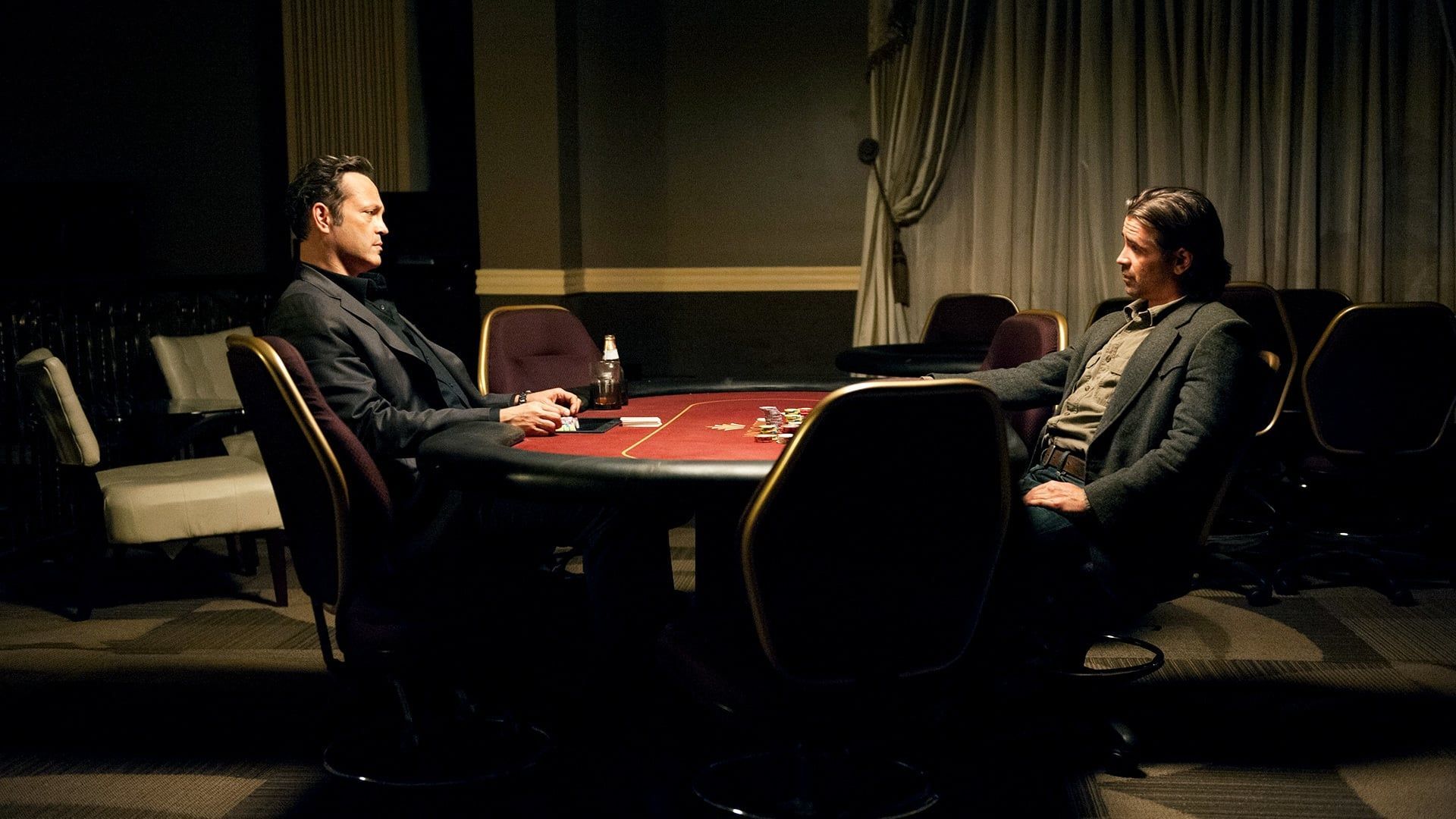
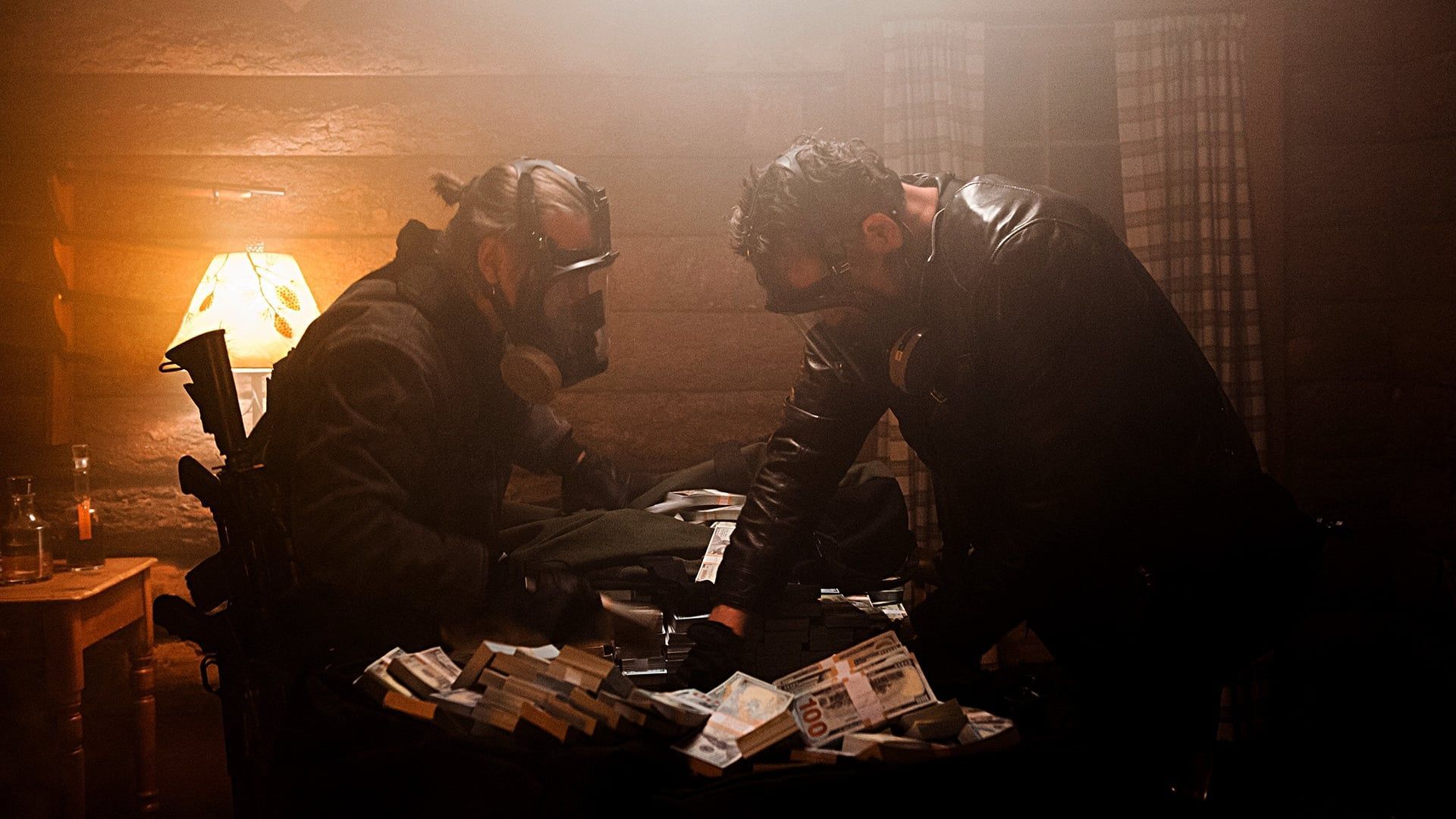





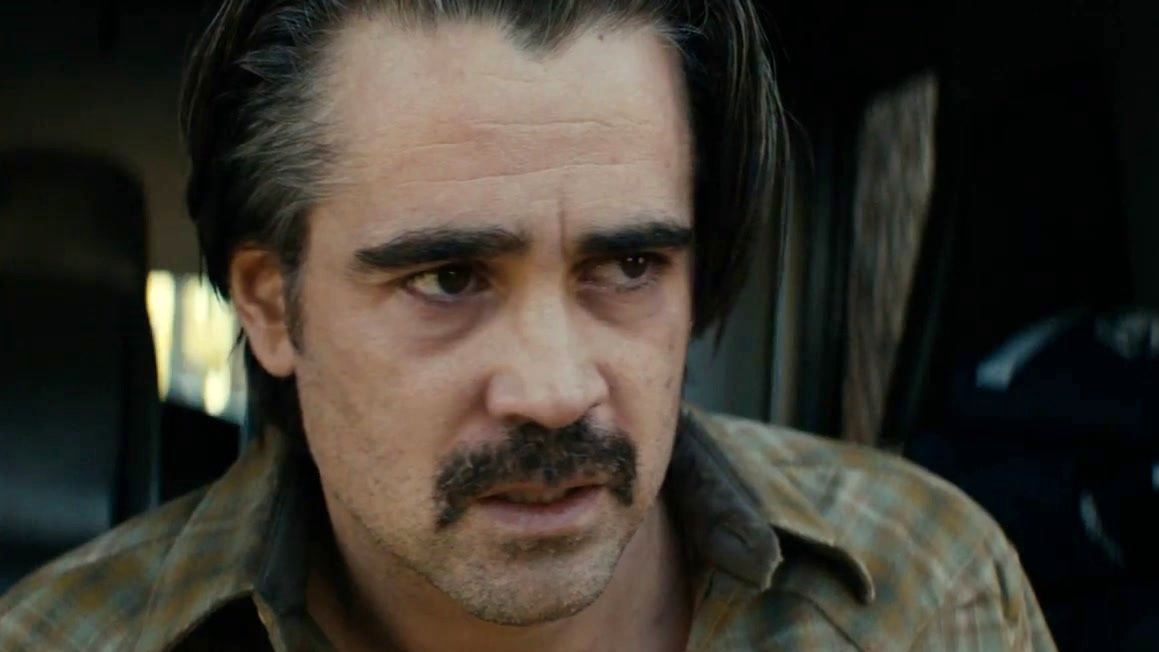
- C218May 15, 2026True Detective — Season 2 — is one of the most misunderstood and unfairly dismissed seasons of modern television. Released under the impossible burden of following Season 1’s near-universal acclaim, it was immediately judged less on what it actually was and more on what audiences wanted it to be. And while it undeniably has flaws — some significant — it’s also an ambitious, emotionally rich, deeply melancholic neo-noir tragedy that becomes more rewarding the further it moves away from comparisons to its predecessor. Created by Nic Pizzolatto, the season abandons the Southern Gothic mysticism of Louisiana for a spiritually dead California landscape of highways, industrial zones, corruption, empty luxury, and political decay. Instead of cosmic horror and occult symbolism, Season 2 focuses on institutional rot: capitalism, land development, policing, political corruption, toxic masculinity, and emotional alienation. The structure is far more sprawling than Season 1, following four central characters: Colin Farrell as Ray Velcoro, a corrupt detective drowning in guilt and self-hatred. Rachel McAdams as Ani Bezzerides, a fiercely intelligent investigator burdened by trauma and emotional isolation. Taylor Kitsch as Paul Woodrugh, a veteran struggling with repression and identity. Vince Vaughn as Frank Semyon, a gangster trying — and failing — to reinvent himself as a legitimate businessman. That ambition is both the season’s greatest strength and its biggest weakness. Unlike Season 1, which centered almost entirely around the intimate psychological dynamic between Rust and Marty, Season 2 disperses its emotional focus across multiple intersecting lives and systems. Early episodes can feel overloaded with exposition, names, conspiracies, political details, and noir dialogue. The investigation itself often becomes difficult to follow, especially on first viewing. But over time, the season reveals that the conspiracy is almost beside the point. The real story is about spiritually exhausted people trying to escape systems that have already consumed them. Colin Farrell gives the season’s standout performance. Ray Velcoro is one of the saddest characters in the entire True Detective anthology — violent, corrupted, emotionally broken, yet painfully human. Farrell transforms what could have been a cliché noir antihero into a devastating portrait of shame and failed redemption. Rachel McAdams is also excellent, bringing emotional intelligence and grounded intensity to Ani. Her character sometimes suffers from uneven writing, but McAdams consistently anchors the season emotionally. Taylor Kitsch’s performance improves dramatically as the season progresses, especially once Paul’s repression and loneliness become central to the narrative. And Vince Vaughn, initially criticized for his stylized dialogue, gradually reveals surprising depth as Frank Semyon evolves into a tragic noir figure destroyed by ambition and insecurity. Visually, the season is stunning in a completely different way from Season 1. Directors like Justin Lin and others create a California that feels spiritually poisoned: neon reflections, industrial wastelands, freeways, motels, empty bars, corporate architecture, and endless nighttime emptiness. This isn’t glamorous Los Angeles noir — it’s a vision of modern America hollowed out by greed and emotional disconnection. Thematically, Season 2 is obsessed with identity and performance: Men pretending to be strong while emotionally collapsing. Institutions pretending to represent justice while functioning through corruption. Criminals pretending they can become legitimate. Entire cities pretending prosperity hasn’t been built on exploitation. The season’s atmosphere of exhaustion and doomed longing becomes incredibly powerful once you stop expecting occult mystery and start seeing it as existential noir tragedy. That said, the criticisms are real: The plotting is often overcomplicated. Some dialogue strains too hard toward literary noir poetry. Certain subplots feel underdeveloped. The pacing in early episodes can feel heavy and fragmented. It lacks the mythic cohesion and hypnotic simplicity of Season 1. But those flaws have overshadowed how emotionally affecting the season ultimately becomes. By the final episodes, Season 2 transforms into a mournful story about broken people briefly reaching for redemption in a world structurally designed to crush them. And unlike many prestige dramas that romanticize corruption and antiheroes, Season 2 treats emotional damage as genuinely tragic rather than cool. Over time, the season has gained increasing reevaluation, and deservedly so. Rating: ★★★★☆ (4/5) A flawed but deeply ambitious noir tragedy — emotionally devastating, visually hypnotic, and far richer than its original reputation suggested. Season 2 may never escape the shadow of Season 1, but on its own terms, it’s a haunting and powerful work of modern television.
- Jay Marie BaileyJune 17, 2025Not as strong as season 1 IMO but well acted none the less. Plot for the first few episodes jumps around quite a bit but worth persisting if you have made it through those episodes. In actual fact the last few episodes remind me quite a bit of the 2004 The Punisher movie