
True DetectiveChurch in Ruins
Directed by Miguel SapochnikTV-MA
S2 • E6 Jul 26, 2015 57m8.27.8

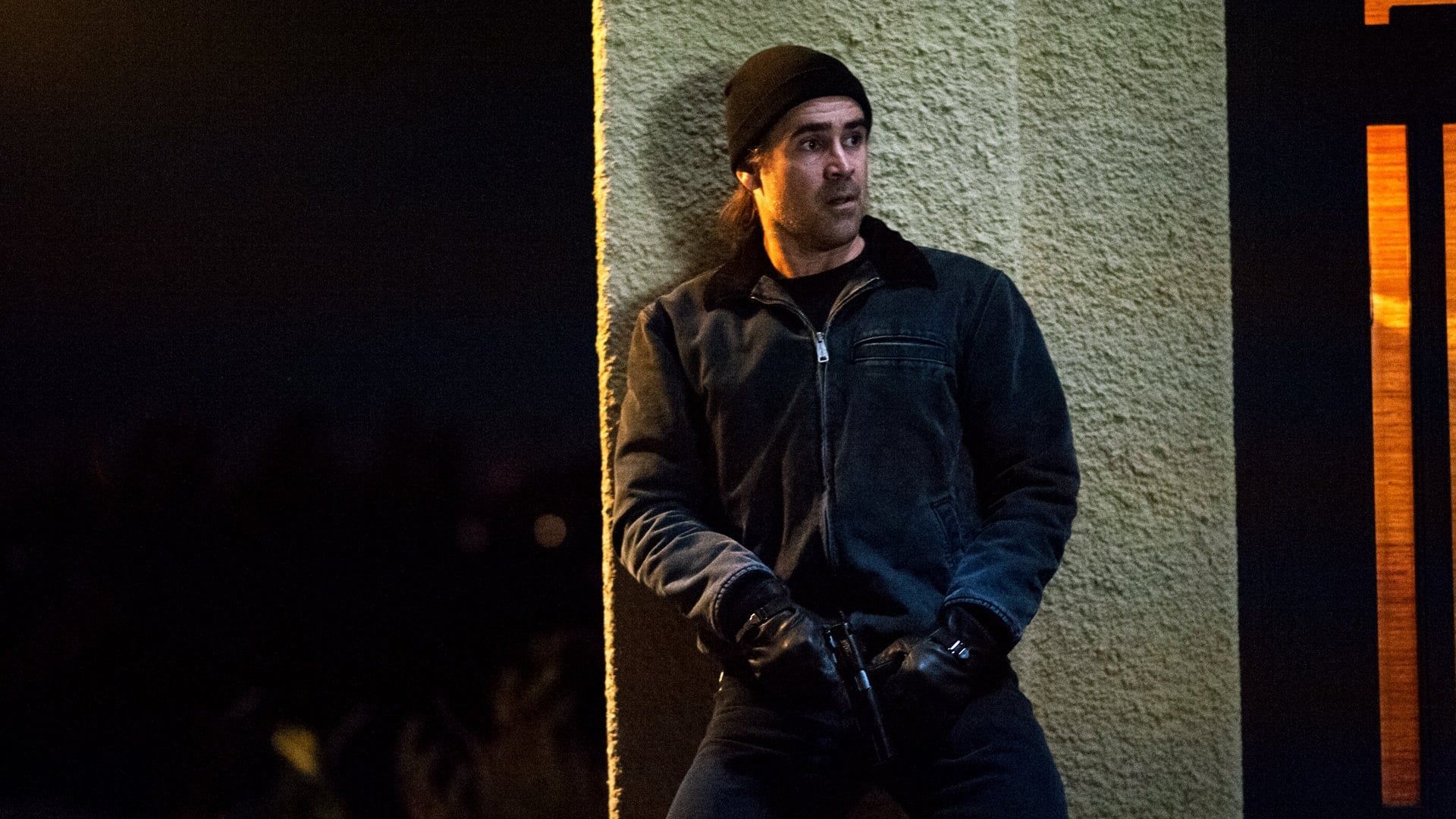
Desperate to locate a missing woman with intel about Caspere, Frank meets with Mexican drug dealers; Ani infiltrates an exclusive inner circle, with Ray and Paul keeping close tabs.
Where to Watch True Detective - S2 • E6









- C218May 15, 2026True Detective — Season 2, Episode 6, “Church in Ruins” — is where Season 2 becomes fully consumed by inevitability. The episode carries a constant sense that every character is already doomed, even as they continue fighting against systems too large, corrupt, and deeply rooted to overcome. It’s one of the season’s bleakest chapters, but also one of its most emotionally focused and thematically coherent. The title captures the season perfectly. There are no functioning moral institutions left in this world — only ruins. Politics, policing, business, family, religion, masculinity, even personal identity all appear spiritually hollowed out. The characters move through these wrecked systems like ghosts trying to remember what meaning once looked like. Colin Farrell remains the emotional core of the season. Ray Velcoro’s attempts at redemption become increasingly painful because he seems dimly aware that redemption may no longer be available to him. Farrell gives Ray a tragic softness beneath the violence and exhaustion, especially in scenes involving his son and his growing bond with Ani. Ray’s desire to become a better person arrives tragically late, which gives the character much of his power. Rachel McAdams delivers some of her strongest work of the season here. Ani Bezzerides becomes more emotionally open without losing the guarded intensity that defines her. The chemistry between Ani and Ray works because both characters recognize brokenness in each other without romanticizing it. Their connection feels less like traditional romance and more like two emotionally damaged people briefly finding understanding in a collapsing world. Meanwhile, Taylor Kitsch finally achieves genuine emotional depth as Paul Woodrugh. His storyline about repression, shame, and identity becomes increasingly tragic because the season frames masculinity itself as suffocating performance. Paul’s inability to exist honestly within the world around him gives his scenes a quiet desperation. Vince Vaughn also improves dramatically as the season progresses. Frank Semyon’s criminal empire is disintegrating, but what makes the character compelling is how desperately he still clings to dreams of control and legitimacy. Vaughn works best when Frank’s confidence cracks, revealing fear and emotional vulnerability beneath the noir rhetoric. Visually, the episode is drenched in nocturnal sadness — dim bars, empty highways, industrial wastelands, motel rooms, failing businesses. California feels spiritually exhausted, as though capitalism itself has poisoned the landscape. The season’s aesthetic becomes more effective the further it drifts from comparisons to Season 1 and embraces pure modern noir tragedy. The episode’s major set piece — Ani’s infiltration of the secret sex party — is disturbing and intentionally disorienting. The sequence exposes the season’s obsession with power, exploitation, performance, and moral decay among elites. At times, the scene flirts with excessive stylization, but its overwhelming ugliness fits the season’s worldview: corruption here is inseparable from wealth, spectacle, and commodification. If there’s still a weakness, it’s that the conspiracy remains somewhat emotionally diffuse. The political and financial mechanisms behind the corruption are less compelling than the characters navigating them. Season 2 works best not as a puzzle-box mystery, but as a tragedy about spiritually exhausted people trapped inside modern systems of power. Rating: ★★★★½☆ (4.5/5) A mournful, emotionally rich noir episode that fully embraces the season’s themes of corruption, repression, and doomed attempts at redemption.
