NatureSezon 7
TV-G
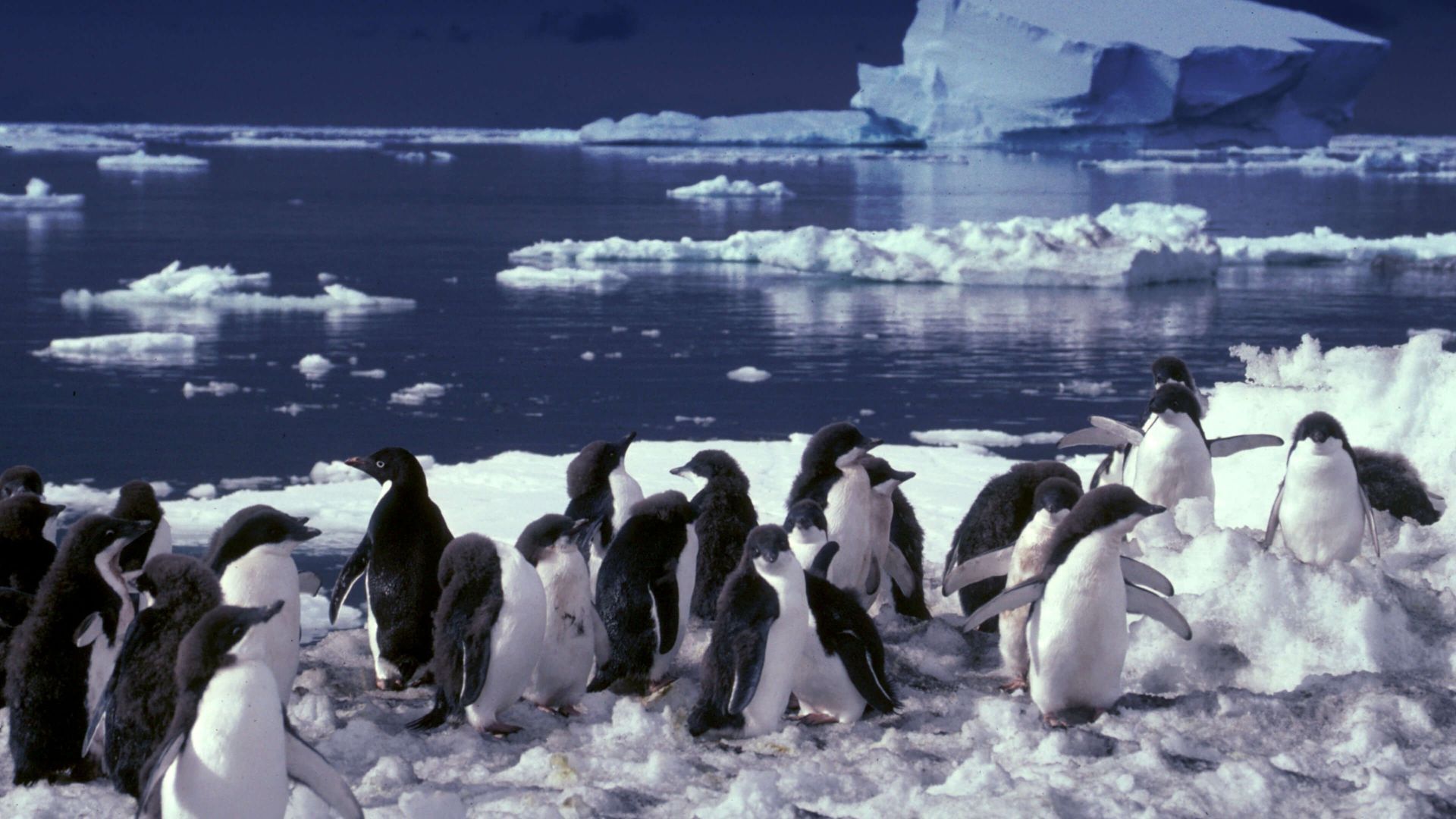
Consistently stunning documentaries transport viewers to far-flung locations ranging from the torrid African plains to the chilly splendours of icy Antarctica. The show's primary focus is on animals and ecosystems around the world. A comic book based on the show, meant to be used an as educational tool for kids, was briefly distributed to museums and schools at no cost in the mid-2000s.
Where to Watch Nature • Sezon 7

20 Episodes
- Nature of Australia: a Portrait of the Island Continent: Seas Under CapricornE5
Nature of Australia: a Portrait of the Island Continent: Seas Under CapricornTwo distinct marine worlds meet in the waters that encircle Australia. In its long voyage into isolation following its breakaway from Gondwana, 45 million years ago, the island continent came to span both tropical and temperate seas. Today its shores are ringed by the most diverse assemblies of marine life on earth. This program recounts the making of this unique Australia down under, from the storm tossed kelp forests of the cool south, to the magic splendours of the Great Barrier Reef. The program begins its story where Australia was born, in the southern latitudes of the Antarctic seas. Antarctica is the last remnant of Gondwana - it froze over after the other continents broke away, but its cool rich waters still generate a wealth of nutrients which, carried by the deep currents, sustain Australia's marine life. - Nature of Australia: a Portrait of the Island Continent: the Making of the BushE6
Nature of Australia: a Portrait of the Island Continent: the Making of the BushA koala up a gumtree is the classic image of the Australian bush. How that odd partnership evolved is one of the strands woven into this episode of Nature Of Australia. The program tells the story of how the island continent's wooded margins came to be dominated by one unique type of tree growing in a great variety of forms - the eucalypt. The nursery for nearly all life in Australia is the rainforest, of which only a few patches remain today - th last remnants of vast, dense forests that covered Australia when it first broke away from the ancestral super-continent of Gondwana, and voyaged north into isolation. From among its proliferation of plants emerged the eucalypts, the characteristic gum trees - and from among the forest animals arose a great and varied company of marsupials, adapting to every kind of environment that evolved in response to Australia's changing, drying climate. - Nature of Australia: a Portrait of the Island Continent: the Sunburnt CountryE7
Nature of Australia: a Portrait of the Island Continent: the Sunburnt CountryAustralia's arid interior is often called the dead heart. In fact, it teems with life, supported by a hidden network of buried rivers recharged by rare but heavy rains. This episode tells the story of this surprising desert - formed when the climatic change overtook and dried out central Australia. What was once a land of vast lakes and broad rivers turned into a parched region of glittering stone and burning sand, interwoven with swathes of hardy woodland and plains of desert grass. A great variety of plants and animals has adapted to life in the arid centre, with its swings between the brief good condition that follow the unpredictable rains, and then long periods of drought. It's the land of the lizards - from giant goannas that sniff out snakes hiding under the sand, to the tiny, delicate Lake Eyre dragons who've made the desolate saltpans their domain. - Nature of Australia: a Portrait of the Island Continent: the Land of Flood and FireE8
Nature of Australia: a Portrait of the Island Continent: the Land of Flood and FireAustralia's northward drift slowed down when it collided with Asia about 15 million years ago - in the upheavals, chains of islands were thrust up and eventually they became the stepping stones for an invasion that would change the face of Australia. With the arrival of the first humans - at least 50,000 and possibly as long as 120,000 year ago - a new force entered the continent to shape the fortunes of its plants and animals. The first landfall was on the far north coast of Australia, a rich and tropical region ruled by the annual monsoonal rains. This program tells the story of Australia's top end, where the first Aboriginal people arrived, settled, and perfected the use of fire as a means to manage the landscape.