
Claude Lelouch
Režisér, Scénárista, Producent, Střihač, Herec
30. října 1937 (88 let)
Claude Barruck Joseph Lelouch (born 30 October 1937) is a French film director, writer, cinematographer, actor and producer. Lelouch grew up in an Algerian Jewish family. He emerged as a prominent director in the 1960s. Lelouch gained critical acclaim for his 1966 romantic melodrama film A Man and A Woman. At the 39th Academy Awards in 1967, A Man and a Woman won Best Original Screenplay and Best Foreign Language Film. Lelouch was also nominated for Best Director. While his films have gained him international recognition since the 1960s, Lelouch's methods and style of film are known for attracting criticism.
Lelouch was born in the 9th arrondissement of Paris to Charlotte (née Abeilard) and Simon Lelouch.
His father was born to an Algerian Jewish family while his mother was a convert to Judaism. Lelouch says that his first contact with cinema was very young: "My mother hid me in movie theaters when I was little. We were wanted by the Gestapo. [...] Cinema, for starters, saved my life." Of his personal faith, he says "Today I believe in God. My faith was sparked when I made a film in Israel. Over there, it is impossible not to believe in God. I loved the places of worship of all the religions. Everything which happens is for the best. I sometimes have the feeling that my inspiration comes from heaven. I think it is wonderful to be Jewish."
His father bought him a camera as a fresh start after his failure in the baccalaureat. He started his career with a reportage – one of the first to film daily life in the Soviet Union, with the camera hidden under his coat as he made his personal journey. He also filmed sporting events, like the 24 Hours of Le Mans and the Tour de France.
Lelouch served in the French Army working in the film unit where he made over 100 films. He was demobilized in 1960.
His first full-length film as director, Le Propre de l'homme, was decried by the critics: "Claude Lelouch, remember this name well, because you will not hear it again" – Cahiers du cinéma said. La femme spectacle (1963), following prostitutes, women shopping, going for nose-jobs, was censored for its misogynist tendency. A Man and a Woman changed his fortunes and was met with favour even by the Cahiers group.
The 1981 musical epic Les Uns et les Autres is widely considered as his masterpiece, and his credits now add up to 50 or so films.
His 1976 film, C'était un rendez-vous purportedly features a Ferrari 275 GTB being driven at extreme speed through the streets of Paris at dawn. The entire short is shot from the point of view of the car. Legend has it that Lelouch was arrested after it was first shown publicly. In a 2006 interview, Lelouch stated that he drove his own Mercedes-Benz 450SEL 6.9 in the film and created a soundtrack of the radically different sounding Italian sports car for effect.
He collaborated more than two dozen times with composer Francis Lai. They scored a great hit with the theme song for the film A Man and a Woman sung by Nicole Croisille and Pierre Barouh, and more than 300 versions of the song exist.
In 1993 he was the president of the jury at the 18th Moscow International Film Festival. ...
Source: Article "Claude Lelouch" from Wikipedia in English, licensed under CC-BY-SA.
Lelouch was born in the 9th arrondissement of Paris to Charlotte (née Abeilard) and Simon Lelouch.
His father was born to an Algerian Jewish family while his mother was a convert to Judaism. Lelouch says that his first contact with cinema was very young: "My mother hid me in movie theaters when I was little. We were wanted by the Gestapo. [...] Cinema, for starters, saved my life." Of his personal faith, he says "Today I believe in God. My faith was sparked when I made a film in Israel. Over there, it is impossible not to believe in God. I loved the places of worship of all the religions. Everything which happens is for the best. I sometimes have the feeling that my inspiration comes from heaven. I think it is wonderful to be Jewish."
His father bought him a camera as a fresh start after his failure in the baccalaureat. He started his career with a reportage – one of the first to film daily life in the Soviet Union, with the camera hidden under his coat as he made his personal journey. He also filmed sporting events, like the 24 Hours of Le Mans and the Tour de France.
Lelouch served in the French Army working in the film unit where he made over 100 films. He was demobilized in 1960.
His first full-length film as director, Le Propre de l'homme, was decried by the critics: "Claude Lelouch, remember this name well, because you will not hear it again" – Cahiers du cinéma said. La femme spectacle (1963), following prostitutes, women shopping, going for nose-jobs, was censored for its misogynist tendency. A Man and a Woman changed his fortunes and was met with favour even by the Cahiers group.
The 1981 musical epic Les Uns et les Autres is widely considered as his masterpiece, and his credits now add up to 50 or so films.
His 1976 film, C'était un rendez-vous purportedly features a Ferrari 275 GTB being driven at extreme speed through the streets of Paris at dawn. The entire short is shot from the point of view of the car. Legend has it that Lelouch was arrested after it was first shown publicly. In a 2006 interview, Lelouch stated that he drove his own Mercedes-Benz 450SEL 6.9 in the film and created a soundtrack of the radically different sounding Italian sports car for effect.
He collaborated more than two dozen times with composer Francis Lai. They scored a great hit with the theme song for the film A Man and a Woman sung by Nicole Croisille and Pierre Barouh, and more than 300 versions of the song exist.
In 1993 he was the president of the jury at the 18th Moscow International Film Festival. ...
Source: Article "Claude Lelouch" from Wikipedia in English, licensed under CC-BY-SA.

Známý pro






Filmografie
| 2024 | |
| 2021 | |
| 2019 | |
| 2019 | |
| 2017 | |
| 2015 | |
| 2014 | |
| 2011 | |
| 2010 | |
| 2007 | |
| 2007 | |
| 2005 | |
| 2004 | |
| 2002 | |
| 2002 | And Now Ladies & GentlemenNa Plexu |
| 1999 | |
| 1998 | |
| 1996 | |
| 1995 | |
| 1995 | |
| 1993 | |
| 1992 | |
| 1991 | |
| 1990 | |
| 1988 | |
| 1987 | |
| 1986 | |
| 1985 | |
| 1984 | |
| 1983 | |
| 1981 | |
| 1981 | |
| 1979 | |
| 1978 | |
| 1977 | |
| 1976 | |
| 1976 | |
| 1976 | |
| 1975 | |
| 1974 | |
| 1974 | |
| 1973 | |
| 1973 | |
| 1972 | |
| 1971 | |
| 1970 | |
| 1969 | |
| 1969 | |
| 1968 | |
| 1968 | |
| 1967 | |
| 1967 | |
| 1966 | |
| 1965 | |
| 1964 | |
| 1964 |
| 2024 | |
| 2021 | |
| 2019 | |
| 2019 | The Best Years of a Life · as Screenplay |
| 2017 | |
| 2015 | |
| 2014 | Salaud, on t'aime. · as Screenplay |
| 2011 | |
| 2010 | |
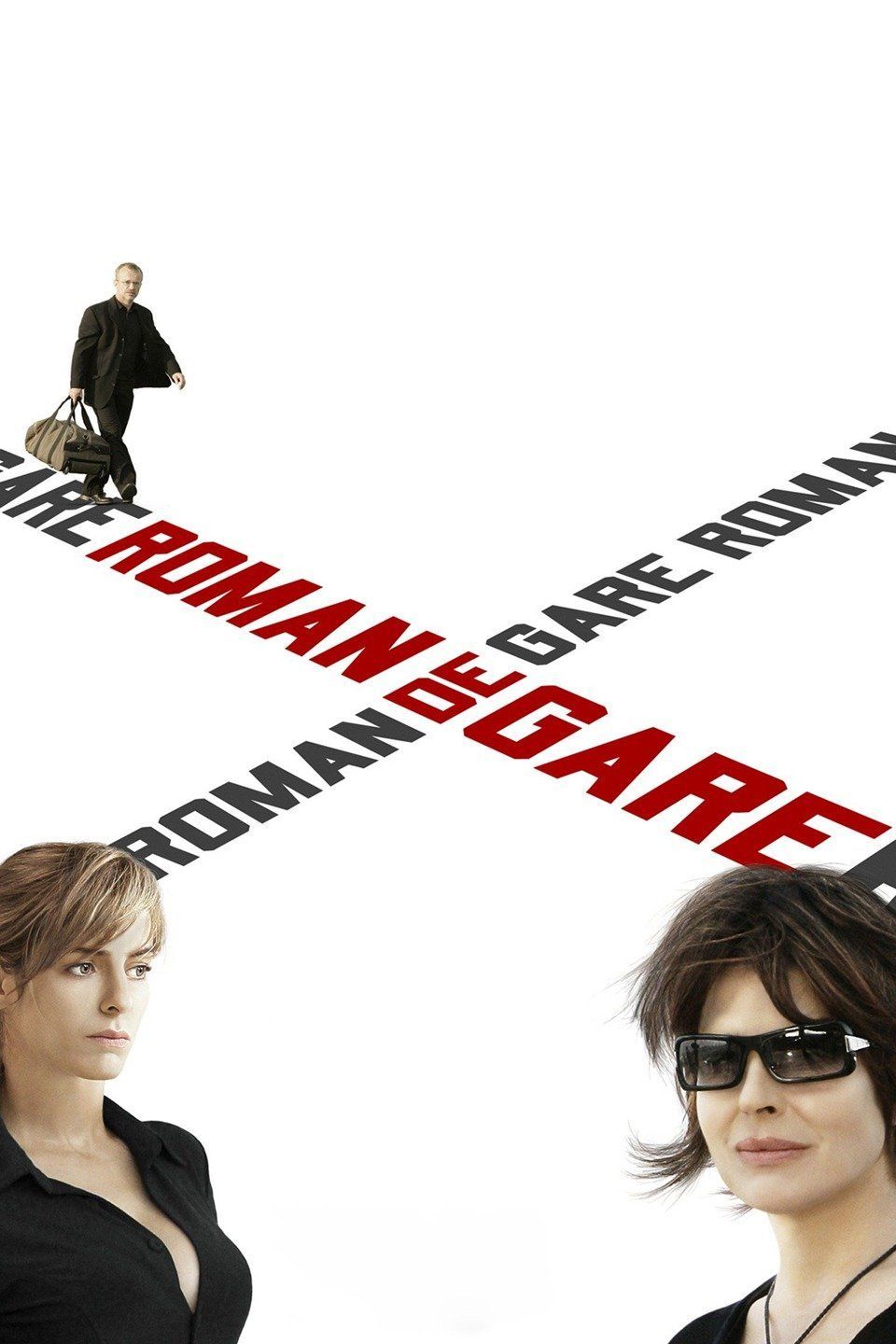
| 2007 | Roman de gare · as Screenplay |
| 2005 | Le courage d'aimer · as Screenplay |
| 2004 | |
| 2002 | |
| 2002 | And Now Ladies & Gentlemen · as ScreenplayNa Plexu |
| 1999 | |
| 1998 | |
| 1996 | Hommes, femmes, mode d'emploi · as Screenplay |
| 1995 | |
| 1993 | |
| 1990 | |
| 1988 | |
| 1987 | Happy New Year · as Original Film Writer |
| 1987 | |
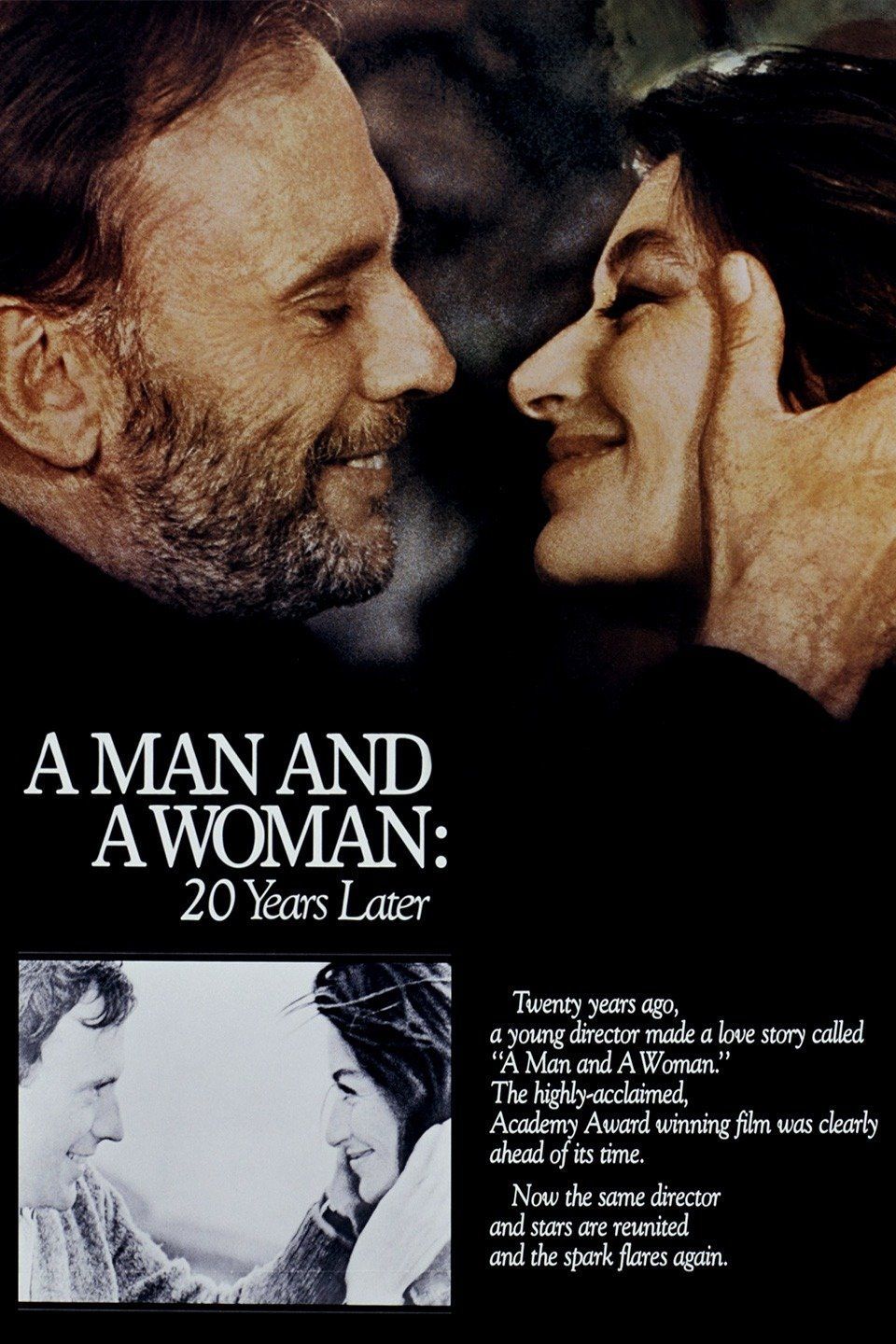
| 1986 | A Man and a Woman: 20 Years Later · as Screenplay |
| 1983 | |
| 1981 | |
| 1981 | |
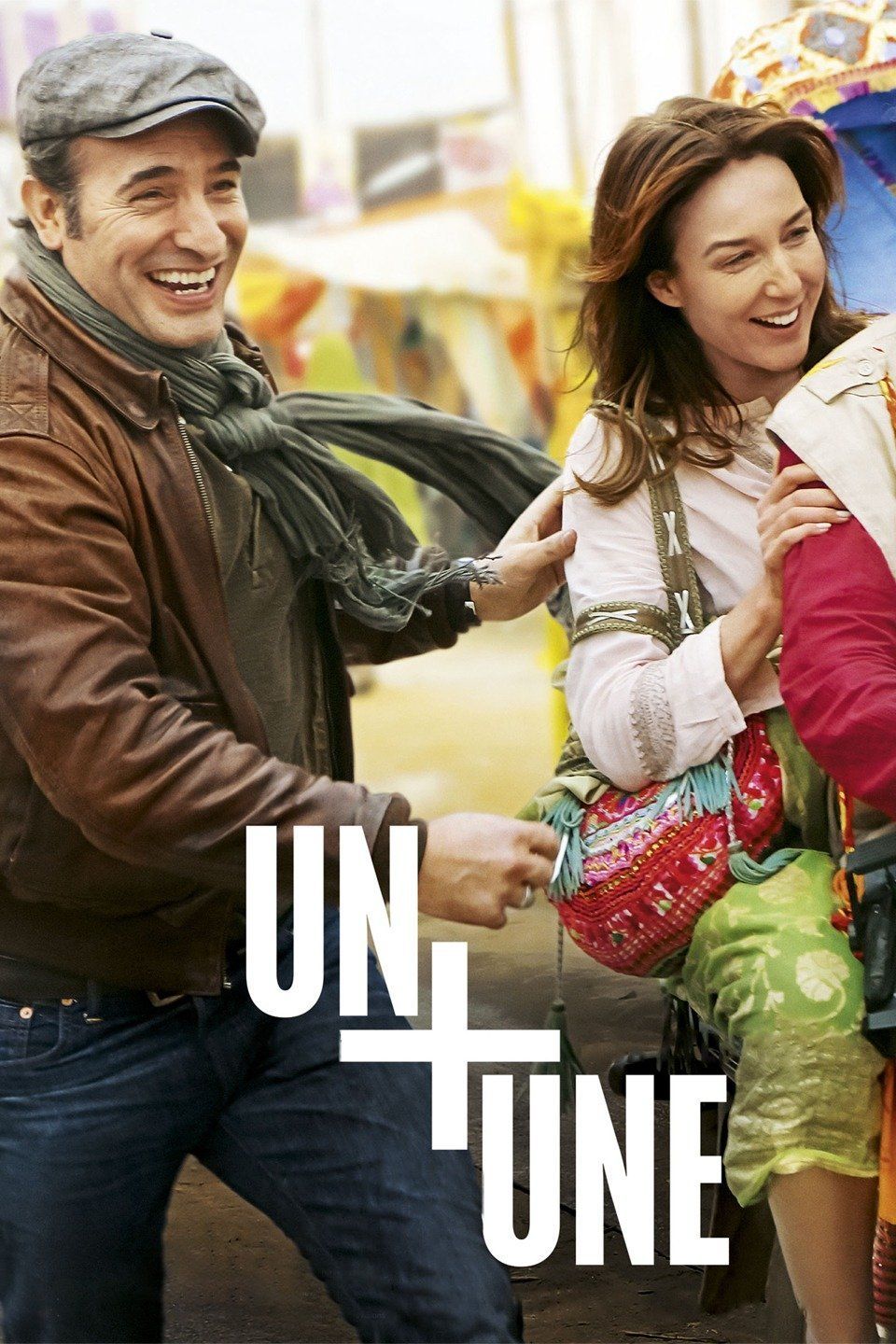
| 1979 | Us Two · as Screenplay |
| 1978 | |
| 1977 | |
| 1976 | |
| 1976 | The Good and the Bad · as Screenplay |
| 1976 | |
| 1975 | Cat and Mouse · as Screenplay |
| 1974 | Marriage · as Screenplay |
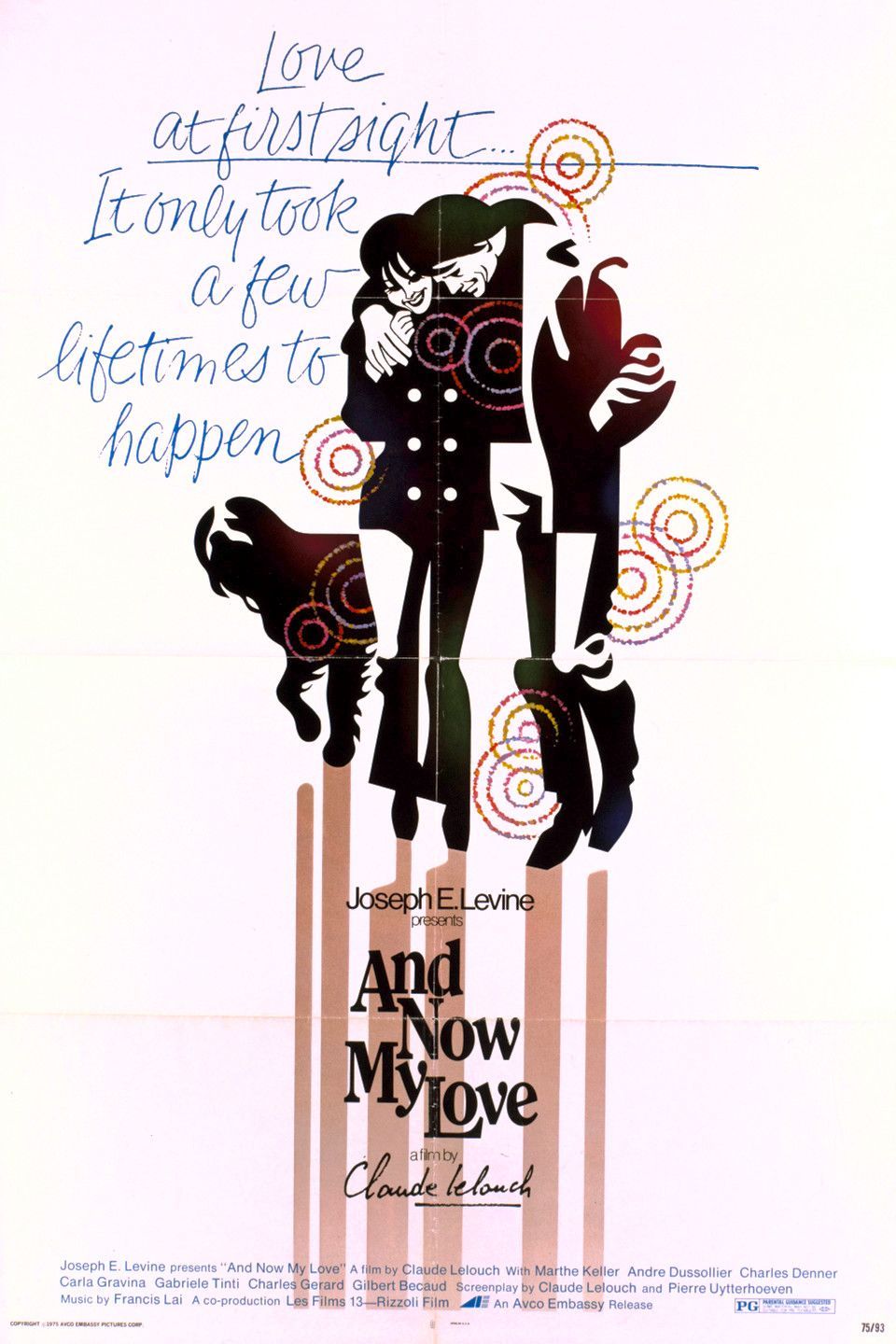
| 1974 | And Now My Love · as Screenplay |
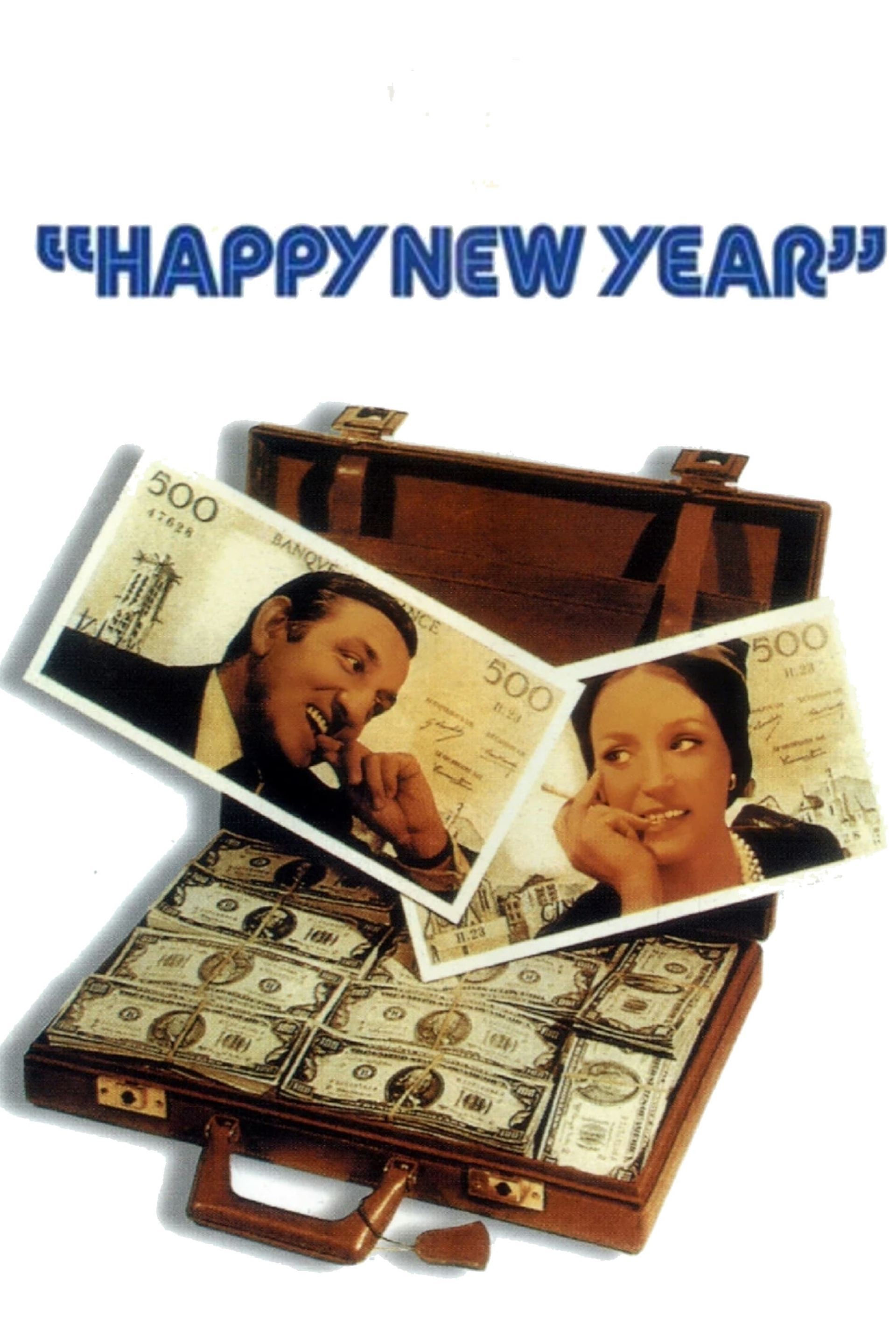
| 1973 | Happy New Year · as Screenplay |
| 1972 | Money Money Money · as Screenplay |
| 1971 | |
| 1967 | Live for Life · as Screenplay |
| 1966 | A Man and a Woman · as Screenplay |
| 1964 |
| 2024 | |
| 2021 | |
| 2019 | |
| 2019 | |
| 2017 | |
| 2016 | |
| 2015 | |
| 2014 | |
| 2011 | |
| 2010 | |
| 2007 | |
| 2006 | |
| 2006 | |
| 2004 | |
| 2002 | And Now Ladies & GentlemenNa Plexu |
| 1999 | |
| 1996 | |
| 1995 | |
| 1994 | |
| 1993 | |
| 1990 | |
| 1988 | |
| 1987 | |
| 1986 | |
| 1983 | |
| 1981 | |
| 1981 | |
| 1979 | |
| 1978 | |
| 1978 | |
| 1976 | |
| 1976 | |
| 1975 | |
| 1973 | |
| 1972 | Le sang · as Executive Producer |
| 1971 | |
| 1971 | Le maître du temps · as Associate Producer |
| 1970 | |
| 1970 | |
| 1969 | |
| 1968 | |
| 1968 | |
| 1966 | |
| 1965 | |
| 1964 |
| 2023 | Forever young, vieillir au cinéma · as Cast |
| 2022 | |
| 2022 | |
| 2022 | Charlotte Rampling, le cinéma comme un essentiel · as Lui-Même |
| 2013 | Hasta mañana · as Lui-Même |
| 2011 | D'un film à l'autre · as Narrator (voice) |
| 1987 | Happy New Year · as Man On Train |
| 1984 | Long Live Life · as Claude Lelouch (uncredited) |
| 1979 | Heart to Heart · as Le Metteur En Scène |
| 1976 | Rendezvous · as The Driver |
| 1973 | Visions of Eight · as Narrator |
| 1973 | Far West · as Psychiatrist (uncredited) |
| 1971 | Smic Smac Smoc · as Hooligan |
| 1995 | Les Misérables · as Director Of Photography |
| 1993 | Tout ça... pour ça! · as Director Of Photography |
| 1992 | La belle histoire · as Dialogue |
| 1984 | Long Live Life · as Story |
| 1973 | Happy New Year · as Cinematographer |
| 1970 | The Crook · as Director Of Photography |
| 1970 | The Crook · as Dialogue |
| 1970 | Comrades · as Producer: Les Films 13 |
| 1969 | Life Love Death · as Author |
| 1968 | ...pour un maillot jaune · as Director Of Photography |
| 1966 | A Man and a Woman · as Director Of Photography |
| 1965 | Une fille et des fusils · as Author |
| 1964 | In the Affirmative · as Director Of Photography |