
Akira Kurosawa
Escrito por, Realização, Edição, Produção, Ator
23 de março de 1910 — 6 de setembro de 1998 (88 anos)
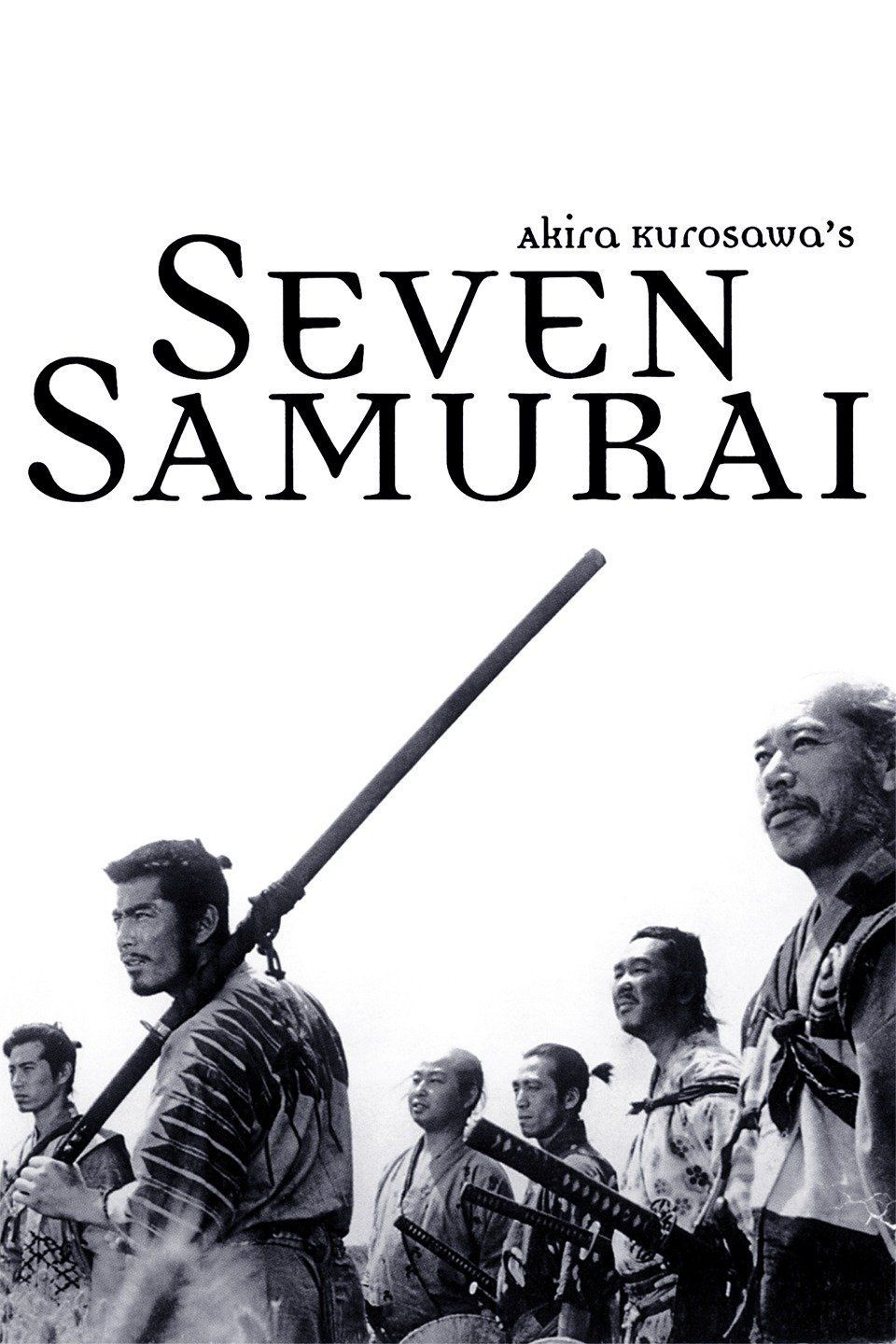
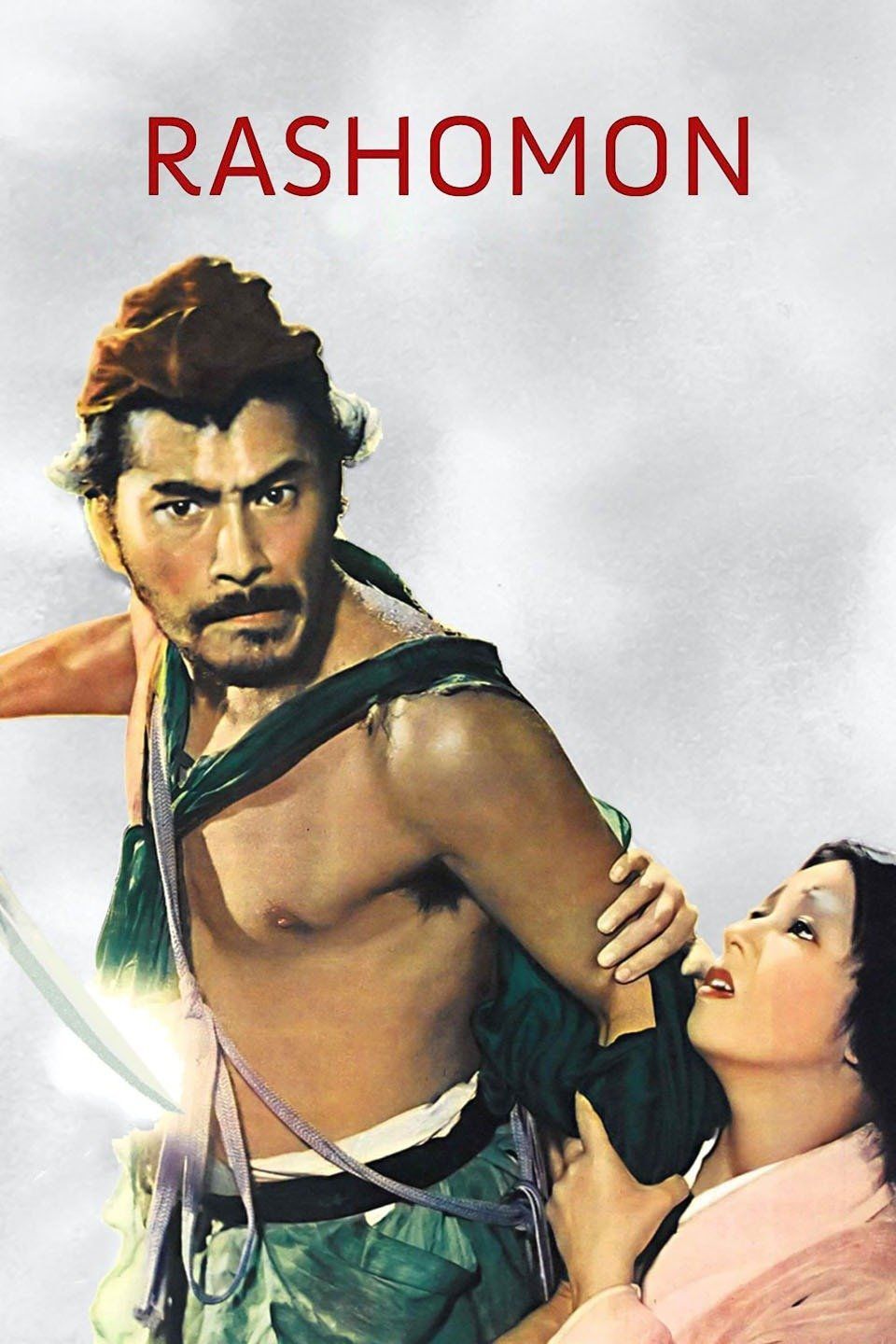
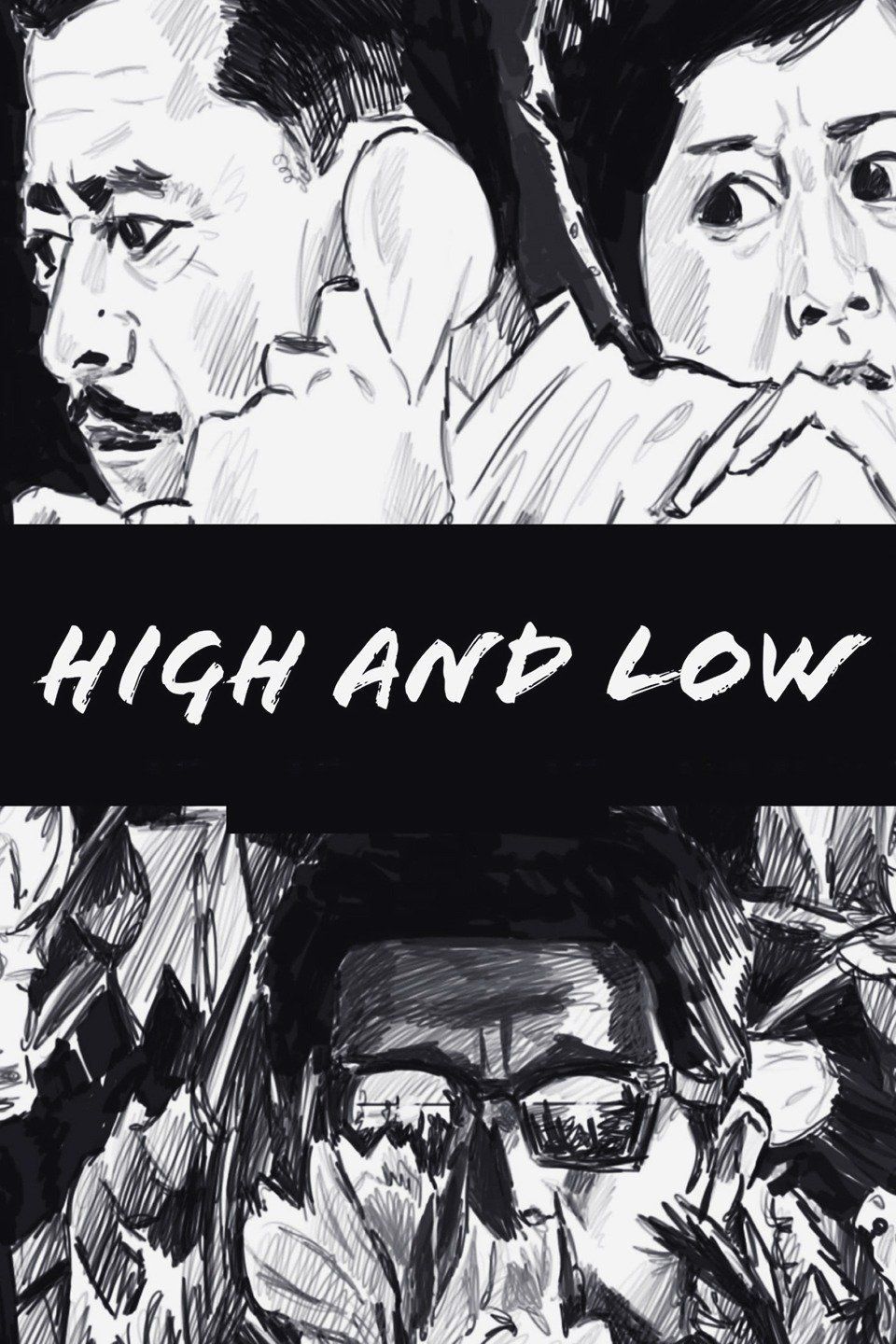
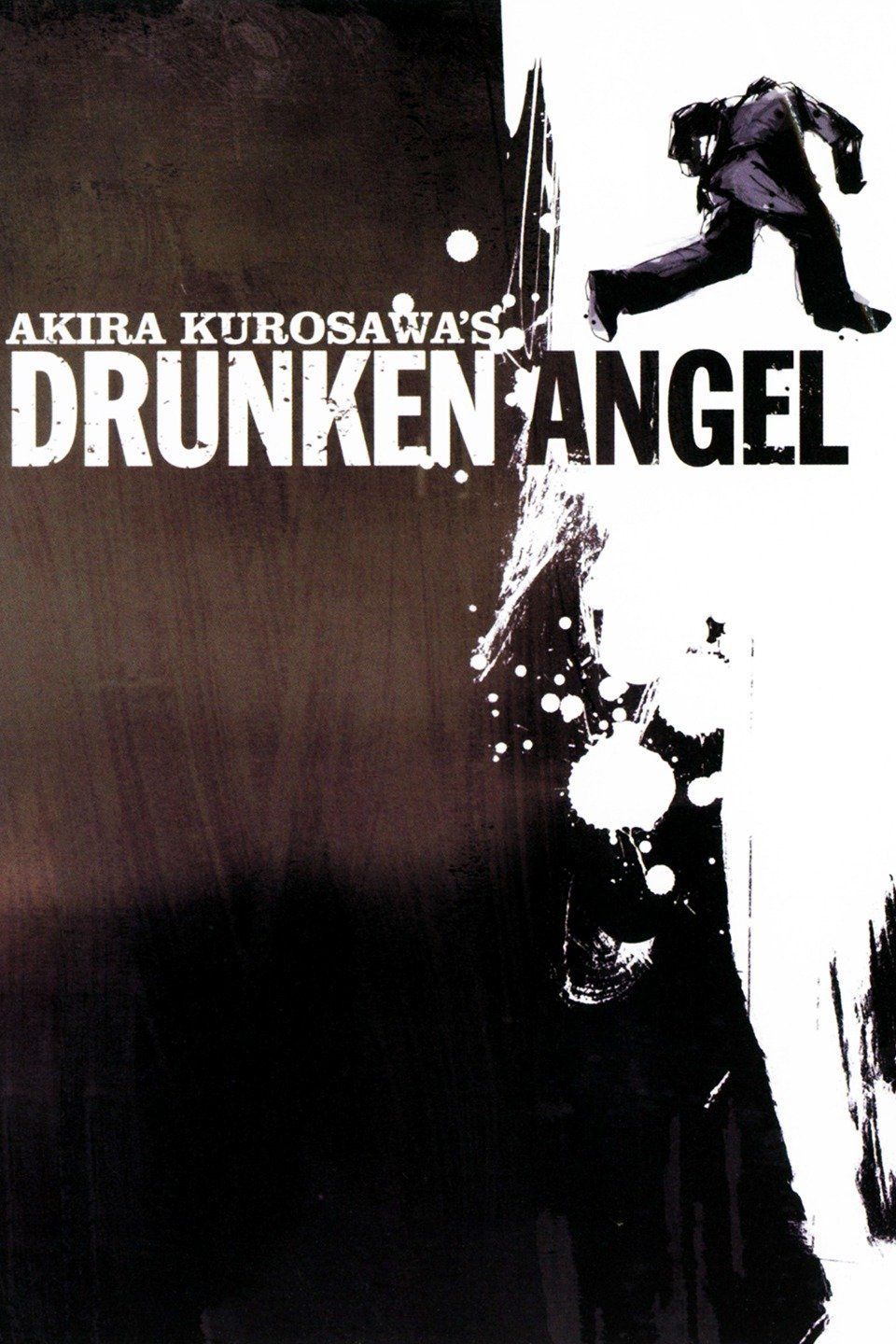
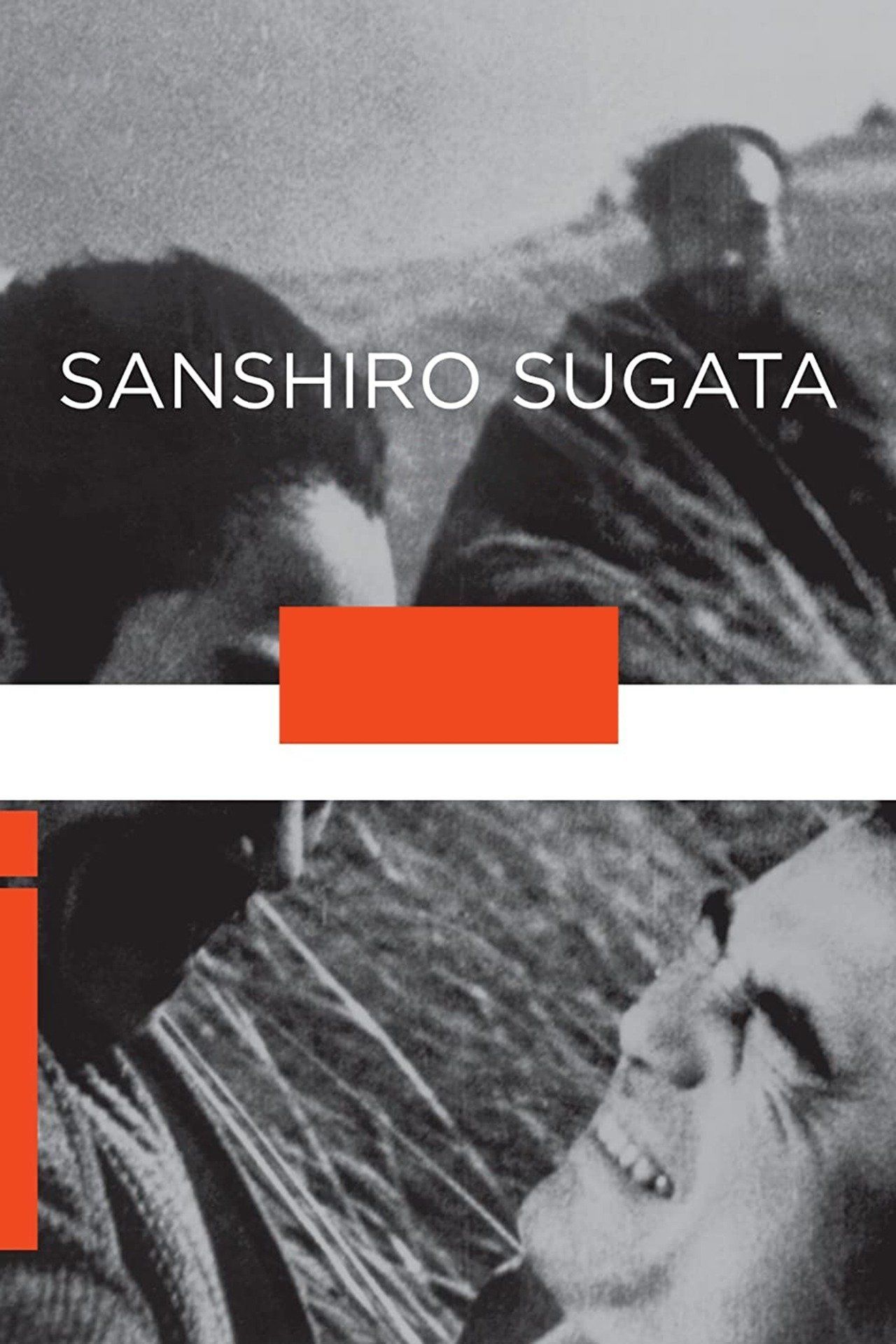
Akira Kurosawa (黒澤 明) was a Japanese filmmaker and painter who directed thirty films in a career spanning over five decades. He is widely regarded as one of the greatest and most influential filmmakers in the history of cinema. He displayed a bold, dynamic style, strongly influenced by Western cinema yet distinct from it; he was involved with all aspects of film production. Kurosawa entered the Japanese film industry in 1936, following a brief stint as a painter. After years of working on numerous films as an assistant director and scriptwriter, he made his debut as a director during World War II with the popular action film Sanshiro Sugata (1943). After the war, the critically acclaimed Drunken Angel (1948), in which Kurosawa cast the then little-known actor Toshiro Mifune in a starring role, cemented the director's reputation as one of the most important young filmmakers in Japan. The two men would go on to collaborate on another fifteen films. Rashomon (1950), which premiered in Tokyo, became the surprise winner of the Golden Lion at the 1951 Venice Film Festival. The commercial and critical success of that film opened up Western film markets for the first time to the products of the Japanese film industry, which in turn led to international recognition for other Japanese filmmakers. Kurosawa directed approximately one film per year throughout the 1950s and early 1960s, including a number of highly regarded (and often adapted) films, such as Ikiru (1952), Seven Samurai (1954), Throne of Blood (1957), Yojimbo (1961) and High and Low (1963). After the 1960s he became much less prolific; even so, his later work—including two of his final films, Kagemusha (1980) and Ran (1985)—continued to receive great acclaim. In 1990, he accepted the Academy Award for Lifetime Achievement. Posthumously, he was named Asian of the Century in the Arts, Literature, and Culture category by AsianWeek magazine and CNN, cited there as being among the five people who most prominently contributed to the improvement of Asia in the 20th century. His career has been honored by many retrospectives, critical studies and biographies in both print and video, and by releases in many consumer media.
Filmes e Séries no Plex




Conhecido Por


Filmografia
| 2025 | Highest 2 Lowest · as Original Film Writer |
| 2022 | Living · as Original Film Writer |
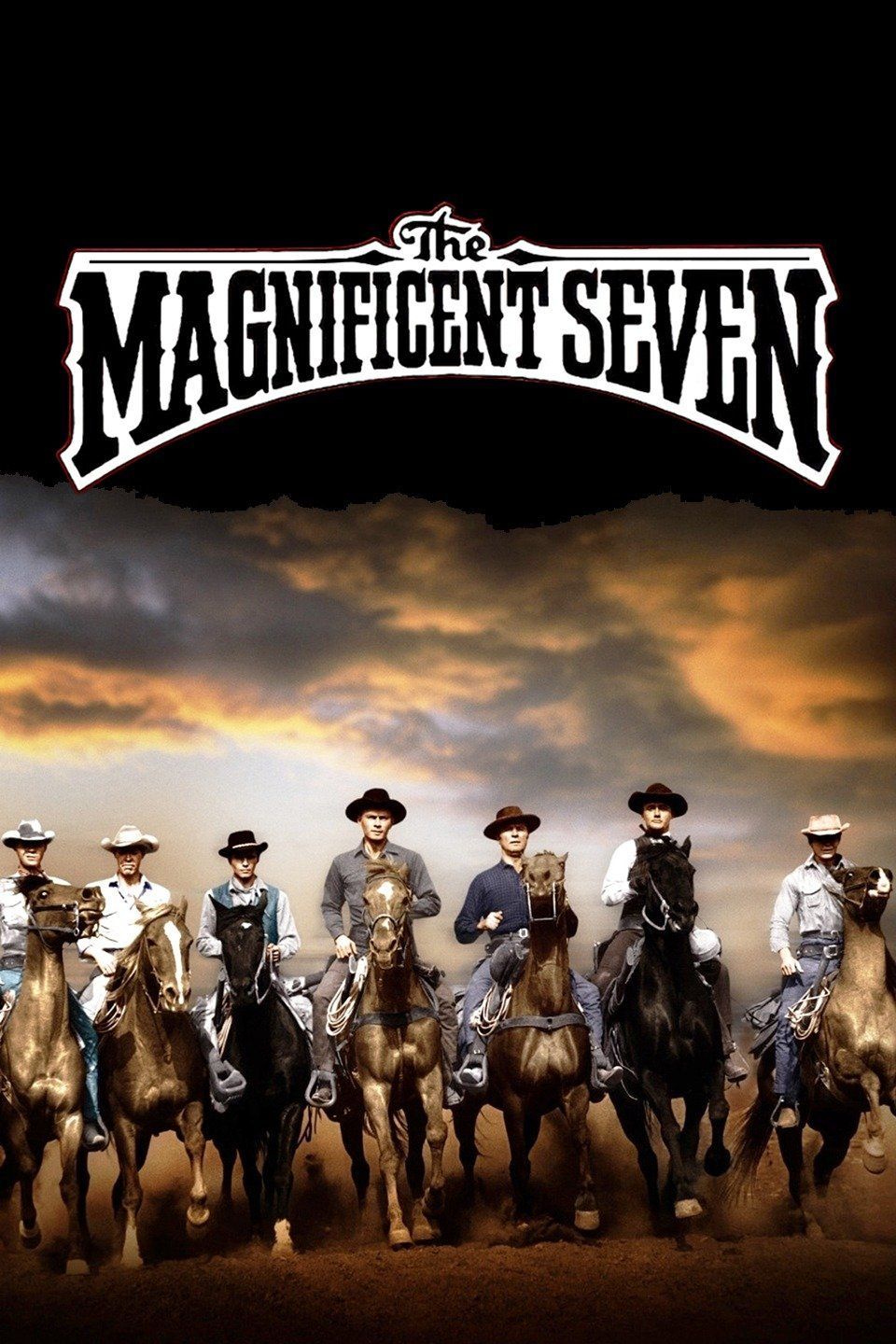
| 2016 | The Magnificent Seven · as Original Film Writer |
| 2007 | |
| 2002 | The Sea Is Watching · as Screenplay |
| 2000 | I Went To · as Screenplay |
| 1999 | After the Rain · as Screenplay |
| 1996 | Last Man Standing · as Original Film Writer |
| 1993 | Madadayo · as Screenplay |
| 1991 | Rhapsody in August · as Screenplay |
| 1990 | |
| 1985 | Runaway Train · as Original Film Writer |
| 1985 | Ran · as ScreenplayNo Plex |
| 1980 | Kagemusha: The Shadow Warrior · as Screenplay |
| 1975 | Dersu Uzala · as Screenplay |
| 1970 | Dodes'ka-den · as Screenplay |
| 1970 | |
| 1968 | The Last Day of Hsianyang · as Original Film WriterNo Plex |
| 1965 | |
| 1965 | Red Beard · as Screenplay |
| 1964 | Jakoman and Tetsu · as Screenplay |
| 1963 | High and Low · as ScreenplayNo Plex |
| 1962 | Fencing Master · as Screenplay |
| 1962 | Sanjuro · as Screenplay |
| 1961 | Yojimbo · as Screenplay |
| 1960 | The Magnificent Seven · as Original Film WriterNo Plex |
| 1960 | |
| 1959 | |
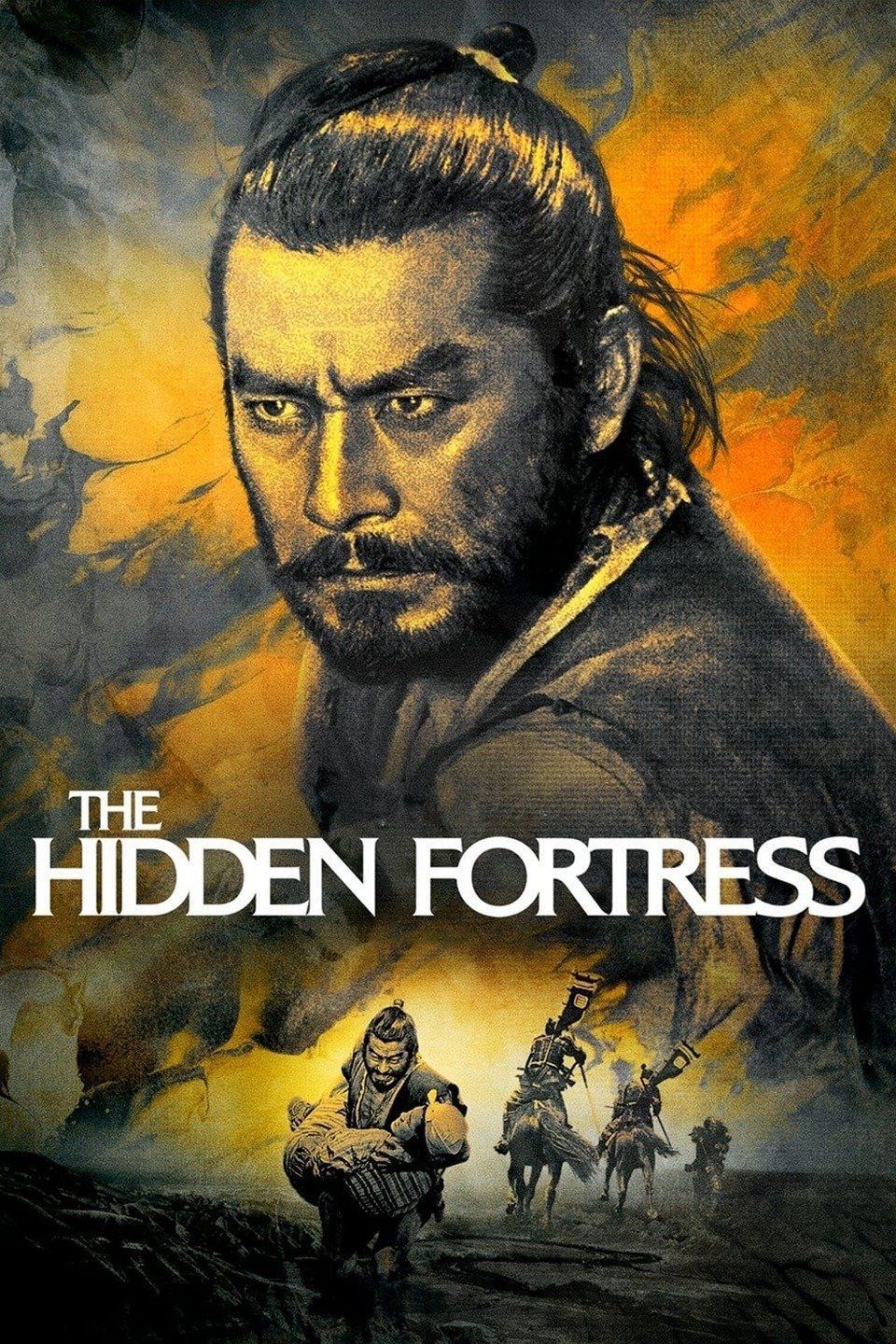
| 1958 | The Hidden Fortress · as ScreenplayNo Plex |
| 1957 | Nichiro senso shori no hishi: Tekichu odan sanbyaku-ri · as Screenplay |
| 1957 | The Lower Depths · as Screenplay |
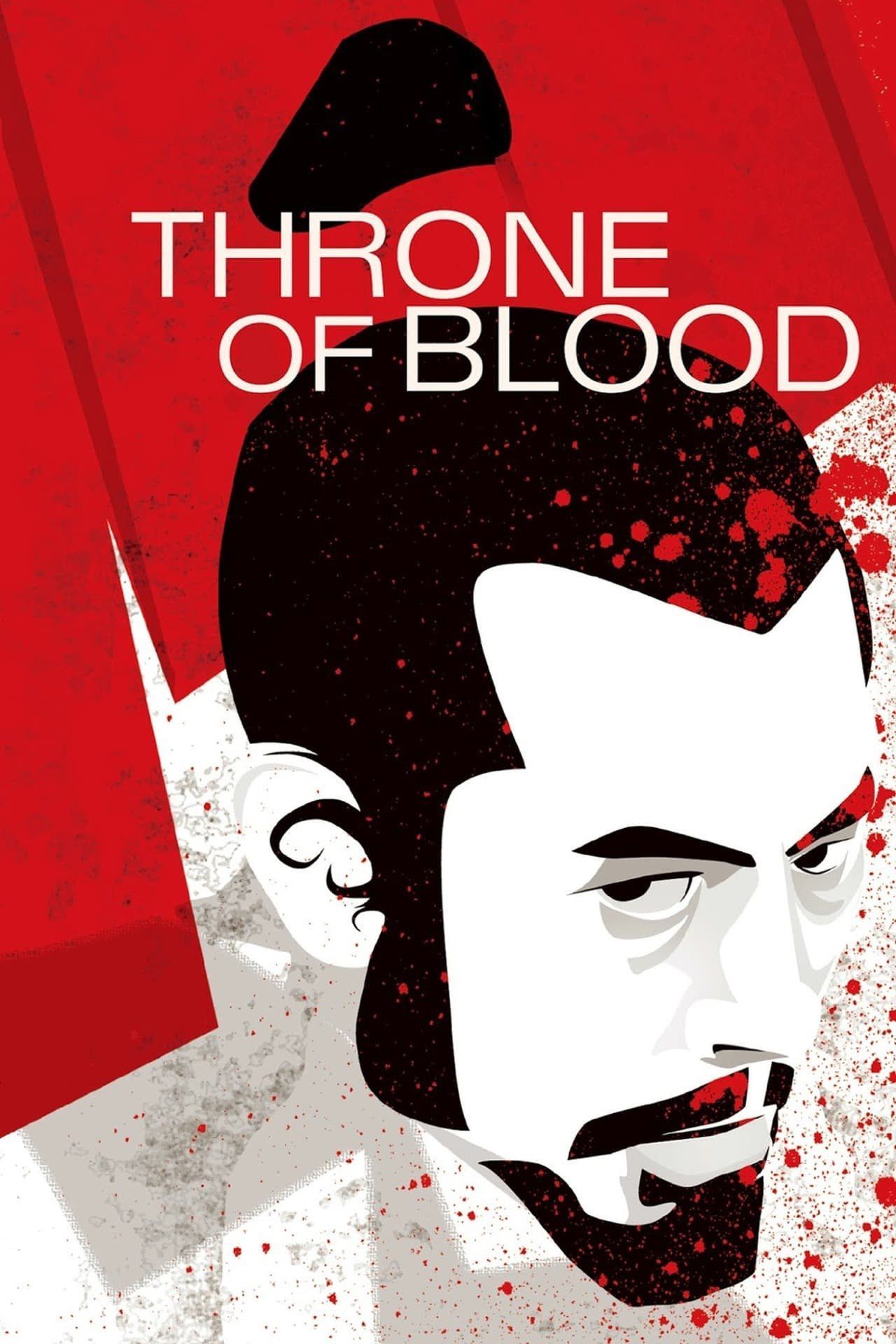
| 1957 | Throne of Blood · as ScreenplayNo Plex |
| 1955 | Soman kokkyô 2-gô sakusen: Kieta chûtai · as Screenplay |
| 1955 | |
| 1954 | Seven Samurai · as ScreenplayNo Plex |
| 1953 | My Wonderful Yellow Car · as Screenplay |
| 1952 | Ikiru · as Screenplay |
| 1952 | Sword for Hire · as Screenplay |
| 1952 | |
| 1951 | The Idiot · as Screenplay |
| 1951 | Beyond Love and Hate · as Screenplay |
| 1950 | Rashomon · as ScreenplayNo Plex |
| 1950 | Scandal · as ScreenplayNo Plex |
| 1950 | Desertion at Dawn · as Screenplay |
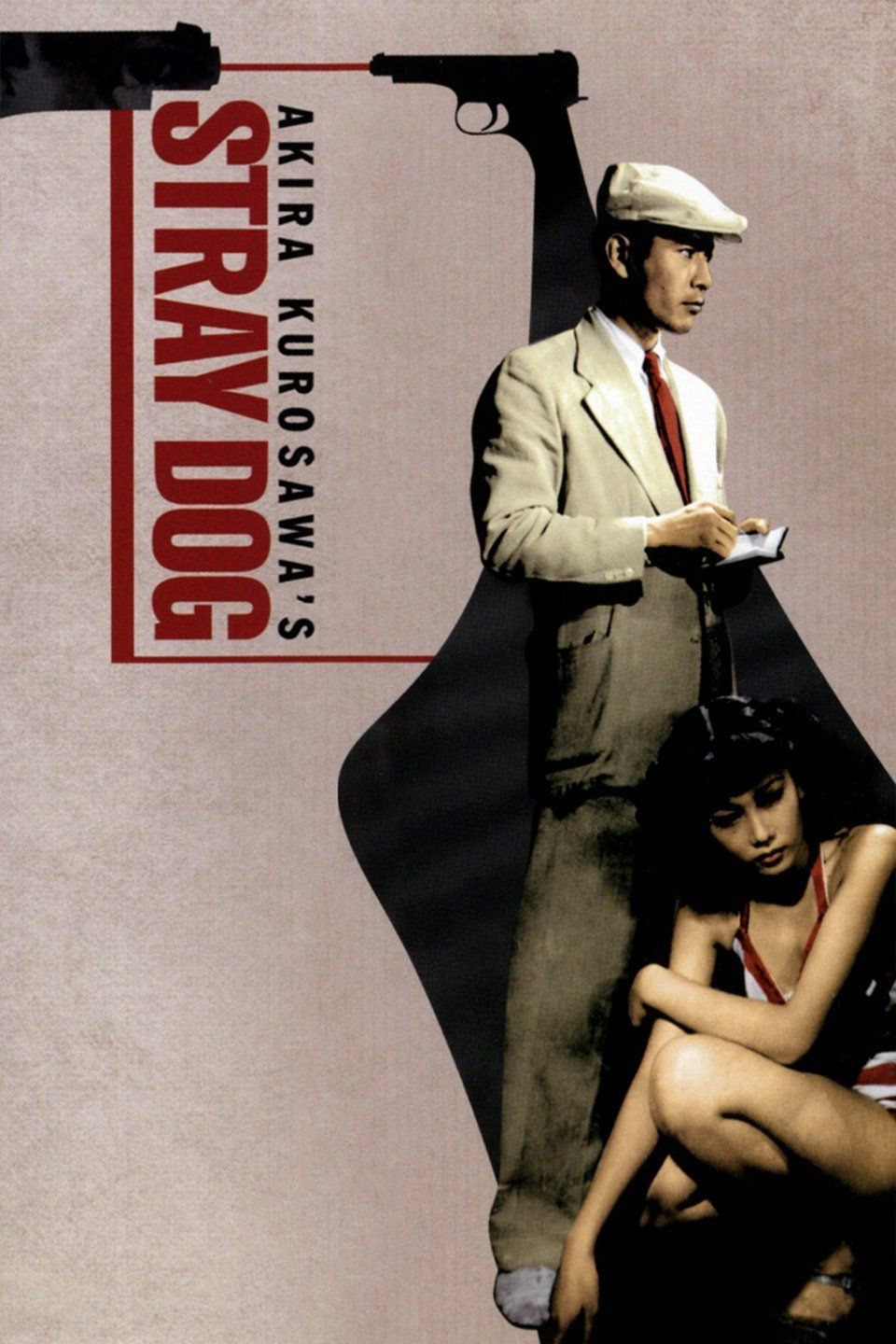
| 1949 | Stray DogNo Plex |
| 1949 | |
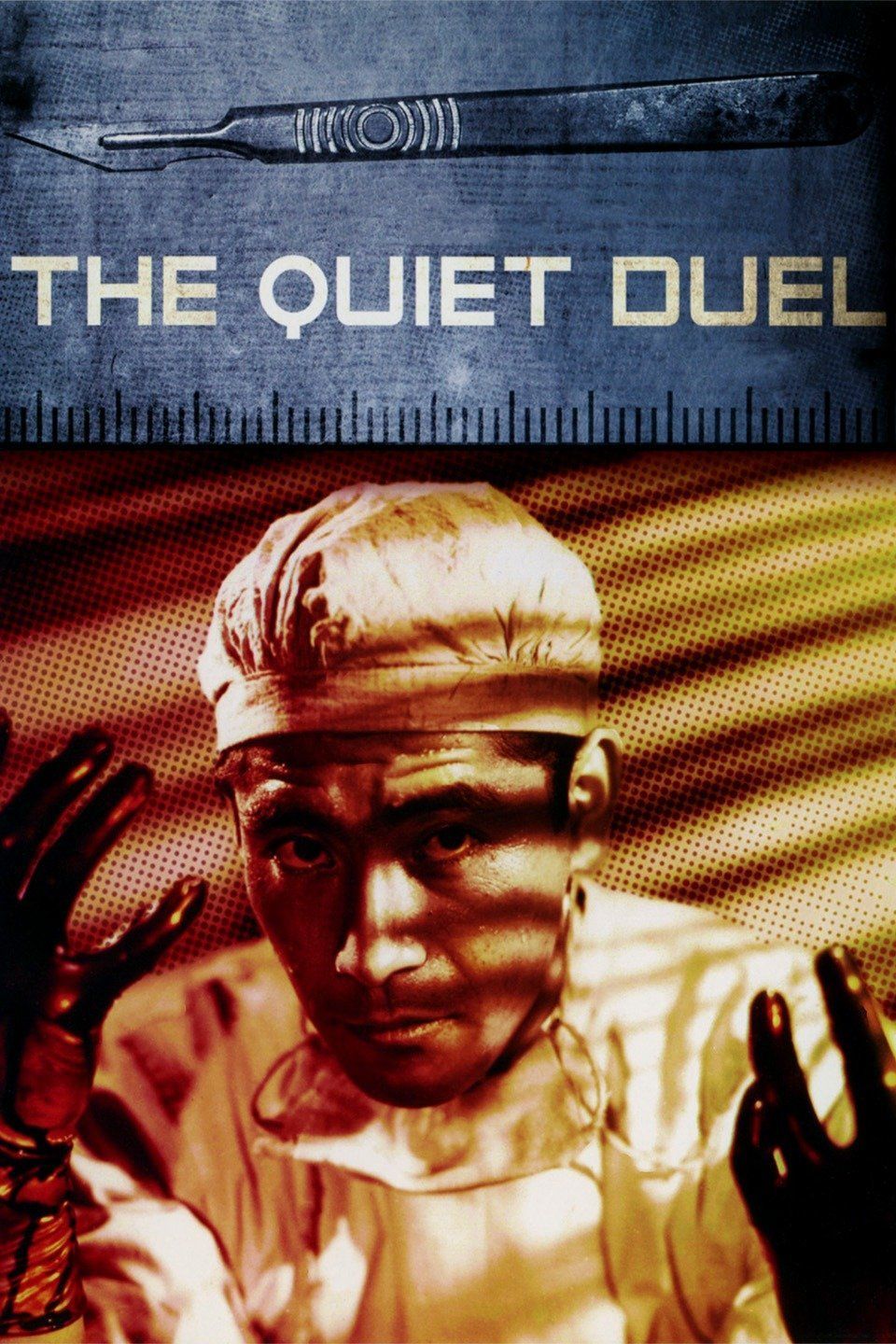
| 1949 | The Quiet DuelNo Plex |
| 1948 | The Portrait · as Screenplay |
| 1948 | Drunken AngelNo Plex |
| 1947 | Snow Trail · as Screenplay |
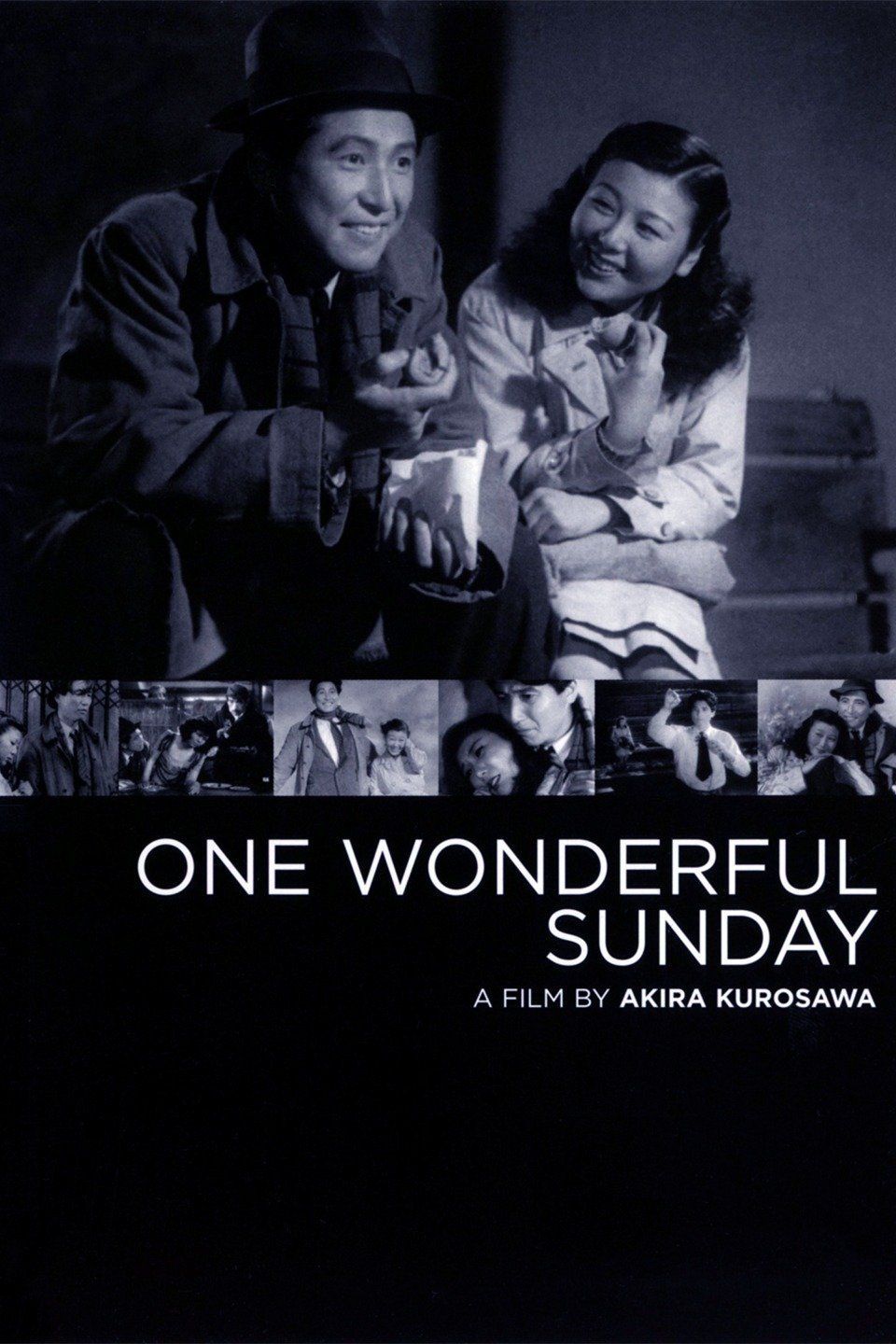
| 1947 | One Wonderful Sunday · as ScreenplayNo Plex |
| 1946 | No Regrets for Our YouthNo Plex |
| 1945 | |
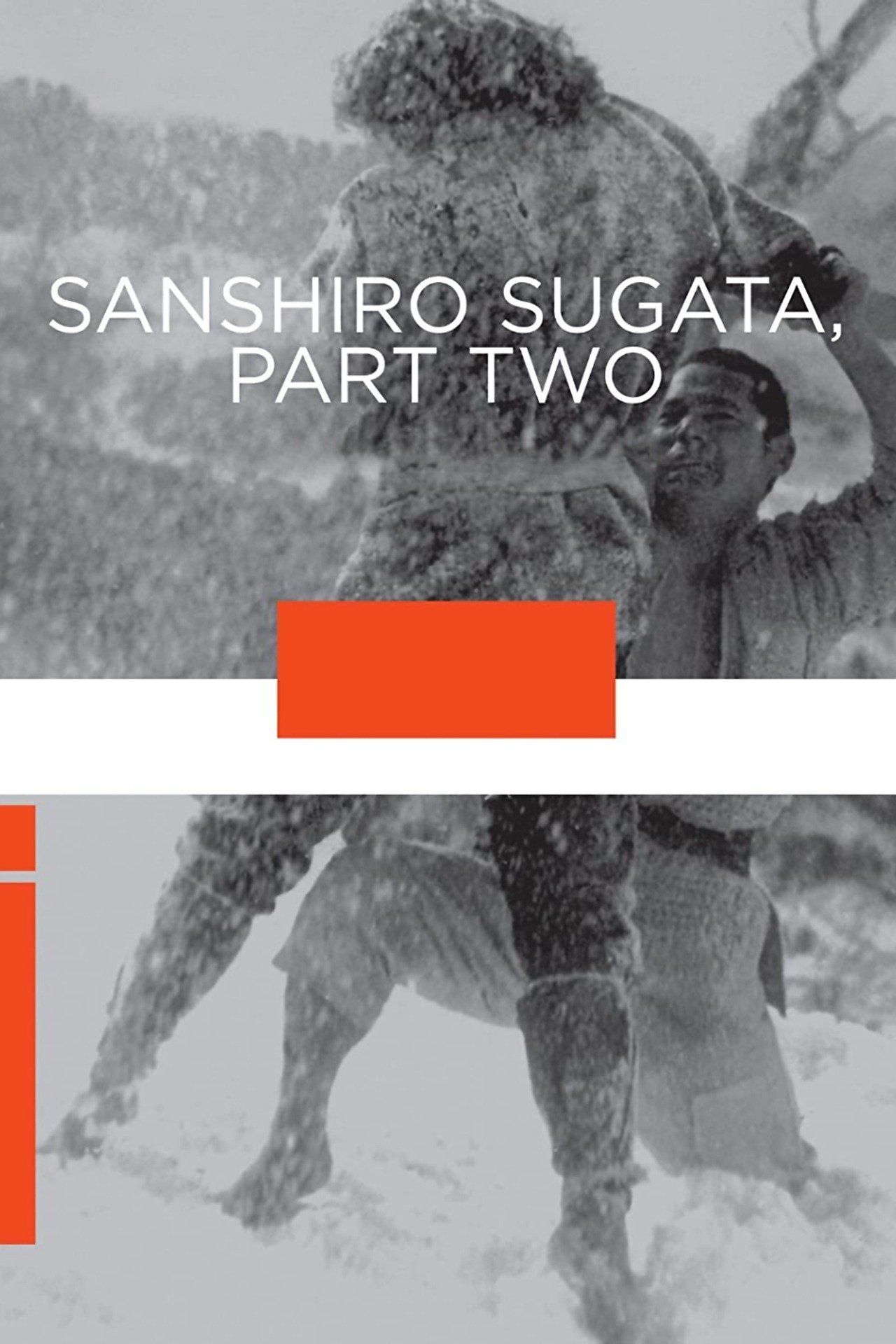
| 1945 | Sanshiro Sugata, Part Two · as ScreenplayNo Plex |
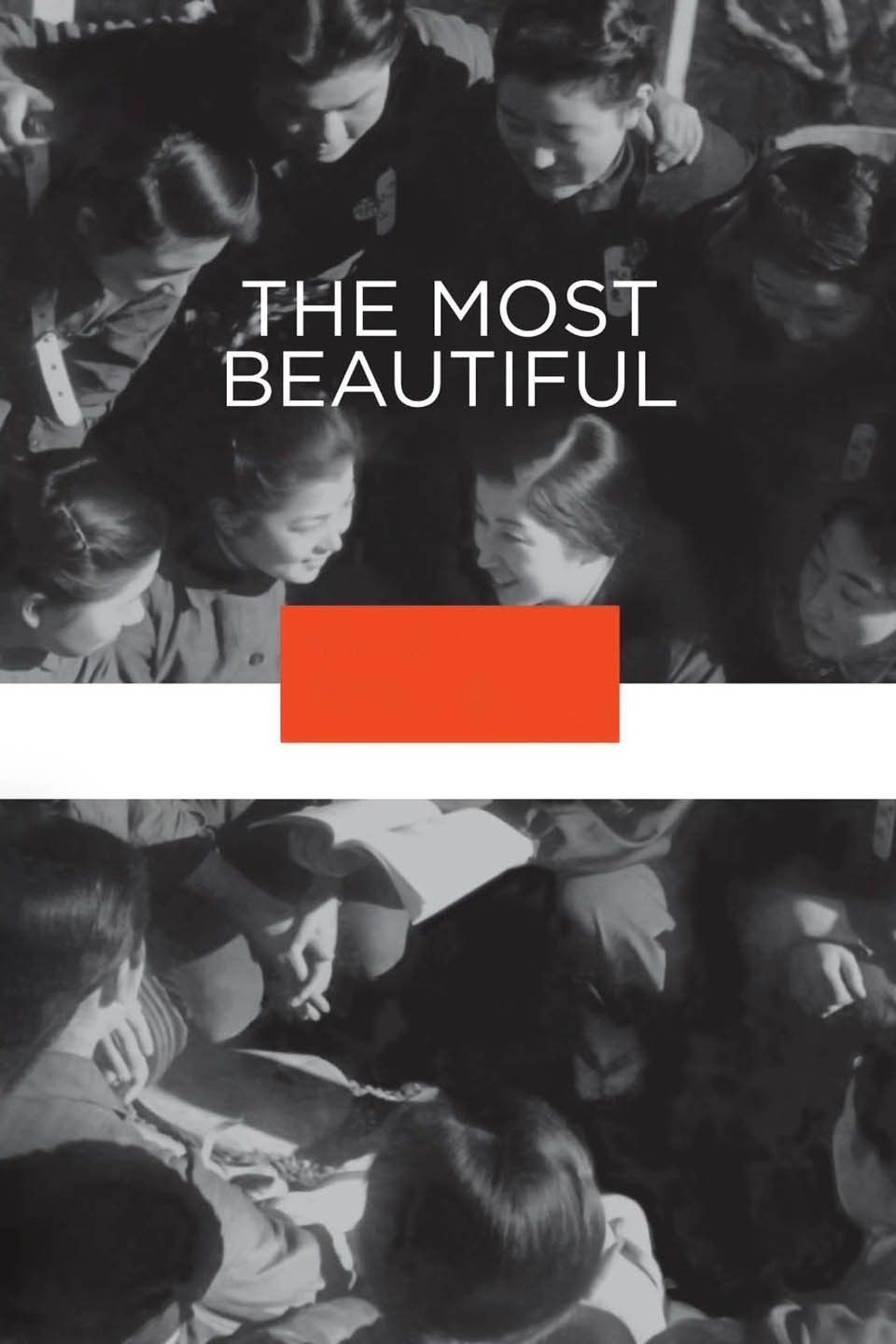
| 1944 | The Most BeautifulNo Plex |
| 1943 | Sanshiro Sugata · as ScreenplayNo Plex |
| 1942 | |
| 1941 |
| 1993 | |
| 1991 | |
| 1990 | |
| 1985 | RanNo Plex |
| 1980 | |
| 1975 | |
| 1970 | |
| 1970 | |
| 1970 | |
| 1965 | |
| 1963 | High and LowNo Plex |
| 1962 | |
| 1961 | |
| 1960 | |
| 1958 | The Hidden FortressNo Plex |
| 1957 | |
| 1957 | Throne of BloodNo Plex |
| 1955 | |
| 1954 | Seven SamuraiNo Plex |
| 1952 | |
| 1951 | |
| 1950 | RashomonNo Plex |
| 1950 | ScandalNo Plex |
| 1949 | Stray DogNo Plex |
| 1949 | The Quiet DuelNo Plex |
| 1948 | Drunken AngelNo Plex |
| 1947 | One Wonderful SundayNo Plex |
| 1946 | No Regrets for Our YouthNo Plex |
| 1946 | |
| 1945 | |
| 1945 | Sanshiro Sugata, Part TwoNo Plex |
| 1944 | The Most BeautifulNo Plex |
| 1943 | Sanshiro SugataNo Plex |
| 1993 | |
| 1991 | |
| 1985 | RanNo Plex |
| 1980 | |
| 1965 | |
| 1963 | |
| 1963 | High and LowNo Plex |
| 1962 | |
| 1961 | |
| 1960 | |
| 1958 | The Hidden FortressNo Plex |
| 1957 | |
| 1957 | Throne of BloodNo Plex |
| 1954 | Seven SamuraiNo Plex |
| 1952 | |
| 1951 | |
| 1950 | RashomonNo Plex |
| 1947 | |
| 1946 | No Regrets for Our YouthNo Plex |
| 1945 | Sanshiro Sugata, Part TwoNo Plex |
| 1943 | Sanshiro SugataNo Plex |
| 1941 |
| 1980 | |
| 1970 | Dodes'ka-den · as Executive Producer |
| 1965 | |
| 1963 | High and Low · as Associate ProducerNo Plex |
| 1961 | |
| 1960 | |
| 1958 | The Hidden FortressNo Plex |
| 1957 | |
| 1957 | Throne of BloodNo Plex |
| 1949 | Stray Dog · as Associate ProducerNo Plex |
| 2023 | The Moviemakers: Spielberg · as Self - Filmmaker |
| 2023 | Life Work of Akira Kurosawa · as Self |
| 2020 | Les mille et une vies de Yul Brynner · as Self |
| 2020 | Citizen Kitano · as Self - Interviewee |
| 2019 | Babenco: Tell Me When I Die · as Self (archive Footage) |
| 2014 | And the Oscar Goes to... · as Self |
| 2013 | What Is Cinema? · as Self |
| 2011 | Kurosawa's Way · as Self (archive Footage) |
| 2000 | |
| 1999 | The 71st Annual Academy Awards · as Self - Memorial Tribute |
| 1993 | Akira Kurosawa: My Life in Cinema · as Self |
| 1990 | |
| 1990 | The 62nd Annual Academy Awards · as Self - Winner |
| 1986 | The 58th Annual Academy Awards · as Self - Nominee & Presenter |
| 1985 | A.K. · as Self |
| 1978 | The South Bank Show · as Self |
| 1975 | Arena (1975) · as Self |
| 1970 | The 42nd Annual Academy Awards · as Self - New Freedom And Trends In Film |
| 2011 | The Outrage · as Original StoryNo Plex |
| 2008 | Hidden Fortress: The Last Princess · as Original Story |
| 2004 | Samurai 7 · as Original Concept |
| 2001 | Kaze No Yojimbo · as Original Creator |
| 1989 | Seven Warriors · as Based On The Screenplay Written By |
| 1982 | Fame · as Based On The Japanese Daiei Film "rashomon" By |
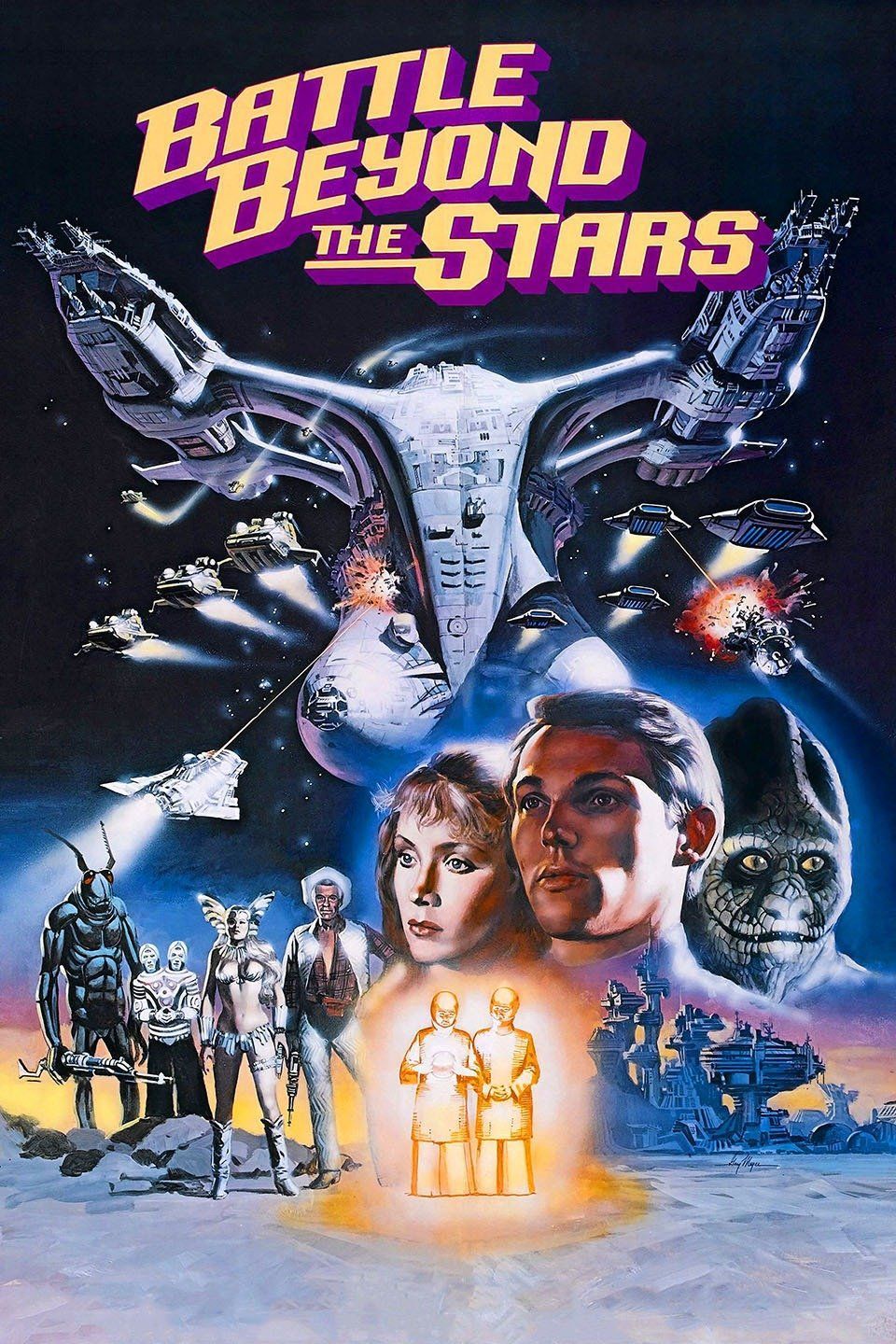
| 1980 | Battle Beyond the Stars · as Original StoryNo Plex |
| 1973 | Stray Dog · as Original Story |
| 1972 | The Magnificent Seven Ride! · as Original Concept |
| 1970 | Tora! Tora! Tora! · as Japanese Sequences |
| 1970 | Zatoichi Meets Yojimbo · as Original Concept |
| 1969 | Guns of the Magnificent Seven · as Original Concept |
| 1966 | Return of the Seven · as Original Concept |
| 1964 | The Outrage · as Original Story |
| 1964 | A Fistful of Dollars · as Original Story |
| 1959 | The Play of the Week · as Based On Screenplay By |
| 1955 | I Live in Fear · as Story |
| 1950 | Tateshi Danpei · as Adaptation |
| 1941 | Uma · as Assistant Director |
| 1938 | Composition Class · as Assistant Director |
| 1937 | Avalanche · as Assistant Director |