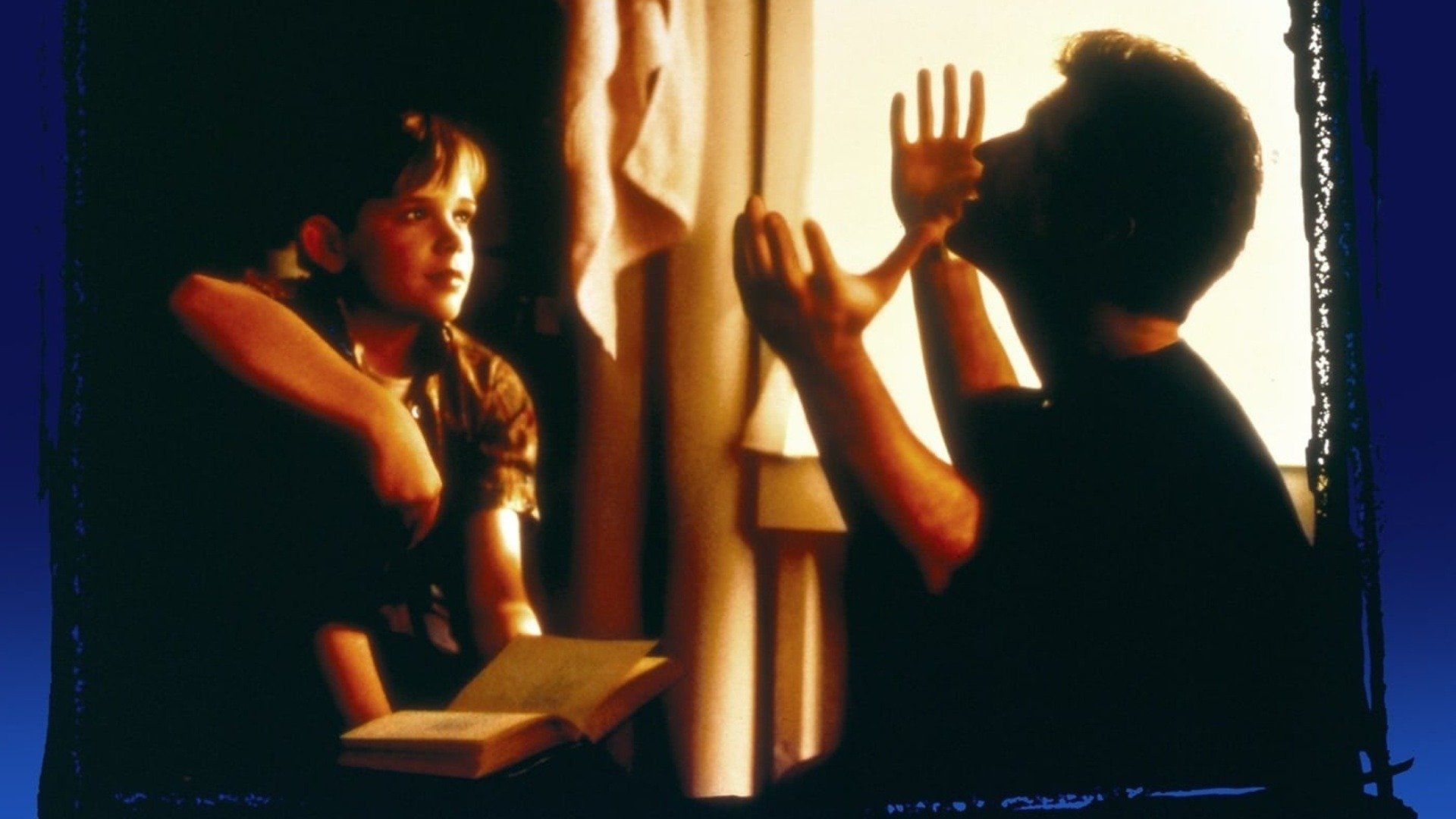
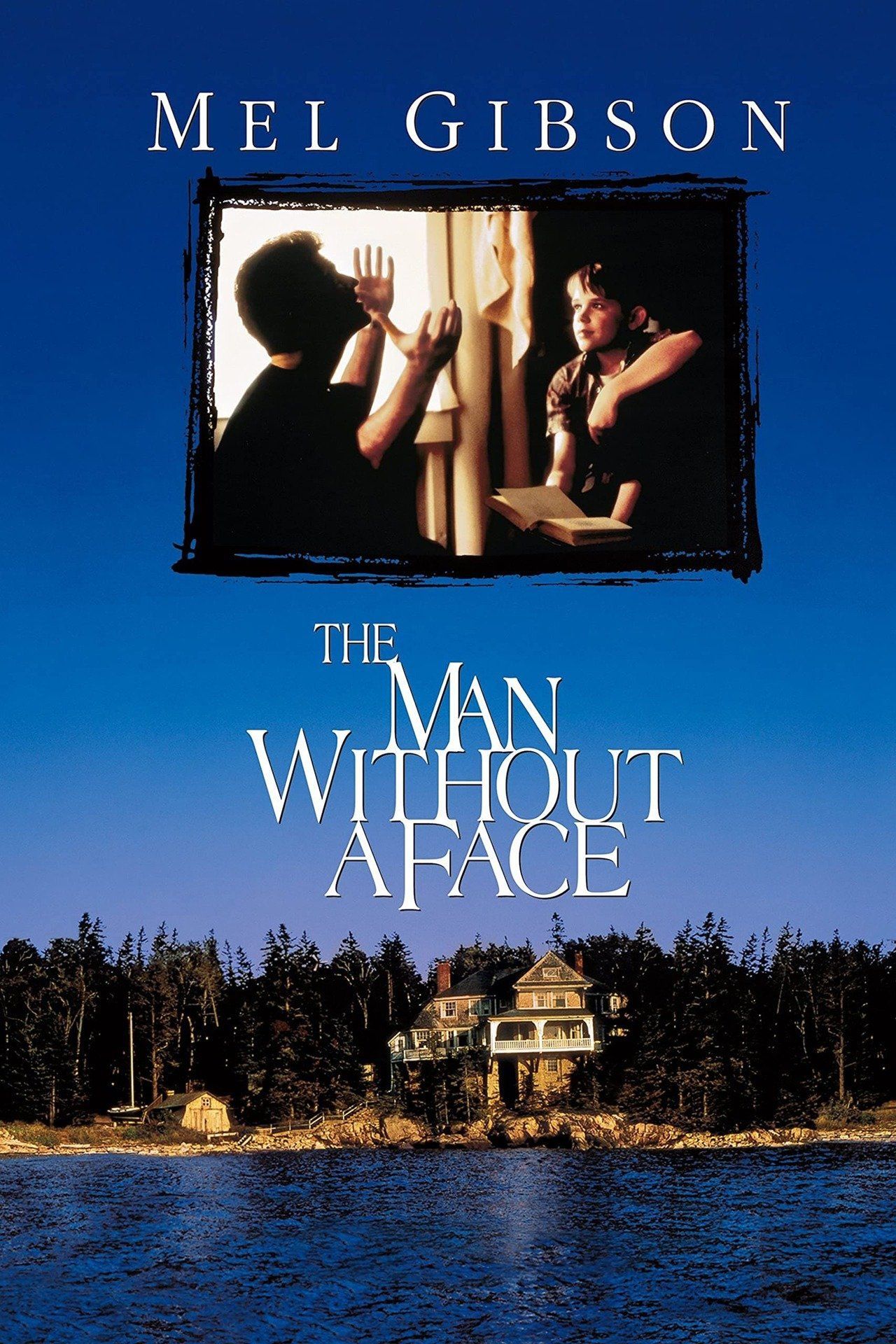
The Man Without a Face
Directed by Mel Gibson6.768%64%6.5
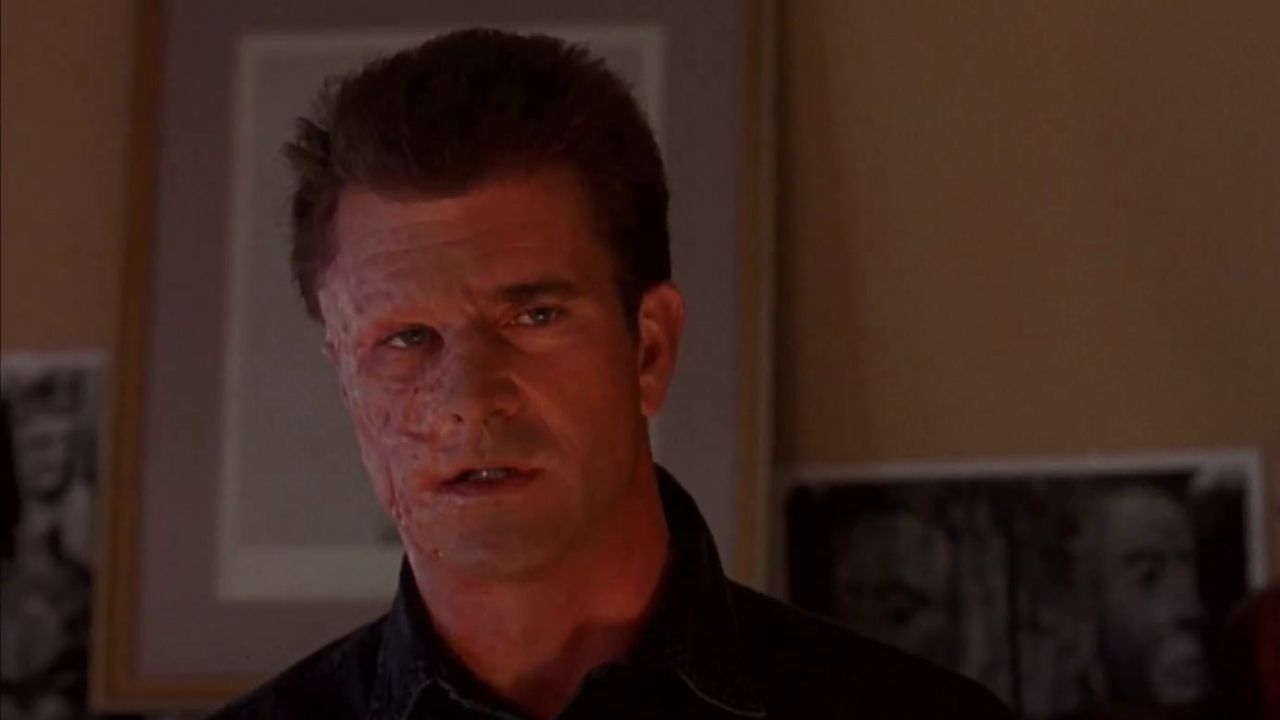
Justin McLeod is a former teacher who lives as a recluse on the edge of town after his face is disfigured from an automobile accident ten years earlier, in which a boy was incinerated--and for which he was convicted of involuntary manslaughter. Also suspected of being a paedophile, he is befriended by Chuck, causing the town's suspicions and hostility to be ignited.






- Dan ChapmanJanuary 8, 2026The Man Without a Face marks Mel Gibson’s directorial debut and is, in many ways, a fascinating precursor to the themes and stylistic instincts he would develop more boldly in Braveheart and The Passion of the Christ. Though quieter and more restrained than those epics, it introduces the moral ambiguities, outsider protagonists, and faith in personal redemption that would become hallmarks of Gibson’s work. It’s also arguably his most intimate film, and perhaps his most sincere. Adapted from Isabelle Holland’s novel, the story is a modern-day fable in which Nick Stahl’s Chuck Nordstadt, a bright but troubled boy, seeks help from Justin McLeod (Gibson), a reclusive, disfigured former teacher living on the outskirts of town. The dynamic between the two forms the emotional heart of the film: Stahl’s performance is earnest and layered, a standout turn from a young actor navigating both the frustrations of adolescence and the ache of paternal absence. Gibson, meanwhile, gives a quietly powerful performance, full of tightly held emotion, making McLeod simultaneously mysterious, stern, and deeply human. What elevates the film beyond the “misunderstood mentor” template is its exploration of fear, truth, and reputation. The small-town paranoia and gossip surrounding McLeod—spurred on by his appearance and his past—speak to a wider critique of how societies marginalise those who don’t conform to their expectations, often without seeking the truth. The film flirts with dark allegations about McLeod’s past but never quite commits to sensationalism, opting instead to make its case about judgment, prejudice, and the value of personal trust—especially in Chuck’s quiet decision to believe in McLeod based on lived experience, rather than hearsay. There’s a distinct Beauty and the Beast or Frankenstein quality to McLeod’s portrayal—an outcast hiding his wounds, literal and metaphorical, until a young innocent forces the world to look again. Gibson handles these themes with more grace than he’s sometimes given credit for, and while his direction is perhaps not yet fully confident—some scenes lean heavily into melodrama—there is an emotional honesty that overrides the film’s occasional sentimentality. The title The Man Without a Face may initially seem literal—McLeod’s physical disfigurement is the most apparent signifier of his outsider status—but it’s ultimately a powerful metaphor for identity, perception, and the social gaze. McLeod is not truly a man without a face, simply a man whose “face” is unacceptable to society—an appearance that doesn’t conform, that provokes discomfort, suspicion, and exclusion. In that sense, the “face” becomes symbolic of how we construct identity through the eyes of others, and how those constructions can be deeply flawed or cruelly superficial. The film invites us to question what it means to be “seen” and what it costs a person to be constantly misjudged. It’s about the violence of othering—how society alienates what it doesn’t understand—and also about the inward struggle: how we begin to see ourselves through the distorted reflection society hands us. In this way, the title acts as both a mirror and a provocation, asking us to reassess our assumptions and the invisible standards we use to judge worth, beauty, and morality. What’s especially striking in hindsight is how The Man Without a Face quietly establishes many of the themes that would become central to Gibson’s later directorial efforts. The motif of the misunderstood or vilified outsider—noble in spirit but crushed by public misperception—reappears in Braveheart, where William Wallace becomes a martyr to a cause greater than himself, and again in The Passion of the Christ, where Christ’s suffering is framed not just as physical torment but a reflection of mankind’s failure to see beyond appearances. Similarly, Gibson’s deep fascination with redemption, sacrifice, and faith in the unseen—especially faith in the moral truth of a person or belief despite external pressure—can be traced directly back to McLeod’s quiet endurance and Chuck’s instinctive trust. Even in Apocalypto, which diverges culturally and stylistically, the individual’s spiritual and moral resilience against a brutal world remains central. These recurring elements suggest that The Man Without a Face wasn’t just a debut—it was Gibson’s quiet blueprint. It’s not just the story of a boy coming of age, but also of a filmmaker finding his voice. While it lacks the grandiosity and controversy of Gibson’s later films, it shows his interest in stories about sacrifice, misunderstood figures, and moral conviction. It may not be an outstanding film in a technical or narrative sense, but it is an important and surprisingly thoughtful work in the context of Gibson’s directorial journey—and, taken on its own merits, a touching, character-driven drama.


The Man Without a Face Trivia
The Man Without a Face was released on August 25, 1993.
The Man Without a Face was directed by Mel Gibson.
The Man Without a Face has a runtime of 1h 55m.
The Man Without a Face was produced by Bruce Davey.
Justin McLeod is a former teacher who lives as a recluse on the edge of town after his face is disfigured from an automobile accident ten years earlier, in which a boy was incinerated--and for which he was convicted of involuntary manslaughter. Also suspected of being a paedophile, he is befriended by Chuck, causing the town's suspicions and hostility to be ignited.
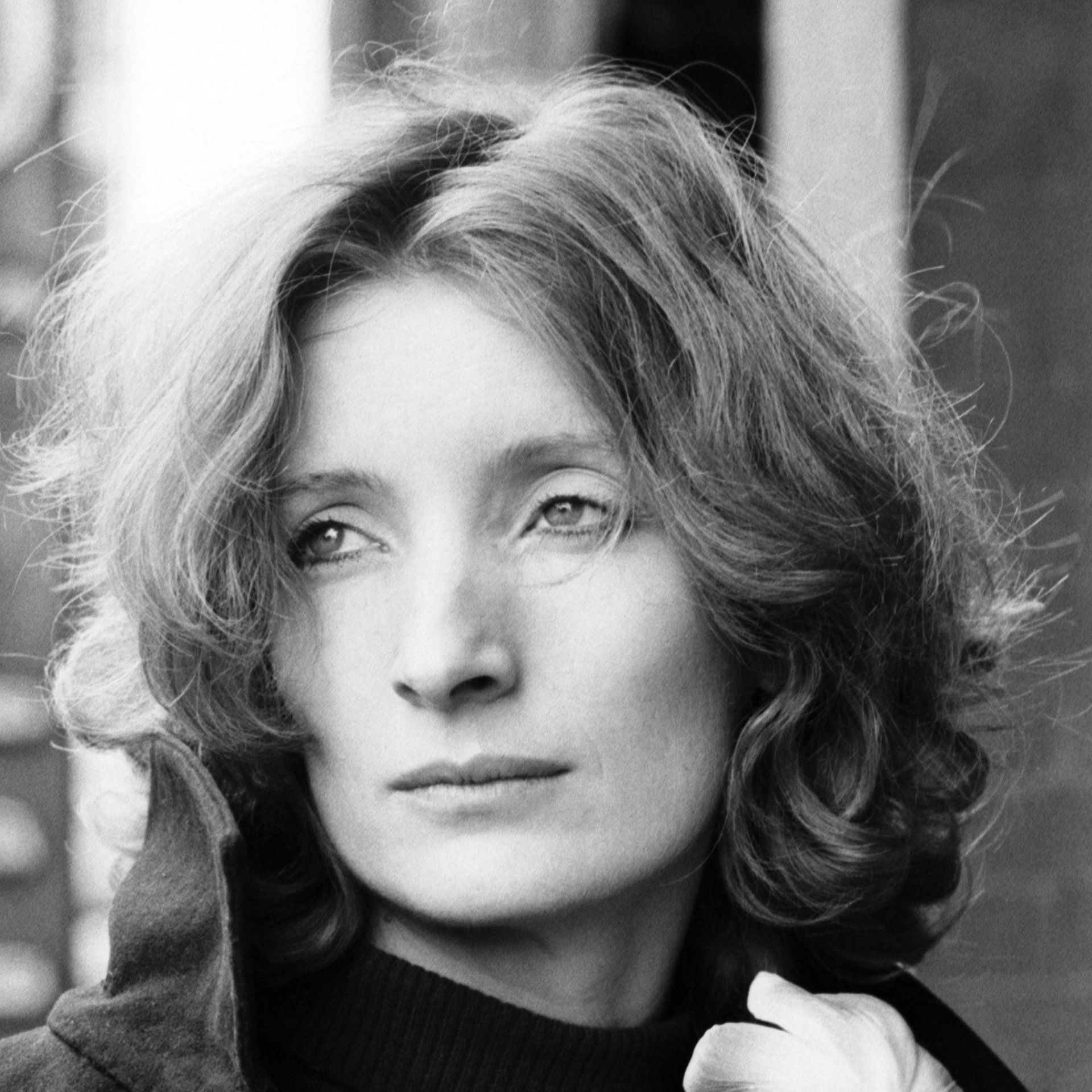
The key characters in The Man Without a Face are Justin McLeod (Mel Gibson), Charles E. 'Chuck' Norstadt (Nick Stahl), Catherine Palin (Margaret Whitton).
The Man Without a Face is rated PG-13.
The Man Without a Face is a Drama film.
The Man Without a Face has an audience rating of 6.4 out of 10.
The Man Without a Face had a budget of $20M.
The Man Without a Face has made $36.6M at the box office.