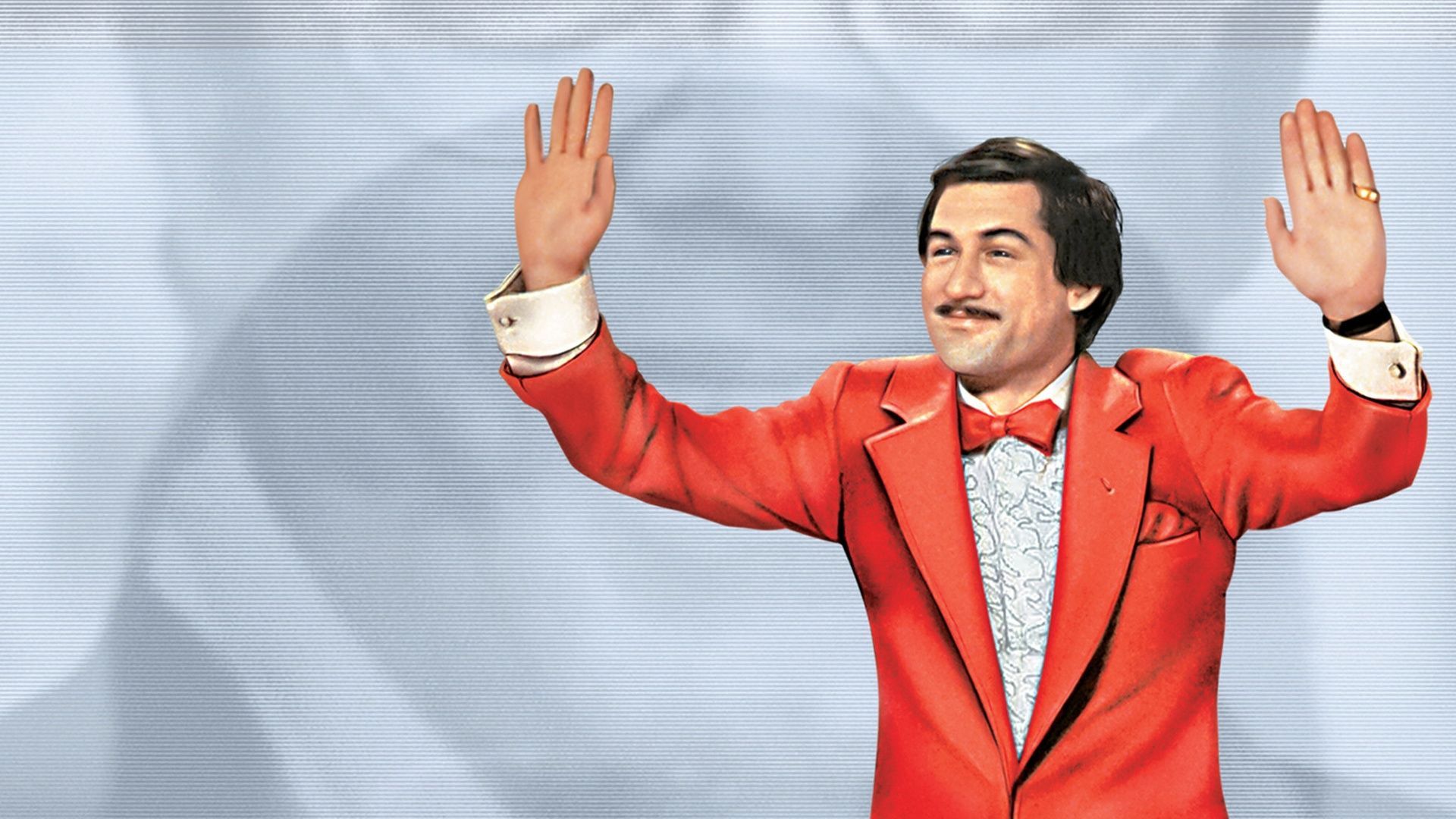
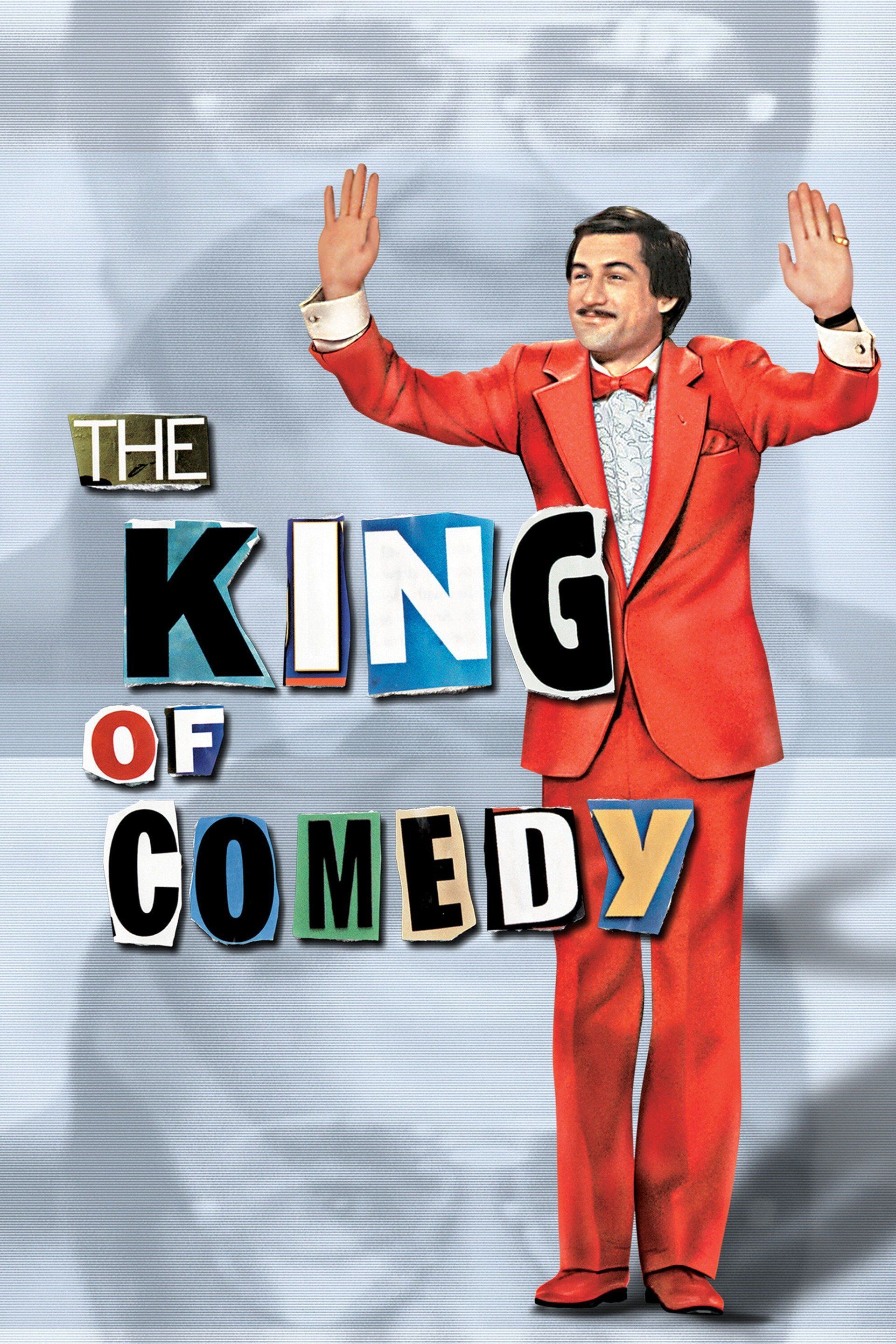
The King of Comedy
Directed by Martin Scorsese
Where to Watch The King of Comedy





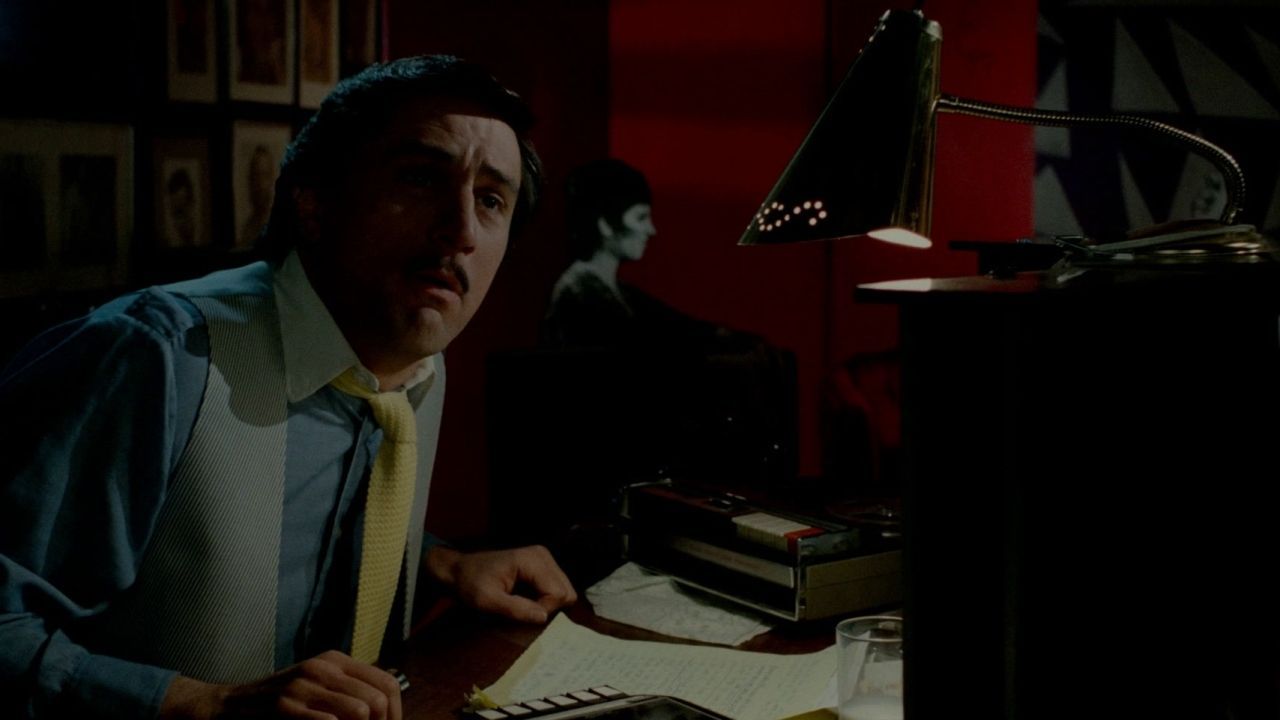
- Dan ChapmanJanuary 8, 2026It’s no surprise that watching Joker prompted immediate echoes of The King of Comedy, even though I hadn't seen the movie at the time the influence was abundantly clear. Todd Phillips borrowed not just thematics but tone, structure, and even casting—De Niro, in particular—to pay homage to Martin Scorsese’s criminally underrated black comedy. But while Joker amps up the grit and violence, The King of Comedy is more insidious, quietly unsettling in how real it all feels. Scorsese trades in the bloody urban nightmare of Taxi Driver for something equally deranged, but even more mundane: the talk show sofa. It's a dark reinvention of Scorcese's violent classic, Rupert Pupkin and Travis Bickle are spiritual cousins—both loners, both socially stunted, both driven by delusion and a desperate craving for validation. But where Taxi Driver burns with violent intensity, The King of Comedy is unnervingly still. Bickle externalises his alienation in explosive action, while Pupkin internalises his into fantasy. The former is frightening; the latter is pathetic, the ultimate embodiment of faking it til you make it—and that contrast is precisely Scorsese’s point. Where Bickle takes up arms in a world he sees as corrupt, Pupkin picks up a microphone in a world he simply wants to let him in. Both are chilling portraits of men on the edge, but Pupkin’s story is arguably the more unsettling—because it’s closer to how fame and delusion play out in reality. This is one of Robert De Niro’s most fascinating performances—and proof that his comedic abilities predate Meet the Parents or Analyze This by decades. Rupert Pupkin is unlike any of his other characters, and yet somehow still of a piece with Travis Bickle, Max Cady (Cape Fear), and Gil Renard (The Fan). These are all men who feel unseen, undervalued, and just one opportunity away from relevance. What makes Rupert terrifying, though, is his cheerfulness. He’s not volatile or physically threatening; he’s just politely unhinged. His portrayal of Pupkin walks a fine line between tragic and absurd. His comic timing, awkward social energy, and delusional monologues suggest a man who could be funny—if only he weren’t so desperate. And Scorsese masterfully withholds any definitive answer to that question. We never really hear his comedy routine (until the very end, and even then, it’s ambiguous whether the reaction is real or fantasy). The genius of the film lies in that refusal to commit: it doesn’t really matter whether Rupert is funny or not. What matters is that he believes he deserves fame. Jerry Lewis, playing the late-night host Jerry Langford, is perfectly cast—understated, weary, and vaguely irritated by everything around him. The dynamic between Lewis and De Niro plays like a twisted inversion of mentor and protégé. Langford is the embodiment of hard-earned success, while Pupkin is entitlement and delusion made flesh. Scorsese uses this tension to explore the blurred lines between admiration and obsession—a theme that would reappear in everything from Cape Fear to The Aviator. One of the film’s smartest moves is its refusal to portray Langford as a villain. He’s not cruel, just exhausted by the burden of fame—the endless attention, the stalkers, the transactional relationships. There’s something bitterly funny about how Pupkin’s blind devotion to celebrity is met not with glory, but with indifference. It’s the realisation that fame is hollow, and perhaps always has been. The King of Comedy is a surgically sharp dissection of celebrity culture long before social media amplified it. What Scorsese shows here—with brilliant restraint—is how fame has become its own currency, independent of talent or merit. Rupert is not successful because he’s gifted, he becomes successful because he hijacks the system. In doing so, Scorsese makes a prescient point: in a world obsessed with fame, talent is no longer a prerequisite—visibility is. This is what makes the final moments of the film so deeply ironic. Whether Rupert’s rise to stardom is real or another layer of fantasy, the fact that it’s plausible is indictment enough. The system is broken—it rewards noise, spectacle, and obsession over substance. In that sense, The King of Comedy feels more prophetic with every passing year—its themes resonate now perhaps more than ever. But perhaps it was too close to the truth for audiences then. In a decade defined by celebrity worship and excess, Scorsese offered a deeply uncomfortable mirror. The discomfort, however, is what makes it brilliant. There’s no violence, no blood, and yet it’s one of Scorsese’s most disturbing films. The King of Comedy is not laugh-out-loud funny—it’s nervous funny. It’s also sharp, restrained, and psychologically rich. Scorsese directs with cold precision, De Niro delivers one of his strangest and most affecting performances, and the film’s commentary on the cult of celebrity is more relevant today than ever. It may not be as operatic as Taxi Driver or as flashy as Goodfellas, but in many ways, it’s just as important. While this is undoubtedly a good film—clever, provocative, and astute—I didn’t love it. It feels more like commentary than entertainment, which is perhaps fitting given its subject matter, but it also means the emotional or cinematic thrill just isn’t as strong as in some of Scorsese’s other works. Ironically, it’s a film about fame that keeps the audience at a deliberate distance but, nevertheless, it's a bold, biting satire that’s intellectually admirable.


The King of Comedy Trivia
The King of Comedy was released on December 18, 1982.
The King of Comedy was directed by Martin Scorsese.
The King of Comedy has a runtime of 1h 48m.
The King of Comedy was produced by Arnon Milchan.
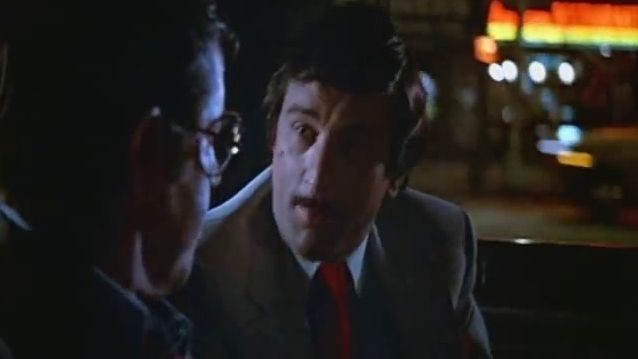
Rupert Pupkin is obsessed with becoming a comedy great. However, when he confronts his idol, talk show host Jerry Langford, with a plea to perform on the Jerry's show, he is only given the run-around. He does not give up, but persists in stalking Jerry until he gets what he wants. Eventually he must team up with his psychotic Langford-obsessed friend Masha to kidnap the talk show host in hopes of finally getting to perform his stand-up routine.
The key characters in The King of Comedy are Rupert Pupkin (Robert De Niro), Jerry Langford (Jerry Lewis), Rita (Diahnne Abbott).
The King of Comedy is rated PG.
The King of Comedy is a Comedy, Drama, Crime film.
The King of Comedy has an audience rating of 9 out of 10.
The King of Comedy had a budget of $19M.
The King of Comedy has made $2.5M at the box office.