
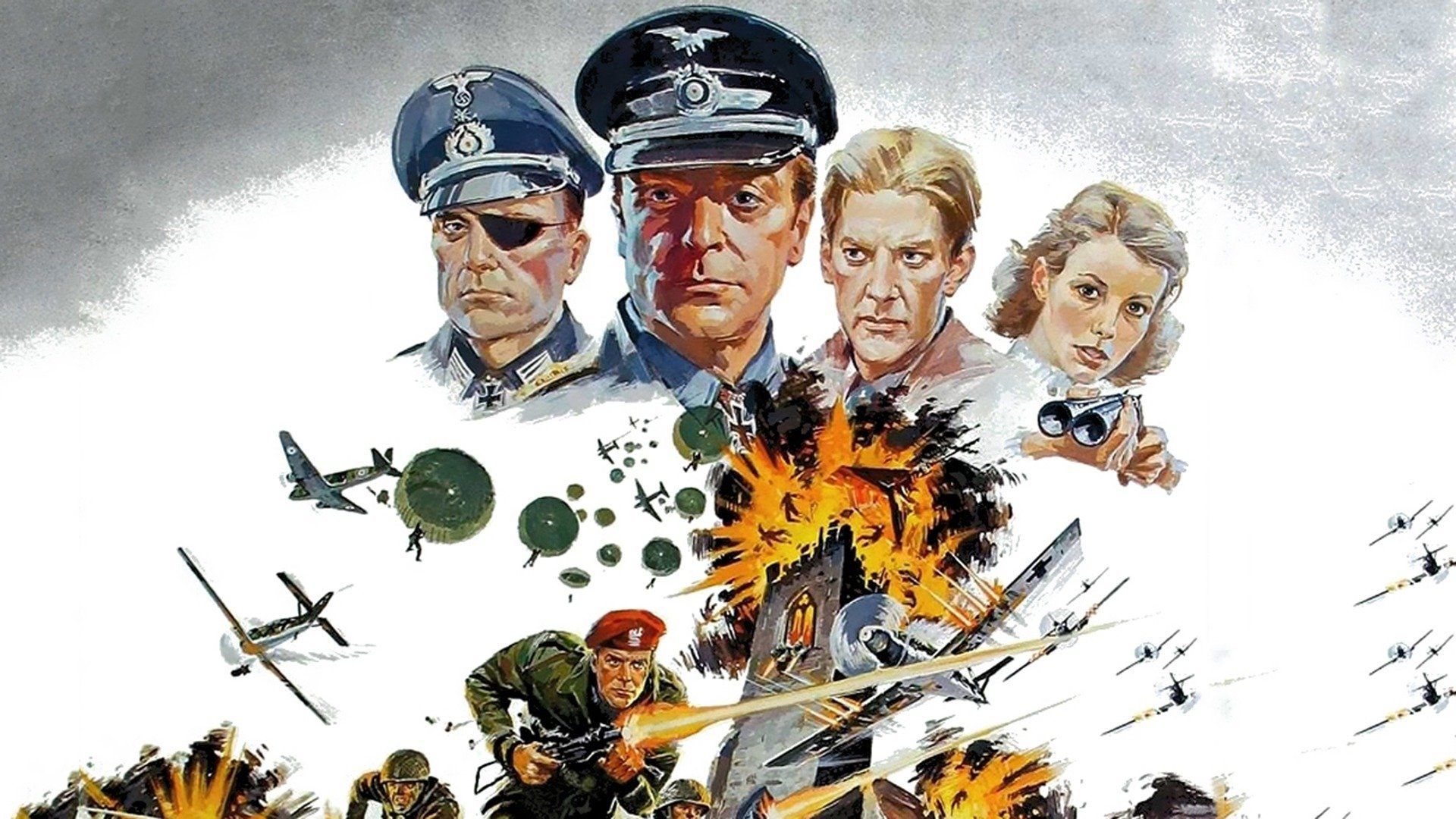
I 1943 udtænker den tyske efterretningstjeneste en plan om at kidnappe Winston Churchill, der skal tilbringe en weekend i en landsby i det østlige England. Faldskærmssoldaten Kurt Steiner sættes i spidsen for operationen.
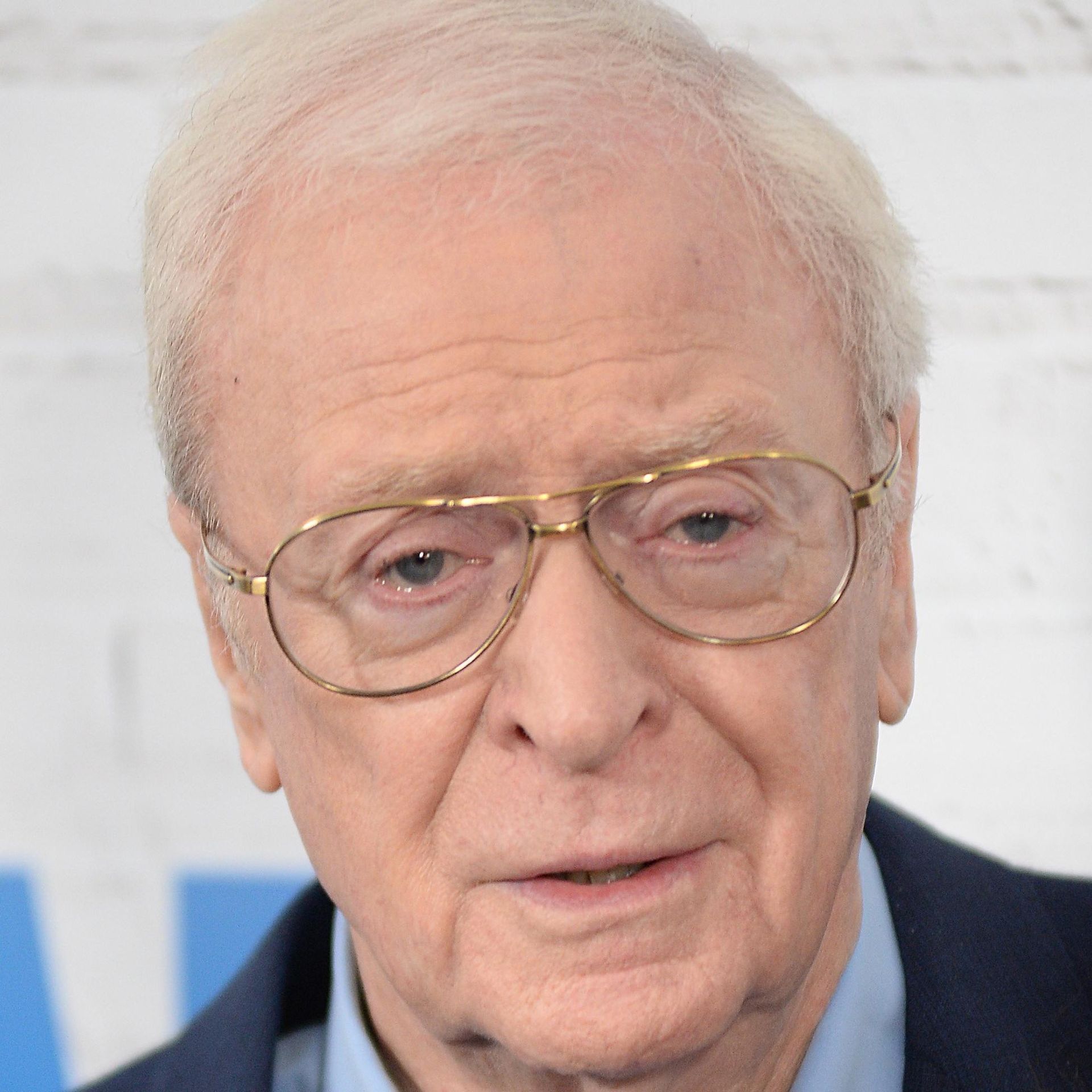








- ርልዪረ2. februar 2025This review of 'The Eagle Has Landed' deals with both the book (1975) by Jack Higgins and film (1976). Both are excellent examples of their genre. What, however, interests me is how and why they differ, Firstly, to consider the book which opens with 'Jack Higgins' coming across a mysterious gravestone in an English village - and also Arthur, alive and still his old aggressive self. The book pays great attention to detail, although there are some minor slips (e.g. 'Signal' was the SS Magazine and not a Wehrmacht production). Unlike the film about 2/3 of the book concentrates on events before the Germans land - my favourite part in both book and film. Scenarios switch effortlessly from Prinz Albrecht Strasse to the sleepy village of Studley Constable to the Birmingham underworld. Characters appear and disappear (perhaps to reappear in the last few pages). There are some villains in the cast but most appear as good men fighting a war for...... As Devlin remarks: 'Steiner was right. It's just a bloody senseless game after all and when it gets you by the ballocks it won't let go.' (P378 - all refs. to 1998 Penguin edition).The closing pages adds to the enigma with its impressive gesture towards reality. Just as when I read 'I Claudius' as I teenager I found it hard to distinguish fact from fiction. When you finish you may feel the itch to go back and reread certain scenes; just like an Agatha Christie scenes lead both towards and away from what the book presents as the truth. It is generally agreed that this film broke the post-war mould of the vicious automaton of the Wehrmacht as usually displayed in post war films (compare 'Where Eagles Dare' in 1969). In this respect, note the scenes where the Germans strip off their disguise ('From the looks of things I'd say we've taken up permanent residence here' (P.333)) and Steiner's farewell to his men, which bring a poignancy usually reserved for the 'good guys' / 'our boys'. Indeed, the book records an incident when the 'hostages are being released which sums this aspect up: 'The boy stared at him. "Why are you a German?" he demanded. "Why aren't you on our side?"'(P.340) Michael Caine's Steiner is more likeable than the book's original. Even so, in the book Himmler describes Steiner as: 'Gifted with high intelligence, courageous, ruthless, a brilliant soldier - and a romantic fool.' (P.76); Caine plays THAT man brilliantly. The film concentrates on the central quartet of Steiner, Radl, Devlin and Molly (all brilliantly played & ably supported by other leading players). The direction is tight, especially with the final carnage, and the screenplay, while swapping lines and scenes with such smoothness they seem right, grips the audience even more than the book. Now to deal with some of the differences, largely ignoring the screenwriter's (Tom Mankiewicz) justified insistence that the main problem is what to cut from the book. A clear example of this is Devlin's problems with obtaining equipment ( the Garvald episode) which proves to be crucial to the plot in the book but is completely omitted in the film. On the other hand, the omission of UnterSturmFuehrer (aka 2nd Lieutenant!) Preston is no great loss. I should add that the outcome for several of the characters differs between book and film - I'll say no more in case I spoil it. One early major difference between the two productions is that Joanne Grey (played by the delectable Jean Marsh in the film) is nearly seventy , perhaps beyond the flirtatious approach of Devlin in the film, and has far more reason to hate the British (PP 37-38). The same reason may explain the casting of Donald Sutherland as Liam Devlin (compare the description in the book PP 89-90) - amazingly Caine was originally considered for that part! It is not Steiner but Himmler who wants German uniforms retained under the camouflage (P. 83). Characteristics and incidents can be transformed or switched. For example, the dog-taming trick ('In the Middle Ages they'd have burned you.') in the book is not Devlin's but that of the pilot, Gericke (P. 141). One interesting change is the character of Colonel Shafto from the Custer-like figure of the book to the caricature played by Larry Hagman; was he too like the real life General George Patton for US audiences? In conclusion, I think I prefer the film (slightly) but then I know the film much better. So, as in other cases when the film is seen before the book is read, I hear Donald Pleasance as Himmler and the leading players as I read the words on the page. Do it the other way round and you'll be saying, "That's not right!" again and again. Anyway, I'm sure that neither book nor film would disappoint and personally I would give both 5 stars.
- flavo4323. november 2025The Eagle Has Landed is one of those rare war films that makes you genuinely sympathetic to the “enemy,” to the point where you find yourself almost hoping they succeed in their impossible mission. That alone shows how well the story is crafted. Michael Caine delivers a wonderful performance as Colonel Steiner, portraying him not as a villainous caricature, but as a soldier bound by honour, loyalty, and a deep sense of responsibility to his men. His unit is depicted with a level of professionalism and humanity that makes you forget, at times, whose side they’re on. The film balances suspense, character, and moral ambiguity beautifully, turning what could have been a simple thriller into something far more engrossing. The tension of the mission, the strong supporting cast, and the brisk pacing all contribute to a gripping experience. The Eagle Has Landed remains a standout war film precisely because it dares to show dignity on both sides.


Få Plex på dine enheder
Gratis på 20+ platforme. Vælg din egen.Ørnen er landet-trivia
- december 1976 blev Ørnen er landet udgivet.
Ørnen er landet blev instrueret af John Sturges.
Ørnen er landet har en spilletid på 2 t 15 m.
Ørnen er landet blev produceret af Jack Wiener, David Niven Jr..
I 1943 udtænker den tyske efterretningstjeneste en plan om at kidnappe Winston Churchill, der skal tilbringe en weekend i en landsby i det østlige England. Faldskærmssoldaten Kurt Steiner sættes i spidsen for operationen.
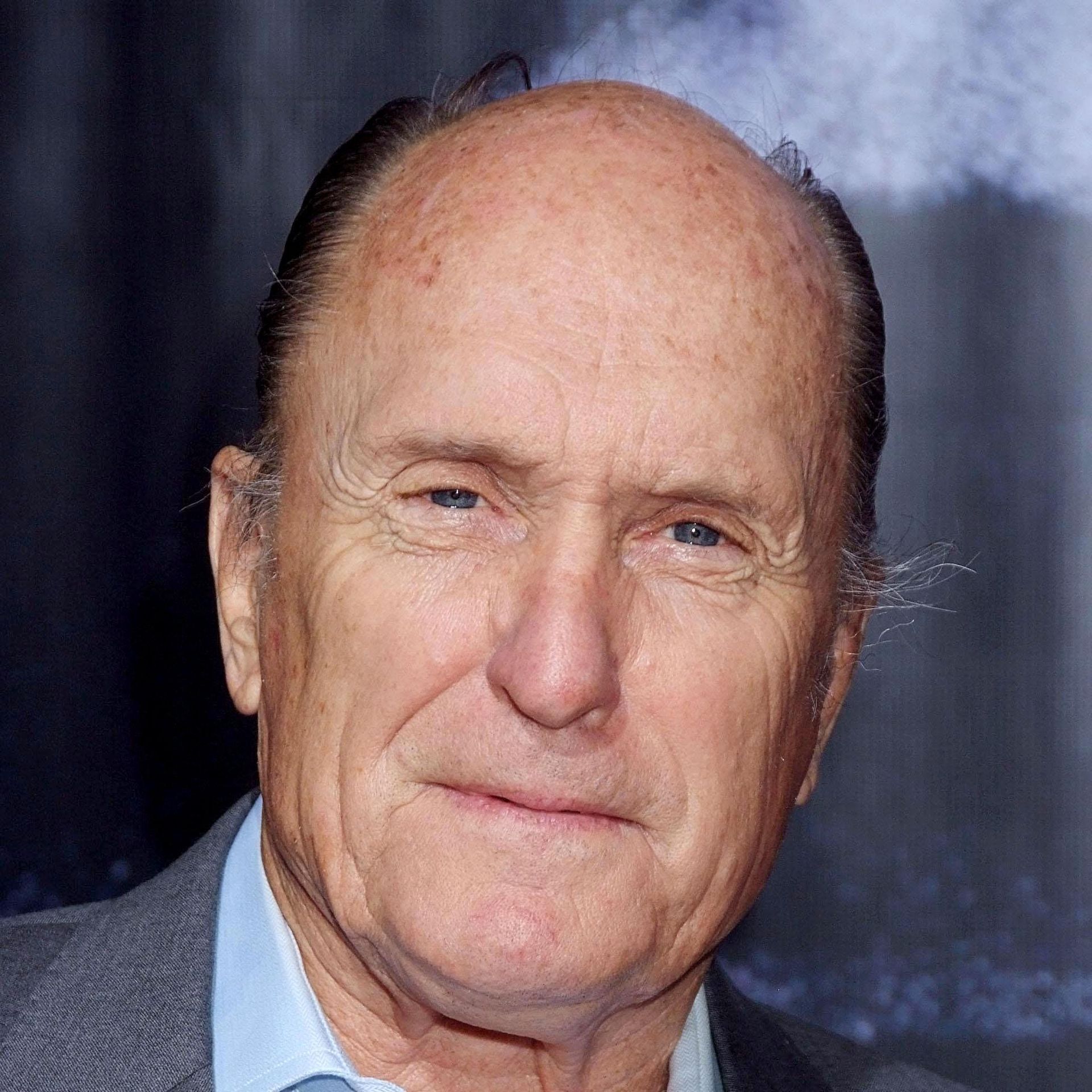
Nøglepersonerne i Ørnen er landet er Col. Kurt Steiner (Michael Caine), Liam Devlin (Donald Sutherland), Col. Max Radl (Robert Duvall).
Ørnen er landet er bedømt 12.
Ørnen er landet er en Krig, Adventure, Drama-film.
Ørnen er landet har en seerbedømmelse på 6.7 ud af 10.
Ørnen er landet havde et budget på 6 mio. US$.