Komedie-film og -serier
Free laughs, no joke: comedy movies and TV shows stream free on Plex with no subscription. Sitcoms, rom-coms, stand-up and cult classics are ready whenever you need a laugh. Comedy comes in many forms, from slapstick and satire to gloriously silly movies you'll quote for years. Whether you want a comfort rewatch or something completely ridiculous, there's a laugh for every mood. Try a series or settle in with a movie before bed.






Frequently Asked Questions
A comedy is a film genre built to provoke laughter, using situations, characters, and dialogue that turn ordinary trouble into something you enjoy watching. The strongest ones keep the stakes light enough that mistakes and misunderstandings amuse rather than frighten, then earn their laughs from truth instead of random gags. Most resolve with things set right, a couple united or a lesson learned, because a warm landing rewards the viewer. The genre blends with romance, crime, and horror without losing its shape. Plex carries the range free to stream, from screwball to modern satire.
Comedy divides into several recognizable forms, and most films mix a few. Romantic comedy pairs love and laughter toward a happy ending, while slapstick leans on physical mishaps and exaggerated motion. Screwball moves fast with sharp banter and mismatched couples, and parody or satire aims humor at films, trends, or power. Dark comedy finds laughs in grim subjects, and the buddy setup turns two clashing personalities loose together. The forms that endure bend a familiar structure in a fresh direction rather than repeating it, which is why the same handful of styles keeps producing new favorites.
A comedy keeps laughter at its center and shapes every scene toward amusement and a light resolution, while a dramedy blends comedy and drama in roughly equal measure. The strongest dramedies let real emotion sit beside the humor, moving you close to tears one moment and coaxing a laugh the next without cheapening either. That balance is the whole point, and it fails when the tone lurches instead of flowing. Pure comedy protects its light footing, a dramedy trusts you to hold two feelings at once. The honest handling of weight separates the good ones from the muddled.
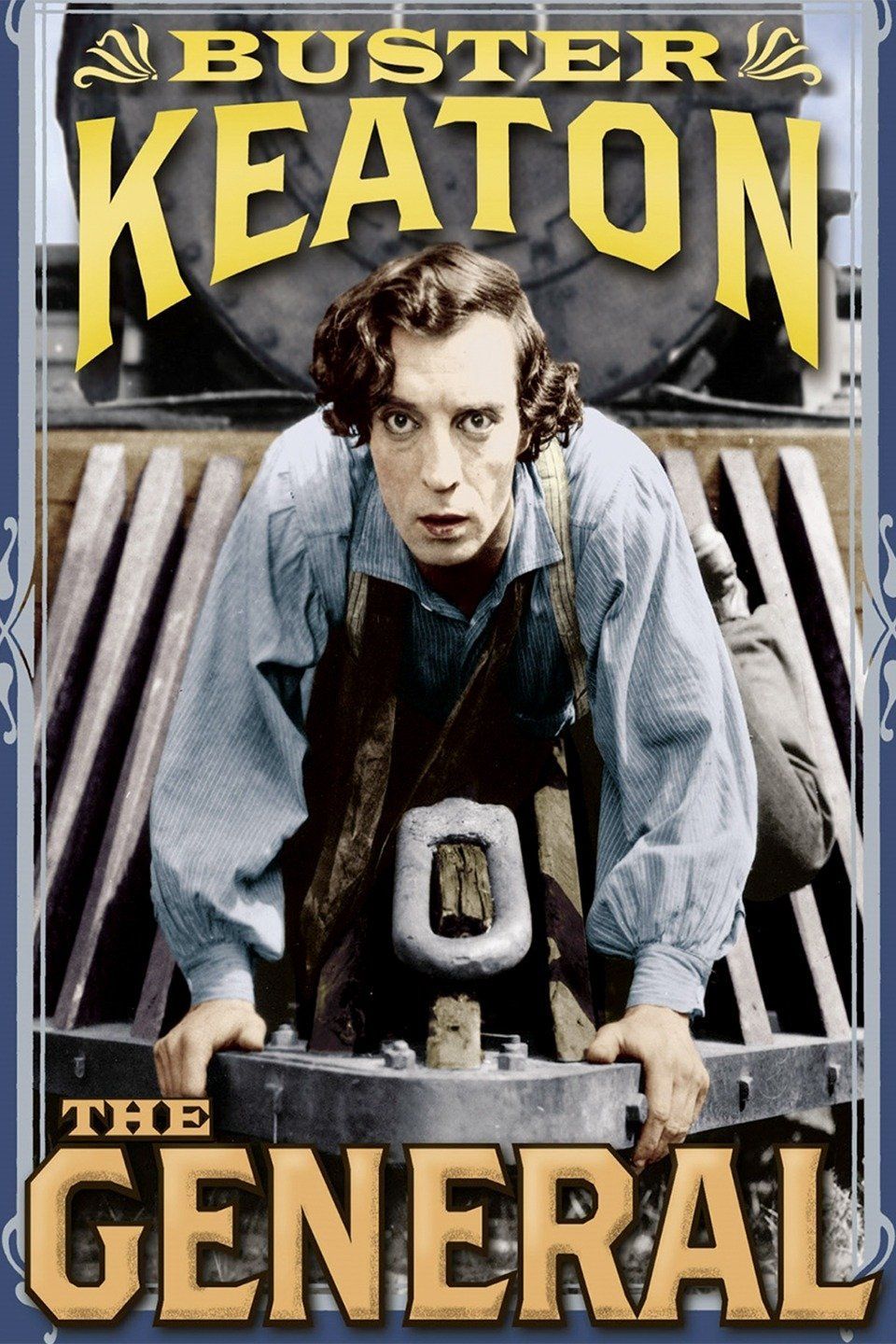
One of the earliest comedy films is "L'Arroseur Arrosé," a French short made by the Lumière brothers in 1895, in which a boy steps on a garden hose so the gardener soaks himself. It runs under a minute and turns on a single visual gag, proving the form needed no words to work. The silent era that followed gave rise to Chaplin, Keaton, and Lloyd, whose physical humor reached audiences everywhere. The best early comedy trusted the body and the image, a discipline the genre still rewards whenever a modern film lets a gesture carry the joke.
The highest-grossing comedy of all time is hard to crown outright, because the total depends on how strictly you define the genre and if a list adjusts for inflation. Broad, family-friendly hits built around a beloved star or a well-loved franchise reliably top the rankings, which is why honest lists disagree on a single champion. What holds true is that warmth and a familiar face widen the audience more than any gimmick. A comedy climbs toward the summit when people want to see it again, and shareable pleasure is what makes that happen.
Yes, comedies have won Best Picture, though far less often than dramas. "It Happened One Night," a 1934 romantic comedy, swept the top five awards in a rare feat, and "You Can't Take It With You" and "The Apartment" also claimed the prize. In later decades comedic films more often earn nominations than wins, and many honored titles balance humor with real feeling. The pattern says something about taste, since voters reward visible effort and comedy hides its labor. The films that break through earn their laughs and their tears from the same honest characters.
People love comedies because laughter offers relief that lingers after the film ends, loosening tension and lifting a heavy mood. A good comedy also builds connection, since sharing a laugh in the same room draws viewers closer than almost any other kind of scene. The genre lets us look at awkwardness, failure, and heartbreak from a safe distance, so we recognize ourselves without feeling exposed. The best examples like their characters, which is why a familiar joke still lands on the tenth viewing. Comfort matters here as much as surprise, and the great ones deliver both.
A good comedy depends on timing above all, the pause before a punchline and the beat that lets a reaction settle. Strong characters carry the rest, because we laugh hardest at people we understand rather than at isolated gags. The best comedies build jokes on truth, taking something we all recognize and turning it slightly sideways so the surprise seems earned. Structure matters too, with setups that pay off later and a story that keeps moving under the laughs. Warmth ties it together, since a film that likes its characters invites us to like them and keep watching.
Comedy leans on a set of reliable devices because they consistently produce laughs. Mistaken identity and misunderstanding drive many plots, sending characters into trouble one honest conversation would have spared them. The fish out of water drops someone where they do not belong, the odd couple forces opposites to cooperate, and the running gag rewards attentive viewers. Physical comedy, the pratfall and the spit take, remains a staple. These patterns endure because a skilled writer can bend them in a fresh direction while the familiar shape still comforts the audience, and the weak films lean on the shape alone.
You can watch comedy movies and shows for free through ad-supported streaming services, which fund a wide catalog with short commercial breaks instead of a monthly charge. The trick is choosing a platform with real range, since good comedy spans slapstick, satire, romance, and dark humor, and a thin library leaves you rewatching the same few titles. Plex is one such service, offering movies and television you stream free with ads alongside tools for organizing your own media. Many public libraries also lend films through their apps, so between the two you can find plenty without paying anything.