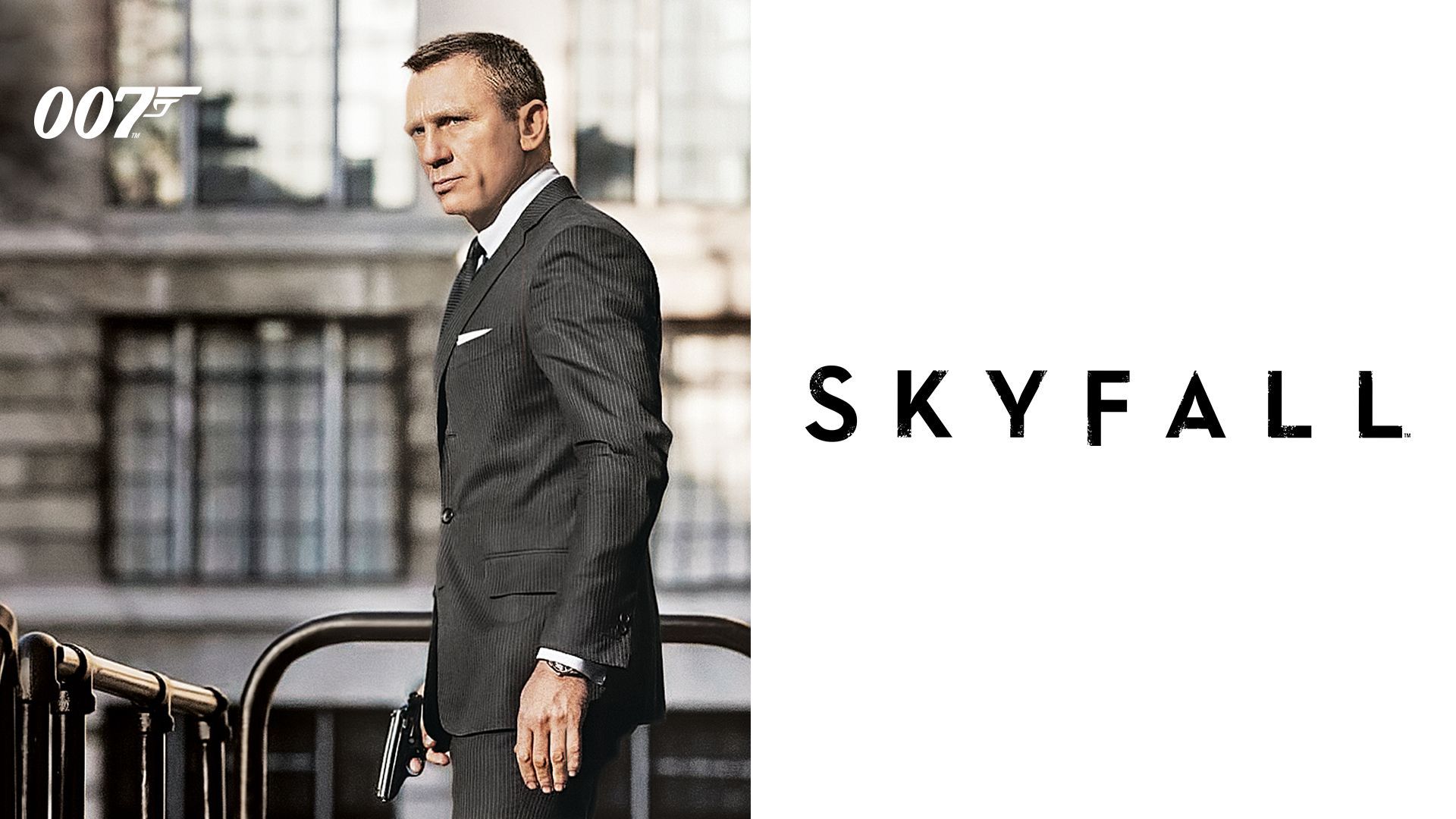
LivewireAdmin reviewedFebruary 3, 2026 I know this is where I start sounding like a contrarian, but I’ve never been able to fully get on the Skyfall wavelength. When I first saw it in theaters, I was swept up by the craft: the visuals, the performances, the sense that this was “important” Bond. But once that initial glow fades, what’s left is a film that looks incredible while telling one of the weakest and most confused stories of the entire franchise.
After the hard reset of Casino Royale and the raw continuation of Quantum of Solace, Skyfall feels like a step backward. Instead of pushing forward with the stripped-down, character-driven Bond they had finally nailed, the film slides comfortably back into familiar territory. Quips creep back in. Q and Moneypenny return. Gadgets resurface. There’s even a moment involving exotic animals that feels ripped straight from the Moore playbook. For some viewers, that nostalgia was the point. For me, it undercuts everything that made Craig’s Bond feel distinct.
The bigger issue is that the movie doesn’t seem to understand its own characters. M suddenly micromanages field operations in a way that doesn’t align with decades of precedent. Bond is placed alongside other agents in situations that feel oddly bureaucratic for a lone operative. The story itself plays like a collage of other, better films—an exposed agent list straight out of Mission: Impossible, a villain who engineers his own capture à la The Dark Knight, and a final act that turns Bond into Kevin McCallister, booby-trapping his childhood home as if we’ve wandered into Home Alone with guns.
That childhood home reveal is especially frustrating, partly because the film’s own marketing promised something far more interesting. The early teaser’s word-association scene made “Skyfall” feel like a buried psychological wound or a classified failure from Bond’s past. The reaction Craig gives—anger, unease, a flicker of fear—sets expectations the movie never fulfills. It’s just… his house. And not in a way that meaningfully connects to Bond’s established emotional makeup. This is a character who barely flinched when Vesper dissected his upbringing on the train to Montenegro. Suddenly, a mention of his home gets him all locked up? It doesn’t add up.
Then there’s the aging issue. Casino Royale explicitly reintroduced Bond as a newcomer, and Craig was in his thirties when he took over. Two films later, Skyfall treats him like he’s washed up, slow and past his prime. Dialogue leans heavily on the idea that he’s lost a step, but the timeline makes no sense. Did decades of Bond history secretly occur between Quantum and this? The movie wants the gravitas of an “old Bond” story without earning it.
And yet—credit where it’s due. Javier Bardem is phenomenal. Silva is magnetic, unsettling, and commands every scene he’s in. In fact, he commands them a little too well. Once he enters the film, Bond starts to feel like a secondary character in his own movie. Add in Roger Deakins’ stunning cinematography—still among the best the series has ever had—and you’ve got a film that’s impeccably made on a technical level.
Unfortunately, none of that can compensate for a story that feels derivative, inconsistent, and oddly disconnected from the Craig-era journey that preceded it. Skyfall is beautiful to look at and impressive in pieces, but taken as a whole, its never worked for me.