0:000:00

De sinistere Shane, een voormalige gunfighter, raakt betrokken bij een conflict tussen de machtige en meedogenloze rancherbroers Rufus en Morgan Ryker en de kleine boerenfamilies, waaronder de Starretts.
Where to Watch Shane




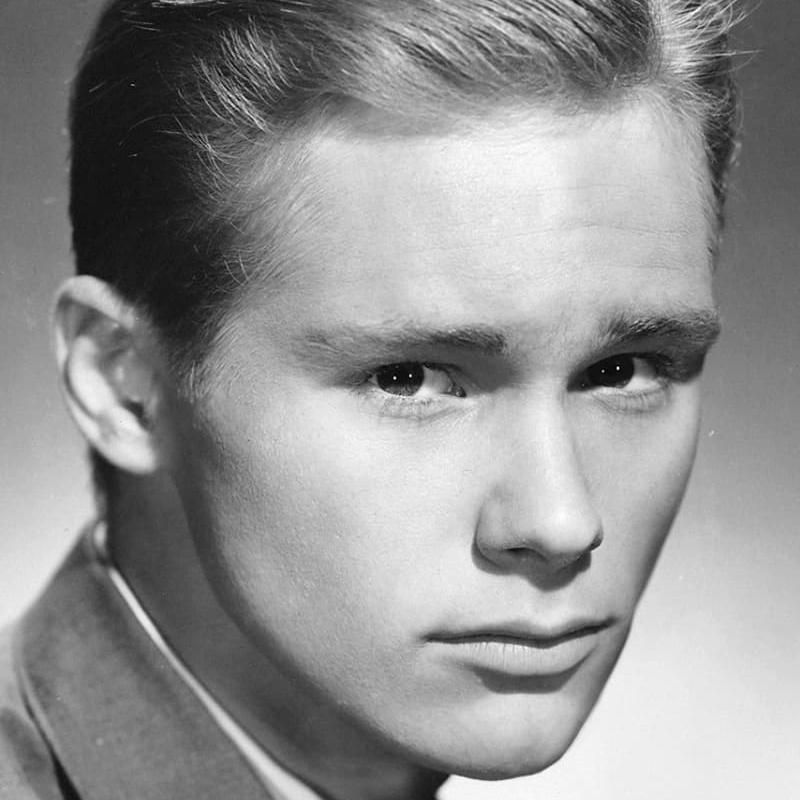


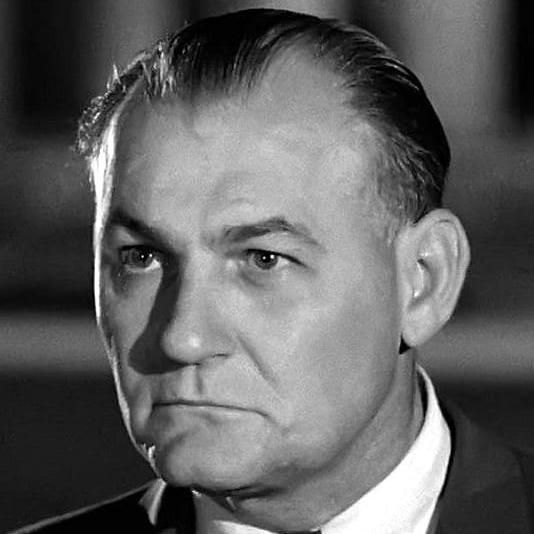


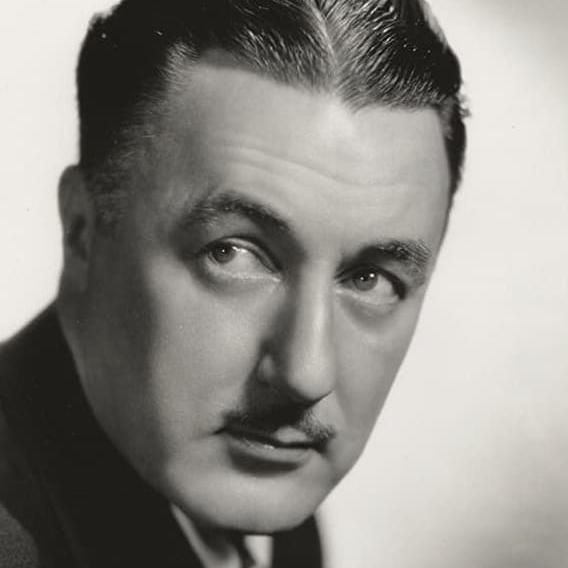

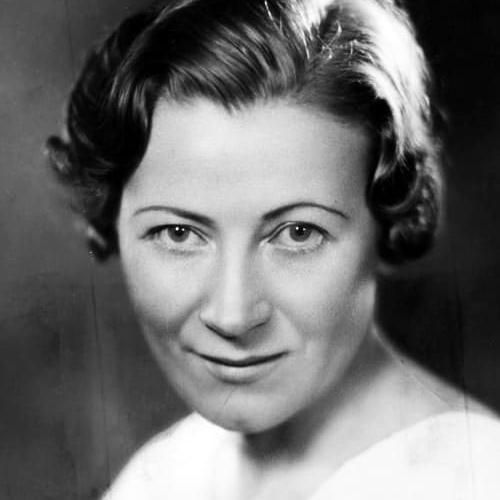
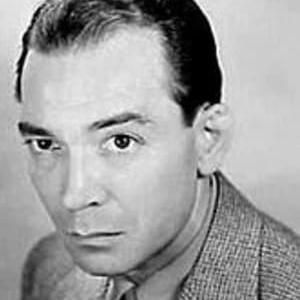

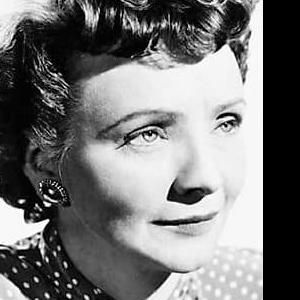
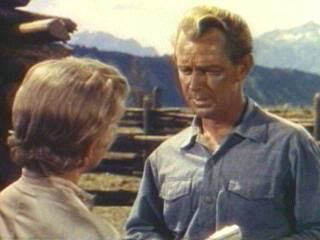
- Dan S Turpin23 februari 2025Shane (1953) is one of the great American westerns, not because of its action or spectacle, but because of its quiet understanding of myth and morality. It tells a simple story: a lone gunfighter, weary from a life of violence, rides into a valley where homesteaders are struggling against a ruthless cattle baron. He tries to leave his past behind, to settle into something resembling a normal life, but the past will not let him go. Alan Ladd plays Shane, a man of few words and precise movements. He wears a fringed buckskin jacket that makes him stand out against the earth-toned realism of the film’s world. He is polite, almost courtly, with the homesteaders, especially to Joe Starrett (Van Heflin), the hardworking farmer who welcomes him into his home, and to Joe’s wife, Marian (Jean Arthur), who seems both drawn to and afraid of him. But it is young Joey Starrett (Brandon de Wilde) who worships him, watching his every move with wide-eyed admiration. The valley is under the grip of Ryker (Emile Meyer), a cattleman who sees the homesteaders as squatters on land that should belong to men like him. His threats are indirect at first—subtle pressures, intimidation. But when that fails, he brings in a gunfighter of his own, the black-clad Jack Wilson, played with chilling precision by Jack Palance. Wilson doesn’t have to do much to be terrifying. He hardly speaks, barely moves, but when he does, it is with the certainty of a man who has never lost. Director George Stevens films the valley in wide, open spaces that make the homesteaders seem small and vulnerable. The mountains loom in the distance, permanent and unmoving, as if to remind the characters that they will be gone long before the land ever changes. The cinematography captures the beauty of the West but never romanticizes it. This is a hard land, and survival requires more than just courage. The violence in Shane is brief but carries weight. When a gun is fired, it sounds like an explosion, the force of it throwing bodies backward as if struck by something unnatural. The climactic gunfight is not long or elaborate, but it feels final, like something that could not have ended any other way. And then there is the ending, one of the most famous in all of film. Shane, wounded, rides away into the mountains, disappearing from Joey’s sight. “Shane! Come back!” the boy calls after him, but Shane does not turn around. He was never meant to stay. He is a relic of an older world, one that men like Joe Starrett are trying to replace with something better. The frontier has no room for men like him anymore. Shane is a film about the price of violence and the way legends are born. It understands that heroes are not the ones who stay, but the ones who leave so that others can build something in their place. It is a film that lingers, not because of what it says, but because of what it leaves unsaid.


Get Plex on Your Devices
Free on 20+ platforms. Pick yours.Shane Trivia
Shane was released on 14 augustus 1953.
Shane was directed by George Stevens.
Shane has a runtime of 1 u, 58 m.
Shane was produced by George Stevens.
De sinistere Shane, een voormalige gunfighter, raakt betrokken bij een conflict tussen de machtige en meedogenloze rancherbroers Rufus en Morgan Ryker en de kleine boerenfamilies, waaronder de Starretts.
The key characters in Shane are Shane (Alan Ladd), Marian Starrett (Jean Arthur), Joe Starrett (Van Heflin).
Shane is rated 6.
Shane is a Drama, Western film.
Shane has an audience rating of 8.1 out of 10.
Shane had a budget of US$ 3,1 mln..
Shane has made US$ 20 mln. at the box office.