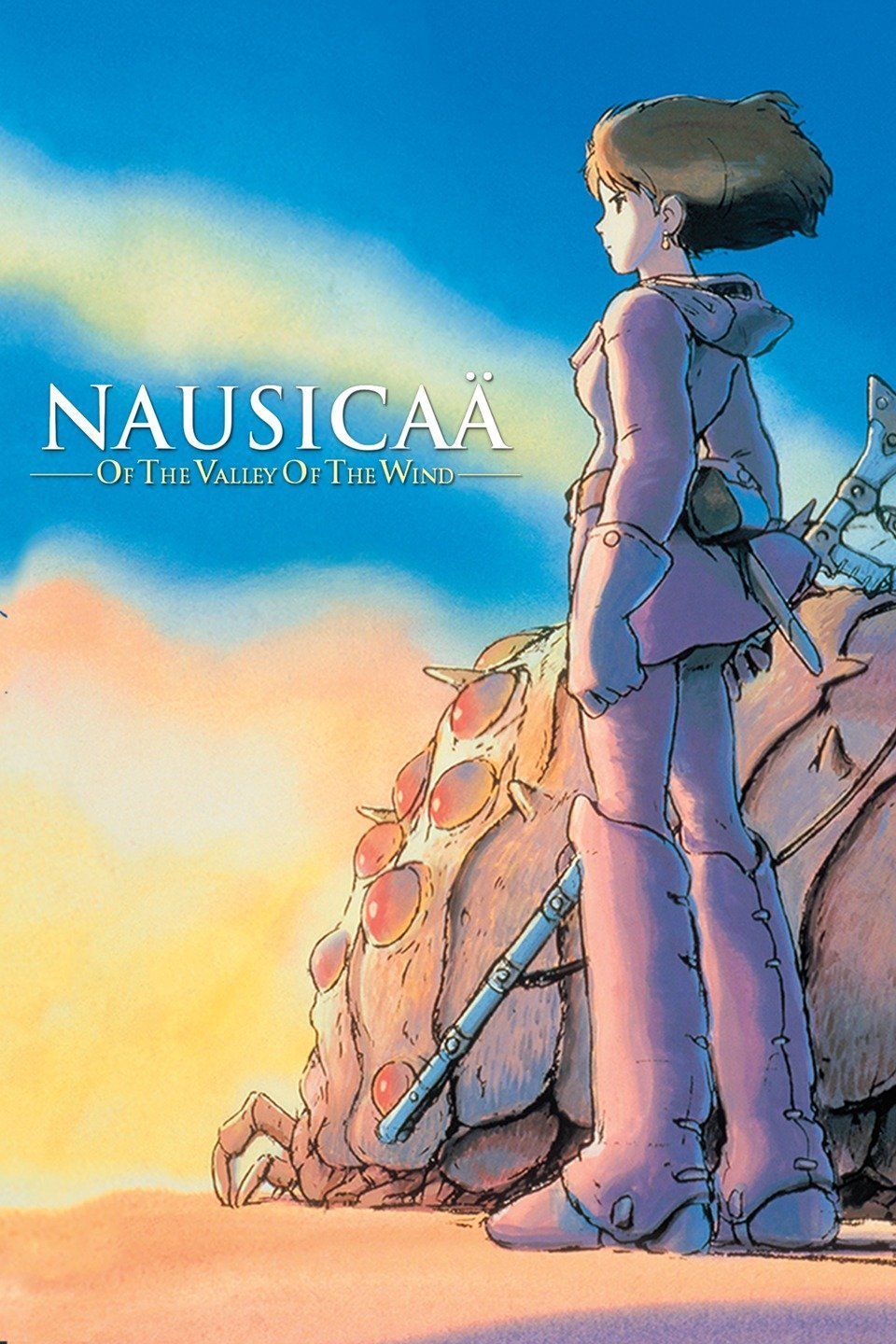

Where to Watch Warriors of the Wind
- neuroparadoxAugust 20, 2025Finally, a movie without a some sort of underlying message! 😂🤣😂🤣 JK it's about climate change and messing with nature...from over 40 years ago. Good job, giant corporations! 🖕 PS: If you think climate change is fake, I'd be willing to bet that, even though you're obviously NOT a scientist (and you get your news from social media), that you ARE a massive fucking idiot.
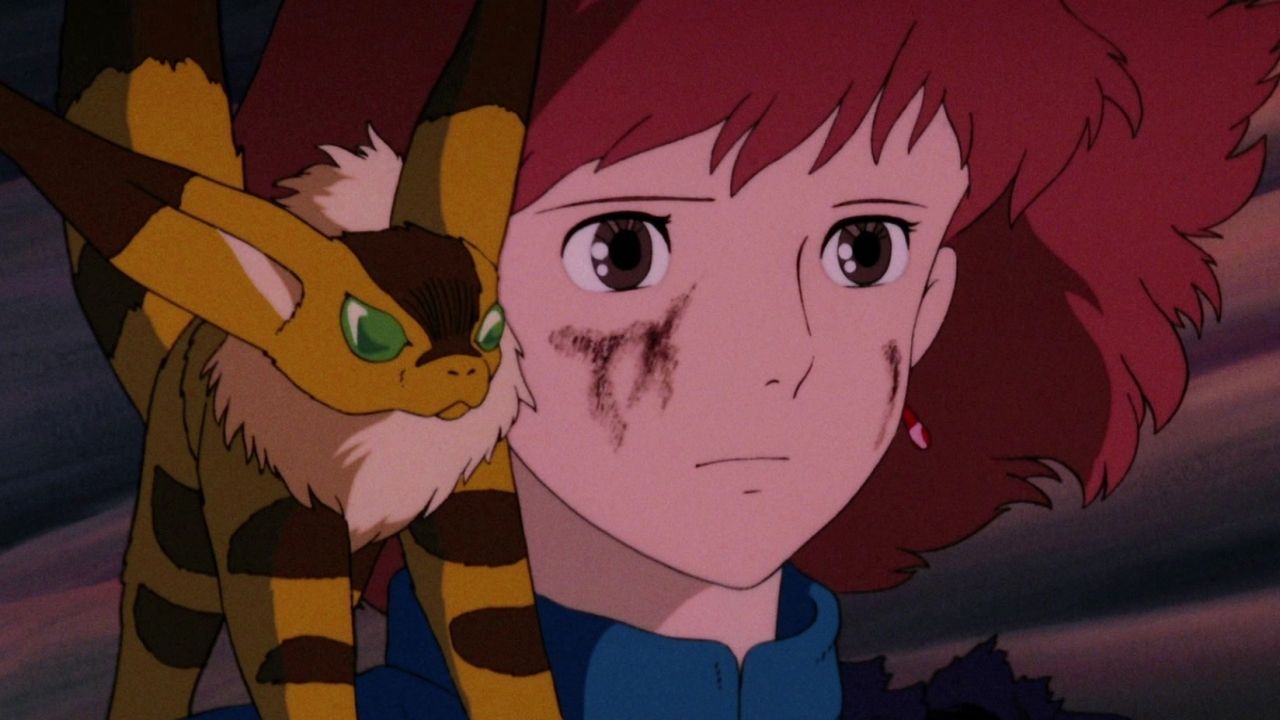
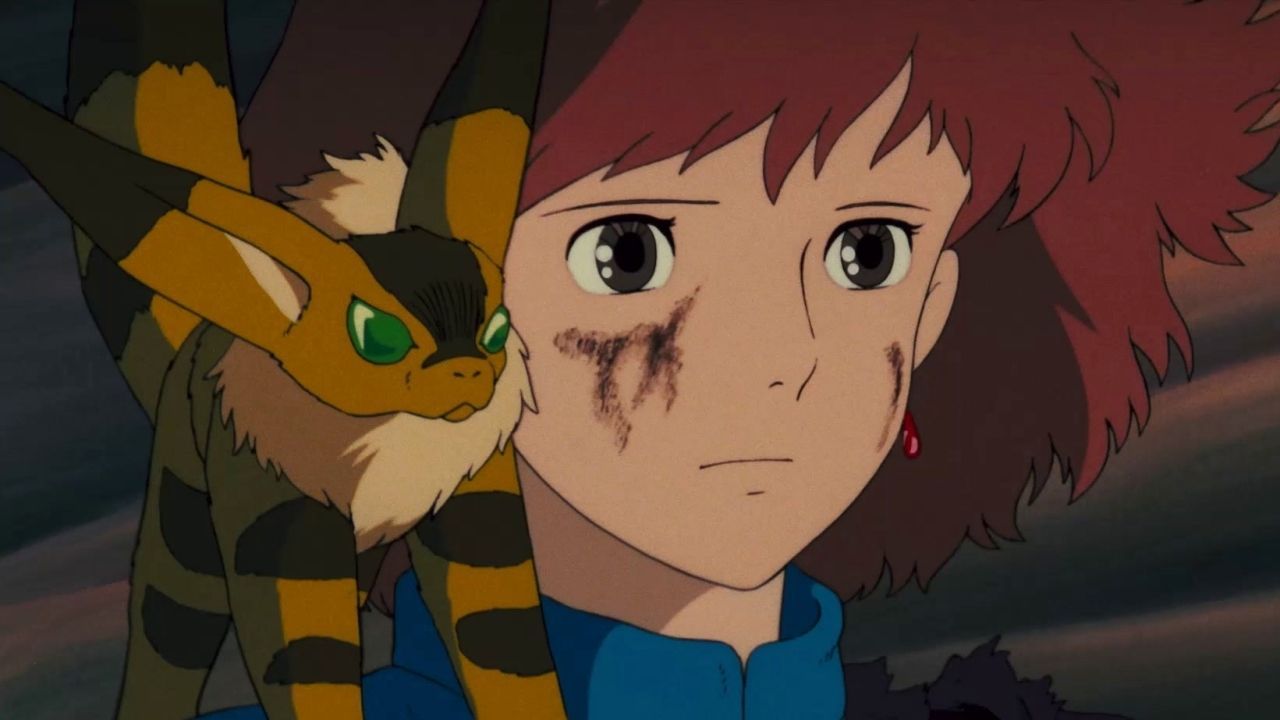
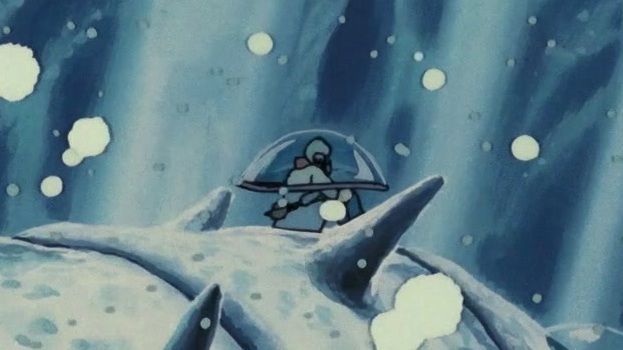
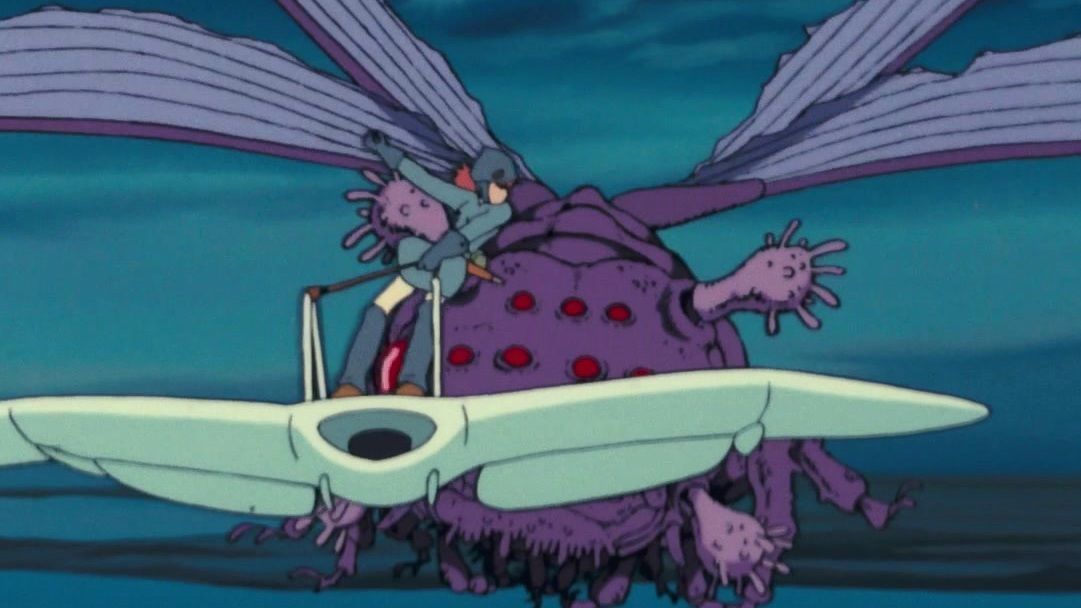
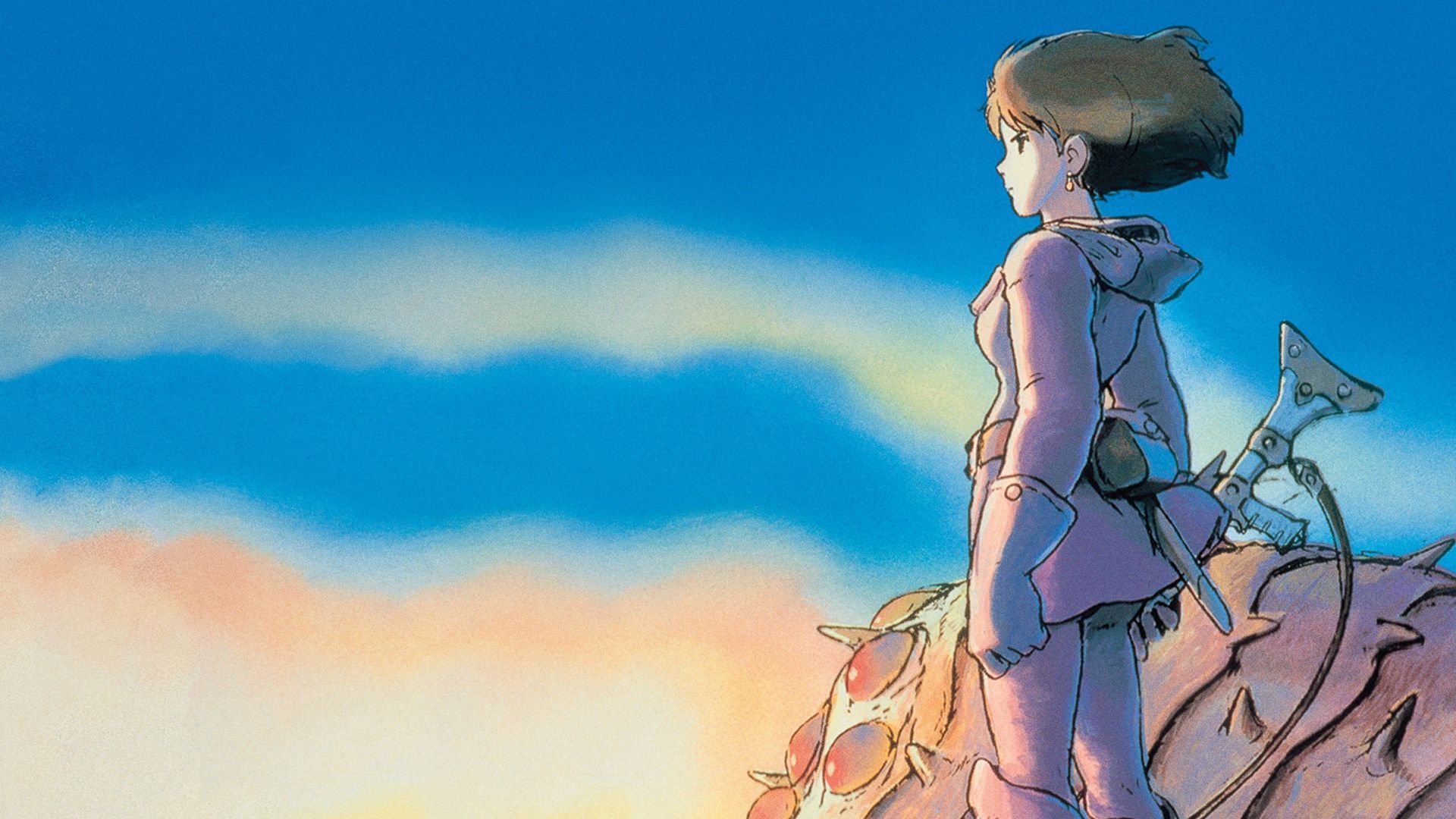
- LivewireAdminAugust 1, 2025Miyazaki came out of the gate swinging! His directorial vision creates a world that is both stunningly beautiful and achingly fragile, a world where the balance between nature and humanity is delicately teetering on the edge. From its opening moments, the film invites you into a world that feels as alive and complex as the characters who inhabit it. It doesn't hurt to be able to open your film with a piece from composer Joe Hisaishi. At the heart of the film is Nausicaä herself, a character who embodies both strength and vulnerability in ways that feel so rare and true. Voiced by Alison Lohman in the English version, Nausicaä is a princess who isn’t confined to the typical tropes of royalty or heroism. She’s not a figure of authority but a bridge between humanity and the natural world, a character driven by empathy and compassion for all life — no matter how small or dangerous. Her love for the world around her, even the toxic and seemingly cursed lands she lives in, is the emotional core of the film. Nausicaä’s internal struggle to reconcile humanity's destructive tendencies with the need for harmony with nature speaks to the heart of the film’s themes and feels as relevant today as it was in 1984. Lohman brings a quiet strength to the role with her voice, talk about perfect casting. The supporting cast is stacked as well - Patrick Stewart, Uma Thurman, Mark Hamill, Shia Labeouf. Visually, Nausicaä is a masterclass in animation. The meticulous detail of the landscapes, the sweeping vistas of the Toxic Jungle, and the design of the Ohm — the majestic creatures that embody the film’s environmental themes — are all breathtaking. The animation captures the beauty of nature in a way that makes you feel as though you could reach out and touch it, while also conveying the devastation humanity has wrought upon the world. The soft greens and blues of the valley contrast starkly with the acidic reds and oranges of the Toxic Jungle, visually reinforcing the film's central message about ecological imbalance. Every frame feels alive, and the attention to detail in the animation is extraordinary, showcasing the boundless creativity and heart that went into bringing this world to life. The soundtrack, composed by Joe Hisaishi, elevates the emotional impact of every moment. The score is a delicate balance of serene and haunting, matching the gentle yet urgent themes of the film. The music swells in moments of triumph and hope, only to soften into melancholic tones during the darker scenes. Hisaishi’s compositions echo the central tension between humanity’s destructive nature and the fragile beauty of the world, creating an atmosphere that lingers long after the film ends. The music, much like the visuals, feels inseparable from the story itself, enhancing the experience with every note. Nausicaä is also a film that isn’t afraid to confront the darker aspects of human nature. It challenges the notion of war and violence as solutions to conflict and presents a world where those who seek power only bring destruction to both themselves and the planet. The film doesn’t shy away from the consequences of these actions, offering a profound commentary on humanity's need to control rather than understand. However, what stands out most is the underlying message of hope. Nausicaä’s belief in the possibility of healing — both the land and the human heart — is what makes her such a compelling and enduring character. She doesn’t have all the answers, but she is determined to find a way forward, and her unwavering hope in the face of overwhelming adversity is inspiring. In terms of its broader themes, Nausicaä of the Valley of the Wind is a stunning exploration of humanity’s relationship with the natural world. It’s a story about environmentalism, sure, but it’s also about understanding and respect — not just for the world around us, but for the people we share it with. The film asks us to consider the consequences of our actions and it does so with such subtlety and care that it never feels preachy. Instead, it leaves you with a sense of urgency and a renewed appreciation for the fragility of life. I'll be damned if Miyazaki didn't make me emotional again by the end of this.
Watch Warriors of the Wind Videos
Get Plex on Your Devices
Free on 20+ platforms. Pick yours.Warriors of the Wind Trivia
Warriors of the Wind was released on March 11, 1984.
Warriors of the Wind was directed by Hayao Miyazaki.
Warriors of the Wind has a runtime of 1h 35m.
Warriors of the Wind was produced by Isao Takahata.
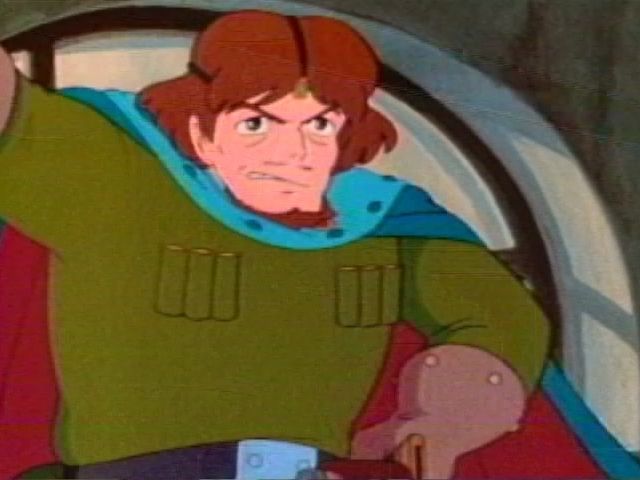
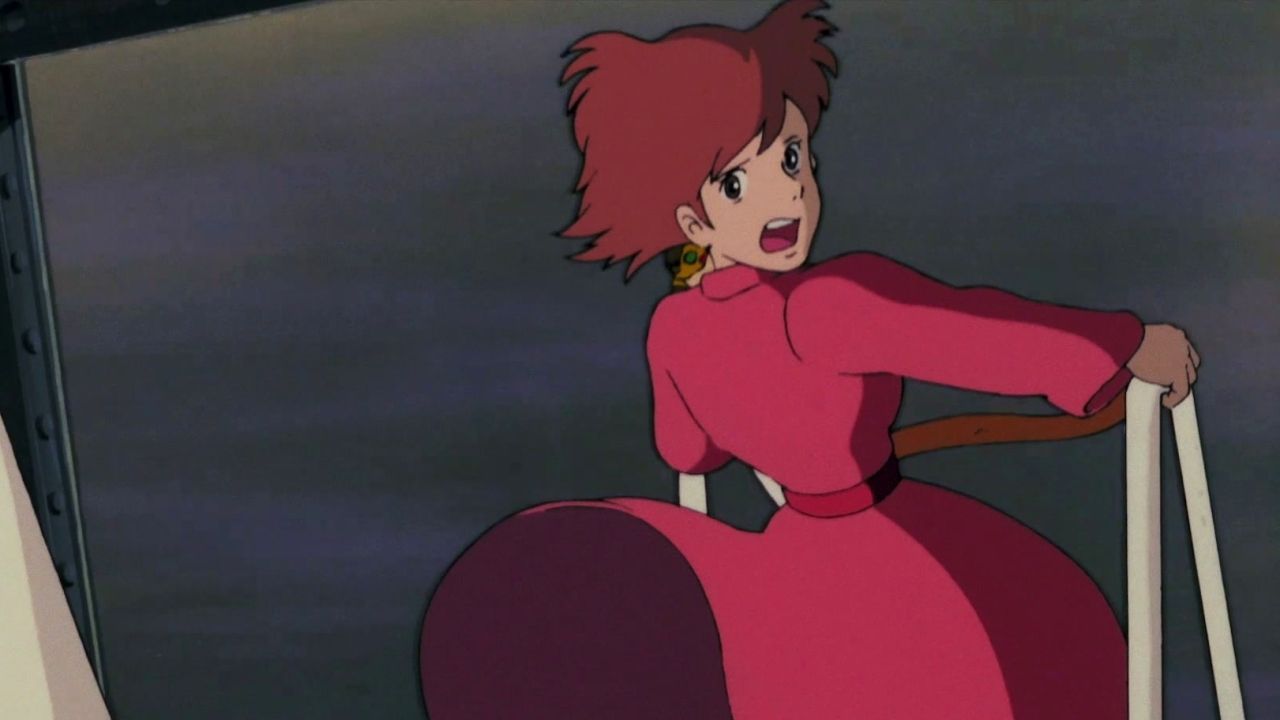
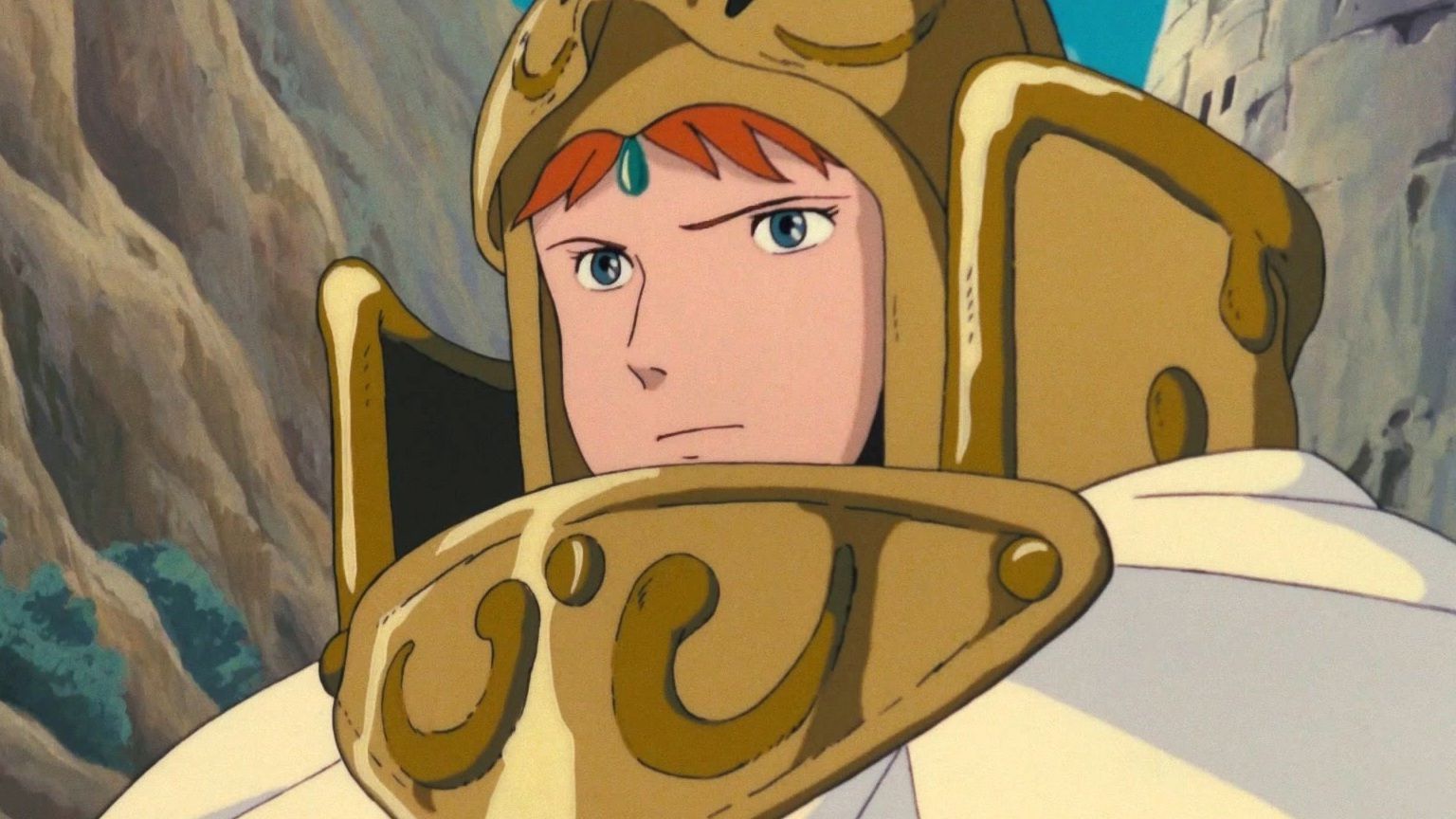
Set one thousand years from now, the Earth is ravaged by pollution and war. In the Valley of the Wind lives Nausicaä, Princess of her people. Their land borders on a toxic jungle, filled with dangerous over-sized insects. Meanwhile, two nearby nations are bitterly engaged in a war and the Valley of the Wind is stuck in the middle.
The key characters in Warriors of the Wind are Nausicaä (voice) (Sumi Shimamoto), Mito (voice) (Ichiro Nagai), Yupa (voice) (Gorō Naya).
Warriors of the Wind is rated PG.
Warriors of the Wind is an Adventure, Action, Fantasy film.
Warriors of the Wind has an audience rating of 9.1 out of 10.
Warriors of the Wind had a budget of $1M.
Warriors of the Wind has made $9M at the box office.