

007/死ぬのは奴らだ
監督:Guy Hamiltonブードゥー教でハーレムを支配し、ソ連・スメルシュの一員でもある黒人犯罪王ミスター・ビッグは、海賊“血まみれモーガン”の財宝の金貨をアメリカ国内に持ち込み資金源としていた。イギリス秘密諜報部員007ジェームズ・ボンドはニューヨークに派遣され、FBIのデクスター主任やCIAのフェリックス・ライターと協力して調査を開始するが、すでにその情報を掴んでいたミスター・ビッグから手荒い歓迎を受ける。だが、霊感能力を持ち、ミスター・ビッグが妻にしようとしているソリテールが寝返り、ボンドは彼女とセントピーターズバーグへ向かうが、そこで彼女は奪い返され、フェリックス・ライターも鮫に片腕・片脚を食いちぎられた姿で送り届けられる。怒りに燃えるボンドは、ジャマイカでミスター・ビッグと最後の対決を行う。











007/死ぬのは奴らだの評価とレビュー
- cyberbillp2025年4月14日Roger Moore's debut as Bond. ALL the cars are 1973 Chevy Impala's (and a couple Bisquane's which is the same thing). It's distracting to see all the taxi's, all the police and sheriff cars, and all the private cars are all the same same make and model. Lame. The Glastron boat race is the highlight of the film, lots of fun. Jane Seymore is adorable as the fortune telling slave and Koto (from Alien) is wickedly evil. It's a good cast and a fair plot, though Bond films would get better. This isn't the best or worst Bond film.
- Q_Prof2025年12月30日Being the first James Bond with Roger Moore, I enjoyed him playing this role as a smooth, confident, experienced, spy. The story was raw with interesting villans, beautiful fortune teller, stunts, action, humour, and a fancy watch gadget. Multiple creative attempts were unsuccessful by the villans to get Bond and was an enjoyment to watch. Loved the speed boat chase the most with the hilarious sheriff.
- LivewireAdmin2025年12月8日When Live and Let Die arrived in 1973, the Bond franchise stood at a crossroads. Sean Connery’s shadow still loomed large, and the series needed a tonal re-calibration to survive the new decade. Producer Albert R. Broccoli responded by expanding Bond’s sonic, cultural, and visual palette—leaning into early-’70s pop aesthetics, American settings, and a grittier, urban-infused espionage narrative. Even before the film begins, its identity is defined through Paul McCartney & Wings’ explosive title track—an era-defining Bond theme whose rock-orchestral arrangement signaled a franchise willing to evolve with the music charts rather than merely accessorize them. That energy carries into the film’s production, from its Harlem-set intrigue to the Caribbean supernatural flourishes that push 007 further from Cold War conviction. Critics at the time responded with cautious enthusiasm: some celebrated the fresh aesthetic and globe-trotting swagger, while others felt its "Blaxploitation" influences bordered on trend-chasing rather than trend-setting. Still, the film marked a commercial victory—it reassured audiences that Bond could live beyond Connery, and it introduced a more playful, stylized interpretation of espionage cinema that would ripple through the decade. Today, Live and Let Die holds a distinctive place in the canon—not the most airtight Bond thriller, but one that reflects a franchise actively listening to cultural shifts, adjusting its rhythms like a long-running artist striving to stay chart-relevant. For me, the film lands comfortably in the middle of the Bond spectrum—entertaining, stylish, but not unforgettable. This was Guy Hamilton's third entry in the series so by the time he made this, he was already a seasoned Bond director shaping the franchise’s style. Roger Moore’s debut is undeniably confident; he steps into the tux with ease, never imitating Connery but instead offering a lighter, more sophisticated Bond whose charm feels effortless. The story itself, while serviceable, never fully electrifies—it moves from set piece to set piece without a thematic anchor strong enough to linger. What does linger is Jane Seymour. As Solitaire, she may be one of the most striking and elegant Bond women ever put on screen—mysterious, poised, and visually magnetic in a way that elevates scenes beyond the script’s limitations. The mid-film car chase is genuinely thrilling, showcasing the franchise’s practical stunt strengths, though the comedic detour involving American police undercuts the tension and veers into mildly cheesy territory. Still, it’s more fun than frustrating. The film also gave us the famous "alligator jump stunt", which has become well known even outside of Bond fandom. And Yaphet Kotto deserves major credit—his dual performance as Kananga/Mr. Big (Mission Impossible anyone?) gives the film its sharpest edge. He’s imposing, charismatic, and grounded in a way that makes the villainy feel personal rather than theatrical. In a movie that fluctuates between seriousness and humor, he keeps the stakes intact. So while Live and Let Die may not be a top-tier Bond entry, it remains a stylish, transitional chapter—an entertaining beginning for Moore, buoyed by standout performances, unforgettable music, and flashes of true cinematic spark.
- ርልዪረ2025年1月28日/̵͇̿̿/’̿’̿ ̿ ̿̿ ̿̿ ̿̿⌖ Paul McCartney wrote a catchy pop tune for this jaunty romp by James Bond and the usual suspects, though this Bond is a bit different in that it involves a somewhat more realistic scenario of events. No cold war threat precipitated by some genetically aberrant, dysfunctional, one eyed, rubber gloved megalomaniac (with or without a cat) in this Bond flick. Nope; this time around, it's a megalomaniacal drug lord who wants to rule the world, Kananga, played with homicidal bravado by Yaphet Kotto. Hey, folks, whatever happened to Yaphet Kotto? He's been on television a lot, but why hasn't he made more movies? So, here we have a relatively fresh Roger Moore, looking fairly youthful, suave, debonair, and physically able enough to play Bond. The action starts off with three plausible murders of British Agents in different locales around the globe. It's actually believable; well, except for the snake dance in the Caribbean where one of the agents is done in. But, for the most part, it's not overblown. I love the funeral procession in New Orleans where the band breaks out in a Dixie Land style number after one of the agents is murdered, and the agent is surreptitiously ensconsed in a coffin with a false bottom and carried away. The cast of characters provides much humor and even a scare or two. Julius Harris as Tee Hee is especially enjoyable with his nasty disposition and even nastier hook arm. Ouch! Yaphet Kotto is always good; hence my lament above. "Across 110th Street" where are you? Yeah, those were the days. But, I digress. This is a Bond movie and it's fun and frivolous like a Bond movie should be. After all, we're not talking about Graham Greene or Robert Ludlum, or even Tom Clancy for that matter. Bond movies should be fun and exciting, shouldn't they? And this is one of the funnest. The special effects were still done manually for the most part in those days. I love the scene where Bond hops, skips, and jumps atop the bodies of several hungry alligators and crocodiles (when are alligators and crocodiles ever not hungry?) in his successful attempt to evade their snapping jaws. Mmmmm, mmm, good, tasty British Agent for dinner; Yummy! I think a stunt man may actually have lost a foot or part of one performing that stunt; at least that was the rumor going around at the time. Ah, yes, the excitement of real stunts performed by real people. I also like the ending where Bond rams that super powerful aerosol device into the mouth of Kananga and he expands like a Macy's Thanksgiving Day Parade balloon until he pops. I wonder how Monsieur Kotto feels when he thinks back upon that scene. And I like the second ending during the epilogue, after all the derring do is supposedly finished and it's time for Bond to have a little R&R with his girlfriend, where he encounters Tee Hee on the train and, after a struggle, incapacitates him by clipping the wires of his mechanical arm, and then thrusting him out of the train window. Without belaboring the point, this is a Bond movie and pretty much follows the Bond movie formula: Once again Bond is summoned from his bed and love interest du jour to save the world from the exploits of evil men; Bond fights evil men; Bond meets various women and seduces them; Bond meets Main Squeeze and seduces her; Bond defeats evil men; Bond and Main Sqeeze bed down for the end of the film. So it goes. Hey, I like this movie. Unless you have lived in a cave for the past thirty years, I'm sure you've seen this flick at least once. And, unless you have no sense of humor you can't help but like this film. The high speed boat chase around the bayous of Louisiana is a vintage chase scene a la the best film chase scenes, and on the water no less. Sheriff J.W. Pepper, The redneck sheriff, played to the hilt by Clifton James, milks the scene with tobacco spitting, scenery chewing bravado. It's a great time. And, of course, Bond wins as always. This was a time when critics and audiences welcomed some levity and ridiculousness in the Bond series; and before the ridiculousness became banal, expected, and tiresome. And the levity was a welcome change after all the ultra-seriousness of the Connery Bond films, at least by yours truly. Also, Sir George Martin of Beatles fame wrote the score for this one. It's one of the few scores not written by John Barry (at least at the time) and it's quite good. This film is notable for the pop hit tune, "Live and Let Die," by Paul McCartney, which still has a catchy ring and staying power today. The title captures the Bond aura perfectly and delineates the James Bond, "007, License to Kill" persona supremely. Everybody is young in this movie. Of course they're young; this flick was made over thirty years ago. I especially like to watch films that I initially saw when I was much younger mainly to marvel at the youthfulness of the actors and actresses; and to see who may or may not have had plastic surgery since. Yeah, well, I'm getting old just like everybody else. Come to think of it, someone should get either Roger Moore or Sean Connery to reprise the role and cast no one under the age of 70. That would be a hoot. The resulting film might be titled: "007: Golden Ager." In conclusion, this movie is a "purely escapist, nonsensical, turn your brain off for a couple of hours" diversion. It's probably the only film in the series where some guy refers to James Bond as Jim when Bond is hijacked in a taxi cab by one of the evil drug thugs. I also like the mysterious bald guy, Geoffrey Holder of "7-Up, Uncola" fame, as Baron Samedi, or, for those of you who took high school french, "Baron Saturday." He dances around with snakes and enigmatically appears and disappears throughout the film and winds up sitting on the front of the train locomotive at the end of the film, wearing that exquisite top hat, and laughing his wonderfully sonorous, reverberating laugh. There's magic, which hints at Voodoo, and some clever dialogue throughout the film and, as usual, Bond gets the girl, a young, very pretty Jane Seymour this time around, starring in her first film as the mystic virgin fortune teller, Solitaire, who loses her powers after 007 seduces her. Lucky girl. There's always a silver lining, right? As for the new issue and the digital remastering of the film and all the extra junk that is included on the Blu-ray, I don't really care about that stuff as long as the movie is sharp, clear, and crisp, which it is. Otherwise, it's simply a marketing ploy to get more dollars for the same old product. So, there. I think I've said enough; too much, probably.



007/死ぬのは奴らだに関するトリビア
007/死ぬのは奴らだは1973年6月27日に公開されました。
007/死ぬのは奴らだはGuy Hamiltonが監督を務めました。
007/死ぬのは奴らだの上映時間は2h 1mです。
007/死ぬのは奴らだはHarry Saltzman, Albert R. Broccoliがプロデューサーを務めました。
ブードゥー教でハーレムを支配し、ソ連・スメルシュの一員でもある黒人犯罪王ミスター・ビッグは、海賊“血まみれモーガン”の財宝の金貨をアメリカ国内に持ち込み資金源としていた。イギリス秘密諜報部員007ジェームズ・ボンドはニューヨークに派遣され、FBIのデクスター主任やCIAのフェリックス・ライターと協力して調査を開始するが、すでにその情報を掴んでいたミスター・ビッグから手荒い歓迎を受ける。だが、霊感能力を持ち、ミスター・ビッグが妻にしようとしているソリテールが寝返り、ボンドは彼女とセントピーターズバーグへ向かうが、そこで彼女は奪い返され、フェリックス・ライターも鮫に片腕・片脚を食いちぎられた姿で送り届けられる。怒りに燃えるボンドは、ジャマイカでミスター・ビッグと最後の対決を行う。
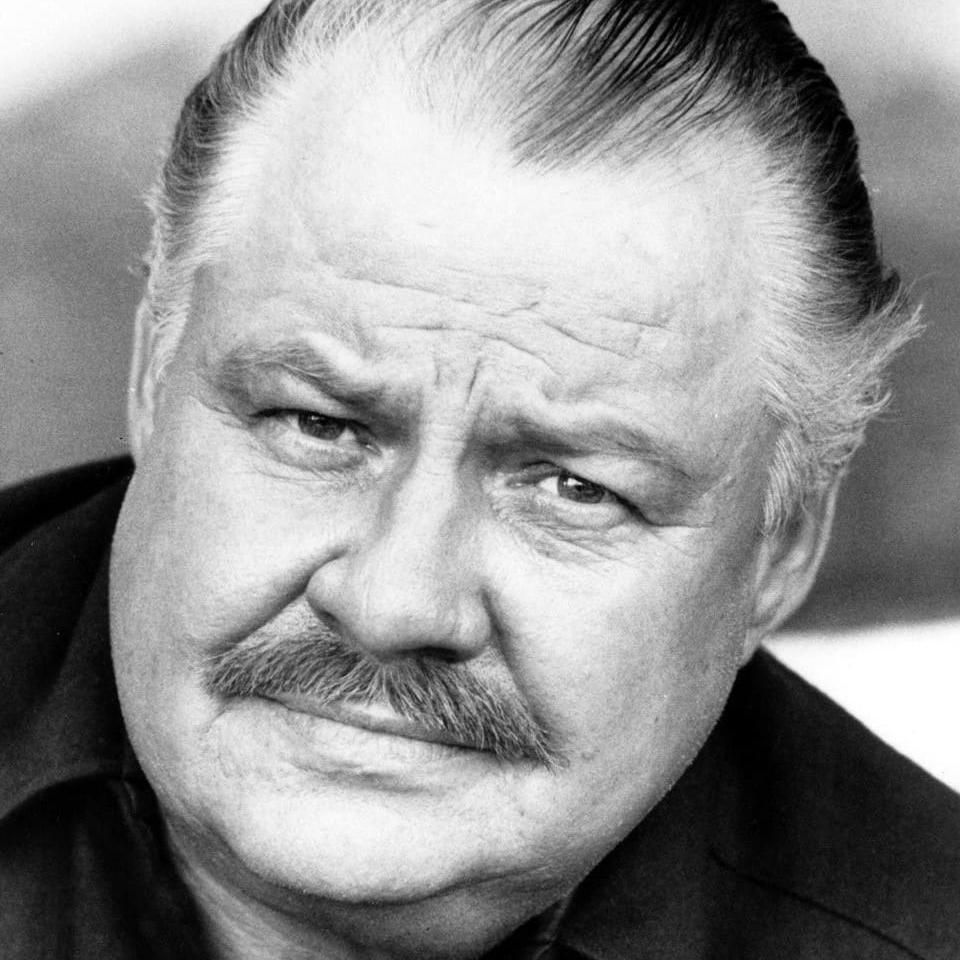
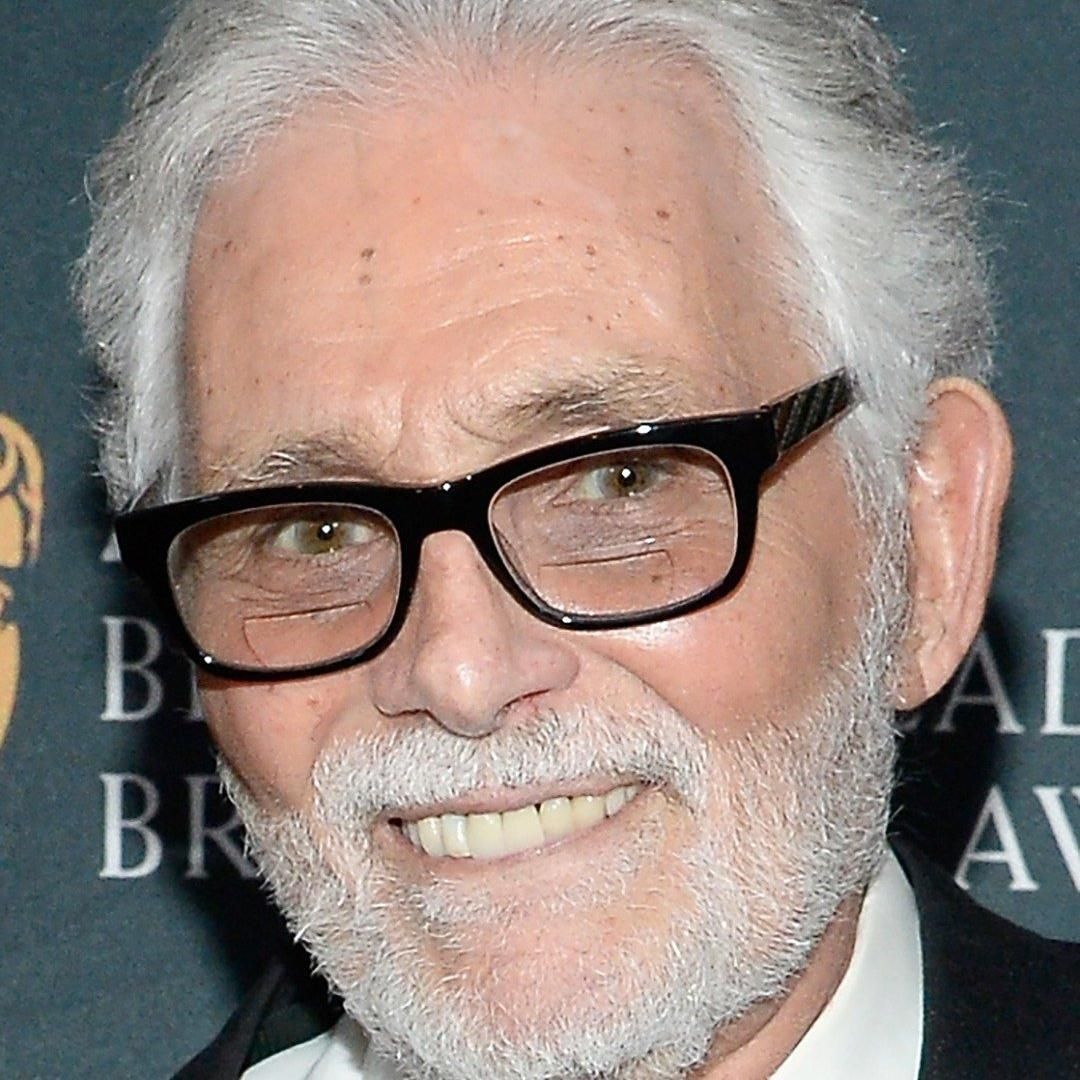
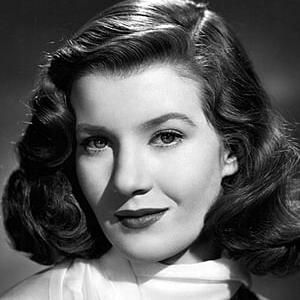
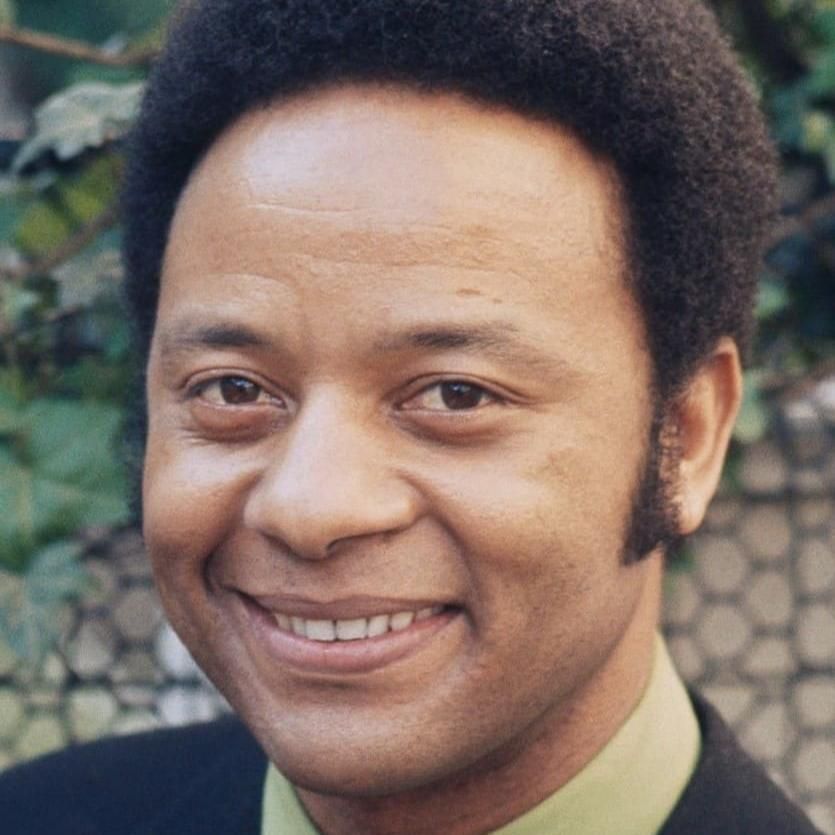
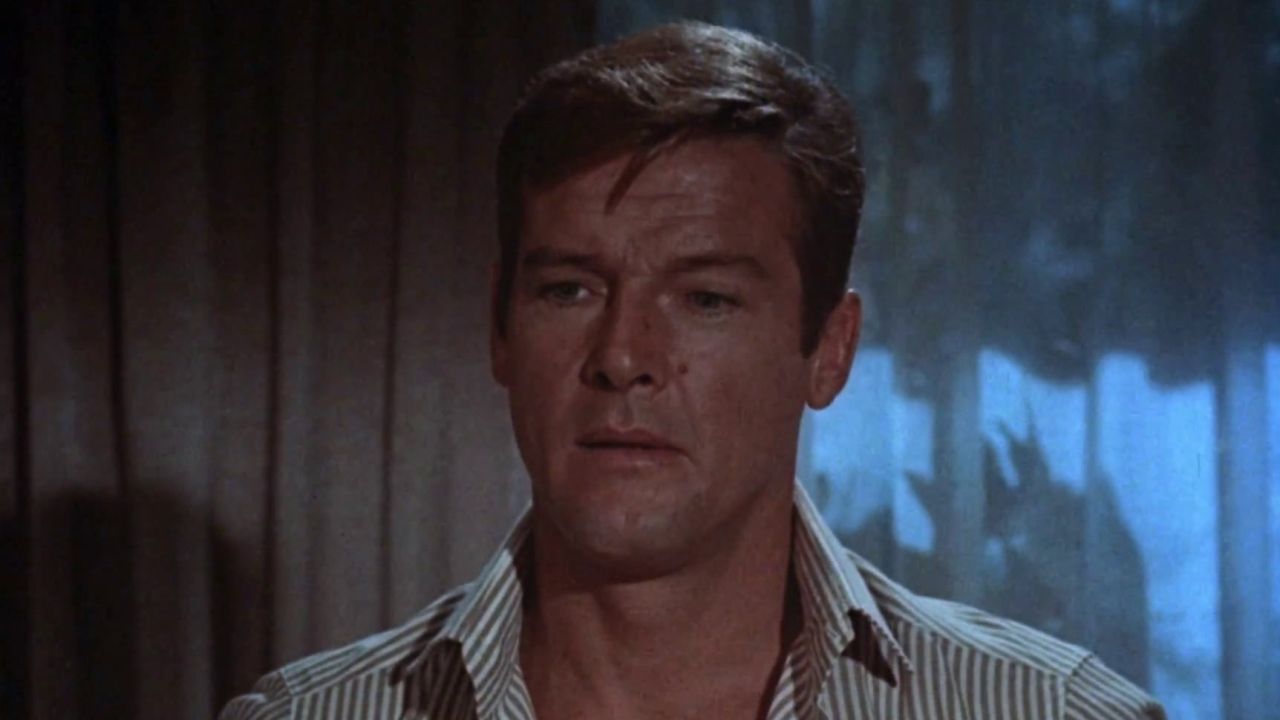
007/死ぬのは奴らだの主要人物はJames Bond (Roger Moore), Kananga/Mr. Big (Yaphet Kotto), Solitaire (Jane Seymour)です。
007/死ぬのは奴らだはGと評価されています。
007/死ぬのは奴らだはAction, Adventure, スリラー映画です。
007/死ぬのは奴らだは、視聴者によって10点満点中6.4点をつけられています。
007/死ぬのは奴らだの予算は$700万です。
007/死ぬのは奴らだの興行収入は$1.3億です。