
Time Team - Ausgrabungen mit den ProfisStaffel 15
A group of archaeologists have 3 days to discover historical artifacts in different sites around Britain.
Time Team - Ausgrabungen mit den Profis • Staffel 15 ansehen bei
13 Folgen
- Gold in the Moat - Codnor Castle, Derbyshire
 F1
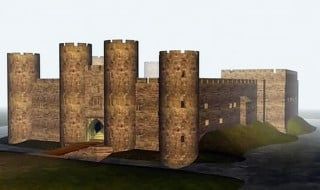
F1Gold in the Moat - Codnor Castle, DerbyshireThe Time team travel to Codnor Castle in Derbyshire to try and piece together the history of the castle that is nearly a 1000 years old. Among a series of wonderful discoveries they find something in the moat that takes everyone's breath away. - Street of the Dead - Binchester, County Durham
 F2
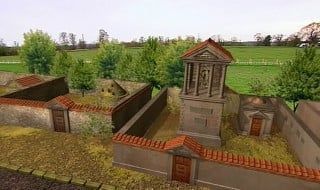
F2Street of the Dead - Binchester, County DurhamTony and the team tackle a huge Roman fort in County Durham. The stronghold was part of the defence of Dere Street, the main Roman road from York to Hadrian's Wall. The fort has fine mosaics and preserved rooms, but the Team have just three days to find out everything they can about the 'vicus', that's the civilian settlement around the fort, vital for the smooth running of the military machine and providing for the pleasures of the men garrisoned there. However, they soon discover something even more exciting during the dig - a series of military mausoleums, the first discovery of its kind for over 150 years. They also discover the remains of food eaten by the descendants of the dead during ritual meals. - Bodies in the Dunes - Barra, Western Isles
 F3
F3Bodies in the Dunes - Barra, Western IslesIn Ireland a series of strange ditch like constructions are investigated to identify who may have built one of the largest promontory forts in Ireland. The Time Team become almost overwhelmed by the amount of finds and what those finds tell us about the builders. - The Naughty Nuns of Northampton - Towcester, Northamptonshire
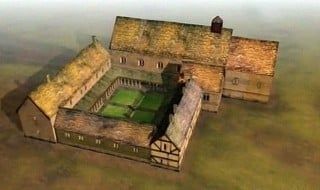 F4
F4The Naughty Nuns of Northampton - Towcester, NorthamptonshireA Northampton family, the Colecloughs live on the site of a 900-year old nunnery with a rather fruity past, which was at various times accused of witchcraft, begging and debauchery. The burial of a much loved family pet provides the curious starting point for an investigation. When eight-year-old Amy Coleclough's cat "Paintpot" died and her father dug a grave, he uncovered a large old wall. So Tony and the team dig up their garden, including a mysterious sarcophagi hidden there. - Mysteries of the Mosaic - Coberley, Gloucestershire
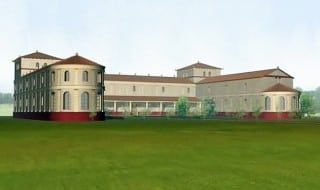 F5
F5Mysteries of the Mosaic - Coberley, GloucestershireTony Robinson and his team unearth the secrets of a Cotswolds field. Hundreds of Roman coins and bits of masonry have been found on this land but it's the chance discovery of a piece of mosaic floor that has really got the archaeologists excited. The great and the good of Roman Britain built their posh houses in the Cotswolds, a sort of ancient stockbroker belt. - Blitzkreig on Shooter’s Hill - South London
 F6
F6Blitzkreig on Shooter’s Hill - South LondonThe Team delve into the very recent past to uncover the hidden archaeology of the biggest British battle that never was: the defence of Britain against a Nazi invasion in 1940. Along the busy main roads and in the quiet back gardens of a London suburb they uncover evidence of anti-tank weapons, secret bunkers and massive flame throwers. - Keeping Up with the Georgians - Hunstrete, Somerset
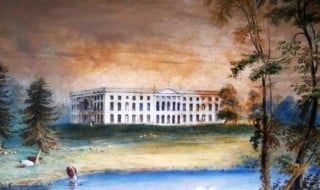 F7
F7Keeping Up with the Georgians - Hunstrete, SomersetThe team descend on a field just outside Bath to investigate the remains of what could have been one of the country's grandest Georgian houses. An impressive set of stone arches is all that remains of the house built 200 years ago by local MP Sir Francis Popham, but a couple of paintings show the building in its prime. - Saxons on the Edge - Stonton Wyville, Leicestershire
 F8
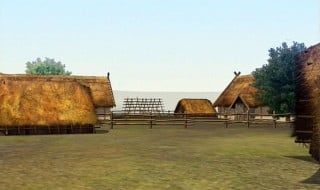
F8Saxons on the Edge - Stonton Wyville, LeicestershireAn unassuming field in Leicestershire provides the team with a prize that has eluded them for 15 years. In a first for the programme, Tony Robinson and the team finally uncover the rarest of archaeological finds: an Anglo Saxon settlement and, in an attempt to discover the true origin of Britain's most famous Wessex Man, Phil Harding undergoes a DNA test to establish where his ancestors came from. - Fort of the Earls - Dungannon, Northern Ireland
 F9
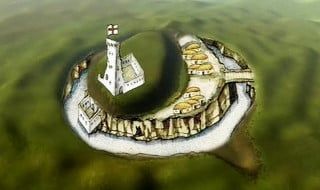
F9Fort of the Earls - Dungannon, Northern IrelandThe team visit Northern Ireland to locate one of the most important sites in Anglo-Irish history. A hilltop castle above the city of Dungannon, stronghold of the powerful O' Neill clan, was seized by English forces in 1602, setting off events that would cause unrest in the two countries for centuries to come, the same hill was a top secret British Army base for the last 50 years. - From Constantinople To Cornwall - Padstow, North Cornwall
 F10
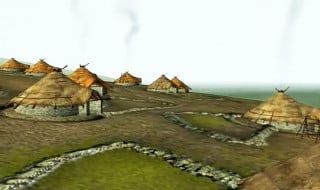
F10From Constantinople To Cornwall - Padstow, North CornwallCornwall is probably not the first place that springs to mind when thinking about the Roman and Byzantine Empires but in a field overlooking a cove, just a mile down river from the famous Cornish village of Padstow, locals have picked up a wealth of 1,500-year-old pottery and metalwork from as far away as North Africa and Turkey. Geophysics results suggest an Iron Age village may have once been located on the site, but archaeologists think the cove may have also been a port for Mediterranean traders. The team dig for evidence which will support the theory, and after three days of work and initial difficulties, they believe they know how the site looked in its prime. - Five Thousand Tons of Stone - Hamsterley, County Durham
 F11
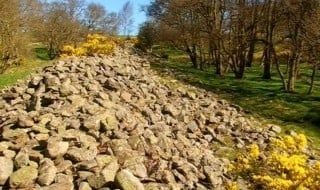
F11Five Thousand Tons of Stone - Hamsterley, County DurhamThe Time Team travel to County Durham to investigate the origins of a mysterious large stone structure which has had locals baffled for centuries. The stone structure is known locally as The Castles, its five-metre thick walls enclose a space the size of a football pitch.With guesses ranging from an Iron Age farm to a Roman prison, Tony Robinson and the team attempt to come up with a definitive answer. - The Romans Recycle - Wickenby, Lincolnshire
 F12
F12The Romans Recycle - Wickenby, LincolnshireTony Robinson and his intrepid team of archaeologists head off the beaten track in Lincolnshire to discover why a metal detector enthusiast has discovered hundreds of Roman and Iron Age artefacts in a muddy field. Add to that the mysterious Roman columns strewn around the surrounding village and the team have a challenging three days to come up with some answers. As the dig progresses, the evidence mounts to suggest that the local Roman population were conscious of the need to recycle. - Hunting King Harold - Portskewett, South Wales
 F13
F13Hunting King Harold - Portskewett, South WalesInvited by a local petition to investigate this field which was scheduled in 1928 and untouched. From the Saxon chronicle, it is known that King Harold built a hunting lodge in 1065 after defeating the Welsh. The Team attempt to find evidence of Saxon presence.