Primal

Primal
In einer Vorzeit, in der Spezies zusammenleben, die in der Realität nie zusammen existiert haben, trifft der Höhlenmensch Speer auf den Tyrannosaurus Reißzahn und die beiden bilden nach Anfangsschwierigkeiten eine ungewöhnliche Allianz, um in einer gewalttätigen und feindlichen Welt bestehen zu können.

EnochLight rezensierte
25. Januar 2026•
I am well aware that Genndy Tartakovsky has a devoted, almost reverential fanbase, as well as a much larger group of casual admirers. I firmly fall into the latter category. My exposure to his work was limited, and for years effectively frozen in time at 2003’s "Star Wars: Clone Wars" micro-series—a project I remember enjoying immensely, and frankly more than any Star Wars output produced under Disney in the past decade or more.
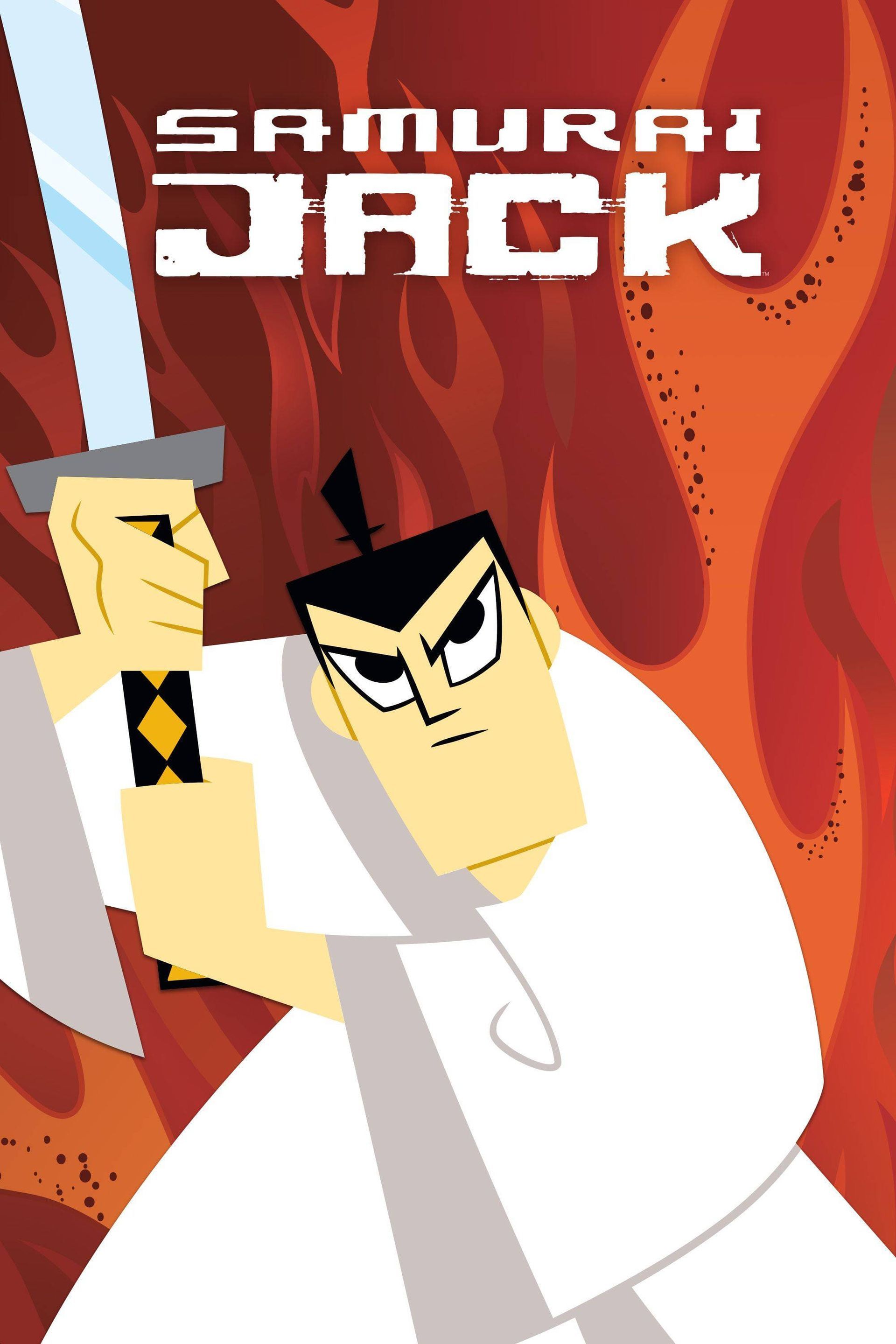
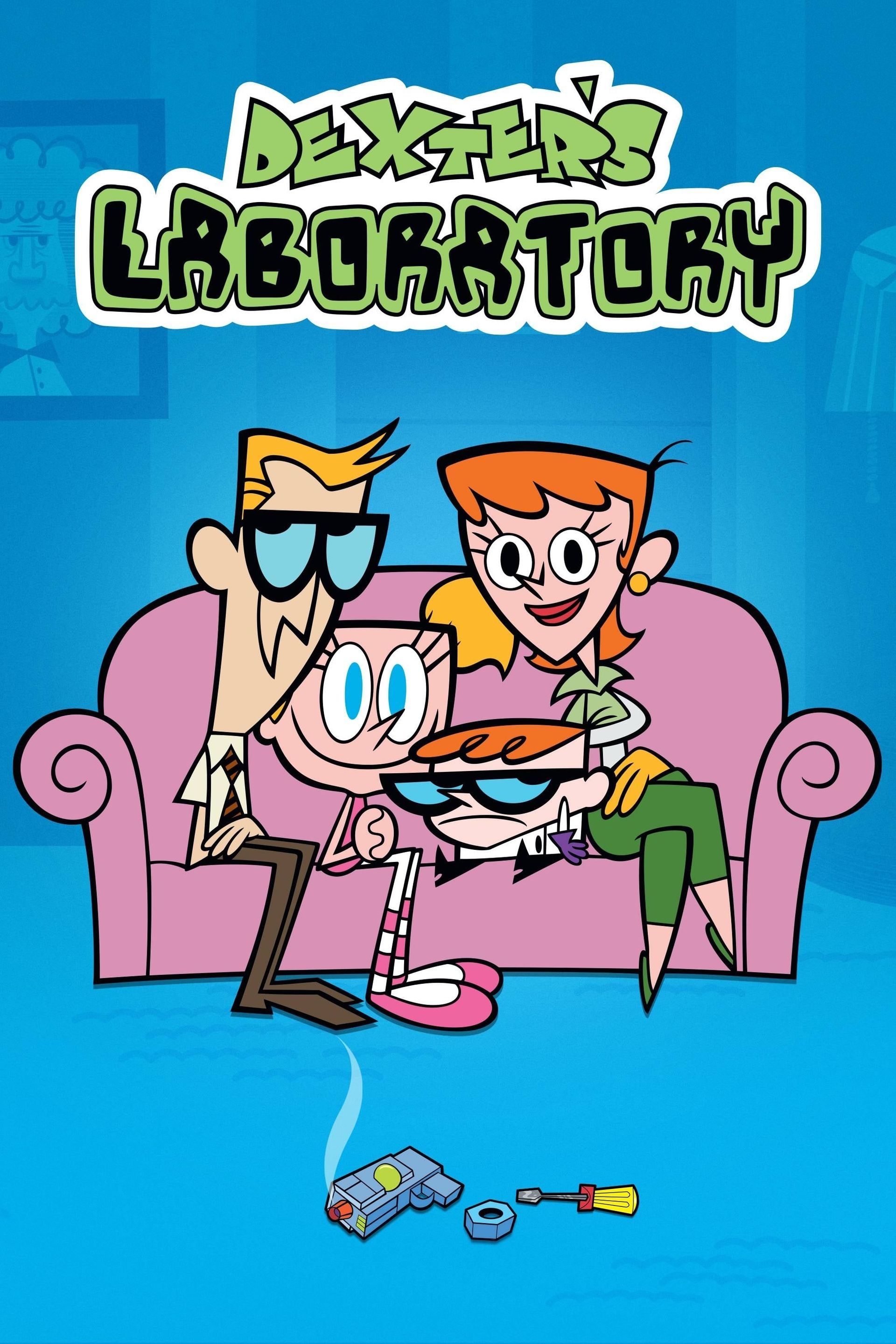
What stood out then, and remains a defining hallmark of Tartakovsky’s work, was his confidence in visual storytelling. "Clone Wars" relied on minimal dialogue, yet conveyed weight, momentum, and genuine drama purely through motion, framing, and pacing. That approach was not an experiment—it was the culmination of a career built on animation fundamentals. Tartakovsky, a Russian-born animator who emigrated to the U.S. as a child, made his name with "Dexter’s Laboratory", "Samurai Jack", and - as mentioned earlier - "Star Wars: Clone Wars", consistently pushing the idea that animation could communicate more by showing less.
Fast forward more than two decades, and I stumbled across an enthusiastic write-up praising "PRIMAL", Tartakovsky’s Adult Swim series that debuted in 2019 and appeared to conclude in 2022—until a surprise third season arrived in 2026, continuing the story where it left off. Once I learned that "PRIMAL" was unapologetically adult in nature—violent, bloody, and mythic—blending fantasy prehistory with magic in a way that felt like the lovechild of John Milius' "Conan the Barbarian" and Jean-Jacques Annaud's "Quest for Fire", I was immediately on board.
This is not a series for the faint of heart. "PRIMAL" is brutally graphic at times, but what makes it remarkable is how much emotional depth exists beneath the gore. Tartakovsky’s mastery of dialogue-free storytelling is on full display here. Entire stretches of the show consist of characters simply moving through the world—walking, observing, surviving. Long, quiet sequences of travel and stillness give the audience room to breathe and reflect. These moments are not filler; they are the backbone of the show’s meditative tone and emotional resonance.
For all its savagery, "PRIMAL" is surprisingly heartfelt. It is a story about loss, endurance, and connection, told almost entirely through animation language rather than words. This is where Tartakovsky’s decades of experience truly pay off—his understanding of composition, timing, and physical performance allows him to extract profound meaning from silence.
If you are drawn to dialogue-free drama that balances relentless action with long stretches of contemplative calm—and if you have any affection for wildly anachronistic prehistoric fantasy loaded with magic and sorcery—"PRIMAL" is absolutely worth your time. Cave men riding dinosaurs? Yes. Witch covens? Absolutely. Zombies? Why not. It is visceral, strange, and often beautiful. Give it a chance.
EnochLight rezensierte
25. Januar 2026•
I am well aware that Genndy Tartakovsky has a devoted, almost reverential fanbase, as well as a much larger group of casual admirers. I firmly fall into the latter category. My exposure to his work was limited, and for years effectively frozen in time at 2003’s "Star Wars: Clone Wars" micro-series—a project I remember enjoying immensely, and frankly more than any Star Wars output produced under Disney in the past decade or more.
What stood out then, and remains a defining hallmark of Tartakovsky’s work, was his confidence in visual storytelling. "Clone Wars" relied on minimal dialogue, yet conveyed weight, momentum, and genuine drama purely through motion, framing, and pacing. That approach was not an experiment—it was the culmination of a career built on animation fundamentals. Tartakovsky, a Russian-born animator who emigrated to the U.S. as a child, made his name with "Dexter’s Laboratory", "Samurai Jack", and - as mentioned earlier - "Star Wars: Clone Wars", consistently pushing the idea that animation could communicate more by showing less.
Fast forward more than two decades, and I stumbled across an enthusiastic write-up praising "PRIMAL", Tartakovsky’s Adult Swim series that debuted in 2019 and appeared to conclude in 2022—until a surprise third season arrived in 2026, continuing the story where it left off. Once I learned that "PRIMAL" was unapologetically adult in nature—violent, bloody, and mythic—blending fantasy prehistory with magic in a way that felt like the lovechild of John Milius' "Conan the Barbarian" and Jean-Jacques Annaud's "Quest for Fire", I was immediately on board.
This is not a series for the faint of heart. "PRIMAL" is brutally graphic at times, but what makes it remarkable is how much emotional depth exists beneath the gore. Tartakovsky’s mastery of dialogue-free storytelling is on full display here. Entire stretches of the show consist of characters simply moving through the world—walking, observing, surviving. Long, quiet sequences of travel and stillness give the audience room to breathe and reflect. These moments are not filler; they are the backbone of the show’s meditative tone and emotional resonance.
For all its savagery, "PRIMAL" is surprisingly heartfelt. It is a story about loss, endurance, and connection, told almost entirely through animation language rather than words. This is where Tartakovsky’s decades of experience truly pay off—his understanding of composition, timing, and physical performance allows him to extract profound meaning from silence.
If you are drawn to dialogue-free drama that balances relentless action with long stretches of contemplative calm—and if you have any affection for wildly anachronistic prehistoric fantasy loaded with magic and sorcery—"PRIMAL" is absolutely worth your time. Cave men riding dinosaurs? Yes. Witch covens? Absolutely. Zombies? Why not. It is visceral, strange, and often beautiful. Give it a chance.