True DetectiveSæson 3
15
84%59%
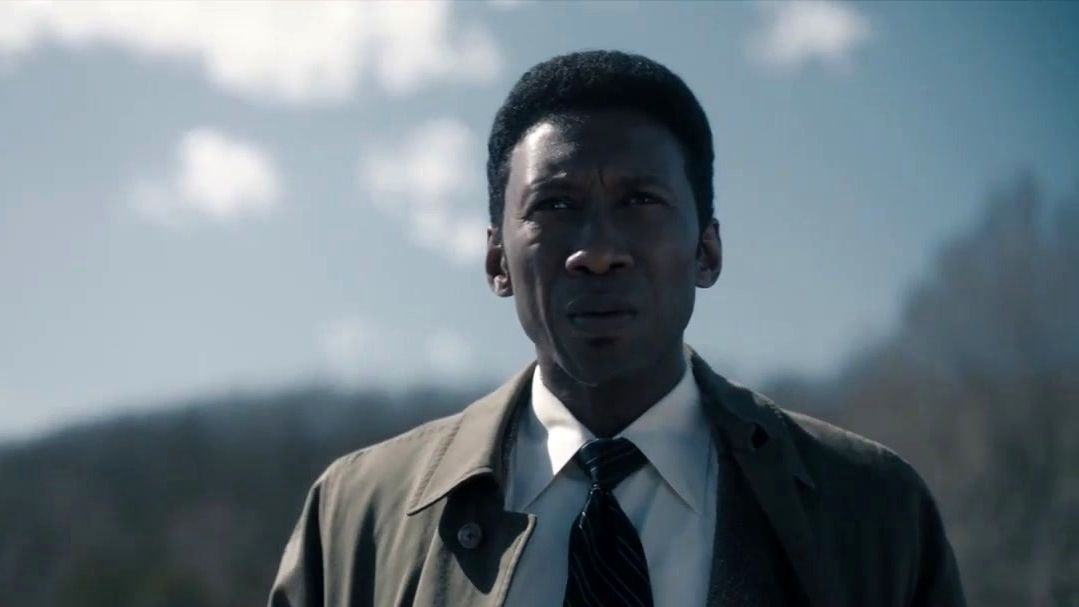
Season 3 tells the story of a macabre crime involving two missing children in the heart of the Ozarks, a mystery that deepens over decades and plays out in three separate time periods.
Hvor man kan se True Detective • Sæson 3


8 episoder
- The Great War and Modern Memory
 E1
E1The Great War and Modern MemoryI 1980 forsvinder to søskende sporløst. For politimanden Wayne Hays og hans makker Roland West starter sagen som en rutineopgave. Men 35 år senere er der stadig flere spørgsmål end svar, og selv om Hays' hukommelse er begyndt at svigte, gør den nu pensionerede politimand endnu et forsøg på at komme til bunds i den tragiske sag. - Kiss Tomorrow Goodbye
 E2
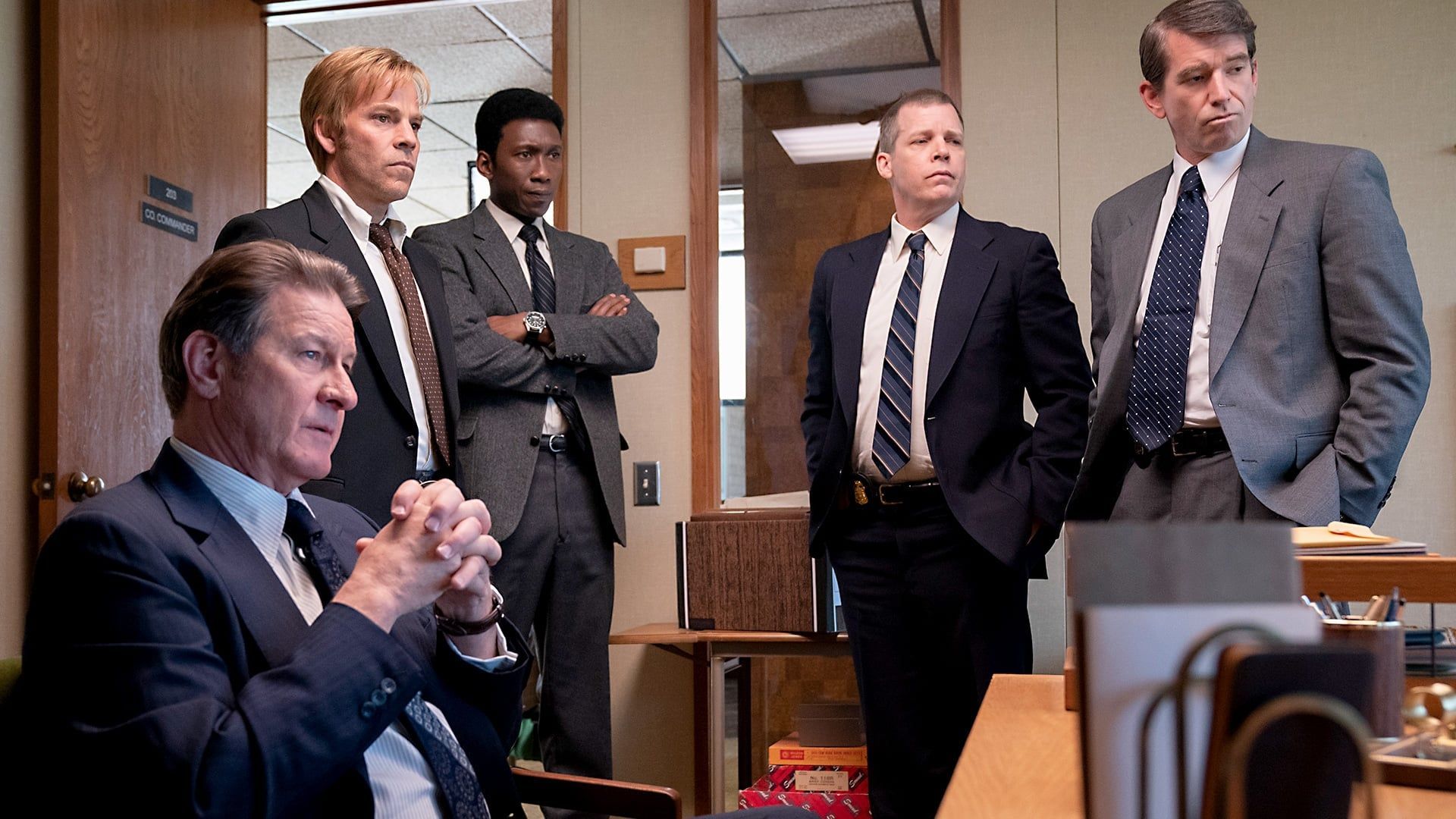
E2Kiss Tomorrow GoodbyePolitimanden Wayne Hays ser tilbage på sagen om Will og Julie Purcell. Kort efter de to søskende forsvandt, er sagen blevet til en drabssag. Vietnamveteran Woodard og den pædofilidømte LaGrange kommer i søgelyset. Men samtidig modtager børnenes forældre et gådefuldt brev fra en ukendt afsender. - The Big Never
 E3
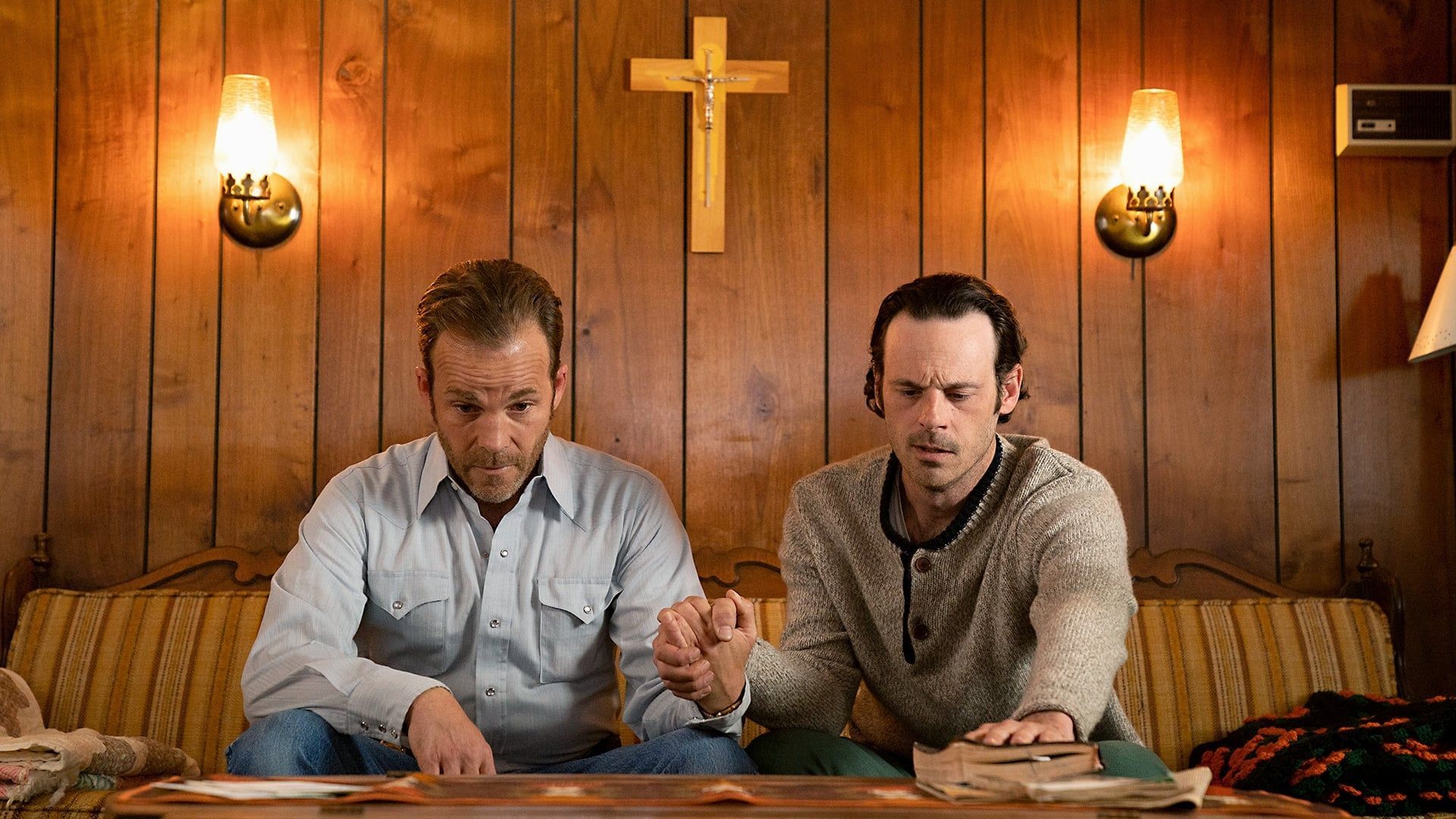
E3The Big NeverEfter 35 år nages Wayne Hays stadig af sagen om Will og Julie Purcell. Han ser tilbage på sit sværmeri med Amelia, men også på de problemer, deres forhold løb ind i, efter de blev gift og fik børn. Ti år efter Will og Julie blev bortført, dukker der nye beviser op. Det giver Hays en chance for at kaste et nyt blik på sagen. - If You Have Ghosts
 E5
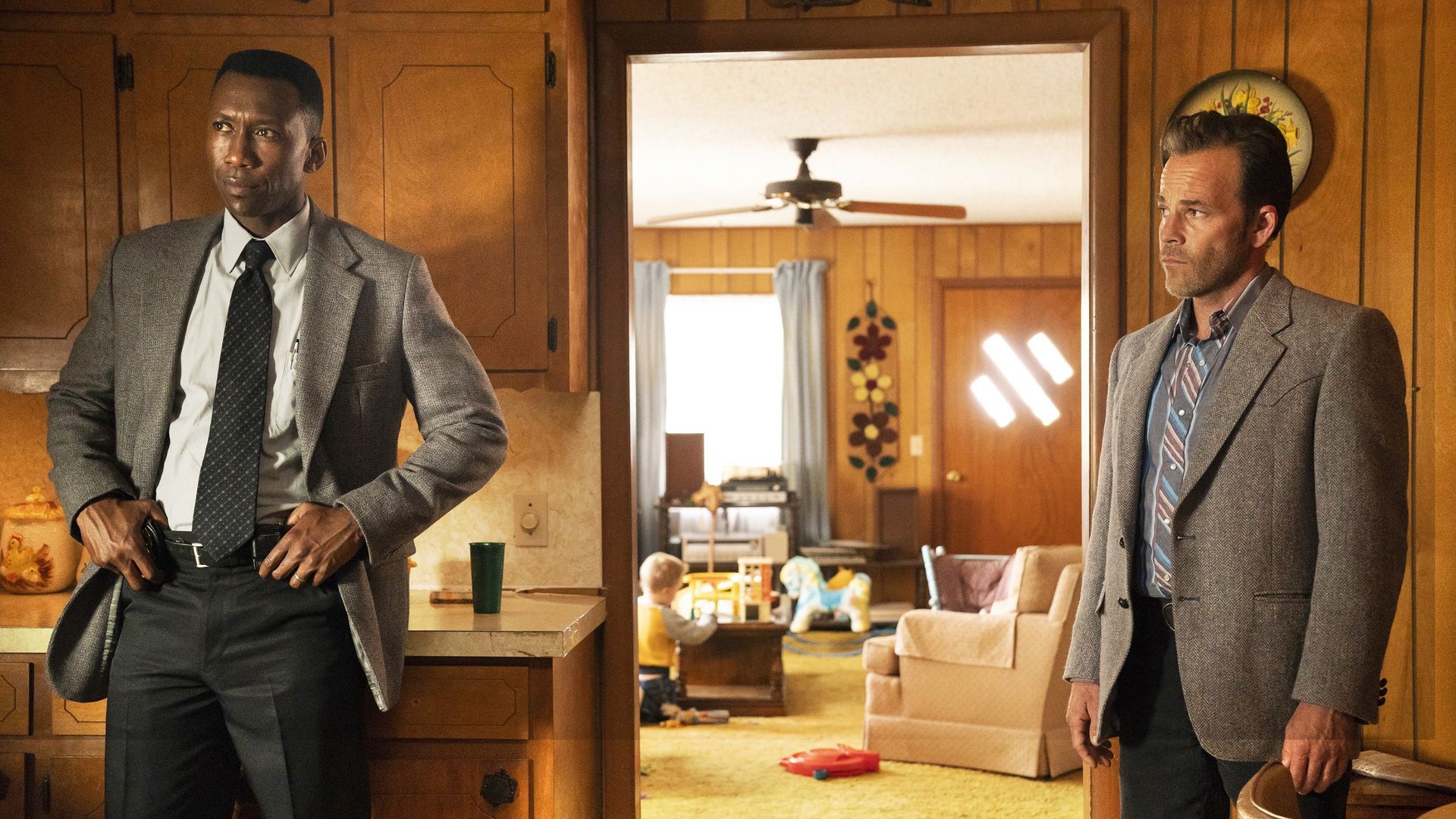
E5If You Have GhostsWayne finds himself in a no-win situation as new clues emerge in the Purcell case. Roland wrestles with how to keep evidence secure as lawyers demand a new investigation. Amelia finds her relationship with Wayne imperiled by her writing aspirations and his jealousy.
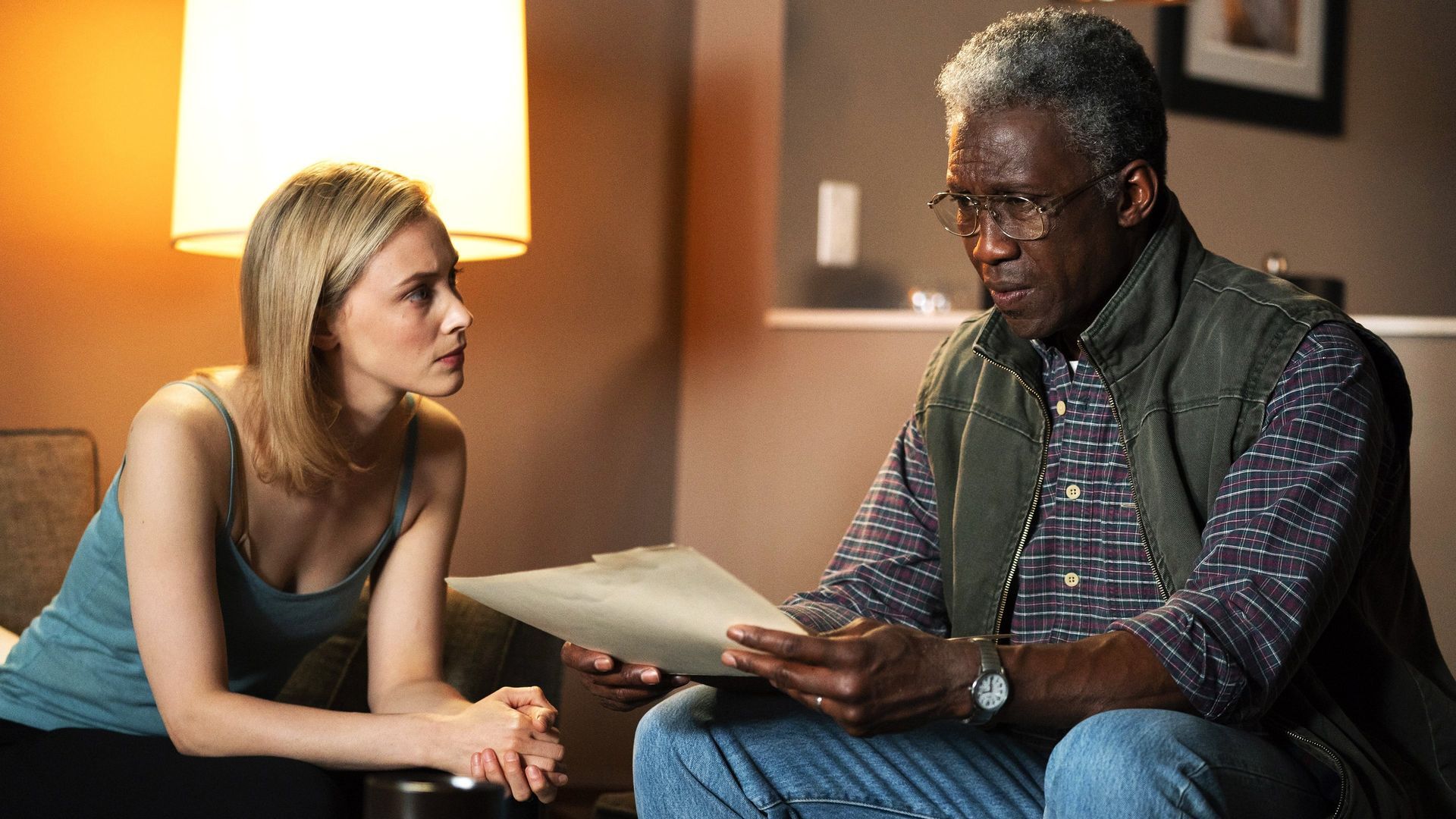
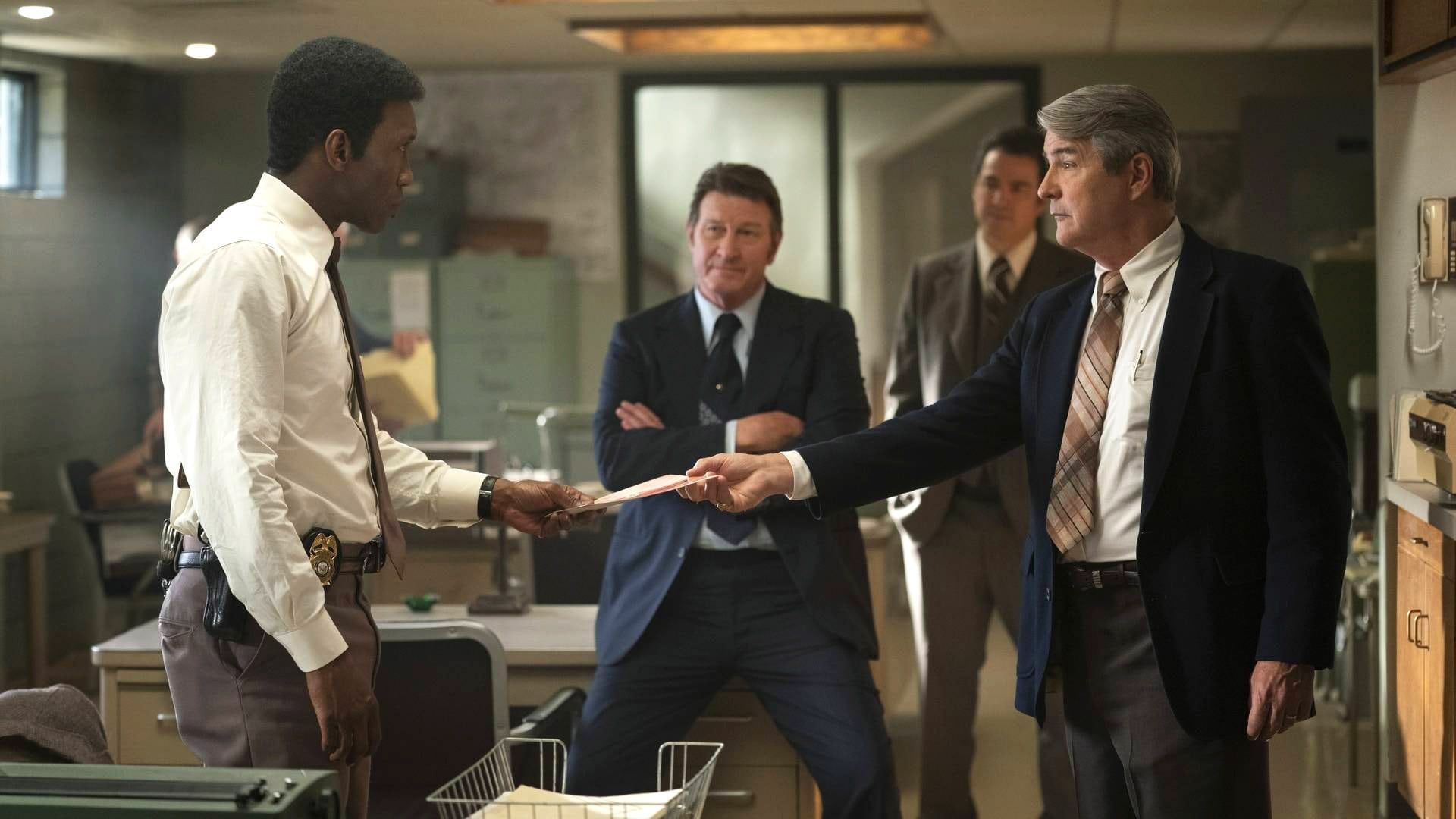
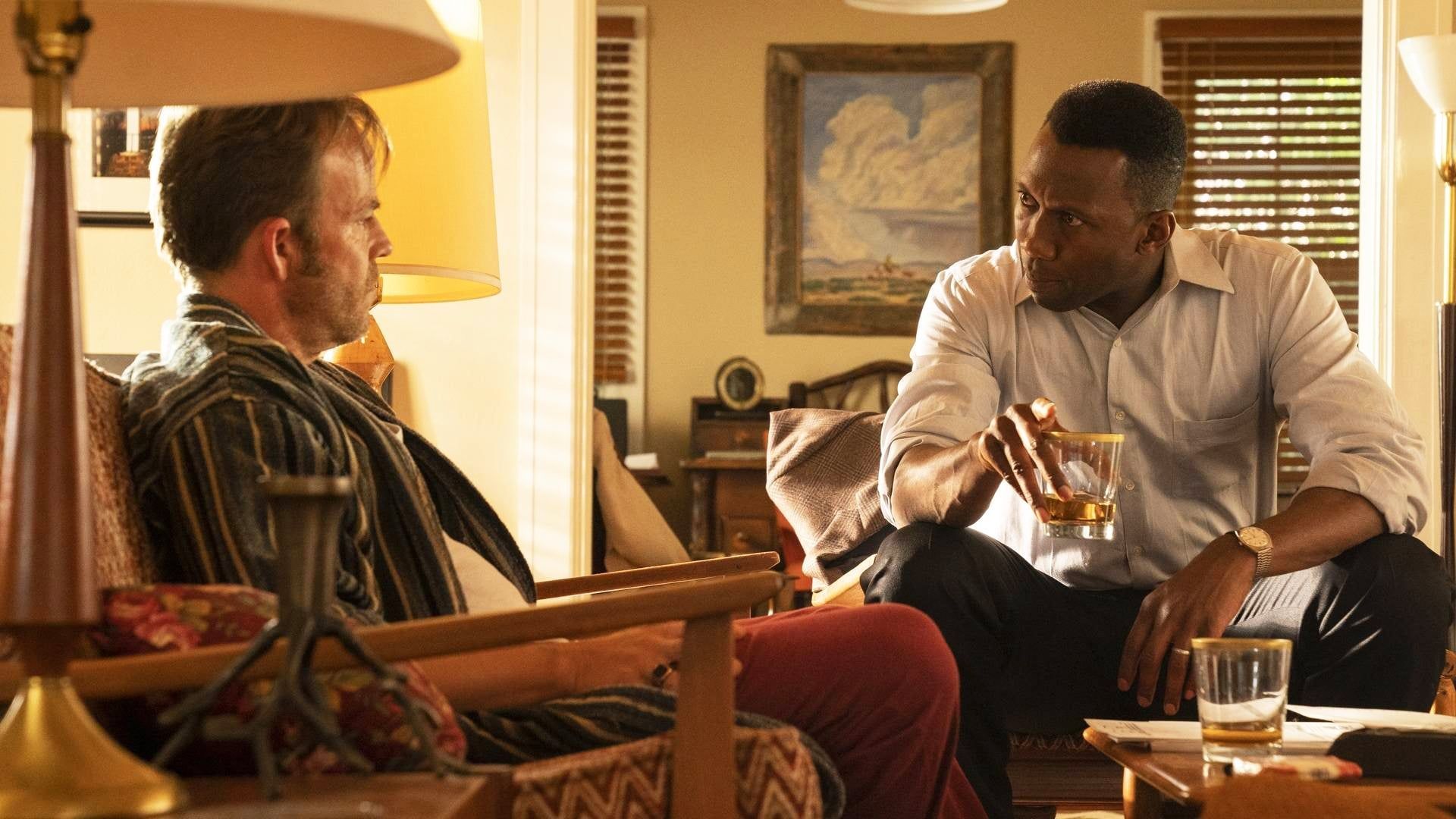
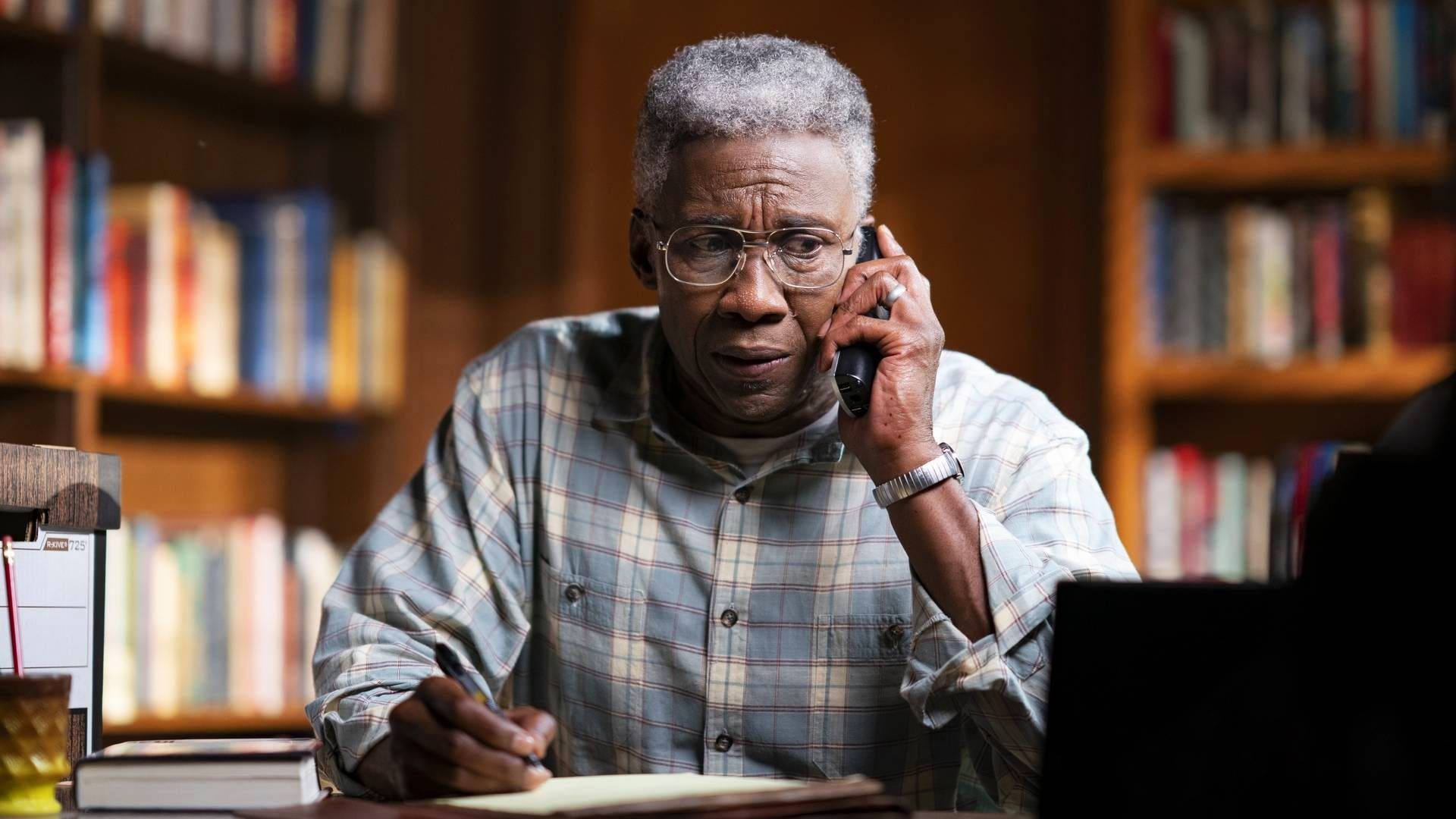







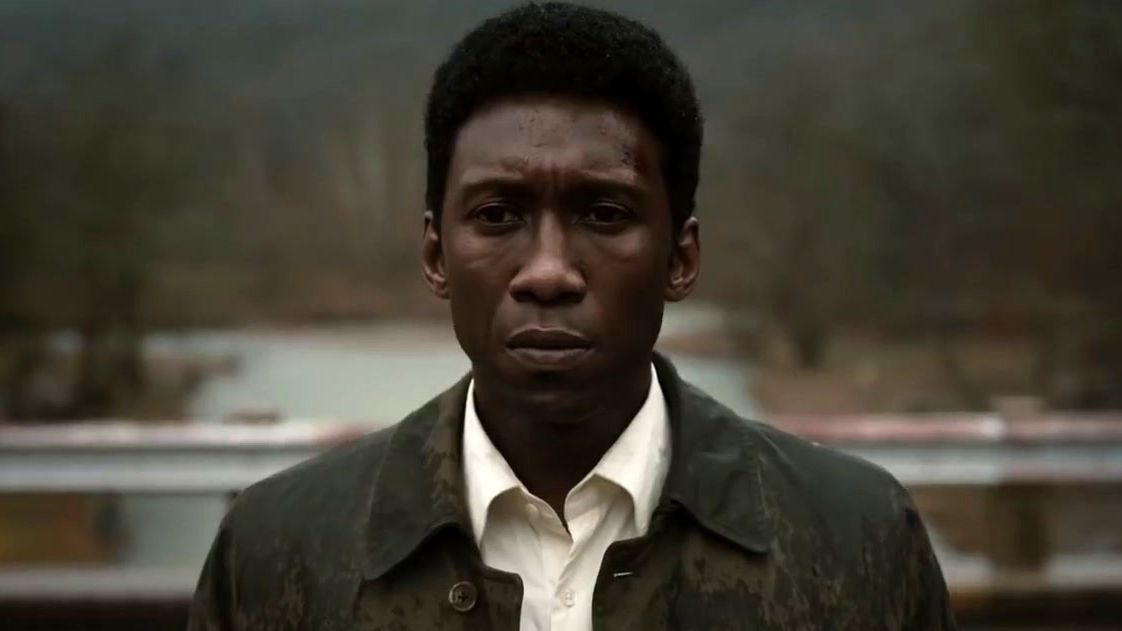
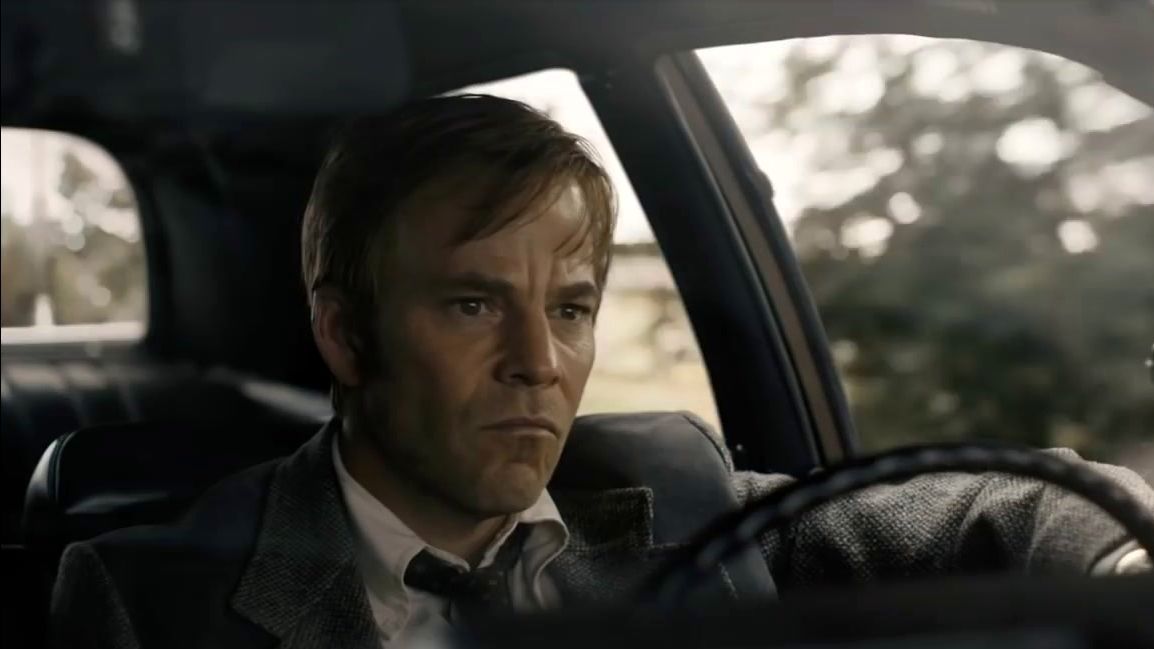
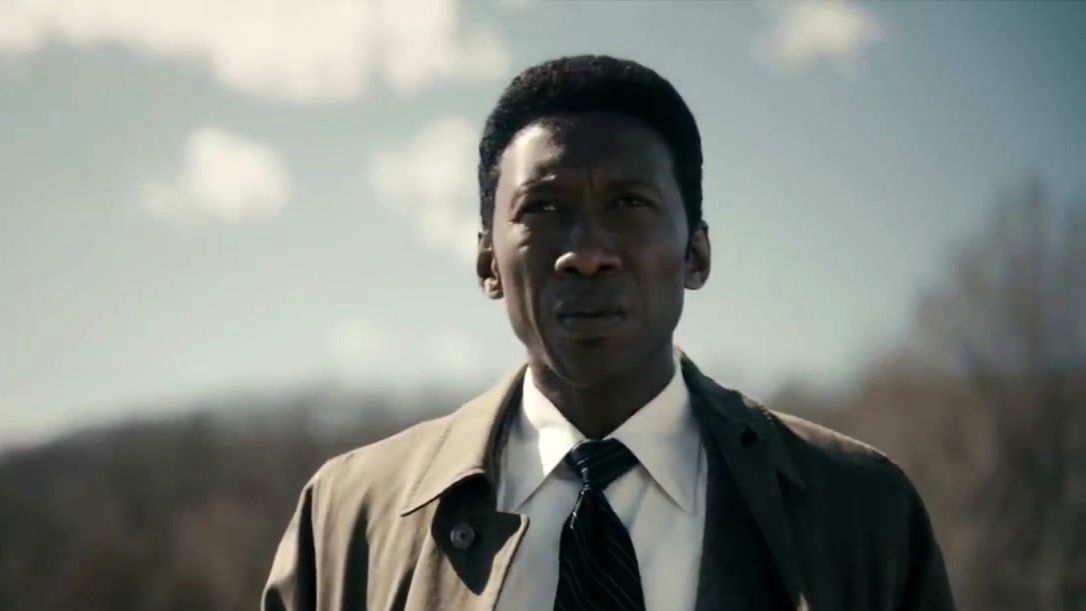
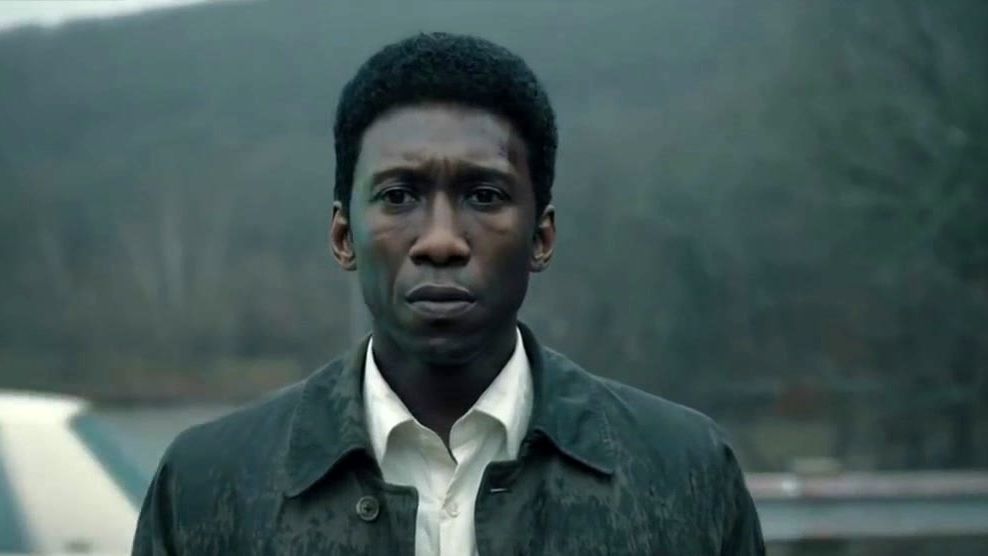
- C21815. maj 2026True Detective — Season 3 — is a deeply melancholic, emotionally mature return to form that trades the mythic nihilism of Season 1 and the sprawling noir fatalism of Season 2 for something quieter, sadder, and ultimately more humane. It’s less interested in cosmic evil or systemic corruption than in memory itself: how people reconstruct the past, how grief reshapes identity, and how time slowly erodes certainty while leaving emotional wounds intact. Created by Nic Pizzolatto, the season follows Arkansas detective Wayne Hays across three timelines — 1980, 1990, and 2015 — as he investigates the disappearance of two children while struggling decades later with deteriorating memory and advancing age. Structurally, the season deliberately echoes Season 1: two detectives, a long-unsolved case, fragmented timelines, philosophical undercurrents. But emotionally, Season 3 becomes its own distinct work almost immediately. At the center is an extraordinary performance from Mahershala Ali. Wayne Hays is one of the anthology’s richest protagonists because he feels profoundly human rather than mythologized. Unlike Rust Cohle’s overwhelming philosophical intensity or Ray Velcoro’s noir self-destruction, Wayne is deeply internalized — perceptive, emotionally guarded, quietly wounded. Ali’s performance across multiple decades is astonishingly nuanced. Through posture, silence, eye movement, and subtle vocal shifts, he transforms Wayne into a man slowly losing not just memory, but continuity between versions of himself. The season’s greatest achievement is how it turns memory into both subject and structure. The fragmented timeline isn’t a narrative gimmick; it reflects Wayne’s psychological experience directly. Past and present bleed together. Emotional moments echo across decades. Tiny details gain devastating significance later. The audience experiences time the way Wayne increasingly does: unstable, emotionally loaded, incomplete. Stephen Dorff is equally essential as Roland West. Their partnership becomes one of the anthology’s strongest relationships because it feels lived-in rather than theatrically dramatic. Roland provides warmth, humor, frustration, and unwavering loyalty, grounding the season emotionally whenever Wayne drifts into isolation or confusion. Dorff’s understated performance is one of the great hidden strengths of the season. The emotional core of the season also depends heavily on Carmen Ejogo as Amelia Reardon. Amelia isn’t simply a supporting spouse character; she represents another way of understanding truth — through storytelling, empathy, and emotional interpretation rather than pure investigation. Her marriage with Wayne is written with unusual maturity and complexity, full of intimacy, tension, intellectual connection, and unresolved emotional distance. Visually, Season 3 is beautiful in a restrained, mournful way. Arkansas becomes a landscape of fading memory: wooded roads, modest homes, schools, empty bars, foggy mornings, quiet neighborhoods. Unlike Season 1’s gothic nightmare imagery or Season 2’s industrial-noir wastelands, the atmosphere here feels elegiac rather than oppressive. Thematically, the season is obsessed with: Memory as both preservation and distortion. Aging as emotional disorientation. The stories people tell themselves to survive grief. The inability of truth alone to heal trauma. Friendship and love as fragile forms of continuity against time. Importantly, the season also engages race and class more thoughtfully than previous entries. Wayne’s experience as a Black detective in Arkansas subtly shapes the world around him without reducing the character to thematic symbolism. One of the most impressive aspects of Season 3 is its patience. The show refuses sensationalism. It understands that emotional devastation often arrives quietly — through forgotten details, aging faces, unresolved conversations, and the realization that entire decades have slipped away. The season’s ending is especially powerful because it resists overcomplication. Unlike viewers expecting another sprawling conspiracy or mythic horror reveal, Season 3 resolves on a deeply human scale. The mystery matters less than the emotional cost of carrying it across a lifetime. That restraint may frustrate some audiences. Compared to Season 1, the season lacks the same overwhelming cultural impact, philosophical fireworks, and mythic intensity. Certain structural similarities to the first season occasionally feel overly deliberate, especially early on. And viewers seeking fast-paced thriller momentum may find the pacing too meditative. But emotionally, Season 3 may actually be the anthology’s richest and most compassionate season. Where Season 1 stared into cosmic darkness and Season 2 into systemic corruption, Season 3 looks directly at time itself — and finds both heartbreak and fragile grace there. Rating: ★★★★★ (5/5) A haunting, emotionally profound masterpiece of memory and identity, elevated by Mahershala Ali’s extraordinary performance and some of the most mature storytelling in modern television.