
Willy Holt
Skuespiller
30. november 1921 — 22. juni 2007 (85 år)
Willy Holt (30 November 1921 – 22 June 2007) was an American production designer, art director and actor who lived in France for many years. He was nominated for an Academy Award in the category Best Art Direction for the film Is Paris Burning?, and won a César Award for Best Production Design for Au revoir, les enfants.
Willy Holt was born in Quincy, Florida, in 1921, the son of an American military photographer and his French wife. After his parents divorced his mother returned with him to her home country, where he was naturalised as a French citizen in 1923. He graduated with a baccalauréat from the Lycée Fermat in Toulouse during the early years of the Occupation.
Holt was married for four years to the actress Micheline Bourday, subsequently marrying the actress Martine Pascal in 1958. He and Pascal had two children.
Holt was a member of the French Resistance and was arrested at Grenoble railway station in December 1943 while transferring money on behalf of anti-Nazi Resistance fighters. He was interned at Auschwitz, via the Drancy internment camp. He survived the death march from Auschwitz to Buchenwald, where he was one of those liberated on 13 April 1945. Holt wrote about his wartime experiences in his 1995 book Femmes en deuil sur camion.
After briefly working as a fashion designer, Holt was hired to work in television in 1946. His set designs for several television shows led to further work in cinema, initially as an art director.
As befitted his Franco-American origins, Holt worked on several productions in both countries, collaborating with a number of internationally renowned film directors such as John Frankenheimer, Stanley Donen, Otto Preminger, Robert Parrish, Fred Zinnemann, Bertrand Blier, Woody Allen, Michael Ritchie, Louis Malle and Roman Polanski.
Source: Article "Willy Holt" from Wikipedia in English, licensed under CC-BY-SA 3.0.
Willy Holt was born in Quincy, Florida, in 1921, the son of an American military photographer and his French wife. After his parents divorced his mother returned with him to her home country, where he was naturalised as a French citizen in 1923. He graduated with a baccalauréat from the Lycée Fermat in Toulouse during the early years of the Occupation.
Holt was married for four years to the actress Micheline Bourday, subsequently marrying the actress Martine Pascal in 1958. He and Pascal had two children.
Holt was a member of the French Resistance and was arrested at Grenoble railway station in December 1943 while transferring money on behalf of anti-Nazi Resistance fighters. He was interned at Auschwitz, via the Drancy internment camp. He survived the death march from Auschwitz to Buchenwald, where he was one of those liberated on 13 April 1945. Holt wrote about his wartime experiences in his 1995 book Femmes en deuil sur camion.
After briefly working as a fashion designer, Holt was hired to work in television in 1946. His set designs for several television shows led to further work in cinema, initially as an art director.
As befitted his Franco-American origins, Holt worked on several productions in both countries, collaborating with a number of internationally renowned film directors such as John Frankenheimer, Stanley Donen, Otto Preminger, Robert Parrish, Fred Zinnemann, Bertrand Blier, Woody Allen, Michael Ritchie, Louis Malle and Roman Polanski.
Source: Article "Willy Holt" from Wikipedia in English, licensed under CC-BY-SA 3.0.


Filmografi
| 1999 | The Ninth Gate · as Andrew TelferPå Plex |
| 1998 | Place Vendôme · as Cast |
| 1983 | Zelig · as Rally Chancellor |
| 1981 | To Kill a Cop · as L'homme Qui A Tué Fanch Tanguy |
| 1976 | César Awards · as Self - Winner |
| 1996 | My Man · as Production Design |
| 1993 | Thirst for Gold · as Production Design |
| 1992 | Bitter Moon · as Production Design |
| 1991 | La pagaille · as Production Designer |
| 1990 | May Fools · as Production Design |
| 1987 | Au Revoir Les Enfants · as Production Design |
| 1986 | A State of Emergency · as Production Design |
| 1985 | Target · as Production Design |
| 1985 | Les enragés · as Production Design |
| 1983 | Gramps Is in the Resistance · as Production Designer |
| 1983 | A Friend of Vincent · as Production Design |
| 1983 | Tout le monde peut se tromper · as Production Designer |
| 1983 | The Ruffian · as Production Design |
| 1982 | Five Days One Summer · as Production Design |
| 1982 | Santa Claus Is a Stinker · as Production Design |
| 1981 | Dead Certain · as Production Design |
| 1981 | Une robe noire pour un tueur · as Production Designer |
| 1979 | The Other One's Mug · as Production Design |
| 1979 | An Almost Perfect Affair · as Art Direction |
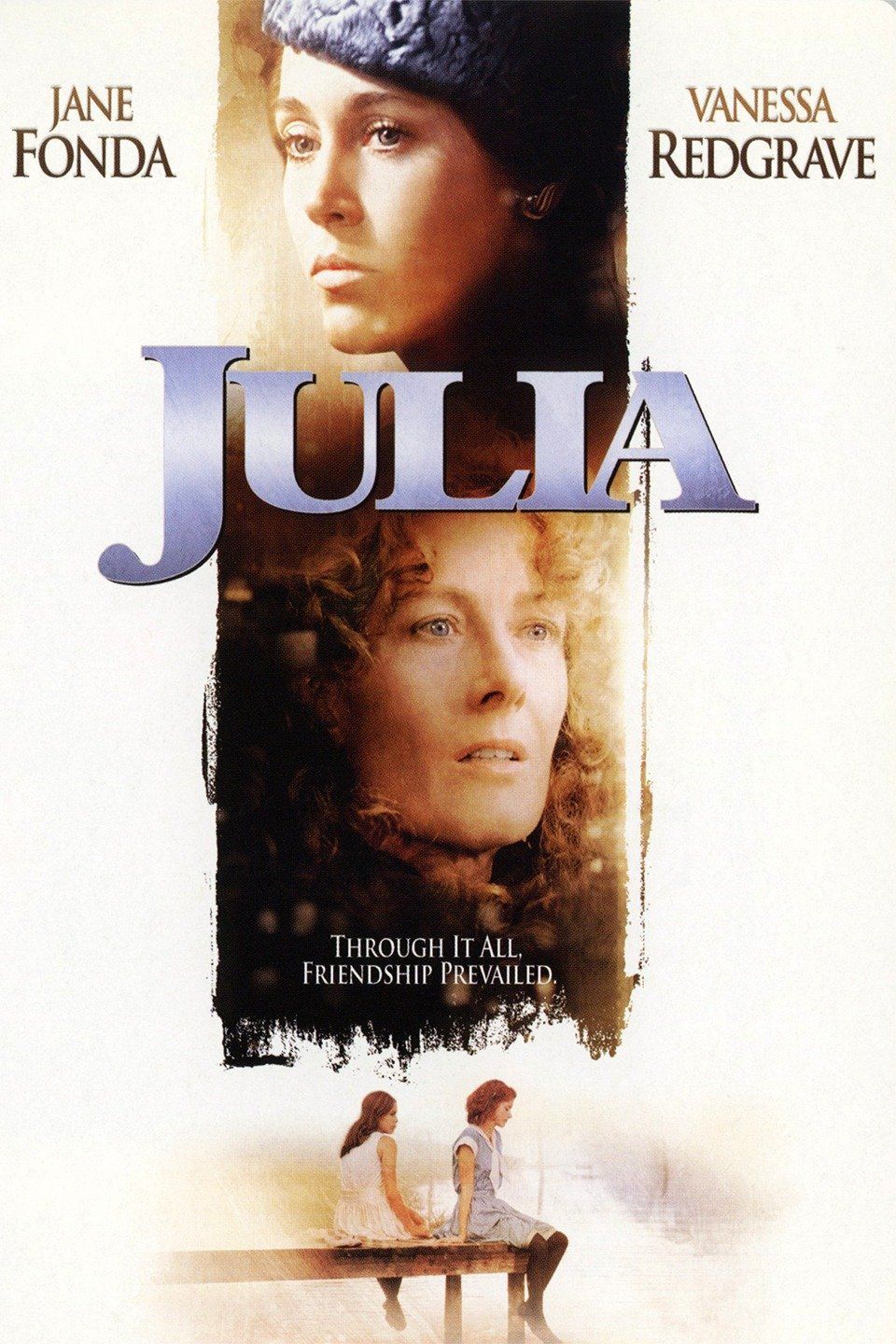
| 1977 | Julia · as Production Design |
| 1977 | L'homme pressé · as Production Designer |
| 1976 | Maxim's Porter · as Production Designer |
| 1976 | Boomerang · as Production Designer |
| 1975 | The Gypsy · as Production Design |
| 1975 | Love and Death · as Art Direction |
| 1975 | Rosebud · as Production Designer |
| 1974 | The Destructors · as Production Design |
| 1974 | The Down-in-the-Hole Gang · as Production Design |
| 1972 | The Annuity · as Production Design |
| 1971 | The Swashbuckler · as Production Designer |
| 1971 | Arsène Lupin · as Production Designer |
| 1970 | The Lady in the Car with Glasses and a Gun · as Art Direction |
| 1969 | Staircase · as Art Direction |
| 1968 | The Sergeant · as Production Design |
| 1967 | Two for the Road · as Art Direction |
| 1967 | Deux Romains en Gaule · as Set Decorator |
| 1966 | Is Paris Burning? · as Production Design |
| 1966 | At the Theater Tonight · as Production Designer |
| 1965 | Up from the Beach · as Production Designer |
| 1964 | The Train · as Production Design |
| 1954 | Sleeping Beauty · as Production Designer |