
Shūsaku Endō
Forfatter, Skuespiller, Producer
27. marts 1923 — 29. september 1996 (73 år)
Endō Shūsaku, (born March 27, 1923, Tokyo, Japan—died Sept. 29, 1996, Tokyo), Japanese novelist noted for his examination of the relationship between East and West through a Christian perspective.
Endō became a Roman Catholic at age 11 with the encouragement of his mother and an aunt. At Keio University he majored in French literature (B.A., 1949), a subject he studied from 1950 to 1953 at the University of Lyon in France. His first collections of fiction, Shiroi hito and Kiiroi hito (both 1955; “White Man” and “Yellow Man”), indicate the direction of most of his later fiction: they contrast Japanese and Western experience and perspectives. In Umi to dokuyaku (1957; The Sea and Poison), he examines the Japanese sense of morality in a war story about Japanese doctors performing a vivisection on a downed American pilot. One of Endō’s most powerful novels, Chimmoku (1966; Silence), is a fictionalized account of Portuguese priests who traveled to Japan and the subsequent slaughter of their Japanese converts. This novel and Samurai (1980; The Samurai)—a fascinating account of a samurai’s journey on behalf of his shogun to open trade with Mexico, Spain, and Rome—are considered his best writing, showing the complexities of the interactions between cultures as well as presenting a supple and well-told narrative.
Endō’s other extended fiction includes Kazan (1959; Volcano), Kuchibue o fuku toki (1974; When I Whistle), Sukyandaru (1986; Scandal), and a number of comic novels. He also wrote short stories, drama, essays, and a biography.
Endō became a Roman Catholic at age 11 with the encouragement of his mother and an aunt. At Keio University he majored in French literature (B.A., 1949), a subject he studied from 1950 to 1953 at the University of Lyon in France. His first collections of fiction, Shiroi hito and Kiiroi hito (both 1955; “White Man” and “Yellow Man”), indicate the direction of most of his later fiction: they contrast Japanese and Western experience and perspectives. In Umi to dokuyaku (1957; The Sea and Poison), he examines the Japanese sense of morality in a war story about Japanese doctors performing a vivisection on a downed American pilot. One of Endō’s most powerful novels, Chimmoku (1966; Silence), is a fictionalized account of Portuguese priests who traveled to Japan and the subsequent slaughter of their Japanese converts. This novel and Samurai (1980; The Samurai)—a fascinating account of a samurai’s journey on behalf of his shogun to open trade with Mexico, Spain, and Rome—are considered his best writing, showing the complexities of the interactions between cultures as well as presenting a supple and well-told narrative.
Endō’s other extended fiction includes Kazan (1959; Volcano), Kuchibue o fuku toki (1974; When I Whistle), Sukyandaru (1986; Scandal), and a number of comic novels. He also wrote short stories, drama, essays, and a biography.


Filmografi
| 2017 | The Morality · as Novel |
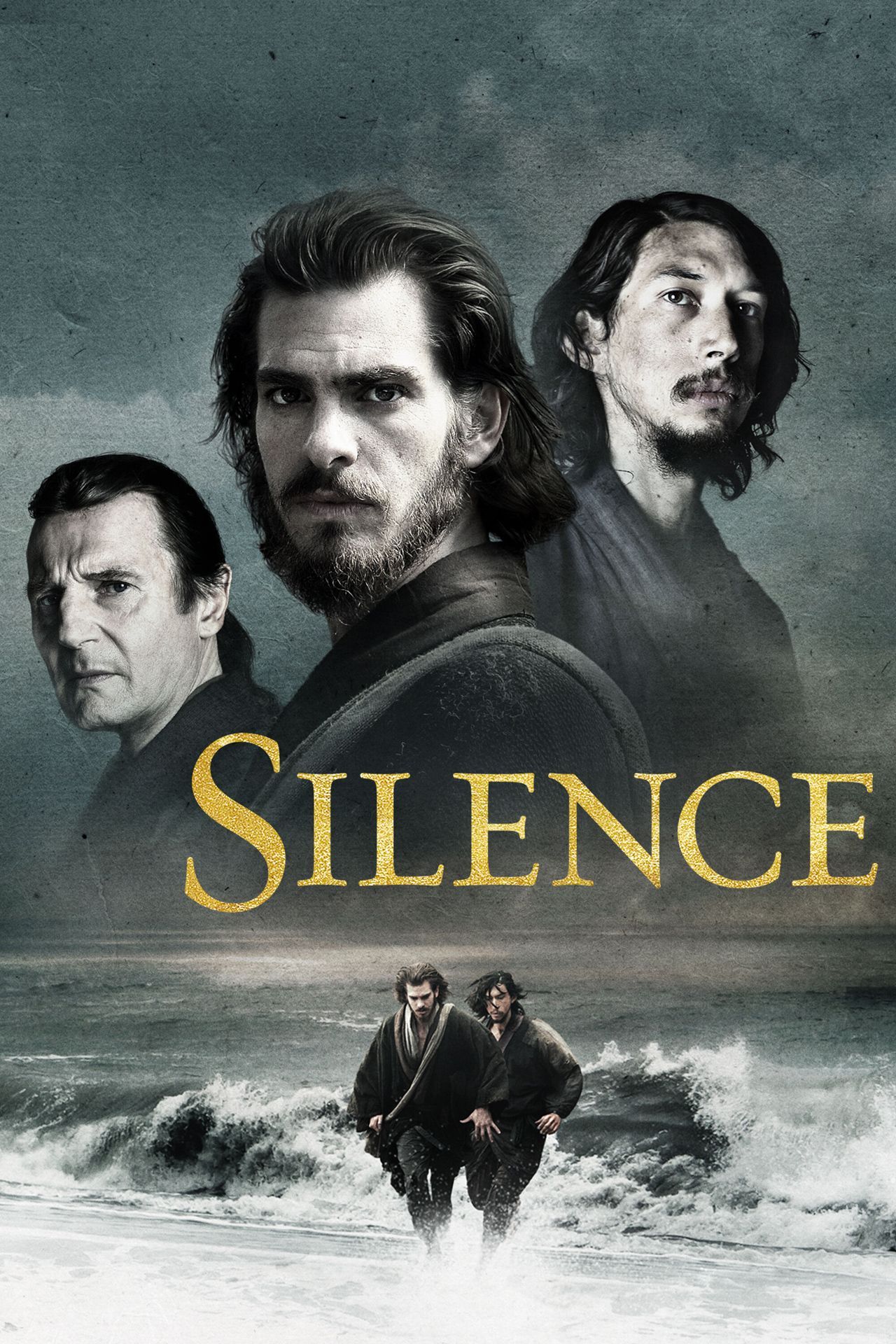
| 2016 | Silence · as Novel |
| 1997 | To Love · as Novel |
| 1996 | Os Olhos da Ásia · as Novel |
| 1995 | Deep River · as Novel |
| 1986 | The Sea and Poison · as Novel |
| 1983 | 松田聖子のはじめての情事 · as Novel |
| 1981 | Call from Darkness · as Novel |
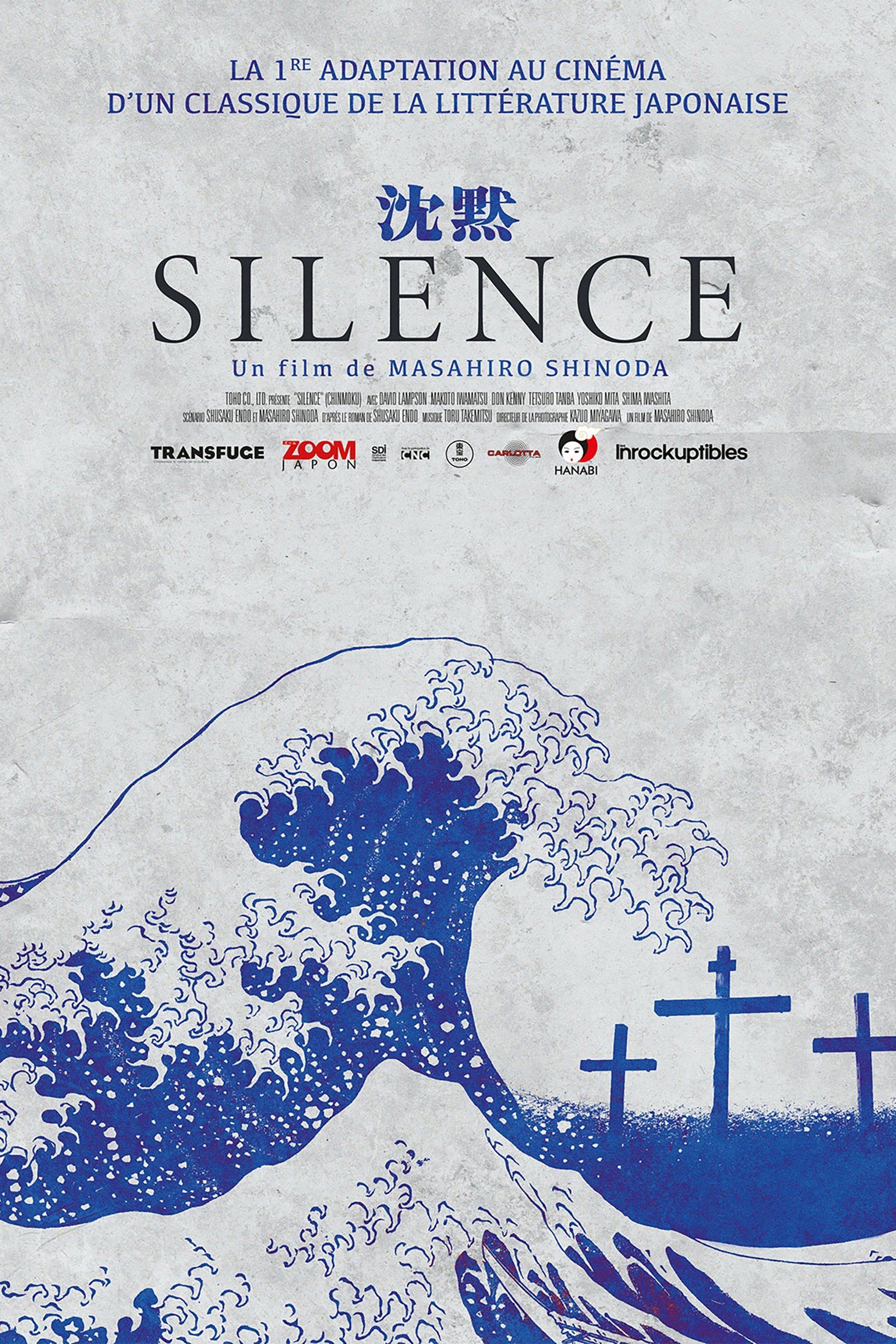
| 1971 | Silence · as Screenplay |
| 1969 | The Girl I Abandoned · as Novel |
| 1968 | Hymn to a Tired Man · as Novel |
| 1969 | The Girl I Abandoned · as Cast |
| 1969 | A Thousand & One Nights · as Cast |
| 1976 | Saraba natsuno hikariyo · as Original Story |