Lucien Hubbard
Producer, Filmklipper, Forfatter, Instruktør
22. december 1888 — 31. december 1971 (83 år)
From Wikipedia, the free encyclopedia
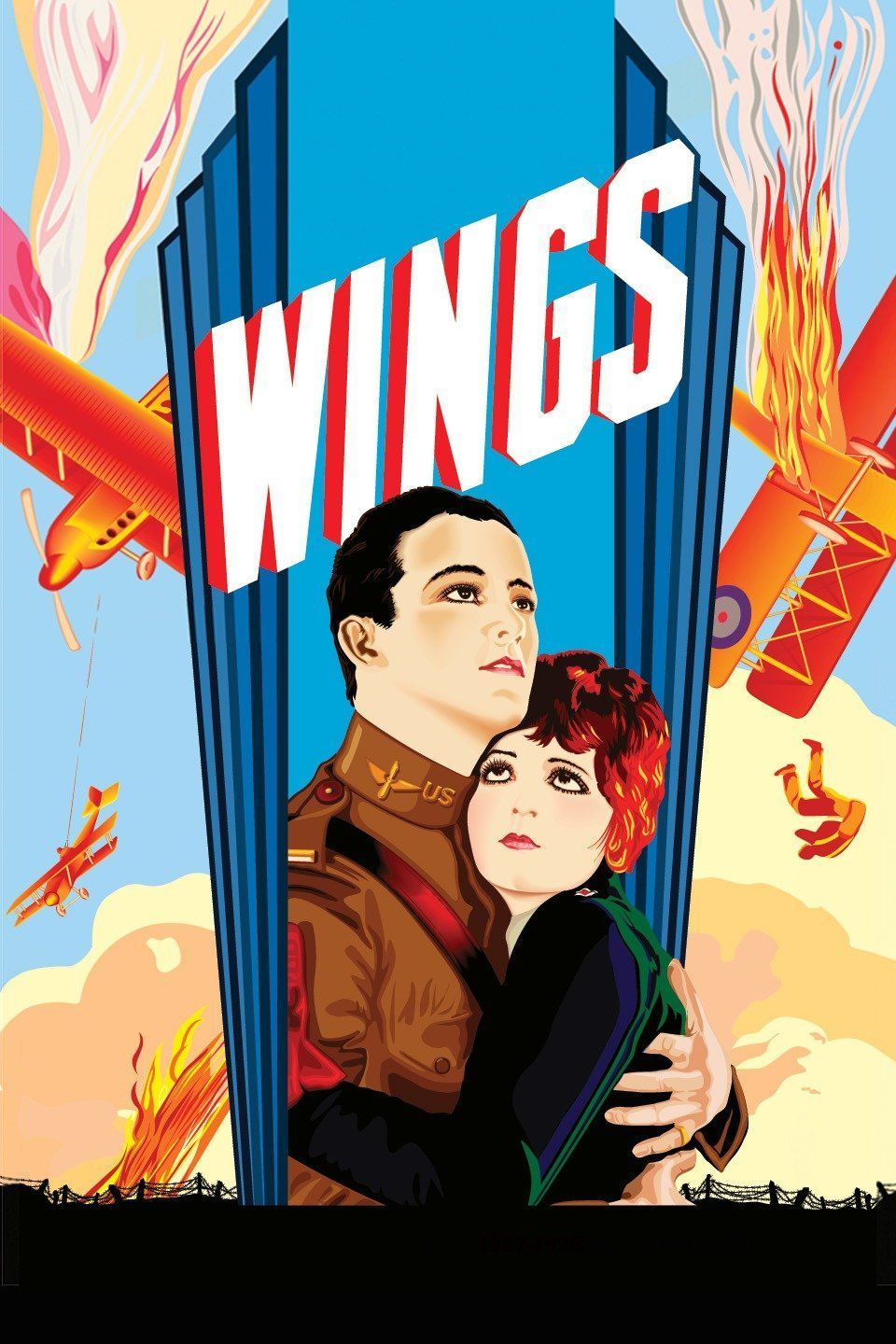
Lucien Hubbard (December 22, 1888 – December 31, 1971) was a film producer and screenwriter. He is best known for producing Wings, for which he received the first Academy Award for Best Picture. Lucien produced and or wrote ninety-two films over the course of his career. He lived in the same house in Beverly Hills until the day he died; he was an avid polo player and would frequently ride out of the stables located, in those days, at the rear of his Hillcrest Road property, to Will Rogers' house in the Palisades; he also occasionally rode his horse to Paramount Studios where he had been elevated to president shortly after the Academy Award-winning Wings which he produced, was released. This film helped director William A. Wellman's rise into major studio films.
Before coming to Los Angeles, he was night editor of The New York Times. He had written five screenplays on the side and decided one day to travel to Hollywood to see if he could sell any of them; he sold three and in 1923, his career was launched. A film he loved was entitled The Vanishing American and it was the first film to portray the Indian in a favorable light; he received an award from the Cherokee nation for this film. He discovered and mentored many talents over the life of his career and was known as a very generous man with a sharp eye for good writers. He had two daughters, Betty and Janet and a brother, Harlan Hubbard, who became a renowned artist and writer, who advocated simple living.
Lucien Hubbard (December 22, 1888 – December 31, 1971) was a film producer and screenwriter. He is best known for producing Wings, for which he received the first Academy Award for Best Picture. Lucien produced and or wrote ninety-two films over the course of his career. He lived in the same house in Beverly Hills until the day he died; he was an avid polo player and would frequently ride out of the stables located, in those days, at the rear of his Hillcrest Road property, to Will Rogers' house in the Palisades; he also occasionally rode his horse to Paramount Studios where he had been elevated to president shortly after the Academy Award-winning Wings which he produced, was released. This film helped director William A. Wellman's rise into major studio films.
Before coming to Los Angeles, he was night editor of The New York Times. He had written five screenplays on the side and decided one day to travel to Hollywood to see if he could sell any of them; he sold three and in 1923, his career was launched. A film he loved was entitled The Vanishing American and it was the first film to portray the Indian in a favorable light; he received an award from the Cherokee nation for this film. He discovered and mentored many talents over the life of his career and was known as a very generous man with a sharp eye for good writers. He had two daughters, Betty and Janet and a brother, Harlan Hubbard, who became a renowned artist and writer, who advocated simple living.
Kendt for








Filmografi
| 1940 | |
| 1939 | |
| 1939 | |
| 1938 | |
| 1937 | |
| 1937 | |
| 1937 | |
| 1937 | |
| 1937 | |
| 1936 | |
| 1936 | |
| 1936 | |
| 1936 | |
| 1936 | |
| 1936 | |
| 1936 | |
| 1936 | |
| 1936 | |
| 1935 | |
| 1935 | |
| 1935 | |
| 1935 | |
| 1935 | |
| 1935 | |
| 1935 | |
| 1935 | |
| 1935 | |
| 1935 | |
| 1934 | |
| 1934 | |
| 1934 | |
| 1934 | |
| 1934 | |
| 1934 | |
| 1934 | |
| 1934 | |
| 1934 | |
| 1933 | The Women in His Life · as Associate Producer |
| 1933 | Day of Reckoning · as Associate Producer |
| 1933 | The Stranger's Return · as Associate Producer |
| 1933 | Beauty for Sale · as Associate Producer |
| 1933 | Storm at Daybreak · as Associate Producer |
| 1933 | Midnight Mary · as Associate Producer |
| 1933 | |
| 1933 | |
| 1933 | |
| 1932 | |
| 1932 | |
| 1932 | |
| 1932 | |
| 1929 | |
| 1927 | |
| 1927 | |
| 1924 |
| 1927 |
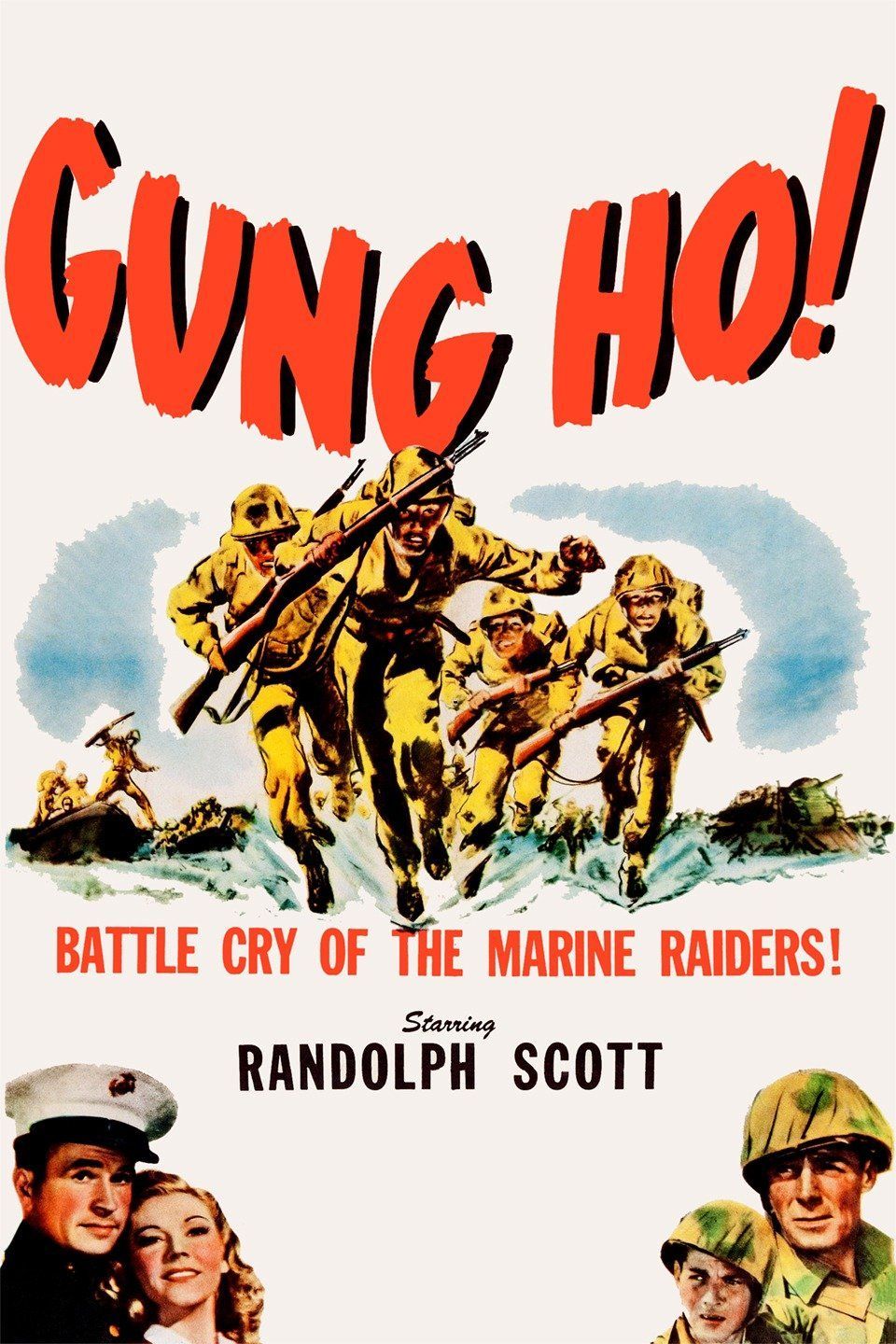
| 1943 | 'Gung Ho!': The Story of Carlson's Makin Island Raiders · as ScreenplayPå Plex |
| 1935 | |
| 1934 | |
| 1933 | |
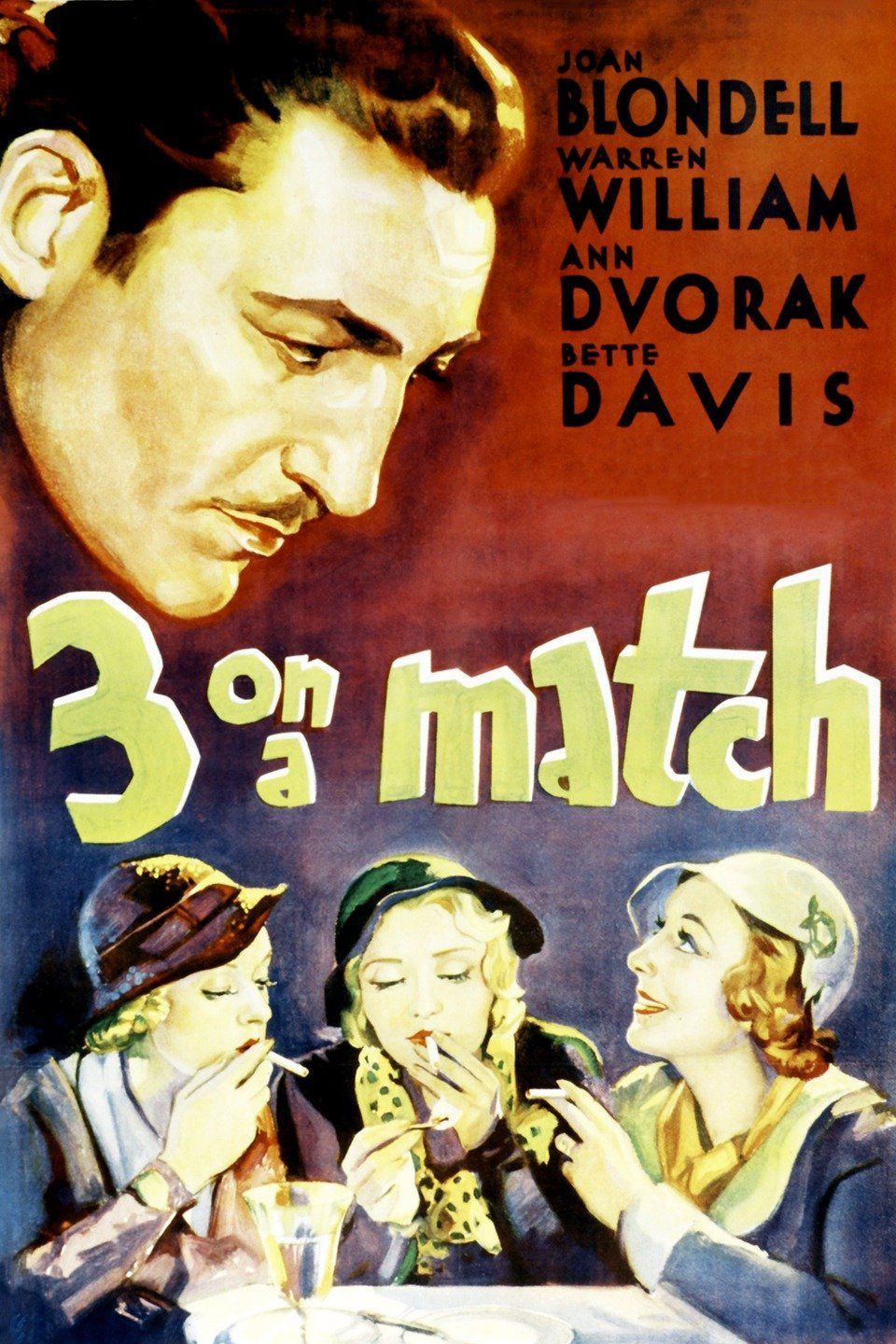
| 1932 | Three on a Match · as Screenplay |
| 1931 | The Squaw Man · as Screenplay |
| 1931 | |
| 1931 | |
| 1929 | |
| 1928 | |
| 1927 | |
| 1926 | Desert Gold · as Screenplay |
| 1918 |
| 1933 | |
| 1929 | |
| 1928 |
| 1939 | The Man Who Dared · as Story |
| 1933 | Ex-Lady · as Supervising Producer |
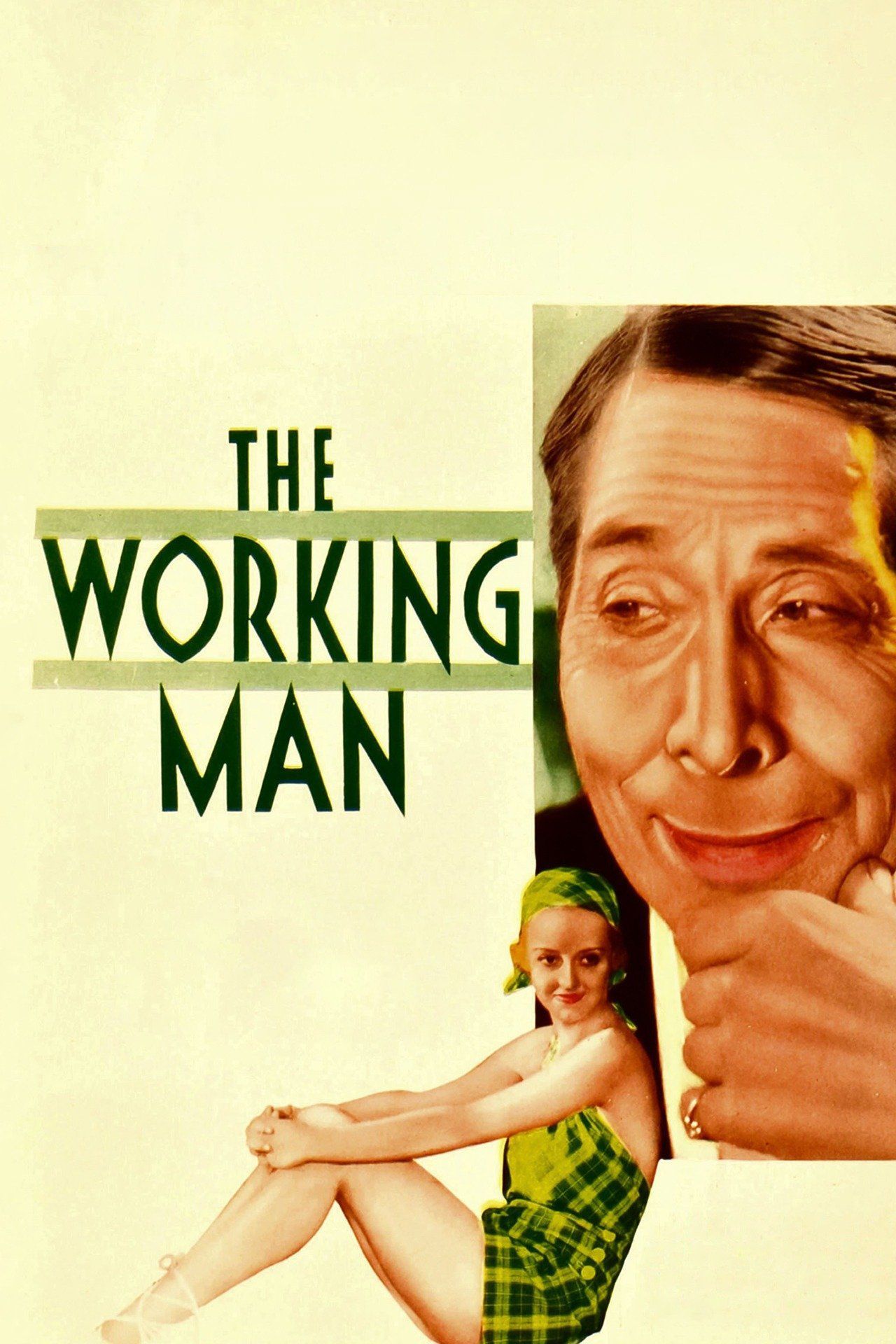
| 1933 | The Working Man · as Supervising Producer |
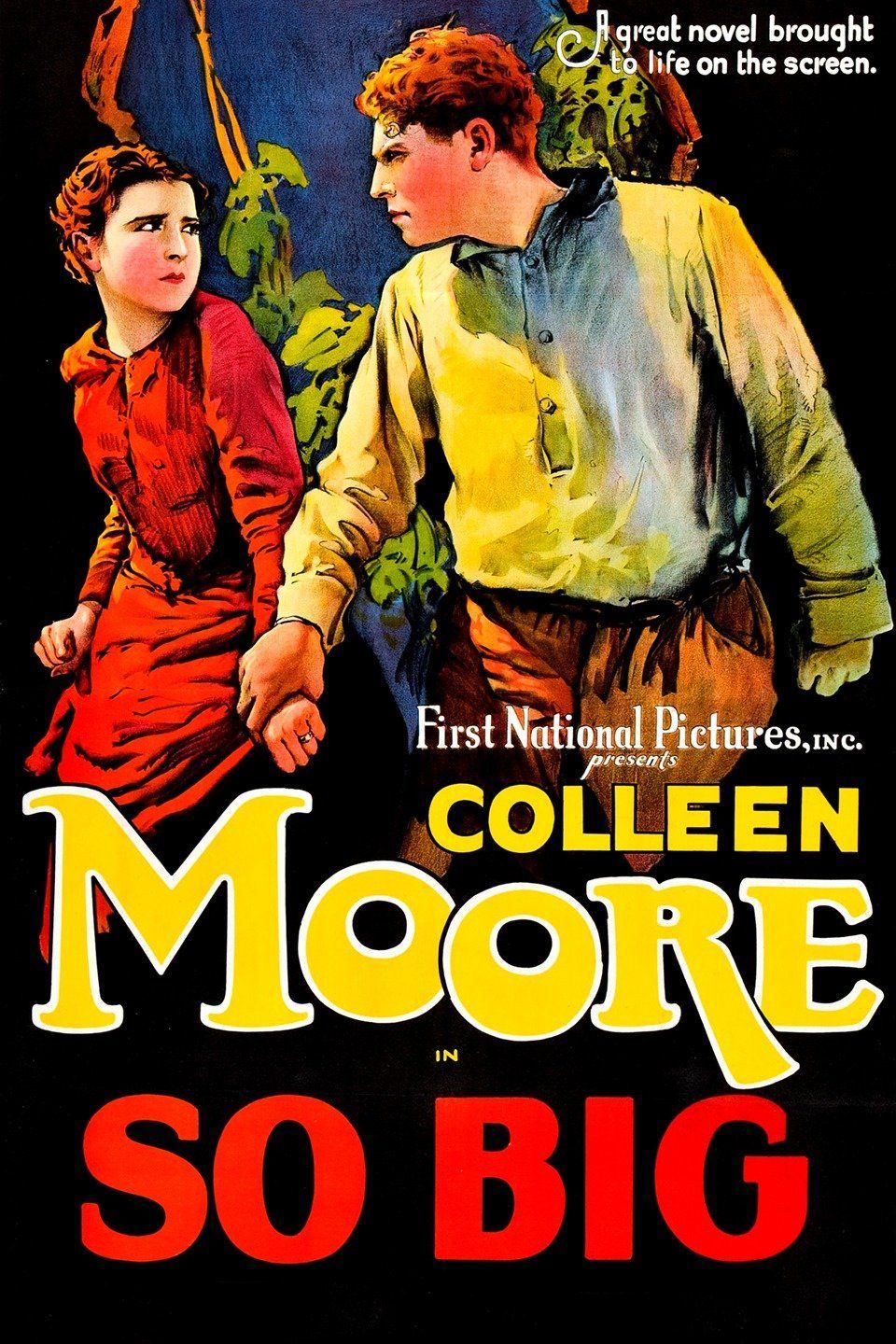
| 1932 | So Big! · as Supervising Producer |
| 1931 | The Star Witness · as Dialogue |
| 1930 | Paid · as Adaptation |
| 1925 | The Vanishing American · as Adaptation |
| 1925 | Wild Horse Mesa · as Screenstory |
| 1922 | The Trap · as Story |
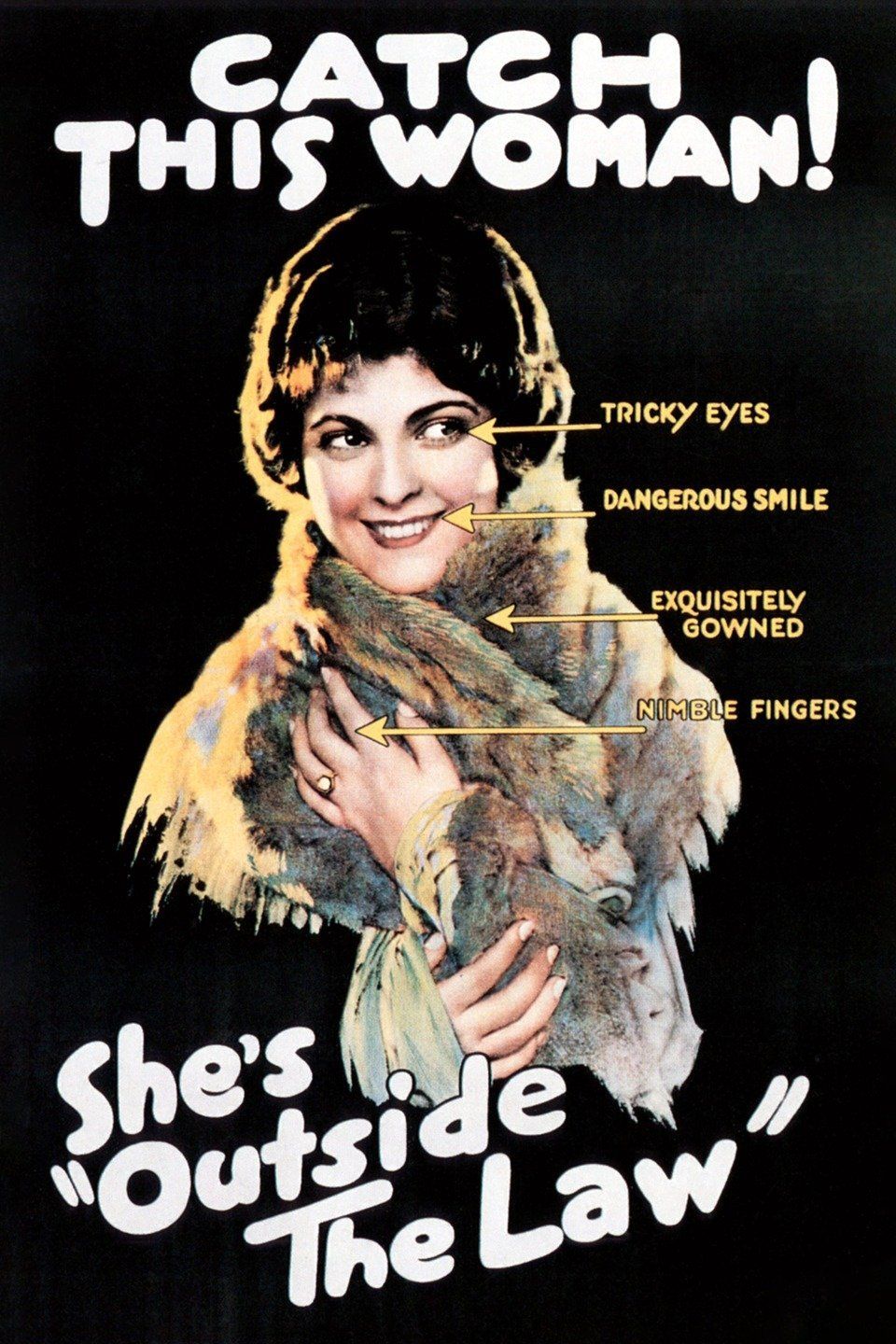
| 1920 | Outside the Law · as Scenario Writer |