
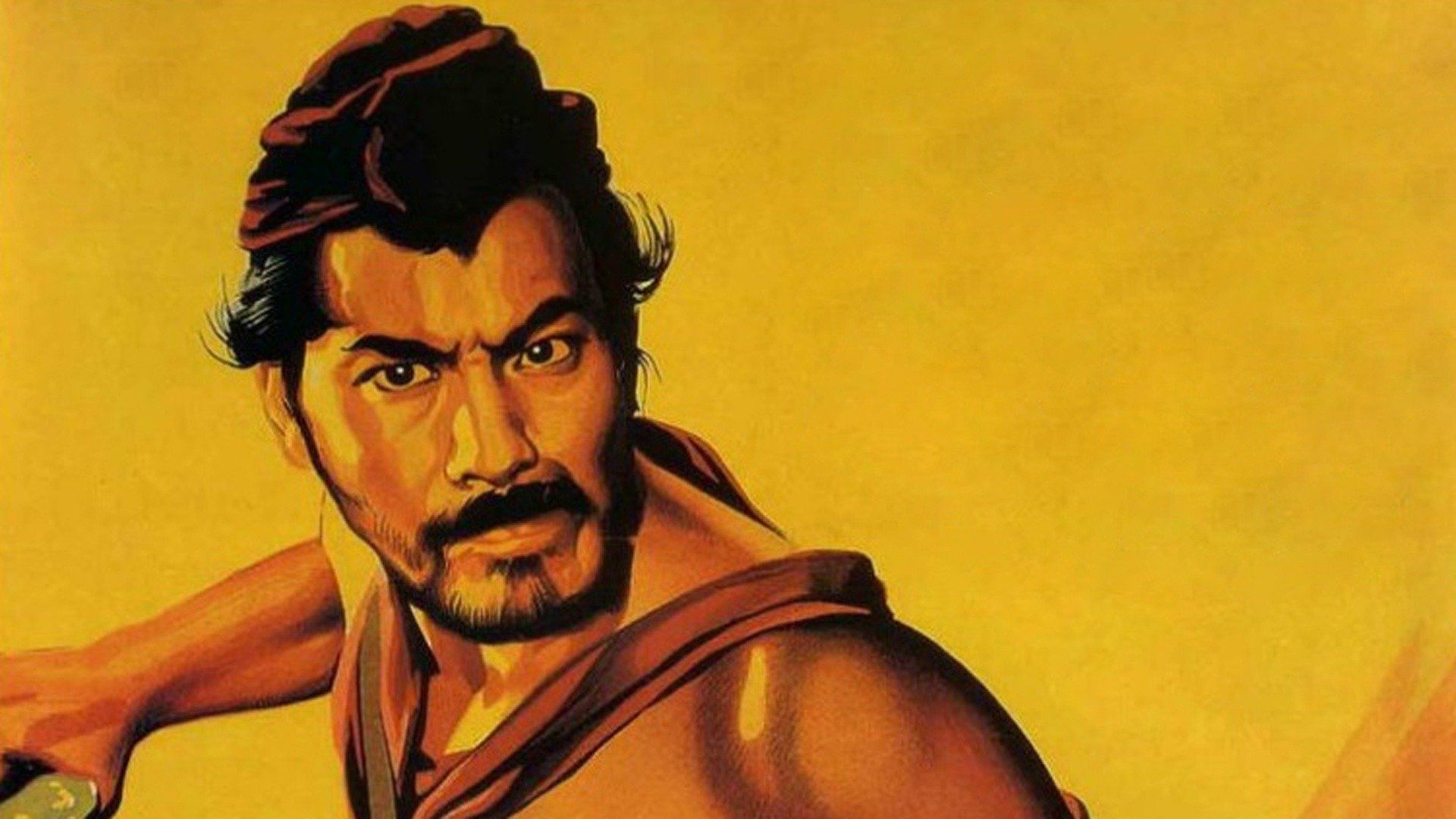
Dæmonernes port










- lennyofficial1 dag sidenA visual allegory of the human condition set in rural Japan. The film centers on three men—a priest, a woodcutter, and a third man who arrives later—seeking to unravel a crime: the death of a samurai and the rape of his wife. The woodcutter is determined to uncover the truth, having been deeply shocked by the scene he witnessed. Once the third character arrives, the priest and the woodcutter recount the three versions of the event. However, none of these accounts align, save for the outcome: the rape victim's flight and the samurai's death. These conflicting narratives represent the differing perspectives each character adopts—based on their own position—to emerge with their reputation intact; this even applies to the deceased, who, absurdly, no longer has a reputation to protect. Yet, the woodcutter not only witnessed the crime scene but also recounts the events exactly as they unfolded. These four versions of the facts spark a moral and existential clash regarding human nature and the impossibility of trusting anyone, given that reality can be manipulated by all. This lies at the very heart of the film: the deconstruction and distortion of reality, creating confusion and mystery for those attempting to get to the bottom of the matter. The setting where the characters share their stories also serves as an allegory for this condition: they are sheltered within temple ruins—symbolizing reason—from a violent typhoon, which represents the instinctive, reckless nihilism championed by the third man. Technically, the film is extraordinary, particularly regarding its camera movements and its highly deconstructed, modern narrative structure. The latter is so groundbreaking that the term "Rashomon effect" was subsequently coined; it refers to situations—much like in the film—where those involved in an event provide conflicting accounts, thereby proving themselves to be unreliable witnesses. Another truly unmissable title for anyone who considers themselves a lover of cinema.
- christofferbenndorf10. juni 2026Akira Kurosawa’s Rashomon is a cinematic masterpiece that explores the subjectivity of truth. By recounting a singular violent crime through the contradictory perspectives of those involved, the film forces viewers to confront how ego and self-interest distort memory. Unlike the stylized, superhuman warriors seen in Kurosawa's later epics, these characters are refreshingly flawed and grounded. While the fragmented narrative can be disorienting, this confusion is entirely intentional. Kurosawa isn't interested in simple answers; he’s crafting a brilliant, haunting meditation on human nature. If you appreciate character-driven stories over action, Rashomon is essential, thought-provoking viewing.
- Elliot04713. januar 2026If you love Nolan’s mind-bending non-linear timelines, know that Rashomon invented that style over 70 years ago. It wasn’t a blockbuster or feel-good flick, it’s pure cinema study, forcing you to rethink human nature and self-deception. Modern directors built their careers on its path, from Hollywood thrillers to courtroom dramas. Sure, today’s artists could mimic Van Gogh perfectly, but that doesn’t erase the original’s genius.
- PoetofCinema13. oktober 2025I strongly revere Akira Kurosawa for how he did Ryūnosuke Akutagawa’s work with justice and tact. It’s beyond impressive because I read Akutagawa’s work first and he was firstly extraordinary and legendary. I have to say, this film does deserve the hype it gets. This may sound cliché but yes the film is a masterpiece; it is, really. There is a lot to say about this iconic film directed by Kurosawa as the ambiguity, strangeness, action, interactions, dialogue, and imagery has been executed well to show the audience watching it enticed and interested in the film. As I said before, this film can get a lot of praise because how many good things are from this movie. Overall, a masterpiece.
- Joel1. juli 2025Kurosawa is so good always, I love how much range there is in his filmography the same way as I love Toshiro Mifune's range (although I desperately need to watch more of both of their films.) This is probably my least favourite Kurosawa film I've seen, but it's still a brilliant film. If only plex didn't have a 2.5 minute ad break every ~12 minutes...


Få Plex på dine enheder
Gratis på 20+ platforme. Vælg din egen.Dæmonernes port-trivia
- august 1950 blev Dæmonernes port udgivet.
Dæmonernes port blev instrueret af Akira Kurosawa.
Dæmonernes port har en spilletid på 87 m.
Dæmonernes port blev produceret af Jingo Minoura.
Under en gigantisk, faldefærdig port i udkanten af 1100-tallets Kyoto har en præst, en skovhugger og en dagdriver søgt tilflugt fra den silende regn. Præsten og skovhuggeren har forinden vidnet i en retssag omkring mordet på en mand og voldtægten af hans hustru i en nærliggende skov. Mens de venter på, at vejret skal klare op, diskuterer de tre mænd den sælsomme process, hvor ingen af førstehåndsvidnernes forklaringer syntes at korrespondere med hinanden. Historien om, hvad der fandt sted i skoven, genfortælles på skift af banditten Tajomaru, kvinden, et medie repræsenterende den afdøde mand samt af skovhuggeren
Nøglepersonerne i Dæmonernes port er Tajômaru (Toshirō Mifune), Masako (Machiko Kyō), Woodcutter (Takashi Shimura).
Dæmonernes port er bedømt 15.
Dæmonernes port er en Kriminalitet, Drama, Mysterium-film.
Dæmonernes port har en seerbedømmelse på 9.3 ud af 10.
Dæmonernes port havde et budget på 250 t US$.
Dæmonernes port har indtjent 118 t US$ ved billetlugen.