
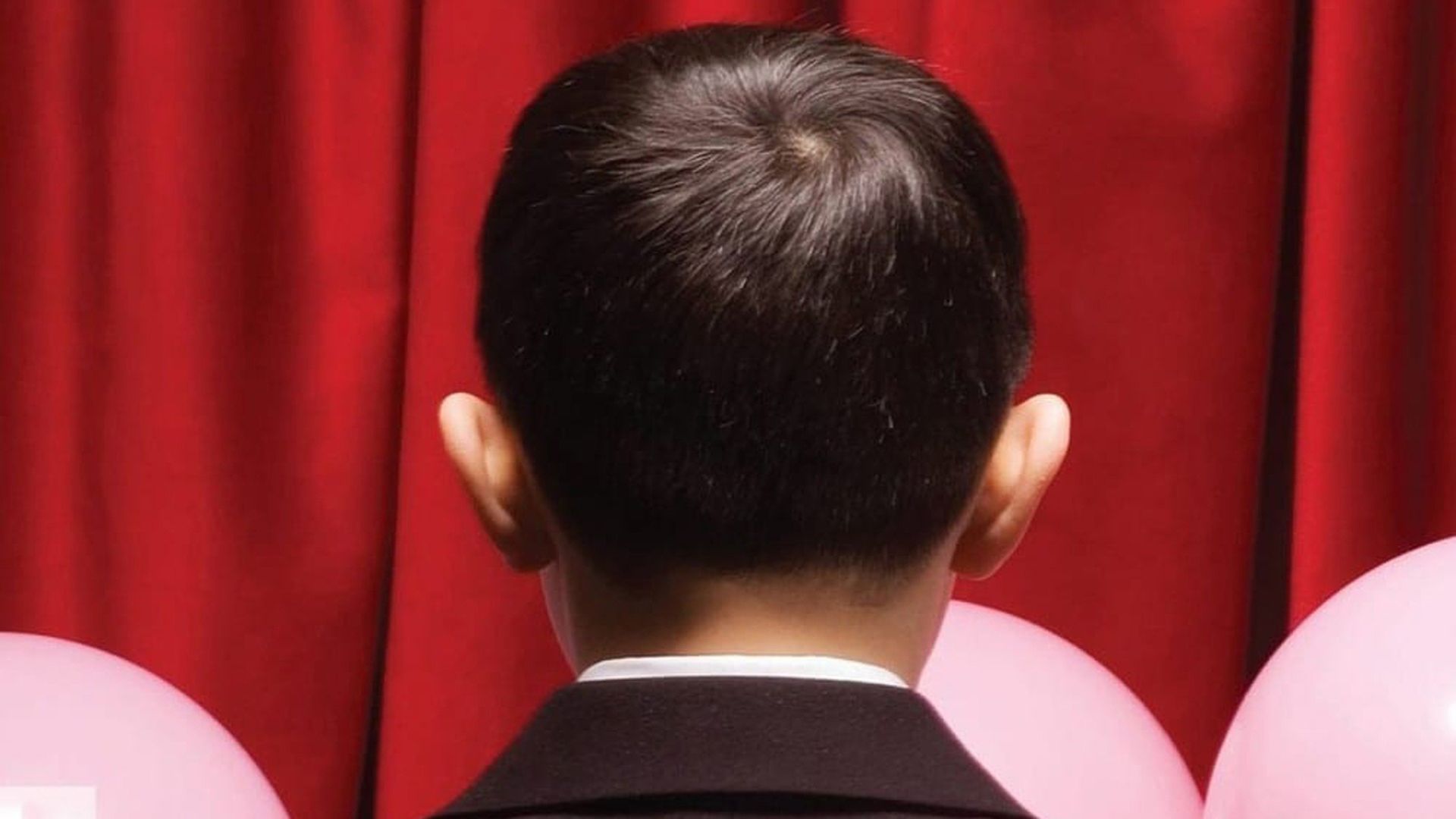


已故台湾电影大师杨德昌执导的非凡之作,在国际上广受赞誉。影片以一场婚礼开始,以一场葬礼结束,跟随台北一个中产阶级家庭度过了一年的时光。无论是记述中年父亲NJ与旧情人试探性的情感波动,还是早熟的小儿子洋洋用他心爱的相机试图捕捉现实的努力,导演都以充满慈悲的明晰感,为每一帧精美的画面注入了深意。这部温暖、辽阔而迷人的亲密史诗,无疑是二十一世纪无可争议的杰作之一。














- CrossCutCritic2025年5月31日Yi Yi To You, Who Carried the Ordinary Days Like They Mattered—Because They Did “He has made everything beautiful in its time.” — Ecclesiastes 3:11 --- I. To You, Who Woke Up in a Life You Didn’t Recognize and Chose to Pay Attention Anyway You didn’t plan for any of this. You were just trying to live— to go to work, to take care of your family, to keep the wheels turning. But then your wife fell silent. Your daughter began to drift. Your son asked questions you didn’t know how to answer. And suddenly, your life—so ordinary, so stable— felt like something foreign. Like a room you walked into by mistake. So you started to pay attention. Not to solve it. Not to fix it. But to see it. You noticed the way the light fell on your mother’s bed. The way your son looked at the world as if seeing it for the first time. The way your past still lived in the present like a wound no one else could see. Yi Yi doesn’t begin with drama. It begins with disorientation. And the slow, sacred decision to start noticing your own life before it slips away. If you’ve ever found yourself in the middle of a season you didn’t understand— and chose to open your eyes rather than close your heart— then you already know this turning. It is not loud. But it is holy. --- II. The Questions You Couldn’t Answer and the Love You Gave Anyway They came slowly, like rain on a still morning. Why do people lie? Why do we hurt each other? Why do we stop loving the ones we promised to never leave? Your son asked them out loud. Your daughter carried them like weights. You— you felt them in your chest every time you looked out the window and said nothing. You didn’t have the answers. And maybe that was the beginning of wisdom. Because instead of pretending, you started listening. To the silence. To the smallness of things. To the moments that didn’t seem to matter until you realized they were everything. You took your son to see the world. You remembered what it meant to dream. You reached for kindness even when it felt too late. Yi Yi doesn’t offer resolution. It offers presence. It tells the truth: That sometimes the best we can do is to walk beside the people we love without knowing where the road leads. If you’ve ever felt helpless to fix what was breaking— and still stayed close, still listened, still loved— then you already know this kind of grace. It is not heroic. But it is enough. --- III. The Things You Remember Too Late and the Ones You Learn Just in Time You thought there would be more time. To say the thing you meant to say. To call someone back. To explain yourself. To take one more photo before the moment passed. But life does not always give warnings. It moves slowly—until it doesn’t. And suddenly, someone is gone. A door is closed. The silence becomes permanent. So you remembered. Not as penance— but as a way of staying faithful to what was once alive in you. The old heartbreak. The unfinished sentence. The love you once gave up on. You let it surface. And it softened you. Meanwhile, your son was learning to see. To ask. To frame the world through his lens so he could show people the half they were missing. Yi Yi is full of these mirrors. The old watching the young. The young becoming old. Everyone missing something, and everyone teaching someone else what they cannot see themselves. If you’ve ever carried grief and wisdom in the same hand— if you’ve ever passed on a small light because someone once gave it to you too late— then you already know this love. It is not perfect. But it is how the soul survives. --- IV. The Ordinary Day That Became the Way You Said Goodbye No one told you it would be the last time. There was no crescendo, no curtain. Just an ordinary afternoon. A wedding. A hospital room. A child’s voice. And then— absence. The mother who never woke. The friend who never called. The girl who walked away because her heart had grown too quiet to stay. You didn’t get to prepare. You only got to respond. And in that, you found something sacred. Because sometimes goodbye is not an event. It’s a look. A letter. A quiet act of love offered without knowing it will be the final one. Yi Yi understands this: that our deepest farewells often happen when no one is watching. That grace is not always spoken. That the soul says goodbye by staying present just a few minutes longer than it needed to. If you’ve ever let someone go not with words, but with a gesture— if you’ve ever marked an ending without ceremony, because life simply moved on— then you already know this stillness. It is not an answer. It is a benediction. --- V. The Life You Lived While No One Was Paying Attention You didn’t become famous. You didn’t solve the mystery. You didn’t heal the ones you loved. You just lived. You brought lunch to your mother’s bedside. You repaired what broke, when you could. You asked questions. You listened. You grieved without spectacle. You were not remarkable— but you were faithful. And when your son handed you his photographs, you saw something holy in them: a mirror of the world you had almost forgotten to see. This is how Yi Yi leaves us— not with resolution, but with vision. The kind of vision that is born not in triumph, but in attention. If you’ve ever lived a quiet life and wondered if it mattered— if you’ve ever whispered prayers no one else heard, and loved without applause— then you already know this story. It is not the story of someone who changed the world. It is the story of someone who saw it— clearly, once, and passed that clarity along. --- Postscript Yi Yi is a symphony of small moments. It is a prayer made of traffic lights, of elevator silences, of school recitals and hospital halls. It believes the sacred is not hidden in heaven— it’s in the dishes, the mistakes, the chance to begin again each morning with the same people who have seen us fail. There is no climax. No miracle. Only this: A boy with a camera. A father who begins to look again. And a world that keeps breaking— but still holds beauty in the cracks. There is a God who lives in these details. Not the God of thunder. But the God who listens when you say: “I don’t know what I’m doing. But I’m still here.” And He answers: “I know. That is enough.” ---

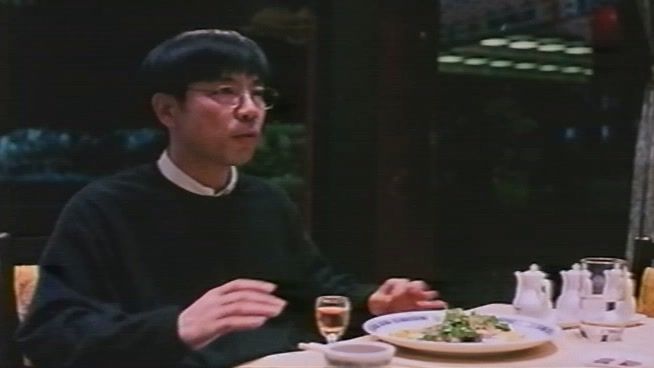
一一花絮
一一于2000年9月20日发布。
一一由Edward Yang执导。
一一的时长为2小时 54分钟。
一一由Naoko Tsukeda, Shin'ya Kawai制作。
已故台湾电影大师杨德昌执导的非凡之作,在国际上广受赞誉。影片以一场婚礼开始,以一场葬礼结束,跟随台北一个中产阶级家庭度过了一年的时光。无论是记述中年父亲NJ与旧情人试探性的情感波动,还是早熟的小儿子洋洋用他心爱的相机试图捕捉现实的努力,导演都以充满慈悲的明晰感,为每一帧精美的画面注入了深意。这部温暖、辽阔而迷人的亲密史诗,无疑是二十一世纪无可争议的杰作之一。
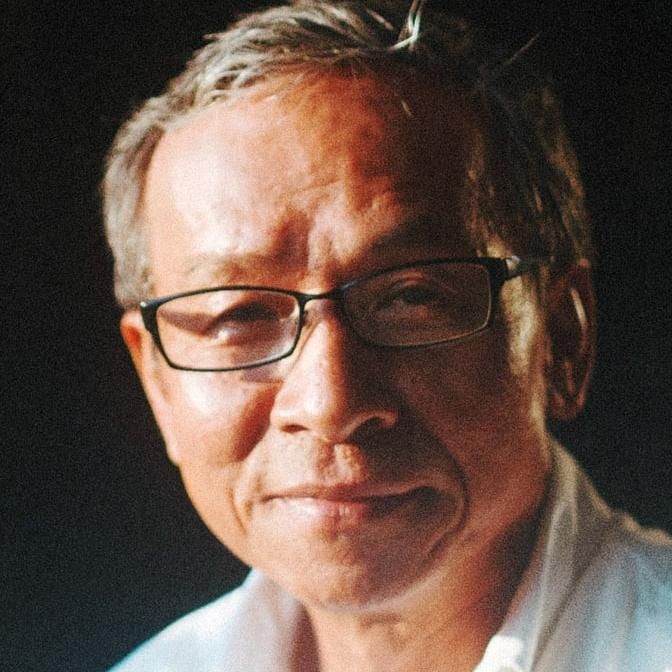
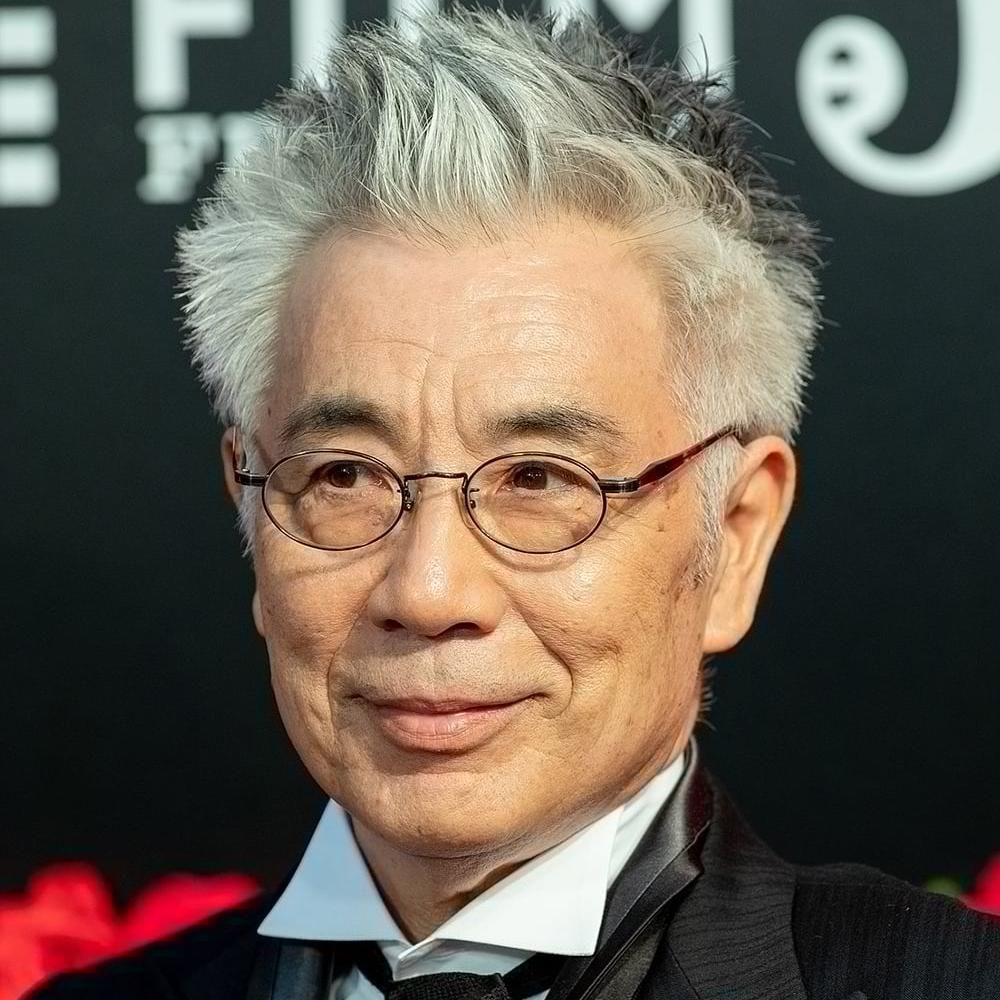
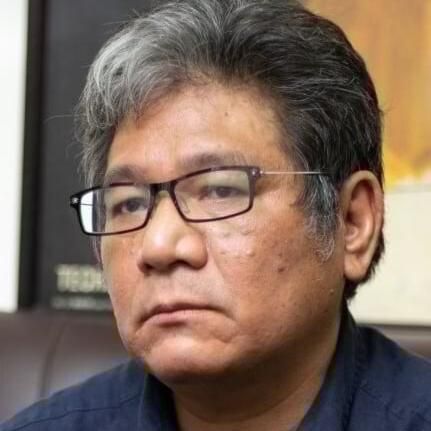
一一中的关键角色有N.J.(Wu Nien-jen), Mr. Ota(Issey Ogata), Min-Min(Elaine Jin Yan-Ling)。
一一的评级为Not Rated。
一一是一部剧情, 爱情电影。
一一的观众评分为9.1(满分10分)。
一一的票房收入为US$152.9万。