
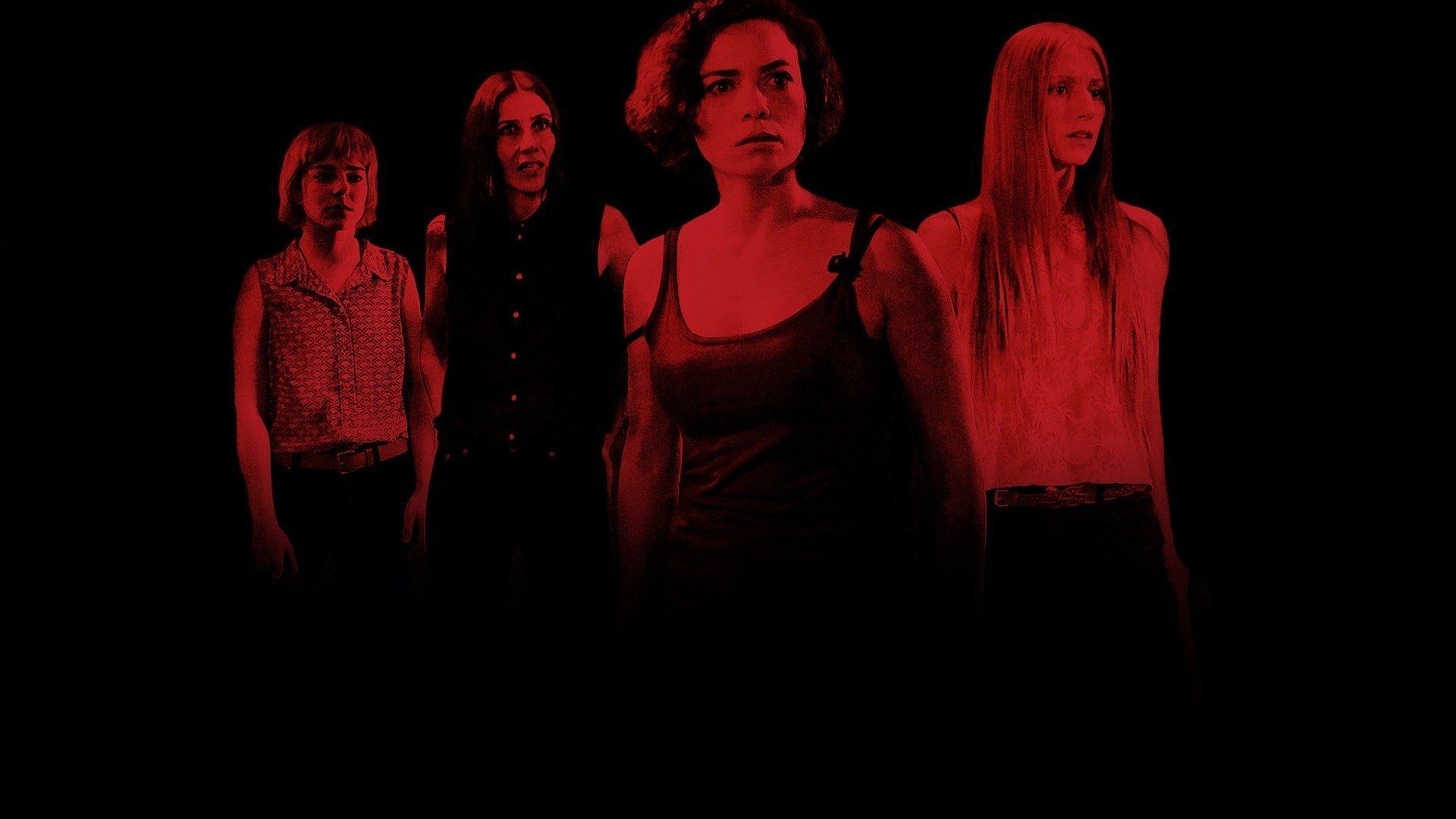






- Michael Heimgartner2025年5月2日Political Horror Wrapped in Brutality Lucio A. Rojas’ Trauma (2017) firmly positions itself within a long lineage of transgressive political horror cinema. Following in the footsteps of Pasolini’s Salò, or the 120 Days of Sodom and Srdjan Spasojevic’s A Serbian Film, Trauma combines the aesthetic of the rape-and-revenge subgenre with an unflinching allegory for Chile’s traumatic past under Augusto Pinochet’s dictatorship (1973–1990). What results is a film that is both harrowing and thematically ambitious—but also uneven. At its core, Trauma is not a film concerned with subtlety. The story is simple, almost archetypal: four women encounter unimaginable horror during a weekend retreat in rural Chile. But what sets it apart is how Rojas frames that horror—not as random acts of violence, but as the lingering legacy of state-sanctioned brutality. The film’s villains are products of dictatorship: emotionally hollow, ideologically corrupted, and psychologically destroyed. Empathy has been stripped from them. They were trained to kill in the name of their country—and once murder becomes routine, reasons no longer matter. This historical and political context is woven into the narrative through flashbacks, which are skillfully integrated. These sequences don’t interrupt the flow of the story; they enrich it. They serve as haunting parallels to present-day events, suggesting that the real terror in Trauma is generational—the transmission of violence and ideology from one era to the next. The first half of the film is devastatingly effective. It plunges the viewer into a world of nihilism and pain. The violence is graphic, the tension is suffocating, and the dark, oppressive atmosphere is amplified by an excellent score that enhances the dread without overpowering it. This portion of the film hits hard—visceral, merciless, and impossible to look away from. However, the film loses its momentum in the second half. The revenge arc drags unnecessarily, with pacing that becomes sluggish. Once the initial shock of the first half wears off, the brutality lessens, and the film seems unsure of how to escalate or conclude its narrative effectively. There’s a sense that the “gunpowder” was spent too early. While the ending does regain some of the earlier intensity, it’s too brief to fully recover the impact. Performance-wise, Daniel Antivilo delivers a chilling turn as the primary antagonist. He embodies the character of a man deeply broken by trauma, yet now capable only of cruelty. There’s a cold, calculating hate in him—but also moments of disturbing vulnerability that make his evil feel all the more real. His portrayal is the clear acting highlight of the film. The performances of the female leads are solid. They convincingly portray fear, despair, and hopelessness, especially in the film’s early scenes. While the characters themselves are underwritten and largely exist within genre conventions, the actresses do their best with what they’re given. That said, don’t expect award-caliber performances—this is, after all, an underground horror film. Most of the supporting cast are in and out quickly, as the narrative keeps the focus mostly on the four women and their tormentors. Trauma is a deeply unpleasant experience by design. It doesn’t aim to entertain—it seeks to disturb, provoke, and reflect a national trauma through horror. And while it sometimes succeeds, its lack of character depth and the uneven pacing in the latter half keep it from reaching the heights of its influences. Brutal, ambitious, and politically charged, Trauma is not for the faint of heart. It takes real risks in confronting Chile’s violent past and should be praised for its daring. But uneven execution and a dragging second act dilute the impact. Still, it’s a film that lingers—uncomfortably so—and Rojas is a director to keep an eye on.


创伤花絮
创伤于2017年12月25日发布。
创伤由Lucio A. Rojas执导。
创伤的时长为1小时 47分钟。
创伤由Lucio A. Rojas, George Von Knorring, Luciano Onetti, Nicolás Onetti制作。
四个年轻的女性来到了智利的一个农村地区度假,结果被一名叫“胡安”前极端分子受害者和他的儿子“马里奥”残忍地袭击。在镇上没有找到帮助后,他们决定依靠镇上唯一的两个警察的帮助下去对付这些怪人。但是,最后,他们将发现,袭击他们的人血液中有 着智利历史上 最黑暗时期的直接遗产,他们将不得不面对战争遗留下的最残酷恐怖的敌人!
创伤中的关键角色有Andrea(Catalina Martin), Camila(Macarena Carrere), Juan(Daniel Antivilo)。
创伤的评级为R。
创伤是一部剧情, 惊悚, 犯罪电影。
创伤的观众评分为2.4(满分10分)。