
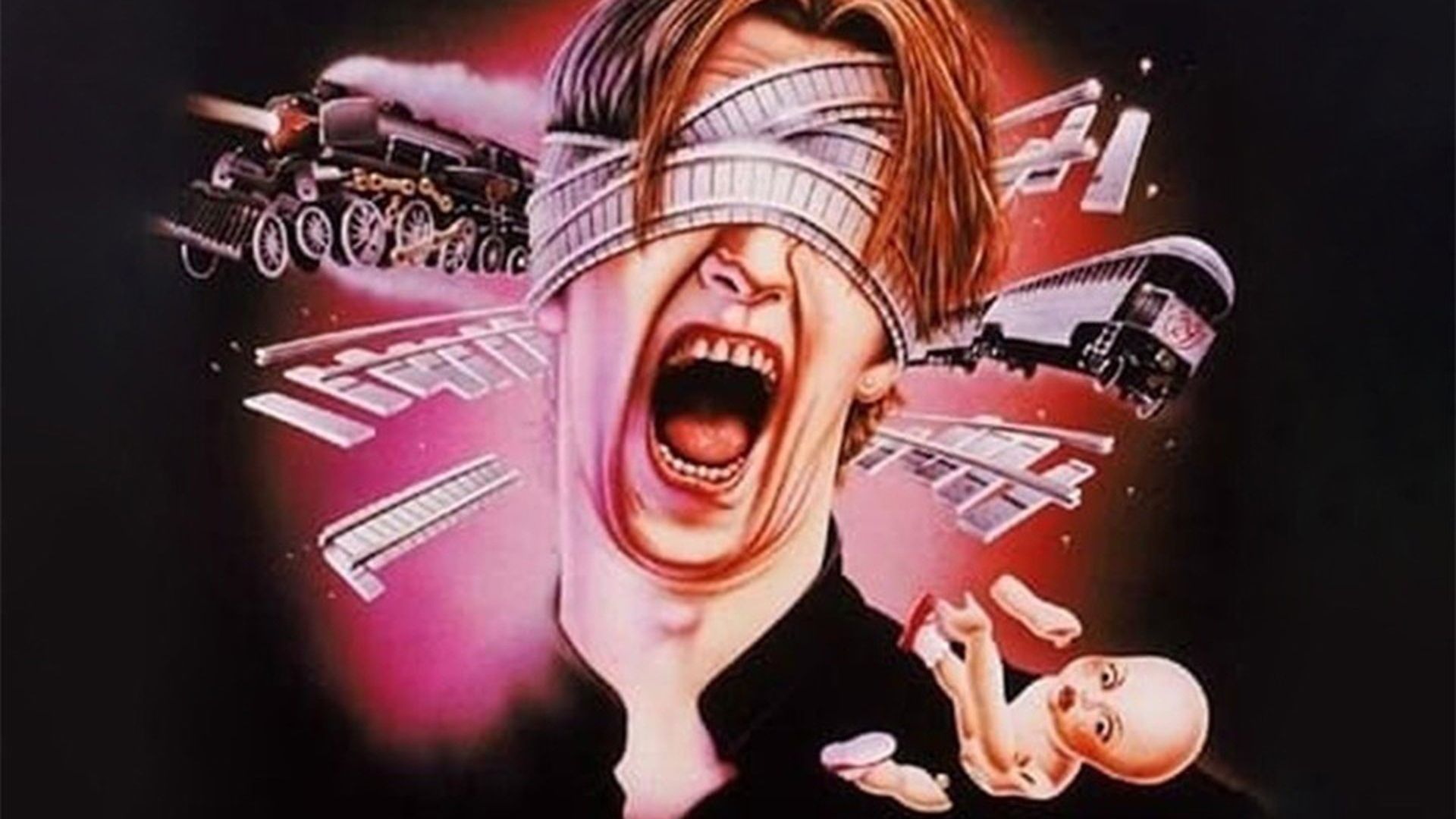






- Pyutaros2026年2月14日The tragedy of Track 29 is that even when the camera stays on Linda, it is never actually looking at her; it is a systemic failure of the Bechdel test that renders her a human vessel for the masculine architecture of her own life. She is trapped between Dr. Henry’s clinical, "Low-Temperature" control and the Stranger’s primal, "High-Temperature" aggression, existing only as a reactive input to their conflicting mandates. By manifesting the Stranger as a savior to her boredom, Linda isn't claiming agency but is instead hiring a mental mercenary—a move that proves she has been denied the internal tools to save herself. This is punctuated by the diner scene with Arlanda, where the social "logic-check" fails, confirming that Linda’s reality is a solo loop where even her rebellion is just another male projection. This structural erasure extends beyond the script and into the real-world critical reception of the film, which serves as a bitter mirror to the patriarchy on screen. Gary Oldman was universally lauded for his "brave" and "unhinged" performance, rewarded for the same high-temperature unpredictability that makes his character a predator, while Theresa Russell was dragged for her technical choices. The industry punished her for refusing to be the beautiful, compliant vessel the male gaze demands. She chose a jarring, infantile, and hyper-stylized performance by design to reflect a woman whose development was frozen at fifteen. If Russell had been less conventionally attractive, those same choices—the bows, the braces, the high-pitched fragility—would have been praised as "quirky" or "character-driven." Instead, because she didn't satisfy the aesthetic baseline expected of her, her work was dismissed, proving that the critics were just as blinded by the "Stepford" expectation as Henry himself. Henry represents the sterile "geometry" of the household, treating Linda like a behavioral error that needs to be sedated rather than a woman with a history. His manipulative nature, seen in his negotiated sexual payout in the car, stands as a cold contrast to the raw, un-negotiated intimacy of the piano scene. Yet, the film falls into the lazy Hollywood trap of pathologizing every expression of fringe desire, insisting that Linda’s psyche must be a "symptom" of her 15-year-old trauma. This robs her of any adult autonomy and forces her memories into a "Grindhouse" filter where she re-edits her own life using cinematic tropes like the Cape Fear bridge. In the end, she doesn't break the cycle; she just swaps a "Daddy" for a "Son," donning the Stepford mask to drive away from one male-dominated script into another, proving her perspective remains the background noise to a masculine crash.

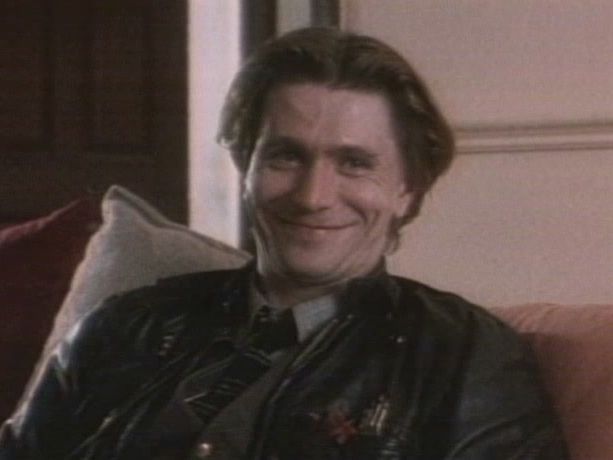
第29轨花絮
第29轨于1988年7月12日发布。
第29轨由Nicolas Roeg执导。
第29轨的时长为90分钟。
第29轨由Rick McCallum制作。
绝望的少女琳达放弃了自己的孩子供人领养,多年后,她发现自己与自称是她失散多年的儿子的年轻人马丁面对面。琳达拥抱了马丁,并在他身上找到了她与疏于照顾的亨利的不幸婚姻的慰藉。但很快,马丁变得越来越暴力,并迷恋上了亨利--一个花心的男人,他唯一的后代就是一套庞大的火车模型,这套模型吞噬了他清醒的时间。
第29轨中的关键角色有Linda Henry(Theresa Russell), Martin(Gary Oldman), Henry Henry(Christopher Lloyd)。
第29轨的评级为R。
第29轨是一部剧情, 悬疑电影。
第29轨的观众评分为4.2(满分10分)。
第29轨的预算曾是US$500万。
第29轨的票房收入为US$43万。