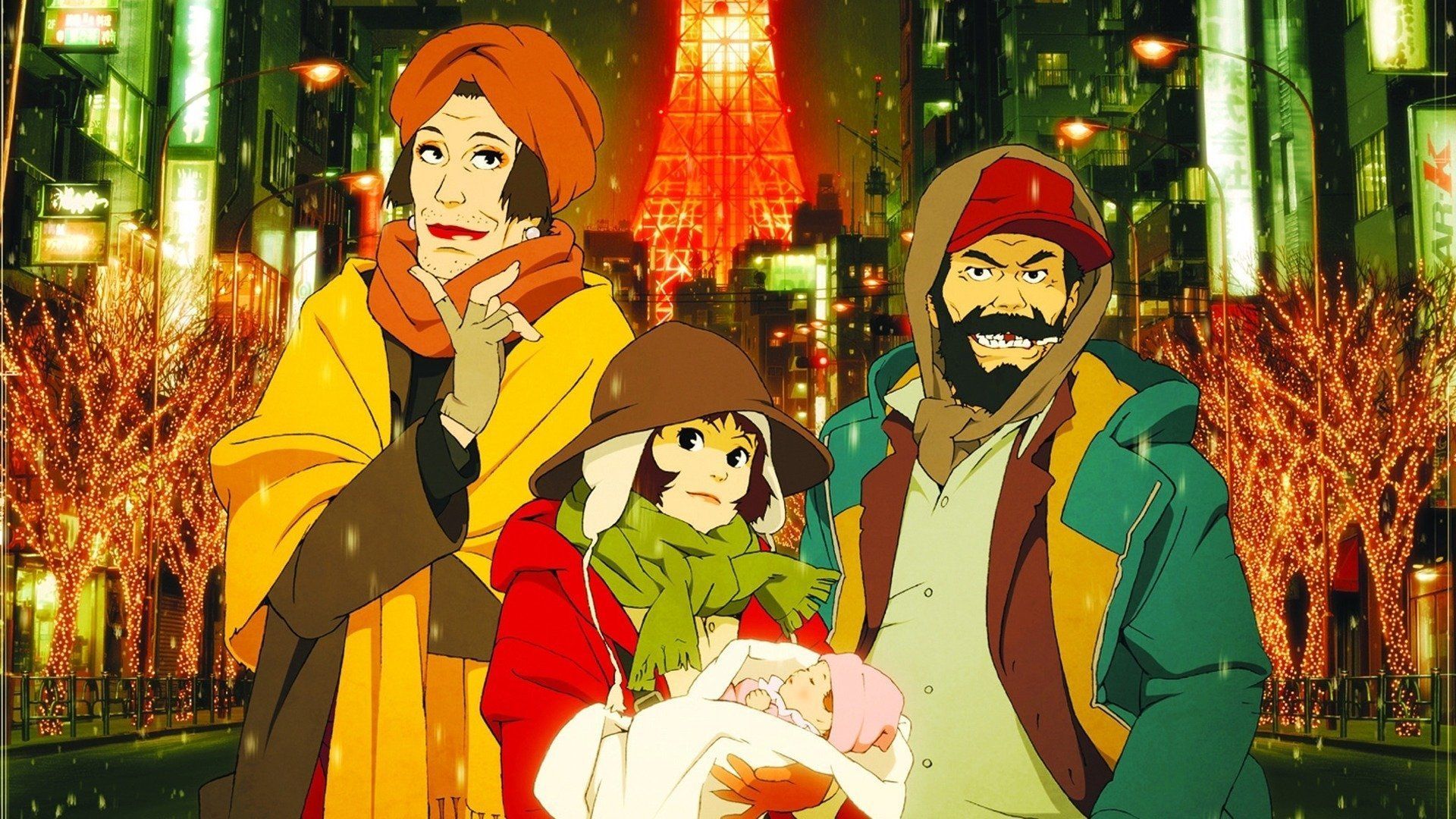

东京教父
由Satoshi Kon执导
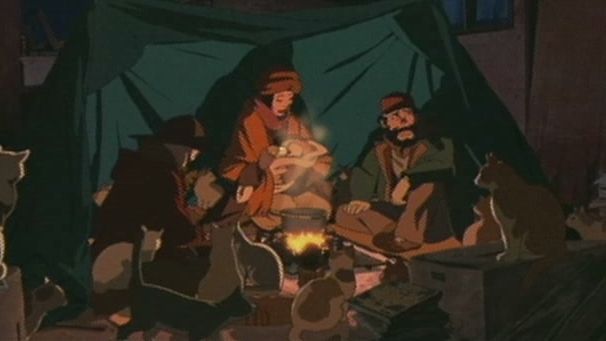
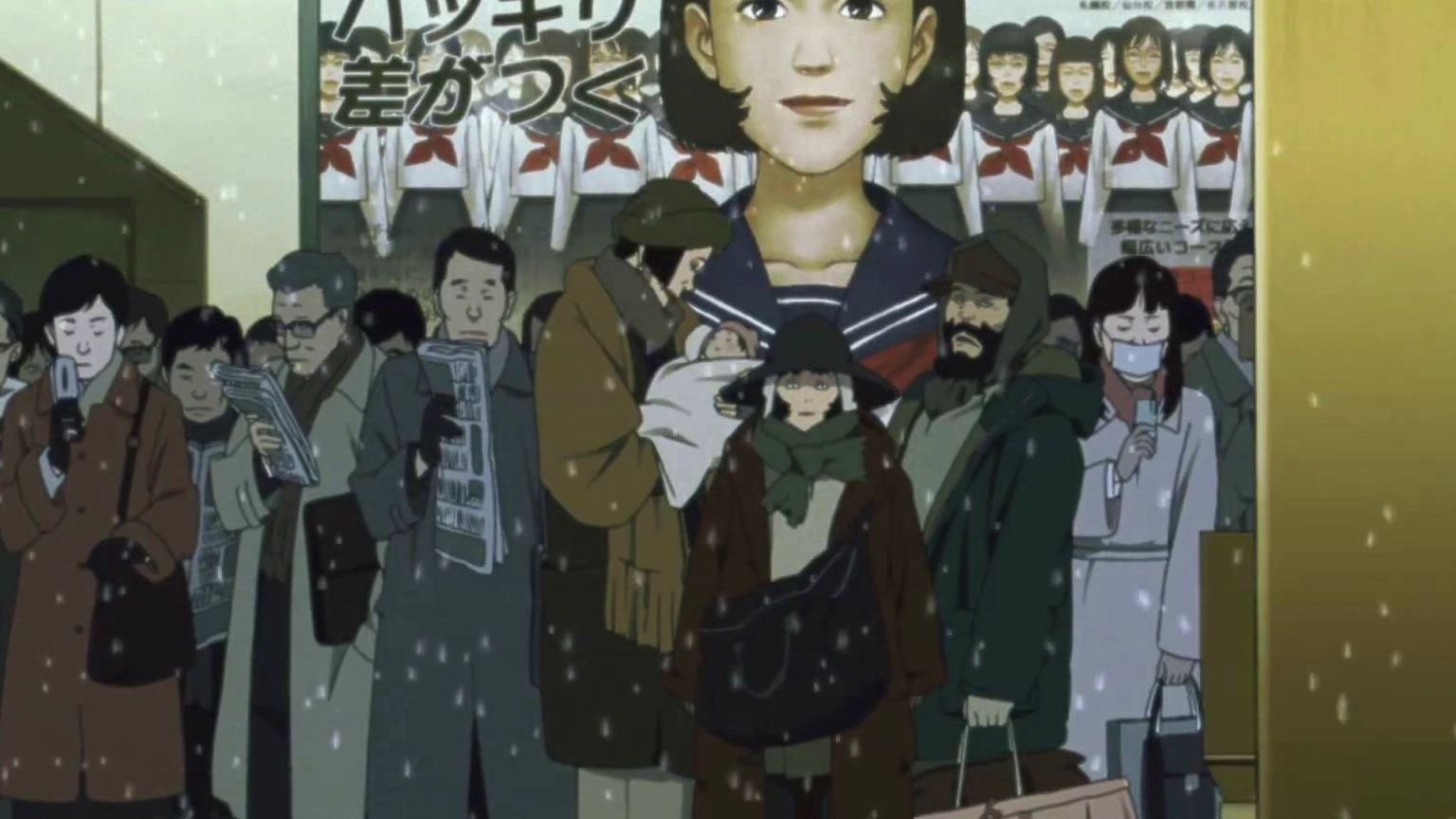
圣诞夜,退役自行车选手Gin,跨性别者花,离家出走的少女美由纪三人在东京的雪夜中无所事事。这是,他们发现垃圾堆中有一位哭泣的弃婴。孩子的襁褓中仅有一个酒吧的名片与照片。婴儿的父母身份成了谜团。花想收留孩子,并将孩子取名清子。但另外2人表示反对。于是三人开始了寻找清子的父母的旅程。圣诞夜幸福的气氛,伴随的却是怀中清子的哭泣。无家可归的三个人,开始为同样无家可归的清子找寻属于她的家。这一队流浪者,在一夜经历了诸多奇妙的事件。他们能找到清子的父母吗?
在哪里观看东京教父


















- Shaydeknight2025年12月17日Tokyo Godfathers offers a modest premise: three homeless individuals in Tokyo discover an abandoned baby on Christmas Eve and set out to return her to her family. What follows is one of the most spectacular films ever made, transforming this simple setup into a densely woven narrative about responsibility, grace, and the miraculous. Japan is neither commonly associated with visible homelessness nor with Christmas as a cultural cornerstone, yet the film integrates both so naturally into the Tokyo winter landscape that the premise never feels strained. Instead, the city itself becomes a quiet participant: cold, crowded, indifferent, yet occasionally generous in unexpected ways. It would be difficult for me to declare Tokyo Godfathers the "best anime film ever made", not least because the medium contains towering achievements among radically different registers: Akira, Spirited Away, Grave of the Fireflies, Ghost in the Shell, Perfect Blue, Princess Mononoke, Your Name, Paprika, and, many, many others. But from my perspective, judged by writing alone (structure, character integration, interwoven plot lines and story arcs, and narrative payoff), it is hard to deny that Tokyo Godfathers stands near the very top. The film hinges on an almost deliberately incongruous idea: that Christmas miracles might occur in Tokyo of all places. And they do, repeatedly. These coincidences are not lazy contrivances, they're carefully interlocked events, each advancing the plot while deepening character backstories. Every major figure is essential, and each arc resolves in a way that feels completely natural despite the story's overt embrace of improbability. Yes, the film is sentimental. Unapologetically so. But that sweetness is purposeful and genre-appropriate. A Christmas film that refuses warmth would miss the point entirely. The animation is superb, balancing expressive character work with kinetic, often absurd action sequences that mirror the story's miraculous logic. The tonal range is remarkable: moments of tension, genuine emotional intimacy, sudden joy, and sequences so unexpected they provoke a startled, delighted disbelief. The most impressive feat is that none of this feels disjointed. Against all odds, it all comes together magnificently. This is Satoshi Kon at his most generous and humane. Known for psychological intensity and formal experimentation, he demonstrates here an equally formidable command of classical storytelling. Tokyo Godfathers may be his warmest film, but it is no less precise for that warmth. Viewed in Japanese with subtitles, the voice performances feel authentic and fully embodied. Even for someone like myself who speaks no Japanese, the tonal clarity and emotional intent come through unmistakably. Tokyo Godfathers is a great anime film and a great Christmas film, but far beyond that it is a masterclass in narrative construction, empathy, and controlled improbability. It really is a phenomenal achievement.


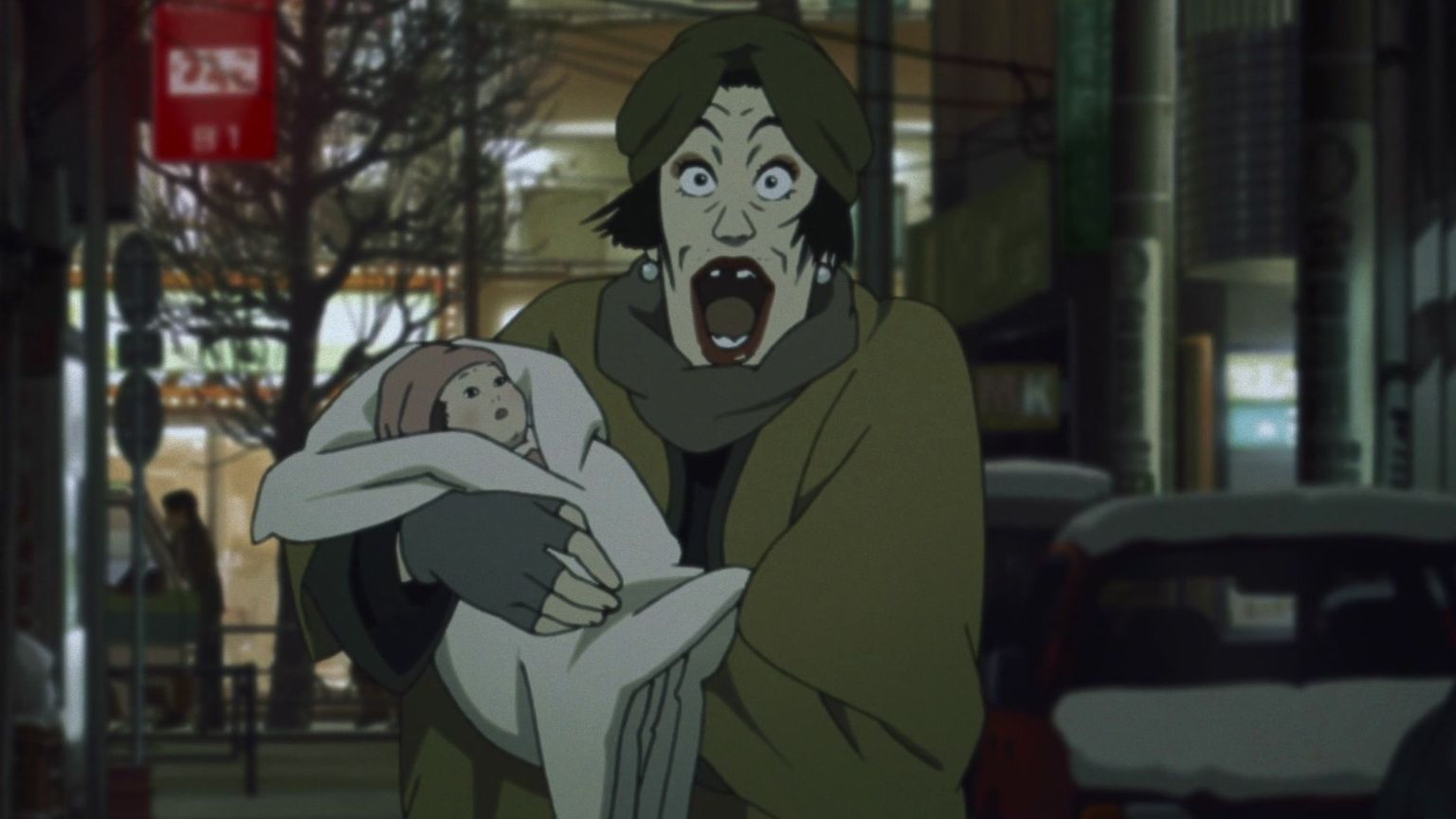
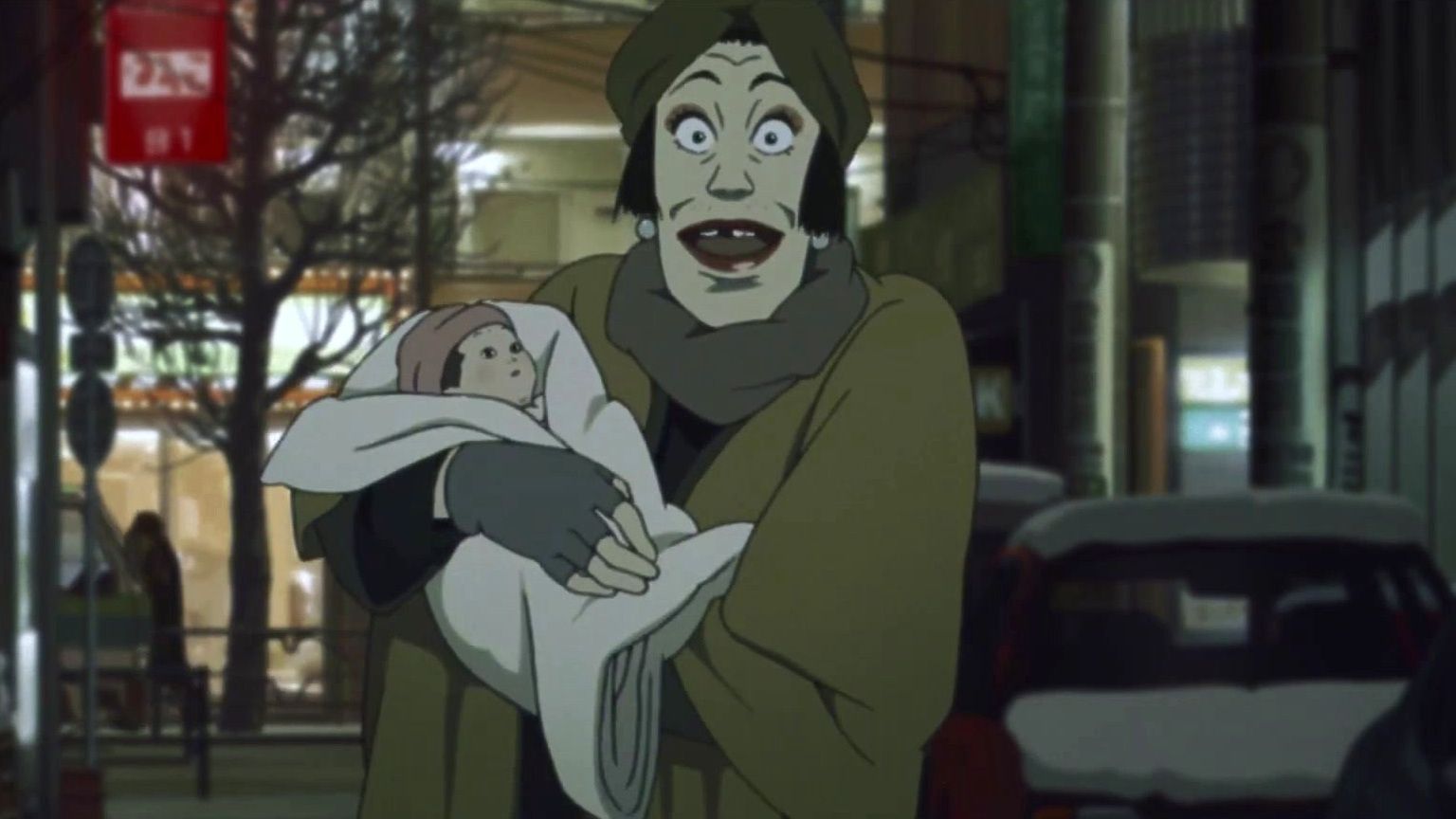
东京教父花絮
东京教父于2003年8月30日发布。
东京教父由Satoshi Kon执导。
东京教父的时长为1小时 32分钟。
东京教父由Shinichi Kobayashi, Masao Takiyama, Taro Maki制作。
圣诞夜,退役自行车选手Gin,跨性别者花,离家出走的少女美由纪三人在东京的雪夜中无所事事。这是,他们发现垃圾堆中有一位哭泣的弃婴。孩子的襁褓中仅有一个酒吧的名片与照片。婴儿的父母身份成了谜团。花想收留孩子,并将孩子取名清子。但另外2人表示反对。于是三人开始了寻找清子的父母的旅程。圣诞夜幸福的气氛,伴随的却是怀中清子的哭泣。无家可归的三个人,开始为同样无家可归的清子找寻属于她的家。这一队流浪者,在一夜经历了诸多奇妙的事件。他们能找到清子的父母吗?
东京教父中的关键角色有Miyuki (voice)(Aya Okamoto), Hana (voice)(Yoshiaki Umegaki), Gin (voice)(Tohru Emori)。
东京教父的评级为PG-13。
东京教父是一部动画, 剧情, 喜剧电影。
东京教父的观众评分为9.1(满分10分)。
东京教父的预算曾是US$240万。
东京教父的票房收入为US$61万。