


杰夫(伯纳德-皮亚里·唐纳狄欧 Bernard-Pierre Donnadieu 饰)和女友戴安娜(约翰娜·特尔·斯蒂格 Johanna ter Steege 饰)的感情一直十分要好,一次旅行中,去买饮料的戴安娜突然失踪。人人说失踪只是戴安娜离开杰夫的借口,但这并不能阻止杰夫追逐寻找戴安娜的脚步。 一转眼,三年过去了。这三年里,戴安娜依旧音讯全无,杰夫寻找到的全部都只是失望。在所有人都萌生了放弃的念头之时,杰夫接到了一个名叫巴尼(Gene Bervoets 饰)的陌生男人的电话。巴尼告诉杰夫,他知道戴安娜的踪迹并愿意帮助杰夫,但有一个条件,那就是杰夫必须经历戴安娜这些年来所经历过的一切。寻人心切的杰夫接受了这个条件,同时也掉入了巴尼一手设下的圈套之中。



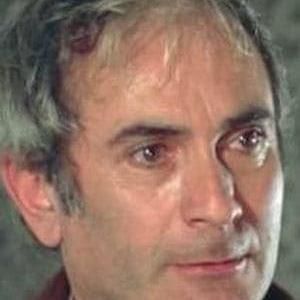





- DTSaito2025年9月17日Amazing what a film can do to you. This one is a must watch, don’t go for the Hollywood re-make. This will grip you by the throat. George Sluizer’s Spoorloos (The Vanishing) is one of the most chilling psychological thrillers ever made, precisely because it avoids cheap scares and focuses on obsession, dread, and the banality of evil. The film follows Rex, a Dutch man tormented by the disappearance of his girlfriend during a holiday in France. What begins as a simple mystery transforms into an unnerving study of how far one will go for answers—and how terrifyingly ordinary a monster can be. What makes Spoorloos unforgettable is its slow-burn tension and the way it denies the audience comfort. Bernard-Pierre Donnadieu’s performance as the calculating antagonist is disturbingly restrained, and the ending is as shocking as it is inevitable. This isn’t a thriller about finding the truth, but about the terrible price of knowing it. Still haunting decades later, Spoorloos remains a masterclass in suspense and a film that lingers in the mind long after the credits roll.
- RGmidas2026年6月14日Breadcrumbs, Gas Station Anxiety, and the Weaponization of Closure: A Dissertation on The Vanishing Rating: ⭐⭐⭐⭐ (4/5 Golden Eggs) "Who did it?" "Why did they do it?" The Vanishing calmly sits down across from you, orders a coffee, stares directly into your soul, and asks: "How badly do you really want to know?" The answer, as it turns out, is much worse than you think. 😬 Chapter I: The Radical Decision To Throw Away The Mystery Box One of the most brilliant things about The Vanishing is that it abandons the standard thriller playbook almost immediately. Most modern mystery films operate like a Reddit thread with 8,000 comments: "Guys, I think the boyfriend did it." The Vanishing instead says: "Here's the kidnapper. His name is Raymond. He's standing right there." And somehow that makes everything ten times more thrilling. The film shifts the mystery away from who and toward something far more disturbing: How? Why? What happened? And most importantly: What is the cost of knowing? This narrative decision feels decades ahead of its time. It resembles prestige television before prestige television existed. It's essentially Mindhunter crossed with Zodiac crossed with the emotional devastation of opening a text message saying: "We need to talk." Chapter II: The Symbiotic Relationship Between Victim and Monster The film's greatest achievement is the duality between Rex and Raymond. On paper they are opposites. Rex is driven by love. Raymond is driven by detached curiosity. Rex cannot stop searching. Raymond cannot stop experimenting. Yet the film slowly reveals that they are mirrors. 🪞 Raymond is obsessed with proving something to himself. Rex is obsessed with discovering something for himself. Neither man can let go. Neither man can walk away. Neither man can live without satisfying the question consuming them. By the final act, Raymond isn't simply tormenting Rex. He's recruiting him. The psychological horror emerges when we realize Rex is becoming trapped by the exact same fixation that drove Raymond in the first place. It's basically the world's worst mentorship program. Chapter III: The Tiny Seeds Of Destiny 🌱 What elevates The Vanishing from thriller to nightmare is how carefully it plants seemingly insignificant details that later become emotionally radioactive. The film is obsessed with destiny. Not grand Hollywood destiny. Not Marvel-multiverse destiny. Tiny, ordinary destiny. The kind created by everyday choices. The Coins Early in the film, Rex and Saskia bury coins beneath a tree as a symbol of their relationship. It seems like a sweet throwaway romantic moment. Later, those buried coins become one of the most devastating symbols in the entire film. The memory literally survives longer than the relationship. Longer than hope. Longer than certainty. Longer than life itself. A lesser film would have forgotten the coins. The Vanishing turns them into an existential landmine. Saskia's Golden Egg Dream 🥚 Perhaps the film's most haunting seed is Saskia's recurring dream. She dreams she's trapped inside a golden egg floating through space. Then another egg appears. She feels the collision means the end of something. At first it feels like quirky European-art-film symbolism. You know: "Ah yes, naturally, the egg represents the post-industrial alienation of the self." But by the end, the metaphor becomes horrifyingly literal. The dream transforms into a meditation on isolation. People trapped in separate worlds. Unable to reach each other. Until fate finally causes their paths to collide. It's the kind of symbolism that sneaks up on you three days later while you're brushing your teeth. Raymond's Childhood Tests The film also peels back Raymond's origin story in fascinating ways. Not with dramatic speeches. Not with traumatic flashbacks. Instead through tiny behavioral clues. He becomes obsessed with proving that he possesses free will. At one point he deliberately performs dangerous acts simply to prove he can override his instincts. He begins treating morality like a chemistry experiment. Most people ask: "Should I do this?" Raymond asks: "Am I capable of doing this?" That subtle difference becomes catastrophic. Chapter IV: The Birthday Present Theory 🎁 One of the film's most chilling recurring ideas is that life appears random until viewed in hindsight. The buried coins. The dreams. The chance stop at a gas station. The countless rehearsals Raymond performs. The failed kidnapping attempts. The postcards. The television appearance. The years of obsession. Each moment feels insignificant when it occurs. Then the film gradually assembles them into a horrifying chain reaction. Like discovering every awkward choice you've ever made was actually part of a PowerPoint presentation fate had been preparing behind your back. The movie repeatedly asks: Were these events inevitable? Or are humans simply very talented at finding patterns after tragedy occurs? The film never answers. Which is exactly why it lingers. Chapter V: The Most Terrifying Villain Is The Guy Who Looks Like He Files Taxes Raymond remains one of cinema's greatest psychopaths because he isn't theatrical. No mask. No dramatic speeches. No Joker makeup. No Hannibal Lecter charisma. He is essentially: "What if your chemistry teacher was running an internal TED Talk on evil?" The film spends an enormous amount of time watching him prepare. Practice. Fail. Adjust. Experiment. This procedural approach makes him feel horrifyingly plausible. He's less movie monster and more Excel spreadsheet. And somehow that's worse. Chapter VI: Closure As A Cosmic Trap ☕ The movie's final philosophical argument is devastating. Rex believes uncertainty is unbearable. Raymond understands this. He turns closure itself into a weapon. The film proposes that some mysteries are so painful that we convince ourselves any answer is preferable to none. Yet The Vanishing asks: Is that actually true? How much would you sacrifice for certainty? Your happiness? Your future? Your identity? Your life? The movie argues that curiosity can become addiction. And addiction can become destiny. By the end, Rex and Raymond are no longer hunter and hunted. They are two men consumed by the same need. One seeks knowledge. The other seeks proof. Both disappear into their obsessions. 🎬 TLDR 📍 The Vanishing is one of the smartest psychological thrillers ever made because it reveals the villain early and turns the mystery into something far more disturbing: the cost of knowing the truth. 🥚 The film is packed with seemingly minor details, coins buried under a tree, dreams of golden eggs, Raymond's childhood tests of free will, chance encounters, postcards, and symbolic gifts from fate, that slowly reveal a terrifying sense of destiny. 🪞 Rex and Raymond function as dark reflections of one another. One is obsessed with finding an answer. The other is obsessed with proving a theory. Both become prisoners of their own compulsions. ☕ The movie isn't really about kidnapping. It's about obsession, closure, fate, and the terrifying realization that some questions consume the people asking them. 🔥 Imagine Mindhunter, Zodiac, true-crime podcasts, existential philosophy TikTok, and your worst intrusive thought all getting trapped together inside a golden egg floating through space. And somehow, nearly forty years later, it still feels unsettlingly modern. 😳🥚🚗💀 Final Academic Assessment: A masterclass in slow-burn dread, existential horror, and the cinematic equivalent of opening a spoiler you immediately wish you had never read. ⭐⭐⭐⭐


神秘失踪花絮
神秘失踪于1988年10月27日发布。
神秘失踪由George Sluizer执导。
神秘失踪的时长为1小时 46分钟。
神秘失踪由Anne Lordon, George Sluizer制作。
杰夫(伯纳德-皮亚里·唐纳狄欧 Bernard-Pierre Donnadieu 饰)和女友戴安娜(约翰娜·特尔·斯蒂格 Johanna ter Steege 饰)的感情一直十分要好,一次旅行中,去买饮料的戴安娜突然失踪。人人说失踪只是戴安娜离开杰夫的借口,但这并不能阻止杰夫追逐寻找戴安娜的脚步。 一转眼,三年过去了。这三年里,戴安娜依旧音讯全无,杰夫寻找到的全部都只是失望。在所有人都萌生了放弃的念头之时,杰夫接到了一个名叫巴尼(Gene Bervoets 饰)的陌生男人的电话。巴尼告诉杰夫,他知道戴安娜的踪迹并愿意帮助杰夫,但有一个条件,那就是杰夫必须经历戴安娜这些年来所经历过的一切。寻人心切的杰夫接受了这个条件,同时也掉入了巴尼一手设下的圈套之中。
神秘失踪中的关键角色有Raymond Lemorne(Bernard-Pierre Donnadieu), Rex Hofman(Gene Bervoets), Saskia Wagter(Johanna ter Steege)。
神秘失踪的评级为Not Rated。
神秘失踪是一部惊悚, 悬疑, 恐怖电影。
神秘失踪的观众评分为8.8(满分10分)。