
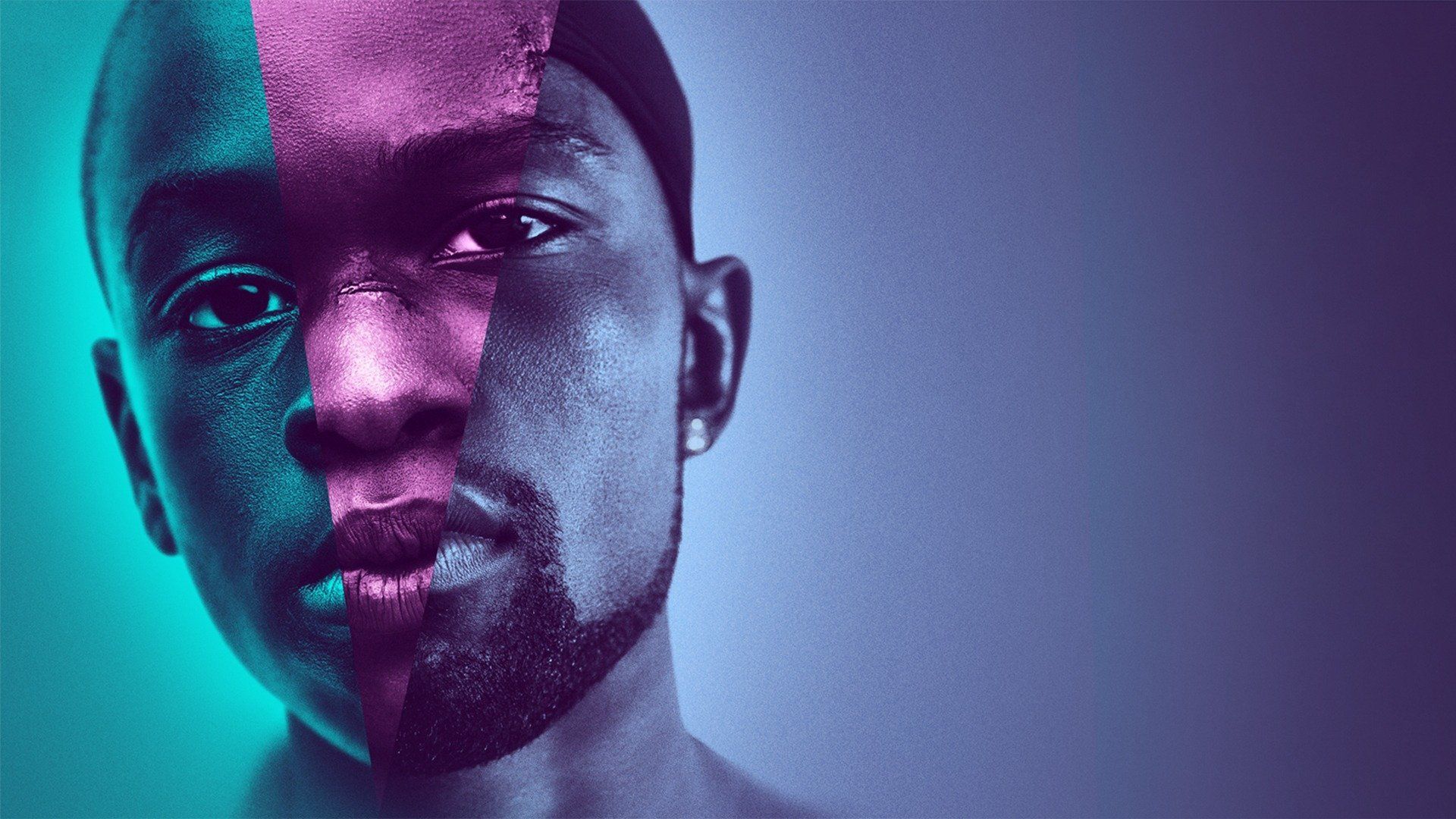







- Garrett Wilkins1天前Just as Andrea Arnold did in American Honey, Barry Jenkins turns his attention toward a part of America that mainstream filmmaking rarely cares to acknowledge. While American Honey follows one forgotten corner of the country's underclass, Moonlight reveals an entirely different one. Both films remind us just how many American stories remain untold. What struck me most was how little interest the film has in assigning blame or making a certain audience feel guilty by outright claiming any type of systemic injustice exists. It never seems interested in telling viewers what they're supposed to think. Instead, it simply presents its characters as they are, trusting that their humanity is enough to earn empathy on its own. I found that approach far more effective than the kind of mainstream dramas that arrive with their social justice lessons already baked into the screenplay. Mahershala Ali is phenomenal despite appearing for far less of the film than I expected. He had an aura of security about him that extended well beyond his limited screen time. I wasn't entirely convinced at first that Trevante Rhodes was the right choice for the film's final chapter. By the end, though, he had completely won me over as the right choice for the final act protagonist. Barry Jenkins directs with remarkable confidence and allows these performances and the silence between them to carry as much weight as the dialogue itself. I spent much of the film thinking less about where the story was going and more about what it was trying to say. It raises questions about identity, masculinity, sexuality, family, addiction, poverty, and belonging. I wondered whether it was subtly or perhaps even incidentally suggesting that society begins shaping a person's understanding of themselves long before they have the opportunity to define that identity on their own. Whether that was Jenkins' intention or simply my own interpretation, I appreciated that the film never forces an answer. But at the same time, I think Moonlight reaches into so many different areas that it never fully commits to any single one of them, and even though this can sometimes be a successful tactic, I can't quite say this film pulls that effort off well enough to be worthwhile. I have to say too, if I'm being forthright, I personally believe the Academy had stronger Best Picture nominees that year. With that said, I completely understand why Moonlight has become such a respected film. More than anything, I'm glad I watched the two A24 products, American Honey and Moonlight, back-to-back. They complement one another remarkably well, revealing two different perspectives of life beneath the surface of modern America without either one pretending to have all the answers.
- Tim and Ken2026年2月15日I've seen this movie 2 or 3 times. I always enjoy an LGBT coming of age story. Some other older gays might be able to relate to the challenges of coming out. The need to "act like one of the guys" to fit in. The sense that some of us are unable to come out to ourselves and others until there's some distance to feel safe enough to do so. But when it finally happens, it just feels so right, and freeing.


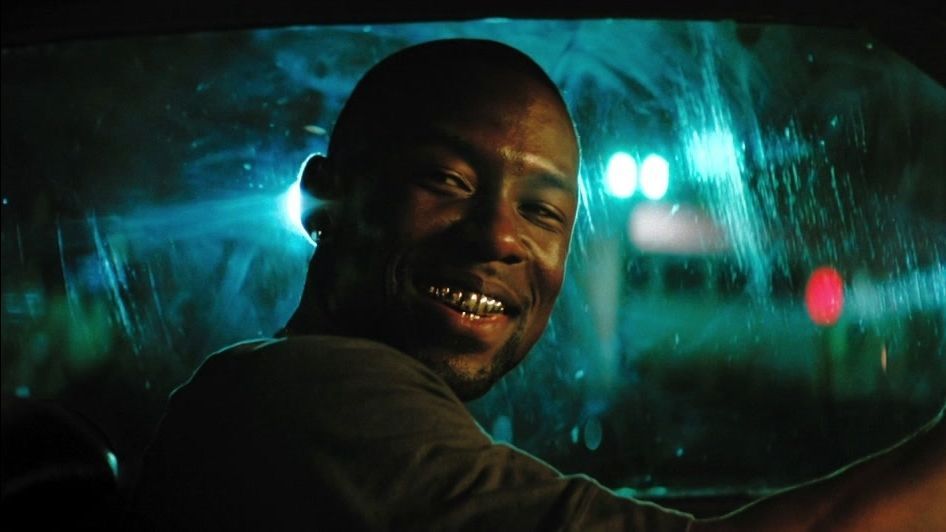
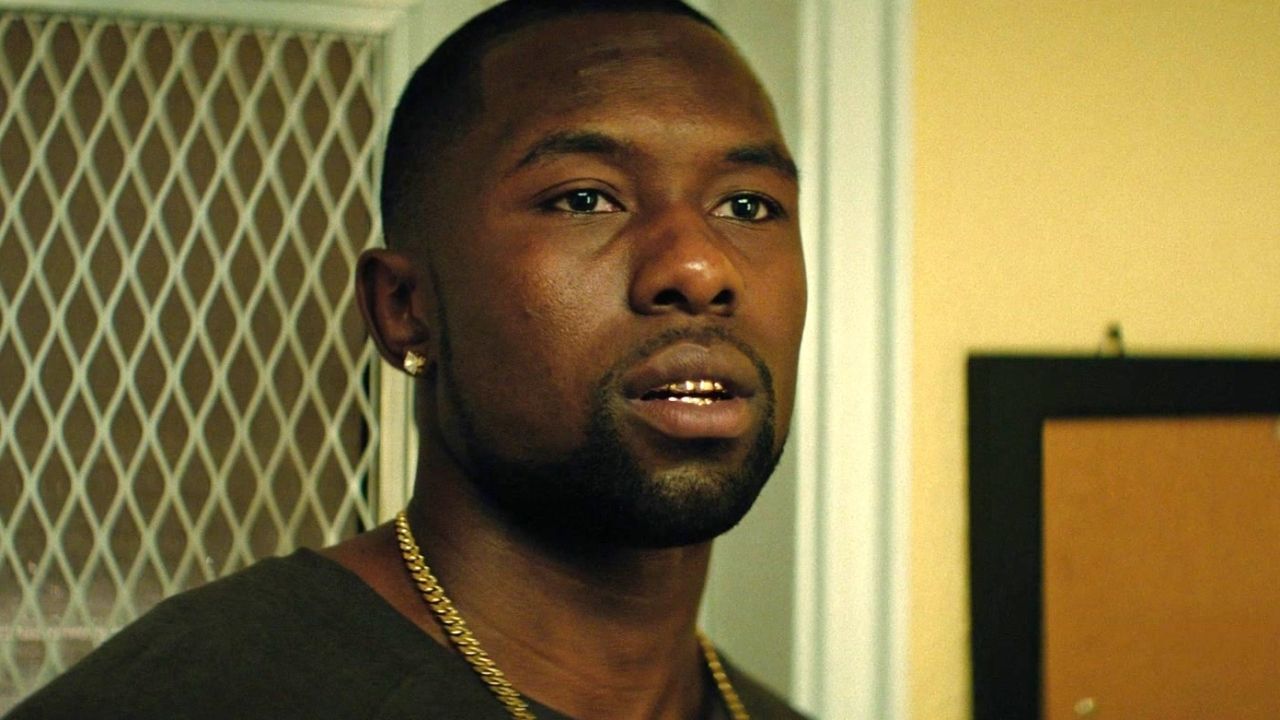
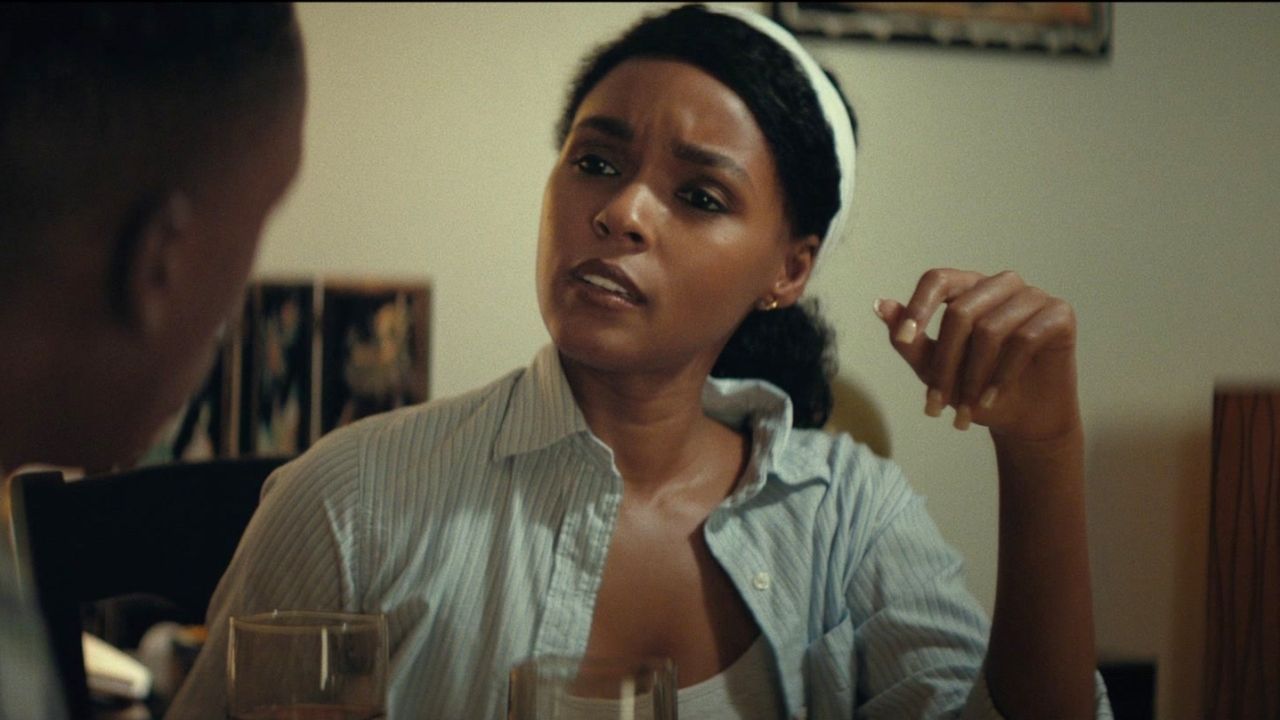
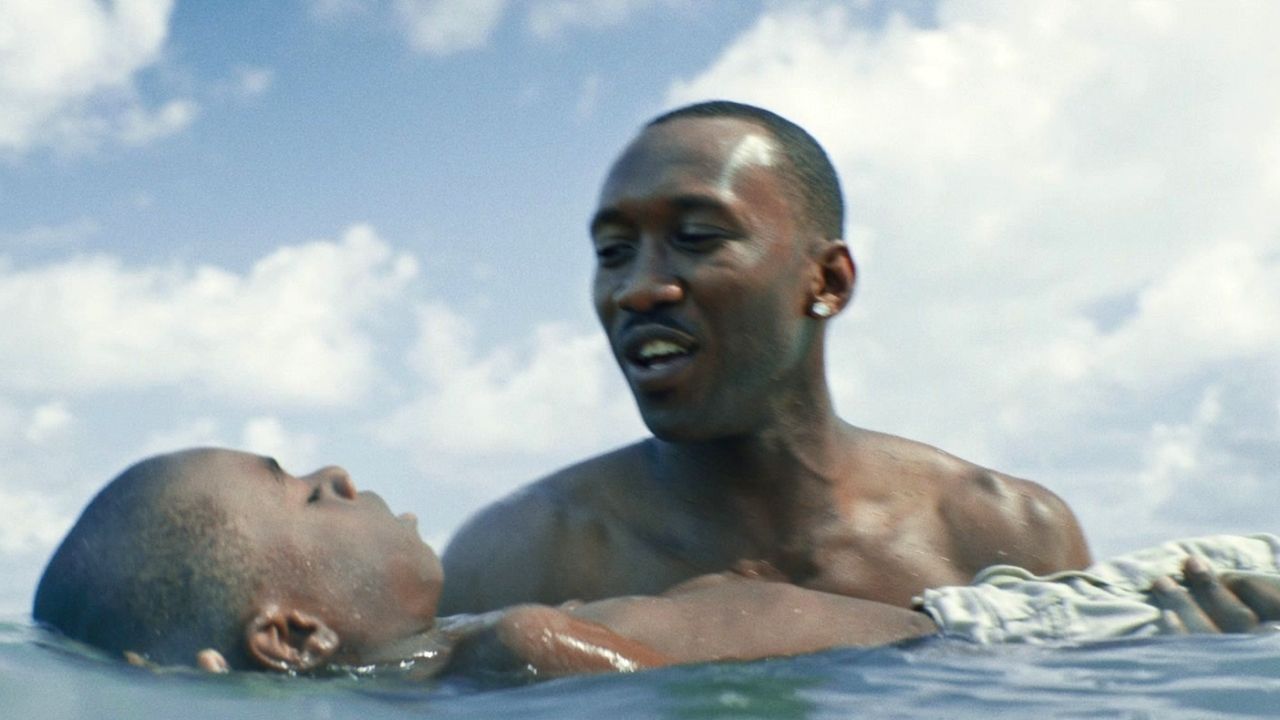

月光男孩花絮
月光男孩于2016年10月21日发布。
月光男孩由Barry Jenkins执导。
月光男孩的时长为1小时 50分钟。
月光男孩由Adele Romanski, Jeremy Kleiner, Dede Gardner制作。
一位年轻的非裔美国男子在经历童年、青春期和步入成年期的日常挣扎的同时,也在努力探索自己的身份认同和性取向。
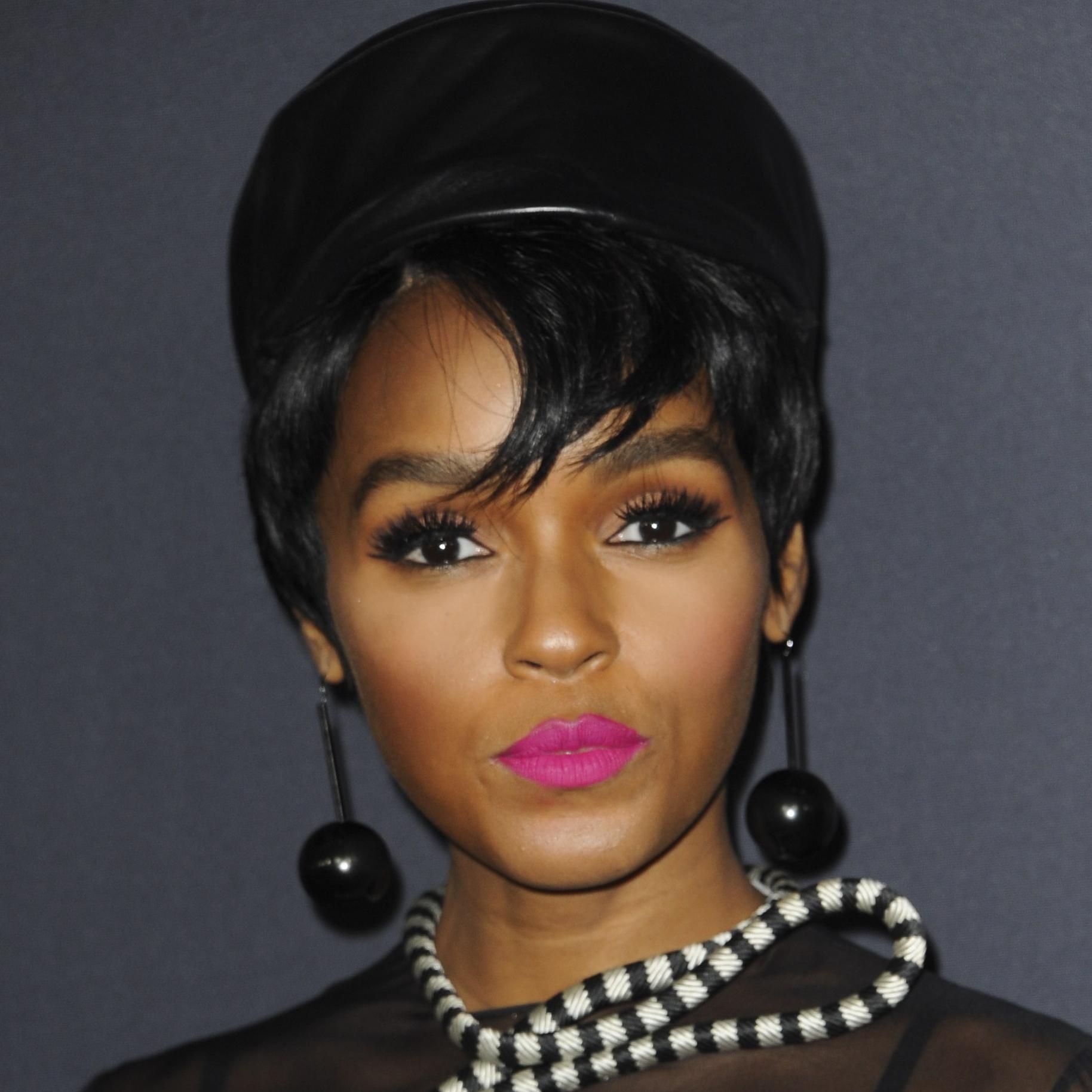
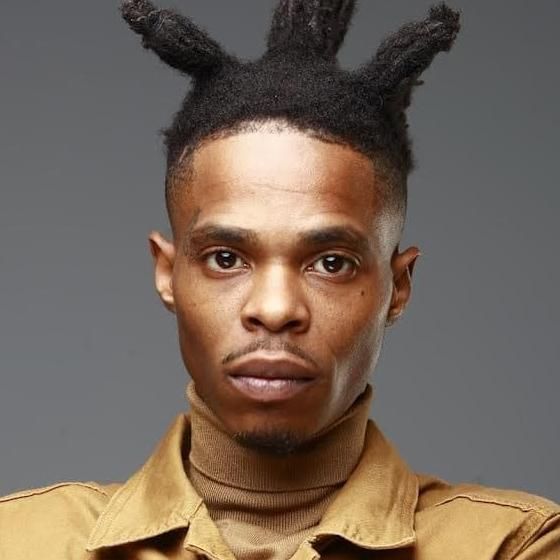
月光男孩中的关键角色有Black(Trevante Rhodes), Kevin(André Holland), Teresa(Janelle Monáe)。
月光男孩的评级为R。
月光男孩是一部剧情电影。
月光男孩的观众评分为7.9(满分10分)。
月光男孩的预算曾是US$400万。
月光男孩的票房收入为US$6504.7万。