
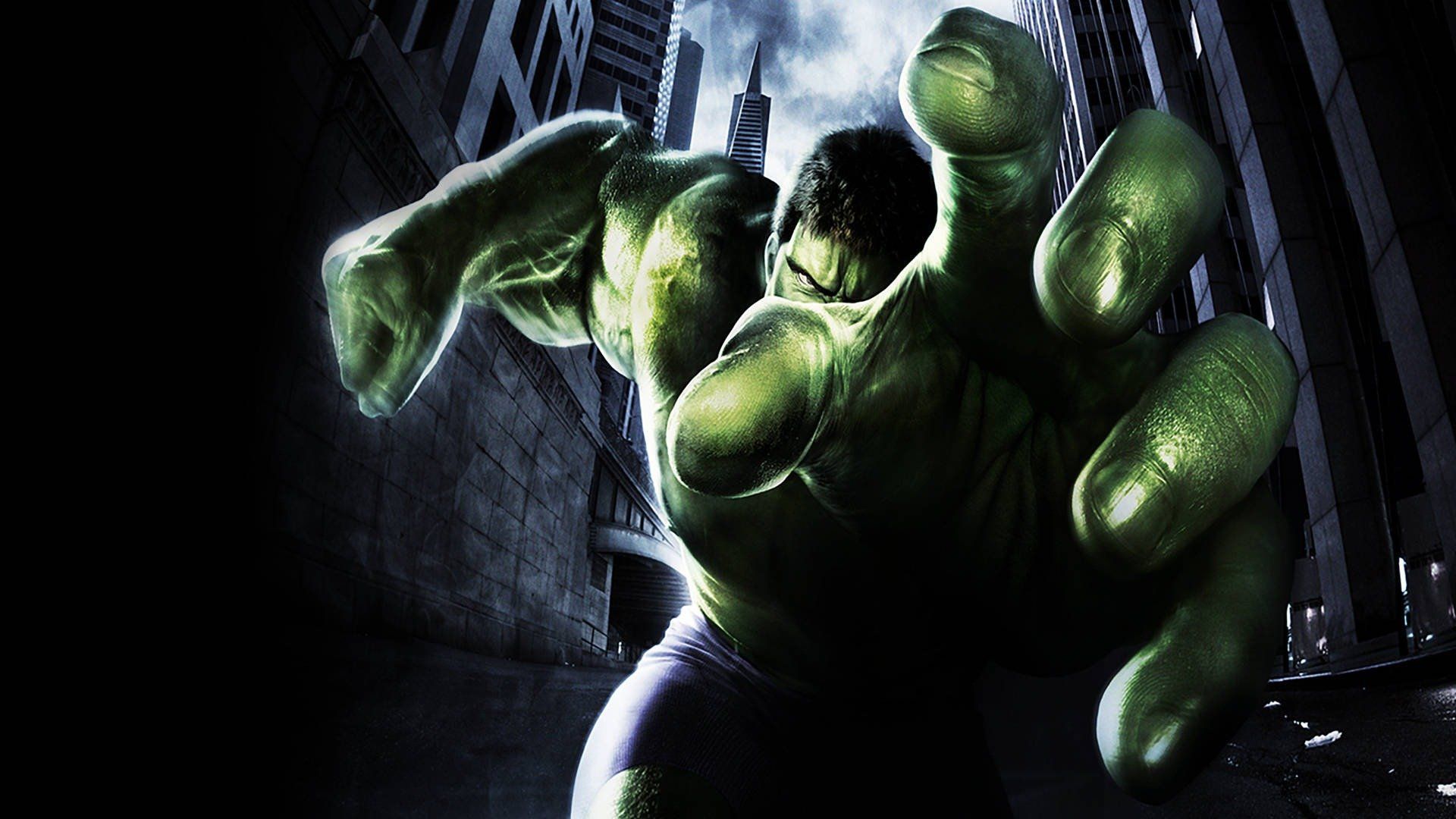











- Tanalien2025年2月15日What happens when an established auteur takes on a big-budget comic book movie? In 2003, Universal Pictures owned the film rights for the Hulk character. For their first film with the green monster, they bet on a Taiwanese director Ang Lee, who was famous for excellent dramas and had just captivated audiences with a martial-arts film in 2000’s Crouching Tiger, Hidden Dragon. Before the box-office-dominating Marvel Cinematic Universe (MCU) established a winning template with 2008’s Iron Man, comic book films were more experimental. In the early 2000s, no one had mixed the right components together yet. Perhaps, the studio thought, Lee could repeat his success and make us a huge return on our money. As an experiment, Hulk is a fascinating film to view. How often is an auteur allowed to exert complete control on a superhero story? This is much rarer in the age of the Marvel Studio machine, which has centralized creative control away from the director, yet still produced many, multi-billion-dollar-successes. The title sequence of 2003’s Hulk sets a wildly different tone than any film in the MCU. When the Universal logo glides across the screen, composer Danny Elfman commands the sound stage with a complex musical rendition combining Eastern instruments, a female voice, throat singing, and a traditional Hollywood symphony orchestra. For a superhero film, it is incredibly bold and unexpected. With Hulk, Lee’s passion for exploring drama is evident in the first thirty minutes of the film. The story begins with a Freudian analysis of Bruce Banner, documenting his formational days as a child living with his birth parents. His father (Nick Nolte) is a military researcher, trying to generate advanced bio-soldiers. In his quest for a working prototype, he mutates his genes and passes the mutations hereditarily onto Bruce. For a time, the father experiments on his own son. But when Bruce’s father realizes his mistake, he descends even further into the moral abyss: he tries to kill his own son. This is the harrowing incident that defines Bruce. Using this event as a story pillar, Hulk veers into more evil territory than most MCU films. The visual style feels compelling - adapting the look of comic book panels on a page to the frame of a movie. Divided by lines, multiple camera shots take up sections of the frame. Lee extends these sequences to let us be our own editor, picking which perspective to focus on. Moreover, the montage editing of some sequences is brilliant - delivering information about multiple characters in a way that feels effortless to watch. But that was not what generated the negative reactions from fans. To this day, what audiences disliked about Hulk is the verboseness and the tone. For a comic-book film, Hulk is unusually talky. Lee spends the first thirty minutes of the film establishing character - all the chess pieces that he will orchestrate. There are two fathers, two adult children, and one, very annoying Department of Defense (DoD) advisor. The fathers hate each other, while their two adult children love each other and have daddy issues. I am convinced that the DoD advisor was only in the script so Bruce Banner could say the line, “You’re making me angry,” and become the Hulk. The lovers, Bruce and Betty, are portrayed by Eric Bana and Jennifer Connelly. The actors have a chemistry that is off-the-charts, as their characters would say. When they first meet onscreen in a research lab, my heart was pumping! For his part, Lee seems intent on making Hulk into modern-day Shakespeare - a twisted version of Romeo and Juliet where Romeo is a misunderstood superhuman monster. Sadly, the potential between these two gets smothered in a story that is less about romance - and more about resolving horrible fatherly relationships. Hulk’s script has a heavy emphasis on character dynamics: the lovers try to resist the pull of their fathers, while the fathers try to enforce boundaries between them. Most of the film’s dramatic impulses come from scenes when these characters meet for the first time - and talk. Every conversation is filled with conflict and seriousness; there’s hardly a moment of leisure. After so much, it begins to feel stale. Moreover, all this talking sidelines the reason people bought a ticket: to see “Hulk Smash!” The initial, thirty-minute set-up of character drama makes the moments when the Hulk appears somewhat out-of-place. In drama, we are conditioned to the idea that when conflicts begin with words, they are resolved with words. When the Hulk starts to fight genetically-mutated dogs, destroy a government installation, and jump through Arches National Park, it is initially fun - but structurally out-of-sync with what we should expect. As movie clips, those sequences are cool to show off. As scenes in a larger story, they are merely showcases of computer generated imagery that are peripheral to the story that Lee cares about. It feels like Ang Lee wanted to explore the torment of the Hulk - the blessing and the curse that comes with having your identity split between a man and a green monster. To do that, he also had to include the climactic superhero versus supervillain battle to conclude the film, which has become a comic-book film tradition. The final confrontation is spectacular in how much it condenses what people hate about Hulk and what makes it interesting. All four main characters are finally in the same room, making eye contact. The fathers feel true hatred for each other. Betty is trying to repair her fatherly relationship, while Bruce has given up on his own. Years ago, when Bruce’s father tried to kill him with a knife, his mother tried to save him. To protect him, she fell on the knife herself. This is the first time that father and son have met since Bruce learned this. As we have come to expect in Hulk, the face-off between Bruce and his father begins with an extended conversation. Bruce curses at his father, who is fascinated by the monster inside of his son. His father, mutated by the same serum, wants to absorb the Hulk - and replace the military that sidelined him and take over the world. “Excuse me,” you may have said out loud. Yes, that dramatic turn came out of left field in the film. Throughout Hulk, there is an extended commentary on the post-9/11 United States of America - with all of the tanks, choppers, and missiles sent at the Hulk, the Eastern instruments and female voice in Elfman’s score, and a desert setting for much of the film. The neighborhood where Bruce grew up is abandoned and crumbling. When the Hulk visits it later, it is blown up in a missile attack - making him angrier. The final dialogue by Bruce’s father makes this intention explicit. The filmmakers allude to an idea that American militarization in the Middle East will create uncontrollable monsters like the Hulk. 2008’s Iron Man used this Middle East insurgency idea as a key piece of Tony Stark’s character arc when Stark, a weapons manufacturer, is attacked by his own weapons. In the climactic conversation, Bruce cries, repeatedly refuses his father’s touch, and screams after listening to his father’s diatribe. The whole ordeal is uncomfortable and melodramatic - and a wild scene for any comic-book film. If I was a parent at the time of release, I’d think twice before taking my kids to a screening. When the dialogue fails to deliver a conclusion, Bruce’s father shrugs his shoulders (like Ang Lee probably did watching the edit), says, “All right, I’ll go,” and bites an electrical cable. He is squirming while he absorbs the heavy electrical current. Then, Bruce lets out a massive “AHHHH!” and becomes the Hulk, while his Father has mutated into an electrical beast. Thus the battle begins. In many ways, Hulk is the antithesis of the superhero template that the MCU developed. There is no camaraderie between the characters; they are constantly in conflict. The only positivity in the film is a romance with too little screen time. When the film is so irritatingly self-serious, the audience can sense that they won’t get the emotional catharsis they want. I found myself getting impatient with the dialogue. The Hulk is one of the hardest comic-book characters to adapt to a solo-film because Bruce’s inner battle with the Hulk is hard to depict in a compelling way. Bruce is a reactive protagonist, not a man in control of his destiny. Stuff happens to him, not because of him. When the guy gets angry, he breaks stuff. What is dramatically interesting about that? There is one thing: how could Bruce eradicate the virus in his cells and truly destroy the Hulk? What if Bruce and the Hulk are not friends - who wins that battle of identity? That may have been the sequel to this film, which Universal Studios did not bet on. Luckily, Hulk was not the last word on the film version of the character. Nine years later, the MCU cracked the code on the Hulk in 2012’s The Avengers: Surround him with a superhero ensemble like in the best comic-book storylines. When the Hulk has the push and pull of other superheroes who make him truly vulnerable, that is the space where his character thrives. Shown only as a ensemble member, Mark Ruffalo’s version of the Hulk has a compelling arc, even though he never had a solo film. Hulk was a huge swing that resulted in an uneven film. The visual style was excellent, but the serious script felt odd in the universe it needed to create. Given its clear departures from established comic-book film traditions, it is hard to be extremely disappointed. Ang Lee’s film was an prototype, trying to bridge an Oscar-winning drama with superhero-sized action. The clashing elements showed future filmmakers what not to do with the comic-book genre - since no one has attempted to follow in the dramatic footsteps of Hulk. Can you imagine if 2008’s Iron Man had the same tone? Neither can I.
- Otacon!2026年1月15日I think, this is embarrassing. I mean, poor actors. I had seen this movie two times over the last 20 years, just to be sure and I hadn't changed my mind. The movie could be a lot better but poor choices ruined it. The narrative has too many themes for the movie duration and not a clear one to follow. The CGI is tremendous (ironically speaking), every time that you see a CGI character on screen your heart will miss a beat. Lack of detail, lights that are misplaced and ... the dog... No. Personally I will consider this Hulk movie as I consider the fisrt Deadpool appearance in the old x-man movie. A sad mistake.
- ርልዪረ2025年6月29日One of the few superheroes that appeal to me the most is the incredible hulk, mostly due to his hulking (no pun intended) appearance. From start to finish, "Hulk" was a mesmerizing and haunting experience for me. Written and co-produced by James Schamus, "Hulk" is a gritty and empathetic character-driven story that is amazingly told with both style and substance. The film is about the strained relationships between fathers and their sons, and the consequences of wrath; unbridled fury can negatively affect somebody easily with awful results. It tells an origin story of a scientist called Bruce Banner, giving us the answer to why and how he becomes the hulk. Be afraid. Be very afraid! When Bruce Banner gets angry or stressed, the results are devastating. He turns into a green, ferocious, and formidable ogre called the hulk. That's the equivalent of being possessed. Accompanied by a gifted editor named Tim Squyers, and Frederick Elmes with cinematography that displays staggering imagery, Ang Lee's direction spawns innovative craftsmanship. Bringing a comic book to life in a live-action format. Not to mention that the combination of a taut script, and the dramatically dark tone gives this movie an edge to keep the stakes high, as well as to keep us gripped. As an action diversion, it delivers breathtaking excitement and intensity via energetic momentum, while the special effects are incredibly cool to look at. Throughout it's 2-hour-and-18-minute-long running time, It moves at a fine, efficient pace, and not a single moment goes to waste for filler. The rousing score by Danny Elfman depicts the film as a dramatic sci-fi thriller with drama, sorrow, and menace. The characters are complex with considerable depth, convincing character-development, and gripping character arcs. The impeccable cast did a great job with their performances; they feel so genuine and grounded in personality. Eric Bana was perfect casting Bruce Banner; Bruce is a brooding and sympathetic scientist who was tormented by his terrible childhood memories. He is in the comforting hands of his compassionate colleague Betty Ross, who was played beautifully by Jennifer Connelly. Jennifer was admirable as Betty, she did a nice job at being so tender, and having sympathy. But one man becomes a problem for their relationship: Betty's father, Thunderbolt Ross, is a highly aggressive general who loves nothing but her daughter, and is responsible for firing Bruce's father, David played by Nick Nolte, for being mentally unstable for his scientific experiments. Nick Nolte was awesome as David Banner by delivering an ominous presence and a psychotic personality; a complex villain with a clear understanding to his shady scheme. However, he tried his best to heal himself. Just like his son Bruce, David is a scientist, but he is mentally deranged and power-hungry. Josh Lucas was wicked as Glenn; he is a conniving businessman who has lust for Betty, and wants Bruce's DNA sample for a fortune.


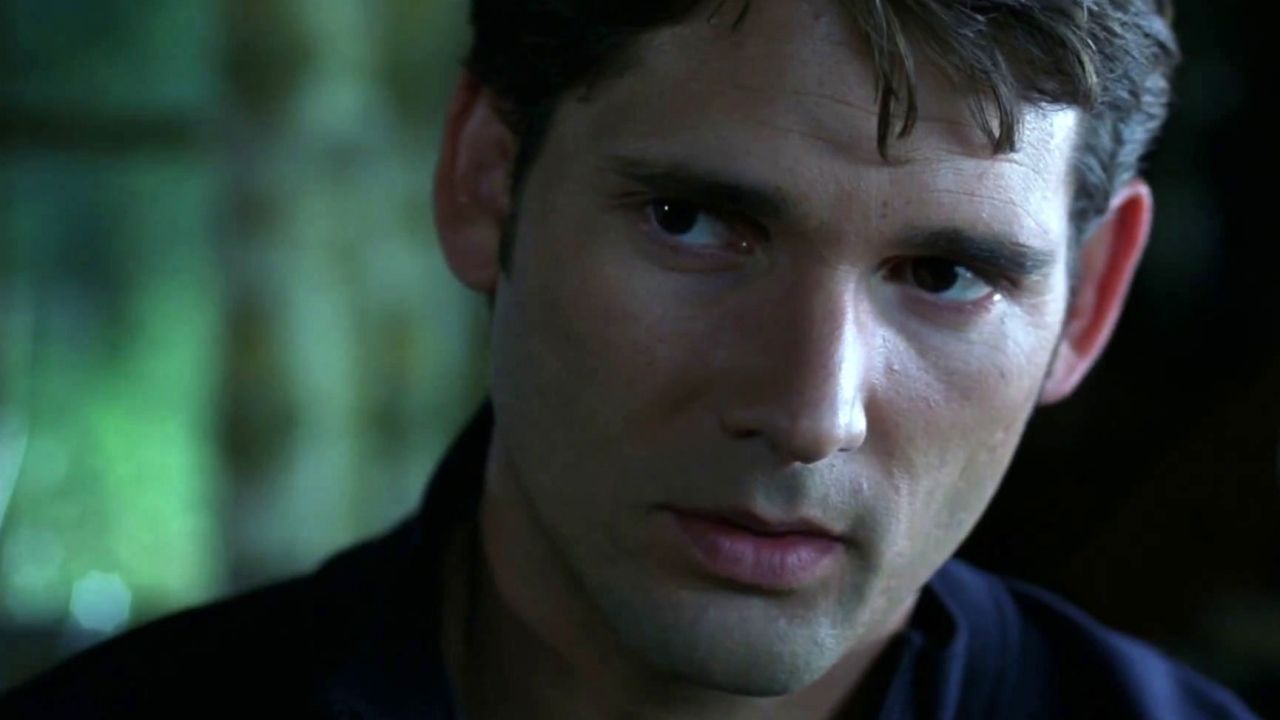
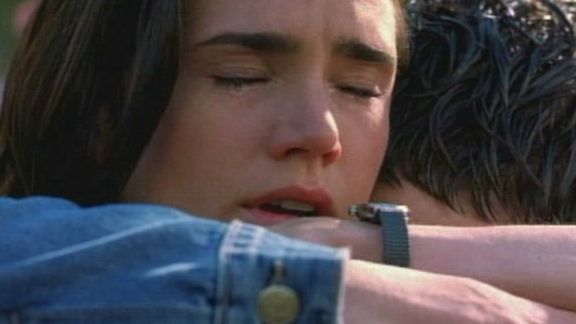
绿巨人浩克花絮
绿巨人浩克于2003年6月19日发布。
绿巨人浩克由Ang Lee执导。
绿巨人浩克的时长为2小时 18分钟。
绿巨人浩克由Gale Anne Hurd, James Schamus, Avi Arad, Larry Franco制作。
从小孤苦无依的布鲁斯·班纳长大后成为了美国伯克利军方的科学家,专职从事新型高能炸弹的研究工作,他与罗斯将军的女儿贝蒂·罗斯相恋。事业与感情一帆风顺的布鲁斯似乎已经摆脱了幼年孤独的阴影,走上了一条让人艳羡的成功之路。然而好景不长,在一次试验中,为了保护一名同事,布鲁斯暴露在致命的伽马射线之下,布鲁斯体内的神秘力量被意外唤醒。从此之后,每当情绪激动时,布鲁斯就会失去自我意识,变身成为绿巨人,并且同时具有超强的破坏力和抗拒意志。但布鲁斯并不知道也不想知道自己异于常人的变身能力。对他来说,自己只是一名没有过去、充满困惑的孤独科学家,丝毫不能理解为何会突然招致军方的围捕。面对一系列措手不及的突发事件,布鲁斯的女友贝蒂·罗斯同样感到迷茫无助。她希望帮助布鲁斯,但却遭到负责围捕绿巨人的父亲的阻止。而此时,自称是布鲁斯父亲的神秘人物大卫(尼克·诺尔蒂 饰)出现在罗斯将军身边,他告诫贝蒂不要接近自己的儿子,令贝蒂更感困惑。就在贝蒂思念班纳的同时,罗斯将军所带领的特种军队非但不会同情绿巨人的遭遇,反而早已洒下天罗地网并派出最强大的战士,意欲抓获绿巨人以获知其中的秘密。为了对抗绿巨人的超能力,罗斯将军也有自己的秘密武器,那就是神秘的超能力怪物——“吸收人”(Crusher Creel)。“吸收人”可以变身成为任何自己接触到的物体,与绿巨人势均力敌。而更为惊人的是,“吸收人”其实就是布鲁斯的生身父亲大卫·班纳。由此,布鲁斯的神秘身世开始逐渐清晰起来……
绿巨人浩克中的关键角色有Bruce Banner(Eric Bana), Betty Ross(Jennifer Connelly), Ross(Sam Elliott)。
绿巨人浩克的评级为PG-13。
绿巨人浩克是一部Action, Adventure, 科幻电影。
绿巨人浩克的观众评分为2.9(满分10分)。
绿巨人浩克的预算曾是US$1.4亿。
绿巨人浩克的票房收入为US$2.5亿。