
Garrett Wilkins
SGarrettW
13following
17followers
Gick med 2026
Knoxville, TN
If she doesn’t like your movie, I won’t either.
- Lanterns - S1 • A6 - Bad Optics
 Lanterns slams on the brakes after last week’s outstanding episode, and “Bad Optics” is better for the pause than it is for the sudden change in momentum. The episode shifts toward the fallout surrounding Hal Jordan’s death, giving Aaron Pierre room to do some of his best work through a weary, restrained performance that makes John’s frustration feel more personal than procedural. The problem is that the sudden time jump and slower investigative rhythm arrive just as the season seemed ready to accelerate, making parts of the episode feel like a reset rather than a continuation. Still, this is a useful breather rather than a detour, and by the end Lanterns has cleared enough of the wreckage from last week to put its mystery on a different track for the final stretch.Lanterns - S1 • A6 - Bad Optics
 - Unabomber
 Netflix’s latest release, Unabomber, is a questionable attempt to turn Ted Kaczynski’s early years into a psychological origin story, and it never really gives answers to what I think would be the most pertinent questions surrounding the Unabomber. The sterile sets and cold academic interiors give the film a consistent look, but they also have the polished feel of standard streaming drama. Scenes that should be digging deeper into Netflix’s latest release, Unabomber, is a questionable attempt to turn Ted Kaczynski’s early years into a psychological origin story, and it never really gives answers to what I think would be the most pertinent questions surrounding the Unabomber. The sterile sets and cold academic interiors give the film a consistent look, but they also have the polished feel of standard streaming drama. Scenes that should be digging deeper into Kaczynski instead tend to sit around without giving the characters much to work with, making the film feel longer than it actually is. There’s an interesting idea in looking at how Kaczynski developed his anti-industrial beliefs, but the film never really follows through on that. Bringing his usual reliability, Russell Crowe delivers a solid performance whenever he’s on screen, and seeing Jacob Tremblay—who I remember as a young boy in Netflix’s Before I Wake and also A24’s Room—all grown up and proving he's more than just a child actor really made me feel quite old. Strong performances only go so far, though. Unfortunately, as I mentioned, the script never gives us a real understanding of Kaczynski’s ideological transformation, and it’s just as frustrating that we barely get to spend any meaningful time with him as a grown man leading up to or following the capture. It just leaves everything feeling a bit empty. The production is polished enough to make it an easy watch, but there simply isn’t enough here to make Unabomber the kind of original that justifies having a Netflix subscription on its own.Unabomber
 - Apex
 Here is another Netflix "original" that has the kind of polished, shadowy look that makes a familiar thriller feel more substantial than it is. Charlize Theron carries Apex with her usual physical commitment, while Taron Egerton and Eric Bana do adequate work in roles that offer them little room to stand out. Even their professionalism cannot disguise how little personality the script brings to its familiar survival formula. The digital cinematography is clean, the interiors are carefully lit, and the production moves along with the efficiency of a film designed to keep viewers from reaching for the remote. Unfortunately, almost nothing here feels distinctive. It is an easy watch, though not one that gives much reason to remember it afterward. The man-chase-woman setup is so familiar that Egerton’s bizarre pre-hunt dance, one of the cringiest scenes I've ever watched, stands out because almost everything around it feels so predictable. His sheer oddness as Ben gives Apex a personality that the rest of the movie struggles to find, even if the scene itself is more embarrassing than entertaining. Most of the film settles for dependable action beats and recycled genre mechanics, leaving it as tolerable background viewing for an unchallenging evening. There is little wrong with that, but very little worth remembering either.Apex
 - 180
 180 is just a movie built from whatever thriller pieces were left sitting in a streaming service’s junk drawer. Its South African setting gives it a distinctive foundation, but director Alex Yazbek rarely finds a creative way to use it, instead dropping his characters into familiar situations without getting much from the environment itself. The tension rarely develops beyond the basics, with generic electronic music and obvious stingers doing much of the work whenever the movie wants to feel suspenseful. It is watchable enough, but there is little here that feels like someone had an idea they genuinely wanted to explore. Prince Grootboom does his best to give the central character some urgency, but the script leaves him with a thin archetype and little room to develop. What makes 180 frustrating is that its unusual setting could have produced a much stranger thriller, yet the movie never pushes its premise very far. Nearly every development feels familiar, and the further it goes, the more apparent its lack of imagination becomes. If you're looking for a thriller that does something distinctive with its setting and premise, there is not much here to recommend.180
 - Thrash
 Thrash feels like a creature feature Netflix has once again assembled from better movies, with Jaws and Crawl being the most obvious points of comparison. Fortunately, it moves quickly enough that there is rarely time to get completely bored, and a few of the practical gore effects are convincingly nasty. The attacks have some real bite when the movie gets around to showing them, which is more than I expected from such a generic setup. The cast also throws itself into the chaos, even if there is not much for any of them to work with beyond the usual collection of people waiting to be eaten. It is disposable, but at least it understands that a movie like this should keep moving. With all of this said, the unfortunate reality about the film is that almost everything holding Thrash together falls apart once you just start thinking about it. The characters are thin, the plotting is frequently ridiculous, and there is very little actual suspense because the movie keeps reaching for the same tricks you have seen in better creature features. Too many developments depend on people behaving in ways that make no sense simply to keep the next attack coming, and the result feels more mechanical than frightening. The brisk runtime and occasional bursts of gore keep Thrash from becoming a complete slog, but there is not much here that I would seek out beyond those moments. It is harmless B-movie entertainment for an evening when you want something mindless, but the shallow end of the shark-movie pool is already crowded.Thrash
 - The Dreadful
 The film started off with a weather-beaten vibe that had me thinking I was in for a solid folk-horror flick. With its muddy cottages and dreary skies, it truly creates a strong sense of place, and the wartime backdrop definitely adds to the overall gloom. But as time goes on, the atmosphere of The Dreadful starts to feel repetitive instead of evolving into something deeper. The film is ambitious, sure, but it ends up stretching an intriguing gothic premise into a much bigger story than it can handle. By the time the pacing slows down, the haunting music and pervasive darkness start to feel like just background noise. There was definitely something intriguing at the beginning, but the movie doesn't do much with the goodwill it builds up. Marcia Gay Harden is an actress I’ve always felt deserved more spotlight, and she does her best to lend some depth to the material. Still, even she can't prevent The Dreadful from living up to its name. What begins as an interesting folk horror piece soon morphs into a bloated drama that confuses length and seriousness for real substance. The more it drags on, the more it feels like a slog instead of a rewarding experience. There are definitely worse ways to spend your evening, but The Dreadful ultimately serves as a letdown, reminding us that a strong atmosphere only takes a film so far.The Dreadful
 - War Machine
 War Machine crams so many different action movies together that it eventually loses any sense of what kind of movie it wants to be. Patrick Hughes throws an alien invasion into a military action movie, then layers a survival thriller on top of it. There are even hints of creature-feature territory, yet none of these elements get enough attention to develop into anything particularly memorable. The digital scenery is dull, and the flat lighting does little to give the battlefield any character. The repetitive forest backdrops only make that worse, making the whole movie feel more like a set than a place where an actual crisis is unfolding. The writing somehow manages to be even worse, with dialogue so cringey and awkward that it constantly undermines whatever seriousness Alan Ritchson tries to bring to the material. He has the physical presence for this type of film, but the script keeps giving him lines that veer into absurdity. The action might have made that messy combination easier to overlook if it had any real flow, but the encounters instead blur together as the team faces the same basic threats and reacts in increasingly predictable ways. There is a decent cast here that teases a better movie, but the screenplay strips most of them of any real personality and leaves them feeling completely interchangeable. The machinery and constant noise create plenty of activity without giving the action much punch, and I kept waiting for something to finally break the pattern. Even the larger sequences struggle to feel exciting because the movie rarely gives them any sense of escalation. For a film working this hard to deliver a big sci-fi spectacle, War Machine is surprisingly easy to forget.War Machine
 - The Rip
 The cop thriller is a crowded corner of the genre, and The Rip does not exactly arrive with a revolutionary blueprint. What helps it stand apart is the lived-in chemistry between Matt Damon and Ben Affleck, who settle into their scenes with an ease that makes their shared history feel immediately convincing. Their exchanges have the rhythm of two people who know each other well, giving the familiar police drama more personality than the material might otherwise deserve. The low-light cinematography and rain-slicked city streets also give the film a suitably grim atmosphere, keeping the tension present even when the story falls back on recognizable procedural mechanics. Steven Yeun delivers the film’s most striking performance, adding another impressive chapter to a career that continues to move in exciting directions. He brings a sharpness and unpredictability to the role that makes it easy to understand why he has become such a compelling screen presence. The film still runs into some familiar genre habits, including predictable procedural turns and a few logistical decisions that do not hold together as well as they should. Fortunately, the performances give The Rip enough energy to avoid becoming another disposable Netflix thriller. It does not reinvent the cop drama, but its committed leads, strong supporting work, and surprising resistance to streaming clichés make it a solid, highly watchable crime thriller.The Rip
 - Star Wars: The Mandalorian and Grogu
 Turning The Mandalorian and Grogu into a feature film should have been an easy proposition. Jon Favreau knows precisely why audiences fell in love with these two characters, and he transitions them to the big screen without losing that basic charm. Having a feature-film budget gives the production room to lean heavily into tactile creature design, with detailed animatronics, practical suits, and dusty outdoor sets giving the alien encounters a solid physical presence. The trouble is that the action quickly becomes monotonous, stringing together gunfight after gunfight in a way that feels more like padding a runtime than discovering an adventure that actually demanded a theatrical canvas. Pedro Pascal remains a commanding presence even with almost his entire performance hidden behind a helmet, while Grogu is impossible not to enjoy. Their relationship is still the heart of the movie, and Favreau understands how much personality can come from the two simply sharing a scene. Unfortunately, that charm can't completely overcome a narrative that often feels content to move from one action sequence to the next without giving the characters much more to explore. The Mandalorian and Grogu may not feel like the cinematic expansion of Star Wars that it could have been, but it is a perfectly enjoyable continuation of a story I was still happy to spend a couple of hours with.Star Wars: The Mandalorian and Grogu
 - The Punisher: One Last Kill
 I was a massive fan of Netflix’s The Punisher, especially its first season, because it gave Jon Bernthal’s Frank Castle the chance to lead a story that could explore him beyond his role as a brutal antihero in Daredevil’s world. Bernthal remains magnetic in The Punisher: One Last Kill, throwing himself into one brutal action sequence after another with almost no time wasted. He plays Castle with such conviction that every punch, gunshot, and pained movement feels personal. The gritty low-light framing and propulsive stunt work keep the screen violently alive, delivering the kind of uncompromising punishment fans have been waiting to see again. The problem is that the special is over almost as soon as it begins. Its relentless pacing leaves little room for deeper emotional stakes, meaningful character development, or a story that feels substantial enough to stand beside the Netflix series. Still, the sheer force of the action, combined with Bernthal’s commitment, keeps it from feeling hollow. This is not the expansive Frank Castle story I would have wanted, but it is a satisfying burst of Castle fury that understands exactly why the character works. One Last Kill does not reach the heights of that first season of the Netflix series, but it delivers a hard-hitting reminder of what Bernthal can do when the Punisher is finally allowed to be the Punisher.The Punisher: One Last Kill
 - Peaky Blinders: The Immortal Man
 Watching Tommy Shelby walk into a room and immediately make everyone else seem less important will always bring a certain pleasure. Cillian Murphy slips back into the role with familiar gravity, carrying the same controlled menace and weary intelligence that made Tommy such a memorable presence throughout the series. The returning cast (those that did return) and industrial smogged streets, along with a spectacular original soundtrack, all help Peaky Blinders: The Immortal Man recover some of that old atmosphere. The film moves with considerable force, but it often feels as though three episodes have been squeezed into one movie, leaving several developments without the time they need to settle. Some of the performances manage to make an impression despite that limited space. Barry Keoghan gives the film a welcome jolt as Erasmus “Duke” Shelby, bringing an unpredictable energy to Tommy’s son that helps him stand apart from the rest of the family. Tim Roth also brings a strong presence to a character given almost no meaningful history or explanation for his wartime treason beyond financial gain. The cast still has enough chemistry to make the Shelby family’s latest drama engaging, and there is plenty of atmosphere to satisfy devoted fans. The Immortal Man may not have the depth of the series at its best, but it remains a worthwhile, if compressed, final chapter for viewers willing to keep their expectations in check.Peaky Blinders: The Immortal Man
 - El Camino: A Breaking Bad Movie
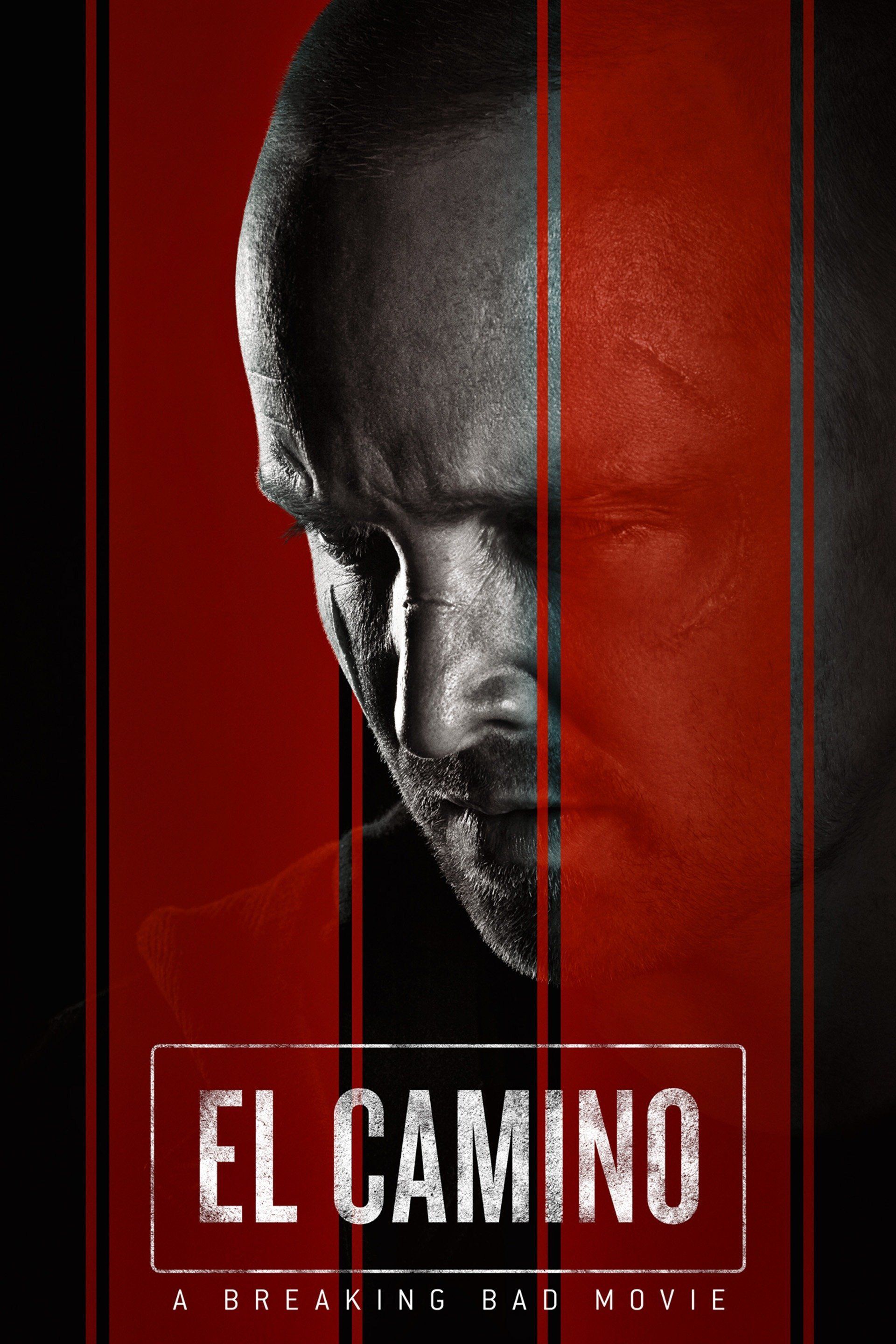 There's something satisfying about seeing Breaking Bad back in the Albuquerque desert, even if El Camino sometimes feels like a story that maybe didn’t need to be told. Vince Gilligan brings the show's gritty world to life with incredible attention to detail, capturing everything from the scorched landscapes to the worn-out interiors, making the film feel completely at home alongside the original series. The sound design plays a big part too, with Dave Porter's familiar low industrial tones adding a sense of unease to Jesse's world, without just relying on nostalgia. It’s clear that Gilligan knows the visual and tonal style of Breaking Bad, and what we get is a beautifully crafted piece of television that, interestingly, runs like a movie. Aaron Paul is the reason the film works as well as it does. Jesse looks physically battered by everything he has endured, and Paul plays that exhaustion without trying to turn it into some grand comeback performance. There is a vulnerability to him that makes even the quieter stretches compelling. My issue is that Breaking Bad already had a remarkably complete ending, so giving Jesse a feature-length epilogue inevitably makes parts of El Camino feel like material that exists because fans wanted more, not because the story demanded it. That does not make the film unnecessary to watch, especially for anyone invested in Jesse, but it does make its existence feel somewhat optional. Gilligan's craftsmanship and Paul's commitment make it an engrossing return to this world, even if the road itself does not lead somewhere we particularly needed to go.El Camino: A Breaking Bad Movie
 - The Investigation of Lucy Letby
 The AI anonymization in The Investigation of Lucy Letby is one of the strangest filmmaking choices I have seen in a documentary. The digitally altered faces look cheap and distracting, making already serious interviews feel strangely artificial. That is a shame because the documentary itself presents competing perspectives on the case without forcing an easy answer. Its grim, matter-of-fact approach works well, and I appreciated that it leaves enough room for the evidence to feel genuinely complicated. The problem is that the digital masking keeps pulling me out of it. The bigger issue is how little time the film gives itself. This is an incredibly complex case, yet the documentary moves through it so quickly that several important questions feel barely explored. I found the investigation interesting, but I was left wanting a much deeper examination of the evidence and the arguments on both sides. At barely an hour and a half, it feels more like an introduction than a complete documentary. The Investigation of Lucy Letby has enough here to make it worth watching if you are unfamiliar with the case, but the rushed presentation and bizarre digital effects leave it feeling frustratingly incomplete.The Investigation of Lucy Letby
 - Kidnapped: Elizabeth Smart
 There is no denying the built-in power of Kidnapped: Elizabeth Smart, but the documentary rarely feels as interested in digging beneath that power as it is in presenting it cleanly. The production has the polished look you expect from a Netflix true-crime documentary, with carefully staged reenactments and interviews that keep everything solemn without becoming especially revealing. That restraint is understandable given the subject, but it also makes the movie feel oddly safe. The story itself is horrifying and compelling enough to carry an entire documentary, yet the filmmaking surrounding it rarely gives me a reason to feel like I am learning something I did not already know. That became the biggest problem for me because, despite the weight of Smart's experience, very little about the documentary has stayed with me. The archival material and interviews give the film genuine emotional weight, but they mostly reinforce the significance of a story that was already widely known rather than adding much new perspective. There is nothing wrong with making an accessible introduction for viewers unfamiliar with the case, and the underlying story remains powerful regardless of how it is presented. But when the subject matter is this significant, I want the documentary to investigate rather than simply recap. Kidnapped: Elizabeth Smart is professionally made and difficult to dismiss because of the story at its center, but it feels far too content with telling me what happened instead of giving me much reason to keep thinking about it.Kidnapped: Elizabeth Smart
 - Unknown Number: The High School Catfish
 A phone lighting up in a dark bedroom should not be enough to make a true-crime documentary feel threatening, but Unknown Number: The High School Catfish understands how invasive that kind of harassment can become. The digital presentation is clean and easy to follow, with text messages and screen recreations putting me inside the same technology that makes the abuse possible. The anonymous messages are unsettling because there is no face behind them, just another notification nobody wants to see. The sound design adds a low electronic pulse without turning every moment into a horror movie. The distance between the person sending the messages and the people receiving them is the most interesting thing here. The interviews make clear how much damage that distance can cause, particularly when teenagers are being consumed by something that exists almost entirely through a screen. Unfortunately, the documentary gives too much room to the person ultimately revealed as responsible, allowing their perspective and excuses to occupy more space than I think they deserve. That choice becomes especially frustrating because the film does not dig deeply enough into what could possibly drive someone to carry out this kind of cruelty. Instead, it spends much of its runtime building toward the revelation and then leaves the more disturbing questions hanging. Unknown Number is certainly watchable, but its willingness to sympathize with the person behind the harassment ultimately makes the documentary feel less insightful than its subject deserves.Unknown Number: The High School Catfish