

Mannen i det höga slottet
7.984%79%7.5

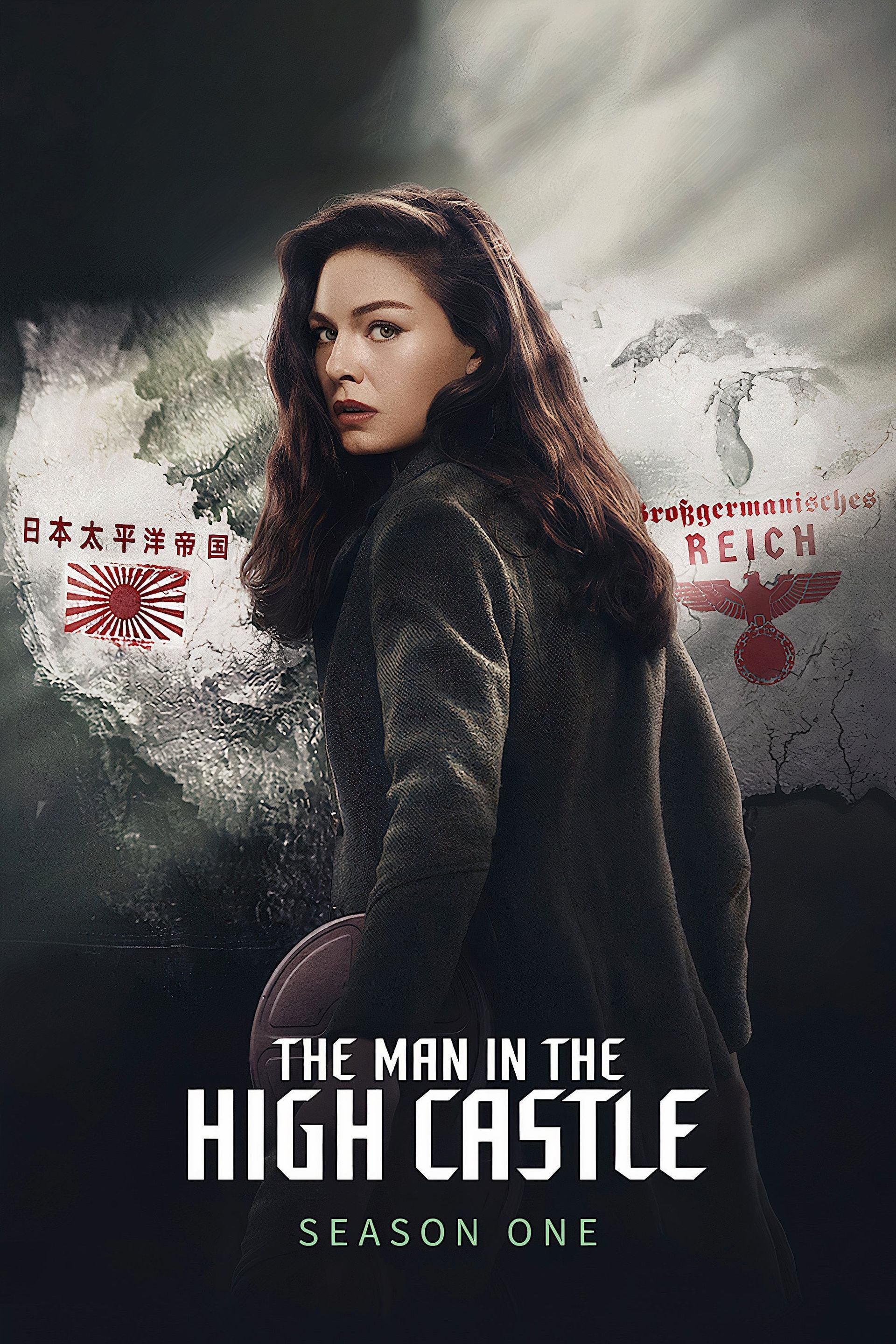
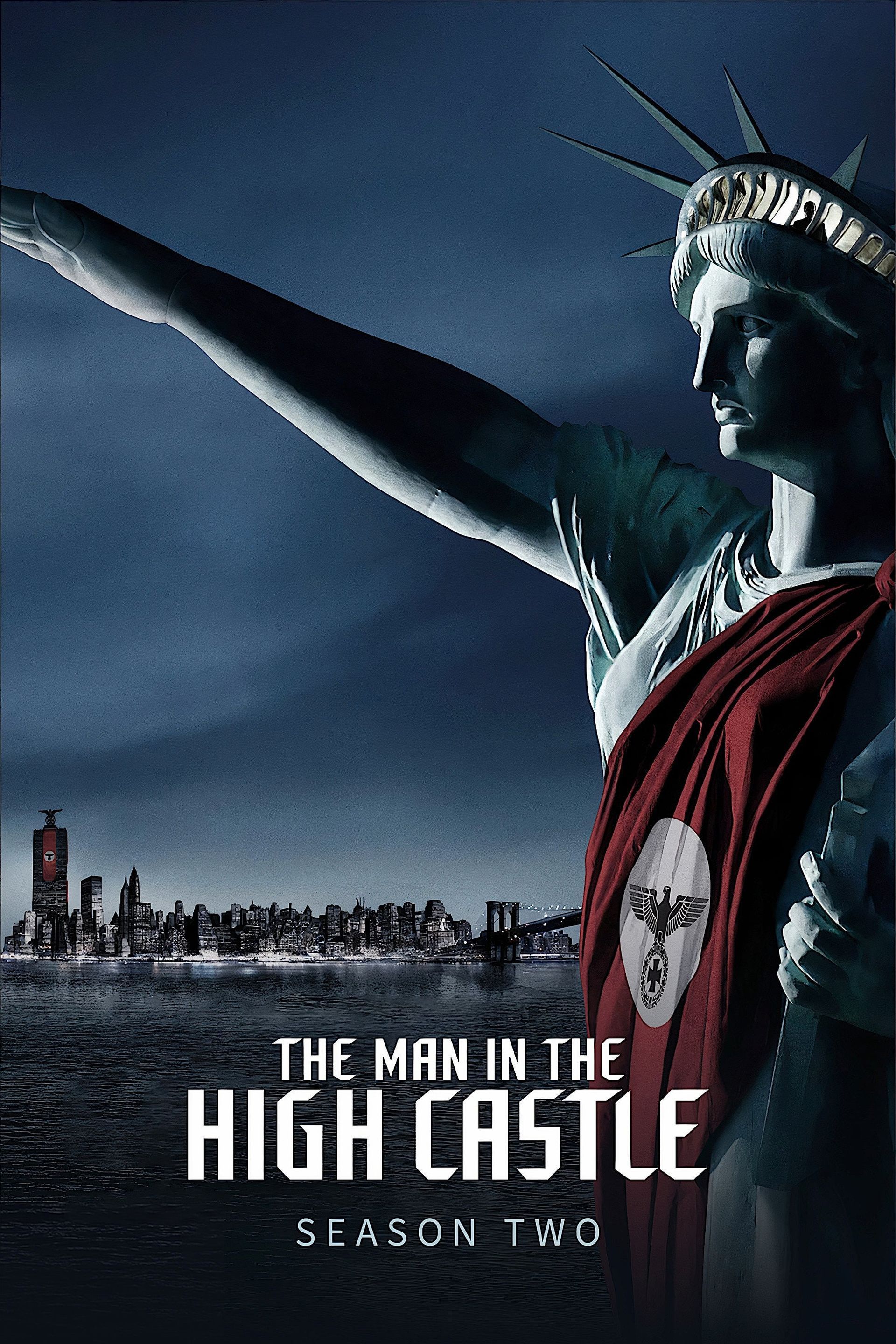
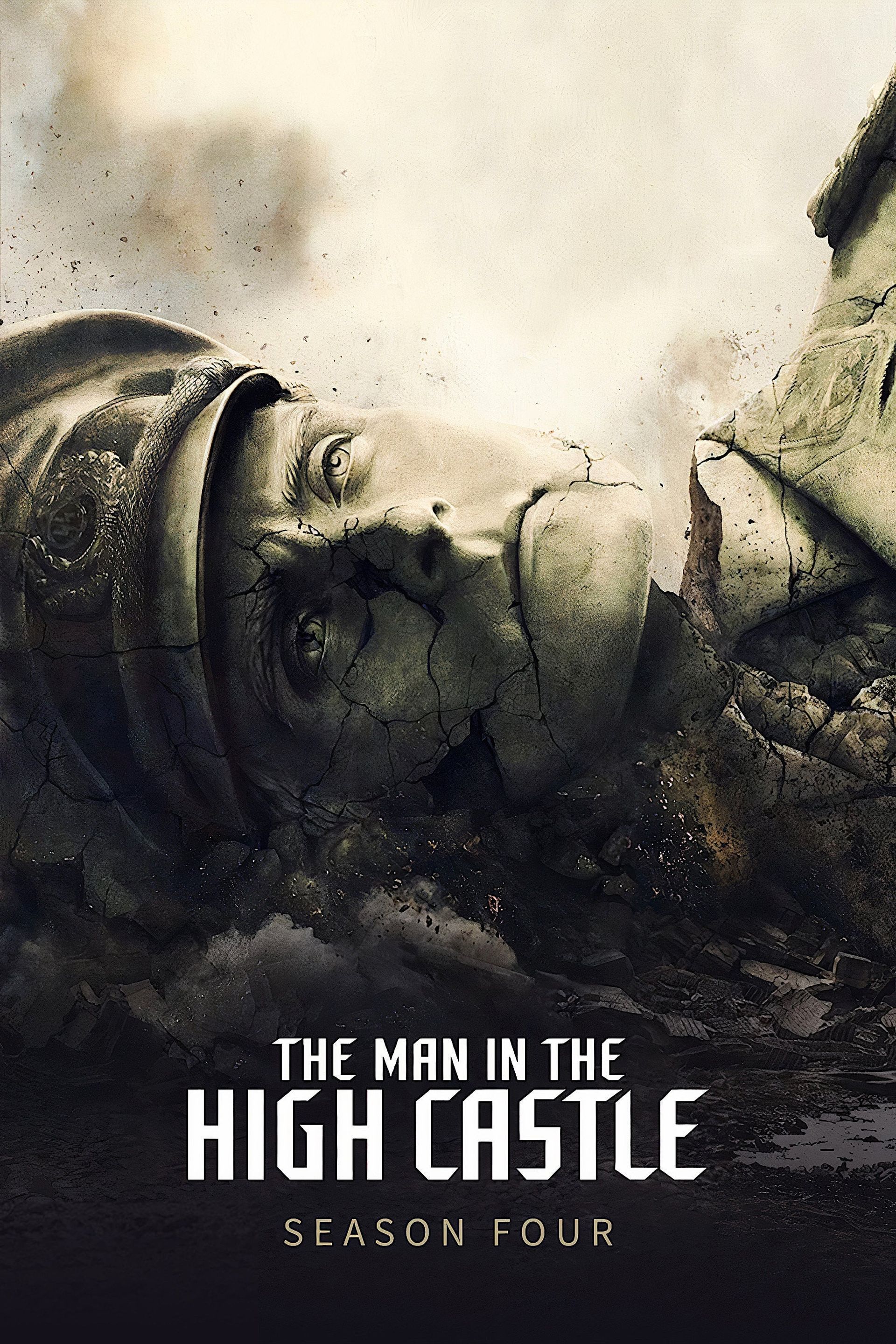
The Man in the High Castle som bygger på Philip K. Dicks prisbelönade roman och producerats av Ridley Scott (Blade Runner) och Frank Spotnitz (X-Files), utforskar vad som kunde ha hänt om de allierade förlorat andra världskriget och Japan och Tyskland hade ockuperat USA.
Where to Watch Mannen i det höga slottet







Mannen i det höga slottet Ratings & Reviews
- Shaydeknight24 februari 2026The Man in the High Castle begins with one of the strongest premises in modern television, inherited from the story by Philip K. Dick. An Axis victory isn't just an alternate history gimmick, it's a framework for examining complicity, survival, and the uncomfortable moral elasticity of people living under totalitarian rule. The first season understands this perfectly. It is focused, unsettling, and patient enough to let the world speak for itself. Season two is still solid, but the cracks start to show. The narrative begins expanding rather than deepening. Threads multiply without gaining weight, and the show starts to feel less certain about where it is ultimately going. By seasons three and four, the series loses narrative discipline altogether. Plotlines introduced early on simply fizzle out, with no satisfying payoff. Conflicts that once seemed central are abandoned or resolved offhandedly. The finale does not conclude the story so much as gesture vaguely toward meaning. Some viewers have tried to defend it as symbolic or allegorical, but it plays less like intentional ambiguity and more like writers who had run out of strip and did not know how to land the plane. At the same time, the show increasingly diverts attention from its own internal logic in order to mirror contemporary American cultural debates from the mid 2010s. Instead of allowing themes to emerge naturally from the setting, later seasons insert material that feels imported rather than earned. Characters are reshaped or introduced in ways that read less like organic development and more like boxes being ticked. "We need a gay character!" Check. "We need something like a fusion of BLM and the 60s Black Panthers!" Check. "We need women to be strong leads, so make all the men ridiculous!" Check. The result is not greater thematic richness, but a flattening of characterization. People stop behaving like individuals shaped by this alternate history and start sounding like mouthpieces. When a story built on moral complexity begins substituting messaging for motivation, credibility collapses. This shift also coincides with a broader decline in writing quality. Earlier seasons trusted subtext and ambiguity. Later ones rely on blunt dialogue, inconsistent character decisions, and contrived conflicts. Intelligent, frightening figures become oddly ineffectual because the script needs them to be, not because the story demands it. The series that once explored how ordinary people rationalize evil begins to feel as though it is lecturing instead of interrogating. What makes this especially frustrating is that the production never stops excelling on a technical level. The staging, costume design, and environmental detail are superb. The show convincingly imagines how culture and technology might evolve twenty years after a Nazi victory. Visually, it remains immersive to the end. The cast is equally strong. Performances consistently sell material that often does not deserve them. The actors preserve glimpses of the moral unease that defined the early seasons, where viewers find themselves empathizing with people they know are complicit in monstrous systems. In the end, the series is a case study in squandered potential. It starts as a rigorous, unsettling exploration of an alternate world and gradually drifts into narrative sprawl and topical distraction, abandoning the very questions that made it compelling in the first place.
- Jason Layton18 december 2025These alternate universe shows were trending hard for awhile, some were good and this was one of those.
- Katreina Edelweiss8 februari 2026A fantastic premise ruined by bad pacing and a forgettable ending.
- Kyle Bianchi9 januari 2026Not every episode will blow you away, but the ones that do will leave you wanting more. Probably one of the best to do it in the alternative history genre.


Mannen i det höga slottet Trivia
Mannen i det höga slottet has 4 seasons.
Mannen i det höga slottet has 40 episodes.
The key characters in Mannen i det höga slottet are Juliana Crain (Alexa Davalos), John Smith (Rufus Sewell), Inspector Kido (Joel de la Fuente).
Mannen i det höga slottet was directed by David Semel, Daniel Percival, John Fawcett, Alex Zakrzewski, Karyn Kusama, Nelson McCormick, Brad Anderson, David Petrarca, Daniel Sackheim, Julie Hébert, Charlotte Brändström, Deborah Chow, Meera Menon, Steph Green, Rachel Leiterman, Ken Olin, Chris Long, Bryan Spicer, Ernest R. Dickerson, Michael Slovis, Colin Bucksey, Michael Rymer, Jennifer Getzinger, Richard Heus, Paul Holahan, Frederick E. O. Toye.
Mannen i det höga slottet was produced by Jean Higgins, Michael Cedar, Jordan Sheehan.
The Man in the High Castle som bygger på Philip K. Dicks prisbelönade roman och producerats av Ridley Scott (Blade Runner) och Frank Spotnitz (X-Files), utforskar vad som kunde ha hänt om de allierade förlorat andra världskriget och Japan och Tyskland hade ockuperat USA.
Mannen i det höga slottet is rated 18+.
Mannen i det höga slottet is a Drama, Science Fiction, Thriller show.
Mannen i det höga slottet has an audience rating of 7.9 out of 10.
Mannen i det höga slottet episodes are 60m long.
No, this show was canceled after 4 seasons.