
Billy Wilder
Författare, Regissör, Producent, Skådespelare, Editor
22 juni 1906 — 27 mars 2002 (95 år)
Billy Wilder, born Samuel Wilder; (22 June 1906 - 27 March 2002) was an Austrian-born director, screenwriter and producer who is regarded as one of the most successful filmmakers of Hollywood's golden age. Today he is best known for his comedies, although he also directed dramas and film noirs. Wilder is one of only five people who have won Academy Awards as producer, director, and writer for the same film (The Apartment).
Wilder's career began in Germany, where he worked as a writer for comedy films from 1930. After the Nazis seized power in 1933, he emigrated to the United States, where he continued to write screenplays, including Ernst Lubitsch's Ninotchka (1939) and Howard Hawks' Ball of Fire (1941). From the early 1940s, Wilder was allowed to film his own screenplays and thus made a name for himself as a director. Initially, his greatest successes included predominantly dramatic film noirs such as Double Indemnity (1944), The Lost Weekend (1945), Sunset Boulevard (1950) and Ace in the Hole (1951). It was only then that he increasingly turned to comedy, including Stalag 17 (1953), Sabrina (1954) and The Seven Year Itch (1955), although he made a small detour to courtroom drama with Witness for the Prosecution (1957). With Some Like It Hot (1959) and The Apartment (1960) he made his most famous and probably most successful comedy films, the latter even receiving five Oscars. In One, Two, Three (1961), Wilder dealt with the conditions of the time in his former adopted country, Germany, and made the successful romantic comedy Irma la Douce (1963). In the two decades that followed, Wilder made seven more films, which were less well received by critics and audiences, although the German-French drama Fedora (1978) is viewed somewhat more favorably today by predominantly pretentious film experts. Some time later, Wilder was under discussion as director for Schindler's List, which he had wanted as the end of his long career, but ultimately had to turn it down due to his advanced age.
Wilder's career began in Germany, where he worked as a writer for comedy films from 1930. After the Nazis seized power in 1933, he emigrated to the United States, where he continued to write screenplays, including Ernst Lubitsch's Ninotchka (1939) and Howard Hawks' Ball of Fire (1941). From the early 1940s, Wilder was allowed to film his own screenplays and thus made a name for himself as a director. Initially, his greatest successes included predominantly dramatic film noirs such as Double Indemnity (1944), The Lost Weekend (1945), Sunset Boulevard (1950) and Ace in the Hole (1951). It was only then that he increasingly turned to comedy, including Stalag 17 (1953), Sabrina (1954) and The Seven Year Itch (1955), although he made a small detour to courtroom drama with Witness for the Prosecution (1957). With Some Like It Hot (1959) and The Apartment (1960) he made his most famous and probably most successful comedy films, the latter even receiving five Oscars. In One, Two, Three (1961), Wilder dealt with the conditions of the time in his former adopted country, Germany, and made the successful romantic comedy Irma la Douce (1963). In the two decades that followed, Wilder made seven more films, which were less well received by critics and audiences, although the German-French drama Fedora (1978) is viewed somewhat more favorably today by predominantly pretentious film experts. Some time later, Wilder was under discussion as director for Schindler's List, which he had wanted as the end of his long career, but ultimately had to turn it down due to his advanced age.
Filmer och Serier på Plex




Känd för






Filmografi
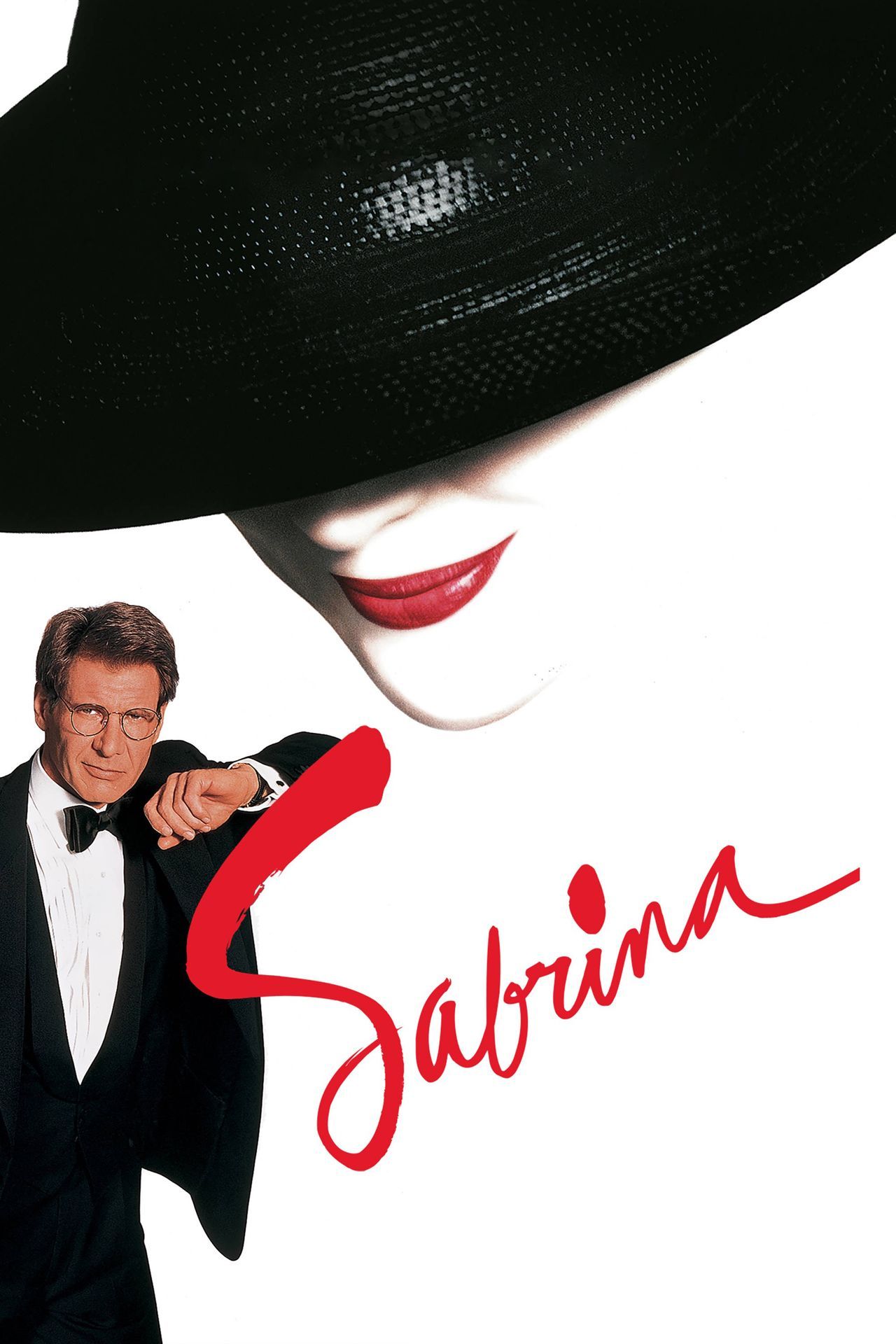
| 1995 | Sabrina · as Original Film Writer |
| 1982 | Witness for the Prosecution · as Screenplay |
| 1981 | |
| 1978 | |
| 1974 | The Front Page · as Screenplay |
| 1973 | Double Indemnity · as Screenplay |
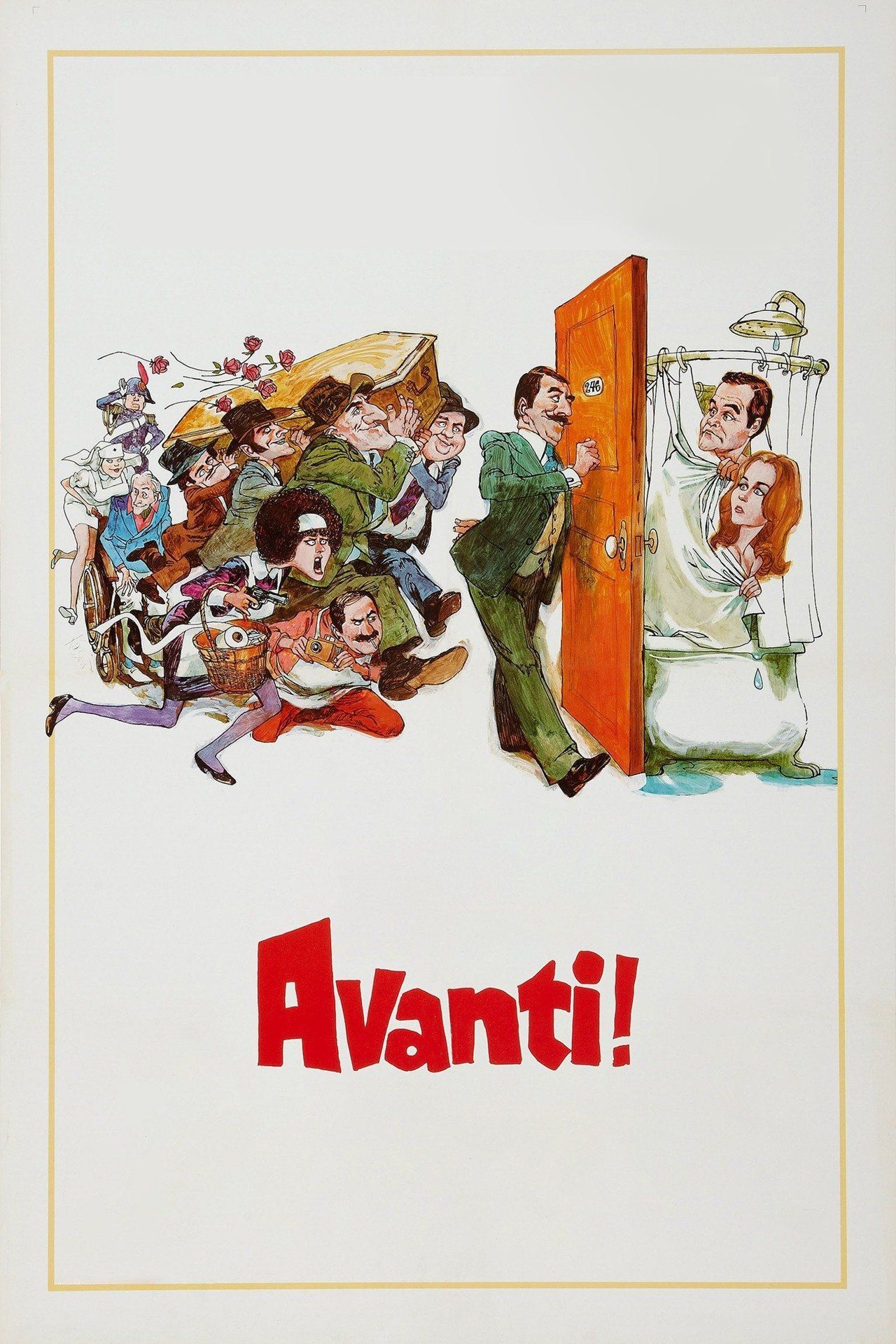
| 1972 | Avanti! · as Screenplay |
| 1970 | |
| 1967 | |
| 1966 | |
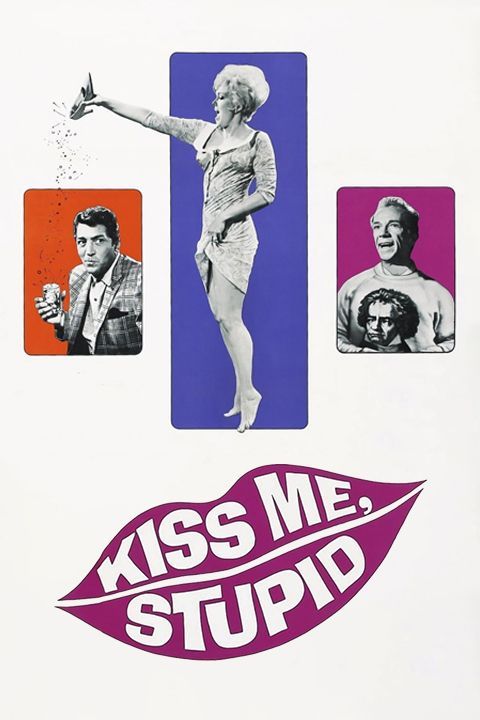
| 1964 | Kiss Me, Stupid · as Screenplay |
| 1963 | Irma la Douce · as Screenplay |
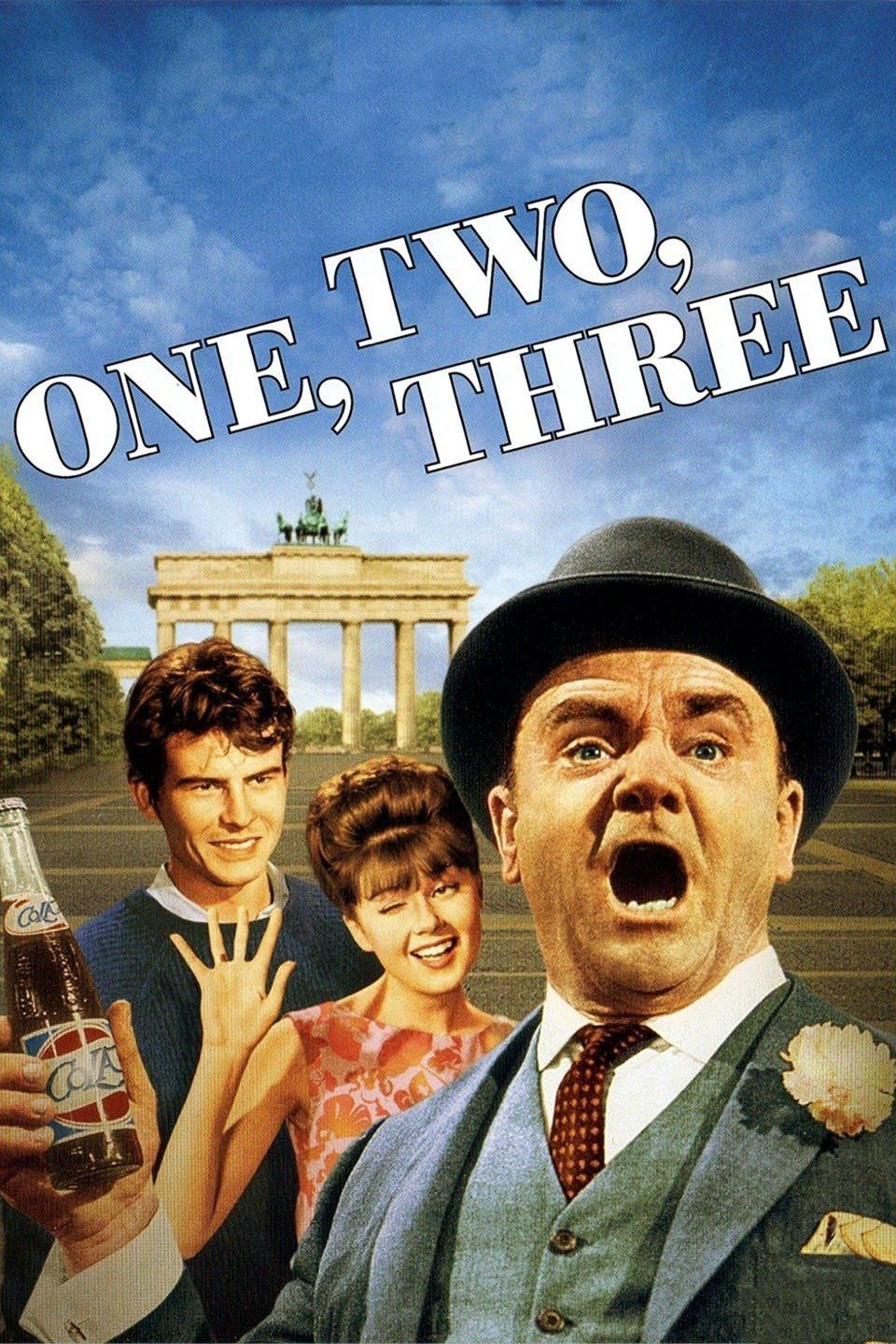
| 1961 | One, Two, Three · as Screenplay |
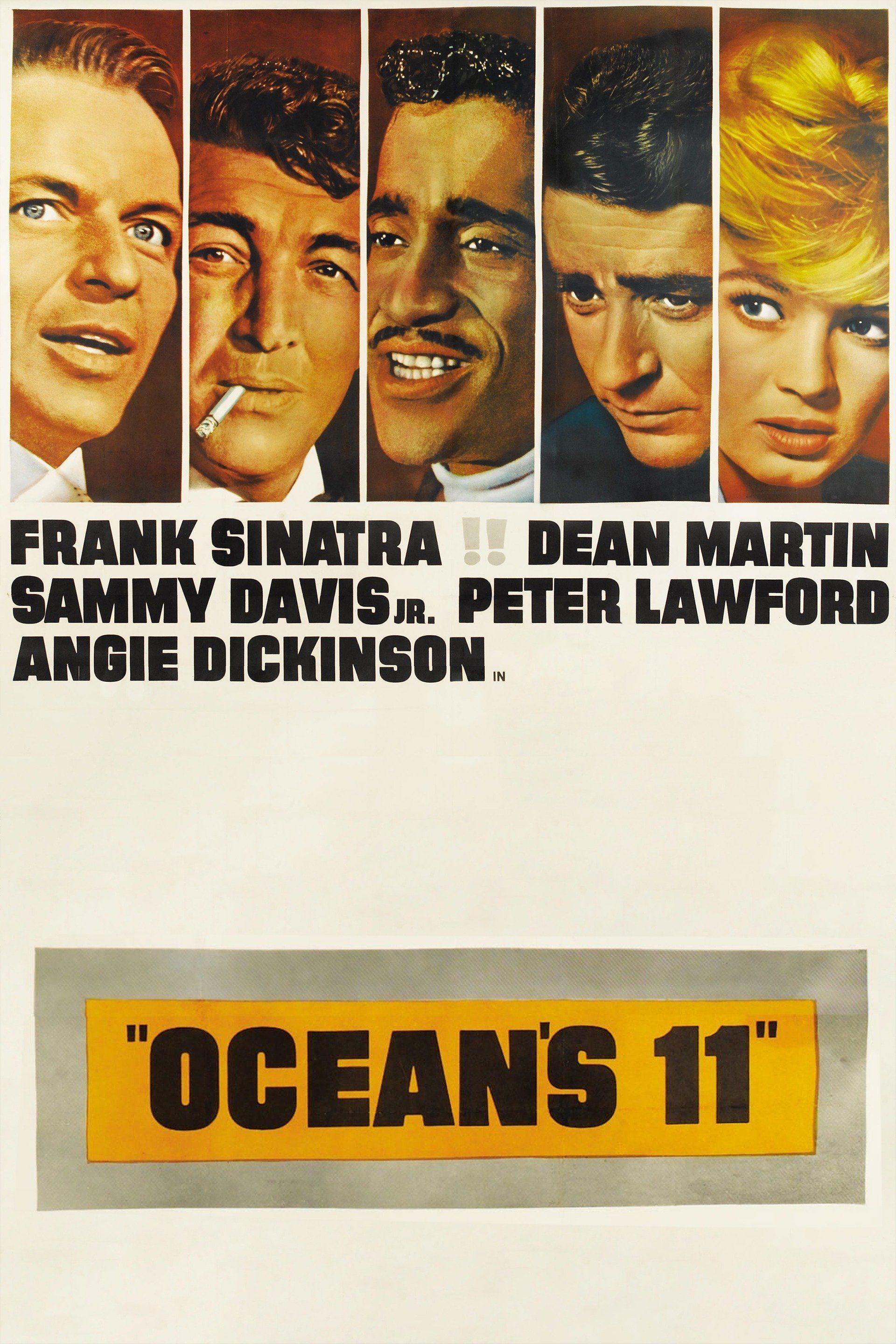
| 1960 | Ocean's ElevenPå Plex |
| 1960 | |
| 1960 | |
| 1959 | Some Like It Hot · as Screenplay |
| 1957 | Witness for the Prosecution · as Screenplay |
| 1957 | Love in the Afternoon · as Screenplay |
| 1957 | The Spirit of St. Louis · as Screenplay |
| 1955 | The Seven Year Itch · as Screenplay |
| 1954 | Emil und die Detektive · as Screenplay |
| 1954 | Sabrina · as Screenplay |
| 1953 | |
| 1951 | Ace in the HolePå Plex |
| 1950 | Sunset Boulevard · as Screenplay |
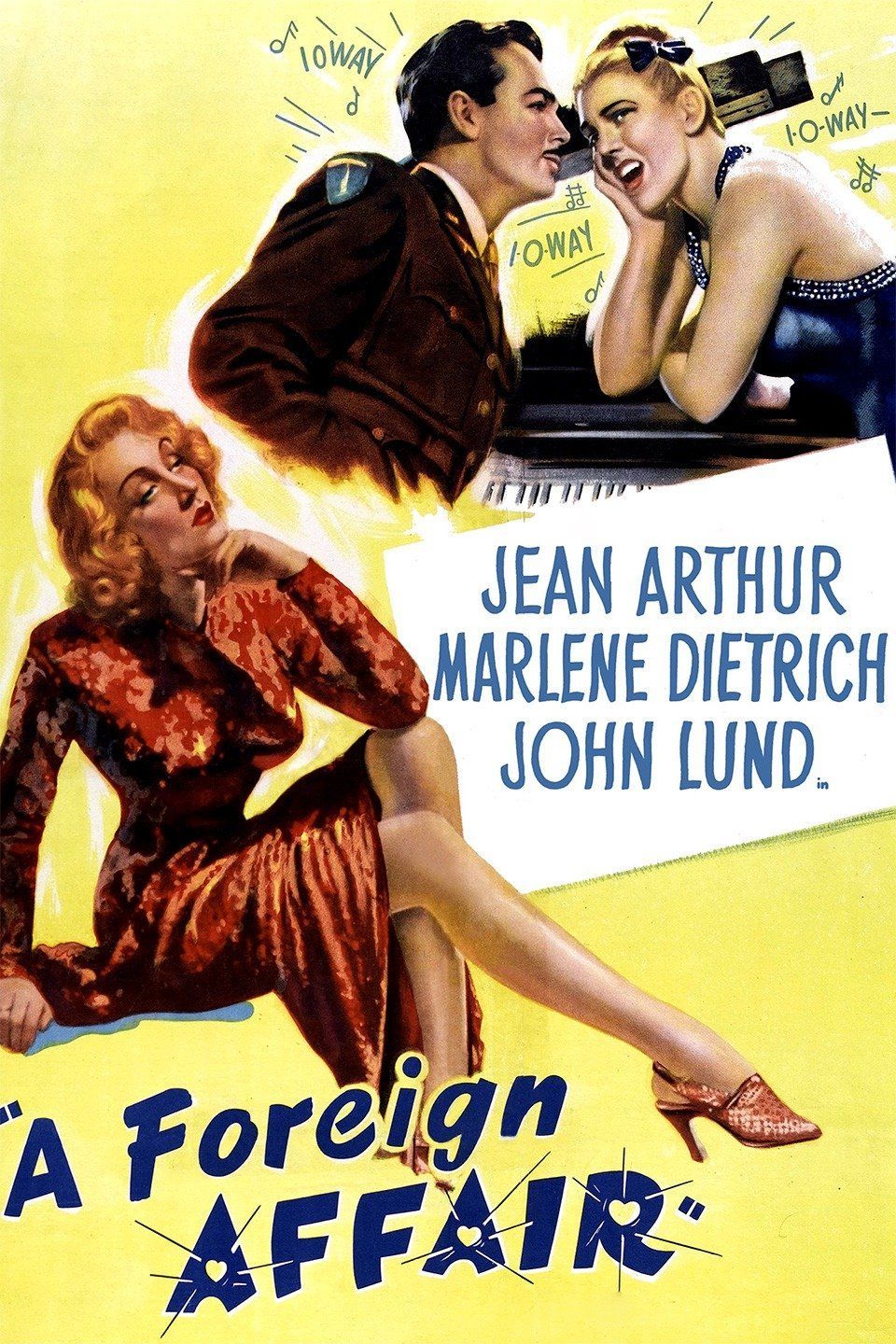
| 1948 | A Foreign Affair · as Screenplay |
| 1948 | |
| 1947 | The Bishop's WifePå Plex |
| 1945 | Masquerade in Mexico · as Original Film Writer |
| 1945 | The Lost Weekend · as Screenplay |
| 1944 | Double Indemnity · as Screenplay |
| 1943 | Five Graves to Cairo · as Screenplay |
| 1942 | |
| 1942 | |
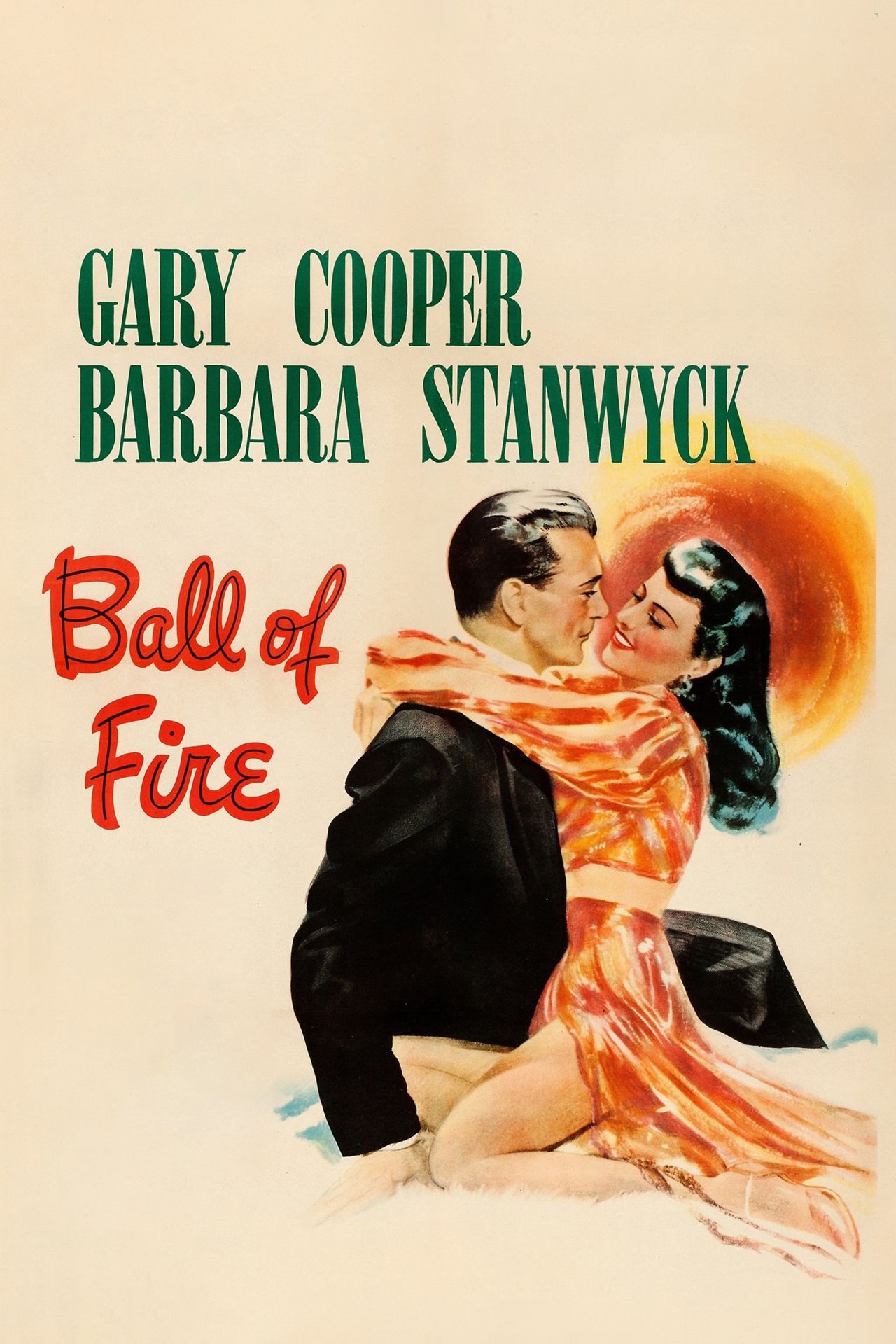
| 1941 | Ball of Fire · as ScreenplayPå Plex |
| 1941 | |
| 1940 | Arise, My Love · as Screenplay |
| 1939 | Ninotchka · as Screenplay |
| 1939 | What a Life · as Screenplay |
| 1939 | Midnight · as Screenplay |
| 1938 | |
| 1938 | Bluebeard's Eighth Wife · as Screenplay |
| 1935 | Emil and the Detectives · as Screenplay |
| 1934 | Music in the Air · as Screenplay |
| 1934 | |
| 1933 | |
| 1933 | Was Frauen träumen · as Screenplay |
| 1932 | |
| 1932 | |
| 1931 | Emil and the Detectives · as Screenplay |
| 1931 | |
| 1931 | |
| 1931 | The Man in Search of His Murderer · as Screenplay |
| 1930 | |
| 1930 | People on Sunday · as Screenplay |
| 1981 | |
| 1978 | |
| 1974 | |
| 1972 | |
| 1970 | |
| 1966 | |
| 1964 | |
| 1963 | |
| 1961 | |
| 1960 | |
| 1959 | |
| 1957 | |
| 1957 | |
| 1957 | |
| 1955 | |
| 1954 | |
| 1953 | |
| 1951 | Ace in the HolePå Plex |
| 1950 | |
| 1948 | |
| 1948 | |
| 1945 | |
| 1945 | |
| 1944 | |
| 1943 | |
| 1942 | |
| 1934 |
| 1978 | |
| 1972 | |
| 1970 | |
| 1966 | |
| 1964 | |
| 1963 | |
| 1961 | |
| 1960 | |
| 1959 | |
| 1957 | |
| 1957 | |
| 1955 | |
| 1954 | |
| 1953 | |
| 1951 | Ace in the HolePå Plex |
| 1965 | The Legend of Marilyn MonroePå Plex |
| 1948 | The Ed Sullivan Show · as Audience Bow |
| 1945 |
| 2012 | Love, Marilyn · as Excerpts From Letters |
| 1962 | Mutiny on the Bounty · as Storyline ConsultantPå Plex |
| 1961 | Some Like It Hot · as Based On The Film By |
| 1950 | The Lux Video Theatre · as Previous Screenplay |
| 1950 | Robert Montgomery Presents · as Story |
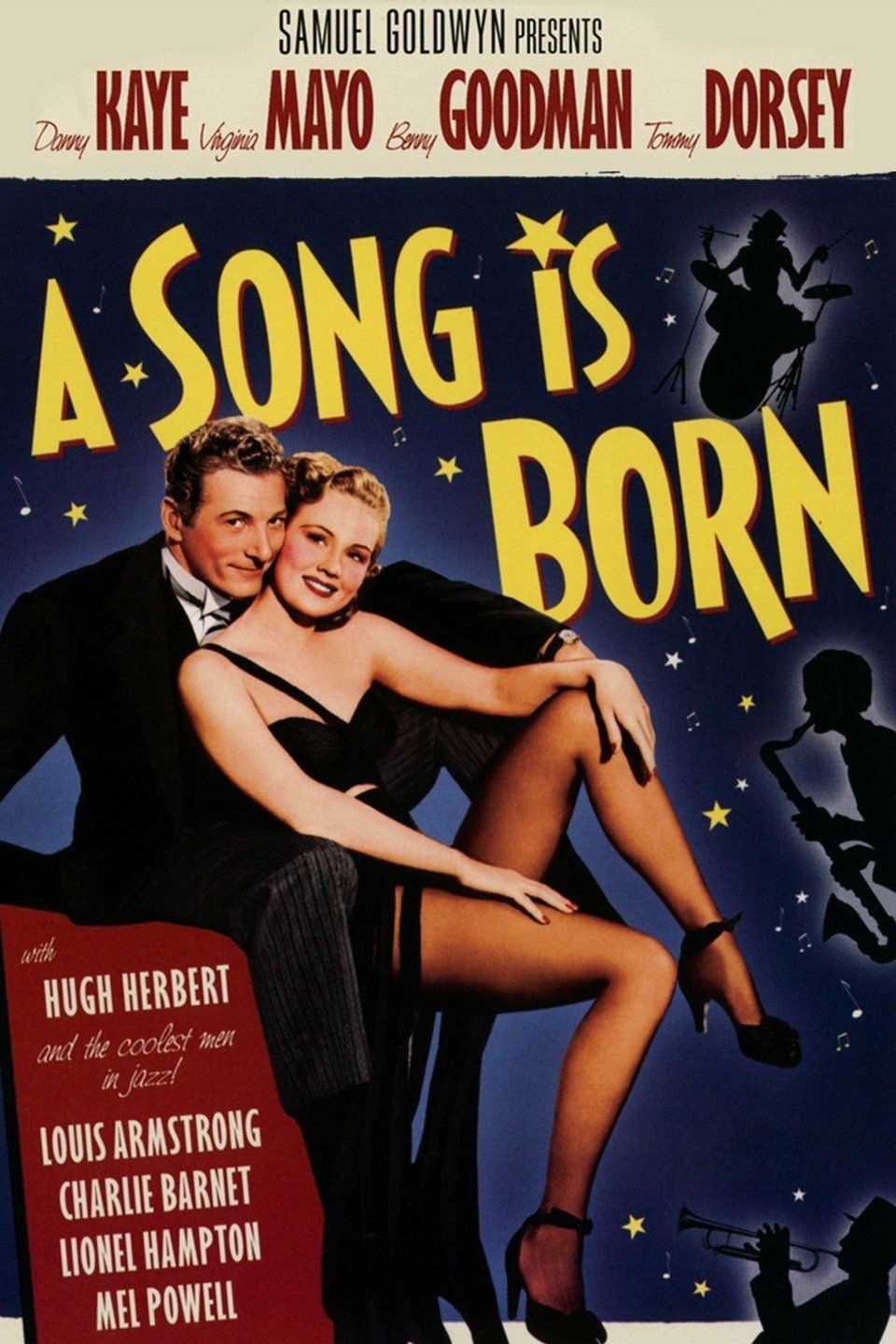
| 1948 | A Song Is Born · as StoryPå Plex |
| 1940 | Rhythm on the River · as Story |
| 1940 | French Without Tears · as Treatment |
| 1937 | Champagne Waltz · as Story |
| 1935 | Under Pressure · as Additional Dialogue |
| 1932 | Where Is This Lady? · as Story |