
真探欧米茄站
由John Crowley执导TV-MA
第2季 • 第8集 2015年8月9日 87分钟8.07.5

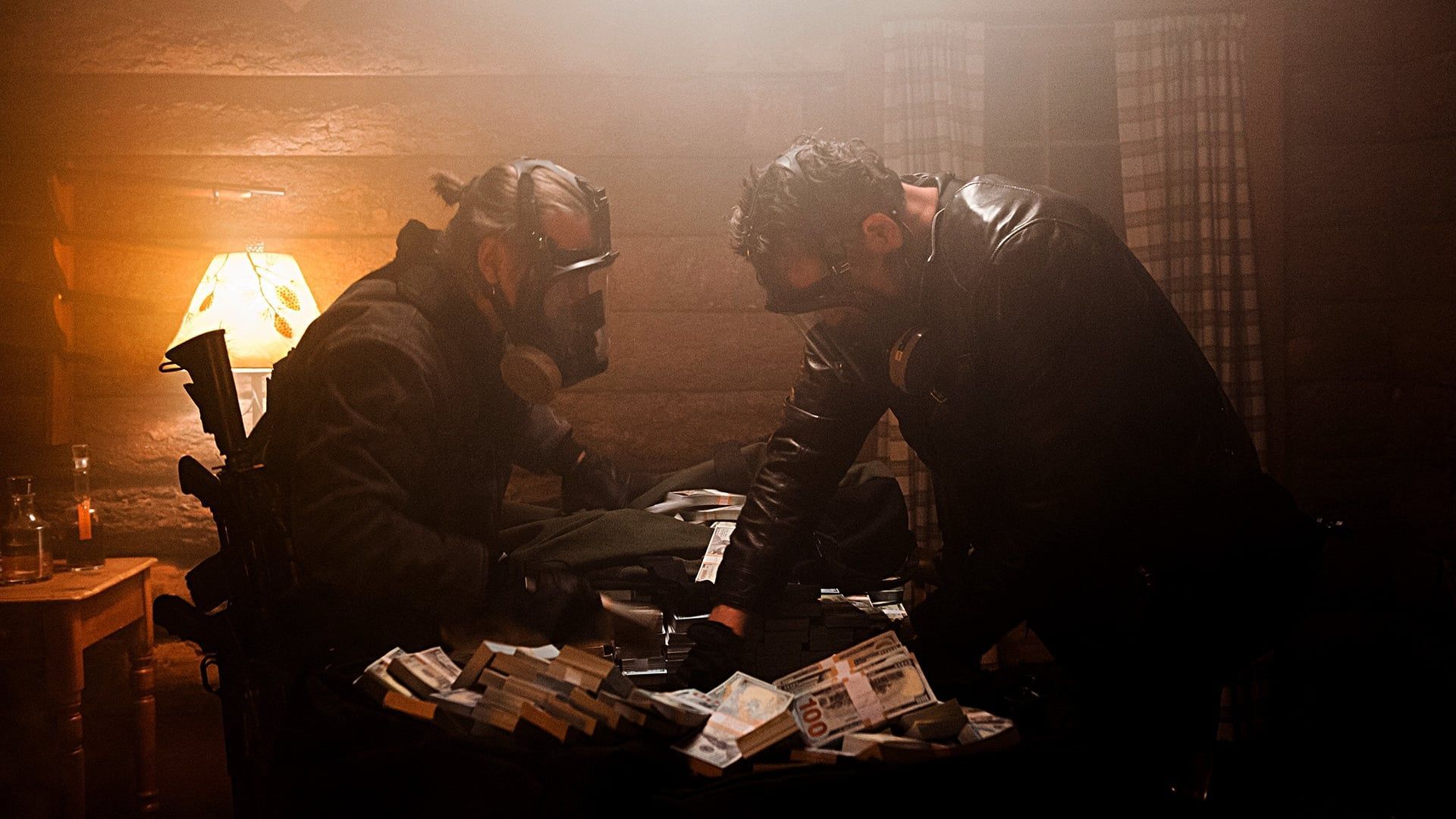
弗兰克、雷和阿尼权衡他们作为杀害卡斯佩雷的凶手的选择,腐败的范围被揭露。
在哪里观看真探 - 第2季 • 第8集








- C2182026年5月15日True Detective — Season 2, Episode 8, “Omega Station” — is one of the bleakest finales in modern television: a sprawling noir tragedy where nearly every attempt at redemption collapses under the weight of corruption, violence, and fate. It’s messy, overextended, and emotionally punishing — but also hauntingly sincere in its commitment to tragedy. Unlike Season 1’s faint glimmer of hope, Season 2 ends in near-total darkness. The title itself feels apocalyptic. “Omega” signals finality — the end of the line. By this point, the characters are no longer trying to truly “win”; they are struggling to survive long enough to preserve fragments of truth, dignity, or human connection before the system consumes them entirely. Colin Farrell delivers devastating work in the finale. Ray Velcoro’s final journey is one of the saddest arcs in the entire series because his desire for redemption finally becomes genuine just as escape becomes impossible. Farrell gives Ray such exhausted humanity that even small moments — voice messages, quiet pauses, expressions of regret — become emotionally crushing. His death sequence is staged not heroically, but tragically and senselessly, emphasizing the season’s worldview that broken systems rarely allow damaged men second chances. Rachel McAdams gives the finale much of its emotional resilience as Ani Bezzerides. Unlike many noir narratives where women exist mainly as symbols or casualties, Ani survives with her intelligence and emotional clarity intact. Her final scenes carry enormous sadness because survival itself feels compromised — truth can survive only in fragments, hidden outside official systems. Taylor Kitsch also lands surprisingly hard in the finale. Paul Woodrugh’s death is abrupt and cruel, reinforcing the season’s obsession with masculinity as emotional imprisonment. Paul spends the season unable to fully exist honestly within the world around him, and his ending feels brutally inevitable. Meanwhile, Vince Vaughn gives by far his best performance of the season during Frank Semyon’s final scenes. Frank’s desert hallucination and death sequence are genuinely haunting because Vaughn finally strips away all performative toughness, revealing pure fear, regret, and emotional emptiness beneath the gangster persona. The character becomes almost Shakespearean in defeat — a man destroyed by ambition and the fantasy that he could control corrupt systems without losing himself. Visually, the finale is drenched in noir fatalism: highways, forests, deserts, tunnels, industrial ruins, and anonymous urban spaces all reinforcing emotional isolation and systemic decay. California remains spiritually poisoned to the very end. Thematically, the finale commits fully to the idea that corruption is structural rather than individual. The protagonists uncover truth, but the institutions surrounding them remain fundamentally intact. The system absorbs violence and scandal without meaningful transformation. That cynicism gives the ending unusual weight, even when the plotting becomes tangled. And that’s where the finale remains divisive. The conspiracy mechanics are undeniably convoluted, and some narrative threads never achieve complete emotional clarity. Compared to Season 1’s focused philosophical arc, Season 2 often struggles under the sheer density of its political, criminal, and corporate plotting. Certain scenes still push stylized noir dialogue to the edge of self-parody. But emotionally, “Omega Station” lands with surprising force because it fully embraces tragedy rather than trying to engineer catharsis. Season 2 may never achieve the mythic cohesion of Season 1, but by the finale it becomes something fascinating in its own right: a modern noir epic about capitalism, masculinity, institutional rot, and people desperately trying to reclaim humanity inside systems designed to erase it. Rating: ★★★★½☆ (4.5/5) A grim, emotionally devastating finale that transforms Season 2 into a fully realized noir tragedy — flawed, sprawling, but deeply haunting in its vision of corruption and doomed redemption.
