Heimat - Eine Chronik in elf TeilenHeimat: A Chronicle of Germany
The village of Schabbach experiences the shifting fortunes of Germany from 1919 to 1982.
Where to Watch Heimat - Eine Chronik in elf Teilen • Heimat: A Chronicle of Germany
11 Episodes
- Kleine Hermann (1955-1956)
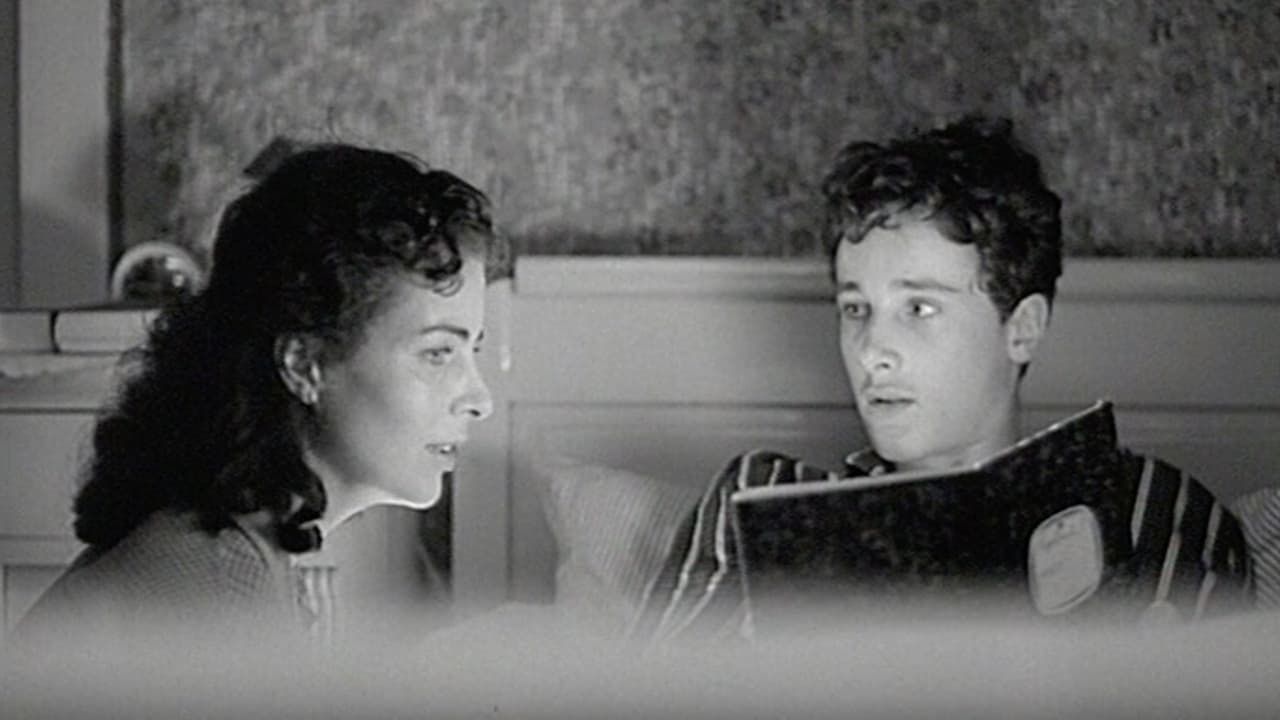 A9
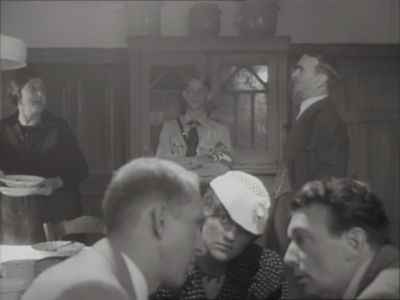
A9Kleine Hermann (1955-1956)1955 -- West Germany joins NATO, while East Germany joins the Warsaw Pact. Maria absolutely dotes on her son Hermann. She has great plans for him, wanting him to become very educated. He is actually the first member of the family even to receive a grammar school education. He is somewhat of a poet and wants to become a music composer. The young Hermann is at the girl-crazy stage of his life. He flirts a lot with the two women who live in the family home: Lotti and Klarchen. He persistently and annoyingly pesters the two young women. He is so persistent that the eleven-year older Klarchen starts to return his attention. And when Klarchen starts kissing him, Lotti joins in with a hand job that leads to an orgasm for Hermann. Klarchen and Hermann are soon in love with each other. Klarchen becomes pregnant by Hermann. She goes to a clinic where she has an abortion. She then leaves the village to protect both herself and Hermann from the possible consequences of a village scandal. Hermann, however, visits Klarchen in Koblenz. They try to keep the affair secret, but one day a letter is delivered to Maria from Klarchen to Maria's son Hermann. Maria is very curious and opens the letter and discovers the affair. Maria tells her son Anton. Anton goes ballistic and the two of them gang up on Hermann when he returns home. This only manages to make Hermann more alienated from his mother and his brother Anton. (His Uncle Ernst was his ally and even agreed to act as middleman between Klarchen and Hermann. This creates a further rift in the relationship between Anton and Ernst.) Anton writes a nasty letter to Klarchen threatening her with prosecution for having sex with a minor. The letter also explains that her employer has been informed of her conduct and she will soon be fired from her job as the children's caretaker. - De trotse jaren (1967)
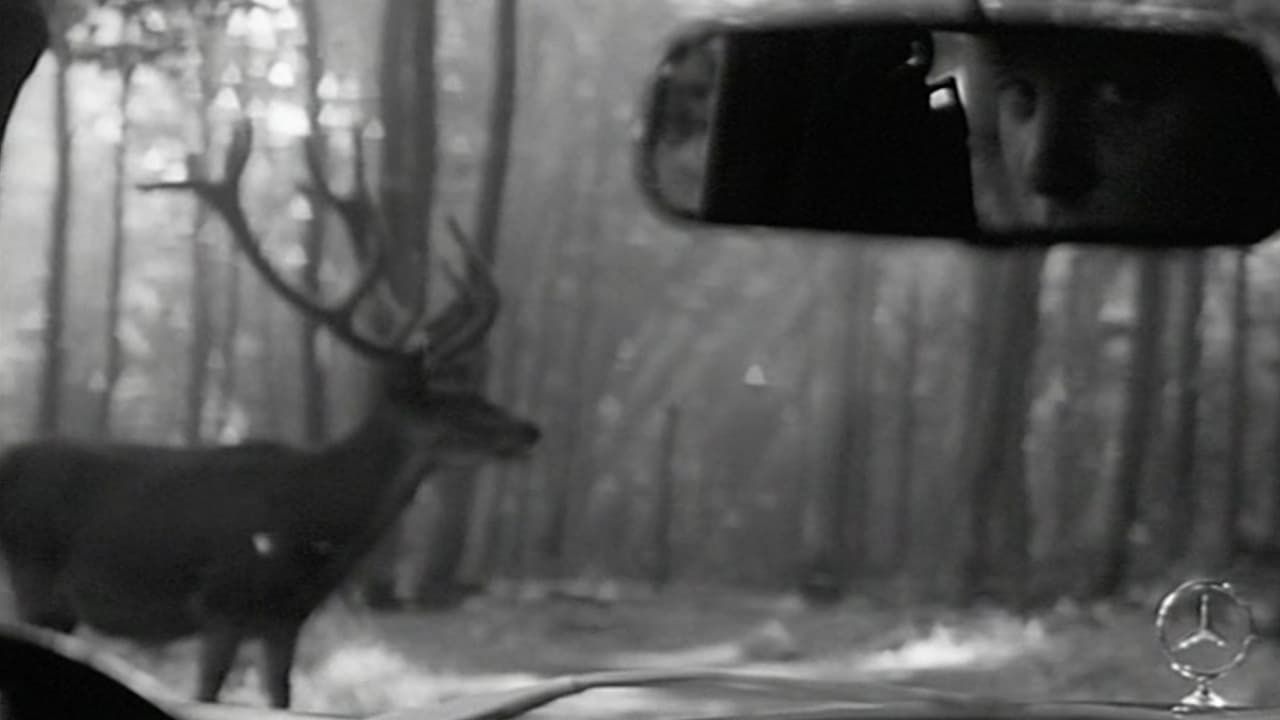 A10
A10De trotse jaren (1967)1968 -- there are student demonstrations and unrest in West Germany as in the rest of the West. 1969 -- Chancellor Willy Brantd opens negotiations with East Germany. He is also the man who introduced color television to West Germany. A Dutch multi-national company was to buyout Anton's optical factory. Anton seeks business advice from his father Paul when he learns that Paul is back in Germany. Anton travels to the city where his father is working and surprises his father. But the bigger surprise comes to Anton when he sees Hermann with his father. Anton not only realizes that Hermann, who calls Paul "daddy", is working on his musical compositions with Paul but that they also have an extremely close relationship with one another. Hermann acts very polite to Anton, despite the fact that Anton stole his beloved Klarchen from him, but he actually is rubbing his relationship with his father into Anton's face. In a sense, Hermann stole Anton's father Paul just like Anton stole Klarchen from Hermann. Anton is none too pleased. His father advises Anton to sell the business and have fun spending money instead of having to work to make it, as he himself is currently doing. But this advice is just not acceptable to Anton. The entrepreneur loves his work in the optical field and knows that many Schabbach residents are dependent on his business. Upset, Anton leaves. On the trip back he runs into his estranged brother Ernst. Ernst agrees to take a ride with Anton and Anton agrees to let Anton give him a tour of his new contractor business working on improving the appearances of homes and businesses. The whole village gathers to listen to a radio broadcast of a musical composition by Hermann Simon. But the concert is just too modern for most of the villagers, including Hermann's mother Maria. Hermann visits his mother but Maria is struck more by their distance from one another than their closeness as mother and son. There is obviously a generation gap in Germany, just as there was in the United States and other advanced industrial societies in the 1960s. - Het feest van de levenden en de doden (1982)
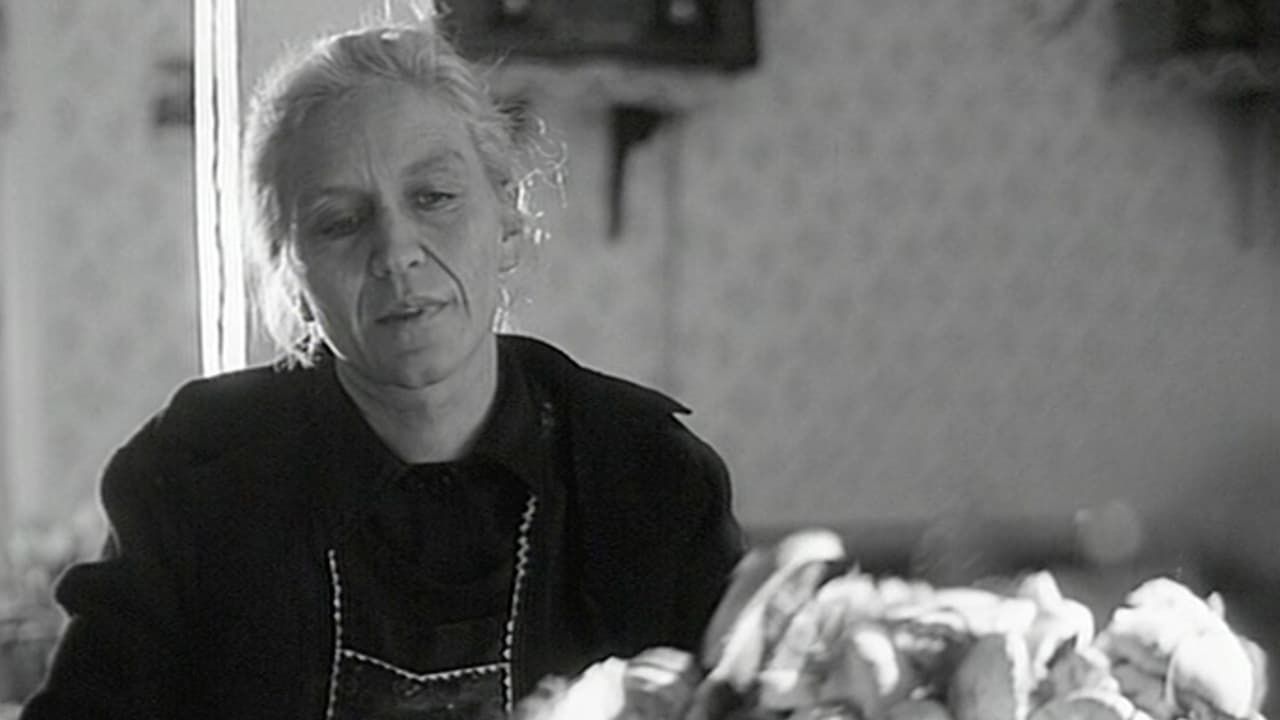 A11
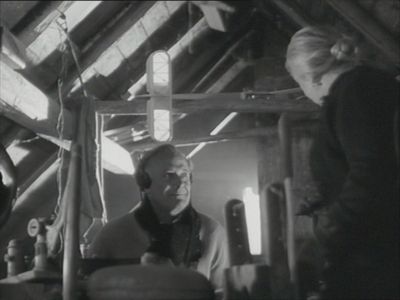
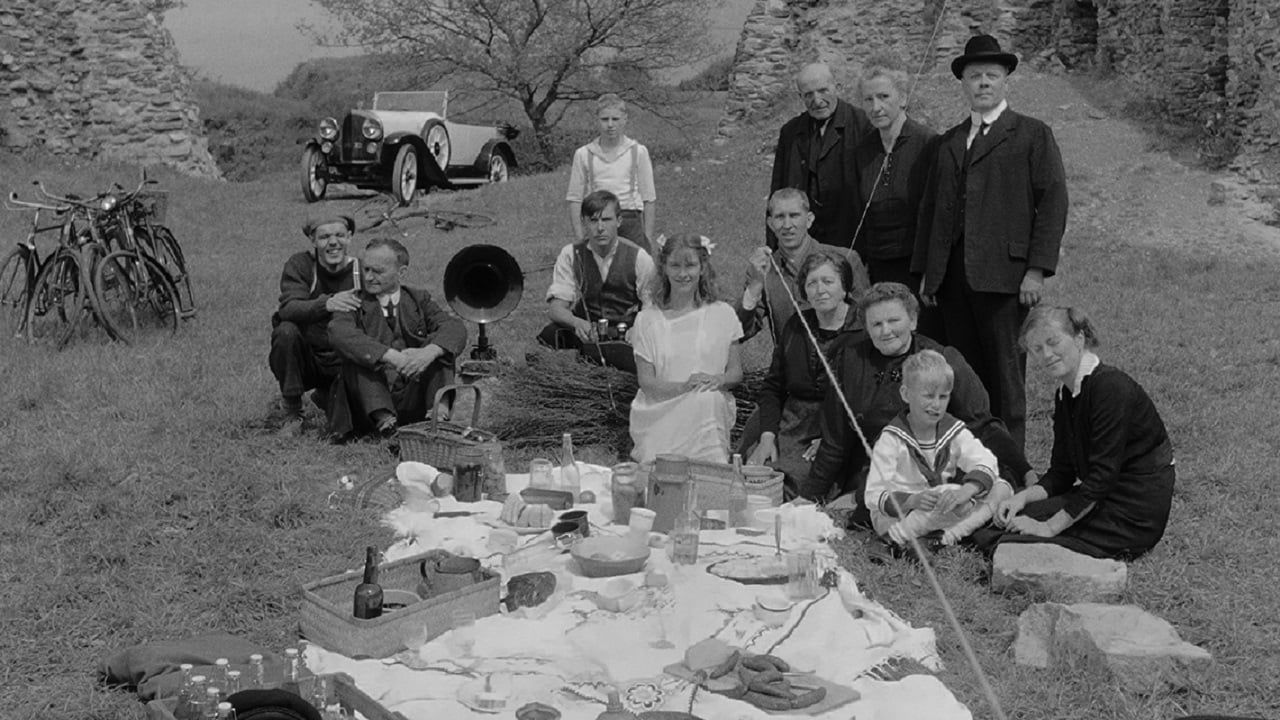
A11Het feest van de levenden en de doden (1982)1982-1998 -- reign of Helmut Kohl as Chancellor of Germany. He saw the destruction of the Berlin Wall (November 9, 1989) and the formal unification of West and East Germany (October 3, 1990). At the age of 82, Maria Simon dies. The entire family, including Paul, attends the funeral and traditional feast in Maria's honor. There are some real divisions among the three sons of Maria, but at the street fair they smooth over some of the hardest feelings. Upset by the death of so many of his friends, but especially over the death of Maria, Glasisch dies. Good movie. Given the lack of German treatments of World War II, this covering of Germany from just after the end of World War I to 1982 is very welcome. It is very interesting watching the changes in the Simon family over the many years from 1919 to 1982 as well as hearing of some of the various historical events during this period: the rise of Hitler, the tragedy of World War II, the destruction of much of the German economy, the economic miracle of the recovery and the rise of great prosperity to Germany. A not very admirable character was that of Paul Simon, the eldest son of Katharina and Mathias. The man just simply and literally walked away from his family consisting of a wife and two sons. Even when he returns to Germany, he arrives in a fancy car with a fancy chauffeur and prances around like a conquering hero in an American cowboy hat and fancy clothes. He thinks that the money he earned in the United States will make up for any sins resulting from his abandonment of his family. But he has done a great deal of damage to his wife and his two estranged sons (from him and each other) and their troubled relationships with half-brother Hermann, Maria's son by Otto The most admirable character is Katharina Simon. In the small village, she was the only skeptic and out-spoken critic of the fascist Hitler and his government. And, more importantly, she had a kind and very caring heart. Through all the troubles caused by Paul abandoning his family, while she lived, she was the key player in keeping the family together. The next most admirable character was Maria who helped her mother-in-law keep the family together and was the key family player following the death of Katharina Simon. Regardless of all the problems that faced the Simon family, all three of Katharine's children, Paul, Eduard and Pauline, prospered. And all three of Maria's sons, Anton, Ernst and Hermann, prospered (and this despite the great divisions between the brothers caused primarily by their being abandoned by their father Paul).