
Maxwell Anderson
Escrito por
15 de dezembro de 1888 — 28 de fevereiro de 1959 (70 anos)
James Maxwell Anderson (15 December 1888 – 28 February 1959) was an American playwright, author, poet, journalist and lyricist.
Anderson faced many challenges in his career, frequently losing jobs for expressing his opinions or supporting controversial figures. Despite this, he found success as a dramatist and wrote a number of hit plays, including What Price Glory, Both Your Houses, and The Bad Seed. Many of his works were adapted for the screen, and he wrote screenplays for other authors' works as well. Anderson was married three times and had a tumultuous personal life, dying in 1959 after suffering a stroke. His papers and personal effects can be found in various institutions, with the largest collection housed at the Harry Ransom Center at the University of Texas at Austin.
Description above from the Wikipedia article Maxwell Anderson, licensed under CC-BY-SA, full list of contributors on Wikipedia.
Anderson faced many challenges in his career, frequently losing jobs for expressing his opinions or supporting controversial figures. Despite this, he found success as a dramatist and wrote a number of hit plays, including What Price Glory, Both Your Houses, and The Bad Seed. Many of his works were adapted for the screen, and he wrote screenplays for other authors' works as well. Anderson was married three times and had a tumultuous personal life, dying in 1959 after suffering a stroke. His papers and personal effects can be found in various institutions, with the largest collection housed at the Harry Ransom Center at the University of Texas at Austin.
Description above from the Wikipedia article Maxwell Anderson, licensed under CC-BY-SA, full list of contributors on Wikipedia.


Conhecido Por






Filmografia
| 1998 | Meet Joe Black · as Original Film Writer |
| 1975 | |
| 1966 | |
| 1966 | |
| 1964 | |
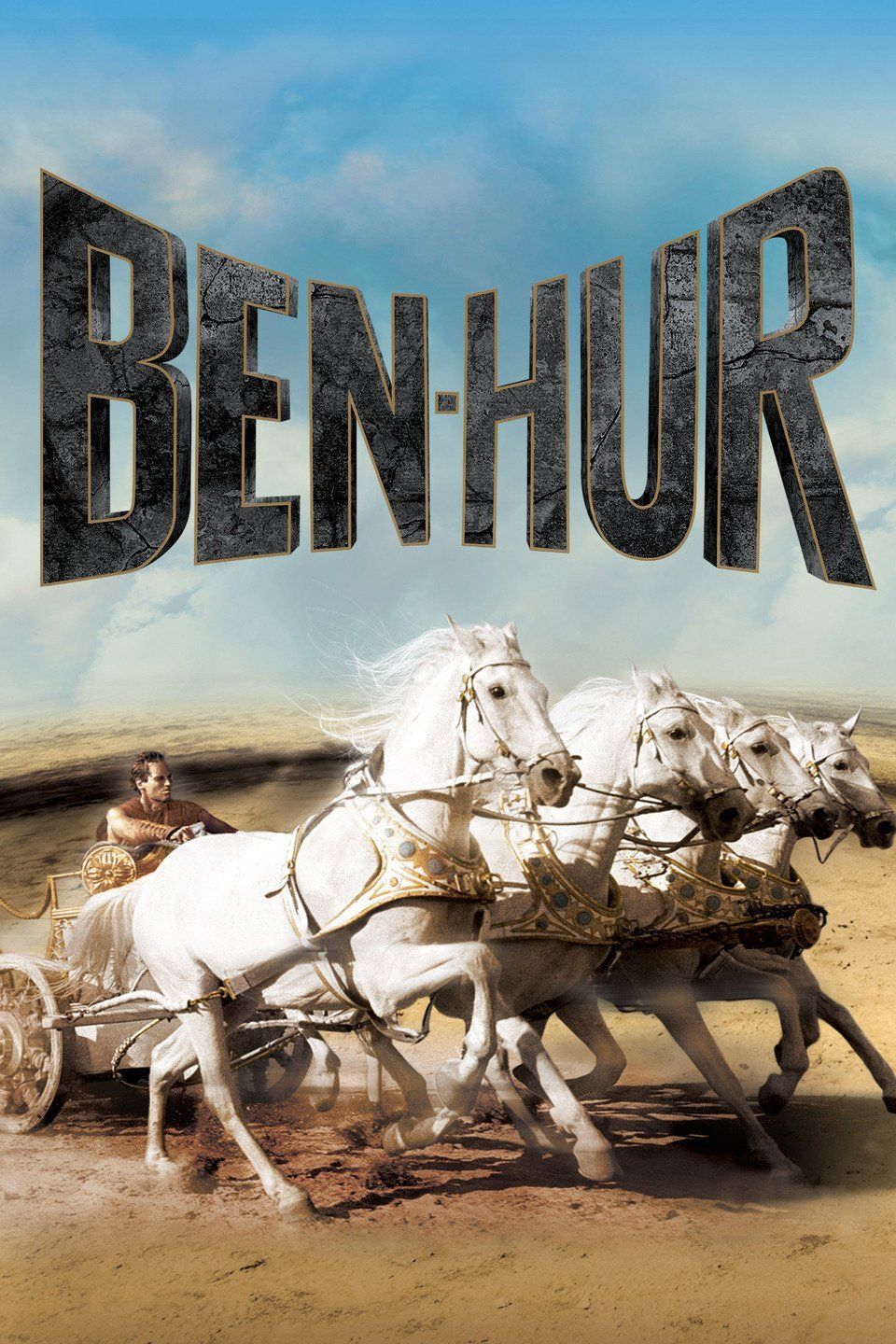
| 1959 | Ben-Hur · as Contributing WriterNo Plex |
| 1958 | Vertigo · as Contributing Writer |
| 1956 | The Wrong Man · as Screenplay |
| 1955 | |
| 1944 | |
| 1935 | |
| 1935 | The Lives of a Bengal Lancer · as Contributing Writer |
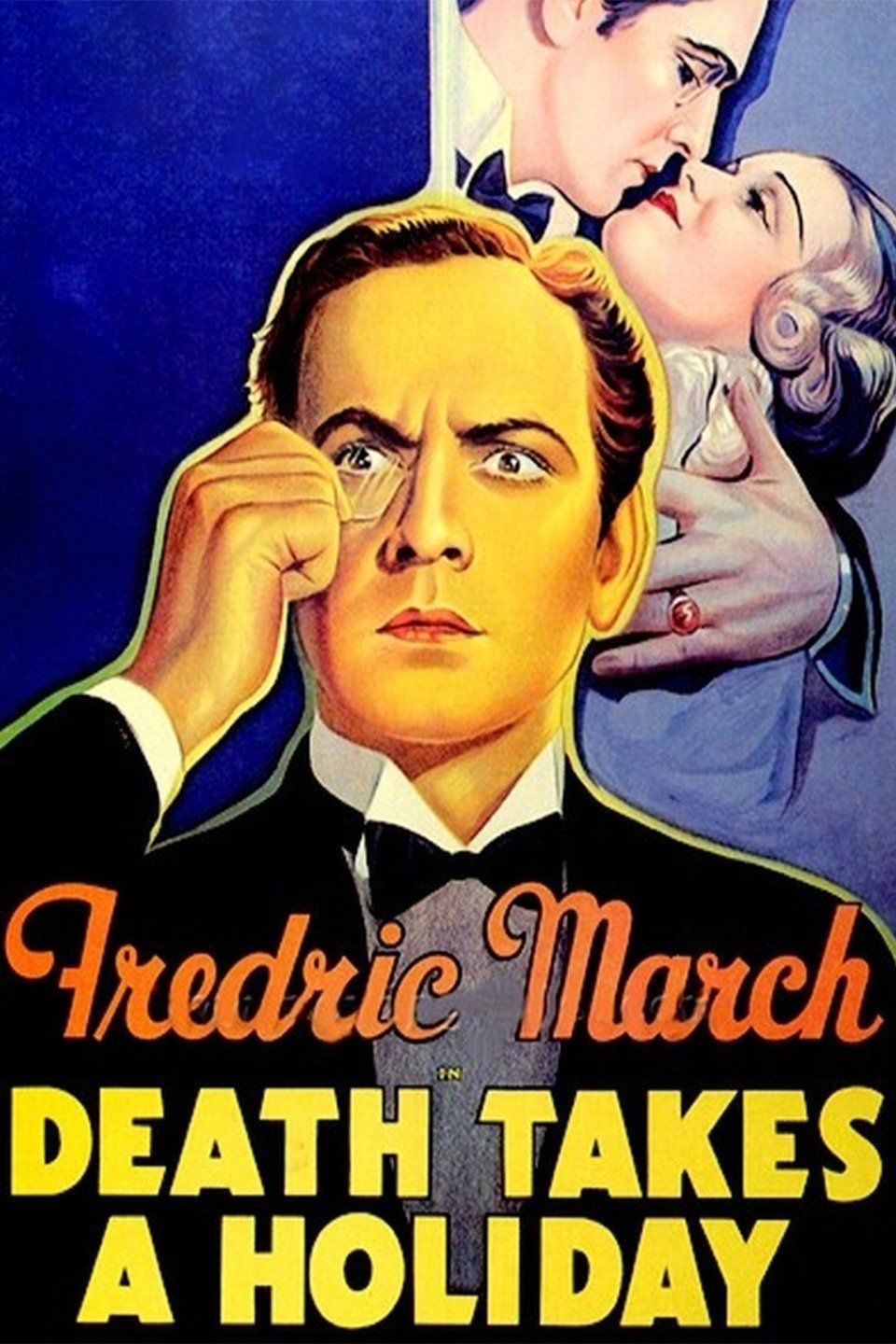
| 1934 | Death Takes a Holiday · as Screenplay |
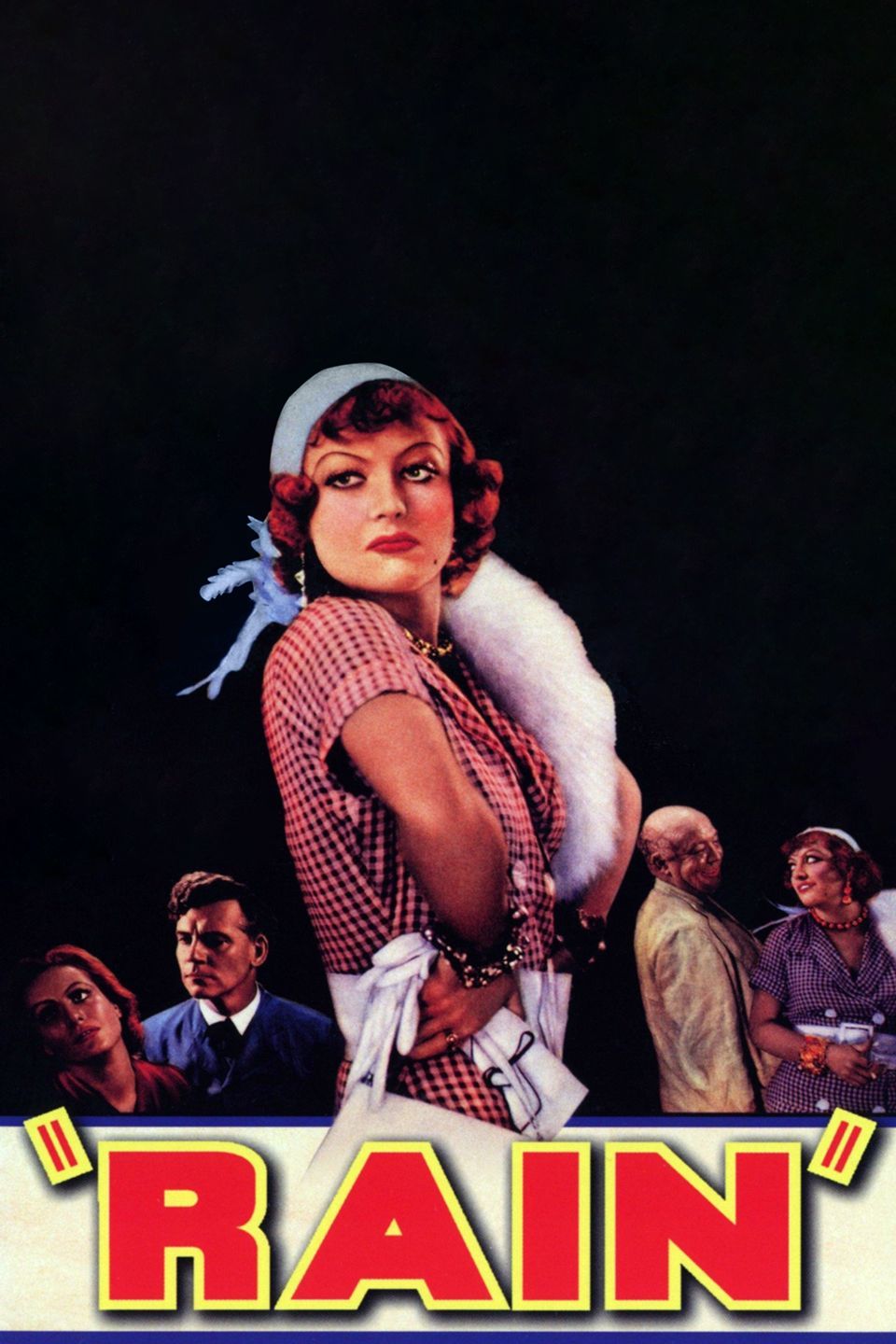
| 1932 | Rain · as Screenplay |
| 1929 | |
| 1910 |
| 1996 | Ingrid Bergman Remembered · as Self (archive Footage) |
| 1949 |
| 2022 | The Bad Seed Returns · as Theatre Play |
| 2018 | The Bad Seed · as Theatre Play |
| 1985 | The Bad Seed · as Theatre Play |
| 1974 | Lost in the Stars · as LyricistNo Plex |
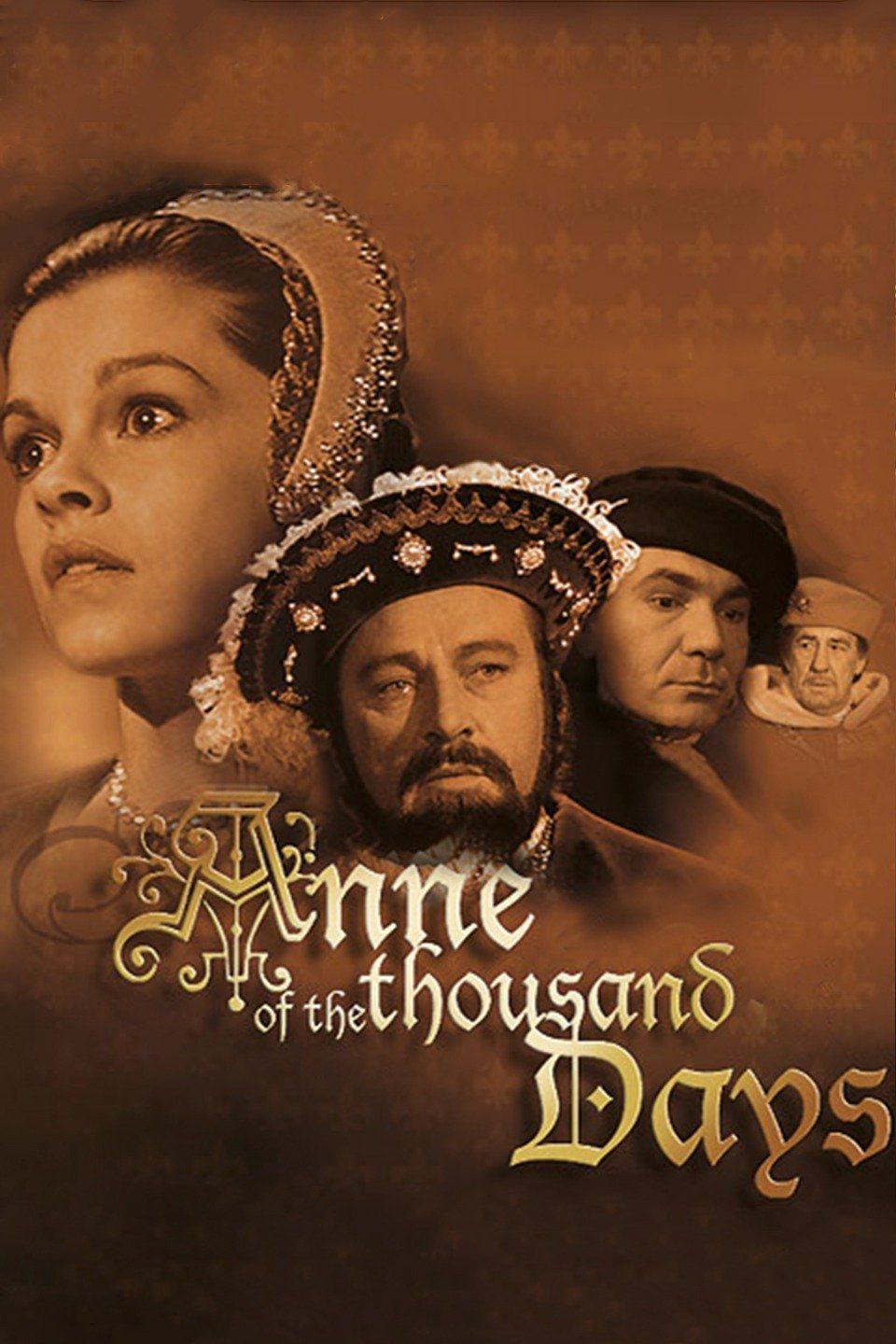
| 1969 | Anne of the Thousand Days · as Theatre Play |
| 1968 | Elizabeth the Queen · as Theatre Play |
| 1963 | The Bad Seed · as Story |
| 1960 | Midnight Lace · as Songs |
| 1959 | The Play of the Week · as Play |
| 1959 | Never Steal Anything Small · as Theatre Play |
| 1956 | Playhouse 90 · as Play |
| 1956 | The Bad Seed · as Theatre Play |
| 1955 | Alcoa Hour · as Play |
| 1955 | ITV Play of the Week · as Play |
| 1954 | A Christmas Carol · as Teleplay |
| 1954 | Shower of Stars · as Adaptation |
| 1952 | Omnibus · as Play |
| 1952 | What Price Glory · as Theatre Play |
| 1951 | Celanese Theatre · as Play |
| 1950 | The Pulitzer Prize Playhouse · as Play |
| 1950 | The Lux Video Theatre · as Play |
| 1950 | Sunday Night Theatre · as Play |
| 1948 | Joan of Arc · as Theatre PlayNo Plex |
| 1948 | The Philco Television Playhouse · as Play |
| 1948 | Key Largo · as Theatre Play |
| 1947 | Kraft Television Theatre · as Play "valley Forge" |
| 1944 | Knickerbocker Holiday · as Theatre Play |
| 1940 | Saturday's Children · as Theatre Play |
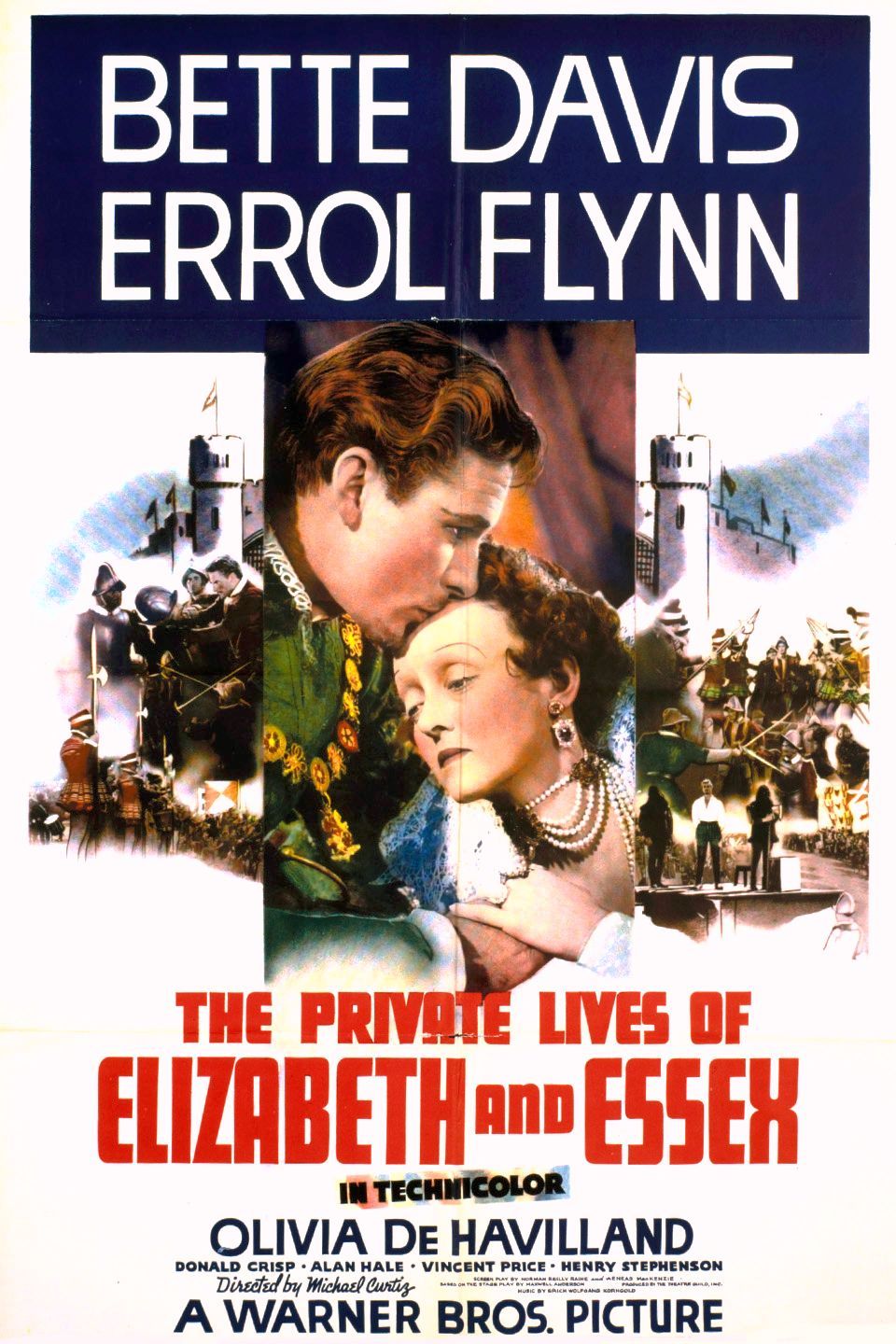
| 1939 | The Private Lives of Elizabeth and Essex · as Theatre PlayNo Plex |
| 1936 | Winterset · as Author |
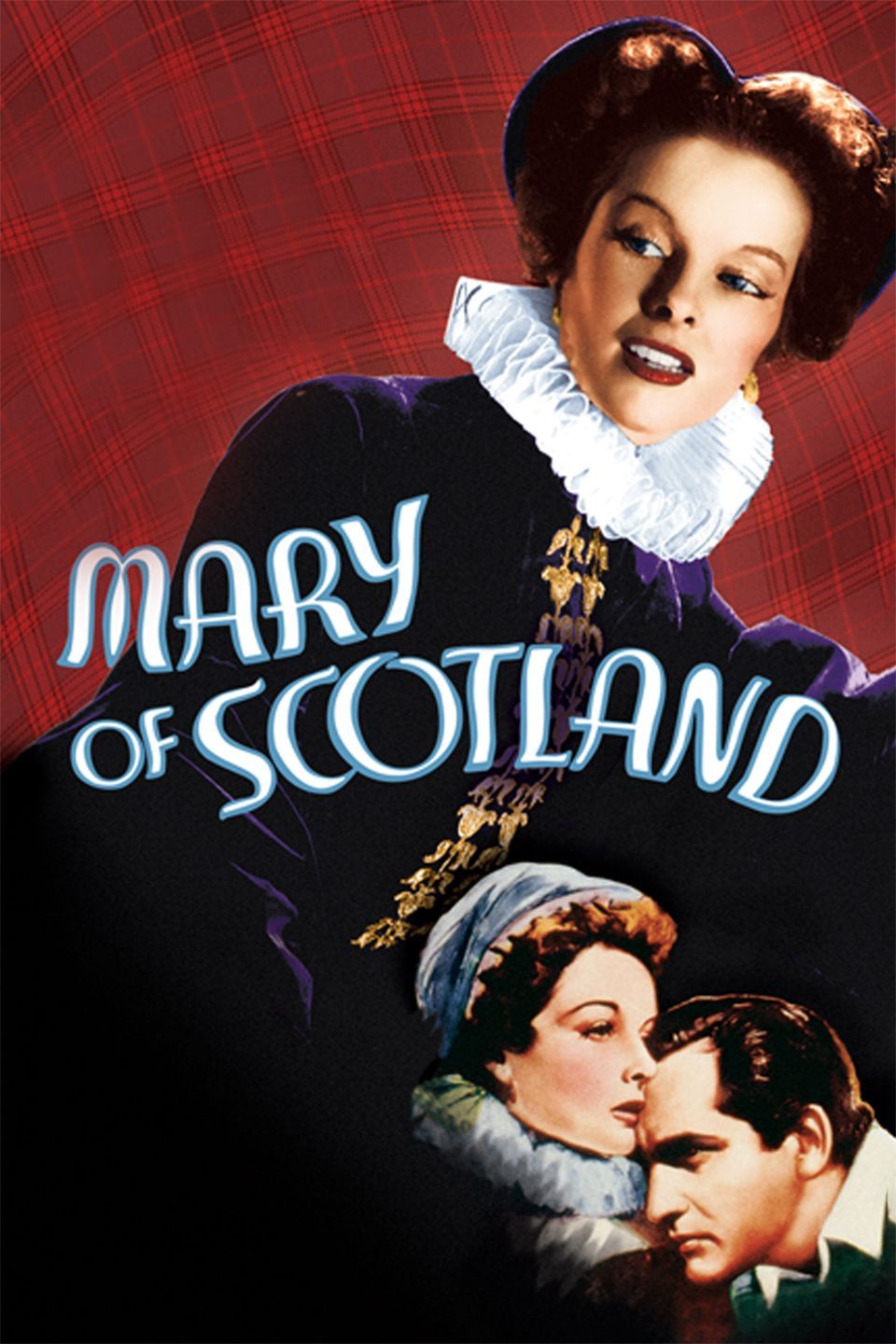
| 1936 | Mary of Scotland · as Theatre Play |
| 1935 | Maybe It's Love · as Theatre Play |
| 1934 | We Live Again · as AdaptationNo Plex |
| 1933 | Hot Pepper · as Based On Character Created By |
| 1932 | Washington Merry-Go-Round · as Story |
| 1931 | The Guardsman · as Excerpt From Play "elizabeth The Queen" |
| 1931 | Women of All Nations · as Characters |
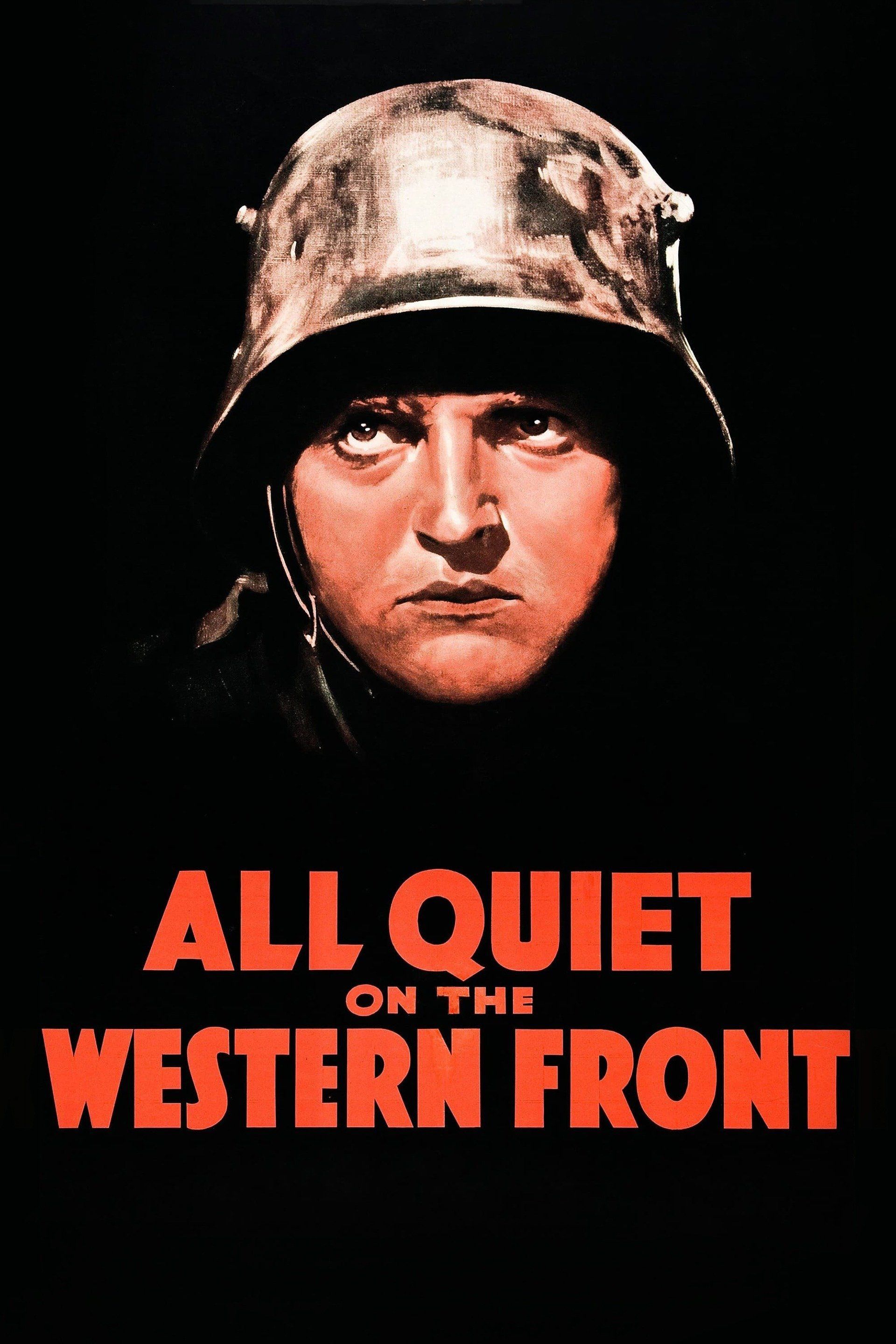
| 1930 | All Quiet on the Western Front · as AdaptationNo Plex |
| 1930 | One Romantic Night · as Adaptation |
| 1926 | What Price Glory · as Theatre Play |