
Maxim Gorky
Escrito por
28 de março de 1869 — 18 de junho de 1936 (67 anos)
Alexei Maximovich Peshkov (1868–1936), popularly known as Maxim Gorky (Russian: Максим Горький), was a Russian writer and political activist. He was nominated five times for the Nobel Prize in Literature. Before his success as an author, he travelled widely across the Russian Empire changing jobs frequently, experiences which would later influence his writing.
Gorky's most famous works are a short story collection 'Sketches and Stories' (1899), plays 'The Philistines' (1901), 'The Lower Depths' (1902) and 'Children of the Sun' (1905), poem 'The Song of the Stormy Petrel' (1901), autobiographical trilogy 'My Childhood', 'In the World', 'My Universities' (1913–1923), and novel 'Mother' (1906). Though Gorky himself judged some of these works as failures, most are now seen as masterpieces.
Some of his less-known post-revolutionary works such as the cycles 'Fragments from My Diary' (1924) and 'Stories of 1922–1924' (1925), and novels 'The Artamonov Business' (1925) and 'The Life of Klim Samgin' (1925–1936), Gorky himself was more proud of; the latter is considered Gorky's masterpiece and sometimes being viewed by critics as a modernist work. Unlike his pre-revolutionary writings (known for their "anti-psychologism"), these differ with an ambivalent portrayal of the Russian Revolution and "unmodern interest to human psychology" (as noted by D. S. Mirsky).
Gorky's most famous works are a short story collection 'Sketches and Stories' (1899), plays 'The Philistines' (1901), 'The Lower Depths' (1902) and 'Children of the Sun' (1905), poem 'The Song of the Stormy Petrel' (1901), autobiographical trilogy 'My Childhood', 'In the World', 'My Universities' (1913–1923), and novel 'Mother' (1906). Though Gorky himself judged some of these works as failures, most are now seen as masterpieces.
Some of his less-known post-revolutionary works such as the cycles 'Fragments from My Diary' (1924) and 'Stories of 1922–1924' (1925), and novels 'The Artamonov Business' (1925) and 'The Life of Klim Samgin' (1925–1936), Gorky himself was more proud of; the latter is considered Gorky's masterpiece and sometimes being viewed by critics as a modernist work. Unlike his pre-revolutionary writings (known for their "anti-psychologism"), these differ with an ambivalent portrayal of the Russian Revolution and "unmodern interest to human psychology" (as noted by D. S. Mirsky).
Conhecido Por




Filmografia
| 2021 | The Cure · as Novel |
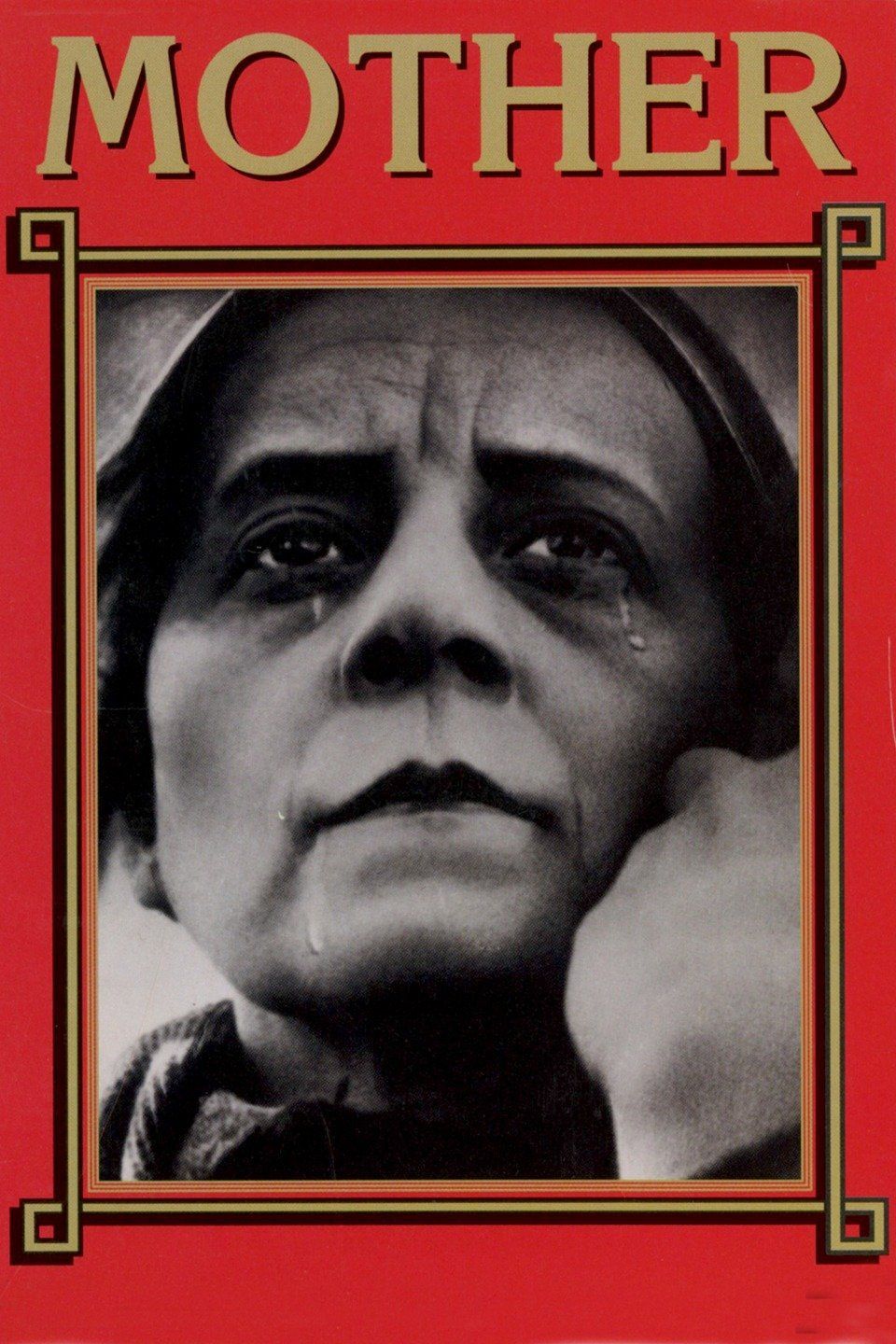
| 1990 | Mother · as Novel |
| 1988 | Жизнь Клима Самгина · as Novel |
| 1987 | Bez solntsa · as Novel |
| 1986 | Zhizn Klima Samgina · as Novel |
| 1976 | Queen of the Gypsies · as Novel |
| 1970 | |
| 1959 | Foma Gordeev · as Novel |
| 1956 | Mother · as Novel |
| 1953 | Vragi · as Novel |
| 1950 | |
| 1941 | Delo Artamonovykh · as Novel |
| 1926 | Mother · as Novel |
| 2014 | Na dne · as Theatre Play |
| 2013 | Boles · as Story |
| 2008 | Tarantella · as Inspired By |
| 1995 | Letnie lyudi · as Author |
| 1985 | Deti solntsa · as Theatre Play |
| 1984 | Maa · as Original Story |
| 1983 | Vassa · as Theatre Play |
| 1976 | Summer Guests · as Theatre Play |
| 1973 | A Man Before His Time · as Theatre Play |
| 1972 | Yegor Bulychyov i drugiye · as Theatre Play |
| 1971 | Great Performances · as Play |
| 1968 | Skuki radi · as Short Story |
| 1961 | Dostigaev i drugie · as Theatre Play |
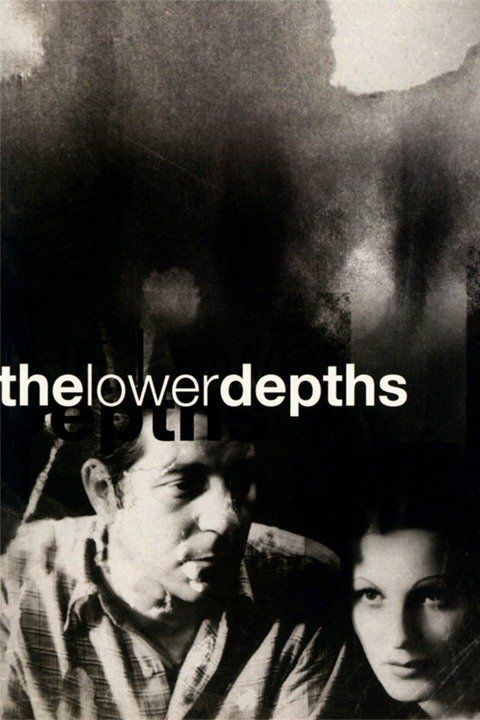
| 1957 | The Lower Depths · as Theatre Play |
| 1957 | Malwa · as Short Story |
| 1955 | La vida no vale nada · as Story |
| 1953 | The Mistress · as Theatre Play |
| 1953 | Yegor Bulychyov i drugiye · as Play |
| 1953 | Varvary · as Theatre Play |
| 1948 | Actors Studio · as Story |
| 1947 | Mastera stseny · as Play "the Lower Depths" |
| 1940 | Gorky 3: My Universities · as Book |
| 1939 | Gorky 2: My Apprenticeship · as Book |
| 1938 | Gorky 1: The Childhood of Maxim Gorky · as Book |
| 1936 | The Lower Depths · as Theatre Play |
| 1921 | Souls on the Road · as Original Story |
| 1919 | Nachtasyl · as Play: The Lower Depths |