











- SirMonkalot1 de abril de 2026So unsettling, such a good story and filmed in a beautiful manner. This was great and terrifying all at the same time. I already want to watch it again. This ain’t no April fools.
- Muhammad Salman6 de março de 2026Cure pulls off ambiguity so damn well. And it's not just the ending that's ambiguous; it’s baked into the whole film. It's a complex film that reveals something new every re-watch. Every theory I read online was different from the last one and left me with a new perspective on it. Even if you think you’ve got Cure all figured out on the first watch, I would still highly recommend checking out other people's interpretations of it online. Everyone takes something different out of it.
- Patrick Wai31 de agosto de 2026Kiyoshi Kurosawa takes his time, and that patience becomes one of the movie’s greatest strengths. There’s a grainy, almost washed-out quality to the image that gives Cure a strangely oppressive mood. The sets are often spare and empty, almost unnaturally so, which makes Mamiya’s cluttered home stand out even more. Whether intentional or not, it feels like a visual reflection of his fractured mental state against a world that otherwise appears controlled and orderly. The movie is a true slow burn, but the reveal is deliciously gradual. Information arrives in fragments, and the mystery keeps widening instead of neatly closing. Kurosawa’s framing and cinematography are especially interesting. He often places characters in empty spaces or lets unsettling things exist quietly in the background rather than forcing your attention toward them. The acting is excellent because almost everyone underplays everything. Kōji Yakusho is terrific, but Masato Hagiwara as Mamiya is especially memorable. He never needs to become a conventional movie psychopath. His vague, detached manner is much creepier than shouting or theatrics ever would be. This is also very deliberately ambiguous. It doesn’t hand you explanations, and I can easily see some viewers becoming frustrated by that. To really unpack everything, it almost demands a second viewing, some discussion, or a little research afterward. But that ambiguity is also part of what makes it linger. Cure isn’t frightening because of jump scares or gore. It’s frightening because of the possibility that something terrible can enter an ordinary person quietly, almost invisibly, and reveal what was already hiding there. Strange, atmospheric, intelligent, and deeply unsettling.
- marshalsea6 de abril de 2026Slow but the tension mounts and mounts, with a very satisfying ending.
- hairydemon13 de novembro de 2025my god, it's boring. Theatre play metaphor bollocks.
- George Bananza19 de outubro de 2025Mesmerizing.
- LivewireAdmin14 de outubro de 2025Holy sh*t. I'm gonna need to watch this one again before fully forming my thoughts but I can't remember the last time I saw a movie that had me thinking this hard about it after the credits rolled. I love a good psychological thriller but when you combine that with a murder mystery? That's like crack to me. Also, I had no idea that this director made "Sweet Home" which inspired the Resident Evil video game franchise! letterboxd: FilmPhanPA
- David Daniel7 de novembro de 2024This film eats souls
- ⋅˚₊‧ EVE ⋆* ‧28 de abril de 2025what the hell, sure



Obtenha Plex em Seus Dispositivos
Gratuito em mais de 20 plataformas. Escolha o seu.Trívia de Cure
Curefoi lançado em 27 de dezembro de 1997.
Curefoi dirigido por Kiyoshi Kurosawa.
Curetem a duração de 1 h 51 min.
Curefoi produzido por Satoshi Kanno, Tsutomu Tsuchikawa, Tetsuya Ikeda, Atsuyuki Shimoda.
Um detetive investiga uma série de estranhos assassinatos ocorridos em Tóquio. Quando consegue capturar um suspeito junto ao corpo da última vítima descobre que o homem exerce estranhos poderes em quem entra em contato com ele. Começa então a tentar descobrir a relação dele com os crimes.
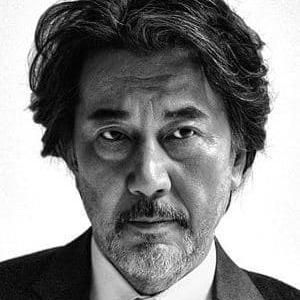
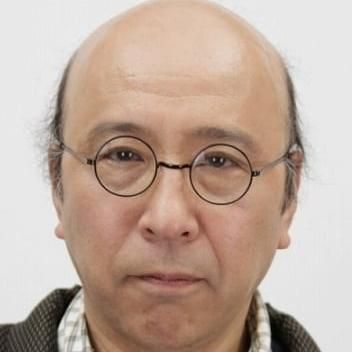
Os caracteres-chave em Cure são Kenichi Takabe (Koji Yakusho), Kunio Mamiya (Masato Hagiwara), Makoto Sakuma (Tsuyoshi Ujiki).
Cure é avaliado Not Rated.
Cure é um filme de Terror, Mistério, Thriller.
Cure tem uma classificação de audiência 8.5de 10.
Cure teve um orçamento de US$ 20.000.
Cure fez US$ 235 mil na bilheteria.