
decatur555
Dołączono 2017
Daytona Beach (FLA)










- iZombie
 (CASTELLANO) iZombie es una serie que, de entrada, podía sonar a otra vuelta de tuerca innecesaria al género zombi. Después de tanta película, tanta serie y tanto apocalipsis de muertos vivientes, lo normal era pensar que ya quedaba poco que rascar. Pero la sorpresa es que iZombie encuentra una forma bastante simpática, ligera y entretenida de usar el concepto sin repetir exactamente lo mismo de siempre. La serie parte de una ocurrencia bastante divertida: Liv, que antes era médica y tenía una vida normal, acaba convertida en zombi y encuentra en la morgue la forma menos criminal de seguir adelante. Allí puede comer cerebros sin ir matando a nadie, y cada vez que lo hace hereda recuerdos y manías de la persona muerta. Con eso termina ayudando a la policía a resolver asesinatos, como si fuera una vidente, aunque en realidad lo que tiene es una dieta bastante complicada. Lo mejor es que la serie entiende muy pronto cuál es su tono. No intenta competir con The Walking Dead, ni busca ser una experiencia brutal de supervivencia como otras ficciones del género. iZombie va por otro lado: es más luminosa, más irónica, más procedimental y bastante más amable. Hay sangre, hay cerebros y hay momentos oscuros, pero el corazón de la serie está en sus personajes y en ese humor negro ligero que hace que todo resulte fácil de ver. Rose McIver es fundamental para que funcione. Liv podría haber sido un personaje cansino o demasiado forzado, pero ella le da simpatía, vulnerabilidad y mucha capacidad cómica. Además, el recurso de que cada cerebro le cambie temporalmente la personalidad permite jugar con registros distintos sin romper del todo la serie. A veces funciona mejor, otras peor, pero casi siempre aporta dinamismo. También ayuda mucho el reparto secundario. Ravi es uno de esos personajes que acaban ganándose la serie por pura simpatía, Clive funciona bien como contrapunto policial y Blaine, con David Anders, aporta una energía más cínica, peligrosa y divertida. La serie mejora cuando no se limita al caso de la semana y deja crecer ese pequeño universo de morgue, policía, zombis ocultos, cura posible y amenazas cada vez más grandes. El formato de caso semanal es, a la vez, virtud y límite. Por un lado, hace que la serie sea muy fácil de seguir y le da una estructura cómoda: muerto, cerebro, visiones, investigación y resolución. Por otro, también puede hacer que algunos episodios parezcan demasiado parecidos entre sí. Cuando iZombie se queda solo en “CSI con zombi simpática”, pierde algo de fuerza. Cuando mezcla eso con mitología propia, humor, personajes y conflicto moral, funciona mucho mejor. No es una serie perfecta. Tiene temporadas más inspiradas que otras, algunas tramas se alargan, ciertos giros son bastante televisivos y no siempre mantiene el mismo nivel de frescura. Pero tiene algo muy importante: cae bien. Es consciente de lo que es, no se pone solemne sin necesidad y consigue que una idea bastante absurda acabe pareciendo natural. iZombie está bien. Se puede ver con gusto, entretiene, tiene personajes carismáticos y aporta un soplo de aire fresco a un género que muchas veces se toma demasiado en serio. No es una gran obra zombi ni una serie imprescindible, pero sí una propuesta inteligente, simpática y con más encanto del que parece al principio. Una serie para dejarse llevar, disfrutar de sus cerebros del día y acabar encariñándose con Liv y su extraño mundo de muertos que siguen trabajando. (ENGLISH) iZombie is a series that, at first, could easily sound like another unnecessary twist on the zombie genre. After so many films, series and undead apocalypses, it was natural to think there was not much left to explore. But the surprise is that iZombie finds a fairly charming, light and entertaining way to use the concept without repeating exactly the same old thing. The series starts from a pretty funny idea: Liv used to be a doctor with a normal life, then she ends up becoming a zombie and finds in the morgue the least criminal way to keep going. There she can eat brains without killing anyone, and every time she does, she inherits memories and personality quirks from the dead person. That ends up helping her solve murders with the police, almost as if she were a psychic, although what she really has is a very complicated diet. The best thing is that the series understands its tone very quickly. It does not try to compete with The Walking Dead, nor does it aim to be a brutal survival experience like other entries in the genre. iZombie goes in another direction: brighter, more ironic, more procedural and much friendlier. There is blood, there are brains and there are dark moments, but the heart of the show lies in its characters and in that light black humor that makes everything easy to watch. Rose McIver is essential to making it work. Liv could have been annoying or too forced, but McIver gives her warmth, vulnerability and a lot of comic ability. The device of each brain temporarily changing her personality also allows the series to play with different registers without completely breaking its shape. Sometimes it works better, sometimes less so, but it almost always adds energy. The supporting cast helps a lot too. Ravi is one of those characters who gradually wins the show through sheer likeability, Clive works well as the police counterpoint, and Blaine, played by David Anders, brings a more cynical, dangerous and funny energy. The series improves when it does not limit itself to the case of the week and allows its small universe of morgue, police work, hidden zombies, possible cure and growing threats to expand. The weekly case format is both a strength and a limitation. On the one hand, it makes the series very easy to follow and gives it a comfortable structure: corpse, brain, visions, investigation and resolution. On the other, it can also make some episodes feel too similar. When iZombie becomes only “CSI with a friendly zombie,” it loses some strength. When it mixes that with its own mythology, humor, characters and moral conflict, it works much better. It is not a perfect series. Some seasons are stronger than others, certain plots go on too long, some twists are very television-like and it does not always maintain the same freshness. But it has something very important: it is easy to like. It knows what it is, it does not become solemn without reason, and it manages to make a fairly absurd idea feel natural. iZombie is good. It is easy to enjoy, entertaining, full of charismatic characters and brings a breath of fresh air to a genre that often takes itself too seriously. It is not a great zombie masterpiece or an essential series, but it is a smart, likeable show with more charm than it first appears. A series to go along with, enjoy its brain of the day and eventually grow fond of Liv and her strange world of dead people who still go to work.iZombie
 - Z Nation
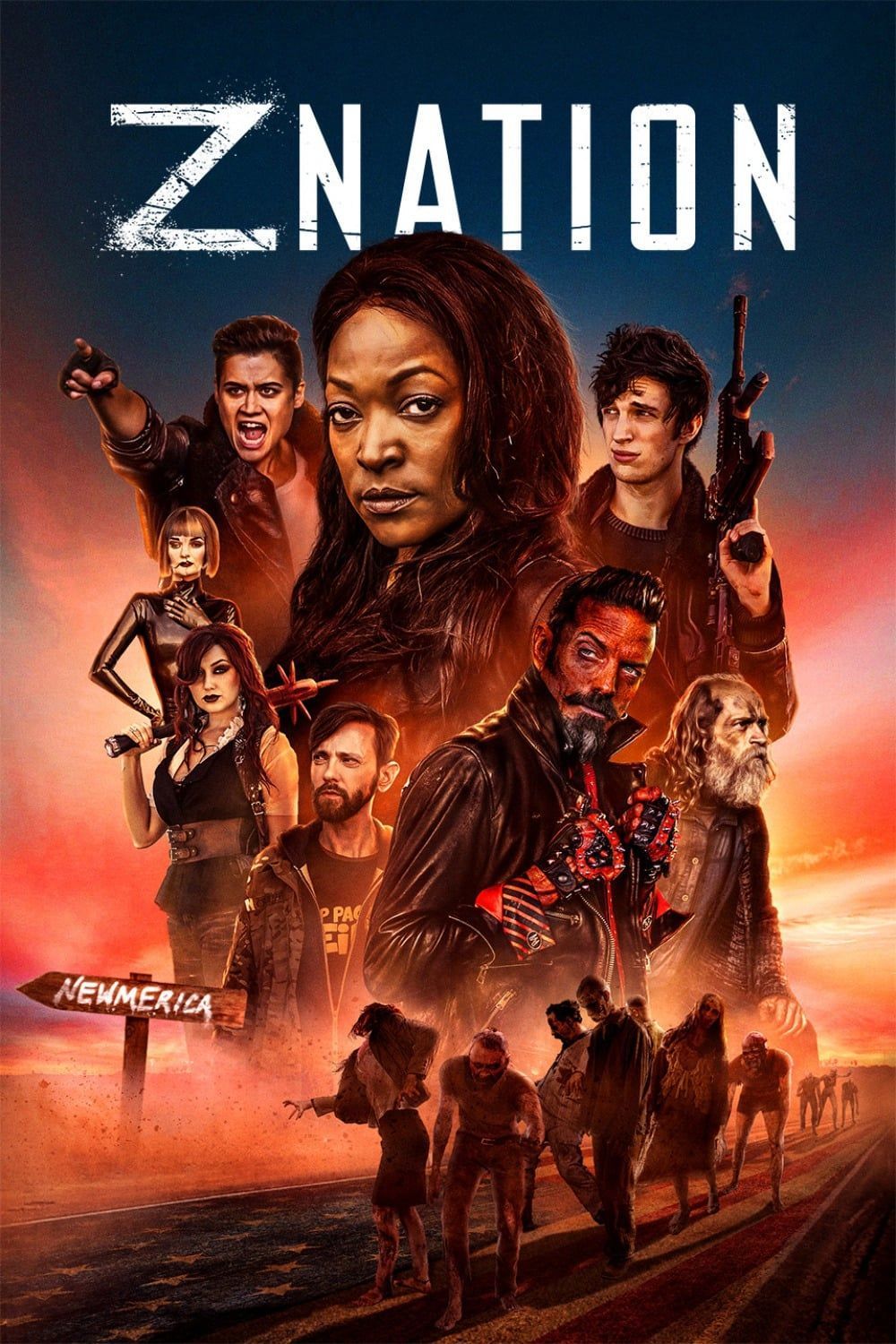 (CASTELLANO) Z Nation es una serie curiosa. En teoría pertenece al mismo universo que Black Summer, pero cuesta mucho creerlo cuando la ves. No tiene la misma intensidad, ni la misma crudeza, ni esa sensación de supervivencia desesperada que hacía que Black Summer pareciera casi una experiencia física. Aquí todo es más ligero, más de serie B, más gamberro, más irregular y bastante más cercano al entretenimiento pulp que al terror seco. La premisa tiene gancho: en pleno apocalipsis zombi, un grupo debe transportar a Murphy, un hombre que parece ser el único superviviente conocido de una mordedura, porque su sangre podría ser la clave para una cura. Es una idea sencilla, clara y eficaz. Además, le da a la serie una dirección muy concreta: no se trata solo de sobrevivir episodio a episodio, sino de cruzar un país destruido con una misión. Eso, bien llevado, podía haber dado una grandísima serie. Y ahí está precisamente lo frustrante. Z Nation tiene algo. Tiene mundo, tiene personajes reconocibles, tiene humor negro, tiene situaciones absurdas, tiene zombis de todo tipo y tiene una libertad que muchas series más “serias” no se permiten. A veces se nota que disfruta inventando locuras dentro del género: episodios disparatados, amenazas grotescas, soluciones exageradas, momentos que no buscan realismo sino pura diversión postapocalíptica. El problema es que esa libertad no siempre va acompañada de una dirección suficientemente fuerte. Hay momentos entretenidos, sí, pero también muchos otros donde parece que la serie se conforma con ser barata, caótica y funcional. La puesta en escena no siempre está a la altura de las ideas. La acción puede ser divertida, pero rara vez impresiona. El drama aparece y desaparece. Y el tono cambia tanto que a veces cuesta saber si quiere ser parodia, aventura, terror, comedia negra o western zombi. Compararla con Black Summer quizá sea injusto, pero es inevitable. Black Summer iba directa al nervio: persecuciones, miedo, silencio, caos, decisiones brutales, gente corriendo por su vida. Z Nation, en cambio, parece moverse en otro registro. Es más desenfadada, más televisiva, más cercana a la serie de culto de bajo presupuesto. Eso no la hace necesariamente peor, pero sí muy distinta. El problema es que, al saber que comparten universo, uno espera alguna conexión emocional o tonal que apenas se siente. El reparto tiene bastante culpa de que la serie funcione mejor de lo que debería. Roberta Warren, Murphy, Doc, 10K, Addy y Citizen Z acaban teniendo presencia. Algunos personajes empiezan como clichés, pero con el tiempo se vuelven parte del encanto de la serie. Especialmente Murphy, que introduce una ambigüedad interesante: no es exactamente héroe, ni villano puro, ni simple víctima. La serie mejora cuando entiende que sus personajes pueden ser más atractivos que sus tramas. También hay que reconocerle algo: Z Nation no va de prestigiosa. No intenta disfrazarse de gran drama televisivo. Asume su condición de producto de zombis con humor, sangre, exageración y capítulos raros. Esa falta de solemnidad es una virtud. Mientras otras series del género se vuelven pesadas intentando parecer importantes, esta acepta ser una aventura sucia, irregular y algo loca. Cuando esa energía funciona, la serie tiene encanto. Pero queda la sensación de oportunidad perdida. Con otra dirección, con más presupuesto, con una puesta en escena más intensa y una escritura menos dispersa, Z Nation podría haber sido una serie enorme dentro del género. Tenía una buena misión central, un mundo amplio, personajes con recorrido y un punto gamberro que podía diferenciarla muchísimo. En cambio, se queda en una serie que se puede ver, que entretiene a ratos y que tiene personalidad, pero que rara vez alcanza todo lo que prometía. Z Nation no tiene la fuerza de Black Summer, ni de lejos. Pero tampoco es una serie descartable. Es irregular, barata en muchos momentos y demasiado dispersa, pero tiene algo atractivo: una mezcla de serie B, aventura zombi, humor negro y personajes que, poco a poco, se hacen compañía. No es una gran serie, pero sí una que uno puede ver con cierta simpatía, pensando continuamente que dentro de ella había una versión muchísimo mejor. (ENGLISH) Z Nation is a curious series. In theory, it belongs to the same universe as Black Summer, but that is hard to believe when you watch it. It does not have the same intensity, the same rawness or that feeling of desperate survival that made Black Summer feel almost like a physical experience. Here, everything is lighter, more B-movie, more mischievous, more uneven and much closer to pulp entertainment than to dry horror. The premise has a hook: in the middle of a zombie apocalypse, a group must transport Murphy, a man who seems to be the only known survivor of a zombie bite, because his blood could be the key to a cure. It is a simple, clear and effective idea. It also gives the series a very concrete direction: it is not just about surviving episode by episode, but about crossing a destroyed country with a mission. Handled properly, that could have made a great series. And that is exactly what makes it frustrating. Z Nation has something. It has a world, recognizable characters, black humor, absurd situations, all kinds of zombies and a freedom that many more “serious” shows do not allow themselves. At times, you can feel that it enjoys inventing madness inside the genre: outrageous episodes, grotesque threats, exaggerated solutions and moments that do not aim for realism but for pure post-apocalyptic fun. The problem is that this freedom is not always matched by strong enough direction. There are entertaining moments, yes, but also many others where the series seems content with being cheap, chaotic and functional. The staging is not always up to the level of the ideas. The action can be fun, but rarely impressive. The drama appears and disappears. And the tone shifts so much that it is sometimes hard to know whether it wants to be parody, adventure, horror, black comedy or zombie western. Comparing it to Black Summer may be unfair, but it is inevitable. Black Summer went straight for the nerve: chases, fear, silence, chaos, brutal decisions and people running for their lives. Z Nation, by contrast, seems to exist in another register. It is more relaxed, more televisual, closer to a low-budget cult series. That does not necessarily make it worse, but it does make it very different. The problem is that, knowing they share a universe, you expect some emotional or tonal connection that is barely there. The cast is a big reason why the series works better than it probably should. Roberta Warren, Murphy, Doc, 10K, Addy and Citizen Z gradually gain presence. Some characters begin as clichés, but over time they become part of the show’s charm. Murphy especially introduces an interesting ambiguity: he is not exactly a hero, nor a pure villain, nor simply a victim. The series improves when it understands that its characters can be more appealing than its plots. It also deserves credit for one thing: Z Nation does not pretend to be prestige television. It does not try to disguise itself as a major dramatic statement. It accepts itself as a zombie show with humor, blood, exaggeration and strange episodes. That lack of solemnity is a virtue. While other shows in the genre become heavy by trying to seem important, this one accepts being a dirty, uneven and slightly crazy adventure. When that energy works, the series has charm. But there remains a feeling of missed opportunity. With different direction, more budget, more intense staging and less scattered writing, Z Nation could have been a huge series within the genre. It had a strong central mission, a broad world, characters with potential and a mischievous edge that could have set it apart. Instead, it remains a show that is watchable, entertaining at times and full of personality, but that rarely reaches everything it promised. Z Nation does not have the strength of Black Summer, not even close. But it is not a disposable series either. It is uneven, cheap-looking in many moments and too scattered, but it has something attractive: a mixture of B-movie spirit, zombie adventure, black humor and characters who gradually become good company. It is not a great series, but it is one you can watch with some affection, while constantly thinking that a much better version was hidden inside it.Z Nation
 - Exit Wounds
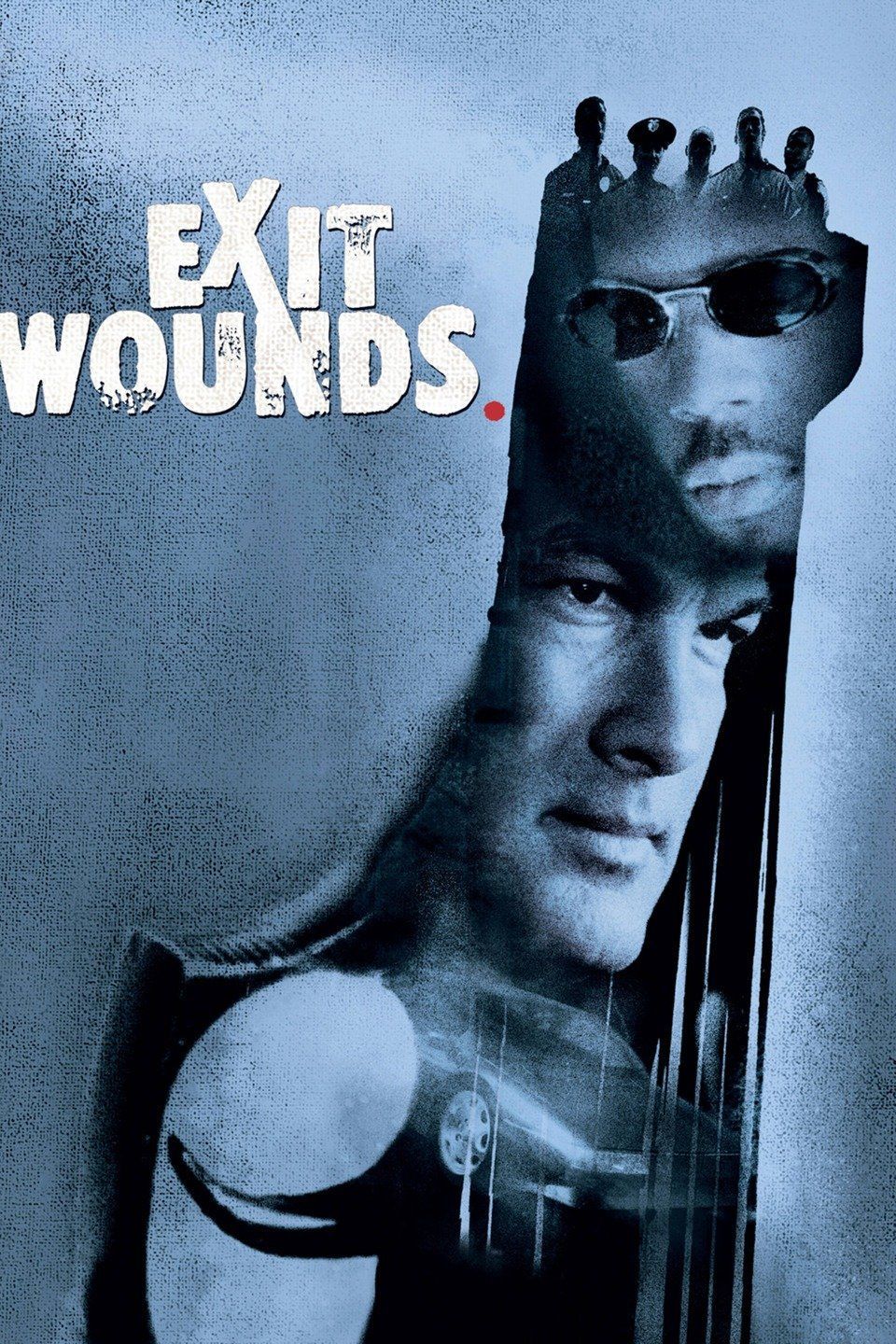 (CASTELLANO) Herida abierta es un bodrio de acción construido casi exclusivamente para el lucimiento de Steven Seagal. Y lo peor no es solo que sea mala, sino que tiene ese tipo de mala calidad industrial que impresiona: la película parece convencida de que basta con poner a Seagal andando serio, pegando sin despeinarse y soltando frases de tipo duro para que todo funcione. Pero no funciona. Ni como thriller policial, ni como película de corrupción, ni como entretenimiento de acción mínimamente digno. La historia va de un policía de Detroit, Orin Boyd, que no respeta las normas, se mete donde no debe y acaba descubriendo una trama de corrupción dentro del propio cuerpo policial. Es el esquema más sobado posible: poli rebelde, jefes que lo castigan, compañeros sospechosos, narcotráfico, traiciones, persecuciones, tiroteos y un protagonista que siempre tiene razón aunque el guion haga piruetas para justificarlo. Todo suena a película de acción de manual, pero escrita con el piloto automático puesto. El problema principal es Steven Seagal. No tiene carisma suficiente para sostener la película, no transmite tensión, no transmite peligro real y sus escenas de acción están montadas para que parezca invencible sin exigirle demasiado. Todo gira a su alrededor, pero el centro está vacío. Viéndolo aquí, cuesta entender cómo pudo llegar a ocupar durante años un lugar tan visible dentro del cine de acción. Una cosa es tener presencia física y otra muy distinta ser una estrella capaz de dar vida a una película. Lo más desesperante es que Herida abierta ni siquiera es divertida de lo mala que es. Hay películas de acción absurdas que al menos tienen ritmo, exageración, encanto basura o una energía desvergonzada. Aquí casi todo resulta mecánico, feo, torpe y perezoso. La trama es simplona y confusa al mismo tiempo, los diálogos parecen escritos para rellenar huecos entre golpes y la corrupción policial funciona más como excusa para juntar escenas de violencia que como verdadero conflicto. DMX aporta algo más de presencia que Seagal, aunque tampoco puede hacer milagros. Anthony Anderson intenta meter humor, Tom Arnold aparece como alivio cómico y Michael Jai White tiene una presencia física que, sinceramente, habría merecido una película mucho mejor. Hay actores alrededor que podrían haber dado más juego, pero todo queda subordinado a la maquinaria Seagal, y esa maquinaria ya venía bastante oxidada. Andrzej Bartkowiak, que venía de la fotografía y sabía mover mejor la cámara que muchos directores de acción alimenticia, consigue que algunas escenas tengan un mínimo de empaque. Pero eso no salva el conjunto. Un par de tiroteos aceptables o una persecución medio decente no convierten esto en una buena película. Al contrario: hacen todavía más evidente que había medios, estreno en cines y cierta ambición comercial, pero el resultado sigue siendo un producto pobrísimo. Es increíble pensar que esto llegó a estrenarse en salas como si fuera un gran vehículo de acción. Hoy se entiende mejor como una reliquia de una época en la que todavía se intentaba vender a Seagal como héroe duro, imparable y cool, aunque la pantalla ya estuviera diciendo otra cosa. La película quiere ser contundente, urbana y musculosa, pero acaba siendo una sucesión de clichés sin gracia, violencia sin impacto y frases duras sin dureza real. Herida abierta es penosa, y casi en el siguiente nivel. Un thriller de acción rancio, mecánico y sin alma, hecho para que Steven Seagal parezca importante durante hora y media larga. Ni siquiera el éxito de taquilla de su momento la hace mejor. A veces una película llena salas porque vende una promesa, no porque la cumpla. Y esta promete acción, corrupción y dureza, pero entrega una de esas piezas de lucimiento personal que solo sirven para recordar lo rápido que puede envejecer mal cierto cine de acción. (ENGLISH) Exit Wounds is an action disaster built almost entirely as a showcase for Steven Seagal. And the worst thing is not only that it is bad, but that it has that kind of industrial badness that is almost impressive: the film seems convinced that putting Seagal on screen walking seriously, hitting people without breaking a sweat and delivering tough-guy lines is enough to make everything work. It does not. Not as a police thriller, not as a corruption story, and not as a minimally decent action film. The story follows Orin Boyd, a Detroit cop who does not follow the rules, gets involved where he should not and ends up uncovering a corruption plot inside the police department itself. It is the most worn-out setup imaginable: rebellious cop, bosses punishing him, suspicious partners, drug trafficking, betrayals, chases, shootouts and a protagonist who is always right even when the script has to twist itself into knots to justify it. Everything feels like a standard action movie written on autopilot. The main problem is Steven Seagal. He does not have enough charisma to carry the film, he does not create tension, he does not feel genuinely dangerous, and his action scenes are edited so he can appear invincible without having to do too much. Everything revolves around him, but the center is empty. Watching him here, it is hard to understand how he managed to occupy such a visible place in action cinema for so many years. Having physical presence is one thing; being a star capable of giving life to a film is something else entirely. The most frustrating thing is that Exit Wounds is not even fun in a bad-movie way. There are absurd action films that at least have rhythm, exaggeration, trashy charm or shameless energy. Here, almost everything feels mechanical, ugly, clumsy and lazy. The plot is simplistic and confusing at the same time, the dialogue seems written just to fill gaps between punches, and police corruption works more as an excuse to connect violent scenes than as a real conflict. DMX brings more presence than Seagal, although he cannot perform miracles either. Anthony Anderson tries to bring humor, Tom Arnold appears as comic relief, and Michael Jai White has a physical presence that honestly deserved a much better film. There are actors around Seagal who could have given the movie more life, but everything is subordinated to the Seagal machine, and that machine already feels very rusty. Andrzej Bartkowiak, who came from cinematography and knew how to move the camera better than many directors of disposable action films, manages to give a few scenes a minimal sense of polish. But that does not save the whole thing. A couple of acceptable shootouts or a halfway decent chase do not make this a good film. If anything, they make it even clearer that there were resources, a theatrical release and some commercial ambition, yet the result is still extremely poor. It is incredible to think that this was released in cinemas as a major action vehicle. Today it makes more sense as a relic from a time when studios were still trying to sell Seagal as a tough, unstoppable, cool action hero, even though the screen was already saying something else. The film wants to be hard, urban and muscular, but it ends up as a chain of lifeless clichés, violence without impact and tough lines without any real toughness. Exit Wounds is bad, almost impressively so. A stale, mechanical and soulless action thriller made to let Steven Seagal look important for more than an hour and a half. Its box-office success at the time does not make it any better. Sometimes a film fills seats because it sells a promise, not because it delivers. This one promises action, corruption and toughness, but gives us one of those personal showcase vehicles that mainly reminds you how badly some action cinema can age.Exit Wounds
 - Those Who Wish Me Dead
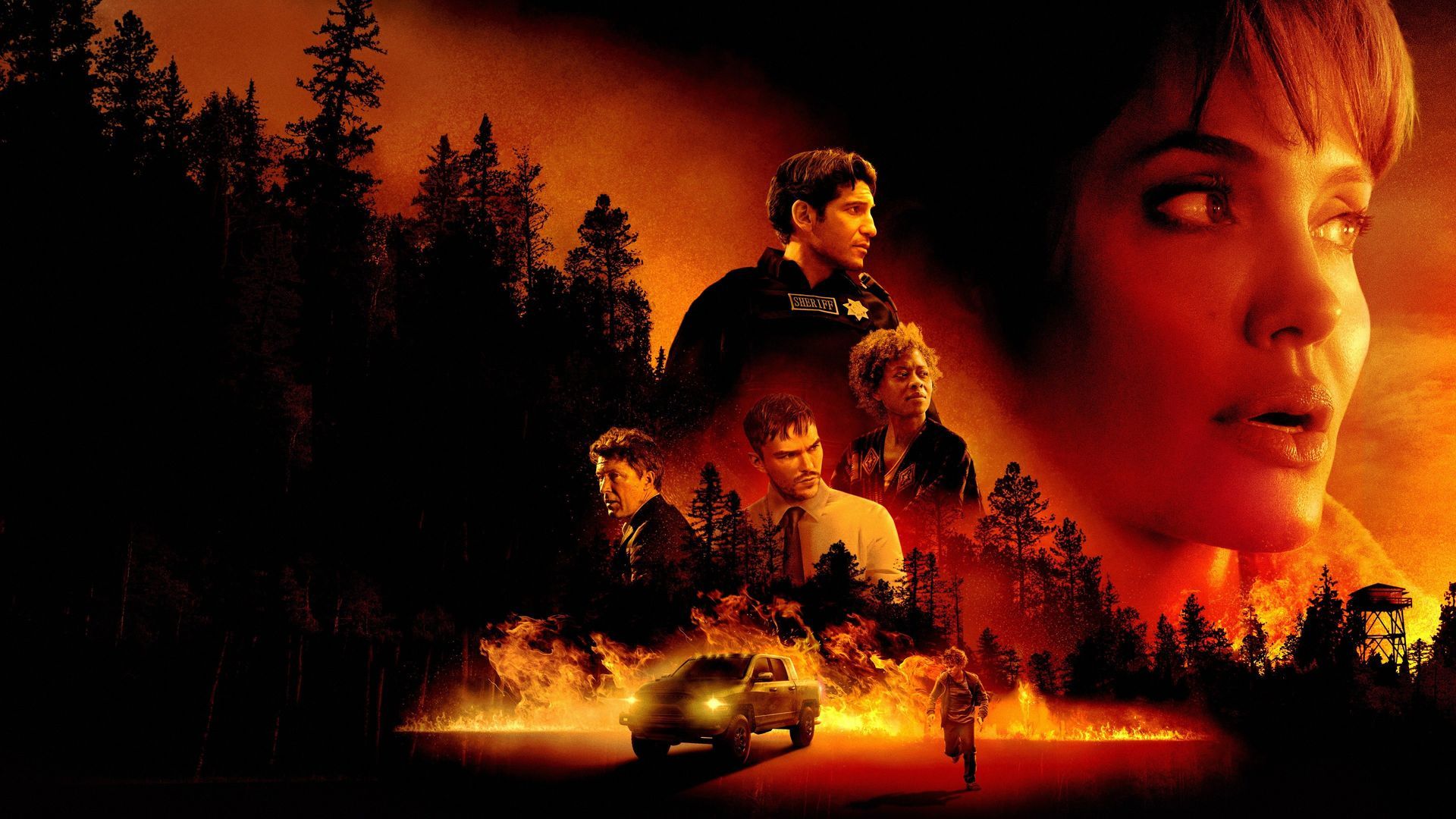
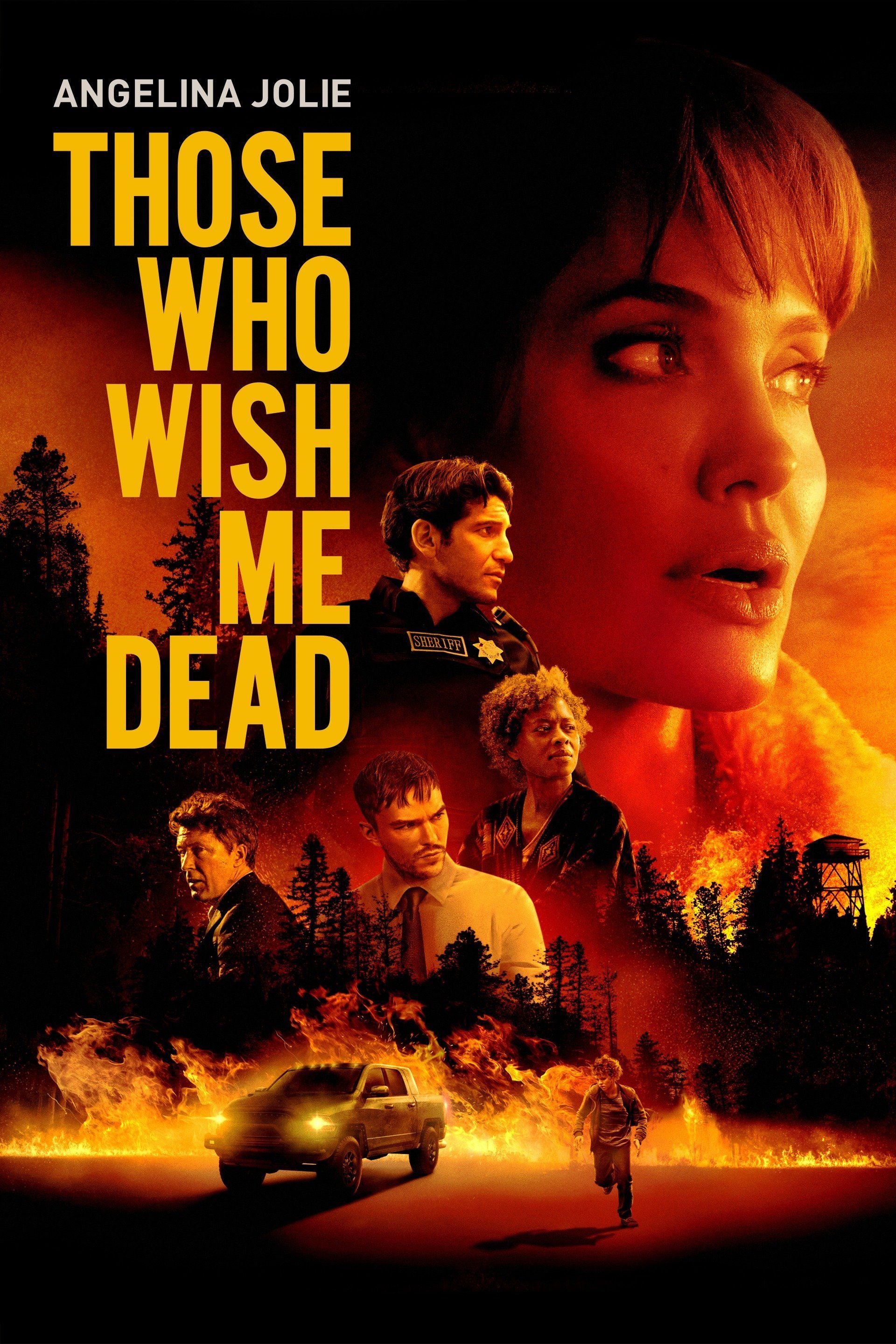 (CASTELLANO) Hay películas que no necesitan reinventar nada para funcionar. Les basta con saber exactamente qué son, moverse con pulso firme y no aburrir ni un minuto. Aquellos que desean mi muerte pertenece a ese tipo de thriller clásico, directo y muy entretenido, de esos que parecen hechos con materiales conocidos pero ensamblados con suficiente oficio como para que el resultado se disfrute sin demasiadas reservas. Se nota la mano de Taylor Sheridan. No estamos ante su obra más compleja ni más poderosa, pero sí ante una película con ese gusto suyo por los personajes marcados por la culpa, los paisajes hostiles, la violencia seca y una tensión que avanza como si el entorno también quisiera devorar a los protagonistas. Aquí el bosque, el fuego y la amenaza humana forman parte de la misma presión narrativa: todo empuja hacia delante. Angelina Jolie funciona muy bien como centro emocional de la película. Su personaje arrastra un trauma que podría haber quedado como simple recurso dramático, pero ella le da presencia, cansancio y una vulnerabilidad que nunca anula su fuerza. No necesita demostrar nada: está ahí, sostiene la película y aporta una mezcla eficaz de dureza y fragilidad. También ayuda mucho el reparto secundario. Aidan Gillen, siempre eficaz, vuelve a demostrar que puede convertir un villano funcional en una presencia inquietante con muy poco. La película no profundiza demasiado en sus antagonistas, pero los utiliza bien: son amenazas claras, frías, profesionales, casi mecánicas. Y en un thriller de supervivencia eso puede ser suficiente. La trama es bastante previsible, sí. Hay elementos que se ven venir, decisiones de guion algo cómodas y una construcción que a veces parece más interesada en mantener el ritmo que en sorprender. Pero la película compensa esas limitaciones con energía, tensión visual y una duración ajustada. No se pierde en explicaciones innecesarias ni pretende ser más profunda de lo que realmente es. Lo mejor está en su eficacia. Funciona como thriller de persecución, como historia de supervivencia y como entretenimiento adulto de corte clásico. Tiene fuego, asesinos, heridas emocionales, naturaleza amenazante y personajes obligados a resistir cuando todo parece jugar en su contra. No todo es memorable, pero casi todo está bien llevado. Puede que sea un Sheridan menor, pero sigue teniendo más nervio, más oficio y más sentido del espectáculo que muchos thrillers recientes. Aquellos que desean mi muerte no deslumbra, pero atrapa. Y a veces eso es exactamente lo que uno busca: una película intensa, bien interpretada, directa y capaz de mantenerte pendiente hasta el final. (ENGLISH) Some films do not need to reinvent anything in order to work. They simply need to know exactly what they are, move with confidence and avoid boring the viewer for even a minute. Those Who Wish Me Dead belongs to that kind of classic thriller: direct, tense and very entertaining, made from familiar ingredients but assembled with enough craft to make the result enjoyable almost all the way through. Taylor Sheridan’s hand is easy to recognise. This is not his most complex or powerful work, but it has his taste for characters damaged by guilt, hostile landscapes, dry violence and a kind of tension in which the environment itself seems to become part of the threat. Here, the forest, the fire and the human danger all push the story forward with the same pressure. Angelina Jolie works very well as the emotional centre of the film. Her character carries a trauma that could have felt like a simple dramatic device, but Jolie gives it presence, exhaustion and vulnerability without weakening the character’s strength. She does not need to overplay anything. She holds the film with a convincing mixture of toughness and fragility. The supporting cast also helps. Aidan Gillen, always effective, once again proves that he can turn a functional villain into an unsettling presence with very little. The film does not explore its antagonists in great depth, but it uses them well: they are clear, cold, professional threats, almost mechanical in their determination. In a survival thriller, that can be enough. The plot is fairly predictable. Some developments are easy to anticipate, some writing choices are convenient, and the structure sometimes seems more interested in keeping the pace alive than in surprising the audience. But the film compensates for those limitations with energy, visual tension and a tight running time. It does not get lost in unnecessary explanations, and it never pretends to be deeper than it is. Its greatest strength is efficiency. It works as a chase thriller, as a survival story and as a piece of adult genre entertainment. It has fire, killers, emotional wounds, a threatening natural setting and characters forced to resist when everything seems to be against them. Not everything is memorable, but almost everything is handled well. It may be minor Sheridan, but it still has more nerve, craft and sense of spectacle than many recent thrillers. Those Who Wish Me Dead does not dazzle, but it grips. And sometimes that is exactly what one wants: an intense, well-acted, straightforward film that keeps you watching until the end.Those Who Wish Me Dead
 - Willard
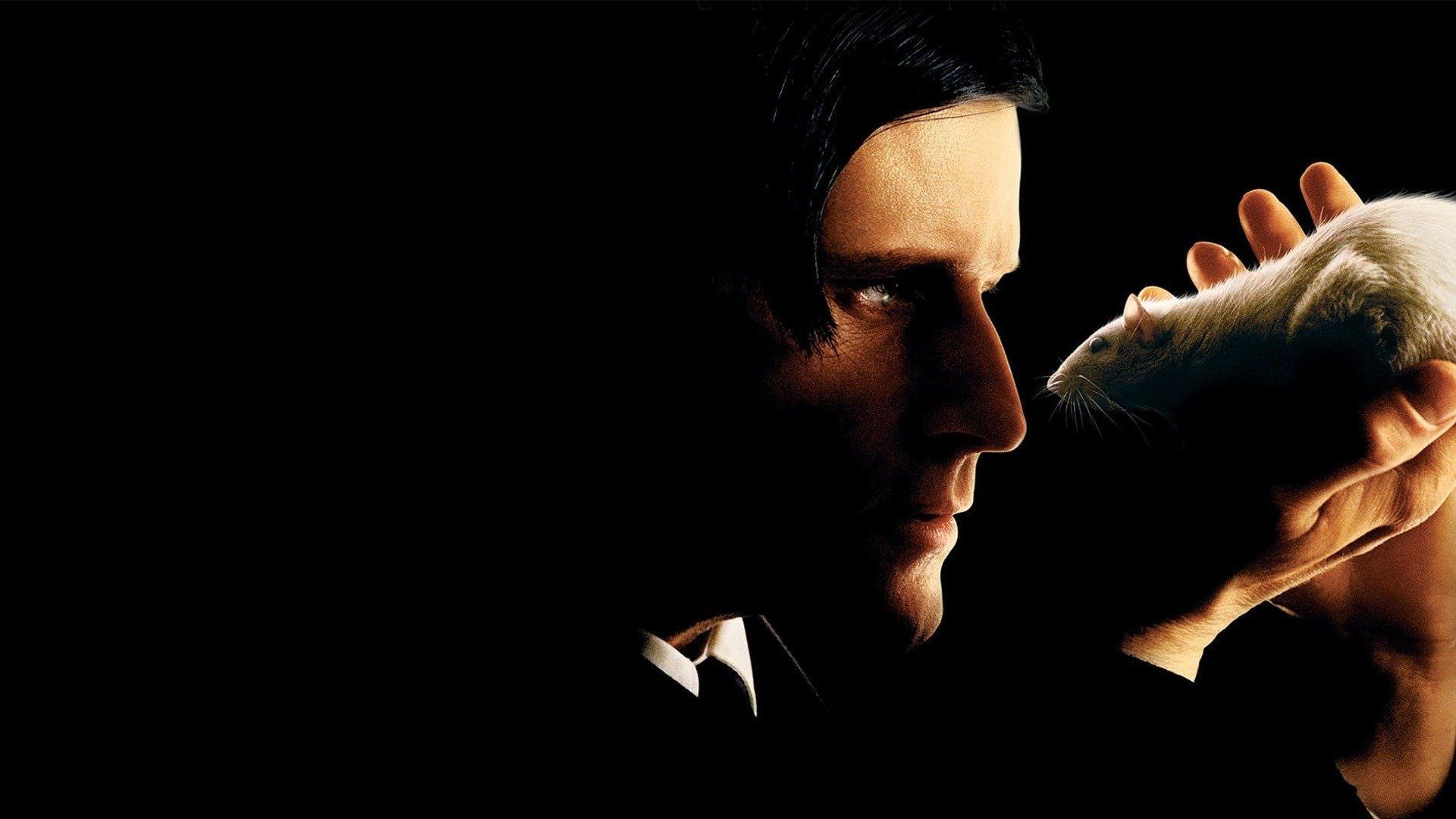
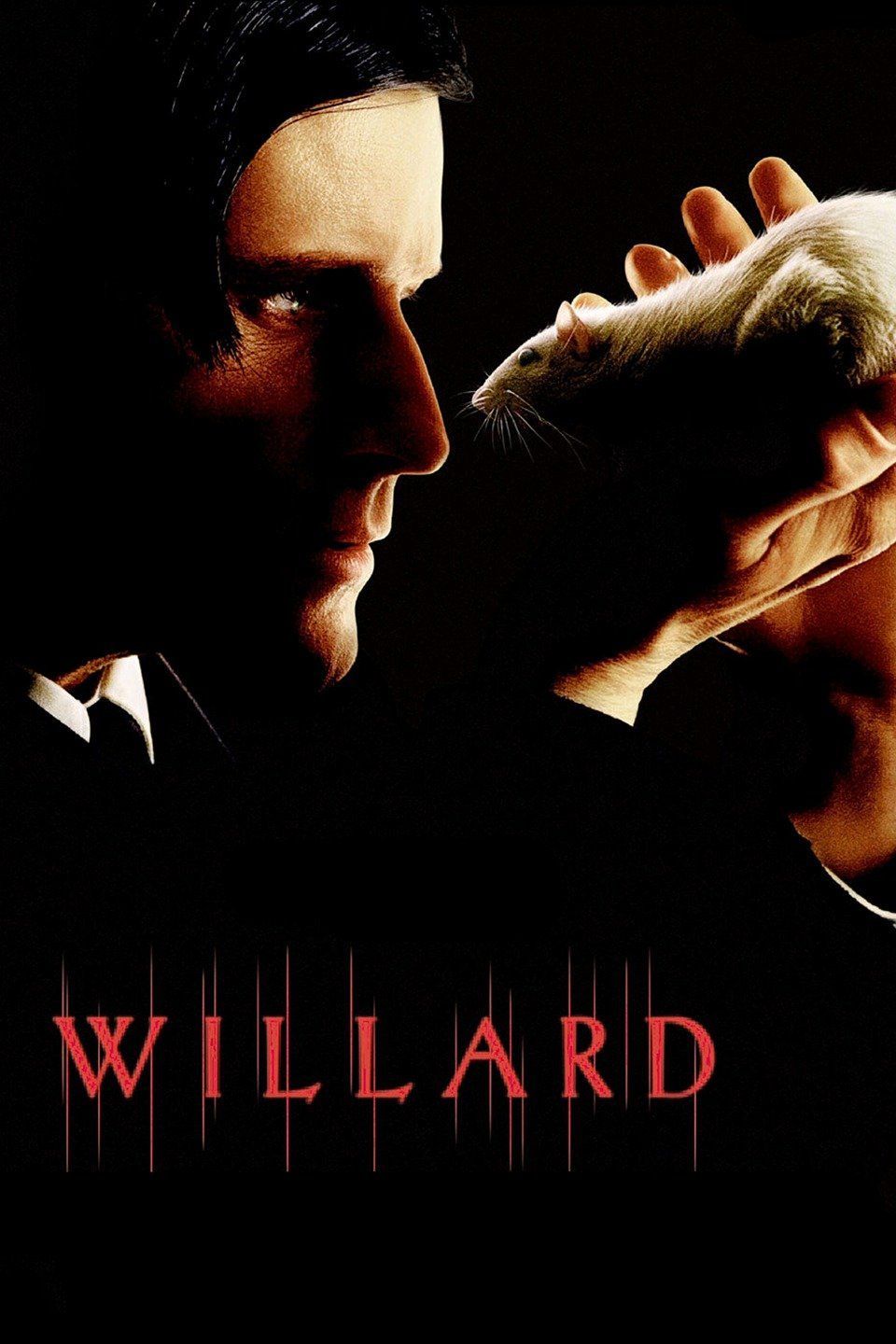 (CASTELLANO) Willard es una película rara. Rara de verdad. De esas en las que uno no sabe muy bien si el director ha hecho exactamente lo que quería o si simplemente a todo el mundo se le fue la pinza durante el rodaje. Tiene atmósfera, tiene personalidad y tiene a Crispin Glover en modo absoluto, pero también es una cosa tan torcida, tan incómoda y tan pasada de vueltas que cuesta saber si funciona como terror, como comedia negra, como drama de marginado o como delirio con ratas. La historia sigue a Willard Stiles, un hombre solitario, reprimido y socialmente torpe que vive con una madre enferma y dominante, aguanta humillaciones en el trabajo y encuentra en las ratas de su casa la única forma de compañía y poder. A partir de ahí, la película construye una especie de descenso a la locura donde los roedores se convierten en amigos, ejército, venganza y reflejo de todo lo que el protagonista no puede controlar. Crispin Glover es, sin duda, lo mejor de la película. Y también una de las razones por las que resulta tan extraña. Su interpretación parece venir de otro planeta: miradas desencajadas, gestos rígidos, voz quebrada, cuerpo encogido, una mezcla de niño asustado, adulto roto y psicópata en formación. No es una actuación “normal”, ni falta que le hace. Glover convierte a Willard en alguien desagradable, patético, inquietante y, por momentos, casi triste. Otra cosa es que la película sepa siempre qué hacer con esa intensidad. Porque Willard tiene un problema claro: quiere ser muchas cosas a la vez y no todas encajan. Como película de terror, las ratas no dan tanto miedo como deberían. Incomodan, sí, y hay imágenes repulsivas, pero no terminan de generar verdadero pánico. Como drama psicológico, tiene una base interesante sobre humillación, soledad y resentimiento, pero todo está tan exagerado que la emoción queda medio sepultada bajo el artificio. Y como rareza de culto, ahí sí funciona mejor, porque la película tiene una personalidad difícil de confundir. El tono es lo más desconcertante. Hay momentos que parecen buscar el horror clásico de casa vieja, sótano húmedo y criatura acechante. Otros parecen una fábula cruel sobre un hombre pisoteado que encuentra poder donde solo había miseria. Y otros directamente parecen una broma macabra que nadie se ha molestado en explicar. Esa mezcla puede resultar fascinante si entras en el juego, pero también puede dejarte fuera, mirando la pantalla y pensando: “¿qué demonios estoy viendo?”. Visualmente, eso sí, tiene cierto gusto. La casa, la oficina, los colores apagados, la sensación de suciedad emocional y física, todo ayuda a crear un mundo cerrado y desagradable. Glen Morgan no hace una película plana. Hay intención estética, hay atmósfera y hay una voluntad clara de convertir la historia en algo más estilizado que un simple festival de ratas. El problema es que el argumento es bastante pobre y no siempre sostiene tanta extravagancia. R. Lee Ermey funciona muy bien como jefe abusivo y desagradable, casi una caricatura de la autoridad cruel. Laura Harring aparece como posible presencia amable en la vida de Willard, aunque el personaje queda algo desaprovechado. En realidad, todo gira tanto alrededor de Glover y de las ratas que cualquier otra cosa parece secundaria. Willard no me parece una buena película en sentido pleno, pero tampoco es una película vulgar. Es demasiado rara para ser olvidable. Al director y a Crispin Glover se les fue la pinza, sí, pero al menos se les fue con estilo. Tiene momentos inquietantes, otros ridículos, otros directamente fascinantes por lo torcidos que son. No da demasiado miedo, no emociona demasiado y narrativamente no es gran cosa, pero como objeto extraño tiene su gracia. Una película para verla más por curiosidad que por auténtico placer. Si te apetece una rareza con ratas, mansión decadente y Crispin Glover haciendo de Crispin Glover elevado al cubo, puede tener cierto interés. Si buscas una película de terror realmente eficaz, probablemente se quede corta. (ENGLISH) Willard is a strange film. Truly strange. One of those movies where you are never quite sure whether the director made exactly what he wanted or whether everyone simply lost their minds during production. It has atmosphere, personality and Crispin Glover in full force, but it is also so twisted, uncomfortable and over the top that it is hard to know whether it works as horror, black comedy, outsider drama or rat-filled delirium. The story follows Willard Stiles, a lonely, repressed and socially awkward man who lives with a sick, domineering mother, endures humiliation at work and finds in the rats in his house the only form of companionship and power he has. From there, the film builds a kind of descent into madness where the rodents become friends, army, revenge and a reflection of everything the protagonist cannot control. Crispin Glover is, without a doubt, the best thing in the film. He is also one of the main reasons it feels so strange. His performance seems to come from another planet: unhinged looks, stiff gestures, a broken voice, a contracted body, a mixture of frightened child, damaged adult and developing psychopath. It is not a “normal” performance, and it does not need to be. Glover turns Willard into someone unpleasant, pathetic, disturbing and, at times, almost sad. The question is whether the film always knows what to do with that intensity. Because Willard has a clear problem: it wants to be many things at once, and not all of them fit. As a horror film, the rats are not as scary as they should be. They are uncomfortable, yes, and some images are disgusting, but they never create real fear. As a psychological drama, it has an interesting basis in humiliation, loneliness and resentment, but everything is so exaggerated that the emotion is half buried under the artifice. And as a cult oddity, that is where it works best, because the film has a personality that is hard to confuse with anything else. The tone is the most disorienting thing. Some moments seem to aim for old-fashioned horror: a decaying house, a damp basement, something lurking in the dark. Others feel like a cruel fable about a man who has been stepped on for too long and finds power in the place where there was only misery. And others feel like a macabre joke nobody bothered to explain. That mixture can be fascinating if you enter the game, but it can also leave you outside, staring at the screen and wondering what on earth you are watching. Visually, however, it has a certain taste. The house, the office, the muted colors, the sense of emotional and physical dirt — all of it helps create a closed, unpleasant world. Glen Morgan does not make a flat film. There is aesthetic intention, atmosphere and a clear desire to turn the story into something more stylized than a simple rat festival. The problem is that the plot is quite weak and does not always support so much eccentricity. R. Lee Ermey works very well as the abusive, unpleasant boss, almost a caricature of cruel authority. Laura Harring appears as a possible kind presence in Willard’s life, although her character feels underused. In reality, everything revolves so much around Glover and the rats that anything else feels secondary. Willard does not seem to me like a fully good film, but it is not a vulgar one either. It is too strange to be forgettable. The director and Crispin Glover may have lost their minds, yes, but at least they did it with style. It has unsettling moments, ridiculous moments and moments that are genuinely fascinating because of how twisted they are. It is not very scary, not very moving and narratively not much, but as a strange object it has its appeal. A film to watch more out of curiosity than real pleasure. If you feel like seeing an oddity with rats, a decaying mansion and Crispin Glover doing Crispin Glover cubed, it may hold some interest. If you are looking for a genuinely effective horror film, it will probably fall short.Willard
 - Gigi & Nate
 (CASTELLANO) Gigi & Nate es una de esas películas en las que prácticamente todo viene anunciado desde el principio: tragedia, superación, familia, discapacidad, animal de apoyo, música emotiva y cartel invisible de “basada en hechos reales” encendido durante todo el metraje. Con eso ya está casi todo dicho. Se puede ver, sí, pero también es una película tan calculada para emocionar que acaba resultando más manipuladora que conmovedora. La historia sigue a Nate, un joven cuya vida cambia radicalmente después de una enfermedad grave que lo deja con una discapacidad física severa. Hundido, dependiente y sin saber cómo recomponer su vida, encuentra una forma de esperanza en Gigi, una mona capuchina entrenada para ayudarle. A partir de ahí, la película construye el vínculo entre ambos como motor emocional de la historia: él recupera ganas de vivir, ella se convierte en algo más que un animal de asistencia y la familia aprende a respirar de nuevo. El problema no está en la historia real que la inspira, ni en el tema, ni en la intención. Todo eso puede ser perfectamente válido. El problema está en cómo lo cuenta. Gigi & Nate no confía demasiado en la fuerza natural de lo que narra y lo subraya casi todo: cada dolor, cada avance, cada mirada, cada pequeño gesto de esperanza. Parece tener miedo de que el espectador no se emocione y por eso empuja constantemente hacia la lágrima. Charlie Rowe cumple como Nate y Marcia Gay Harden aporta oficio como madre, dando cierta verdad a algunas escenas familiares. También hay momentos en los que la relación con Gigi tiene ternura y consigue funcionar, sobre todo cuando la película se permite ser más sencilla y menos solemne. Ahí aparece la película que podía haber sido: un drama íntimo sobre dependencia, miedo, adaptación y compañía. Pero el conjunto se infla demasiado. Hay subtramas, conflictos y giros pensados para aumentar la carga emocional y moral, especialmente cuando entra la cuestión de los derechos de los animales y el debate sobre el uso de primates como animales de asistencia. Esa parte podría haber añadido complejidad, pero la película la trata de una forma algo forzada, como si necesitara un obstáculo externo más para empujar el melodrama hacia el final. Además, todo resulta demasiado limpio. La discapacidad, la frustración, la culpa familiar y la reconstrucción personal son temas durísimos, pero la película los envuelve en una estética amable, con una emoción muy guiada y poco espacio para la incomodidad real. No digo que tuviera que ser cruel ni deprimente, pero sí un poco menos fabricada. Hay una diferencia entre emocionar y apretar botones emocionales todo el rato. Aun así, no es una película imposible de ver. Tiene buenos actores, una historia que puede tocar la fibra y un vínculo central con suficiente ternura para sostener algunos momentos. Quien busque un drama familiar de superación, con animal adorable y final reconfortante, probablemente encuentre aquí justo lo que espera. Pero para mí le falta sutileza, le sobra azúcar y se nota demasiado la maquinaria de la lágrima. Gigi & Nate es correcta, amable y lacrimógena hasta decir basta. Está basada en hechos reales, sí, y eso siempre añade una capa de interés, pero no convierte automáticamente una película en buena. Al final queda como un drama familiar bienintencionado, pero demasiado manipulado, demasiado previsible y demasiado convencido de que conmover consiste en señalarte exactamente cuándo debes llorar. (ENGLISH) Gigi & Nate is one of those films where almost everything is announced from the beginning: tragedy, overcoming adversity, family, disability, a support animal, emotional music and an invisible “based on true events” sign lit up throughout the whole running time. That already says almost everything. It is watchable, yes, but it is also so carefully designed to move you that it ends up feeling more manipulative than genuinely touching. The story follows Nate, a young man whose life changes completely after a serious illness leaves him with a severe physical disability. Depressed, dependent and unsure how to rebuild his life, he finds a form of hope in Gigi, a capuchin monkey trained to help him. From there, the film builds the bond between them as the emotional engine of the story: he regains the will to live, she becomes more than a service animal, and the family learns to breathe again. The problem is not the real story that inspires it, nor the subject, nor the intention. All of that can be perfectly valid. The problem is how the film tells it. Gigi & Nate does not really trust the natural power of what it is narrating and underlines almost everything: every pain, every step forward, every look, every small gesture of hope. It seems afraid that the viewer might not be moved, so it constantly pushes toward tears. Charlie Rowe does a decent job as Nate, and Marcia Gay Harden brings professionalism as his mother, giving some truth to several family scenes. There are also moments when the relationship with Gigi has tenderness and actually works, especially when the film allows itself to be simpler and less solemn. That is when you can see the film it could have been: an intimate drama about dependence, fear, adaptation and companionship. But the whole thing becomes too inflated. There are subplots, conflicts and twists designed to increase the emotional and moral weight, especially when the issue of animal rights and the use of primates as service animals enters the story. That part could have added complexity, but the film treats it in a rather forced way, as if it needed one more external obstacle to push the melodrama toward the ending. Everything also feels too clean. Disability, frustration, family guilt and personal reconstruction are very hard subjects, but the film wraps them in a soft aesthetic, with very guided emotion and little room for real discomfort. I am not saying it had to be cruel or depressing, but it could have been a little less manufactured. There is a difference between moving an audience and constantly pressing emotional buttons. Still, it is not impossible to watch. It has good actors, a story that can touch a nerve and a central bond with enough tenderness to sustain some moments. Anyone looking for a family drama about overcoming adversity, with an adorable animal and a comforting ending, will probably find exactly what they expect here. But for me it lacks subtlety, has too much sugar and makes the tear-jerking machinery far too visible. Gigi & Nate is decent, kind-hearted and overwhelmingly sentimental. It is based on true events, yes, and that always adds a layer of interest, but it does not automatically make a film good. In the end, it remains a well-intentioned family drama, but one that is too manipulated, too predictable and too convinced that moving the viewer means telling them exactly when to cry.Gigi & Nate
 - In the Hand of Dante
 (CASTELLANO) El manuscrito de Dante es una película rara, ambiciosa, excesiva y bastante irregular. Se puede ver, porque tiene imágenes potentes, un reparto llamativo y una mezcla de thriller literario, viaje espiritual, mafia, arte, religión y biografía imaginada que al menos despierta curiosidad. Pero también se nota demasiado que quiere parecer más profunda, más culta y más importante de lo que acaba siendo. Todo arranca con un supuesto manuscrito original de La divina comedia, que sirve para conectar el presente con la historia de Dante. Por un lado está Nick Tosches, escritor neoyorquino metido en una trama criminal alrededor del manuscrito. Por otro, el propio Dante Alighieri, en pleno proceso vital y espiritual ligado a la creación de su obra. La idea es potente: cruzar dos tiempos, dos búsquedas, dos hombres perseguidos por el amor, la belleza, la muerte y lo divino. El problema es que la película quiere abarcar tanto que muchas veces acaba perdiéndose dentro de sí misma. Julian Schnabel no hace una película pequeña ni discreta. Al contrario: El manuscrito de Dante va siempre a lo grande. Quiere ser furiosa, artística, espiritual, gangsteril, poética, sucia, culta y visionaria al mismo tiempo. A ratos esa mezcla tiene cierto magnetismo. Hay escenas que funcionan por pura extrañeza, por la presencia de los actores o por la sensación de estar viendo algo que no se parece demasiado a una película convencional de plataforma. En ese sentido, se agradece que no sea un producto plano ni fabricado en serie. Oscar Isaac sostiene bastante bien el doble juego entre Tosches y Dante. Tiene presencia, intensidad y una capacidad clara para moverse entre lo terrenal y lo atormentado. El reparto, además, es tan llamativo que uno entiende parte del atractivo de la propuesta: John Malkovich, Al Pacino, Gerard Butler, Gal Gadot, Jason Momoa, Martin Scorsese... Hay casi una sensación de desfile de apariciones, como si la película quisiera construir su propio infierno, purgatorio y paraíso de estrellas. Pero el conjunto no termina de encajar. La película tiene momentos interesantes, incluso hipnóticos, pero también otros pesados, confusos y bastante pretenciosos. A veces parece una road movie literaria. A veces, una película de mafiosos. A veces, una meditación espiritual sobre Dante. A veces, una fantasía de culto que se mira demasiado a sí misma. El problema no es que sea extraña; el problema es que no siempre convierte esa rareza en emoción, claridad o verdadera profundidad. También pesa mucho su tono. El manuscrito de Dante habla de amor, muerte, arte, fe, redención y belleza, pero en ocasiones lo hace con tanta solemnidad que acaba sonando más importante de lo que se siente. Hay una diferencia entre ser una película compleja y ser una película que se comporta todo el rato como si estuviera diciendo algo enorme. Aquí, demasiadas veces, la ambición se nota más que el resultado. Visualmente tiene fuerza, eso sí. Schnabel sabe crear imágenes, atmósferas, rostros y momentos de intensidad estética. La película puede ser excesiva y desordenada, pero no es anónima. Tiene personalidad. Incluso cuando aburre un poco, incluso cuando se vuelve verborreica o caprichosa, hay algo en ella que impide descartarla como un simple desastre. Es fallida, pero no muerta. Equivocada, pero con pulso. El manuscrito de Dante es una película que se puede ver, sobre todo si uno entra aceptando su rareza y su desmesura. No es una maravilla, ni mucho menos, y su intento de elevarse hacia lo intelectual y lo espiritual se queda muchas veces en pose. Pero tampoco es una película vulgar. Tiene ambición, imágenes, actores y momentos de cierto atractivo. El problema es que quiere alcanzar el paraíso de Dante y demasiadas veces se queda dando vueltas por un purgatorio bastante confuso. (ENGLISH) In the Hand of Dante is a strange, ambitious, excessive and very uneven film. It is watchable, because it has striking images, a remarkable cast and a mixture of literary thriller, spiritual journey, mafia story, art, religion and imagined biography that at least sparks curiosity. But it is also very obvious that the film wants to seem deeper, more cultured and more important than it finally is. Everything starts with a supposed original manuscript of The Divine Comedy, which connects the present-day story with Dante’s own life. On one side is Nick Tosches, a New York writer caught in a criminal plot around the manuscript. On the other is Dante Alighieri himself, in the middle of a vital and spiritual process tied to the creation of his work. The idea is powerful: crossing two time periods, two searches, two men haunted by love, beauty, death and the divine. The problem is that the film wants to cover so much that it often ends up getting lost inside itself. Julian Schnabel does not make a small or discreet film. Quite the opposite: In the Hand of Dante always aims big. It wants to be furious, artistic, spiritual, gangster-like, poetic, dirty, cultured and visionary all at once. At times, that mixture has a certain magnetism. Some scenes work through sheer strangeness, through the presence of the actors or through the sense that you are watching something that does not look like a conventional streaming film. In that sense, it is refreshing that it is not a flat or factory-made product. Oscar Isaac holds the double game between Tosches and Dante fairly well. He has presence, intensity and a clear ability to move between the earthly and the tormented. The cast is also so striking that part of the film’s appeal is easy to understand: John Malkovich, Al Pacino, Gerard Butler, Gal Gadot, Jason Momoa, Martin Scorsese... There is almost a sense of a parade of appearances, as if the film wanted to build its own hell, purgatory and paradise of stars. But the whole thing never quite fits together. The film has interesting moments, even hypnotic ones, but also heavy, confusing and rather pretentious passages. Sometimes it feels like a literary road movie. Sometimes like a gangster film. Sometimes like a spiritual meditation on Dante. Sometimes like a cult fantasy too fascinated with itself. The problem is not that it is strange; the problem is that it does not always turn that strangeness into emotion, clarity or real depth. The tone also weighs heavily. In the Hand of Dante talks about love, death, art, faith, redemption and beauty, but sometimes it does so with such solemnity that it ends up sounding more important than it feels. There is a difference between being a complex film and behaving all the time as if you were saying something enormous. Here, too often, the ambition is more visible than the result. Visually, it does have strength. Schnabel knows how to create images, atmospheres, faces and moments of aesthetic intensity. The film may be excessive and messy, but it is not anonymous. It has personality. Even when it becomes a little boring, even when it turns verbose or self-indulgent, there is something in it that prevents you from dismissing it as a simple disaster. It is flawed, but not dead. Wrong, but alive. In the Hand of Dante is a film you can watch, especially if you accept its strangeness and excess from the start. It is not a marvel, not by any means, and its attempt to rise toward the intellectual and the spiritual often remains more pose than substance. But it is not a vulgar film either. It has ambition, images, actors and moments of genuine attraction. The problem is that it wants to reach Dante’s paradise and too often remains wandering through a rather confusing purgatory.In the Hand of Dante
 - Major Grom: Plague Doctor
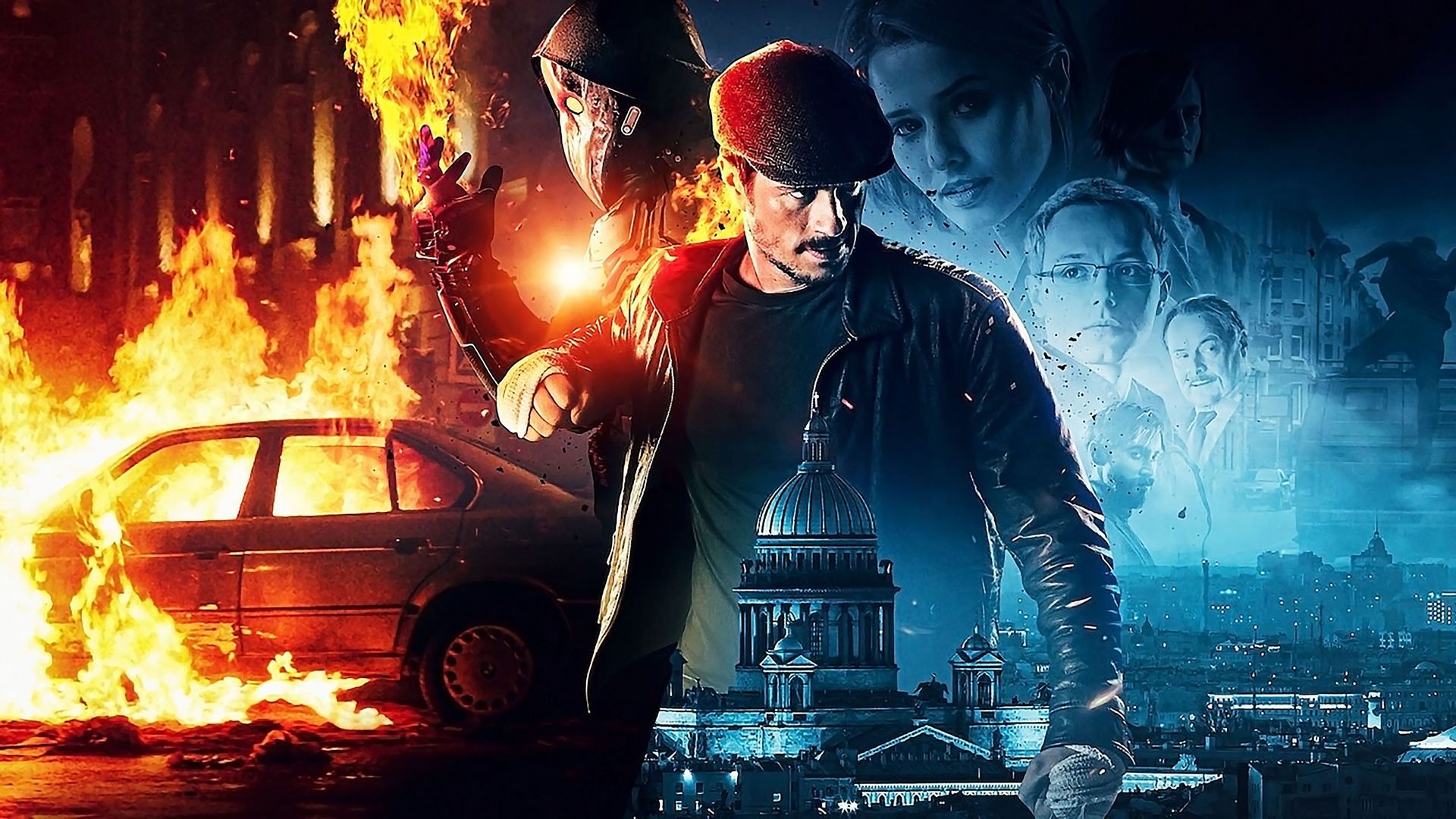
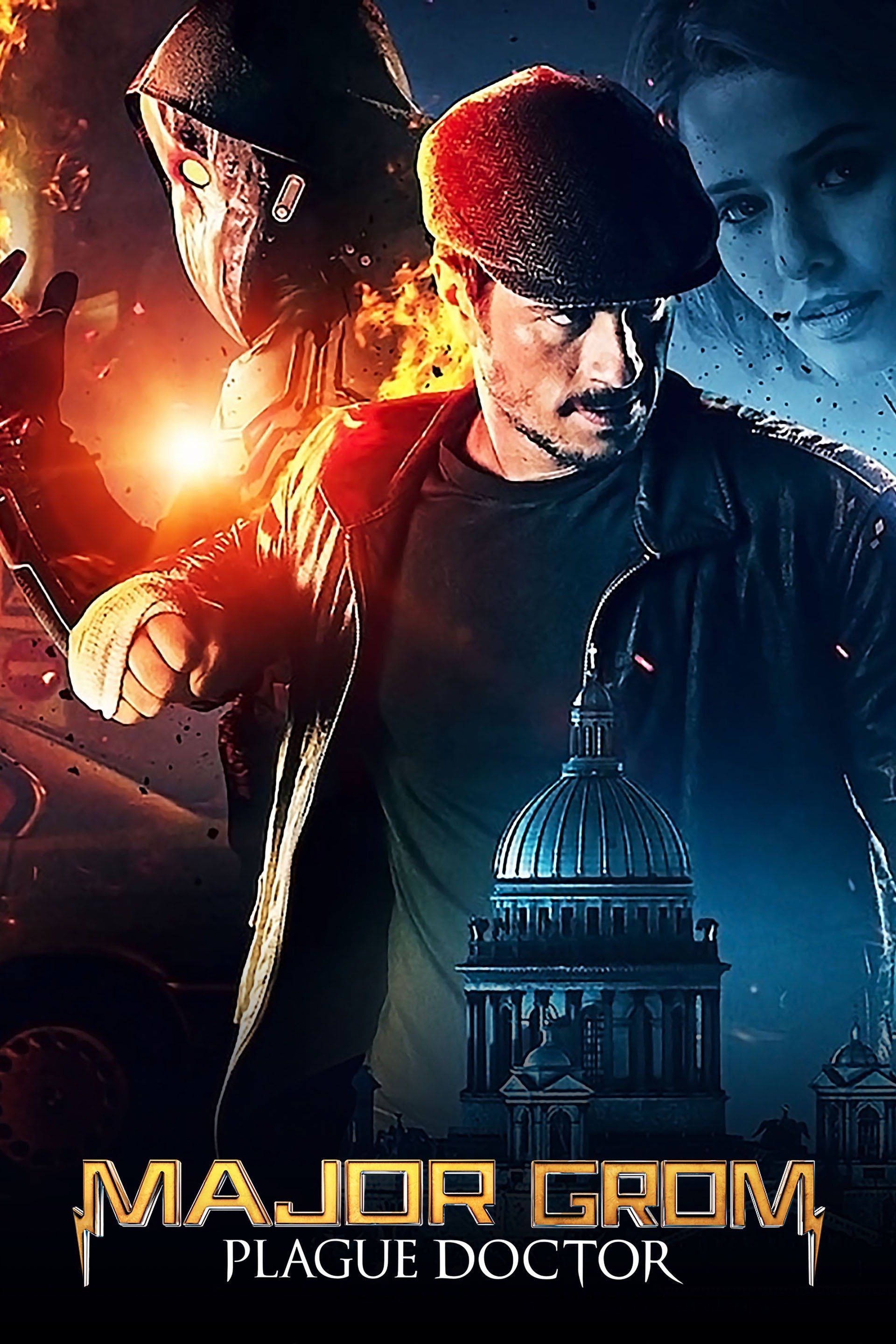 (CASTELLANO) Igor Grom contra el Doctor Peste es una de esas películas que llaman la atención, antes que nada, por su procedencia. No porque el cine ruso sea una rareza absoluta, claro, sino porque en Occidente no nos llegan tantas producciones comerciales rusas de este tipo: cine de acción, superhéroes, cómic, thriller policial y espectáculo con ambición visual. Y eso ya le da cierto interés. Se nota que hay presupuesto, que hay ganas de competir en el terreno del blockbuster y que la película no quiere parecer pequeña. La historia sigue a Igor Grom, un policía de San Petersburgo con métodos poco ortodoxos, que debe enfrentarse al Doctor Peste, una figura enmascarada que empieza a castigar violentamente a ricos y poderosos bajo una supuesta idea de justicia. La comparación con V de Vendetta aparece casi sola: máscara, discurso contra la corrupción, violencia como espectáculo público, ciudad convertida en tablero moral y un villano que se presenta como símbolo. Aquí, sin embargo, la película va menos lejos en lo político y bastante más hacia el entretenimiento de cómic. Lo mejor está en el acabado. Igor Grom contra el Doctor Peste luce bien. San Petersburgo da mucho juego como escenario, la fotografía aprovecha la ciudad, los efectos especiales son buenos y las escenas de acción tienen energía. Hay momentos de cámara, montaje y puesta en escena que demuestran oficio y ambición. No parece una película hecha con cuatro duros ni un intento torpe de imitar Hollywood, sino una producción con empaque, ritmo y personalidad visual. También funciona como entretenimiento. No aburre demasiado, tiene acción, investigación, humor ligero, persecuciones, villano teatral y ese tipo de protagonista chulo, impulsivo y brillante que siempre parece ir un paso por delante de los demás. El material viene del cómic y eso se nota en el tono, en los personajes y en la manera de plantear los conflictos. La película abraza bastante bien esa energía de viñeta grande, exagerada y colorida. El problema es que casi todo suena a algo ya visto. Hay ecos de V de Vendetta, de Batman, del cine de policías rebeldes, de Marvel, de La purga y de muchas historias sobre vigilantes que dicen luchar contra la corrupción mientras siembran el caos. La localización rusa y San Petersburgo aportan frescura, pero la estructura narrativa es bastante convencional. El héroe, el compañero, la periodista, el superior, el villano con discurso moral y los giros de guion entran en moldes muy reconocibles. Tampoco termina de profundizar demasiado en lo que plantea. La idea de un justiciero que castiga a las élites corruptas podría haber dado una reflexión más incómoda sobre poder, desigualdad, violencia, populismo y manipulación social. Pero la película prefiere mantenerse en una zona más segura, más de aventura policial y espectáculo. Eso no es necesariamente malo, pero limita su fuerza. Parece que quiere tener comentario social, pero sin dejar de ser una película de acción accesible y comercial. Los actores cumplen, aunque aquí también pesa cierta distancia cultural. Seguramente, si estas películas rusas llegaran más a menudo a Occidente, tendríamos más familiaridad con sus rostros, sus registros y sus estrellas. Tikhon Zhiznevsky tiene presencia como Igor Grom, Sergei Goroshko funciona bien como figura opuesta y el reparto sostiene la maquinaria. Pero, visto desde fuera, cuesta valorar del todo el peso real de esos actores en su industria. Igor Grom contra el Doctor Peste no es una maravilla, pero se puede ver perfectamente. Tiene dinero, buenos efectos, una ciudad atractiva, acción competente y una premisa con gancho. Le falta originalidad, le sobran algunos minutos y no llega a exprimir del todo sus posibilidades políticas ni emocionales. Aun así, como blockbuster ruso de cómic, resulta curioso, entretenido y bastante más sólido de lo que uno podría esperar si llega a ella sin saber nada. (ENGLISH) Major Grom: Plague Doctor is one of those films that first catches your attention because of where it comes from. Not because Russian cinema is an absolute rarity, of course, but because in the West we do not get that many Russian commercial productions of this kind: action cinema, superheroes, comics, police thriller and spectacle with visual ambition. That already makes it interesting. You can tell there is money behind it, a desire to compete in blockbuster territory and a clear refusal to look small. The story follows Igor Grom, a Saint Petersburg police officer with unorthodox methods, who must face the Plague Doctor, a masked figure who begins violently punishing the rich and powerful under a supposed idea of justice. The comparison with V for Vendetta comes almost automatically: mask, discourse against corruption, violence as public spectacle, the city turned into a moral battlefield and a villain presenting himself as a symbol. Here, however, the film goes less far politically and much more toward comic-book entertainment. The best thing about it is the production value. Major Grom: Plague Doctor looks good. Saint Petersburg works very well as a setting, the cinematography takes advantage of the city, the special effects are solid and the action scenes have energy. There are moments of camera work, editing and staging that show skill and ambition. It does not feel like a cheap film or a clumsy attempt to imitate Hollywood, but rather a production with scale, pace and visual personality. It also works as entertainment. It is not particularly boring, it has action, investigation, light humor, chases, a theatrical villain and that kind of cocky, impulsive and brilliant protagonist who always seems to be one step ahead of everyone else. The material comes from comics, and that can be felt in the tone, the characters and the way the conflicts are presented. The film embraces that large, exaggerated and colorful comic-book energy fairly well. The problem is that almost everything feels familiar. There are echoes of V for Vendetta, Batman, rebellious cop movies, Marvel, The Purge and many stories about vigilantes who claim to fight corruption while spreading chaos. The Russian setting and Saint Petersburg bring some freshness, but the narrative structure is quite conventional. The hero, the partner, the journalist, the superior officer, the villain with a moral speech and the plot twists all fit into very recognizable molds. It also does not explore its ideas very deeply. The concept of a vigilante punishing corrupt elites could have opened the door to a more uncomfortable reflection on power, inequality, violence, populism and social manipulation. But the film prefers to remain in a safer area, closer to police adventure and spectacle. That is not necessarily bad, but it limits its force. It seems to want social commentary, but without ever stopping being an accessible and commercial action film. The actors do their job, although there is also a certain cultural distance here. If more Russian films like this reached Western audiences, we would probably have more familiarity with these faces, their acting styles and their star power. Tikhon Zhiznevsky has presence as Igor Grom, Sergei Goroshko works well as his opposite figure, and the cast keeps the machine moving. But from the outside, it is harder to fully appreciate the real weight these actors may have in their own industry. Major Grom: Plague Doctor is not a masterpiece, but it is perfectly watchable. It has money, good effects, an attractive city, competent action and a premise with a hook. It lacks originality, runs a little too long and does not fully exploit its political or emotional possibilities. Even so, as a Russian comic-book blockbuster, it is curious, entertaining and more solid than one might expect when going in without knowing anything.Major Grom: Plague Doctor
 - Hoppers
 (CASTELLANO) Hoppers tiene casi todo lo que ha hecho famoso a Pixar: una premisa rara pero sencilla de aceptar, personajes adorables, humor físico, aventura, emoción, una idea moral clara y ese intento de hablar a los niños sin olvidarse del todo de los adultos. No es una de las obras maestras del estudio, pero sí una película muy entretenida, simpática y con bastante más vida que algunos de sus últimos títulos. La historia parte de una idea muy Pixar: una joven amante de los animales utiliza una tecnología que le permite meter su conciencia en el cuerpo de un castor robótico para comunicarse con la fauna y proteger un entorno natural amenazado. Es una mezcla de ciencia ficción absurda, aventura ecológica y comedia de animales. Suena disparatada, pero la película la abraza con tanta energía que enseguida entras en el juego. Lo mejor de Hoppers es su ritmo cómico. Tiene bastante humor absurdo, situaciones muy visuales y una capacidad constante para sacar partido del contraste entre el mundo humano y el mundo animal. Los castores, la comunidad del bosque y las reglas internas de ese pequeño universo funcionan muy bien. Pixar siempre ha sabido convertir una idea aparentemente ridícula en algo emocionalmente comprensible, y aquí vuelve a hacerlo. También está muy bien visualmente. No solo por la calidad técnica, que se da por descontada en Pixar, sino por la imaginación del mundo natural. El bosque, los animales, los cuerpos robóticos, las persecuciones y las escenas de acción tienen color, movimiento y personalidad. La película resulta viva, ágil y agradable de mirar. Se nota que hay ganas de divertirse con la animación, no solo de demostrar músculo técnico. La moralina está ahí, claro. Hoppers habla de proteger la naturaleza, escuchar al otro, entender que el ser humano no es el centro de todo y respetar el equilibrio de una comunidad. Es un mensaje muy evidente, pero en una película familiar no molesta demasiado si está integrado con humor y aventura. Y aquí, por suerte, casi siempre lo está. No parece una charla ecológica disfrazada de dibujos, sino una aventura que aprovecha su premisa para hablar de convivencia y responsabilidad. El problema es que sigue siendo Pixar en modo reconocible. Eso tiene una parte buena y otra menos buena. La buena es que sabes que la película va a estar bien construida, que habrá ternura, gags, emoción final y una lección clara. La menos buena es que algunas piezas se sienten ya demasiado familiares. Hay momentos en los que se nota la fórmula: el personaje que aprende, la comunidad que se une, el villano o amenaza que representa la destrucción, el clímax acelerado y el cierre reconfortante. Aun así, la película tiene suficiente gracia y energía para funcionar. No intenta arrancarte lágrimas a la fuerza, algo que se agradece, y se apoya más en la comedia, el movimiento y la aventura que en el sentimentalismo más calculado. Eso la hace más ligera y más fresca. Puede que no llegue a la grandeza de los mejores Pixar, pero sí recupera bastante de su encanto: imaginación, ritmo, buenos personajes y una historia familiar con corazón. Hoppers es entretenida, divertida y muy bien hecha. Tiene moralina, sí, pero también tiene humor, castores, acción, ternura y un mundo visual con personalidad. No cambia la historia de Pixar, pero recuerda por qué el estudio fue tan querido durante tantos años: porque incluso cuando cuenta una locura sobre una chica metida en un castor robótico, consigue que la idea parezca natural, cercana y emocionalmente útil. (ENGLISH) Hoppers has almost everything that made Pixar famous: a strange but easy-to-accept premise, lovable characters, physical humor, adventure, emotion, a clear moral idea and that attempt to speak to children without completely forgetting adults. It is not one of the studio’s masterpieces, but it is a very entertaining, likeable film with far more life than some of Pixar’s recent titles. The story begins with a very Pixar idea: a young animal lover uses technology that allows her to place her consciousness inside a robotic beaver in order to communicate with wildlife and protect a threatened natural environment. It is a mixture of absurd science fiction, ecological adventure and animal comedy. It sounds ridiculous, but the film embraces it with so much energy that you quickly accept the game. The best thing about Hoppers is its comic rhythm. It has plenty of absurd humor, very visual situations and a constant ability to make the most of the contrast between the human world and the animal world. The beavers, the forest community and the internal rules of that small universe work very well. Pixar has always known how to turn an apparently silly idea into something emotionally understandable, and here it does so again. It also looks very good. Not only because of the technical quality, which is expected from Pixar, but because of the imagination in the natural world. The forest, the animals, the robotic bodies, the chases and the action scenes have color, movement and personality. The film feels alive, agile and pleasant to watch. You can feel the desire to have fun with animation, not just to show off technical muscle. The moral lesson is there, of course. Hoppers talks about protecting nature, listening to others, understanding that human beings are not the center of everything and respecting the balance of a community. It is a very obvious message, but in a family film it does not bother too much if it is integrated with humor and adventure. And here, fortunately, it usually is. It does not feel like an ecological lecture disguised as a cartoon, but like an adventure that uses its premise to talk about coexistence and responsibility. The problem is that this is still Pixar in a very recognizable mode. That has a good side and a less good one. The good side is that you know the film will be well constructed, that there will be tenderness, gags, final emotion and a clear lesson. The less good side is that some pieces already feel too familiar. There are moments when you can see the formula: the character who learns, the community that comes together, the villain or threat representing destruction, the accelerated climax and the comforting ending. Even so, the film has enough wit and energy to work. It does not try to force tears out of you, which is appreciated, and it relies more on comedy, movement and adventure than on calculated sentimentality. That makes it lighter and fresher. It may not reach the greatness of the best Pixar films, but it does recover a good deal of their charm: imagination, rhythm, good characters and a family story with heart. Hoppers is entertaining, funny and very well made. It has a moral lesson, yes, but it also has humor, beavers, action, tenderness and a visual world with personality. It does not change Pixar history, but it does remind us why the studio was so beloved for so many years: because even when it tells a crazy story about a girl inside a robotic beaver, it manages to make the idea feel natural, close and emotionally useful.Hoppers
 - Swapped
 (CASTELLANO) Intercambiados es una película de animación familiar correcta, simpática y bastante fácil de ver. No descubre nada nuevo, ni pretende hacerlo, pero funciona razonablemente bien como aventura para niños, con mensaje claro, mundo colorido y esa idea clásica de ponerse literalmente en el lugar del otro para aprender empatía, convivencia y respeto por quien parece diferente. La historia parte de una premisa muy reconocible: dos criaturas que pertenecen a mundos distintos, casi opuestos, intercambian cuerpos y se ven obligadas a colaborar. A partir de ahí, la película construye una aventura de supervivencia, amistad y descubrimiento mutuo. Es verdad que todo suena bastante familiar. La narración no sorprende demasiado y muchas de sus lecciones llegan justo por donde uno espera. Pero, dentro de ese terreno conocido, Intercambiados se deja ver con agrado. Lo mejor está en el mundo visual. El bosque, las criaturas híbridas, los colores y el diseño de ese universo natural tienen encanto. La película gana cuando se permite observar ese entorno, jugar con las formas, los tamaños, los movimientos y las diferencias entre especies. Hay imaginación en la creación del mundo, más que en la estructura del relato. Visualmente tiene momentos bonitos, y eso en una película familiar de animación ya sostiene bastante. También funciona el mensaje, aunque sea sencillo. La película habla de prejuicios, miedo al otro, cooperación y comunidad. No lo hace con especial sutileza, pero tampoco necesita complicarse demasiado. Para un público infantil, la idea es clara y útil: a veces solo entiendes al otro cuando dejas de mirarlo como enemigo y empiezas a vivir, aunque sea un poco, desde su lugar. Es un mensaje repetido muchas veces en el cine familiar, pero sigue siendo válido. El problema es que el guion va demasiado sobre seguro. Le falta más chispa, más riesgo y más personalidad. Hay aventura, hay humor, hay emoción, pero casi todo parece medido para no incomodar ni sorprender demasiado. La película cumple, pero rara vez deslumbra. Se nota que tiene una buena base visual y un equipo capaz, pero la historia podría haber tenido más gracia, más profundidad o más momentos realmente memorables. Como comedia, tampoco es especialmente brillante. Tiene situaciones simpáticas derivadas del intercambio de cuerpos, pero no demasiados momentos de verdadera carcajada. Como aventura, funciona mejor, sobre todo por el dinamismo del entorno y por la relación entre los dos personajes centrales. Y como película familiar, probablemente encuentre mejor respuesta en los niños que en los adultos, aunque no resulta pesada ni irritante. Intercambiados está bien. No es una gran película de animación, pero tampoco un fracaso. Tiene color, ritmo, una premisa eficaz y un mensaje amable sobre la empatía. Le falta originalidad narrativa y más fuerza emocional, pero se ve con gusto y puede funcionar muy bien para una tarde familiar. Una película bonita, sencilla y entretenida, aunque quizá se olvide más rápido de lo que su mundo visual merece. (ENGLISH) Swapped is a decent, likeable and very easy-to-watch family animated film. It does not discover anything new, nor does it really try to, but it works reasonably well as an adventure for children, with a clear message, a colorful world and that classic idea of literally putting yourself in someone else’s place in order to learn empathy, coexistence and respect for those who seem different. The story begins with a very familiar premise: two creatures who belong to different, almost opposite worlds swap bodies and are forced to work together. From there, the film builds an adventure of survival, friendship and mutual discovery. It is true that everything feels quite familiar. The storytelling does not surprise much, and many of its lessons arrive exactly where you expect them. But within that familiar territory, Swapped remains pleasant to watch. The best part is the visual world. The forest, the hybrid creatures, the colors and the design of that natural universe have charm. The film is strongest when it allows itself to observe that environment, to play with shapes, sizes, movements and the differences between species. There is more imagination in the creation of the world than in the structure of the story. Visually, it has some lovely moments, and in a family animated film that already helps a lot. The message also works, even if it is simple. The film talks about prejudice, fear of the other, cooperation and community. It does not do so with great subtlety, but it does not really need to be too complicated. For a young audience, the idea is clear and useful: sometimes you only understand someone else when you stop seeing them as an enemy and begin to live, even briefly, from their place. It is a message that family cinema has repeated many times, but it is still valid. The problem is that the script plays things too safely. It lacks more spark, more risk and more personality. There is adventure, humor and emotion, but almost everything feels carefully measured so as not to disturb or surprise too much. The film does its job, but rarely dazzles. You can feel that it has a strong visual base and a capable team behind it, but the story could have had more wit, more depth or more truly memorable moments. As a comedy, it is not especially brilliant either. It has pleasant situations that come from the body-swap idea, but not many real laughs. As an adventure, it works better, especially thanks to the dynamism of the environment and the relationship between the two central characters. And as a family film, it will probably work better for children than for adults, although it is never heavy or irritating. Swapped is fine. It is not a great animated film, but it is not a failure either. It has color, rhythm, an effective premise and a gentle message about empathy. It lacks narrative originality and stronger emotion, but it is enjoyable enough and can work very well for a family afternoon. A pretty, simple and entertaining film, although it may be forgotten faster than its visual world deserves.Swapped
 - We Have a Ghost
 (CASTELLANO) Un fantasma anda suelto por casa es una de esas películas pensadas para ver en familia, sin demasiadas exigencias, con un fantasma que no da miedo, una casa encantada, un adolescente solitario, una familia algo rota y una mezcla de comedia, aventura, misterio y emoción final. La intención es clara: recuperar un poco el espíritu de aquellas películas familiares de los ochenta en las que lo sobrenatural servía para hablar de amistad, pérdida y vínculos familiares. El problema es que la película tiene mejores ingredientes que resultado. La premisa tiene encanto. Una familia se muda a una casa en la que aparece Ernest, un fantasma incapaz de hablar que pronto se convierte en fenómeno viral. A partir de ahí, la película intenta mezclar varias cosas: historia de fantasmas, comedia de internet, persecución gubernamental, drama familiar, misterio del pasado y aventura juvenil. Todo eso podría haber dado una película muy entretenida, pero el conjunto queda demasiado disperso. Quiere ser muchas cosas a la vez y no siempre sabe cuál de ellas le interesa más. David Harbour es lo mejor. Tiene mérito construir un personaje casi sin palabras y aun así darle humanidad, tristeza y cierta ternura. Ernest funciona mejor cuando la película se calma y deja que su presencia sea algo más que un efecto especial o una excusa para la persecución. En esos momentos aparece la película que podía haber sido: una historia sencilla, emotiva y un poco extraña sobre un fantasma olvidado y un chico que necesita sentirse escuchado. Jahi Di’Allo Winston también está bien como Kevin, el adolescente que conecta con Ernest. Su relación es lo más honesto de la película, aunque tampoco termina de alcanzar toda la emoción que promete. Anthony Mackie aporta presencia como padre frustrado, pero el guion lo lleva por caminos demasiado obvios. Jennifer Coolidge, como casi siempre, aparece con energía propia, aunque su personaje funciona más como gag que como parte real de la historia. El gran problema es la duración y el tono. La película dura demasiado para lo que cuenta. Lo que debería ser una aventura familiar ágil se vuelve pesada por momentos, con tramas secundarias que no siempre aportan y una parte de persecución que alarga el conjunto sin hacerlo más divertido. No es que aburra todo el rato, pero sí se nota que había una película más ligera y mejor escondida dentro de esta. Como comedia, tampoco termina de funcionar del todo. Tiene algunos momentos simpáticos, pero no demasiadas risas. Como película de fantasmas, es demasiado inofensiva para generar verdadero misterio. Como aventura familiar, tiene corazón, pero le falta ritmo. Y como reflexión sobre las redes, la fama instantánea y la explotación de cualquier rareza, se queda en la superficie. Aun así, no es un desastre. Se puede ver, sobre todo con niños o en un momento en el que uno busque algo amable, fantástico y sin demasiada oscuridad. Tiene buenos efectos, un fantasma con cierta ternura y un final que intenta tocar la fibra. Pero también deja la sensación de oportunidad desaprovechada. Con menos metraje, más concentración y más confianza en la relación entre Kevin y Ernest, podría haber sido una película familiar mucho más redonda. Un fantasma anda suelto por casa es correcta, simpática a ratos y bastante inofensiva. No molesta demasiado, pero tampoco deja una gran huella. Una película de fantasmas para toda la familia que tenía una buena idea, un buen David Harbour y bastante encanto potencial, pero que acaba siendo más larga, más dispersa y menos divertida de lo que debería. (ENGLISH) We Have a Ghost is one of those films designed to be watched with the family, without too many demands, with a ghost who is not scary, a haunted house, a lonely teenager, a somewhat broken family and a mixture of comedy, adventure, mystery and final emotion. The intention is clear: to recover a little of the spirit of those eighties family films in which the supernatural was used to talk about friendship, loss and family bonds. The problem is that the film has better ingredients than results. The premise has charm. A family moves into a house where Ernest appears, a ghost unable to speak who soon becomes a viral phenomenon. From there, the film tries to mix several things: ghost story, internet comedy, government chase, family drama, mystery from the past and teenage adventure. All of that could have made a very entertaining film, but the whole thing feels too scattered. It wants to be many things at once and does not always know which one it cares about most. David Harbour is the best thing in it. It takes skill to build a character almost without words and still give him humanity, sadness and a certain tenderness. Ernest works best when the film slows down and lets his presence be more than a special effect or an excuse for a chase. In those moments, you can see the film this could have been: a simple, emotional and slightly strange story about a forgotten ghost and a boy who needs to feel heard. Jahi Di’Allo Winston is also good as Kevin, the teenager who connects with Ernest. Their relationship is the most honest part of the film, although it never quite reaches all the emotion it promises. Anthony Mackie brings presence as a frustrated father, but the script takes him down overly obvious paths. Jennifer Coolidge, as almost always, arrives with her own energy, although her character works more as a gag than as a real part of the story. The main problem is the length and the tone. The film is too long for what it tells. What should be an agile family adventure becomes heavy at times, with secondary plots that do not always add much and a chase element that stretches the whole thing without making it more fun. It is not boring all the time, but you can feel that there was a lighter, better film hidden inside this one. As a comedy, it does not fully work either. It has a few pleasant moments, but not many laughs. As a ghost film, it is too harmless to create real mystery. As a family adventure, it has heart, but lacks rhythm. And as a comment on social media, instant fame and the exploitation of anything unusual, it remains on the surface. Still, it is not a disaster. It is watchable, especially with children or at a time when you want something gentle, fantastical and not too dark. It has decent effects, a ghost with some tenderness and an ending that tries to move you. But it also leaves the feeling of a missed opportunity. With less running time, more focus and more confidence in the relationship between Kevin and Ernest, it could have been a much stronger family film. We Have a Ghost is decent, occasionally charming and very harmless. It does not annoy too much, but it also does not leave much of a mark. A family ghost film with a good idea, a good David Harbour and plenty of potential charm, but one that ends up being longer, more scattered and less funny than it should be.We Have a Ghost
 - Torrente for President
 (CASTELLANO) Torrente Presidente vuelve a demostrar que una cosa es tener un personaje popular y otra muy distinta tener todavía algo interesante que hacer con él. La primera película de la saga tenía una fuerza evidente porque era la primera vez que aparecía José Luis Torrente: un esperpento repugnante, racista, machista, corrupto, casposo y miserable que funcionaba como caricatura brutal de una España que daba risa y asco al mismo tiempo. Aquello podía tener impacto porque el personaje irrumpía con una mezcla de grosería, mala leche y novedad. Pero después de tantos años, la fórmula ya no sorprende. Y lo que no sorprende, si además no hace gracia, se convierte simplemente en basura repetida. Esta nueva entrega mete a Torrente en política, un terreno que en teoría podía dar muchísimo juego. Con la España actual, con el ruido constante, los populismos, la crispación, el Congreso convertido muchas veces en espectáculo y las redes sociales funcionando como estercolero, había material de sobra para una sátira salvaje. El problema es que Torrente Presidente no muerde de verdad. Se burla de todos, sí, pero eso no basta. Repartir golpes en todas direcciones no convierte automáticamente una película en inteligente ni en valiente. A veces solo la convierte en cómoda. Lo peor es que los chistes hace mucho que dejaron de tener gracia. La película insiste en el humor grueso, en la provocación fácil, en el cameo, en la frase guarra, en el guiño reconocible, en la misma estructura de siempre. Pero ya no hay sorpresa, ni colmillo, ni verdadera incomodidad. Torrente puede seguir siendo desagradable, pero ya no resulta peligroso ni especialmente divertido. Es como ver a alguien repetir una gracia que funcionó hace veinticinco años y esperar que el simple reconocimiento produzca risa. Y no es una cuestión de corrección política. El problema no es que sea ofensiva. El problema es que es mala. Una comedia puede ser salvaje, incorrecta, sucia, cruel y funcionar perfectamente si tiene ritmo, precisión, mala idea y escritura. Aquí lo que hay es ruido. Mucho ruido, mucho exceso, mucha zafiedad, pero poca verdadera comicidad. La película parece confiar en que el personaje, por estar ahí, ya basta. Pero no basta. El personaje está agotado. También resulta difícil no pensar en Santiago Segura. Su primer personaje en cine, en El día de la bestia, estaba bordado. Allí tenía una presencia cómica y perturbadora muy potente, algo sucio, raro y memorable. Desde entonces, con Torrente, consiguió crear un fenómeno popular enorme, eso es indiscutible. Pero popularidad no significa calidad. Que mucha gente vaya a verla al cine o la ponga en plataformas no convierte la película en buena. También las mierdas están rodeadas de moscas y no por eso nos las comemos. Torrente Presidente intenta venderse como espejo deformante de la España actual, pero el espejo ya está demasiado empañado. Lo que en su momento pudo tener algo de esperpento hoy suena a repetición industrial. La política, los medios, los famosos, los ultras, los ofendiditos, los cuñados, todos pasan por la trituradora, pero la película no dice gran cosa sobre ninguno. Más que sátira, parece acumulación de ocurrencias. La primera Torrente se salvaba porque el personaje aparecía por primera vez y todavía tenía una capacidad de shock. El resto de la saga, incluida esta, para mí es más de lo mismo: vulgaridad sin verdadera gracia, provocación sin inteligencia y una explotación interminable de una broma que ya dio todo lo que tenía que dar. No merece perder ni un minuto. (ENGLISH) Torrente Presidente proves once again that having a popular character is one thing, and still having something interesting to do with him is something else entirely. The first film in the saga had an obvious force because it was the first time José Luis Torrente appeared: a repulsive, racist, sexist, corrupt, tacky and miserable grotesque figure who worked as a brutal caricature of a Spain that was funny and disgusting at the same time. That could have an impact because the character arrived with a mixture of vulgarity, nastiness and novelty. But after so many years, the formula no longer surprises. And what no longer surprises, if it is not funny either, simply becomes repeated garbage. This new installment puts Torrente into politics, a field that in theory could have offered a lot. With contemporary Spain, the constant noise, populism, polarization, Congress often turned into spectacle and social media working like an open sewer, there was plenty of material for a savage satire. The problem is that Torrente Presidente does not really bite. It mocks everyone, yes, but that is not enough. Throwing punches in every direction does not automatically make a film intelligent or brave. Sometimes it only makes it comfortable. The worst thing is that the jokes stopped being funny a long time ago. The film insists on crude humor, easy provocation, cameos, dirty lines, recognizable winks and the same old structure. But there is no surprise anymore, no bite, no real discomfort. Torrente may still be unpleasant, but he no longer feels dangerous or especially funny. It is like watching someone repeat a joke that worked twenty-five years ago and expecting recognition alone to produce laughter. And this is not about political correctness. The problem is not that it is offensive. The problem is that it is bad. A comedy can be savage, incorrect, dirty, cruel and work perfectly if it has rhythm, precision, wickedness and writing. Here, what we get is noise. A lot of noise, a lot of excess, a lot of vulgarity, but very little real comedy. The film seems to trust that the character’s mere presence is enough. But it is not. The character is exhausted. It is also hard not to think about Santiago Segura himself. His first film character, in The Day of the Beast, was excellent. There he had a very powerful comic and disturbing presence, something dirty, strange and memorable. With Torrente, he later created an enormous popular phenomenon, and that is undeniable. But popularity does not mean quality. The fact that many people watch it in cinemas or on platforms does not make the film good. Shit is also surrounded by flies, and that does not mean we eat it. Torrente Presidente tries to present itself as a distorted mirror of contemporary Spain, but the mirror is already too fogged up. What may once have had something of the grotesque now feels like industrial repetition. Politics, the media, celebrities, extremists, the easily offended and the loudmouths all go through the grinder, but the film does not say much about any of them. Rather than satire, it feels like an accumulation of gags. The first Torrente worked because the character appeared for the first time and still had some shock value. The rest of the saga, including this one, feels to me like more of the same: vulgarity without real humor, provocation without intelligence and the endless exploitation of a joke that already gave everything it had to give. It is not worth wasting even a minute on.Torrente for President
 - Duplex
 (CASTELLANO) Dúplex tenía ingredientes para funcionar bastante mejor: Ben Stiller en uno de esos papeles de tipo normal que va perdiendo la cabeza, Drew Barrymore como parte de una pareja joven atrapada en una pesadilla inmobiliaria, una anciana insoportable en el piso de arriba y Danny DeVito dirigiendo una comedia negra sobre la frustración, la convivencia y el deseo secreto de quitarse de en medio a quien te arruina la vida. Sobre el papel, la idea tiene gracia. El problema es que la película no la encuentra casi nunca. Ben Stiller siempre me ha gustado y suele hacerme gracia, sobre todo cuando interpreta a personajes desbordados, histéricos, incapaces de controlar una situación que se les va comiendo por dentro. Aquí tiene momentos en los que se nota ese talento suyo para el desquicie progresivo: la mirada nerviosa, la paciencia falsa, el gesto de hombre razonable que está a punto de explotar. Él entiende muy bien ese tipo de comedia física y emocional. Pero ni siquiera Stiller puede levantar una película que se queda atrapada en una sola broma repetida demasiadas veces. La premisa es clara: una pareja compra la casa de sus sueños, pero en el piso superior vive una anciana que convierte esa felicidad en una tortura. El conflicto debería ir creciendo hasta llegar a una locura cada vez más negra, más incómoda y más divertida. Pero Dúplex se queda en una zona rara: no es lo bastante cruel para ser una gran comedia negra, ni lo bastante ingeniosa para ser una buena farsa, ni lo bastante divertida para justificar su repetición. Hay mala leche, sí, pero poca precisión. Drew Barrymore, además, nunca me ha gustado especialmente, y aquí tampoco consigue cambiarme esa impresión. Tiene simpatía, tiene una presencia amable, pero en esta película su personaje no aporta demasiado. La pareja no termina de tener la química necesaria para que uno se implique en su desesperación, y la película necesita que entendamos su frustración para que la escalada funcione. Si no crees del todo en ellos, todo se vuelve mecánico. El gran problema es que Dúplex parece una idea divertida estirada hasta convertirse en largometraje. La anciana molesta, ellos se desesperan, intentan solucionarlo, todo sale mal, vuelta a empezar. Al principio puede tener cierta gracia, pero enseguida se nota la falta de evolución. Los gags se acumulan sin crecer de verdad, la historia se vuelve repetitiva y la película acaba pareciendo más larga de lo que realmente es. También falla el tono. Una historia así pedía una oscuridad mayor, algo más venenoso, más cercano a una guerra doméstica absurda y cruel. Pero la película se queda a medio camino. Quiere ser gamberra, pero no se atreve del todo. Quiere ser incómoda, pero no llega a serlo. Quiere ser divertida, pero muchas veces simplemente resulta cansina. Aun así, no es un desastre absoluto. Ben Stiller tiene oficio, hay algún momento aislado con mala idea y la premisa conserva cierto potencial. Pero es una de esas películas en las que acabas pensando que los actores estaban para algo mejor. Dúplex no me ha hecho gracia, y en una comedia eso pesa demasiado. Se deja ver, pero se olvida casi al mismo tiempo. (ENGLISH) Duplex had the ingredients to work much better: Ben Stiller in one of those roles as an ordinary man slowly losing his mind, Drew Barrymore as part of a young couple trapped in a real-estate nightmare, an unbearable old lady upstairs and Danny DeVito directing a black comedy about frustration, coexistence and the secret desire to get rid of the person ruining your life. On paper, the idea is funny. The problem is that the film almost never finds the comedy in it. I have always liked Ben Stiller, and he usually makes me laugh, especially when he plays overwhelmed, hysterical characters who are unable to control a situation that gradually consumes them. Here he has moments where you can see his talent for progressive desperation: the nervous look, the fake patience, the face of a reasonable man about to explode. He understands this kind of physical and emotional comedy very well. But not even Stiller can lift a film that gets trapped in one joke repeated too many times. The premise is clear: a couple buys their dream home, but an old lady living upstairs turns that happiness into torture. The conflict should grow into something increasingly dark, uncomfortable and funny. But Duplex stays in a strange middle ground: it is not cruel enough to be a great black comedy, not sharp enough to be a good farce and not funny enough to justify its repetition. There is some bite, yes, but not enough precision. Drew Barrymore, moreover, has never especially worked for me, and this film does not change that impression. She has charm and an agreeable presence, but her character does not add much here. The couple never quite has the chemistry needed to make us fully invested in their desperation, and the film needs us to understand their frustration for the escalation to work. If you do not fully believe in them, everything becomes mechanical. The main problem is that Duplex feels like a funny idea stretched into a feature film. The old lady is annoying, they get desperate, they try to fix it, everything goes wrong, and then it starts again. At first it can be mildly amusing, but the lack of real development soon becomes obvious. The gags pile up without truly growing, the story becomes repetitive and the film ends up feeling longer than it actually is. The tone also fails. A story like this needed more darkness, something more poisonous, closer to an absurd and cruel domestic war. But the film stays halfway. It wants to be mischievous, but it does not fully dare. It wants to be uncomfortable, but never quite gets there. It wants to be funny, but too often it is simply tiresome. Still, it is not a total disaster. Ben Stiller has skill, there are a few isolated moments with a nasty edge, and the premise still has potential. But it is one of those films where you end up thinking the actors deserved better material. Duplex did not make me laugh, and in a comedy that matters too much. It is watchable, but almost immediately forgettable.Duplex
 - Todos lo hacen
 (CASTELLANO) Todos lo hacen parte de una idea que, sobre el papel, podía haber funcionado: varias parejas encerradas en el hotel donde se casaron, un chantaje, un cadáver, sospechosos, secretos y un tono entre comedia negra, vodevil y misterio a lo Agatha Christie. El problema es que una premisa no hace una película. Y aquí, por desgracia, casi todo lo demás falla. La película es tonta, aburrida, mala y bastante sin sentido. No porque una comedia tenga que ser profunda, ni mucho menos, sino porque al menos debería tener ritmo, gracia, mala leche o algo que la sostenga. Todos lo hacen no tiene prácticamente nada de eso. Intenta ser ligera, intenta ser gamberra, intenta ser enredada, intenta jugar al “todos son sospechosos”, pero nunca consigue que importe ni el misterio ni los personajes ni los chistes. El guion es el gran problema. Es penoso, plano, previsible y muy poco inspirado. La parte criminal no tiene tensión; la parte cómica no tiene chispa; y los giros parecen escritos más por obligación que por verdadera construcción narrativa. Todo avanza de una manera mecánica, como si la película confiara en que juntar a varios actores conocidos en un hotel bastara para producir diversión. Pero no basta. Hace falta escritura, timing, diálogos, situaciones que crezcan y personajes que no parezcan una caricatura agotada desde su primera aparición. Y ahí está otro de los grandes fallos: los personajes. Casi todos están llevados al extremo más fácil, como si gritar, hacer gestos raros o repetir una manía sustituyera a la comicidad. Hay actores con oficio, eso es evidente, pero muchos parecen atrapados en papeles de sketch televisivo alargado. El reparto intenta levantar la función, pero la película no les da material. Y cuando una comedia no tiene buenos chistes, ni buenos diálogos, ni buenos conflictos, los actores acaban pareciendo más cargantes que divertidos. Tampoco funciona como parodia del misterio clásico. Para que una comedia tipo cluedo funcione, aunque sea absurda, debe haber una estructura mínima, un juego con el espectador, una acumulación de sospechas, un placer en el engaño. Aquí todo resulta torpe, forzado y sin elegancia. Ni el suspense entretiene ni la resolución compensa el camino. Más que una intriga cómica, parece una sucesión de escenas que van cayendo una detrás de otra sin verdadero pulso. Lo peor es que no tiene ni pizca de gracia. Puede perdonarse una trama absurda si la película hace reír. Puede perdonarse un misterio flojo si los personajes son divertidos. Puede perdonarse una comedia ligera si al menos te deja pasar un rato agradable. Pero Todos lo hacen ni divierte, ni intriga, ni sorprende. Se hace larga, pesada y cada vez más irritante. Es una pérdida de tiempo. Una de esas películas que parecen confirmar, injustamente, los peores prejuicios contra cierta comedia española, cuando en España se hace muchísimo cine bueno. El problema no es que sea española; el problema es que es mala. Mala de guion, mala de ritmo, mala de humor y mala como intento de comedia criminal. No sé qué más decir de una película que no consigue ni lo mínimo que prometía: hacer reír un poco. (ENGLISH) Todos lo hacen starts from an idea that, on paper, could have worked: several couples trapped in the hotel where they got married, a blackmail plot, a corpse, suspects, secrets and a tone somewhere between black comedy, farce and Agatha Christie-style mystery. The problem is that a premise does not make a film. And here, unfortunately, almost everything else fails. The film is silly, boring, bad and rather pointless. Not because a comedy has to be deep, of course, but because it should at least have rhythm, wit, bite or something to hold it together. Todos lo hacen has almost none of that. It tries to be light, tries to be mischievous, tries to be tangled, tries to play the “everyone is a suspect” game, but it never makes you care about the mystery, the characters or the jokes. The script is the main problem. It is dreadful, flat, predictable and very uninspired. The criminal side has no tension; the comic side has no spark; and the twists feel written out of obligation rather than real narrative construction. Everything moves mechanically, as if the film trusted that putting several familiar actors together in a hotel would be enough to create fun. But it is not enough. You need writing, timing, dialogue, situations that build and characters who do not feel like exhausted caricatures from their very first appearance. And that is another major flaw: the characters. Almost all of them are pushed toward the easiest extreme, as if shouting, making strange faces or repeating one personality tic could replace actual comedy. There are capable actors here, that is obvious, but many of them seem trapped in roles that feel like stretched-out television sketches. The cast tries to lift the material, but the film gives them very little to work with. And when a comedy has no good jokes, no good dialogue and no good conflicts, the actors end up seeming more irritating than funny. It also fails as a parody of the classic mystery. For a cluedo-style comedy to work, even an absurd one, there has to be a minimum structure, a game with the viewer, an accumulation of suspicions, some pleasure in the deception. Here everything feels clumsy, forced and inelegant. The suspense is not entertaining and the resolution does not reward the journey. Rather than a comic mystery, it feels like a series of scenes falling one after another without any real pulse. The worst thing is that it is not even remotely funny. You can forgive an absurd plot if the film makes you laugh. You can forgive a weak mystery if the characters are amusing. You can forgive a light comedy if it at least gives you a pleasant time. But Todos lo hacen does not entertain, intrigue or surprise. It becomes long, heavy and increasingly irritating. It is a waste of time. One of those films that unfairly confirms the worst prejudices against a certain kind of Spanish comedy, even though Spain produces a great deal of good cinema. The problem is not that it is Spanish; the problem is that it is bad. Bad in its script, bad in its rhythm, bad in its humor and bad as an attempt at a crime comedy. I do not know what else to say about a film that fails at the most basic thing it promised: making you laugh a little.Todos lo hacen
 - Y tu mamá también
 (CASTELLANO) Y tu mamá también es una película muy buena porque parece mucho más sencilla de lo que realmente es. A primera vista puede verse como una road movie sexual, libre, provocadora y juvenil, con dos amigos lanzados a un viaje con una mujer mayor que ellos. Pero debajo de esa superficie de deseo, bromas, torpeza adolescente y calor mexicano hay una película mucho más triste, más lúcida y más adulta. Alfonso Cuarón consigue que la película tenga una vitalidad enorme. Todo parece moverse: los cuerpos, el coche, las conversaciones, la carretera, el país que aparece al fondo. Hay sexo, humor, amistad, celos, clasismo, política, muerte y una melancolía que va entrando poco a poco, casi sin avisar. La película nunca se queda solo en lo erótico ni solo en lo generacional. Es las dos cosas, y además algo más: un retrato de un momento de la vida en el que todavía no sabes que algunas cosas, cuando se rompen, no vuelven. Maribel Verdú está maravillosa. Luisa podría haber sido simplemente “la mujer deseada”, el motor sexual del viaje o la fantasía adulta de dos chavales. Pero ella le da una mezcla de misterio, cansancio, libertad, dolor y ternura que convierte al personaje en el centro real de la película. Está guapísima, claro, pero sobre todo está llena de verdad. Cada mirada suya parece esconder algo que los dos chicos todavía no pueden entender. Y los dos cuates también lo bordan. Gael García Bernal y Diego Luna tienen una química naturalísima, de amistad real, de confianza, de idiotez compartida y de rivalidad soterrada. Son graciosos, inmaduros, arrogantes, frágiles y bastante patéticos a ratos, como corresponde. La película no los idealiza. Los mira con cariño, pero también con crueldad. Son jóvenes, desean, presumen, mienten, compiten y no entienden casi nada de lo que tienen delante. Uno de los grandes aciertos es que el viaje nunca está aislado del país. México aparece en los márgenes: en los controles, en los pueblos, en las desigualdades, en las noticias, en la gente que cruza el plano y sigue su vida. La película no convierte todo eso en discurso pesado, pero lo deja ahí, como una realidad que los protagonistas muchas veces ni miran. Esa voz narradora, seca y casi documental, abre la película hacia algo más grande que la aventura sexual de tres personas. También tiene algo precioso y doloroso sobre el paso del tiempo. Lo que empieza como una escapada gamberra acaba siendo otra cosa: una despedida, aunque ellos no lo sepan. La amistad, el deseo, la juventud y la inocencia tienen fecha de caducidad. Y Cuarón lo cuenta sin convertirlo en sermón. Basta un gesto, una confesión, una mirada o ese final que deja una tristeza rara, de esas que no necesitan subrayarse. Y tu mamá también es sensual, divertida, política, triste y profundamente humana. Tiene la energía de una película joven y la mirada de alguien que ya sabe que la juventud se acaba. Maribel Verdú está perfecta, pero Gael García Bernal y Diego Luna también están magníficos. Una película mexicana con sangre, piel, carretera y memoria. De esas que parecen hablar de sexo y acaban hablando de la vida entera. (ENGLISH) Y tu mamá también is a very good film because it seems much simpler than it really is. At first glance, it can be seen as a sexual, free, provocative and youthful road movie, with two friends setting off on a trip with an older woman. But beneath that surface of desire, jokes, adolescent clumsiness and Mexican heat, there is a much sadder, sharper and more adult film. Alfonso Cuarón gives the film enormous vitality. Everything seems to move: bodies, the car, conversations, the road, the country in the background. There is sex, humor, friendship, jealousy, class tension, politics, death and a melancholy that enters slowly, almost without warning. The film never remains only erotic or only generational. It is both things, and something more: a portrait of a moment in life when you still do not know that some things, once broken, never return. Maribel Verdú is wonderful. Luisa could have been simply “the desired woman”, the sexual engine of the trip or the adult fantasy of two young men. But Verdú gives her a mixture of mystery, tiredness, freedom, pain and tenderness that makes the character the true center of the film. She is beautiful, of course, but above all she is full of truth. Every look of hers seems to hide something the two boys are still unable to understand. And the two friends are excellent too. Gael García Bernal and Diego Luna have an incredibly natural chemistry, full of real friendship, trust, shared stupidity and hidden rivalry. They are funny, immature, arrogant, fragile and sometimes quite pathetic, exactly as they should be. The film does not idealize them. It looks at them with affection, but also with cruelty. They are young, they desire, they boast, they lie, they compete and they understand almost nothing of what is in front of them. One of the film’s great strengths is that the journey is never isolated from the country around it. Mexico appears at the edges: in checkpoints, villages, inequalities, news reports, and in people who cross the frame and continue their lives. The film does not turn all this into a heavy speech, but leaves it there, as a reality the protagonists often barely notice. The dry, almost documentary-like narrator opens the film toward something larger than the sexual adventure of three people. There is also something beautiful and painful about the passing of time. What begins as a naughty escape ends up becoming something else: a farewell, even if they do not know it yet. Friendship, desire, youth and innocence all have an expiration date. And Cuarón tells it without turning it into a sermon. A gesture, a confession, a look, or that ending is enough to leave a strange sadness, the kind that does not need underlining. Y tu mamá también is sensual, funny, political, sad and deeply human. It has the energy of a young film and the gaze of someone who already knows that youth ends. Maribel Verdú is perfect, but Gael García Bernal and Diego Luna are magnificent too. A Mexican film full of blood, skin, road and memory. One of those films that seem to be about sex and end up being about life itself.Y tu mamá también


