
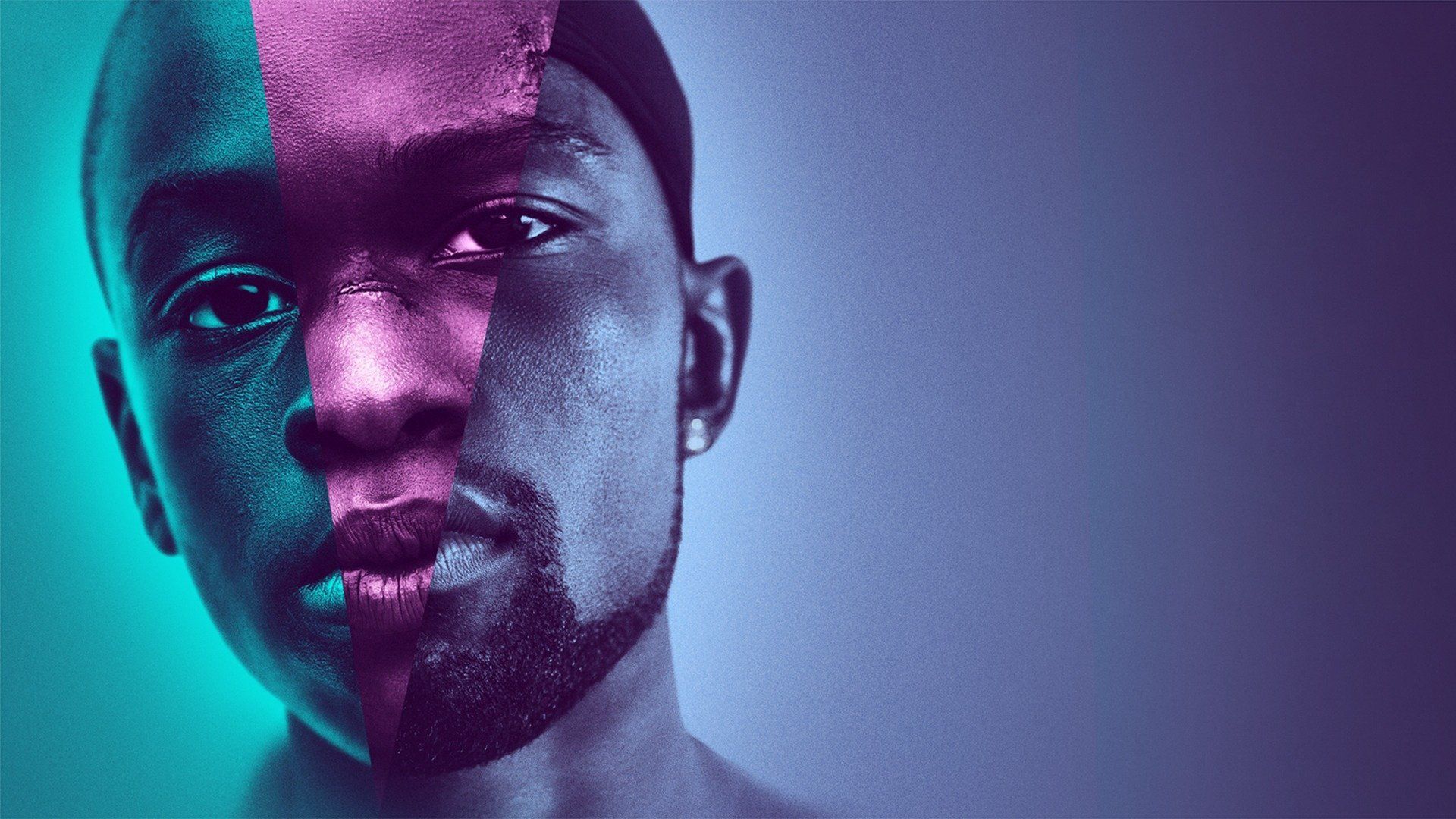
Moonlight









- Nicholas Florio8 grudnia 2025Great movie. It is sad but really good. Watch this if you are reading these reviews. This won't be a waste of your time.
- Lee Newton24 października 2026Absolutely horrible.
- jdough730 lipca 2026amazing!!!!!!!
- Garrett Wilkins22 lipca 2026Just as Andrea Arnold did in American Honey, Barry Jenkins turns his attention toward a part of America that mainstream filmmaking rarely cares to acknowledge. While American Honey follows one forgotten corner of the country's underclass, Moonlight reveals an entirely different one. Both films remind us just how many American stories remain untold. What struck me most was how little interest the film has in assigning blame or making a certain audience feel guilty by outright claiming any type of systemic injustice exists. It never seems interested in telling viewers what they're supposed to think. Instead, it simply presents its characters as they are, trusting that their humanity is enough to earn empathy on its own. I found that approach far more effective than the kind of mainstream dramas that arrive with their social justice lessons already baked into the screenplay. Mahershala Ali is phenomenal despite appearing for far less of the film than I expected. He had an aura of security about him that extended well beyond his limited screen time. I wasn't entirely convinced at first that Trevante Rhodes was the right choice for the film's final chapter. By the end, though, he had completely won me over as the right choice for the final act protagonist. Barry Jenkins directs with remarkable confidence and allows these performances and the silence between them to carry as much weight as the dialogue itself. I spent much of the film thinking less about where the story was going and more about what it was trying to say. It raises questions about identity, masculinity, sexuality, family, addiction, poverty, and belonging. I wondered whether it was subtly or perhaps even incidentally suggesting that society begins shaping a person's understanding of themselves long before they have the opportunity to define that identity on their own. Whether that was Jenkins' intention or simply my own interpretation, I appreciated that the film never forces an answer. But at the same time, I think Moonlight reaches into so many different areas that it never fully commits to any single one of them, and even though this can sometimes be a successful tactic, I can't quite say this film pulls that effort off well enough to be worthwhile. I have to say too, if I'm being forthright, I personally believe the Academy had stronger Best Picture nominees that year. With that said, I completely understand why Moonlight has become such a respected film. More than anything, I'm glad I watched the two A24 products, American Honey and Moonlight, back-to-back. They complement one another remarkably well, revealing two different perspectives of life beneath the surface of modern America without either one pretending to have all the answers.
- Joe Karlsson16 czerwca 2026One of the most important films of my life. Every shot is more beautiful than the last. I deeply connect with this story, but I struggle to explain why. It hits something so deep within me. Even if you’re not a queer kid who grew up feeling different, I think we all understand the feeling of being othered. We all understand having to put up walls. Even the most privileged among us have situations where they’ve had to armor themselves. In the third act, I caught myself thinking what a romantic film this was - and then had to check myself. It’s not quite romantic. It’s deeply tragic. This is a film about a gay child feeling so completely othered that he has to literally bulk up his physical body to protect himself. He has to become hard. And the tragedy is that he had to build that armor in order to survive. That’s the heartbreak underneath everything. Being queer and made fun of as a kid in school - this film made me feel so much empathy for Chiron. Barry Jenkins sees something true about tenderness and the cost of protecting it. What an incredible breakout. We did a free outdoor showing of this with Trilingual Cinema, a local crew I volunteer with in Saint Paul, Minnesota. The turnout from across the Twin Cities was incredible. This film still has power. I will never forget the excitement I felt at the Oscars that year. La La Land announced as the winner by mistake, and then Moonlight revealed as the true Best Picture - the one that was my best picture. Still riding that high to this day.
- Tim and Ken15 lutego 2026I've seen this movie 2 or 3 times. I always enjoy an LGBT coming of age story. Some other older gays might be able to relate to the challenges of coming out. The need to "act like one of the guys" to fit in. The sense that some of us are unable to come out to ourselves and others until there's some distance to feel safe enough to do so. But when it finally happens, it just feels so right, and freeing.
- remii6 lutego 2026What a debut movie
- arekyyz26 stycznia 2026Perfect.
- Kevin Ward2 lipca 2025Finally got around to watching this and holy sh🤩 it is so f🤩king good and worthy of all the praise. Such a powerfully moving story, it’s beautifully scored, with exquisite performances.



Zainstaluj Plex na swoich urządzeniach
Za darmo na ponad 20 platformach. Wybierz swoją.Ciekawostki: Moonlight
Film Moonlight miał premierę 21 października 2016.
Reżyseria Moonlight: Barry Jenkins.
Czas trwania filmu Moonlight to 1 h 50 min.
Produkcja Moonlight: Adele Romanski, Jeremy Kleiner, Dede Gardner.
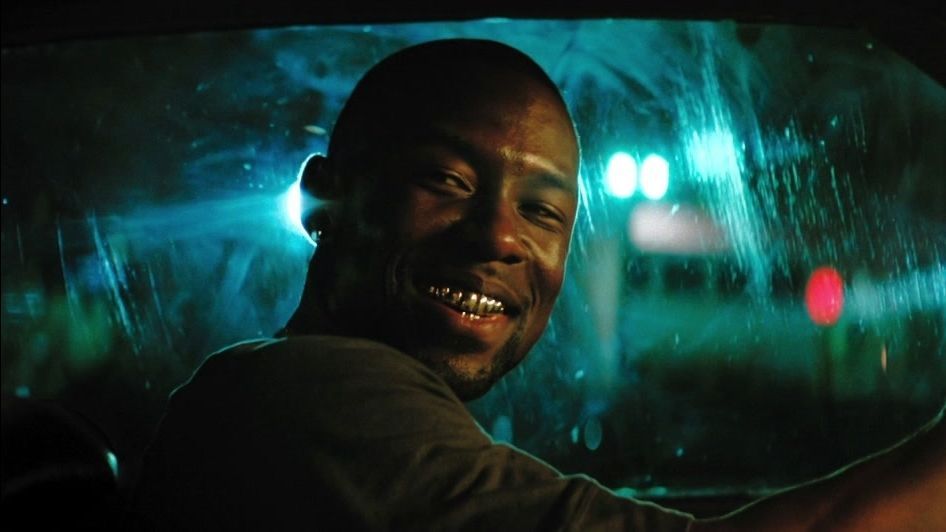
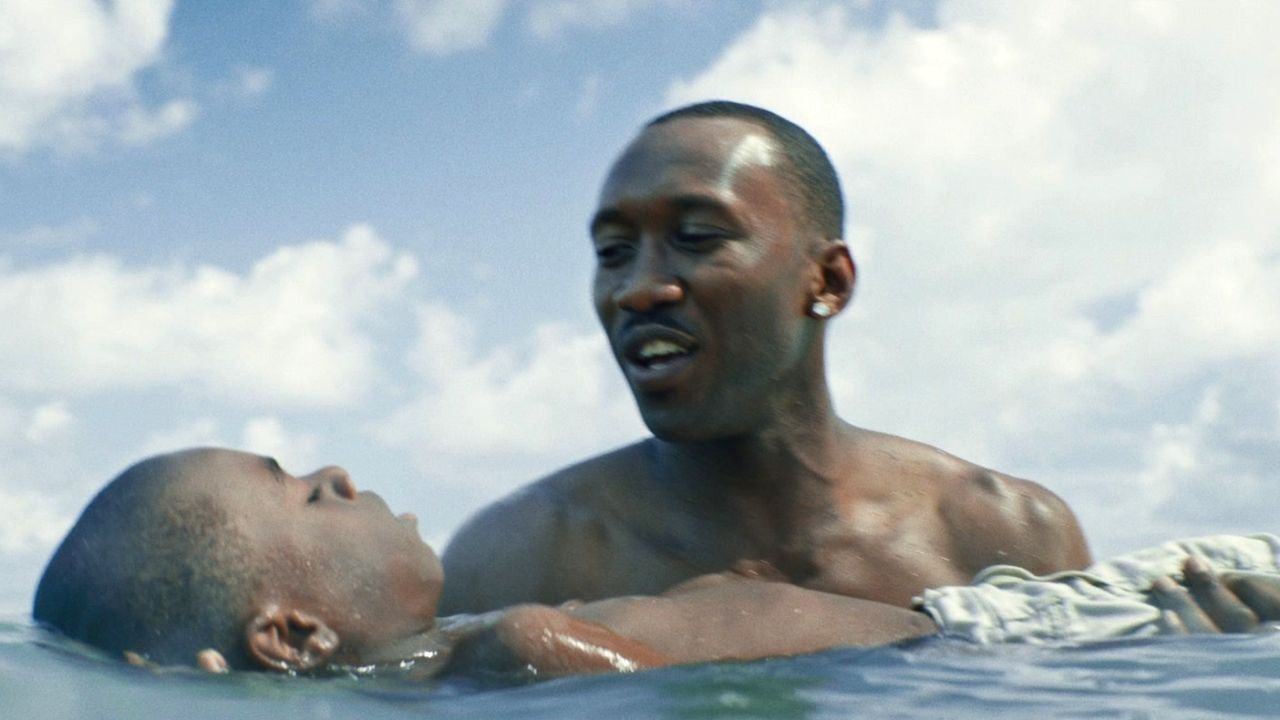
Ponadczasowa opowieść o relacjach międzyludzkich i odkrywaniu siebie. "Moonlight" jest opowieścią o dorastaniu ubogiego, czarnego chłopca. Dorasta on w jednej z niebezpieczniejszych dzielnic Miami i stara się znaleźć swoje miejsce w świecie. Handel narkotykami na ich osiedlu kontroluje Juan, który staje się swego rodzaju zastępczym ojcem Chirona. Czysty i widny dom, w którym Juan mieszka ze swoją dziewczyną Teresą staje się dla chłopca oazą stabilności, miejscem gorących posiłków, świeżej pościeli i swobodnych rozmów. Drugim, równie bolesnym i skomplikowanym motywem przewodnim, jest związek Chirona z jego matką, Paulą, która stacza się w wyniszczający nałóg narkotykowy, których dostarcza jej Juan.
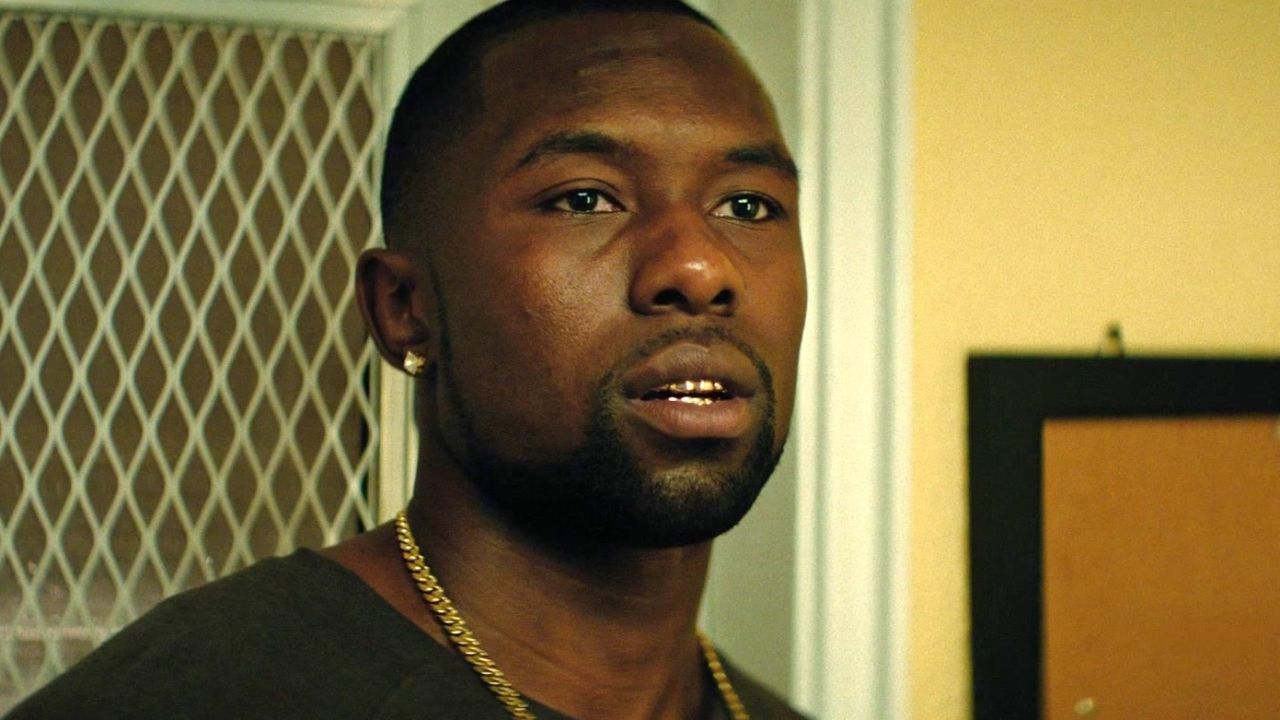
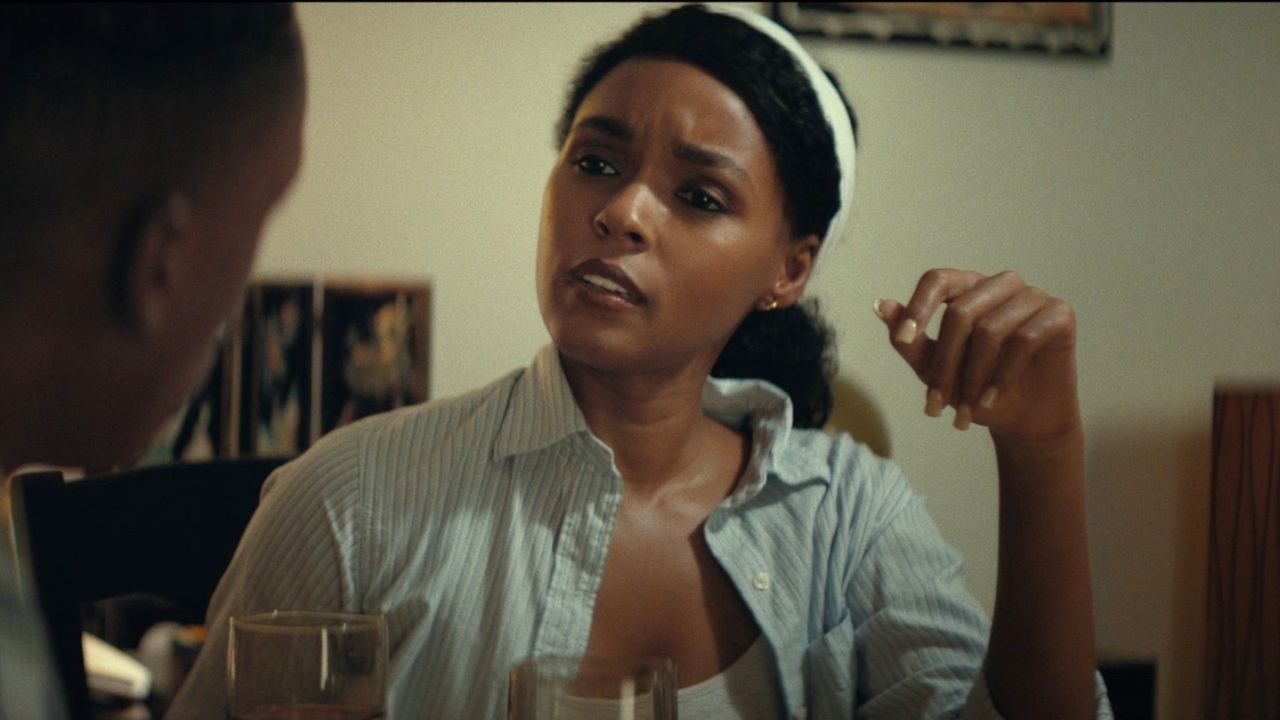
Kluczowe postacie w produkcji Moonlight to Black (Trevante Rhodes), Kevin (André Holland), Teresa (Janelle Monáe).
Moonlight ma klasyfikację wiekową 16.
Moonlight to film z gatunku: Dramat.
Moonlight ma ocenę widzów 7.9 na 10.
Budżet filmu Moonlight wyniósł 4 mln USD.
Wpływy z kin dla filmu Moonlight wyniosły 65 mln USD.