
Tiffany Johnson
Regista, Produttore
Tiffany J. Johnson is a television director. She trained in the American Film Institute’s Directing Workshop for Women, where she directed the short film Marabou. Her first short, Ladylike, a collaboration with Nicholas P. Williams, screened at multiple festivals and won the Director’s Choice Award at the Diversity in Cannes showcase. Over time, she has built a reputation for bringing stylised visual storytelling and perspectives centred on Black characters to film and television.
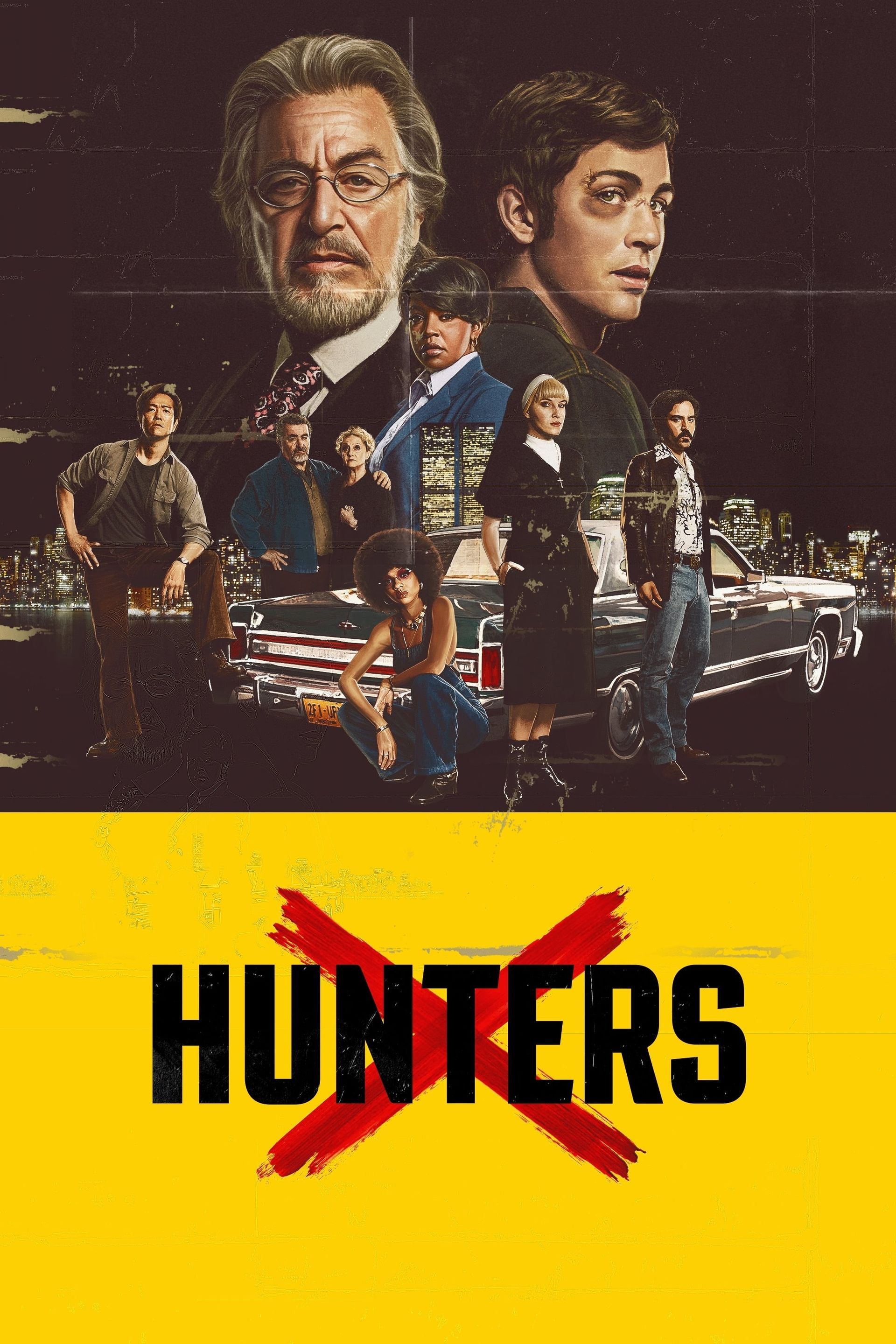
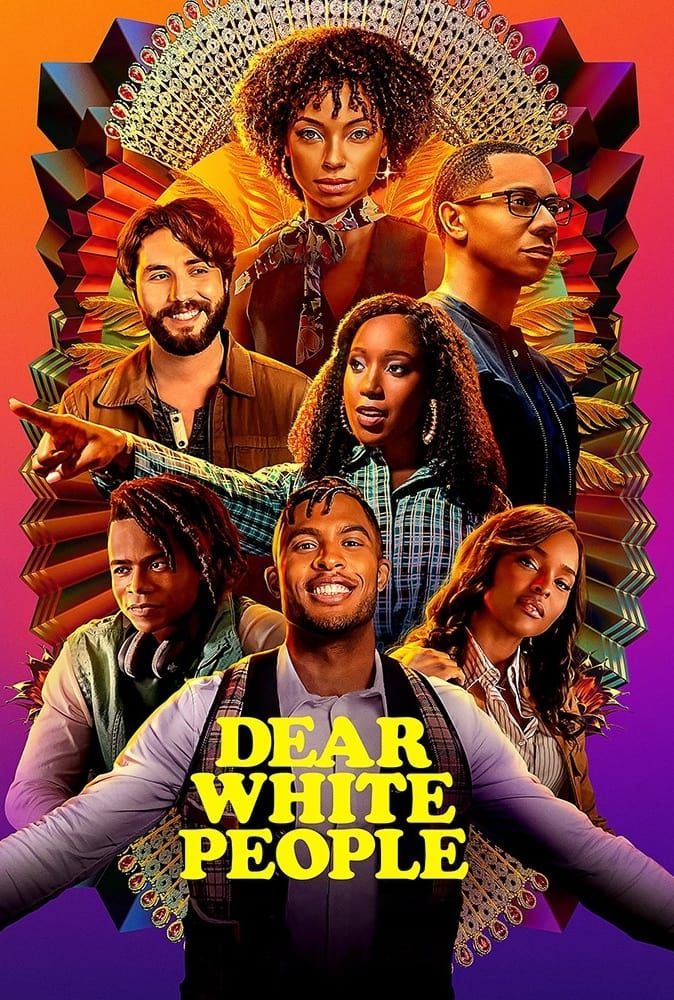
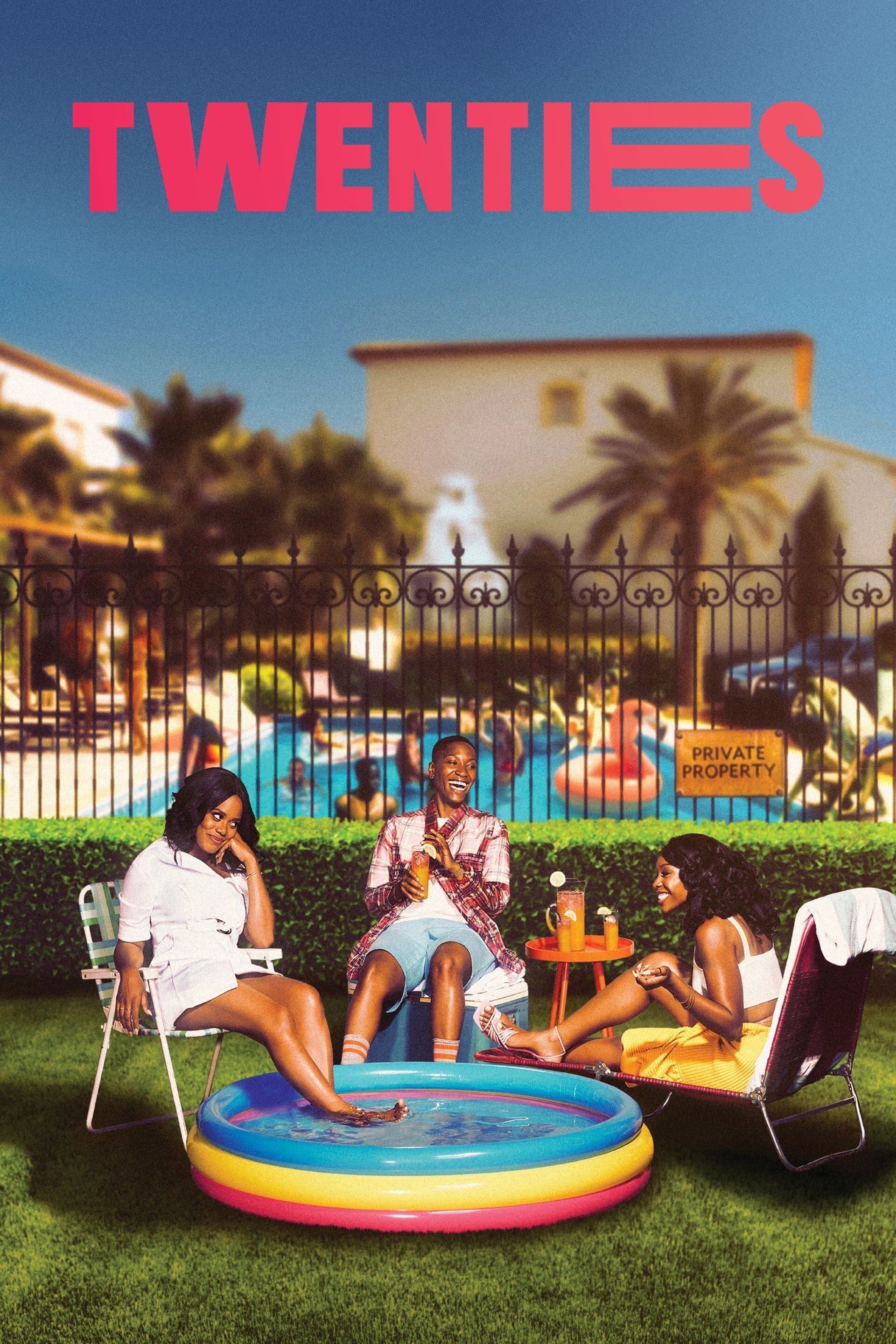
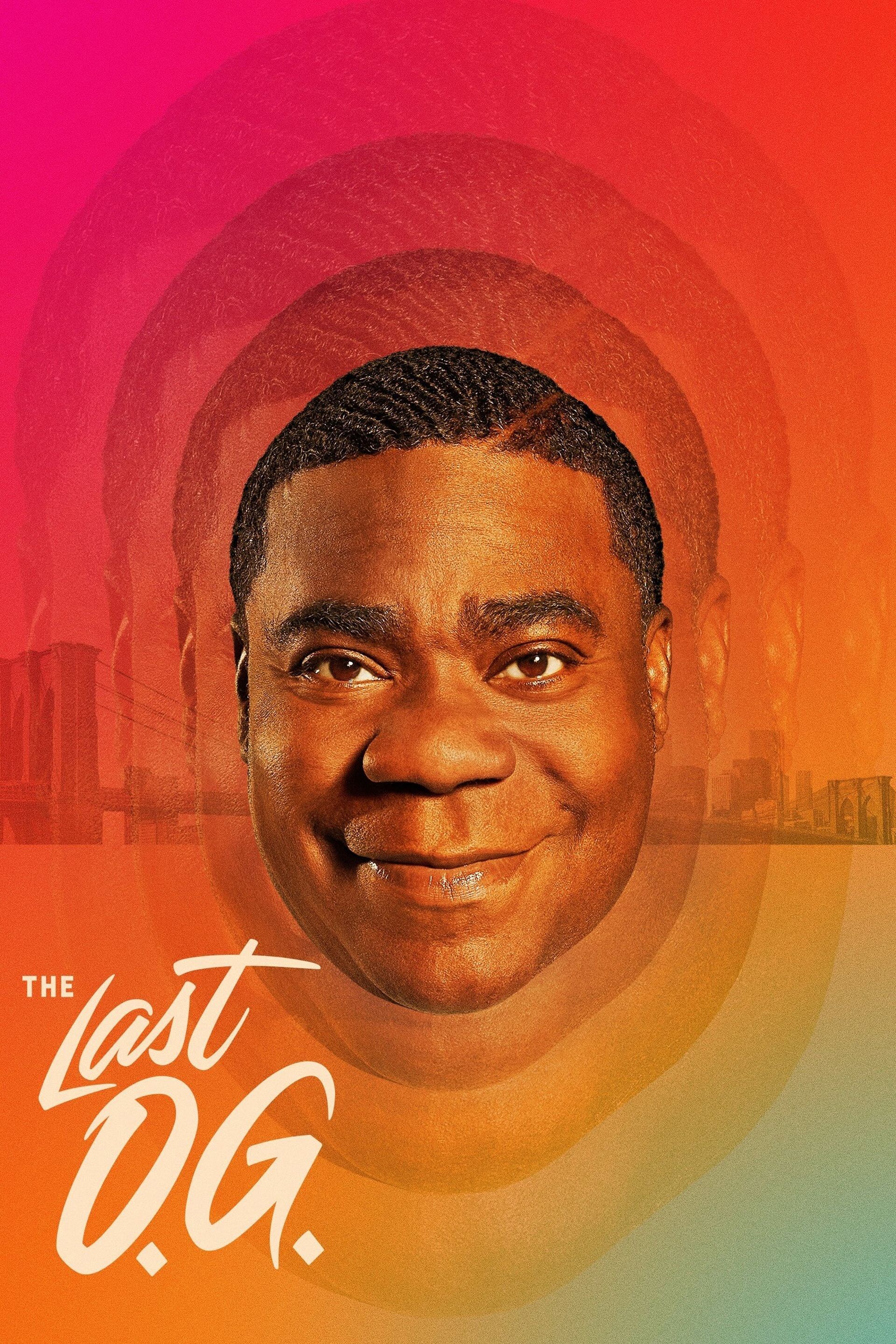
In television, Johnson has directed episodes for series such as Black Monday (2019), Dear White People (2017), Boomerang (2019), Twenties (2020), The Last O.G. (2018), and SOLOS (2021). In How to Die Alone (2024), she directed episode five, “Trust No One,” and another episode in the season.
Johnson has also directed and produced short and digital series work. Her short Girl Callin’ (2020) was nominated for Best U.S. Short at Palm Springs International ShortFest. The digital series Girls Room (2020) won the Tribeca X Award for Best Episodic Short Series. Her documentary or hybrid-genre film The Beauty of Blackness (2022) won the Tribeca X Award for Best Feature Film.
Among her accolades, Johnson received the 2025 NAACP Image Award for Outstanding Directing in a Comedy Series for How to Die Alone (S1.E5 “Trust No One,” 2024). She was previously nominated for a 2022 NAACP Image Award for Outstanding Directing in a Comedy Series for Black Monday (Episode: “Eight!,” 2021).
In television, Johnson has directed episodes for series such as Black Monday (2019), Dear White People (2017), Boomerang (2019), Twenties (2020), The Last O.G. (2018), and SOLOS (2021). In How to Die Alone (2024), she directed episode five, “Trust No One,” and another episode in the season.
Johnson has also directed and produced short and digital series work. Her short Girl Callin’ (2020) was nominated for Best U.S. Short at Palm Springs International ShortFest. The digital series Girls Room (2020) won the Tribeca X Award for Best Episodic Short Series. Her documentary or hybrid-genre film The Beauty of Blackness (2022) won the Tribeca X Award for Best Feature Film.
Among her accolades, Johnson received the 2025 NAACP Image Award for Outstanding Directing in a Comedy Series for How to Die Alone (S1.E5 “Trust No One,” 2024). She was previously nominated for a 2022 NAACP Image Award for Outstanding Directing in a Comedy Series for Black Monday (Episode: “Eight!,” 2021).
Famoso per



Filmografia
| 2026 | |
| 2024 | |
| 2024 | |
| 2023 | |
| 2022 | |
| 2022 | |
| 2021 | |
| 2020 | |
| 2020 | |
| 2019 | |
| 2019 | |
| 2018 | |
| 2017 |
| 2015 | 2015 MTV Video Music Awards · as Associate Producer |
| 2014 | 2014 MTV Video Music Awards · as Associate Producer |