
Kaneto Shindō
Scenariusz, Reżyseria, Produkcja, Aktor
22 kwietnia 1912 — 29 maja 2012 (100 years)
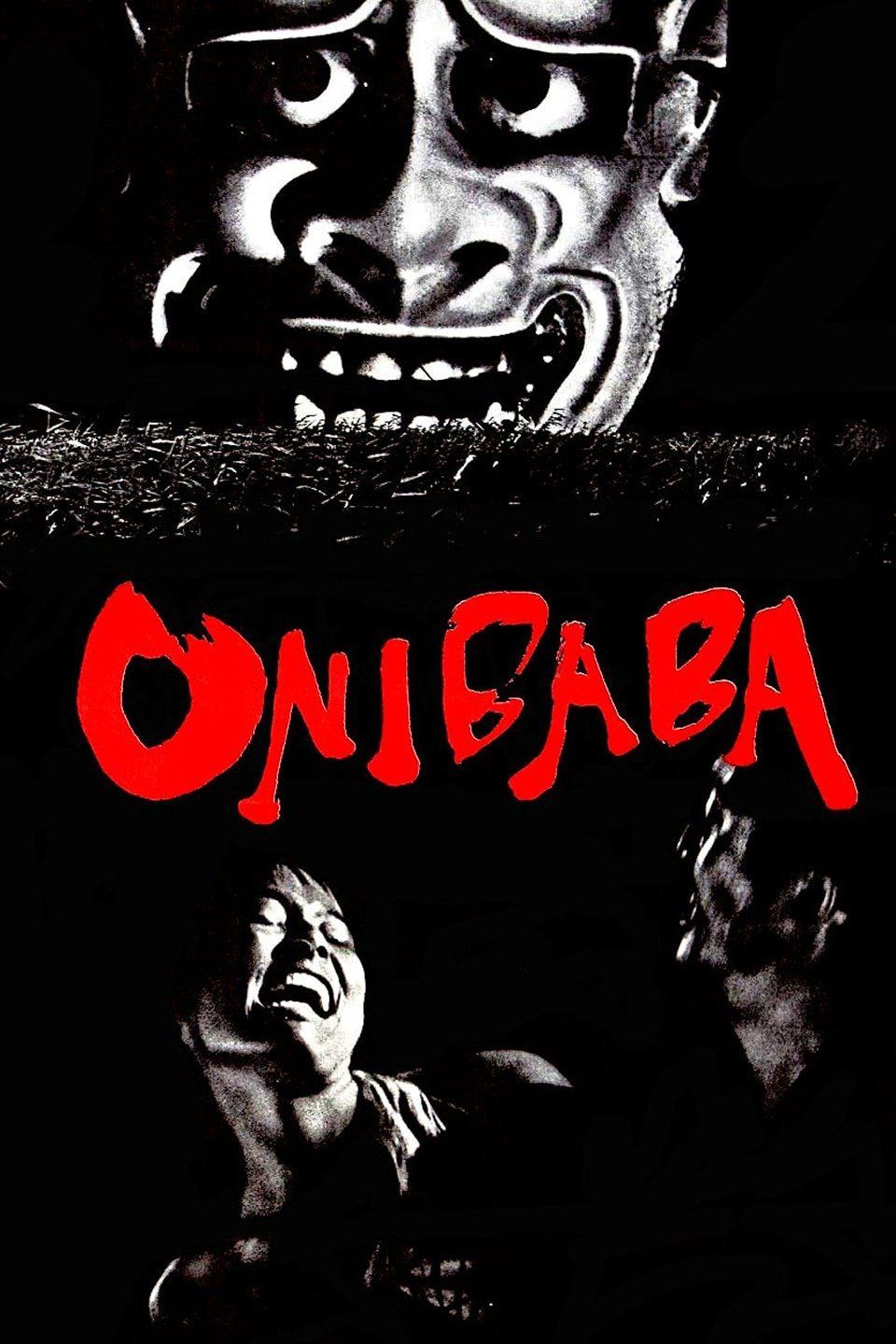
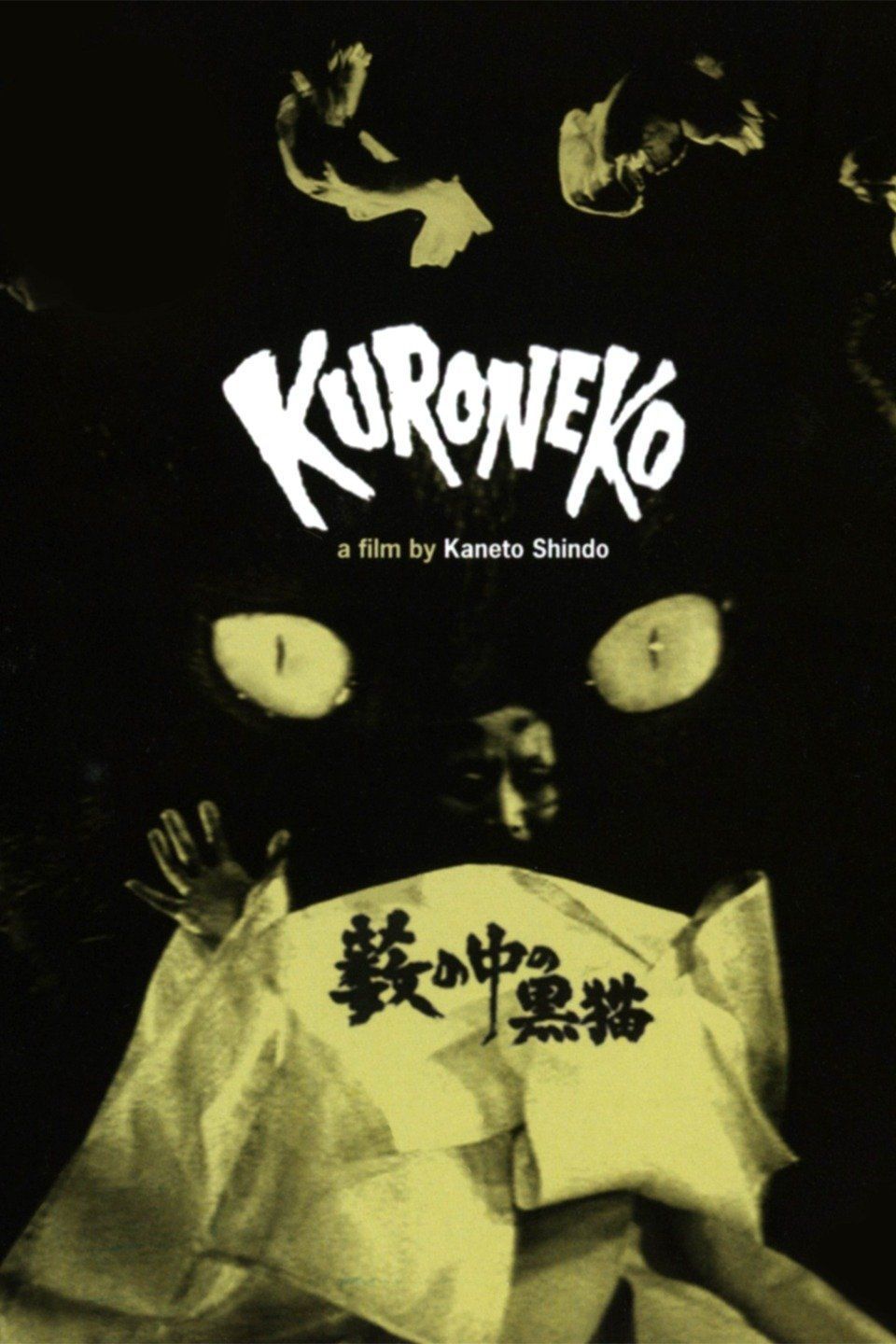
Kaneto Shindo (新藤 兼人, Shindō Kaneto, April 22, 1912 – May 29, 2012) was a Japanese film director, screenwriter, film producer, and author. He was married to actress Nobuko Otowa (1925–1994), who appeared in several of his films. He directed 48 films and wrote scripts for 238. His best known films as a director include Children of Hiroshima, The Naked Island, Onibaba, Kuroneko and A Last Note. His scripts were filmed by such directors as Kon Ichikawa, Keisuke Kinoshita, Fumio Kamei and Tadashi Imai. He won the 1996 Japan Academy Prize for Director of the Year for A Last Note.
Shindo was born in Hiroshima Prefecture, and he made several films about Hiroshima and the atomic bomb. Like his early mentor Kenji Mizoguchi, many of his films feature strong female characters. He was a pioneer of independent film production in Japan, founding a company called Kindai Eiga Kyokai. He continued working as a scriptwriter, director and author until his death at the age of 100.
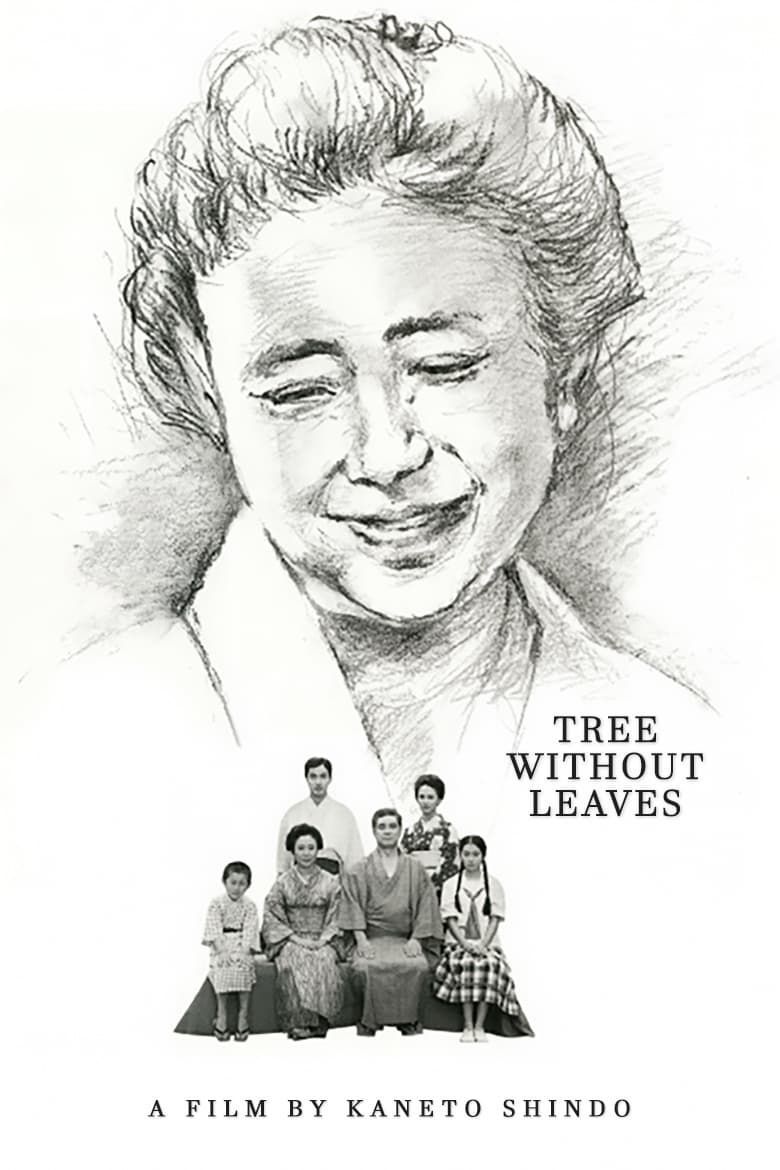
Shindo made a series of autobiographical films, beginning with the first film he directed, 1951's Story of a Beloved Wife, about his struggle to become a screenwriter, through 1986's Tree Without Leaves, about his childhood, born into a wealthy family which became destitute, 2000's By Player, about his film company, seen through the eyes of his friend Taiji Tonoyama, and his last film, Postcard, directed at the age of 98, loosely based on his military service.
Description above from the Wikipedia article Kaneto Shindō, licensed under CC-BY-SA, full list of contributors on Wikipedia
Shindo was born in Hiroshima Prefecture, and he made several films about Hiroshima and the atomic bomb. Like his early mentor Kenji Mizoguchi, many of his films feature strong female characters. He was a pioneer of independent film production in Japan, founding a company called Kindai Eiga Kyokai. He continued working as a scriptwriter, director and author until his death at the age of 100.
Shindo made a series of autobiographical films, beginning with the first film he directed, 1951's Story of a Beloved Wife, about his struggle to become a screenwriter, through 1986's Tree Without Leaves, about his childhood, born into a wealthy family which became destitute, 2000's By Player, about his film company, seen through the eyes of his friend Taiji Tonoyama, and his last film, Postcard, directed at the age of 98, loosely based on his military service.
Description above from the Wikipedia article Kaneto Shindō, licensed under CC-BY-SA, full list of contributors on Wikipedia


Known For







Filmografia
| 2026 | The Dreadful · as Original Film Writer |
| 2010 | Postcard · as Screenplay |
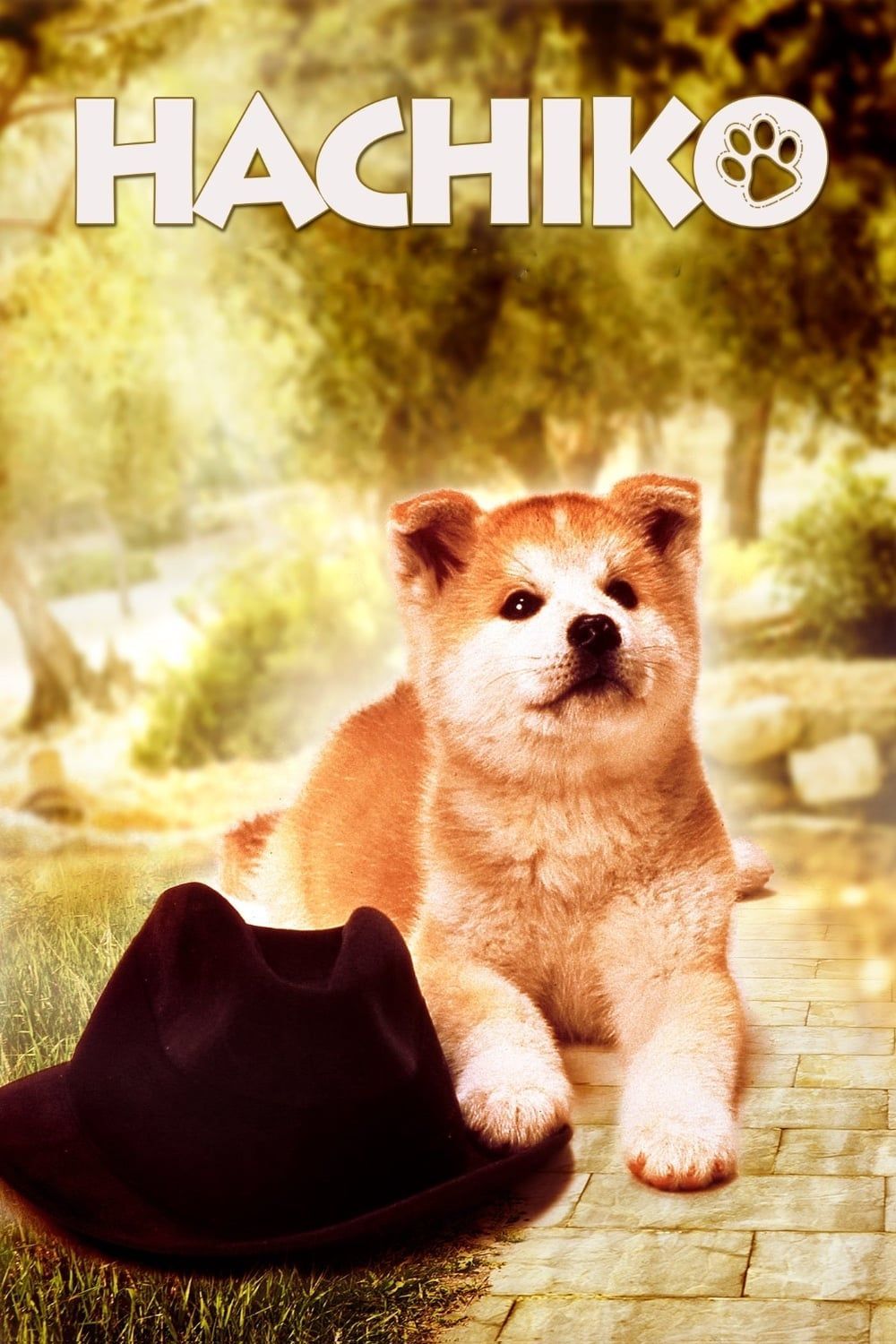
| 2009 | Hachi: A Dog's Tale · as Original Film Writer |
| 2008 | Teacher and Three Children · as Screenplay |
| 2003 | |
| 2000 | |
| 1999 | |
| 1999 | |
| 1998 | The Geisha House · as Screenplay |
| 1998 | Yukie · as Screenplay |
| 1995 | |
| 1992 | Toki rakujitsu · as Screenplay |
| 1992 | |
| 1987 | Actress · as Screenplay |
| 1986 | |
| 1983 | Stacked Wood Scraps · as Screenplay |
| 1983 | |
| 1981 | |
| 1980 | Magnitude 7.9 · as Screenplay |
| 1979 | The Three Undelivered Letters · as Screenplay |
| 1979 | The Strangling · as Screenplay |
| 1979 | Akô Rôshi · as Screenplay |
| 1978 | The Incident · as Screenplay |
| 1978 | Dangerous Liaisons · as Screenplay |
| 1977 | |
| 1975 | The Perennial Weed · as Screenplay |
| 1975 | |
| 1974 | Zatoichi: The Blind Swordsman · as ScreenplayNa Plex |
| 1973 | |
| 1973 | Rika 3: Juvenile's Lullaby · as Screenplay |
| 1973 | |
| 1972 | Hymn · as Screenplay |
| 1972 | Rika: The Mixed-Blood Girl · as Screenplay |
| 1972 | |
| 1972 | Under the Flag of the Rising Sun · as Screenplay |
| 1971 | Battle of Okinawa · as Screenplay |
| 1970 | Live Today, Die Tomorrow! · as Screenplay |
| 1969 | |
| 1969 | |
| 1968 | Black Cat · as Screenplay |
| 1968 | |
| 1967 | The Wife of Seishu Hanaoka · as Screenplay |
| 1967 | |
| 1967 | Tsuma futari · as Screenplay |
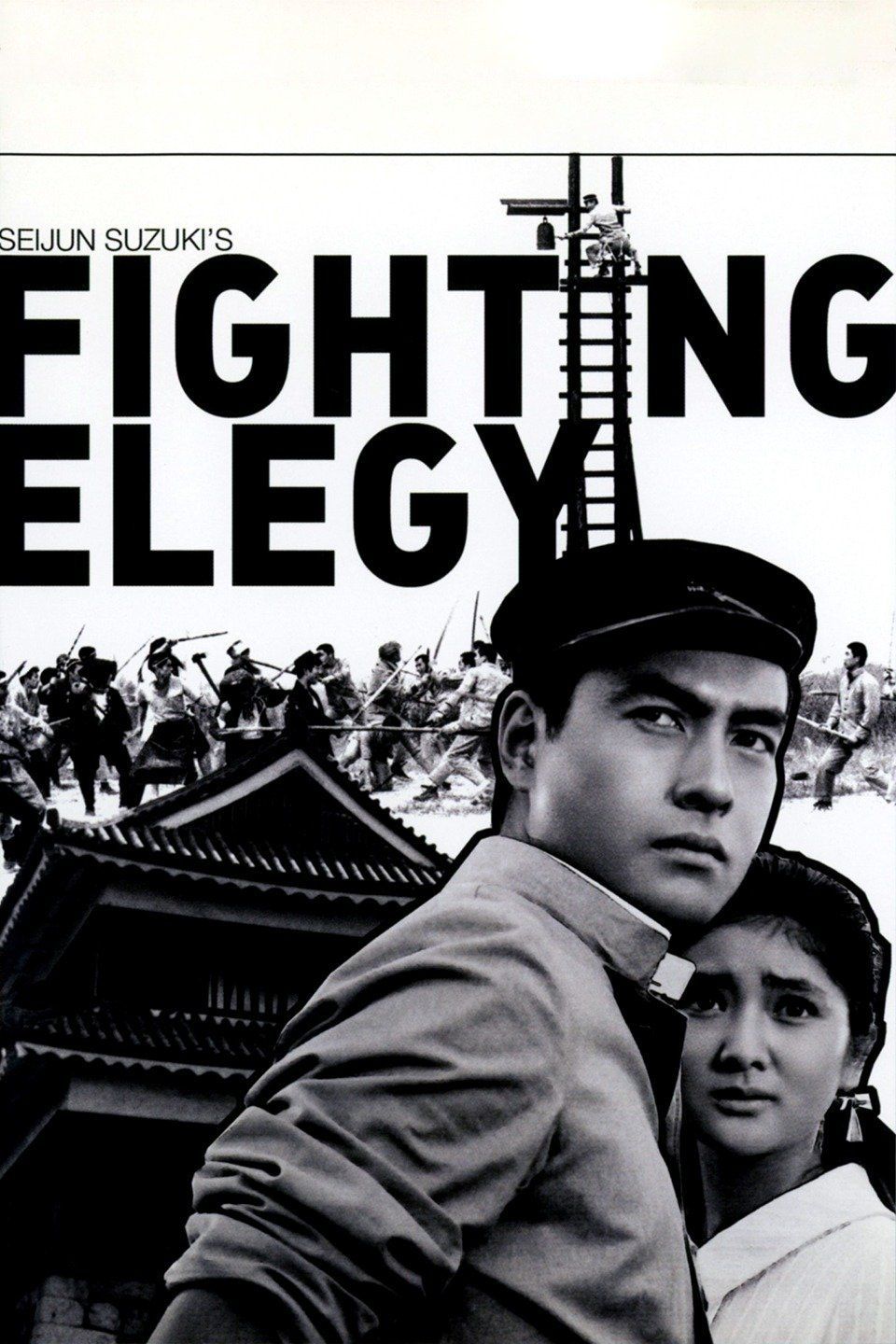
| 1966 | Fighting Elegy · as Screenplay |
| 1966 | |
| 1966 | Zatoichi's Pilgrimage · as Screenplay |
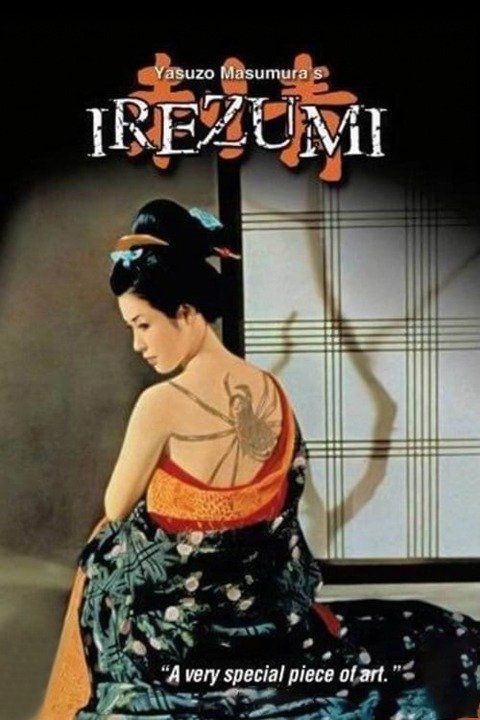
| 1966 | Irezumi · as Screenplay |
| 1965 | The Conquest · as Screenplay |
| 1965 | Seisaku's Wife · as Screenplay |
| 1964 | Onibaba · as Screenplay |
| 1964 | |
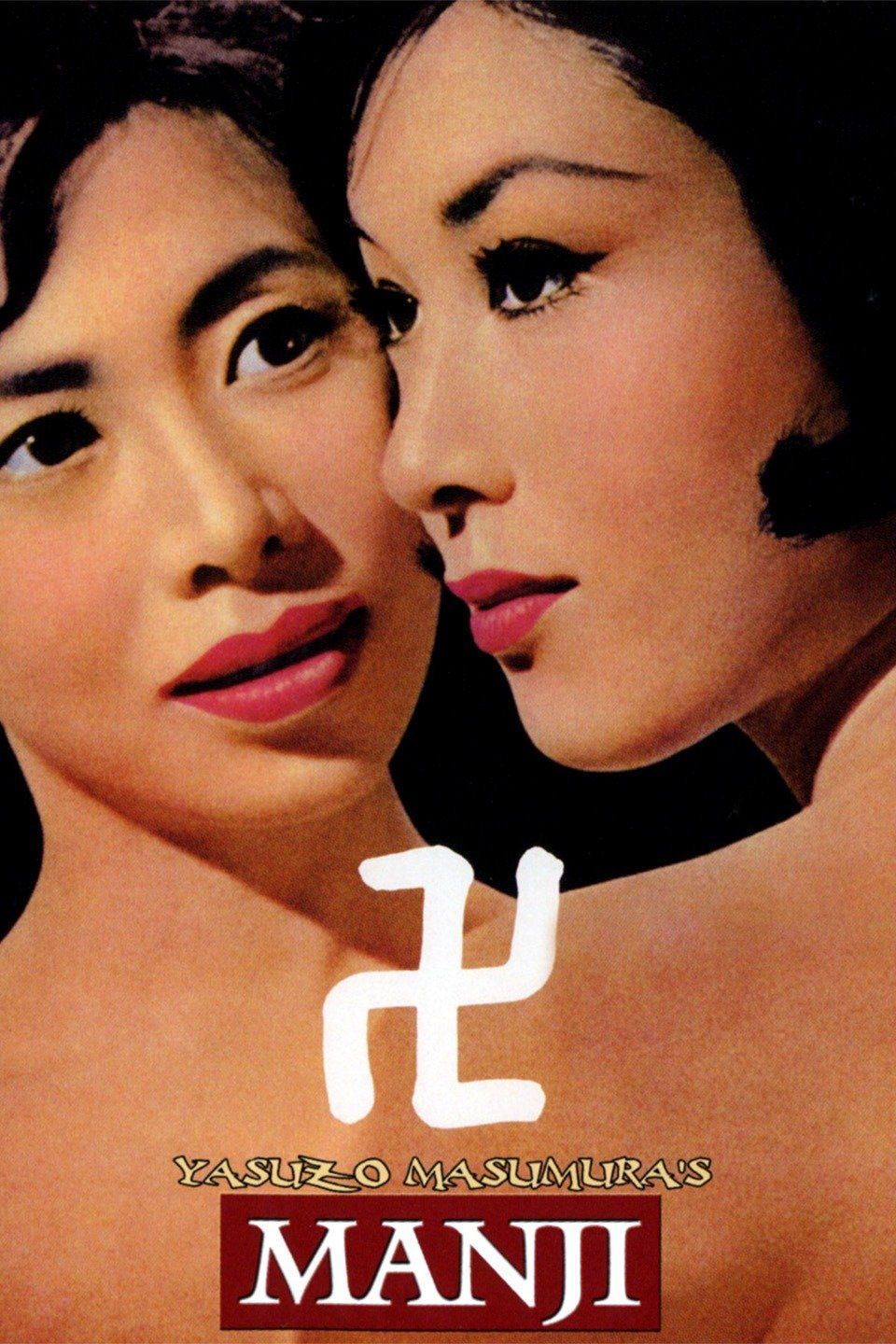
| 1964 | Swastika · as Screenplay |
| 1963 | |
| 1963 | Mashiroki Fuji no ne · as Screenplay |
| 1963 | Kaigun · as Screenplay |
| 1962 | The Graceful Brute · as ScreenplayNa Plex |
| 1962 | |
| 1962 | The Lucky General · as Screenplay |
| 1962 | Killer Whale · as ScreenplayNa Plex |
| 1962 | |
| 1962 | Black Lizard · as Screenplay |
| 1962 | Stolen Pleasure · as Screenplay |
| 1961 | Haitoku no mesu · as Screenplay |
| 1961 | Onna no kunshô · as Screenplay |
| 1961 | |
| 1960 | |
| 1960 | Ôinaru bakushin · as Screenplay |
| 1960 | |
| 1960 | |
| 1959 | |
| 1959 | Talented Woman · as Screenplay |
| 1959 | Lucky Dragon No. 5 · as Screenplay |
| 1959 | |
| 1958 | Night Drum · as Screenplay |
| 1957 | |
| 1957 | Umi no yarôdomo · as Screenplay |
| 1957 | |
| 1957 | Tajô busshin · as Screenplay |
| 1956 | |
| 1956 | |
| 1956 | Gin shinju · as Screenplay |
| 1956 | The Seven Vows · as Screenplay |
| 1955 | Wolves · as Screenplay |
| 1955 | |
| 1955 | Ginza no onna · as Screenplay |
| 1954 | Dorodarake no seishun · as Screenplay |
| 1954 | The Ditch · as Screenplay |
| 1953 | Epitome · as Screenplay |
| 1952 | |
| 1952 | |
| 1951 | |
| 1951 | Story of a Beloved Wife · as Screenplay |
| 1951 | Dancing Girl · as Screenplay |
| 1951 | Joshu Karasu · as Screenplay |
| 1951 | Clothes of Deception · as Screenplay |
| 1949 | |
| 1949 | Flame of My Love · as Screenplay |
| 1948 | |
| 1947 | |
| 1947 | Marriage · as Screenplay |
| 1946 | Victory of Women · as Screenplay |
| 2010 | |
| 2008 | |
| 2003 | |
| 2000 | |
| 1999 | |
| 1995 | |
| 1992 | |
| 1986 | |
| 1986 | |
| 1981 | |
| 1979 | |
| 1977 | |
| 1975 | |
| 1973 | |
| 1972 | |
| 1972 | |
| 1970 | |
| 1968 | |
| 1967 | |
| 1966 | |
| 1965 | |
| 1964 | |
| 1963 | |
| 1962 | |
| 1960 | |
| 1959 | |
| 1957 | |
| 1957 | |
| 1956 | |
| 1956 | |
| 1955 | |
| 1954 | |
| 1953 | |
| 1952 | |
| 1951 |
| 1979 | |
| 1975 | |
| 1973 | |
| 1972 | Hymn · as Executive Producer |
| 1972 | |
| 1966 | |
| 1960 |
| 1983 | I Lived, But... · as Self |
| 1975 |
| 2023 | Hachiko · as Original Story |
| 2003 | Owl · as Production Design |
| 1987 | The Story of Hachikō · as Story |
| 1986 | Tree Without Leaves · as Original Story |
| 1964 | Onibaba · as Art Direction |
| 1963 | Mother · as Production Design |
| 1962 | Human · as Art Direction |
| 1960 | The Naked Island · as Production Design |