Joseph Kosma
Compositore, Attore
22 ottobre 1905 — 7 agosto 1969 (63 anni)
Joseph Kosma (22 October 1905 – 7 August 1969) was a Hungarian-French composer.
Kosma was born József Kozma in Budapest, where his parents taught stenography and typing. He had a brother, Ákos. A maternal relative was the photographer László Moholy-Nagy, and another was the conductor Georg Solti. He started to play the piano at age five, and later took piano lessons. At the age of 11, he wrote his first opera, Christmas in the Trenches. After completing his education at the Secondary Grammar School Franz-Josef, he attended the Academy of Music in Budapest, where he studied with Leo Weiner. He also studied with Béla Bartók at the Liszt Academy, receiving diplomas in composition and conducting. He won a grant to study in Berlin in 1928, where he met Lilli Apel, another musician, whom he later married. Kosma also met and studied with Hanns Eisler in Berlin. He became acquainted with Bertolt Brecht and Helene Weigel.
Kosma and his wife emigrated to Paris in 1933. Eventually, he met Jacques Prévert, who introduced him to Jean Renoir. During the 1930s Kosma teamed up with Prévert to set a number of Prévert's poems to music, and have them recorded by popular singers. Several of these were hits. Kosma also composed scores to Renoir's films including La Grande Illusion (1937), La Bête Humaine (The Human Beast, 1938), and La Règle du jeu (The Rules of the Game, 1939).
During World War II and the Occupation of France, Kosma was placed under house arrest in the Alpes-Maritimes region and was banned from composition. However, Prévert managed to arrange for Kosma to contribute music for films with other composers fronting for him. Under this arrangement, he wrote the "pantomime" of the music for Les Enfants du Paradis (1945), made under the occupation but released after the liberation. Among his other credits are the scores to Voyage Surprise (1946) and Le Testament du docteur Cordelier (The Doctor's Horrible Experiment, 1959), the last of which was made for television. He was also known for writing the standard classical-jazz piece "Les feuilles mortes" ("Autumn Leaves"), with French lyrics by Prévert and later English lyrics by Johnny Mercer, which was derived from music in Marcel Carné's film Les Portes de la Nuit (1946). The song was featured in the eponymous 1956 film starring Joan Crawford.
Source: Article "Joseph Kosma" from Wikipedia in English, licensed under CC-BY-SA 3.0.
Kosma was born József Kozma in Budapest, where his parents taught stenography and typing. He had a brother, Ákos. A maternal relative was the photographer László Moholy-Nagy, and another was the conductor Georg Solti. He started to play the piano at age five, and later took piano lessons. At the age of 11, he wrote his first opera, Christmas in the Trenches. After completing his education at the Secondary Grammar School Franz-Josef, he attended the Academy of Music in Budapest, where he studied with Leo Weiner. He also studied with Béla Bartók at the Liszt Academy, receiving diplomas in composition and conducting. He won a grant to study in Berlin in 1928, where he met Lilli Apel, another musician, whom he later married. Kosma also met and studied with Hanns Eisler in Berlin. He became acquainted with Bertolt Brecht and Helene Weigel.
Kosma and his wife emigrated to Paris in 1933. Eventually, he met Jacques Prévert, who introduced him to Jean Renoir. During the 1930s Kosma teamed up with Prévert to set a number of Prévert's poems to music, and have them recorded by popular singers. Several of these were hits. Kosma also composed scores to Renoir's films including La Grande Illusion (1937), La Bête Humaine (The Human Beast, 1938), and La Règle du jeu (The Rules of the Game, 1939).
During World War II and the Occupation of France, Kosma was placed under house arrest in the Alpes-Maritimes region and was banned from composition. However, Prévert managed to arrange for Kosma to contribute music for films with other composers fronting for him. Under this arrangement, he wrote the "pantomime" of the music for Les Enfants du Paradis (1945), made under the occupation but released after the liberation. Among his other credits are the scores to Voyage Surprise (1946) and Le Testament du docteur Cordelier (The Doctor's Horrible Experiment, 1959), the last of which was made for television. He was also known for writing the standard classical-jazz piece "Les feuilles mortes" ("Autumn Leaves"), with French lyrics by Prévert and later English lyrics by Johnny Mercer, which was derived from music in Marcel Carné's film Les Portes de la Nuit (1946). The song was featured in the eponymous 1956 film starring Joan Crawford.
Source: Article "Joseph Kosma" from Wikipedia in English, licensed under CC-BY-SA 3.0.


Filmografia
| 1970 | The Little Theatre of Jean Renoir · as Original Music Composer |
| 1967 | |
| 1967 | Bitter Fruit · as Original Music Composer |
| 1963 | In the French Style · as Original Music Composer |
| 1963 | Un drôle de paroissien · as Original Music Composer |
| 1962 | La poupée · as Original Music Composer |
| 1962 | |
| 1962 | The Elusive Corporal · as Original Music Composer |
| 1962 | |
| 1961 | |
| 1961 | Le pavé de Paris · as Composer |
| 1960 | Love and the Frenchwoman · as Original Music Composer |
| 1960 | Croesus · as Original Music Composer |
| 1960 | La chatte sort ses griffes · as Composer |
| 1960 | |
| 1959 | The Three Musketeers · as Composer |
| 1959 | Adorable Sinner · as Original Music Composer |
| 1959 | Picnic on the Grass · as Original Music Composer |
| 1959 | Experiment in Evil · as Original Music Composer |
| 1958 | |
| 1958 | La chatte · as Composer |
| 1958 | Un certain Monsieur Jo · as Original Music Composer |
| 1958 | Tamango · as Original Music Composer |
| 1957 | Three Days to Live · as Original Music Composer |
| 1957 | Demoniac · as Composer |
| 1957 | The Case of Dr. Laurent · as Original Music Composer |
| 1956 | |
| 1956 | Soupçons · as Original Music Composer |
| 1956 | Main Street · as Original Music Composer |
| 1956 | |
| 1956 | Diary of a Bad Girl · as Composer |
| 1956 | This is Called Dawn · as Original Music Composer |
| 1956 | Law of the Streets · as Composer |
| 1956 | Goubbiah... mon amour · as Original Music Composer |
| 1956 | People of No Importance · as Original Music Composer |
| 1955 | Lady Chatterley's Lover · as Composer |
| 1955 | Pas de pitié pour les caves · as Composer |
| 1955 | M'sieur la Caille · as Composer |
| 1955 | The Fugitives · as Original Music Composer |
| 1955 | House on the Waterfront · as Composer |
| 1955 | Les chiffonniers d'Emmaüs · as Composer |
| 1954 | No Exit · as Original Music Composer |
| 1954 | The Anatomy of Love · as Composer |
| 1954 | Wild Fruit · as Composer |
| 1953 | |
| 1953 | |
| 1953 | Rhine Virgin · as Original Music Composer |
| 1953 | Children of Love · as Composer |
| 1953 | Ma Jeannette et mes copains · as Composer |
| 1952 | Crimson Curtain · as Original Music Composer |
| 1952 | |
| 1952 | Matrimonial Agency · as Composer |
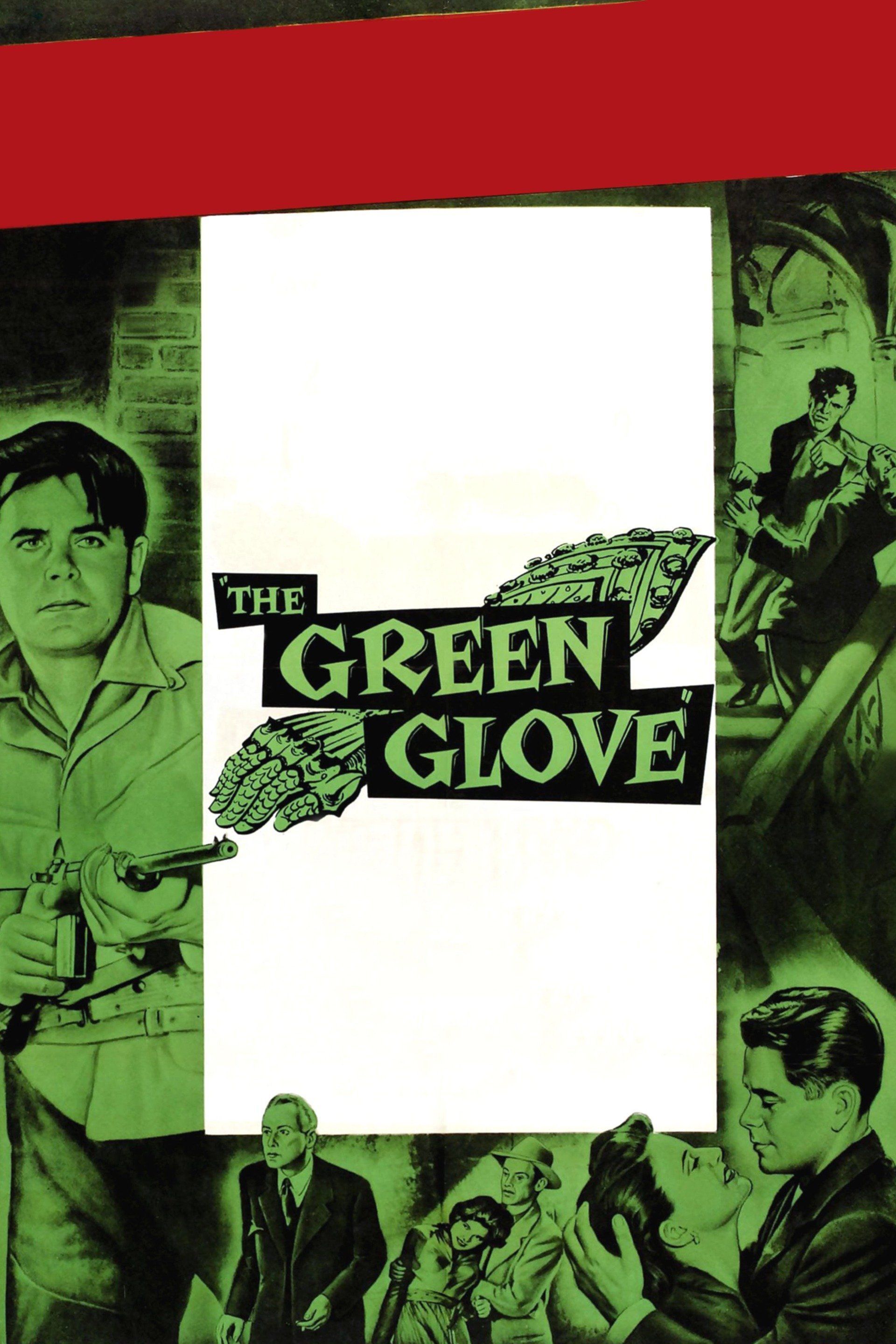
| 1952 | The Green Glove · as Original Music ComposerSu Plex |
| 1952 | |
| 1951 | Perfectionist · as Original Music Composer |
| 1951 | Mon Ami Pierre... · as Composer |
| 1951 | Dupont Barbès · as Composer |
| 1951 | |
| 1951 | Juliette, or Key of Dreams · as Original Music Composer |
| 1951 | Without Leaving an Address · as Original Music Composer |
| 1950 | |
| 1950 | |
| 1950 | |
| 1950 | |
| 1950 | La Marie du Port · as Composer |
| 1950 | The Big Meeting · as Composer |
| 1949 | |
| 1949 | The Farm of Seven Sins · as Composer |
| 1949 | |
| 1949 | Passion for Life · as Original Music Composer |
| 1949 | The Lovers of Verona · as Original Music Composer |
| 1949 | Blood of the Beasts · as Original Music Composer |
| 1948 | Wench · as Composer |
| 1948 | |
| 1948 | Man to Men · as Original Music Composer |
| 1948 | |
| 1948 | The Eleven O'Clock Woman · as Original Music Composer |
| 1947 | Bethsabée · as Original Music Composer |
| 1947 | Noah's Ark · as Original Music Composer |
| 1947 | Voyage surprise · as Composer |
| 1947 | The Royalists · as Composer |
| 1946 | Gates of the Night · as Original Music Composer |
| 1946 | Pétrus · as Composer |
| 1946 | A Day in the Country · as Original Music Composer |
| 1943 | Adieu Léonard · as Original Music Composer |
| 1943 | Le soleil a toujours raison · as Composer |
| 1943 | A Woman in the Night · as Composer |
| 1942 | The Devil's Envoys · as Composer |
| 1939 | The Rules of the Game · as Original Music Composer |
| 1938 | The Human Beast · as Original Music Composer |
| 1938 | |
| 1937 | Grand Illusion · as Original Music Composer |
| 1936 | Jenny · as Original Music Composer |
| 1936 | The Crime of Monsieur Lange · as Original Music Composer |
| 2016 | My Journey Through French Cinema · as Self |
| 1936 | Jenny · as Joueur D'harmonium |
| 1957 | L'inspecteur aime la bagarre · as Sound Director |
| 1952 | The Curious Adventures of Mr. Wonderbird · as Songs |
| 1951 | The Cape of Hope · as Sound |
| 1945 | Children of Paradise · as Co-ComposerSu Plex |