
David Susskind
Produzent, Darsteller, Regie
19. Dezember 1920 — 22. Februar 1987 (66 Jahre)
David Howard Susskind (December 19, 1920 – February 22, 1987) was an American producer of TV, movies, and stage plays and also a TV talk show host. His talk shows were innovative in the genre and addressed timely, controversial topics beyond the scope of others of the day.
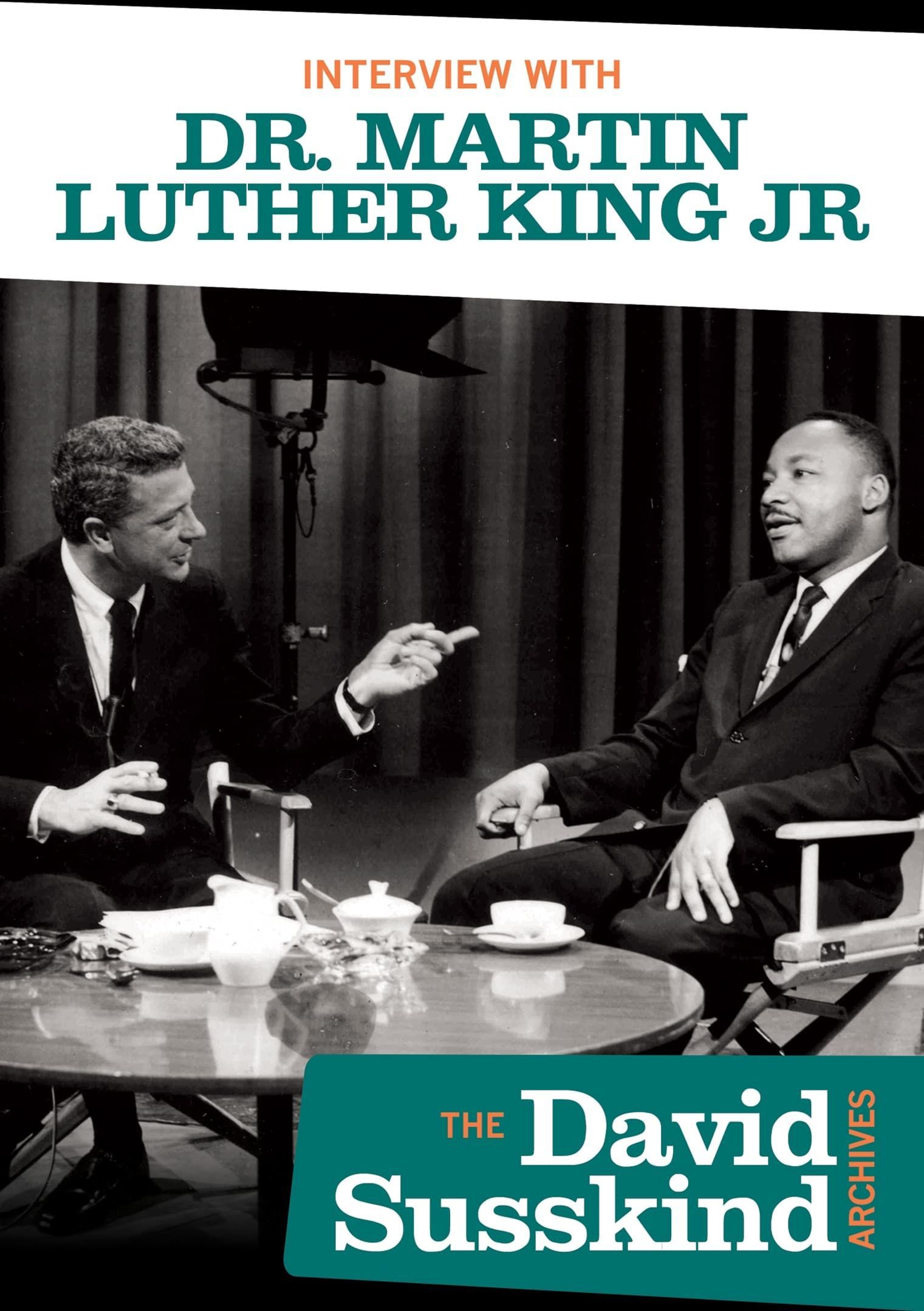
His first job after the war was as a press agent for Warner Brothers. Next, he was a talent agent for Century Artists, ultimately ending up in the Music Corporation of America's newly minted television programming department, managing Dinah Shore, Jerry Lewis, and others. In New York, Susskind formed Talent Associates, representing creators of material rather than performers. In 1954, Susskind became a producer of the NBC legal drama Justice, based on case files of the Legal Aid Society of New York. His program Open End began in 1958 on New York City's commercial independent station WNTA-TV and was so titled because the program continued until Susskind or his guests were too tired to continue. In 1961, Open End was constrained to two hours and went into national syndication. The show was retitled The David Susskind Show for its telecast on Sunday night, October 2, 1966. In the 1960s it was the first nationally broadcast television talk show to feature people speaking out against American involvement in the Vietnam War. In the 1970s it was the first nationally broadcast television talk show to feature people speaking out for gay rights. The show continued until its New York outlet canceled it in 1986. During his close to three-decade run, Susskind covered many controversial topics of the day, such as race relations, transsexualism, and the Vietnam War. His interview with Soviet Premier Nikita Khrushchev, which aired in October 1960, during the height of the Cold War, generated national attention. It is one of the very few talk show telecasts from the era that was preserved and can be viewed today. In a now notorious interview with then 25-year-old Muhammad Ali during a recently-unearthed 1968 appearance on the British program The Eamonn Andrews Show, Susskind displayed an intense antipathy and vitriol towards the famous boxer, whom he excoriated with withering criticism for refusing to be conscripted into the U.S. military for the Vietnam War. Some commentators have described this as a racist attack. Susskind was also a noted producer, with scores of movies, plays, and TV programs to his credit. His legacy is that of a producer of intelligent material at a time when TV had left its golden years behind and had firmly planted its feet in programming which had wide appeal, whether or not it was worth watching.
His first job after the war was as a press agent for Warner Brothers. Next, he was a talent agent for Century Artists, ultimately ending up in the Music Corporation of America's newly minted television programming department, managing Dinah Shore, Jerry Lewis, and others. In New York, Susskind formed Talent Associates, representing creators of material rather than performers. In 1954, Susskind became a producer of the NBC legal drama Justice, based on case files of the Legal Aid Society of New York. His program Open End began in 1958 on New York City's commercial independent station WNTA-TV and was so titled because the program continued until Susskind or his guests were too tired to continue. In 1961, Open End was constrained to two hours and went into national syndication. The show was retitled The David Susskind Show for its telecast on Sunday night, October 2, 1966. In the 1960s it was the first nationally broadcast television talk show to feature people speaking out against American involvement in the Vietnam War. In the 1970s it was the first nationally broadcast television talk show to feature people speaking out for gay rights. The show continued until its New York outlet canceled it in 1986. During his close to three-decade run, Susskind covered many controversial topics of the day, such as race relations, transsexualism, and the Vietnam War. His interview with Soviet Premier Nikita Khrushchev, which aired in October 1960, during the height of the Cold War, generated national attention. It is one of the very few talk show telecasts from the era that was preserved and can be viewed today. In a now notorious interview with then 25-year-old Muhammad Ali during a recently-unearthed 1968 appearance on the British program The Eamonn Andrews Show, Susskind displayed an intense antipathy and vitriol towards the famous boxer, whom he excoriated with withering criticism for refusing to be conscripted into the U.S. military for the Vietnam War. Some commentators have described this as a racist attack. Susskind was also a noted producer, with scores of movies, plays, and TV programs to his credit. His legacy is that of a producer of intelligent material at a time when TV had left its golden years behind and had firmly planted its feet in programming which had wide appeal, whether or not it was worth watching.

Bekannt aus






Filmografie
| 1983 | Rita Hayworth: The Love Goddess · as Executive Producer |
| 1982 | Ian McKellen: Acting Shakespeare · as Executive Producer |
| 1981 | Fort Apache the Bronx · as Executive Producer |
| 1981 | Crisis at Central High · as Executive Producer |
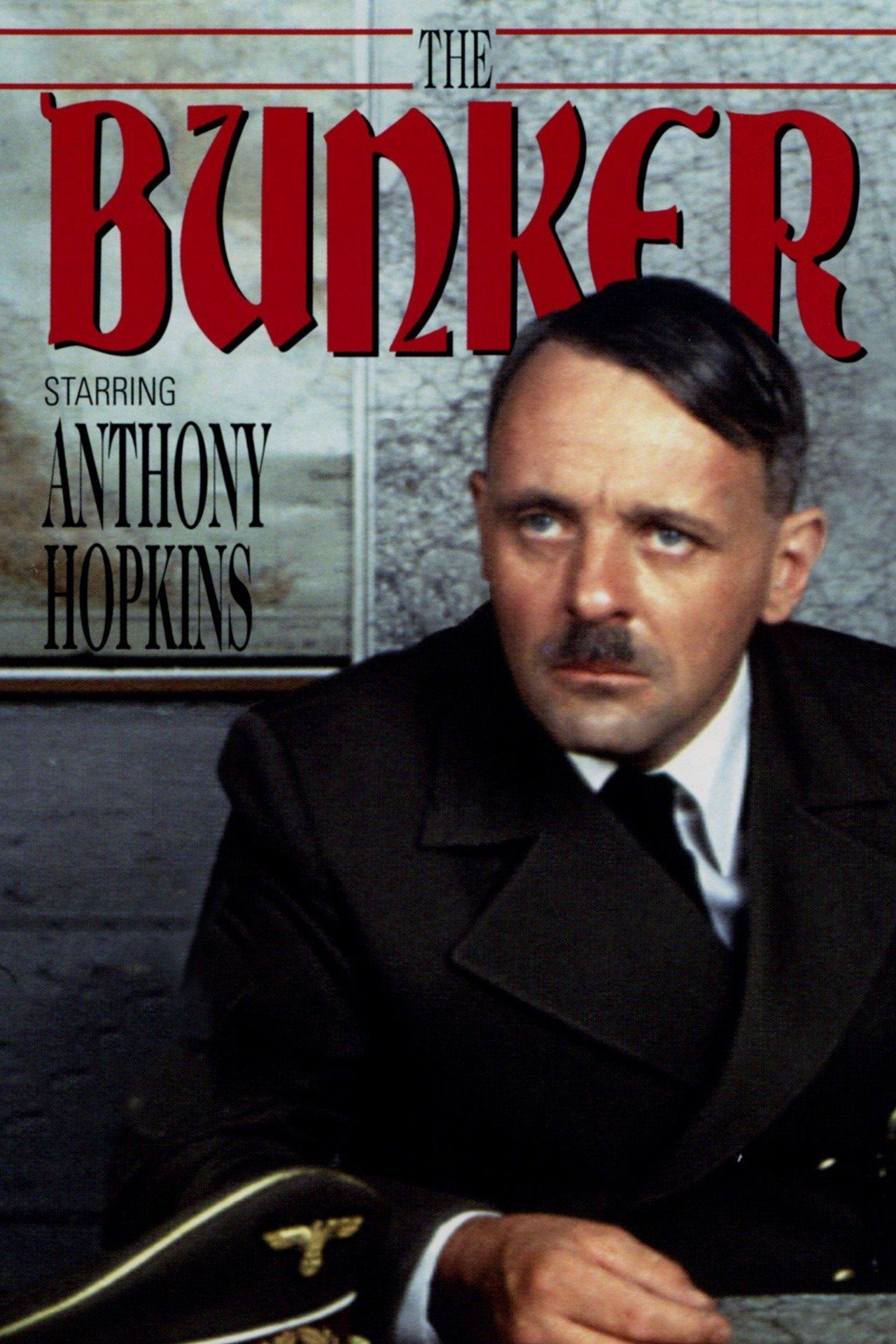
| 1981 | The Bunkerauf plex.tv |
| 1980 | Father Figure · as Executive Producer |
| 1980 | Loving Couples · as Executive Producer |
| 1980 | Mom, the Wolfman and Me · as Executive Producer |
| 1980 | |
| 1979 | The Family Man · as Executive Producer |
| 1979 | Blind Ambition · as Executive Producer |
| 1978 | Lovey: A Circle of Children, Part II · as Executive Producer |
| 1978 | Home to Stay · as Executive Producer |
| 1978 | The World Beyond · as Executive Producer |
| 1977 | On Our Own · as Executive Producer |
| 1977 | |
| 1977 | The War Between the Tates · as Executive Producer |
| 1977 | Eleanor and Franklin: The White House Years · as Executive Producer |
| 1976 | Goldenrod · as Executive Producer |
| 1976 | |
| 1976 | Buffalo Bill and the Indians, or Sitting Bull's History Lesson · as Executive Producer |
| 1976 | It Shouldn't Happen to a Vet · as Executive Producer |
| 1976 | |
| 1976 | Eleanor and Franklin · as Executive Producer |
| 1975 | |
| 1975 | |
| 1974 | |
| 1973 | |
| 1972 | |
| 1971 | |
| 1971 | |
| 1970 | |
| 1969 | |
| 1968 | |
| 1968 | Of Mice and Men · as Executive Producer |
| 1968 | Laura · as Executive Producer |
| 1967 | |
| 1967 | N.Y.P.D. · as Executive Producer |
| 1967 | |
| 1967 | |
| 1967 | |
| 1966 | |
| 1966 | |
| 1966 | |
| 1966 | |
| 1966 | |
| 1964 | |
| 1963 | |
| 1963 | |
| 1962 | |
| 1962 | |
| 1961 | |
| 1961 | The DuPont Show of the Week · as Executive Producer |
| 1961 | |
| 1961 | Jane Eyre · as Executive Producer |
| 1961 | Way Out · as Executive Producer |
| 1960 | The Witness · as Executive Producer |
| 1960 | |
| 1960 | |
| 1959 | |
| 1959 | |
| 1959 | |
| 1959 | |
| 1959 | |
| 1959 | |
| 1959 | |
| 1959 | Ten Little Indians · as Executive Producerauf plex.tv |
| 1957 | |
| 1957 | |
| 1956 | |
| 1955 | Appointment with Adventure · as Executive Producer |
| 1951 | |
| 1951 | |
| 1950 | |
| 1948 | |
| 1947 | Kraft Television Theatre · as Executive Producer |
| 1963 | East Side/West Side · as Moderator |
| 1962 | |
| 1961 | A Raisin in the Sun · as On-Screen Trailer Narrator (uncredited) |
| 1959 | The Play of the Week · as Host |
| 1967 | N.Y.P.D. · as Creator |
| 1963 | East Side/West Side · as Created By |