
Chet Huntley
Herec
11. prosince 1911 — 20. března 1974 (62 let)
Huntley began his radio newscast career in 1934 at Seattle's KIRO AM, later working on radio stations in Spokane (KHQ) and Portland. His time (1936–37) in Portland was with KGW-AM, owned by The Oregonian, a Portland daily newspaper. At KGW he was writer, newscaster, and announcer. In 1937 he went to work for KFI in Los Angeles, moving to CBS Radio from 1939 to 1951, then ABC Radio from 1951 to 1955. In 1955, he joined the NBC Radio network, viewed by network executives as "another Ed Murrow".
In 1956, coverage of the national political party conventions was a major point of pride for the fledgling broadcast news organizations. NBC News executives were seeking to counter the growing popularity of CBS' Walter Cronkite, who had been a ratings success at the 1952 conventions. They decided to replace their current news anchor, John Cameron Swayze, but there was a disagreement on who the new anchorman should be. The two leading contenders were Huntley and David Brinkley. The eventual decision was to have both men share the assignment. Their on-air chemistry was apparent from the start, with Huntley's straightforward presentation countered by Brinkley's acerbic wit.
This success soon led to the team replacing Swayze on the network's nightly news program. It was decided to have the two men co-anchor the show; Huntley from New York City, Brinkley from Washington, D.C. The Huntley-Brinkley Report began in October 1956 and was soon a ratings success. Huntley and Brinkley's catchphrase closing of "Good night, David"—"Good night, Chet... and good night for NBC News" was developed by the show's producer, Reuven Frank. Although both anchors initially disliked it, the sign-off became famous. Huntley and Brinkley gained great celebrity themselves, with surveys showing them better known than John Wayne, Cary Grant, Jimmy Stewart or the Beatles. The gregarious Huntley remained the same, a friend commenting in 1968 that "Chet is warm, he's friendly, he's unaffected, he's—well, he's just so damned nice."
In April 1956, before that year's political conventions that brought him to prominence, Huntley began anchoring a new half-hour program entitled Outlook, produced by Reuven Frank. The program aired for seven years, later changing its name to Chet Huntley Reporting, and often covered racial segregation and civil rights. In January 1962, the program moved from the Sunday evening news time-slot to prime time.
Huntley wrote a memoir of his Montana childhood, The Generous Years: Remembrances of a Frontier Boyhood, published by Random House in 1968. He also became involved in a New York advertising agency, Levine, Huntley, Schmidt, Plapler & Beaver, gaining a 10 percent share in the agency in exchange for having his name on the letterhead and attending some agency meetings. He maintained his own cattle farm in Stockton, New Jersey, which for a short time in 1964 included a beef line from the farm's cattle promoted under his name before the network intervened due to conflict of interest and promotional concerns.
Huntley's last NBC News broadcast was aired on Friday, July 31, 1970. He returned to Montana, where he conceived and built Big Sky, a ski resort south of Bozeman, which opened in December 1973.
In 1956, coverage of the national political party conventions was a major point of pride for the fledgling broadcast news organizations. NBC News executives were seeking to counter the growing popularity of CBS' Walter Cronkite, who had been a ratings success at the 1952 conventions. They decided to replace their current news anchor, John Cameron Swayze, but there was a disagreement on who the new anchorman should be. The two leading contenders were Huntley and David Brinkley. The eventual decision was to have both men share the assignment. Their on-air chemistry was apparent from the start, with Huntley's straightforward presentation countered by Brinkley's acerbic wit.
This success soon led to the team replacing Swayze on the network's nightly news program. It was decided to have the two men co-anchor the show; Huntley from New York City, Brinkley from Washington, D.C. The Huntley-Brinkley Report began in October 1956 and was soon a ratings success. Huntley and Brinkley's catchphrase closing of "Good night, David"—"Good night, Chet... and good night for NBC News" was developed by the show's producer, Reuven Frank. Although both anchors initially disliked it, the sign-off became famous. Huntley and Brinkley gained great celebrity themselves, with surveys showing them better known than John Wayne, Cary Grant, Jimmy Stewart or the Beatles. The gregarious Huntley remained the same, a friend commenting in 1968 that "Chet is warm, he's friendly, he's unaffected, he's—well, he's just so damned nice."
In April 1956, before that year's political conventions that brought him to prominence, Huntley began anchoring a new half-hour program entitled Outlook, produced by Reuven Frank. The program aired for seven years, later changing its name to Chet Huntley Reporting, and often covered racial segregation and civil rights. In January 1962, the program moved from the Sunday evening news time-slot to prime time.
Huntley wrote a memoir of his Montana childhood, The Generous Years: Remembrances of a Frontier Boyhood, published by Random House in 1968. He also became involved in a New York advertising agency, Levine, Huntley, Schmidt, Plapler & Beaver, gaining a 10 percent share in the agency in exchange for having his name on the letterhead and attending some agency meetings. He maintained his own cattle farm in Stockton, New Jersey, which for a short time in 1964 included a beef line from the farm's cattle promoted under his name before the network intervened due to conflict of interest and promotional concerns.
Huntley's last NBC News broadcast was aired on Friday, July 31, 1970. He returned to Montana, where he conceived and built Big Sky, a ski resort south of Bozeman, which opened in December 1973.


Filmografie
| 1971 | Vanished (1971) · as Newscaster |
| 1966 | Batman (1966) · as Tv Host |
| 1958 | Behind the Great Wall · as Narrator |
| 1958 | The Bonnie Parker Story · as Opening Narrator (voice) (uncredited) |
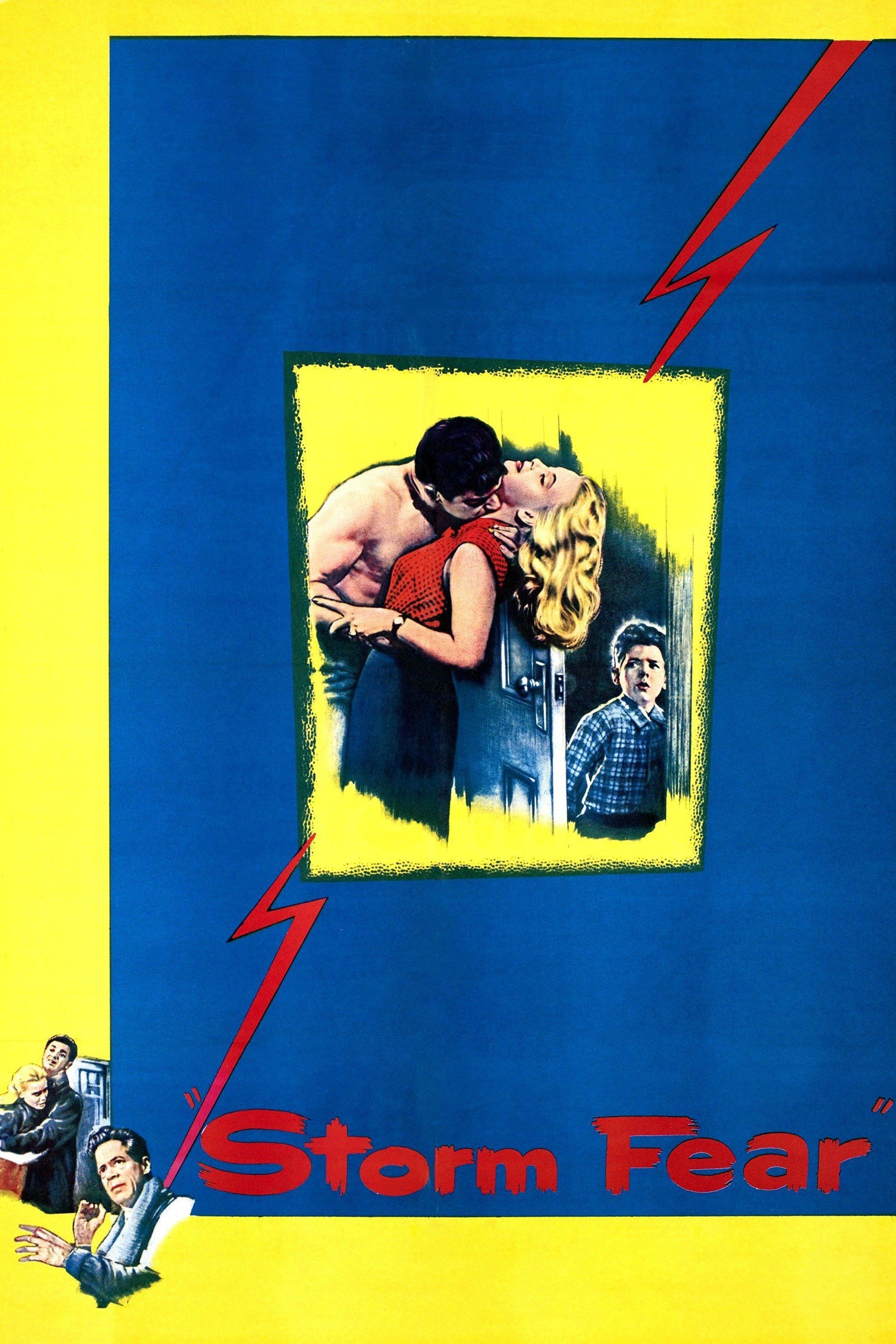
| 1955 | Storm Fear · as Radio Broadcaster |
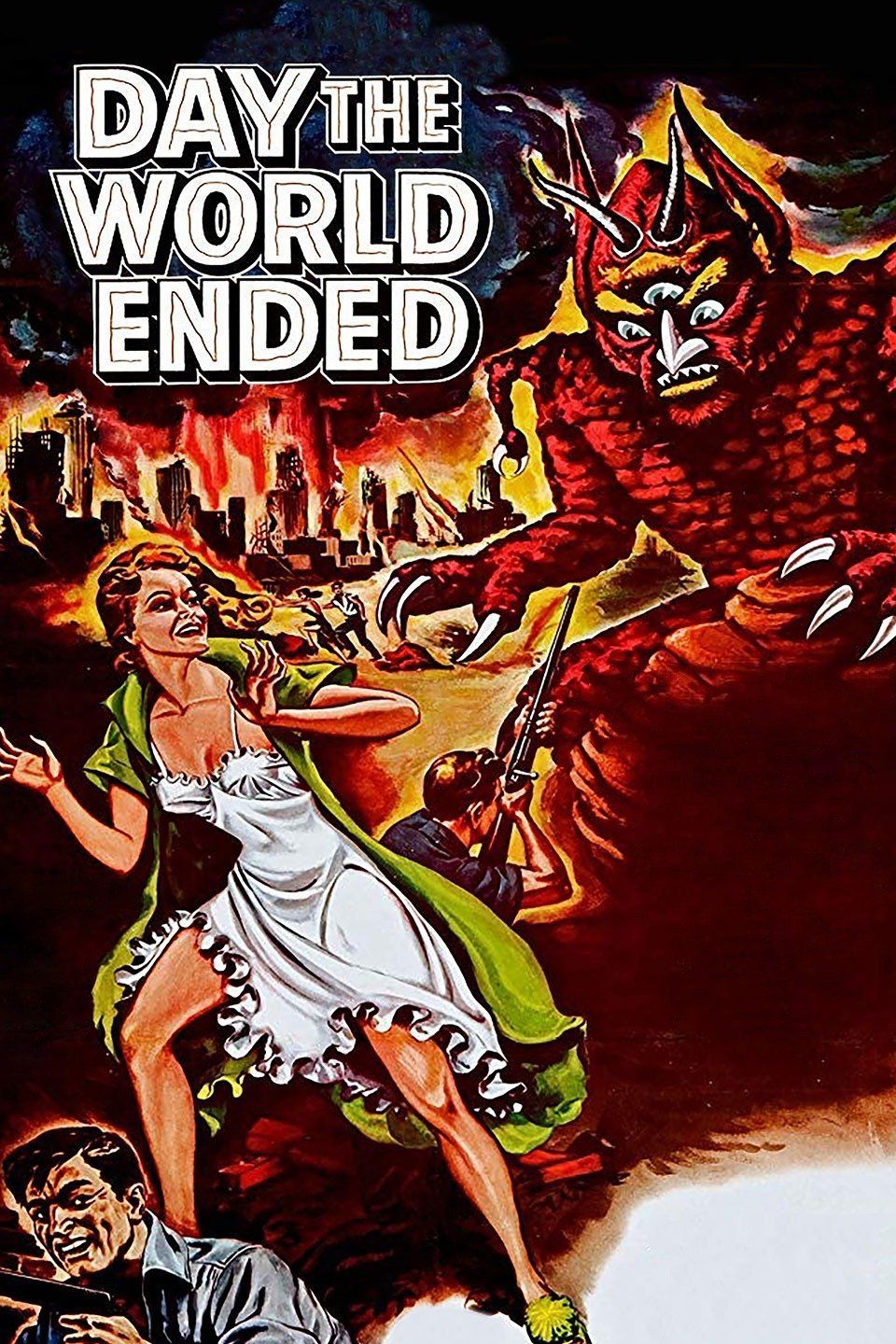
| 1955 | Day the World Ended · as Narrator (voice) (uncredited)Na Plexu |
| 1955 | Mau-Mau · as Narrator |
| 1954 | Medic · as Announcer |
| 1954 | Executive Suite · as Narrator / Voice Of Tredway (voice) (uncredited) |
| 1953 | The Kid from Left Field · as Final Announcer |
| 1952 | The Pride of St. Louis · as Tom Weaver |
| 1950 | The Next Voice You Hear... · as Radio News Broadcaster (voice) (uncredited) |
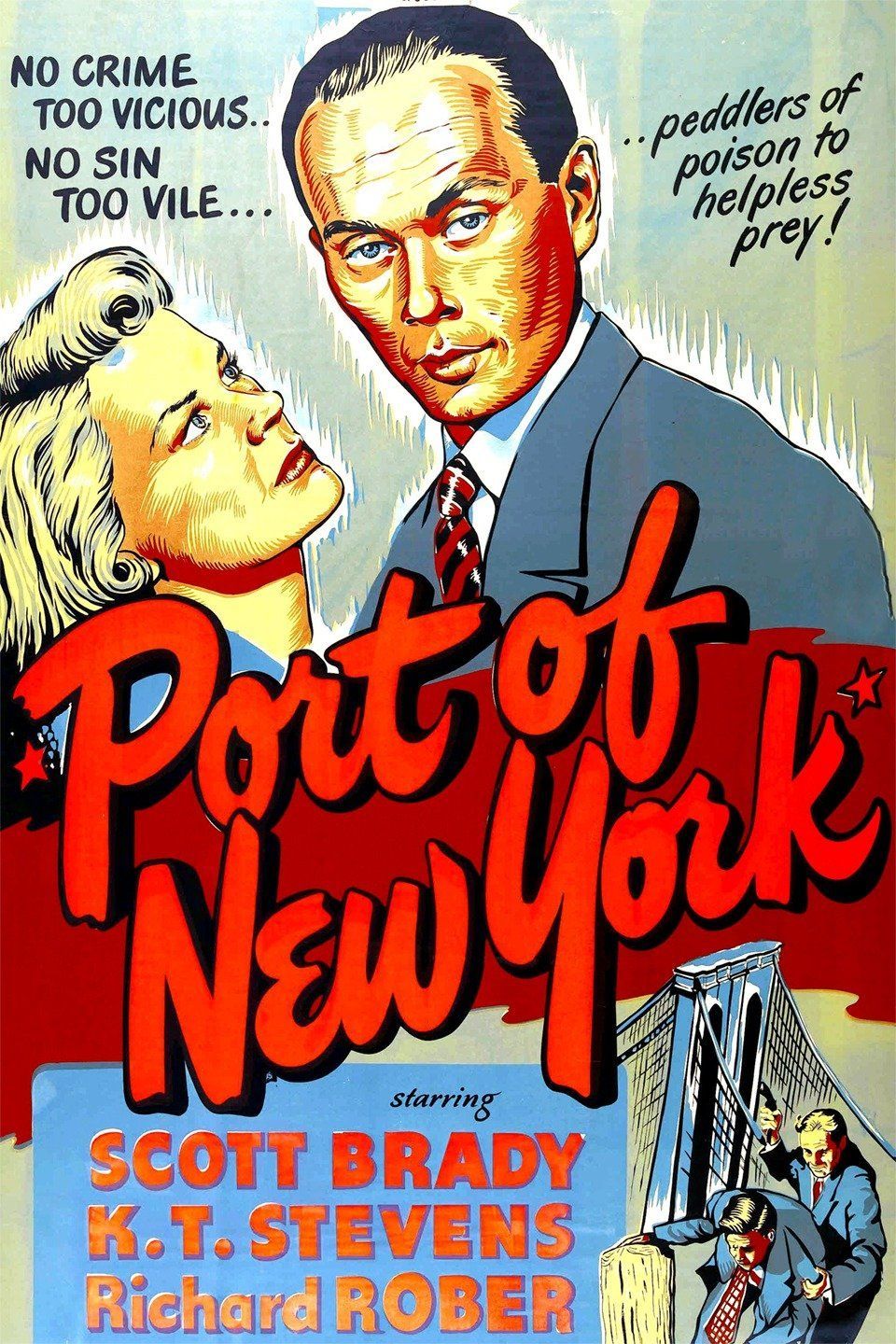
| 1949 | Port of New York · as NarratorNa Plexu |
| 1949 | Illegal Entry · as Narrator |
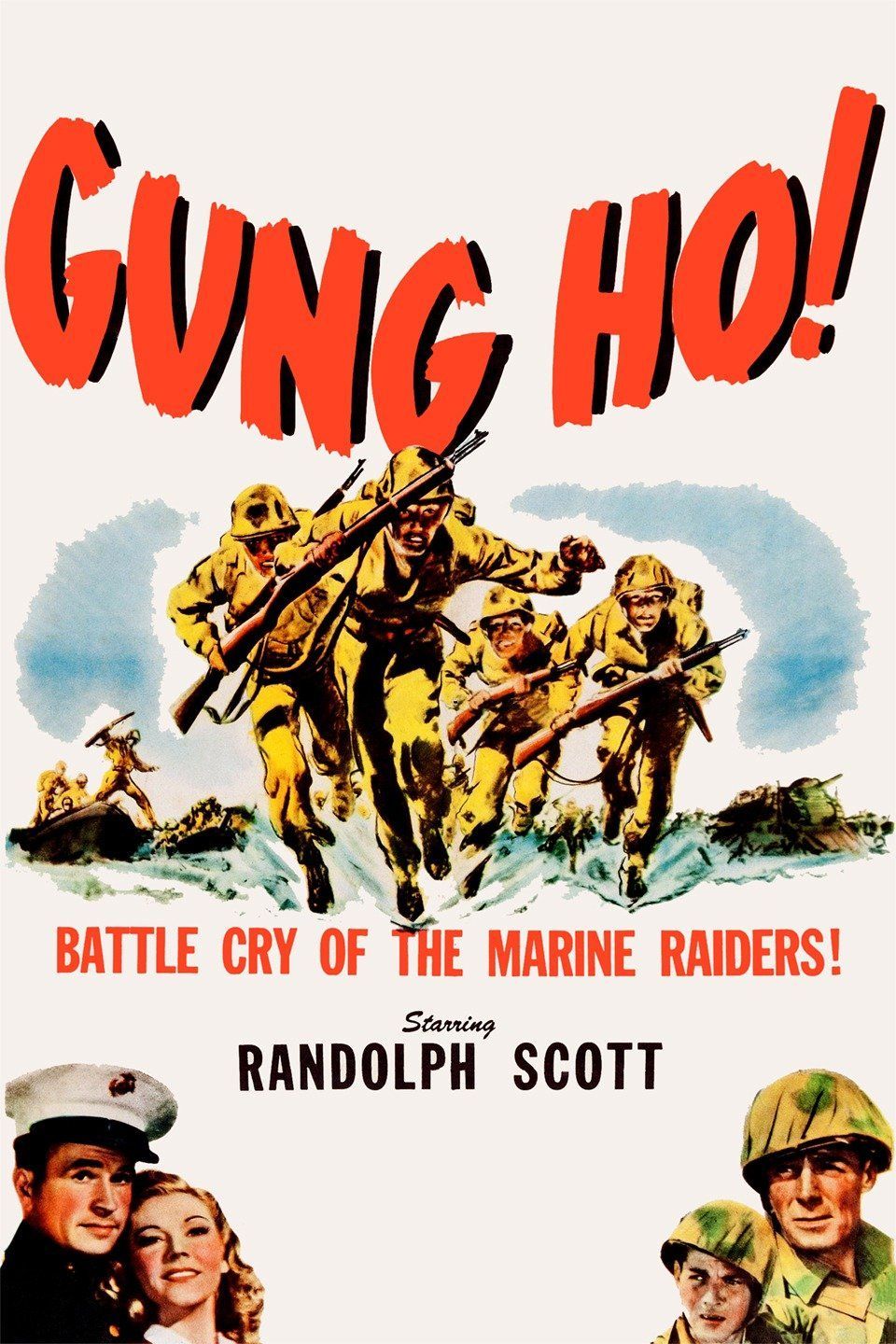
| 1943 | 'Gung Ho!': The Story of Carlson's Makin Island Raiders · as NarratorNa Plexu |
| 1943 | Mr. Lucky · as Radio Broadcaster (voice) (uncredited) |
| 1943 | Flight for Freedom · as Radio Broadcaster (uncredited) |
| 1942 | The Big Street · as Radio Announcer (voice) (uncredited) |
| 1960 | This side and the other side of the zone border · as Original Writer |