
Charles Brackett
Escritor, Productor
26 de noviembre de 1892 — 9 de marzo de 1969 (76 años)
Charles William Brackett (November 26, 1892 – March 9, 1969) was an American novelist, screenwriter, and film producer. He collaborated with Billy Wilder on sixteen films.
Brackett was born in Saratoga Springs, New York, the son of Mary Emma Corliss and New York State Senator, lawyer, and banker Edgar Truman Brackett. The family's roots traced back to the arrival of Richard Brackett in the Massachusetts Bay Colony in 1629, near present-day Springfield, Massachusetts. His mother's uncle, George Henry Corliss, built the Centennial Engine that powered the 1876 Centennial Exposition in Philadelphia. A 1915 graduate of Williams College, he earned his law degree from Harvard University. He joined the Allied Expeditionary Force during World War I. He was awarded the French Medal of Honor. He was a frequent contributor to the Saturday Evening Post, Collier's, and Vanity Fair, and a drama critic for The New Yorker. He wrote five novels: The Counsel of the Ungodly (1920), Week-End (1925), That Last Infirmity (1926), and American Colony (1929). and Entirely Surrounded (1934).
Brackett was a president of the Screen Writers Guild (1938–1939) and the Academy of Motion Picture Arts and Sciences (1949–1955). He either wrote and/or produced over forty films, including To Each His Own, Ninotchka, The Major and the Minor, The Mating Season (1951), Niagara, The King and I, Ten North Frederick, The Remarkable Mr. Pennypacker, and Blue Denim.
Beginning in August 1936, Brackett worked with Billy Wilder, writing the film classics The Lost Weekend and Sunset Boulevard, both of which won Academy Awards for their respective screenplays. Brackett described their collaboration process as follows: "The thing to do was suggest an idea, have it torn apart and despised. In a few days, it would be apt to turn up, slightly changed, as Wilder's idea. Once I got adjusted to that way of working, our lives were simpler."
His partnership with Wilder ended in 1950 and Brackett went to work at 20th Century-Fox as a screenwriter and producer. His script for Titanic (1953) won him another Academy Award.
He received an Honorary Oscar for Lifetime Achievement in 1958.
Charles Brackett died on March 9, 1969. His diaries covering his screenwriting and social life from 1932 to 1949 were edited by Anthony Slide into Slide's book It's the Pictures That Got Small: Charles Brackett on Billy Wilder and Hollywood's Golden Age.
Brackett was born in Saratoga Springs, New York, the son of Mary Emma Corliss and New York State Senator, lawyer, and banker Edgar Truman Brackett. The family's roots traced back to the arrival of Richard Brackett in the Massachusetts Bay Colony in 1629, near present-day Springfield, Massachusetts. His mother's uncle, George Henry Corliss, built the Centennial Engine that powered the 1876 Centennial Exposition in Philadelphia. A 1915 graduate of Williams College, he earned his law degree from Harvard University. He joined the Allied Expeditionary Force during World War I. He was awarded the French Medal of Honor. He was a frequent contributor to the Saturday Evening Post, Collier's, and Vanity Fair, and a drama critic for The New Yorker. He wrote five novels: The Counsel of the Ungodly (1920), Week-End (1925), That Last Infirmity (1926), and American Colony (1929). and Entirely Surrounded (1934).
Brackett was a president of the Screen Writers Guild (1938–1939) and the Academy of Motion Picture Arts and Sciences (1949–1955). He either wrote and/or produced over forty films, including To Each His Own, Ninotchka, The Major and the Minor, The Mating Season (1951), Niagara, The King and I, Ten North Frederick, The Remarkable Mr. Pennypacker, and Blue Denim.
Beginning in August 1936, Brackett worked with Billy Wilder, writing the film classics The Lost Weekend and Sunset Boulevard, both of which won Academy Awards for their respective screenplays. Brackett described their collaboration process as follows: "The thing to do was suggest an idea, have it torn apart and despised. In a few days, it would be apt to turn up, slightly changed, as Wilder's idea. Once I got adjusted to that way of working, our lives were simpler."
His partnership with Wilder ended in 1950 and Brackett went to work at 20th Century-Fox as a screenwriter and producer. His script for Titanic (1953) won him another Academy Award.
He received an Honorary Oscar for Lifetime Achievement in 1958.
Charles Brackett died on March 9, 1969. His diaries covering his screenwriting and social life from 1932 to 1949 were edited by Anthony Slide into Slide's book It's the Pictures That Got Small: Charles Brackett on Billy Wilder and Hollywood's Golden Age.


Conocido por




Filmography
| 1960 | |
| 1959 | Journey to the Center of the Earth · as Screenplay |
| 1956 | Teenage Rebel · as Screenplay |
| 1955 | The Girl in the Red Velvet Swing · as Screenplay |
| 1953 | Titanic · as Screenplay |
| 1953 | NiagaraEn Plex |
| 1951 | |
| 1951 | |
| 1950 | Sunset Boulevard · as Screenplay |
| 1950 | |
| 1948 | Miss Tatlock's Millions · as Screenplay |
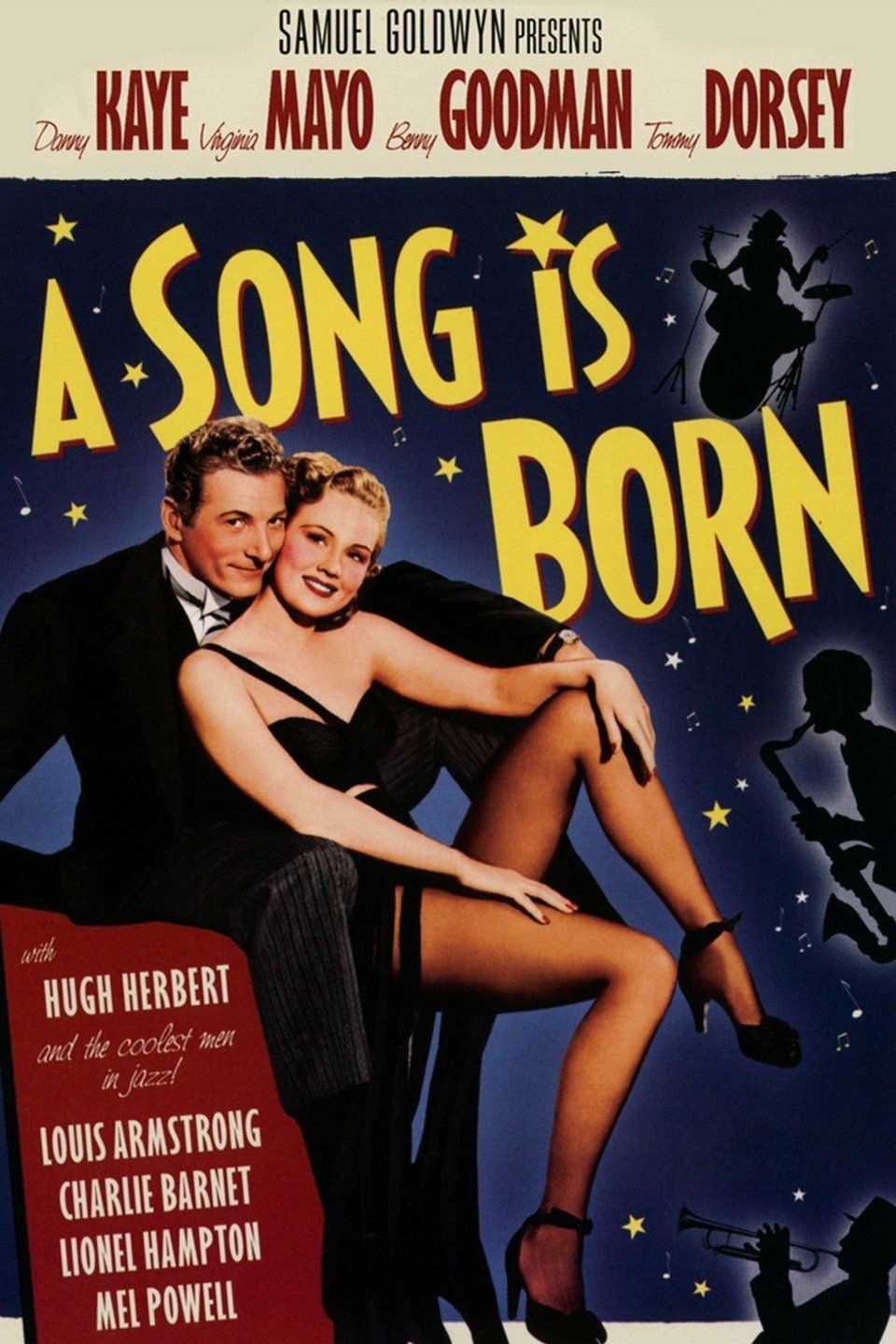
| 1948 | A Song Is Born · as Original Film WriterEn Plex |
| 1948 | A Foreign Affair · as Screenplay |
| 1948 | |
| 1947 | The Bishop's WifeEn Plex |
| 1945 | Masquerade in Mexico · as Original Film Writer |
| 1945 | The Lost Weekend · as Screenplay |
| 1944 | |
| 1943 | Five Graves to Cairo · as Screenplay |
| 1943 | Mr. Lucky · as Contributing Writer |
| 1942 | |
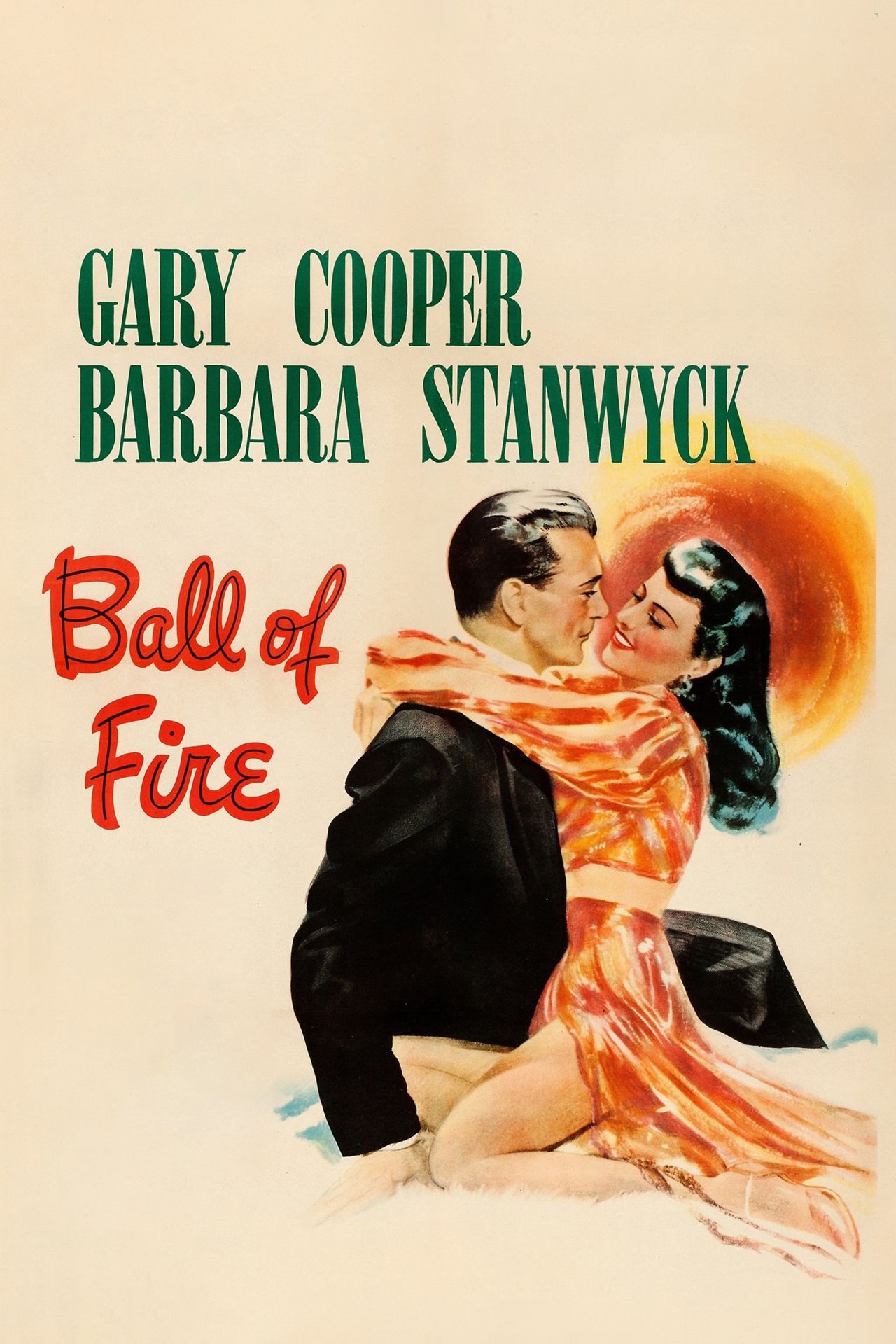
| 1941 | Ball of Fire · as ScreenplayEn Plex |
| 1941 | |
| 1940 | Arise, My Love · as Screenplay |
| 1939 | Ninotchka · as Screenplay |
| 1939 | What a Life · as Screenplay |
| 1939 | Midnight · as Screenplay |
| 1938 | |
| 1938 | Bluebeard's Eighth Wife · as Screenplay |
| 1937 | Live, Love and Learn · as Screenplay |
| 1936 | |
| 1936 | |
| 1936 | Rose of the Rancho · as Screenplay |
| 1934 | |
| 1933 | Little Women · as Contributing Writer |
| 1962 | |
| 1960 | |
| 1959 | |
| 1959 | |
| 1958 | |
| 1958 | |
| 1958 | |
| 1957 | |
| 1956 | |
| 1956 | |
| 1956 | |
| 1955 | |
| 1955 | |
| 1954 | |
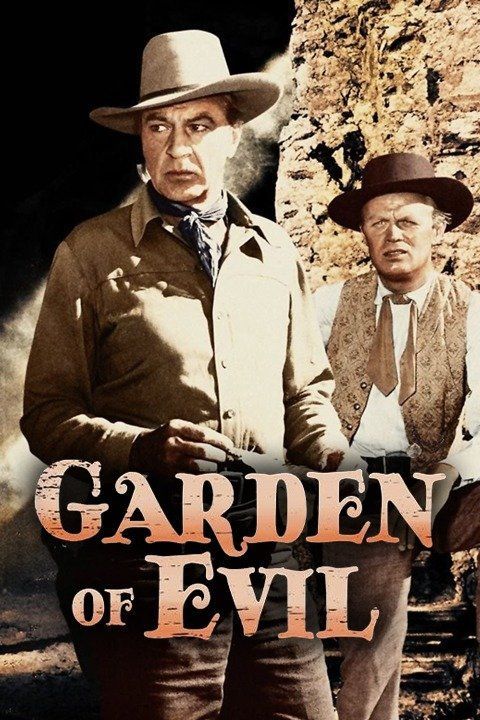
| 1954 | Garden of EvilEn Plex |
| 1953 | |
| 1953 | NiagaraEn Plex |
| 1951 | |
| 1951 | |
| 1950 | |
| 1948 | |
| 1948 | |
| 1948 | |
| 1946 | |
| 1945 | |
| 1944 | |
| 1943 | Five Graves to Cairo · as Associate Producer |
| 2014 | And the Oscar Goes to... · as Self |
| 1962 | The 34th Annual Academy Awards · as Self - Presenter |
| 1955 | The 27th Annual Academy Awards · as Self - Presenter |
| 1954 | The 26th Annual Academy Awards · as Self - Presenter |
| 1953 | The Academy Awards · as Self |
| 1953 | The 25th Annual Academy Awards · as Self - Presenter |
| 1955 | The 20th Century-Fox Hour · as Original Screenplay |
| 1950 | The Lux Video Theatre · as Previous Screenplay |
| 1950 | Robert Montgomery Presents · as Film Story |
| 1946 | To Each His Own · as Story |
| 1940 | French Without Tears · as Treatment |
| 1935 | The Last Outpost · as Adaptation |
| 1935 | The Crusades · as Contributor To Treatment |
| 1931 | Secrets of a Secretary · as Story |
| 1929 | Pointed Heels · as Short Story |